





















































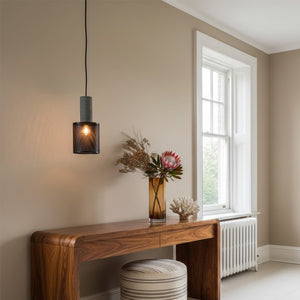
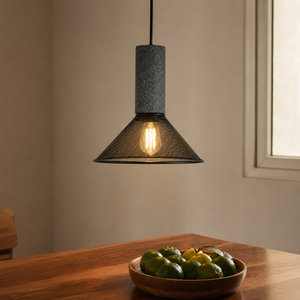
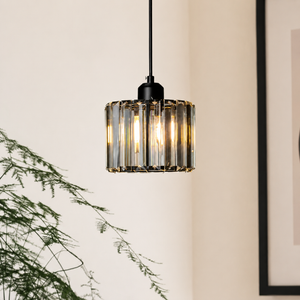
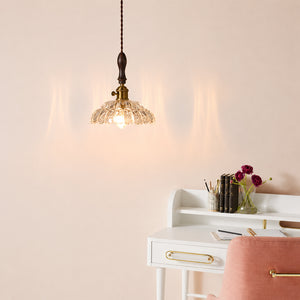
















































How to Brighten a Dark Room in Your Home: Simple Lighting & Design Tips
How to Brighten a Dark Room in Your Home
Simple lighting and design tips to turn a dull, shadowy space into a warm, welcoming one, without a renovation.
Brighten a dark room by layering ambient, task, and accent lighting; choosing warm-to-neutral white bulbs (3000K–4000K); using light wall colors and mirrors to reflect available light; and keeping furniture clear of windows. Adding wall lights and floor lamps to unused corners is usually the fastest, most affordable improvement.

Tips
A dark room does more than just limit visibility. It affects your mood, energy levels, comfort, and even how spacious your home feels. Many homeowners search for how to brighten a dark room, how to add more light to a room without windows, or what lighting works best for low-light spaces, yet feel stuck between expensive renovation ideas and confusing design advice.
The truth is, brightening a dark room does not require structural changes or a big budget. With the right lighting strategy, thoughtful color choices, and small design adjustments, you can transform a dull, shadowy room into a warm, inviting, and functional space that feels good to live in every day.
This guide is written to help real homeowners make real decisions. Whether you live in a city apartment, a family home, or a compact rental, you will learn simple lighting and design tips to brighten a dark room in your home, explained clearly, practically, and with long-term comfort in mind.
Why Some Rooms Feel Dark Even During the Day
Before fixing the problem, it helps to understand why it exists. A room may feel dark for several reasons, and often it is a combination of factors rather than a single issue.
One common reason is limited natural light. Rooms that face north, sit between buildings, or have small windows tend to receive less sunlight. Another factor is poor artificial lighting. Many homes rely on a single ceiling light, which creates shadows and uneven brightness. Dark wall colors, heavy furniture, and matte finishes can also absorb light instead of reflecting it, making the room feel smaller and dimmer.
Understanding these causes allows you to choose the best lighting solutions for dark rooms rather than relying on trial and error.

Signs Your Room Needs Better Lighting
A few everyday habits usually point to a lighting problem before you consciously notice one:
- You rely on overhead lights or a phone flashlight to read or find things comfortably
- Corners and hallway ends stay shadowed even with the lights switched on
- Photos taken indoors look yellow, grey, or flat rather than true to color
- The room feels smaller or more closed-in than its actual size
- You keep curtains fully open all day just to see clearly, even when you would rather have privacy
15 Simple Ways to Brighten a Dark Room
One of the biggest mistakes people make is trying to fix a dark room by simply adding a brighter bulb. Light is not just about intensity, it is about distribution. The fifteen changes below work together, layering light, color, and reflection so a room brightens evenly instead of in one harsh patch.

1. Use Layered Lighting to Eliminate Shadows
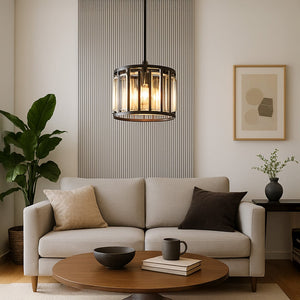
Layered lighting means combining multiple types of light so the room feels evenly lit and visually balanced.
Ambient Lighting
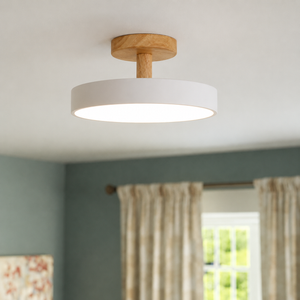
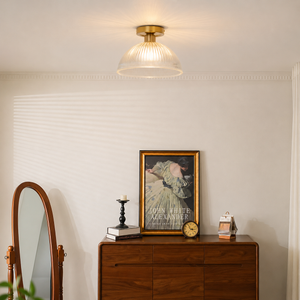
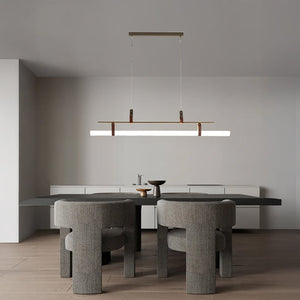
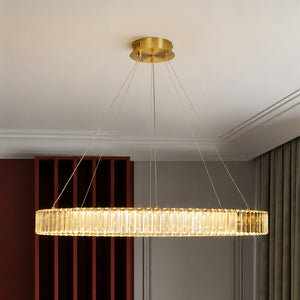
This is your main source of light. Ceiling lights, recessed lights, or flush mounts provide overall illumination.
Task Lighting
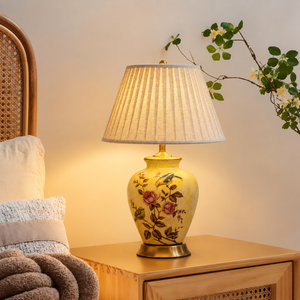
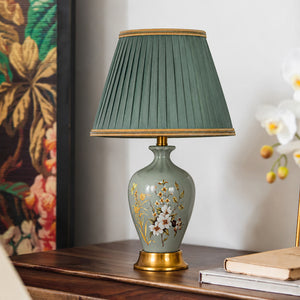
Task lighting focuses on specific activities like reading, cooking, or working. Table lamps, desk lamps, and under-cabinet lights fall into this category.
Accent Lighting
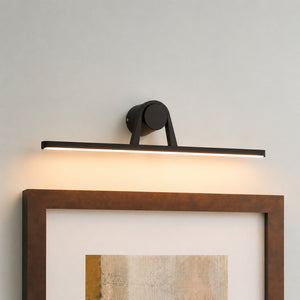
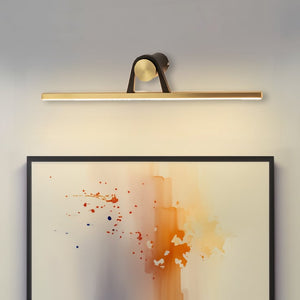
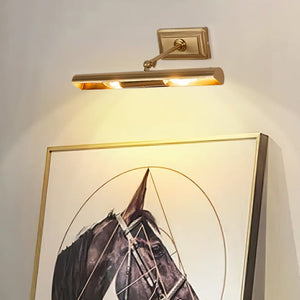
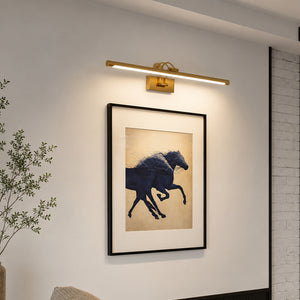
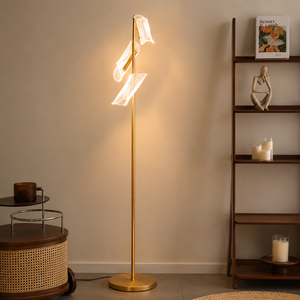
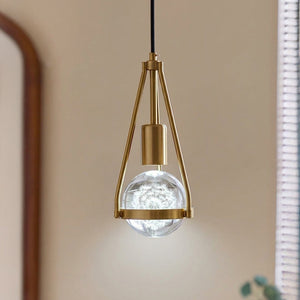
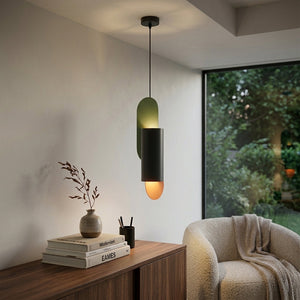
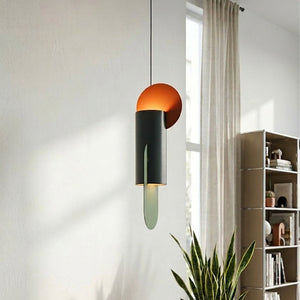
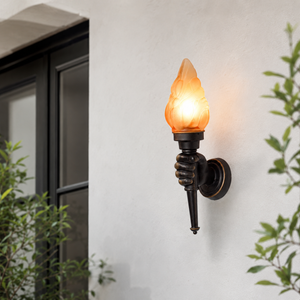
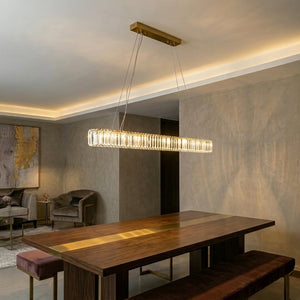
Accent lighting adds depth and warmth. Wall lights, picture lights, and floor lamps help soften shadows and highlight corners.
2. Choose the Right Light Color and Brightness
Not all light is equal. The wrong bulb color can make a room feel cold, dull, or harsh. If you are asking "which light color makes a room look brighter?", neutral white tends to reflect best while still feeling natural indoors. Brightness matters too, focus on lumens, not wattage: higher lumens mean more visible light without unnecessary glare.
Best Light Colors, by Room
- Warm white (3000K–3500K) for living rooms and bedrooms
- Neutral white (4000K) for kitchens and work areas
Rough Lumens Guide, by Room
- Living room: roughly 1,500–3,000 total lumens
- Bedroom: roughly 1,000–2,000 total lumens
- Kitchen: roughly 3,000–4,000 lumens over work areas
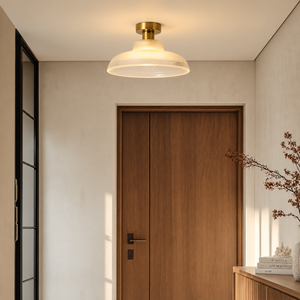
- Hallway or entryway: roughly 200–300 lumens per fixture, spaced evenly
3. Light Wall Colors Make a Huge Difference
Wall color plays a major role in how light behaves inside a room. Dark colors absorb light, light colors reflect it. If you are wondering "what wall color is best for a dark room?", these shades work especially well:
- Soft white
- Cream
- Beige
- Light grey with warm undertones
Satin or eggshell finishes reflect more light than matte paints, making the room feel brighter without looking shiny.
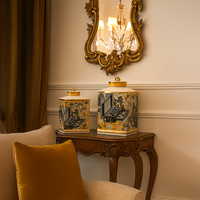
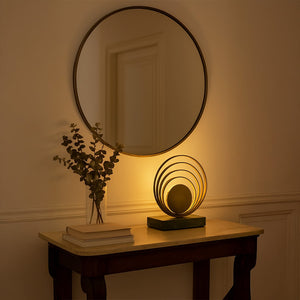
4. Use Mirrors to Multiply Light Naturally
Mirrors are one of the most effective tools for brightening a dark room without electrical changes. Place mirrors:
- Opposite windows
- Near light sources
- At the end of hallways
This creates the illusion of more light and space. Many homeowners ask "do mirrors really make a room brighter?" When placed correctly, they absolutely do.


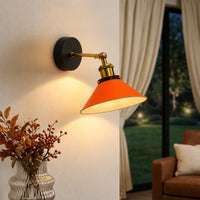
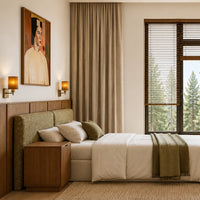
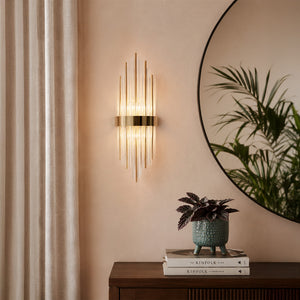
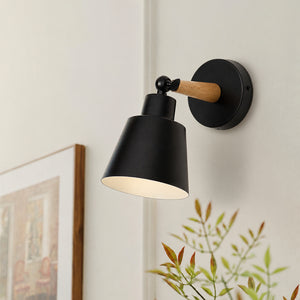
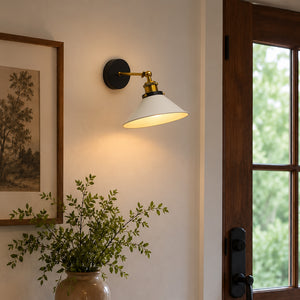
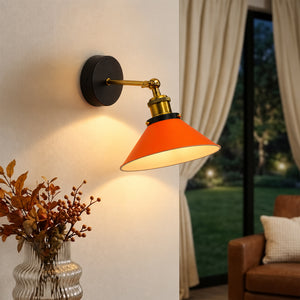
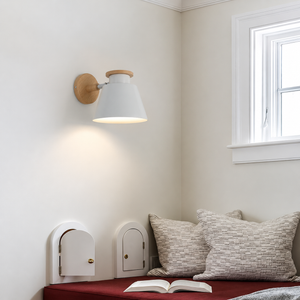
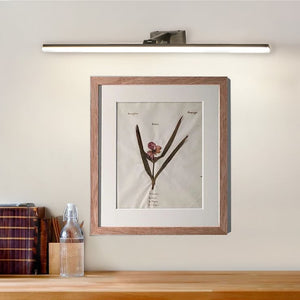
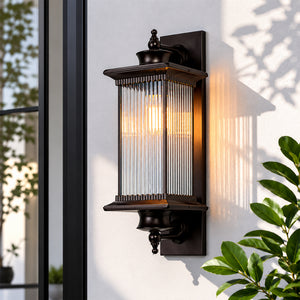
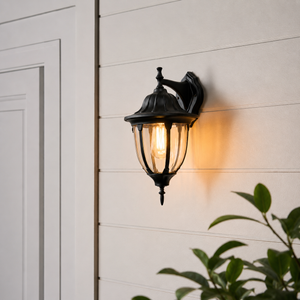
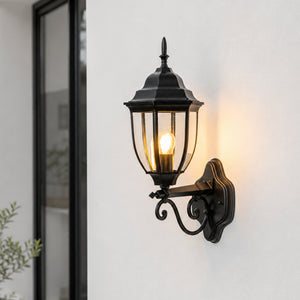
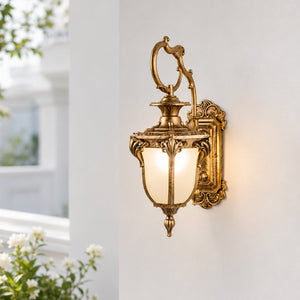
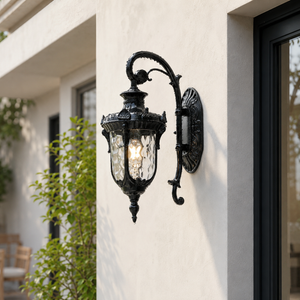
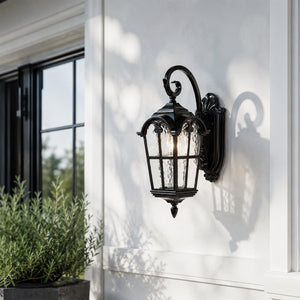
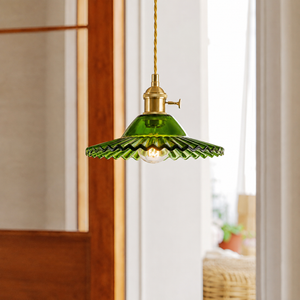
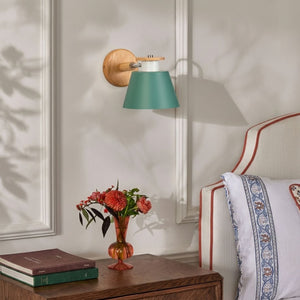
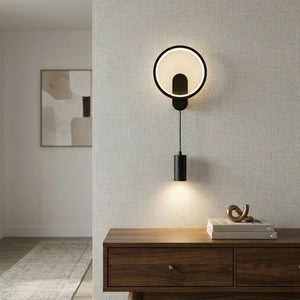
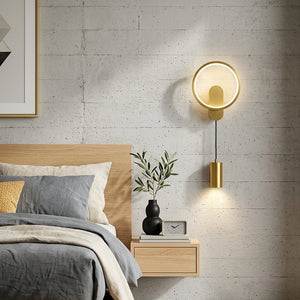
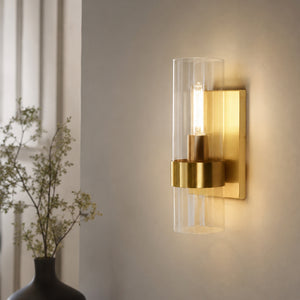
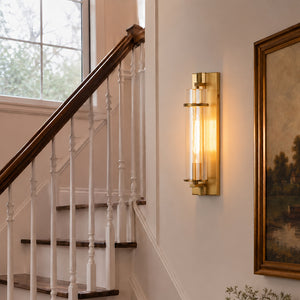
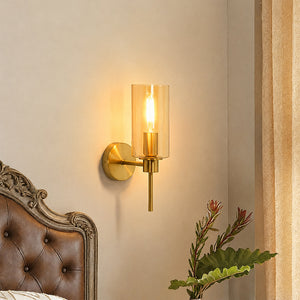
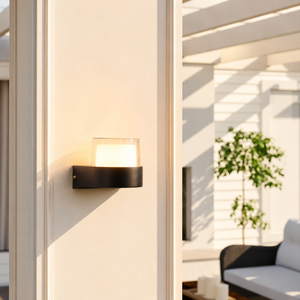
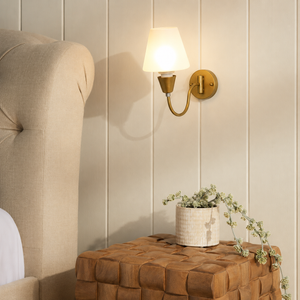
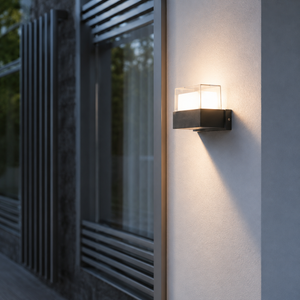
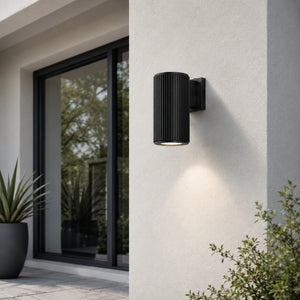
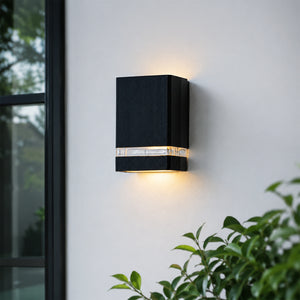
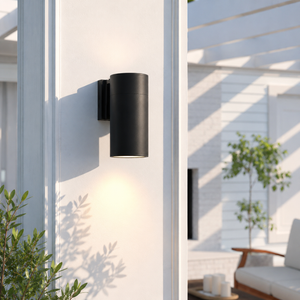
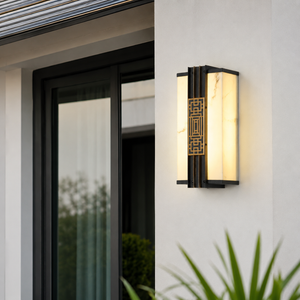
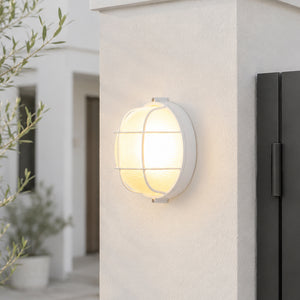
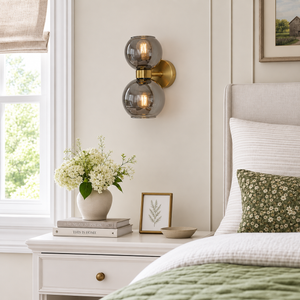
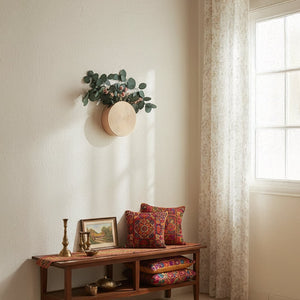
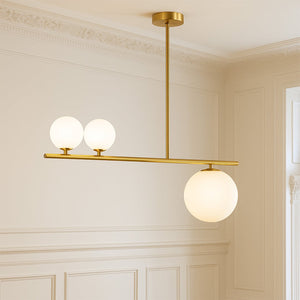
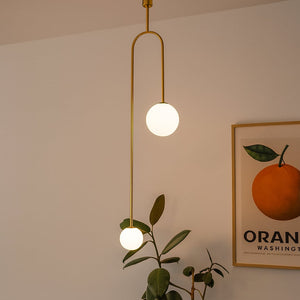
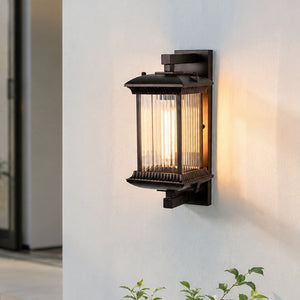
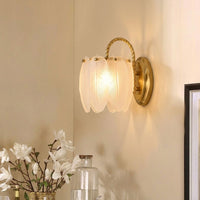
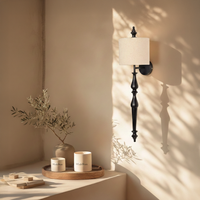
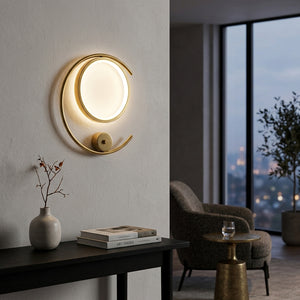
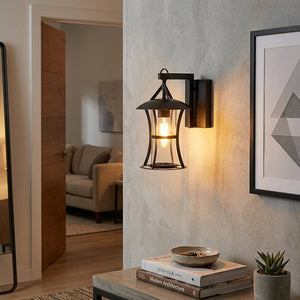
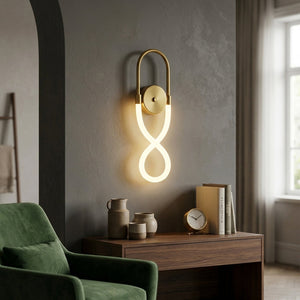
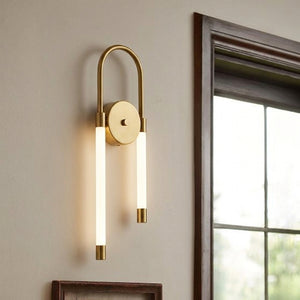
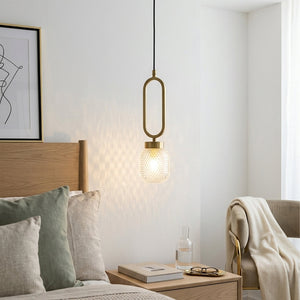
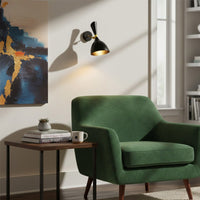
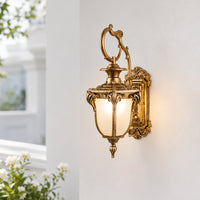
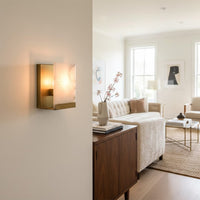
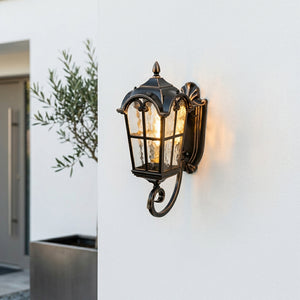
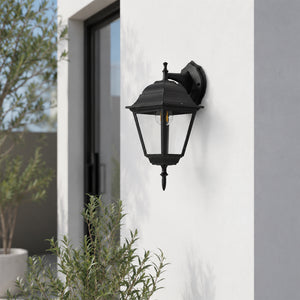
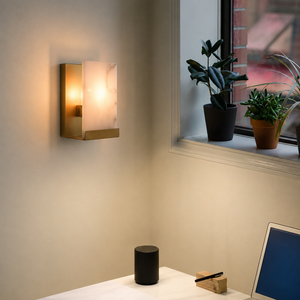
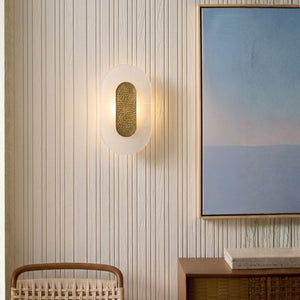
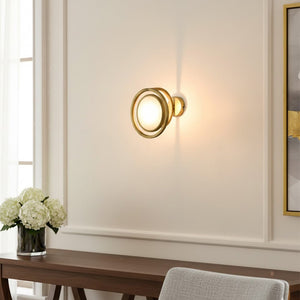
5. Wall Lights Add Vertical Brightness
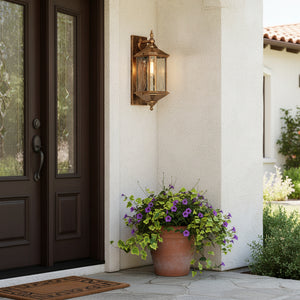
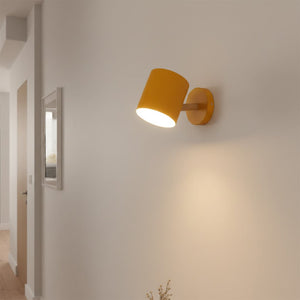
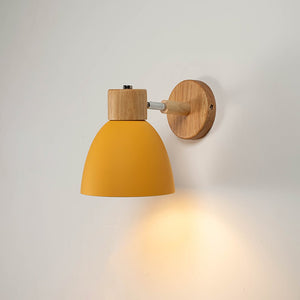
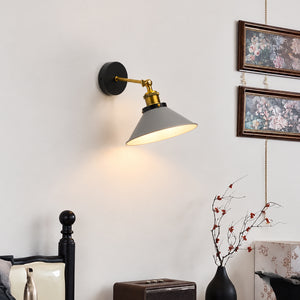
Wall-mounted lights are excellent for dark rooms because they lift light upward and outward. They are especially useful in:
- Living rooms with low ceilings
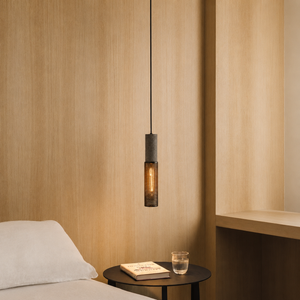
- Bedrooms without central lights
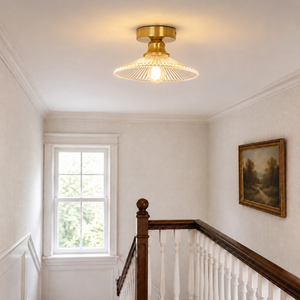
- Hallways and staircases
If you are searching "which lights are best for dark walls?", wall lights often outperform ceiling lights alone by reducing harsh shadows.
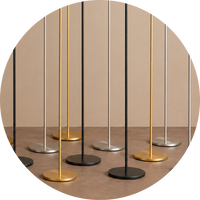
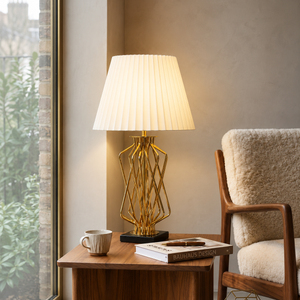
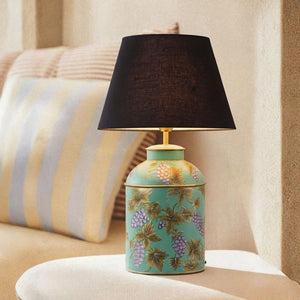
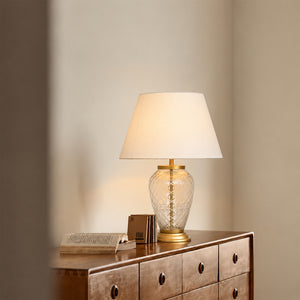
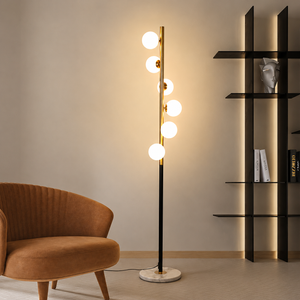
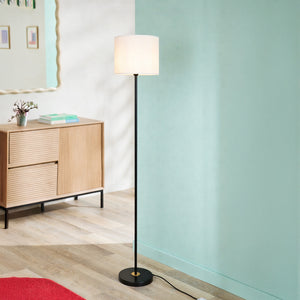
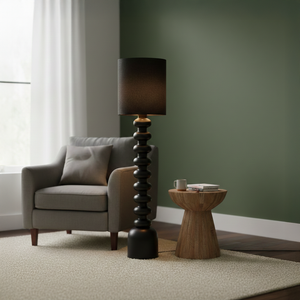
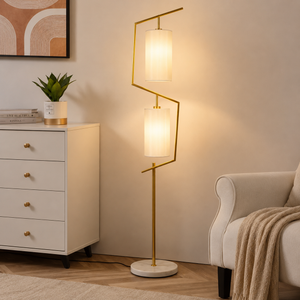
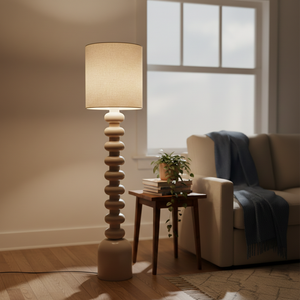
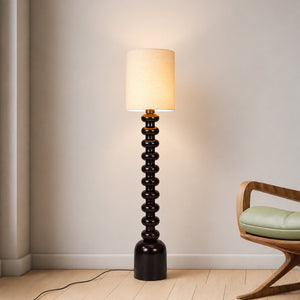
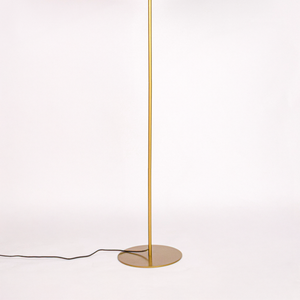
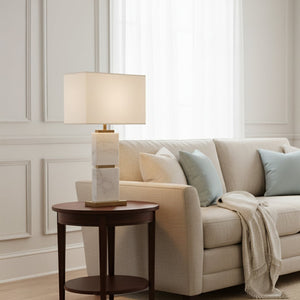
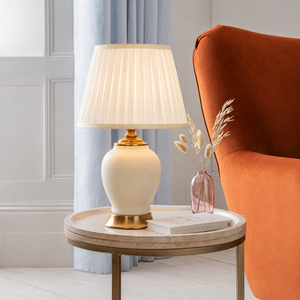
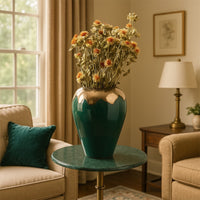
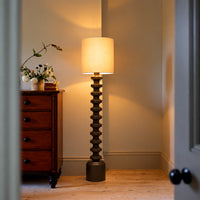
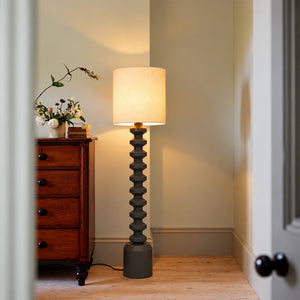
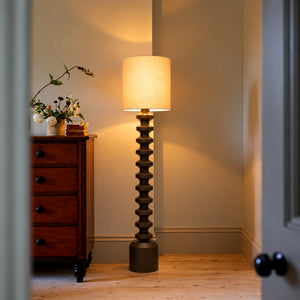
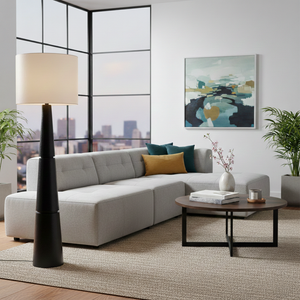
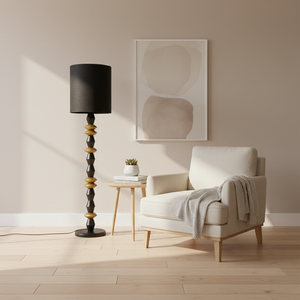
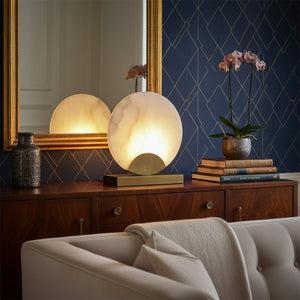
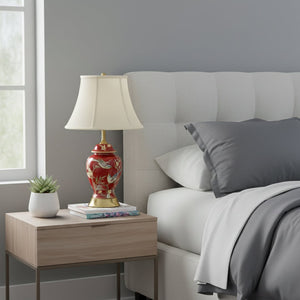
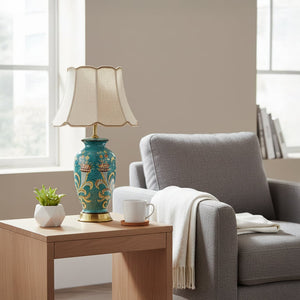
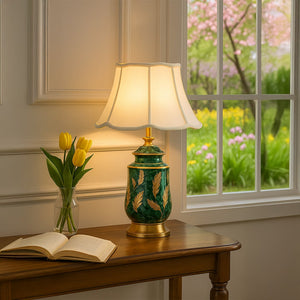
6. Floor and Table Lamps Fix Dark Corners
Corners are where darkness collects. Floor lamps and table lamps help distribute light evenly and make rooms feel complete. Tips for better results:
- Place lamps in unused corners
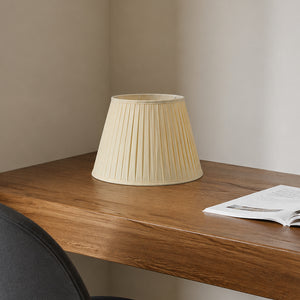
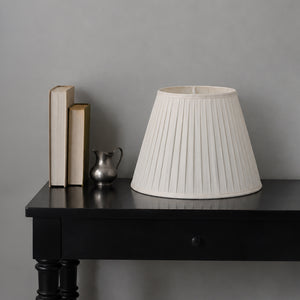
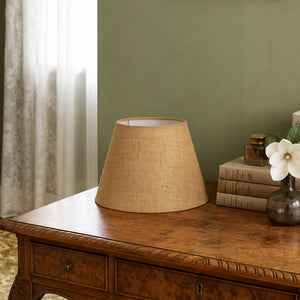
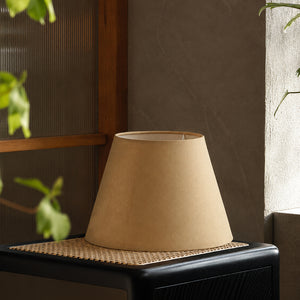
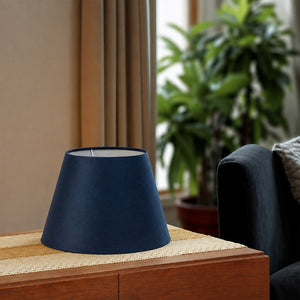
- Choose light-colored lamp shades
- Use upward-facing designs to bounce light off the ceiling
This answers the common question "how to brighten a room without ceiling lights?" Lamps are the easiest and most flexible solution.
7. Let Natural Light Move Freely
Even small barriers can block daylight. To increase natural brightness:
- Use sheer curtains instead of heavy drapes
- Clean windows regularly
- Avoid placing tall furniture near windows
- Keep window areas visually open
Many people ask "how can I make my room brighter naturally?" The solution is often removing obstacles rather than adding more light.
8. Lighten Furniture and Decor Visually
Dark, bulky furniture absorbs light and makes rooms feel crowded. To brighten a dark room:
- Choose light or neutral furniture finishes
- Use furniture with legs instead of solid bases, so light can pass underneath
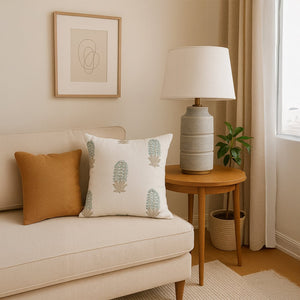
- Add light-colored cushions, rugs, or throws
If replacing furniture is not possible, small decor changes can still make a noticeable impact.


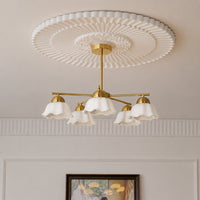
9. Brighten the Ceiling for an Airy Effect
Ceilings are often overlooked, but they reflect a large amount of light. Paint ceilings:
- White or off-white
- Slightly lighter than the wall color
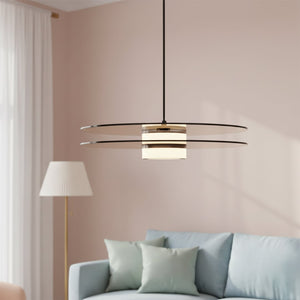
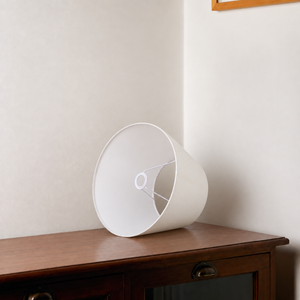
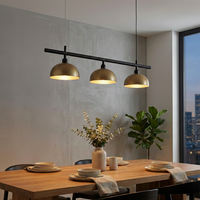
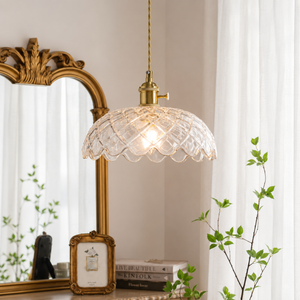
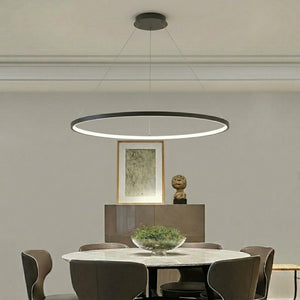
Lighting that directs light upward, such as an open or upward-facing shade, helps bounce illumination across the room, making ceilings feel higher and spaces more open.
10. Reflective Materials Enhance Brightness
Certain textures naturally reflect light. Effective options include:
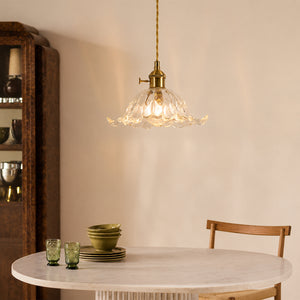
- Glass decor
- Metallic accents
- Polished wood
- Gloss-finish tiles
- Light-toned rugs and sheer textiles
Used in moderation, these materials subtly enhance brightness without overwhelming the room.
11. Smart Lighting for Modern Homes
Smart bulbs and dimmable lighting allow you to control brightness throughout the day. Benefits include:
- Adjusting light levels for different times of day
- Warmer tones in the evening for a calmer feel
- Energy efficiency
If you are asking "is smart lighting good for dark rooms?", the answer is yes, especially when natural light is limited.
12. Brightening Small Rooms and Hallways
Dark hallways and compact spaces often lack windows. Best solutions include:
- Wall lights placed evenly along walls
- Light wall and ceiling colors
- Mirrors at the end of corridors
People frequently ask "how to brighten a dark hallway without windows?" Consistent lighting fixtures and reflection are key.


13. Budget-Friendly Ways to Brighten a Dark Room
You do not need a big budget to see results. Low-cost changes include:
- Switching to brighter bulbs
- Adding lamps
- Using mirrors
- Rearranging furniture
Many homeowners wonder how much it costs to brighten a dark room. The truth is, meaningful changes can be made affordably with thoughtful choices.
14. Room-by-Room Brightening Tips
Living Room
Layer ambient, wall, and floor lighting. Use warm tones for comfort.
Bedroom
Use bedside lamps and wall lights instead of harsh overhead lighting.
Kitchen
Neutral white task lighting under cabinets improves visibility instantly.
Bathroom
Even lighting around mirrors reduces shadows and improves brightness.
15. Common Mistakes to Avoid
Avoiding these mistakes ensures your efforts last and your room stays bright and welcoming:
Using only one ceiling light
Choosing very cool, blue-toned bulbs
Blocking windows with furniture
Ignoring ceilings and corners
Skipping dimmers or brightness controls
Mixing warm and cool bulbs in the same room
Final Thoughts
A brighter room is not just about visibility, it affects mood, comfort, and how your home feels every day. By using layered lighting, reflective surfaces, thoughtful colors, and smart placement, you can transform even the darkest space into one that feels warm and welcoming.
If you have ever wondered what the easiest way to brighten a dark room is, the answer lies in small, intentional changes that work together, not expensive renovations.
Frequently Asked Questions
1. What is the best way to brighten a dark room without windows?
Layered lighting, mirrors, and light wall colors work together to simulate natural brightness, even when a room has no window of its own.
2. Which light color makes a room look brighter?
Neutral white (4000K) and warm white (3000K–3500K) bulbs reflect light best indoors, while very cool blue-toned bulbs tend to make rooms feel harsh rather than bright.
3. Do mirrors actually help brighten a room?
Yes. Mirrors reflect both artificial and natural light, increasing perceived brightness when placed opposite a window or near a light source.
4. Is LED lighting good for dark rooms?
Yes. LEDs provide strong brightness and efficiency, and they come in a flexible range of color temperatures suited to almost any room.
5. How can I brighten my room naturally during the day?
Use sheer curtains instead of heavy drapes, keep windows clean, and remove furniture that blocks light from moving freely into the room.
6. What wall color should I avoid in a dark room?
Very dark or matte colors absorb light and make rooms feel smaller; soft white, cream, beige, and warm light grey reflect light far more effectively.
7. Can wall lights replace ceiling lights?
In many cases, yes, especially when several wall lights are used together to distribute light evenly around a room.
8. How many lights should a dark room have?
At least three layered light sources, typically one ambient, one task, and one accent light, work best for balanced brightness.
9. Are smart lights worth it for low-light homes?
Yes. Smart and dimmable lighting lets you adjust brightness and warmth throughout the day, which is especially useful when natural light is limited.
10. How much does it cost to brighten a dark room?
Costs vary widely, but simple changes such as new bulbs, an added lamp, or a well-placed mirror can make a noticeable difference very affordably.
11. What is the ideal lumens output for a small bedroom?
A small bedroom generally needs around 1,500 to 3,000 total lumens spread across ambient and task sources, rather than one very bright overhead fixture.
12. Should I mix warm and cool white lighting in the same room?
It is best to keep one consistent color temperature per room. Mixing warm and cool bulbs in the same space can make the lighting look uneven, even if total brightness is high.
13. Does furniture placement affect how bright a room feels?
Yes. Furniture placed in front of windows or light sources blocks light from spreading, so even a well-lit room can feel dim if a sofa or wardrobe sits in its path.