















































































How Lighting Fixtures Change the Way Your Paint Colors Look
Whispering Homes Journal · Lighting Guides
How Lighting Fixtures Change the Way Your Paint Colors Look
What looks like soothing grey in daylight can look drab under artificial glow. Master the interplay between light and color to get your home's colors right every time.
Paint color shifts with the light source because color temperature, brightness and CRI all change how pigments read. Warm light (2700K–3000K) pulls yellow and orange from a color, cool light (4000K and above) pulls blue, and a low CRI bulb mutes colors that look rich in daylight. Always test paint swatches under the actual bulbs you plan to use, at different times of day, before committing.

Warm light warms color. Cool light cools it. Always test before you commit.
When it comes to interior design, selecting the perfect paint color is just one side of the story. The lighting fixtures you choose play a critical role in how those colors appear in real life. What looks like a soothing grey under daylight can appear drab or bluish under artificial lighting. At Whispering Homes, we understand the science and art behind color and light, and this guide will help you master the interplay between them.
Understanding this phenomenon is essential before finalizing paint choices.
Light and Color Perception: Why Lighting Matters in Interior Design
Color perception is not static. It is deeply influenced by light temperature, intensity and direction. Light bounces off surfaces and interacts with pigments in paint to alter how we see them. Even the time of day, the weather outside and the presence of reflective surfaces can shift how a color is perceived.
Our eyes process natural and artificial light differently. While sunlight delivers a full spectrum of colors, indoor lights often miss parts of that spectrum. This discrepancy causes certain hues to appear warmer, cooler, brighter or duller, depending on the light source.
Why It Happens
- A white wall can look crisp in morning sun but yellowish under incandescent bulbs
- The same white can look bluish under cool LED lighting
- Reflective surfaces such as glossy floors and mirrors bounce color around a room
- Overcast days mute color the same way a low CRI bulb does

Types of Lighting and Their Effects on Paint
Every layer of light in a room reads your paint color a little differently. Here is what each one does.
Ambient Lighting and Its Broad Influence
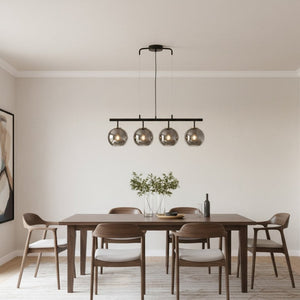
Ambient lighting is your primary light source, often from ceiling fixtures or recessed lights. Because it blankets the room, it influences the overall tone of your paint color. White paint under warm ambient light takes on a creamy hue, while under cool ambient light it can appear stark or even bluish.
Tip: choose LED bulbs around 2700K for a warm, inviting feel or 4000K for a crisp, neutral tone.
Task Lighting Brings Out the Details
Task lighting, such as desk lamps or kitchen under-cabinet lights, provides focused illumination. This direct light can intensify the color directly beneath it. If your workspace is surrounded by pastel colors, task lighting might bring out undertones you hadn't noticed before.
Tip: use task lighting to enhance contrast and texture in paint finishes like matte or eggshell.
Accent Lighting Changes Focal Points
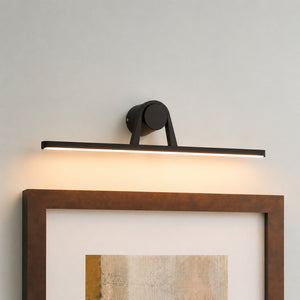
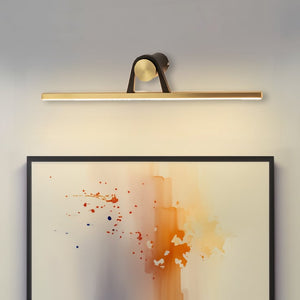
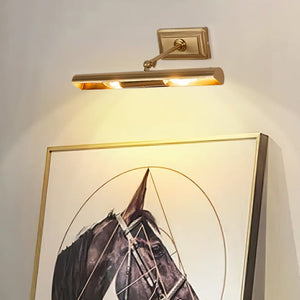
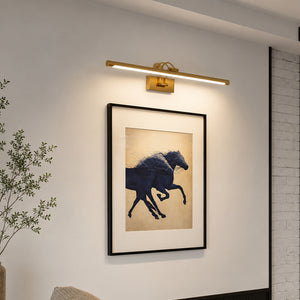
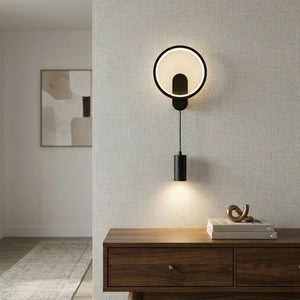
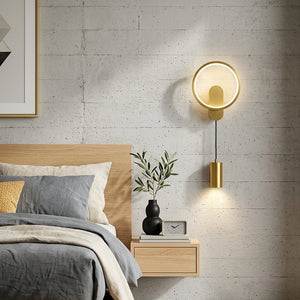
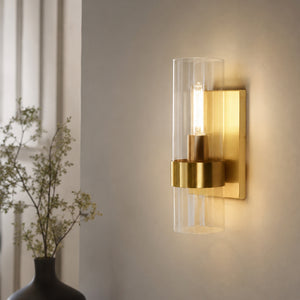
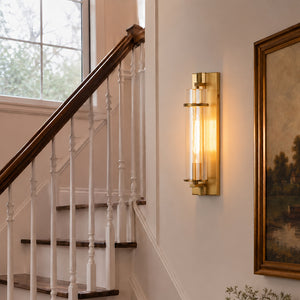
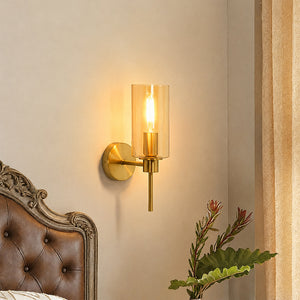
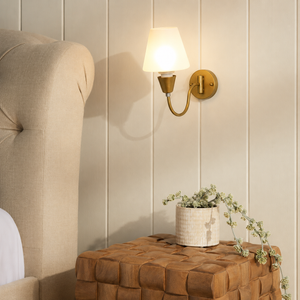
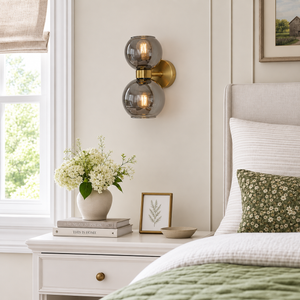
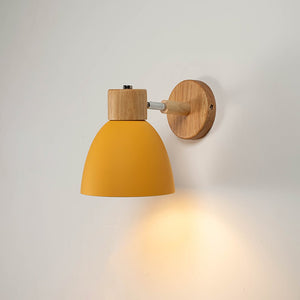
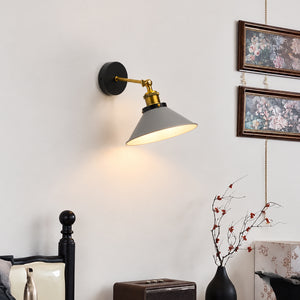
Accent lighting such as sconces or LED strips behind wall panels can spotlight certain areas, creating visual drama. It is especially effective when you want to emphasize architectural features or decorative wall paint. Accent lighting makes colors appear more saturated or shadowy, depending on angle and intensity.
Tip: use dimmable options for accent lights to manipulate mood and visual depth in your wall paint.
Color Temperature Cheat Sheet
Soft White
Pulls warmth from every color. Best for bedrooms and living rooms with beige, taupe or warm neutrals.
Warm White
A gentle balance of warmth and clarity. Suits most living spaces and warm-toned whites.
Cool White
Reads neutral and crisp. Keeps grays and cool whites from turning yellow.
Daylight
Closest to natural light. Best for matching a swatch to how it will look by day.
Which Colors Are Most Affected by Light?
Not all colors are equally affected by lighting. Some hues are particularly sensitive and can change dramatically depending on the light source.
Light and Neutral Shades
White, off-white and gray are the most versatile yet most affected by lighting. Under warm lighting, whites can skew yellow or beige, while grays might appear blue, green or even purple depending on undertones and the surrounding light.
Perfect For
- Bright, airy spaces
- Modern, sophisticated looks
- Timeless, versatile design
- Professional environments
Lighting Strategy
- Test under all lighting conditions
- Consider undertones carefully
- Balance warm and cool sources
- Watch for color shifts between rooms

Warm and Bold Colors
Beige, taupe and bold colors create dramatic lighting interactions. Beiges look elegant in warm light but may turn muddy under cool lighting. Bold colors like deep reds and blues reflect light dramatically, appearing rich in incandescent light but potentially overwhelming in daylight.
Best For
- Warm, cozy atmospheres
- Statement walls and accents
- Traditional design styles
- Creating dramatic focal points
Critical Needs
- Prefer warm light sources
- Use multiple light layers
- Test extensively before committing
- Consider color temperature carefully

How Should You Pair Paint and Lighting Room by Room?
Different rooms get different amounts of daylight and serve different purposes, so the same paint color can need a different lighting plan in each one.
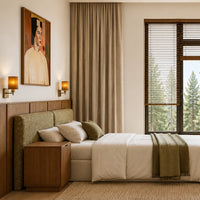
Bedroom
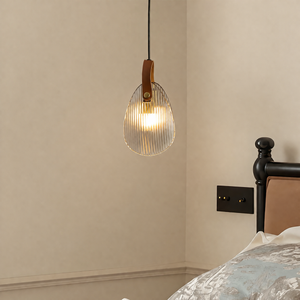
Bedrooms often lean on warm light in the evening, so soft neutrals and muted blues stay calm rather than turning cold.
- Pair warm, muted colors with 2700K bulbs for a relaxing glow
- Add a dimmer so the same wall can feel bright by day and soft by night
- Test the color against both the bedside lamp and the overhead light
Living Room
Living rooms usually mix daylight, ambient and accent light, so their paint color shifts the most through the day.
- Choose 3000K for a welcoming, all-purpose glow
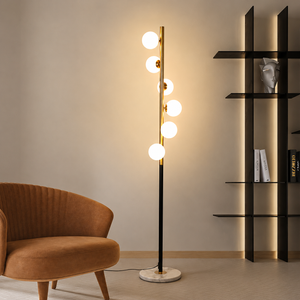
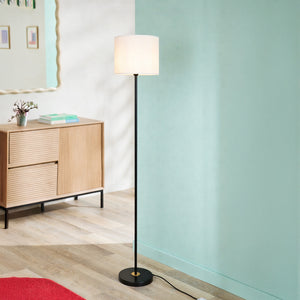
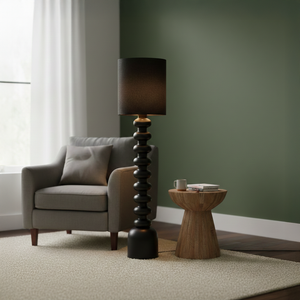
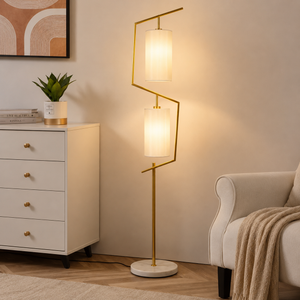
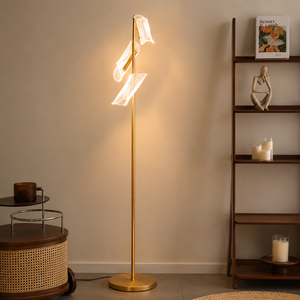
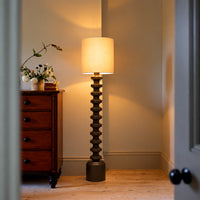
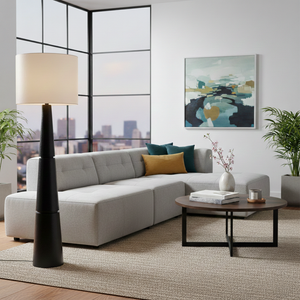
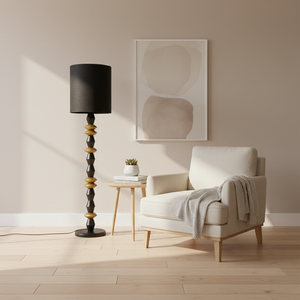
- Layer a floor lamp and accent lighting so no single source dictates the color
- Watch how the color shifts from afternoon sun to evening lamps
Kitchen
Kitchens need true color rendering for food prep and design details alike, so brighter, cooler light usually works best.
- Use 4000K under-cabinet lighting so colors read accurately while you cook
- Choose a high CRI bulb so tile and countertop colors look true
- Pair cool whites and grays with this cooler light for a crisp look
Bathroom
Bathrooms need accurate color for grooming, plus a softer option for relaxing baths.
- Use 3500K–4000K around the mirror for true-to-life tones
- Add a warmer, dimmable layer for evening soaks
- Test light paint colors against both layers, since bathrooms often have the least natural light
What Are the Most Common Paint and Lighting Mistakes?
- Picking paint under showroom lighting: a color that looks perfect at the paint store can look completely different under your own bulbs. Always test on your own wall.
- Mixing color temperatures in one room: a 2700K lamp beside a 5000K overhead light makes a single wall look like two different colors.
- Ignoring the paint finish: a glossy finish reflects far more light than a matte one, so the same color can look brighter or more saturated depending on sheen.
- Testing only in daylight: a color that looks great at noon can shift once the sun sets and your fixtures take over.
- Choosing a low CRI bulb for a bold color: saturated colors need accurate color rendering to look their best, so a low CRI bulb can leave them looking flat.
- Skipping a large swatch: a small paint chip reflects less light than a full wall, so colors often look more intense once painted at scale.
How to Get Lighting and Paint Right: A Practical Guide
The secret to harmonious interiors lies in planning your lighting and paint strategy together, not in isolation.
Test in Real Lighting Conditions
Before committing, test swatches on all walls of a room. Observe them:
- In the morning and evening
- With the lights on and off
- Under each type of artificial light you plan to use
Choose Your Lighting First, If Possible
If you are doing a major renovation or starting from scratch, select your lighting fixtures and bulbs before finalizing paint. This way, your chosen colors will appear consistent with the actual lighting environment.
Layer Your Lighting
Incorporate ambient, task and accent lighting to add depth and flexibility in how colors are perceived. A well-lit room feels more vibrant and alive, regardless of the paint shade.
- Ambient: overhead fixtures or chandeliers for overall illumination
- Task: focused sources like desk lamps or kitchen lights
- Accent: wall sconces, LED strips or spotlights on features
Use CRI Ratings to Your Advantage
Color Rendering Index (CRI) measures how accurately a light source reveals colors. A higher CRI (90+) ensures more accurate color perception, making it ideal for living spaces and art displays.
Mind the Finish
Paint finish also influences how light interacts with color:
- Matte / Flat: soft, diffuses light. Best for low-traffic areas.
- Eggshell / Satin: reflects some light, highlights color richness.
- Glossy: reflects the most light. Ideal for accent walls, but can exaggerate imperfections.
Account for Reflected Color Nearby
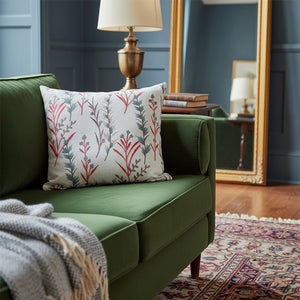
Large, saturated surfaces near a wall, such as a bold rug, a dark sofa or floor-to-ceiling curtains, bounce their own color onto the paint. A neutral wall can pick up a faint tint from a strongly colored neighbor.
- Judge a swatch beside the actual furniture and textiles, not on an empty wall
- Expect more color bounce from glossy floors and large mirrors
Practical Tips for Getting It Right
Always test paint swatches on the actual wall under both day and night lighting conditions.
Use light fixtures with adjustable brightness or dimmers.
Incorporate mirrors and reflective surfaces to enhance light distribution.
Don't rely solely on overhead lighting. Layer it with table lamps, wall sconces and floor lamps.
Paint sets the color. Light decides what you actually see.
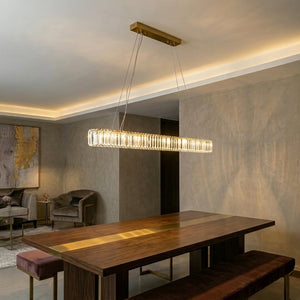
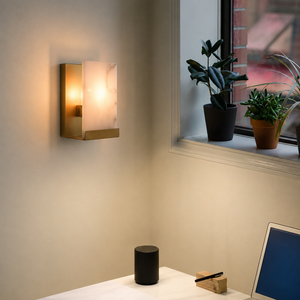
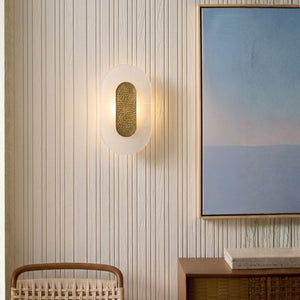
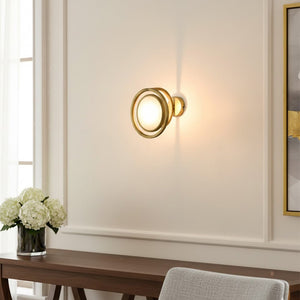
Featured Lighting Products


Frequently Asked Questions
Why does paint look different under artificial light than in daylight?
Daylight carries a full, even spectrum of light, while artificial bulbs are often stronger in some wavelengths and weaker in others. This uneven spectrum makes certain colors look warmer, cooler, brighter or duller indoors than they do under natural light.
What color temperature is best for warm paint colors?
Warm colors such as beige, taupe and terracotta look their richest under warm white light, around 2700K to 3000K. Cooler light above 4000K can make these colors look muddy or washed out.
What color temperature is best for white and gray walls?
White and gray walls are the most sensitive to light, so it is worth testing them under every bulb you plan to use. Warm light tends to push whites toward yellow or beige, while cool light can push grays toward blue, green or purple depending on their undertone.
What is CRI and why does it matter for paint color?
CRI, or Color Rendering Index, measures how accurately a light source reveals color compared with natural daylight. A CRI of 90 or above shows paint colors more true to life, which is especially useful in living spaces and rooms with artwork.
Should I choose my lighting or my paint color first?
If you are renovating from scratch, it helps to choose your light fixtures and bulbs first, then test paint swatches under that actual lighting. This way the color you finalize is the color you will really live with.
How should I test paint swatches before committing to a color?
Paint a swatch directly on the wall and view it in the morning, in the evening, with the lights on and with the lights off. Testing under every condition you will actually experience is the most reliable way to avoid a color surprise.
Does paint finish affect how light changes a color?
Yes. Matte and flat finishes diffuse light softly and suit low-traffic areas, eggshell and satin reflect a little light and highlight color richness, and glossy finishes reflect the most light, which suits accent walls but can show imperfections.
Can lighting alone fix a paint color I don't like?
Lighting can shift a color's warmth or coolness, but it cannot completely change a shade you dislike. Layering ambient, task and accent lighting can soften or brighten a color's effect, though the paint itself still sets the baseline.
How many types of lighting should a room have?
Most rooms benefit from three layers: ambient lighting for overall illumination, task lighting for focused activities, and accent lighting to highlight features or paint details. Layering all three gives you more control over how the color reads at different times of day.
Lighting Is the Unsung Hero of Interior Design
Understanding how lighting affects paint color is not just a technical exercise. It is key to creating emotionally resonant, visually stunning interiors. By selecting the right lighting fixtures and combining them thoughtfully with color palettes, you can completely transform the way your home feels and functions.
At Whispering Homes, we believe in crafting environments that are not only stylish but deeply personal. Whether you are repainting a single wall or renovating your entire space, let light lead the way.
Recent Posts
Let Light Lead the Way
Explore fixtures that bring out the true character of every paint color in your home.
Shop Indoor Lighting