




















































































































-
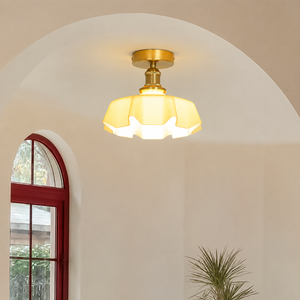
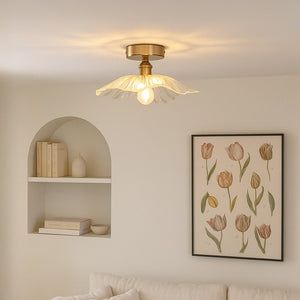
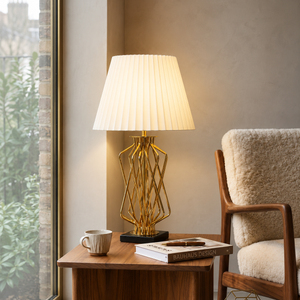
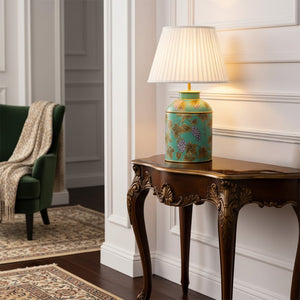
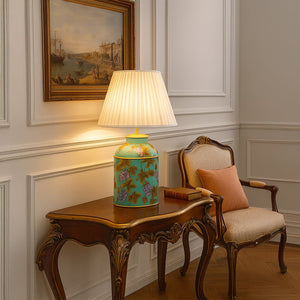
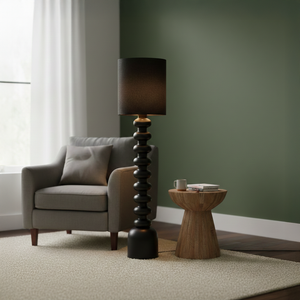
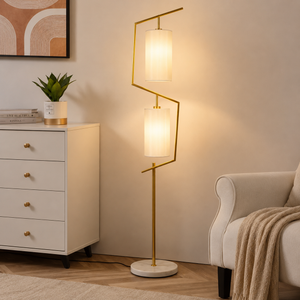
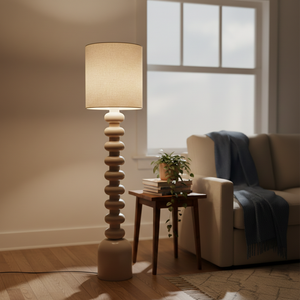
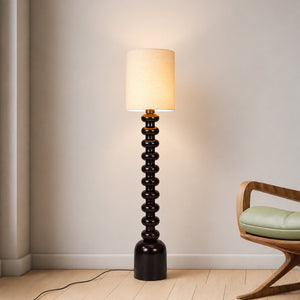
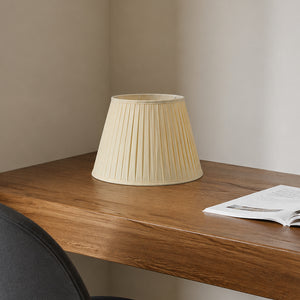
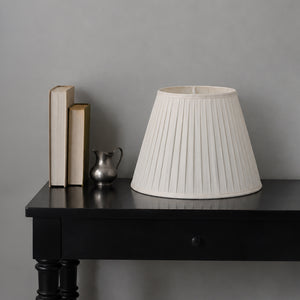
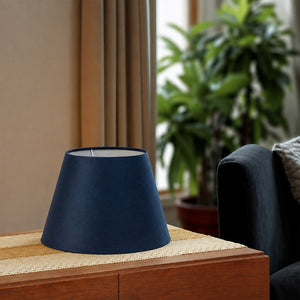
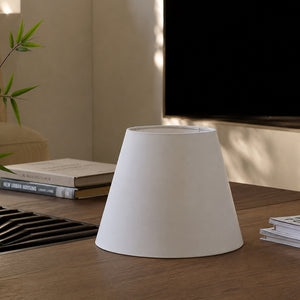
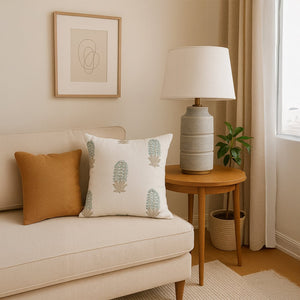
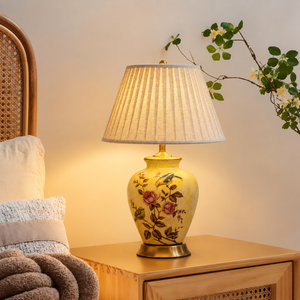
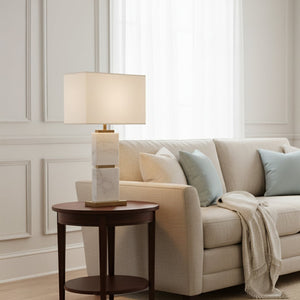
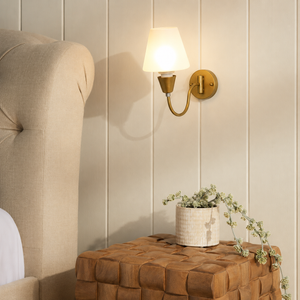
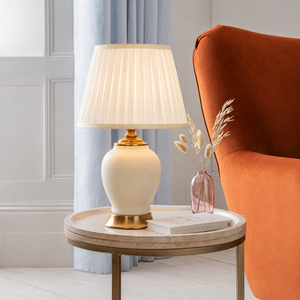
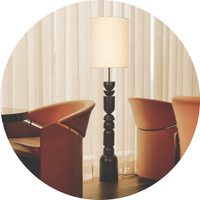
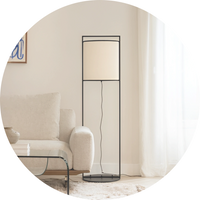
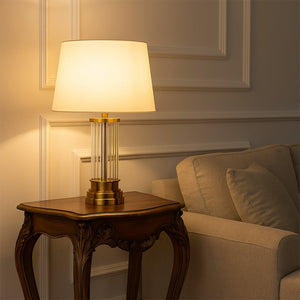
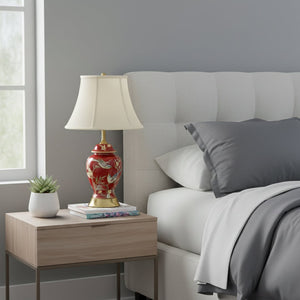
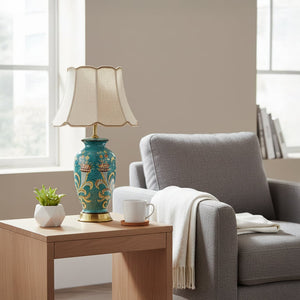
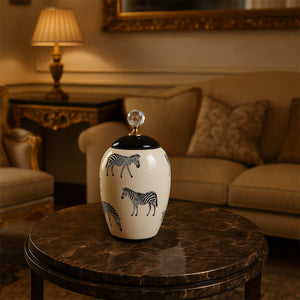
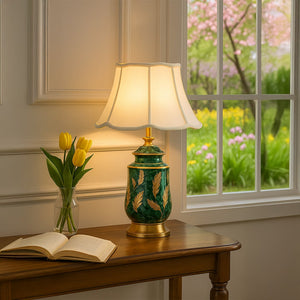
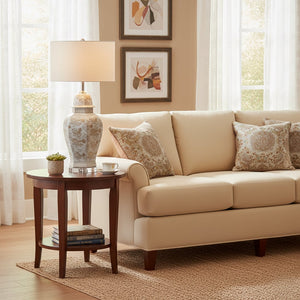
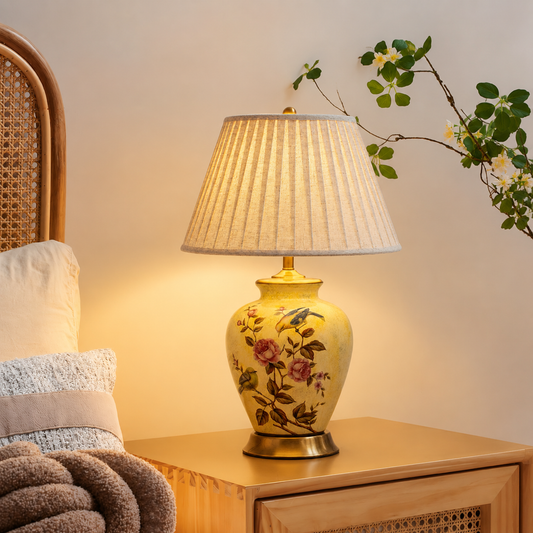
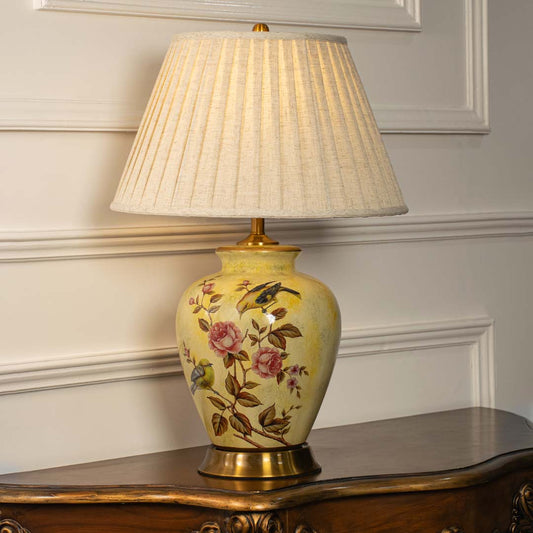
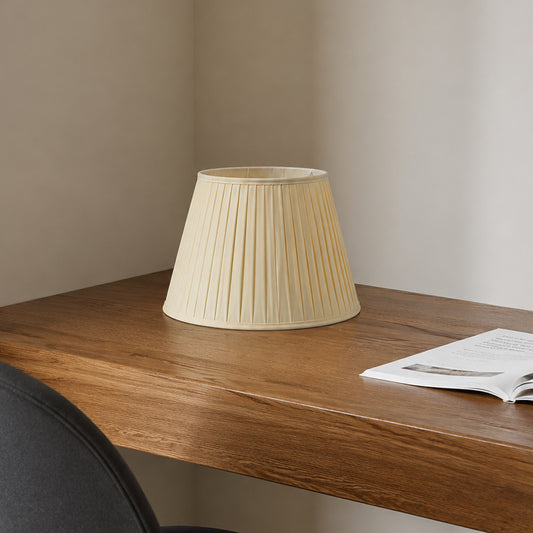
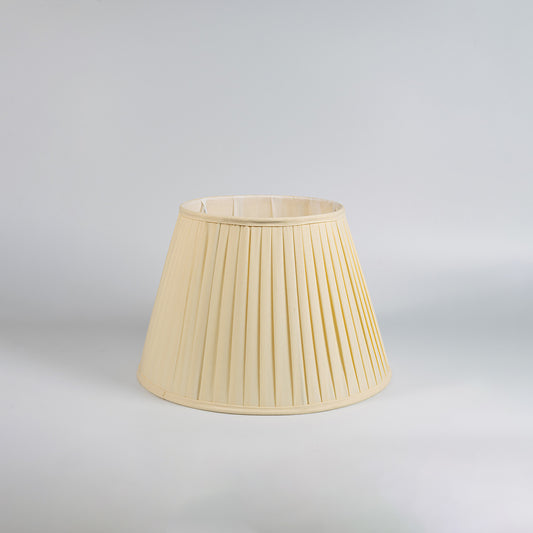
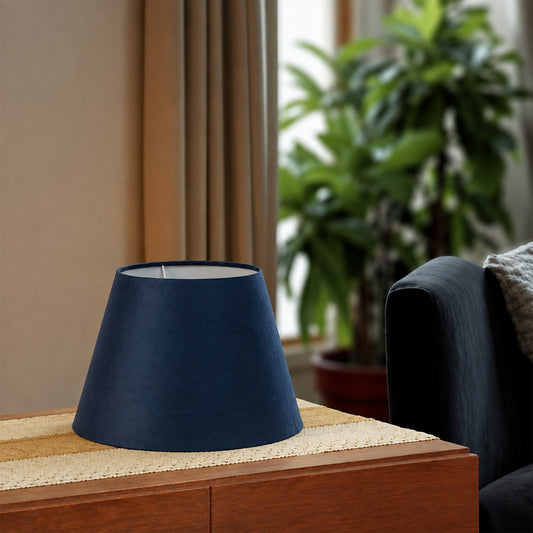
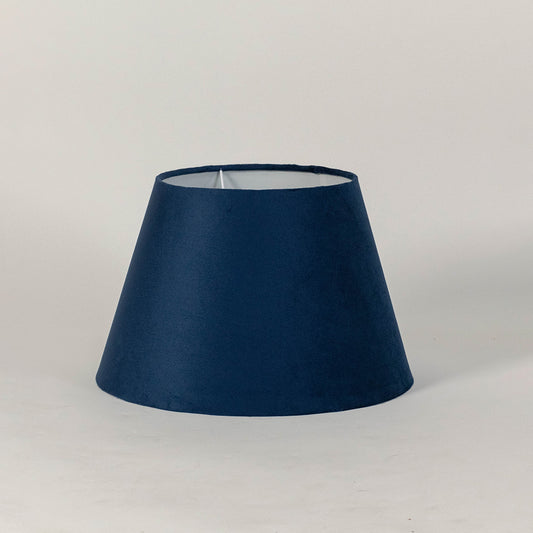
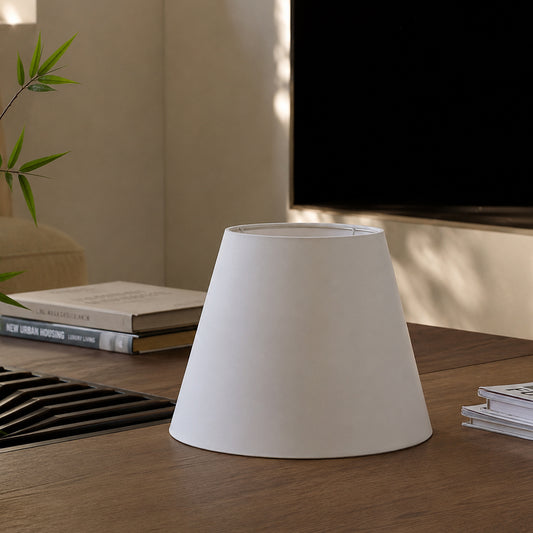
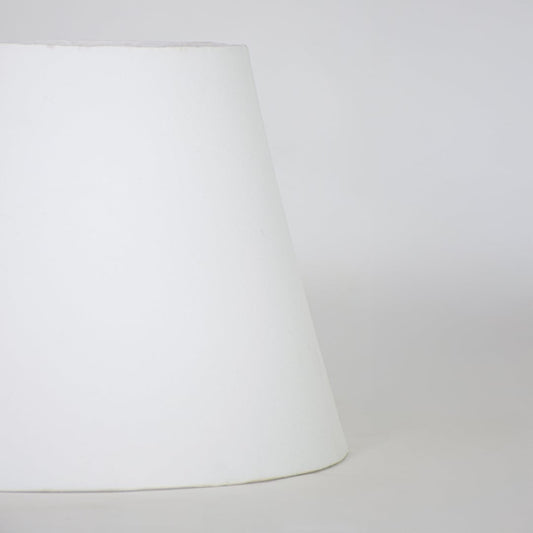
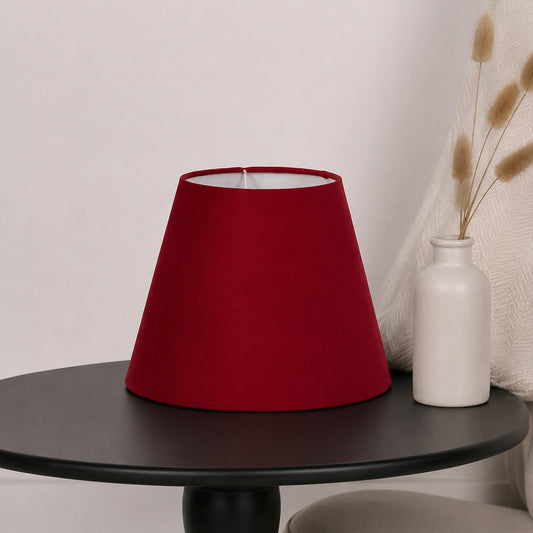
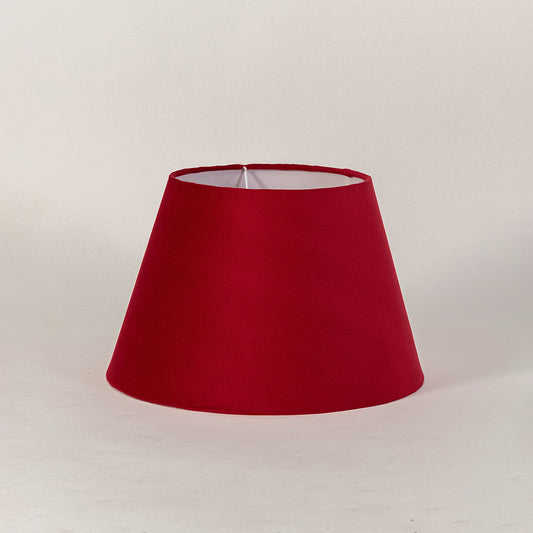
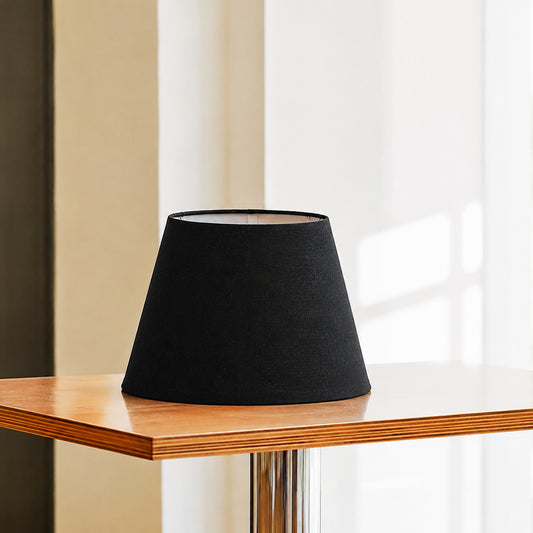
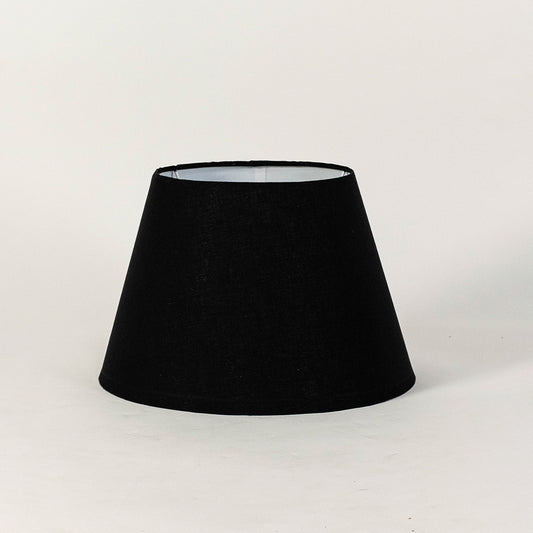
Pleated Empire Softback Lamp shade - Off White
Regular price ₹ 2,199Regular price -
-
-
-
-
-
-
-
-
-
-
-
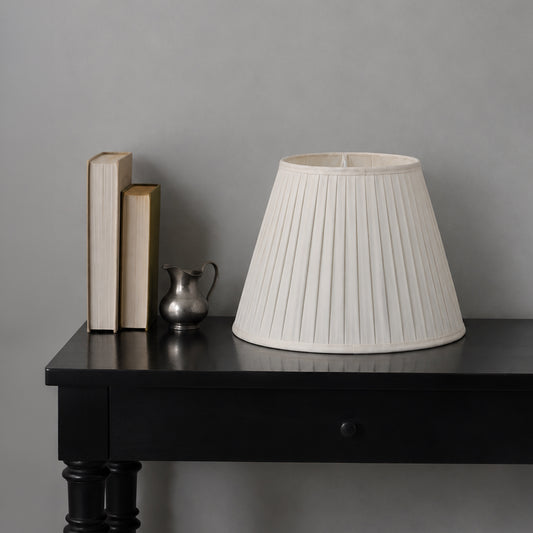
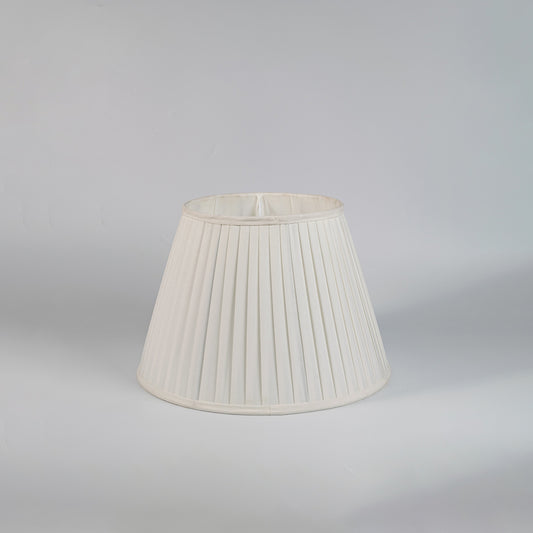
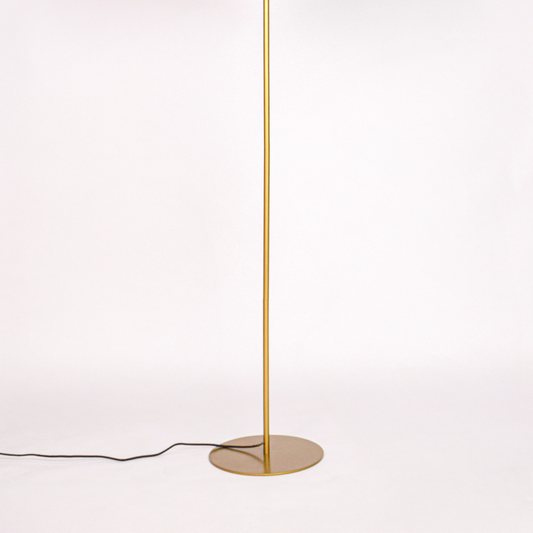
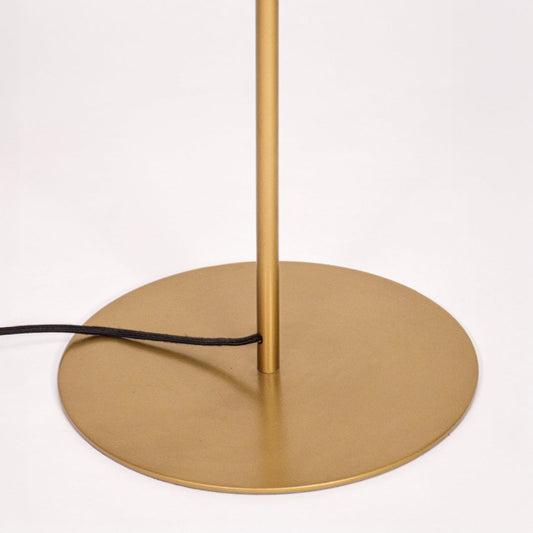
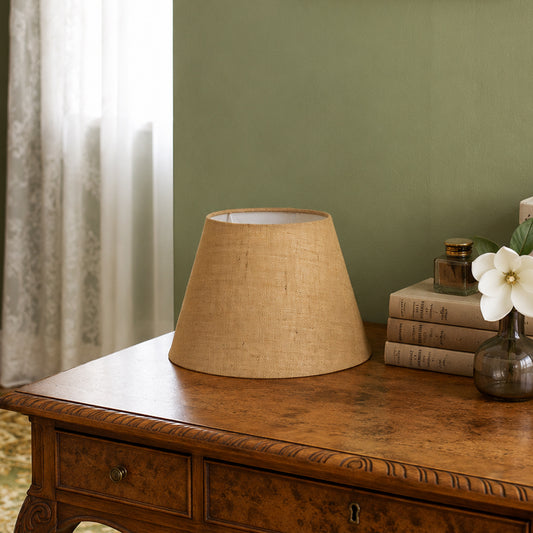
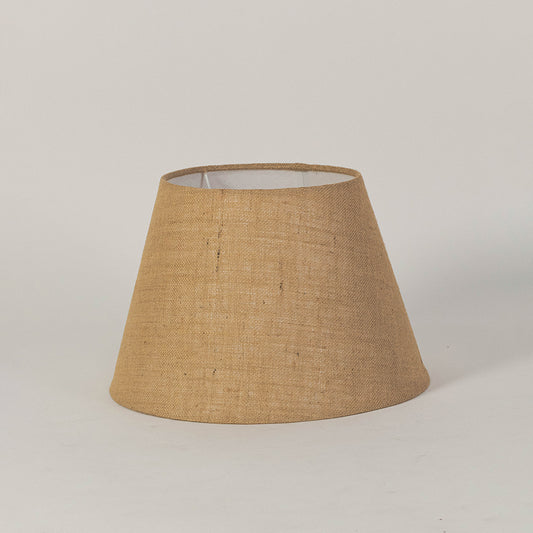
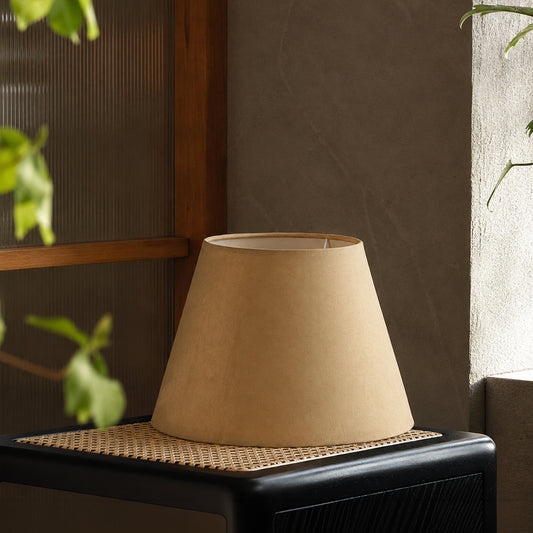
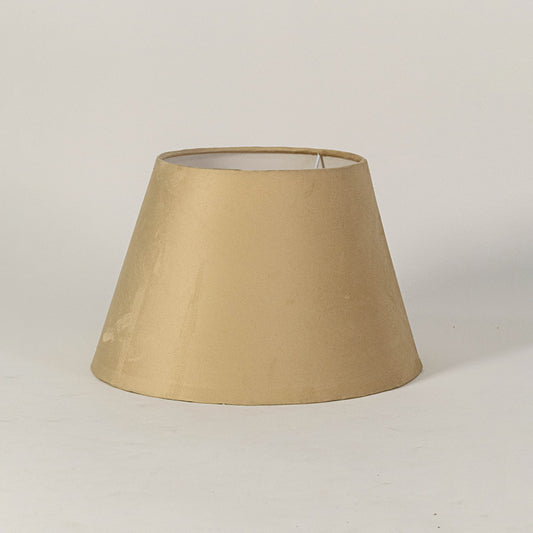
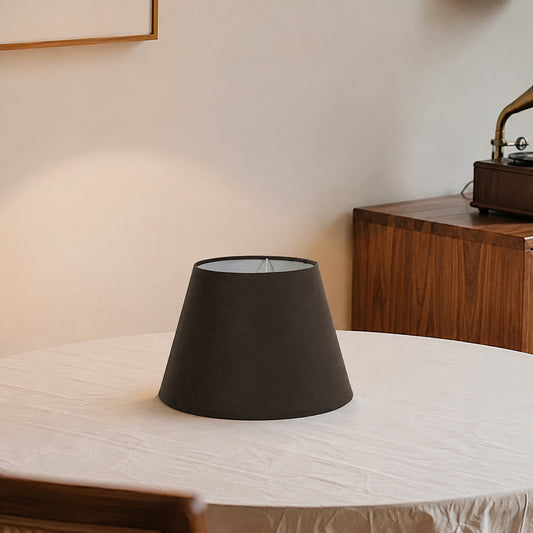
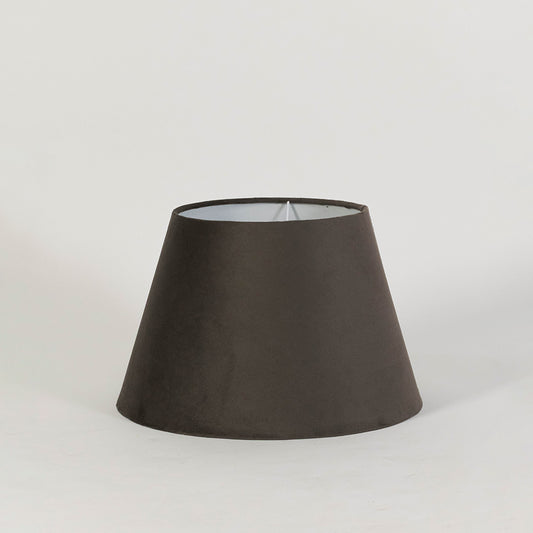
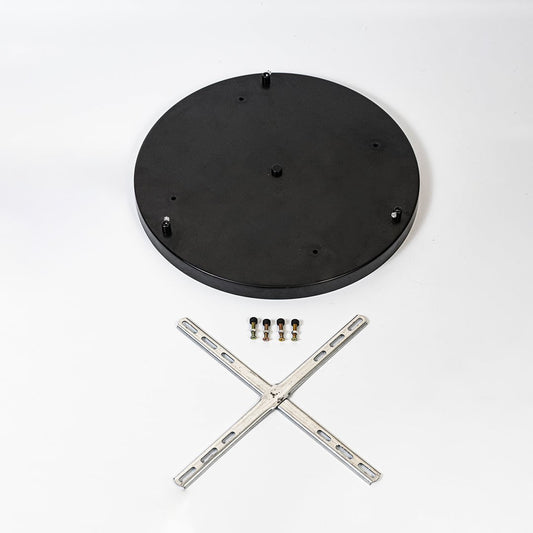
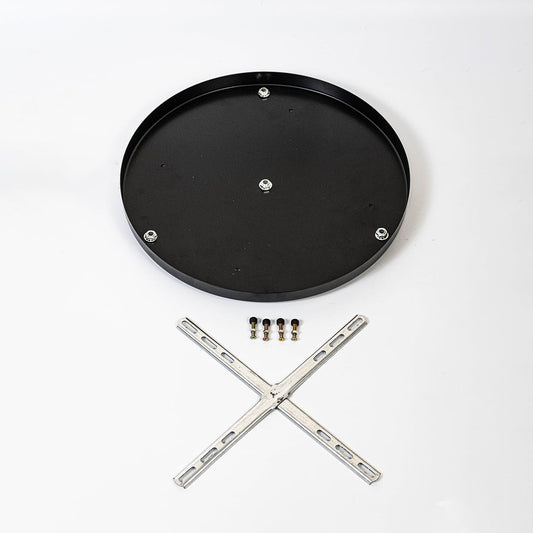
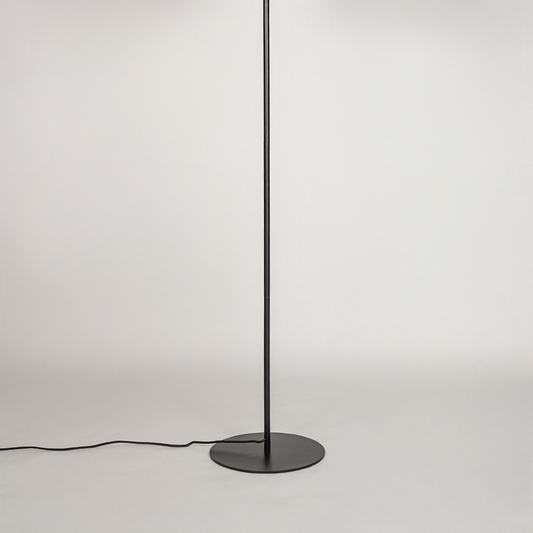
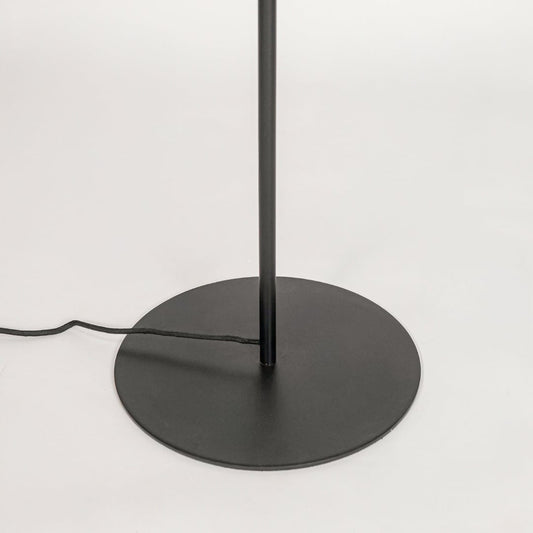
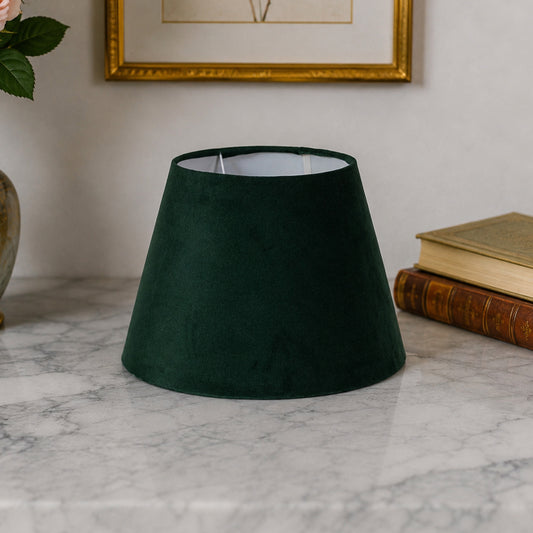
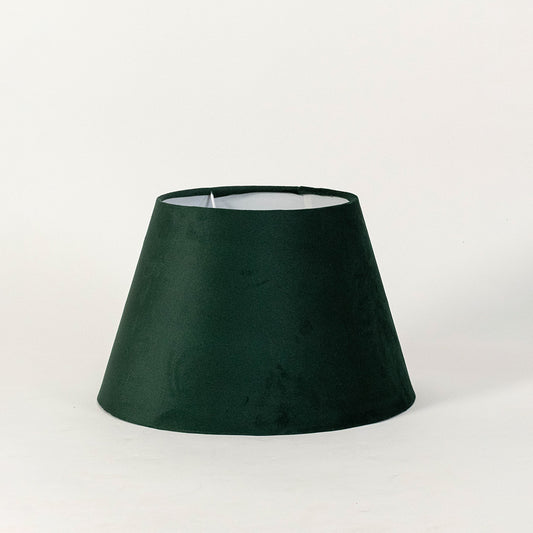
Lighting accessories are the supporting hardware — ceiling plates, floor lamp bases, and lamp shades — that let a light fixture mount, stand, and function properly. Ceiling plates cover wiring at the mounting point, floor lamp bases provide weighted stability, and lamp shades diffuse light while refreshing a fixture's look. Choosing the right accessory means matching fitting size, finish, and material to the existing fixture rather than picking by looks alone.
A beautiful light fixture is only as good as what holds it together. Behind every pendant that hangs just right, every floor lamp that stands steady in a corner, and every wire that stays hidden instead of dangling across your ceiling, there's a small but essential piece of hardware doing the real work. That's what lighting accessories are for — the ceiling plates, table and floor lamp bases and lamp shades that turn a fixture into a finished, functional part of your home.
At Whispering Homes, we know these parts rarely get the spotlight, but they're often the difference between a light fixture that looks professionally installed and one that looks like an afterthought. This guide walks you through what lighting accessories actually are, why they matter more than most homeowners realize, and how to choose the right ceiling plate or floor lamp base for your space.
What Are Lighting Accessories, Exactly?
Lighting accessories are the supporting components that help a light fixture mount, stand, or function properly. They're not the bulb, and they're not the visible shade or fixture body — they're the hardware in between. This includes:
- Ceiling plates and canopy covers
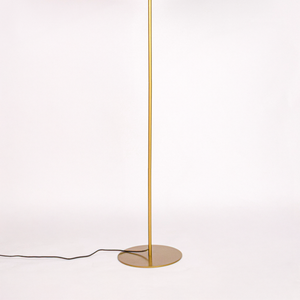
- Floor lamp bases and weighted stands
- Lamp shade is a cover placed over a bulb to block glare and spread light softly.
Think of them as the quiet infrastructure of your lighting setup. You don't notice them when they're doing their job well — you only notice when they're missing, mismatched, or poorly made. Lamp shades are also a lighting accessory in the practical sense — they're not the bulb or the base, but the finishing piece that shapes the light. Given how often shades are shopped separately from the lamps themselves (usually to refresh a look without buying a whole new fixture), they get their own dedicated section below, alongside ceiling plates and floor lamp bases.
Why Lighting Accessories Deserve More Attention Than They Get
Most people shop for the fixture first — the pendant, the floor lamp, the chandelier — and treat the hardware as an afterthought. But the right accessory does more than just hold things in place.
It hides the mess - A ceiling plate isn't just decorative; it covers the electrical box, wiring, and mounting hardware above your fixture. Without one, you're left staring at exposed wires and a rough patch of ceiling every time you look up.
It adds stability - A floor lamp is only as good as its base. A lightweight or poorly balanced base makes a tall lamp genuinely unsafe, especially in homes with kids, pets, or high-traffic walkways. A properly weighted base keeps the lamp upright even with an accidental bump.
It completes the look - Fixtures are often designed as part of a family — a pendant light, its ceiling plate, and its cable all meant to match in finish and style. Swapping in a generic or mismatched accessory can throw off an otherwise well-designed room.
It extends the life of your fixture - Good-quality connectors and mounts reduce wear on wiring, prevent loose connections, and protect the fixture from the kind of everyday strain that shortens its lifespan.
If you're planning to buy lighting accessories online in India, the goal isn't just to find something that fits — it's to find something that fits well, both mechanically and visually.
What Should I Look for in a Ceiling Plate?
A ceiling plate (sometimes called a canopy) is the cover fitted flush against your ceiling where a pendant light, chandelier, or hanging fixture connects to the electrical point. It's a small component, but it plays several practical roles at once.
What to look for in a ceiling plate:
- Size and shape match – Make sure the plate is large enough to fully cover the ceiling rose or electrical box beneath it, with no gaps at the edges.
- Finish consistency – A ceiling plate in brushed brass will look out of place under a matte black pendant. Matching or complementary finishes keep the installation looking intentional rather than mismatched.
- Material quality – Metal ceiling plates tend to hold their finish better over time compared to lightweight plastic alternatives, especially in humid climates.
- Cable entry design – Some plates are built for a single-drop pendant, while others are designed with multiple entry points for cluster or multi-light setups. Confirm this matches your fixture before purchasing.
Ceiling plates are particularly useful when you're replacing an old fixture with a new one and the existing ceiling opening doesn't quite match. A slightly larger plate can neatly cover the gap without any patchwork or repainting.
What Makes a Good Floor Lamp Base?
A floor lamp base does more heavy lifting than most people assume. It's the anchor point for the entire fixture, and it directly affects how safe, stable, and visually balanced your lamp looks in a room.
Key things to consider when choosing a floor lamp base:
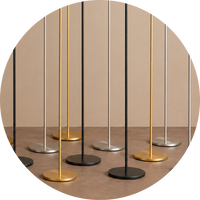
- Weight and stability – Heavier bases, typically made from marble, cast iron, or dense metal, lower the lamp's center of gravity and make it far less likely to tip over.
- Base diameter relative to lamp height – Taller lamps need a proportionally wider base for stability. A tall, narrow lamp on a small base is far more prone to tipping than a shorter lamp on the same footprint.
- Material and finish – Marble and stone bases bring a more traditional, grounded look, while metal and matte-finish bases suit contemporary interiors. Choosing a finish that complements your existing furniture ties the room together.
- Floor protection – Look for bases with a felt or rubber underside, especially if you have hardwood or tiled flooring that can scratch easily.
- Compatibility – If you're replacing just the base and keeping the existing lamp body, double-check the fitting size and thread type before buying.
A well-chosen floor lamp base doesn't just hold the lamp upright — it acts almost like a piece of furniture in its own right, anchoring the visual weight of a corner or reading nook.
What Should I Look for in a Lamp Shade?
A lamp shade does two jobs at once: it shapes how light is diffused into a room, and it's one of the fastest, cheapest ways to change a room's look without buying new furniture. The same lamp base can read as warm and traditional under a linen drum shade, or sleek and modern under a metal cone shade — the shade does most of the visual work.
What to look for in a lamp shade:
Fitting type - Shades attach via a few common fitting styles (spider fitting, clip-on, uno fitting). Confirm which one your existing lamp uses before buying a replacement, since fittings aren't universally interchangeable.
Size proportion - As a general rule, a shade's diameter should be roughly equal to the height of the lamp base, and its height about 40–45% of the total lamp height, to keep the fixture visually balanced.
Material and light diffusion - Fabric shades (linen, cotton) diffuse light softly and evenly; paper shades give a warmer, more casual glow; metal or glass shades direct light more sharply and can create decorative shadow patterns.
Color and opacity - Lighter shades let more light through and brighten a room; darker shades create more focused, moodier pools of light.
Heat safety - Confirm the shade's material and the bulb's wattage are compatible, particularly for incandescent bulbs, which run hotter than LEDs — this matters more for paper and fabric shades placed close to the bulb.
Lamp shades are also one of the simplest lighting accessories to swap seasonally or match to a redecorating project, since most standard fittings work across a range of lamp bases without needing to replace the whole fixture.
Lighting Accessories at a Glance
| Accessory | Main Purpose | Key Buying Factor |
|---|---|---|
| Ceiling Plates | Covers wiring/mounting hardware at the ceiling | Size match, finish consistency, cable entry design |
| Floor Lamp Bases | Provides stability and anchors the fixture | Weight relative to lamp height, material, floor protection |
| Lamp Shades | Shapes and diffuses the light, refreshes the look | Fitting type, size proportion, material/diffusion, heat safety |
How to Choose the Right Lighting Accessories for Your Home
Every home has a different mix of fixtures, so there's no single "correct" accessory. That said, a few guiding questions make the decision easier:
What fixture are you supporting or replacing? Always check the exact model or fitting type of your existing fixture before buying a ceiling plate, base, or connector. A mismatch in thread size or cable diameter is one of the most common accessory-buying mistakes.
What's the finish story in the room? If your light fittings are brass, matte black, or brushed nickel, try to keep ceiling plates and lamp bases within the same finish family. Consistency across accessories makes a room feel considered rather than pieced together.
How much weight or drop does the fixture need to support? Heavier pendants or multi-light clusters need sturdier ceiling plates and mounting hardware than a single lightweight fixture.
Is the accessory built to last? Cheaper plastic components tend to discolor, crack, or loosen faster than metal or solid-cast alternatives, particularly in India's varied climate conditions — from humid coastal regions to dry, dusty summers inland.
Common Mistakes When Buying Lighting Accessories
A few avoidable missteps come up often enough to be worth flagging:
- Buying based on looks alone, without checking fitting size, cable length, or weight capacity.
- Ignoring the finish mismatch between the accessory and the fixture it's paired with.
- Choosing an undersized floor lamp base for a tall or top-heavy lamp, creating a genuine tipping risk.
- Skipping the ceiling plate altogether, leaving wiring and mounting hardware visibly exposed.
- Overlooking material durability, especially for accessories placed near windows, balconies, or other spots with humidity or direct sunlight exposure.
- Buying a lamp shade based on style alone without checking the fitting type — a beautiful shade that doesn't physically attach to the lamp is the single most common shade-buying mistake.
Shop Lighting Accessories at Whispering Homes
At Whispering Homes, our lighting accessories collection is built for homeowners who care about the finer details — the pieces that make a fixture look complete rather than half-installed. Whether you need:
- A ceiling plate to neatly finish a new pendant installation
- A floor lamp base that adds both stability and style to a reading corner
- Or general lighting accessories to tidy up and upgrade your existing fixtures
Our range is designed to pair naturally with the fixtures we sell, so matching finishes and fittings is straightforward rather than a guessing game.
Looking to buy lighting accessories online in India? Browse our full collection of ceiling plates, floor lamp bases, lamp shades, and other lighting accessories for home online, and find the finishing pieces that complete your space, quietly and reliably.
Frequently Asked Questions About Lighting Accessories
What is a ceiling plate used for?
A ceiling plate covers the electrical connection point where a pendant or hanging fixture attaches to the ceiling, hiding wiring and mounting hardware while giving the installation a clean, finished look.
Do I need a specific ceiling plate for my pendant light?
Ideally, yes. Ceiling plates vary in size, cable entry points, and finish, so it's best to match the plate to your fixture's specifications rather than assuming a universal fit.
Why does a floor lamp base matter so much?
The base determines the lamp's stability. A properly weighted, correctly sized base lowers the risk of tipping, especially for taller lamps or homes with kids and pets.
Can I replace just the base of my floor lamp instead of buying a new one?
In many cases, yes — as long as the fitting size and thread type match your existing lamp body. It's a cost-effective way to refresh a lamp's look or improve its stability.
Are metal lighting accessories better than plastic ones?
Generally, metal accessories offer better durability, finish retention, and weight (where relevant, such as with floor lamp bases), making them a more reliable long-term choice compared to lightweight plastic alternatives.
How do I match lighting accessories to my existing fixtures?
Focus on finish consistency (brass, black, nickel, etc.) and check fitting specifications like cable diameter, thread size, and base diameter before purchasing.
Can I use any lamp shade on any lamp?
Not always. Shades attach using specific fitting types (spider, clip-on, or uno fitting), so it's important to confirm which fitting your lamp uses before buying a replacement shade — a shade with the wrong fitting simply won't attach securely.
What size lamp shade do I need?
As a general guide, the shade's diameter should be close to the height of the lamp base, and its height around 40–45% of the total lamp height, which keeps the overall proportions visually balanced.
What's the difference between a ceiling plate and a canopy?
They refer to the same component — "ceiling plate" and "canopy" are used interchangeably for the flush cover that hides wiring where a fixture mounts to the ceiling.
Can I mix finishes between my ceiling plate and pendant light?
It's possible, but matching or complementary finishes generally look more intentional; a mismatched finish can make the installation look unplanned even if both pieces are good quality individually.
How do I know if my floor lamp base is too light for the lamp?
If the lamp wobbles or tips easily with a light bump, the base is likely too light or too narrow relative to the lamp's height — taller lamps need proportionally wider, heavier bases.
Do lamp shade fittings differ between table lamps and floor lamps?
The fitting types themselves (spider, clip-on, UNO) are the same across table and floor lamps — what matters is matching the specific fitting on the existing lamp, not the lamp category.
- Choosing a selection results in a full page refresh.
- Opens in a new window.