














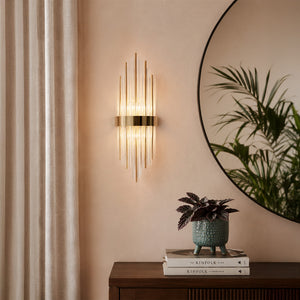
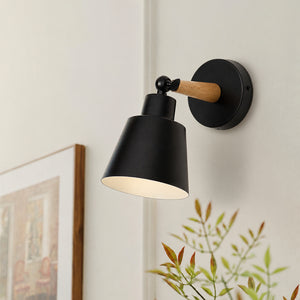
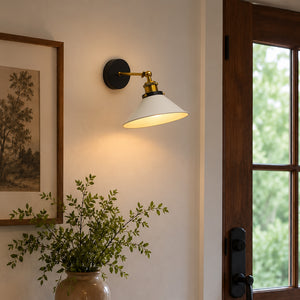
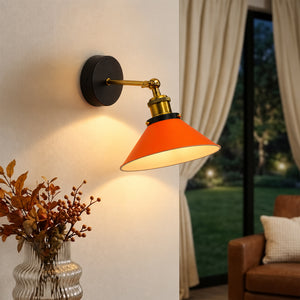

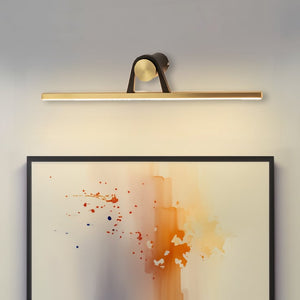
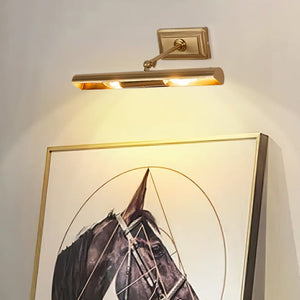
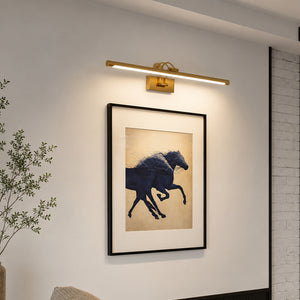
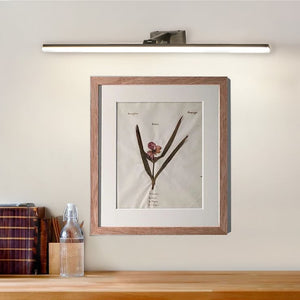



































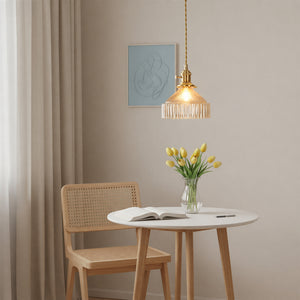

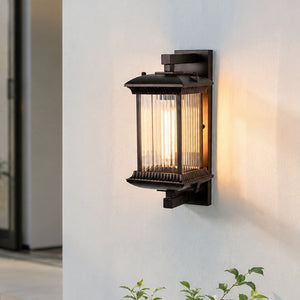

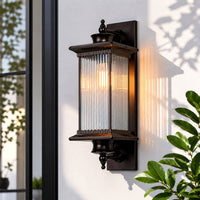































How Picture Lights Enhance Your Artwork and Painting
Whispering Homes JournalLighting Guide
How Picture Lights Enhance Your Artwork & Paintings
Every piece of artwork tells a story. The right light lets it be seen the way the artist intended.
Picture lights enhance artwork by casting focused, even light from above the frame, which brings out color, texture and brushstroke detail while reducing glare. Modern LED picture lights are UV-free and run cool, so they are safe for paintings, canvases and photographs. For the best result, choose a 2700K–3000K fixture about half to three-quarters the width of the artwork, and tilt it to roughly 30 degrees.

What Are Picture Lights and Why Do They Matter?
A picture light is a slim, wall-mounted or frame-mounted fixture designed to shine focused light down across a painting, photograph or piece of wall art. Every piece of artwork tells a story, but without proper lighting, the beauty of a painting or photograph can go unnoticed. Natural daylight gives an authentic glow, yet it is rarely consistent and often difficult to control indoors. That is where picture lights come into play: these elegant fixtures are designed specifically to illuminate paintings, photographs and wall art with precision.
A carefully chosen light does more than brighten a canvas. It turns the artwork into the centerpiece of a room. From galleries and museums to modern homes, picture wall lights add depth, warmth and focus, so every brushstroke and detail is seen the way the artist intended.
Why choose a picture light over other lighting?
- Focused illumination: light lands on the artwork instead of the whole wall, so the piece becomes the natural focal point.
- Even coverage: a well-sized fixture washes light across the entire composition rather than spotlighting one corner.
- Lower glare: light arrives from above at a gentle angle, not straight down or straight on.
- Safer for art: quality LED models are UV-free and give off very little heat.
- A finished look: the fixture itself is a design detail that ties in with brass, black or nickel finishes elsewhere in the room.

How Do Picture Lights Enhance Your Artwork?
Picture lights enhance artwork by controlling the direction, warmth and intensity of the light that reaches the surface. Light influences human perception: soft, natural illumination evokes comfort and intimacy, while cool, bright light tends to create energy and focus. That is why curators and interior designers place so much emphasis on lighting for art. Lighting does not just help us see art. It shapes how we feel about it.
Directional light also skims across the surface of a painting, which makes texture and brushstrokes more prominent and invites viewers to look closer. When you add a picture light to a painting, you are not only improving visibility. You are crafting an emotional response.
What do picture lights actually do for a painting?
- Highlight details and brushstrokes: proper lighting brings out the depth of an oil painting or the fine lines of a sketch, so guests can appreciate the effort behind every detail.
- Create mood and ambiance: a warmly lit portrait feels intimate, while cooler tones can suit modern or abstract art.
- Protect the artwork: harsh or hot lighting can fade colors and damage surfaces over time, while LED picture lights are designed to minimize UV exposure.
- Reduce glare and reflections: angled light lands on the canvas instead of bouncing straight back from glass.
- Show true colors: a good natural-white LED with a high Color Rendering Index (CRI) shows pigments the way the artist mixed them.
- Add depth to the room: a lit artwork draws the eye and makes a wall feel finished, even in the evening when the other lamps are low.

“The right light doesn’t just brighten a canvas. It transforms the artwork into the centerpiece of a room, ensuring that every brushstroke and detail is admired the way the artist intended.”Whispering Homes Journal
Why Are LED Picture Lights the Modern Standard?
LED picture lights are fixtures that use light-emitting diodes as the light source, and they have become the standard for art display because they run cool, emit almost no UV and use very little energy. Picture lighting has come a long way to reach this point. Galleries began using gas lamps in the 19th century and later moved to incandescent bulbs to illuminate masterpieces, with the goal of recreating natural daylight indoors. Over the decades, designs evolved into the sleek wall-mounted fixtures made specifically to highlight framed artwork.
What makes LED the safest choice for art?
- Minimal heat: LEDs emit very little heat, while incandescent bulbs release about 90% of their energy as heat, according to the U.S. Department of Energy.
- UV-free light: LEDs emit very low UV, and museum guidance from Museums & Galleries NSW recommends keeping UV for sensitive materials below 75 µW per lumen.
- Energy efficient: residential LEDs, especially ENERGY STAR rated products, use at least 75% less energy and last up to 25 times longer than incandescent lighting.
- Long lifespan: most quality LED picture lights are rated for 20,000–50,000 hours of use.
- Dimmable and flexible: many models work with dimmers, and natural or cool tones are available to suit the artwork.
How bright should a picture light be?
Museum conservation guidance sets sensible limits for how much light artwork should receive. According to Museums & Galleries Scotland, very sensitive items such as watercolors, prints, drawings and old photographs should stay at or below about 50 lux, while moderately sensitive works such as oil and tempera paintings can go up to about 200 lux. The same guidance notes that light damage is cumulative, so the longer a piece is lit, the more it is affected.
At home you do not need a lux meter to apply this. A dimmable fixture lets you keep the picture light just brighter than the surrounding room, and a timer or a habit of switching it off when the room is empty reduces total exposure.

What Types of Picture Lights Are Available?
Picture lights come in five common types, and each serves a specific purpose. Different types of picture lights for artwork are available, and the right one depends on the size of the painting, the style of the room and the mood you want to create.
| Type of Picture Light | Description | Best For |
|---|---|---|
| LED Picture Lights | Energy-efficient, long-lasting, and available in natural tones. | Homes, galleries and modern interiors where sustainability is a priority. |
| Plug-in Picture Wall Lights | Easy to install and reposition without hardwiring. | Renters, temporary displays, or anyone seeking flexibility. |
| Hardwired Picture Lights | Professionally installed and integrated into the home’s electrical system. | Permanent installations in high-end homes or art galleries. |
| Battery-Operated Picture Lights | Wireless and convenient, ideal for spaces without a nearby outlet. | Quick setup, small rooms, or spaces where wiring isn’t possible. |
| Adjustable Arm Lights | Let you direct light precisely where it is needed. | Large paintings, textured artwork, or pieces that need directional lighting. |
How do you pick a type quickly?
- Renting or avoiding wall damage? Choose plug-in or battery-operated models.
- Building or renovating? Plan hardwired points before the walls are painted, so cables stay hidden.
- Large or heavily textured artwork? Pick an adjustable arm so you can fine-tune the beam.
- Modern interior where efficiency matters? Go with LED, which is now the standard for art display.
How Do You Choose the Right Picture Light for Your Artwork?
Choosing a picture light means matching the fixture’s size, light color, finish and power source to the artwork and the room. Four decisions matter most, and getting them right makes the difference between a light that flatters the piece and one that fights it.
Size and scale
The fixture should match the dimensions of your artwork. As a general rule, the light should be about half to three-quarters the width of the frame so coverage stays even from edge to edge.
Warm vs. cool light tones
Warm tones (2700K–3000K) complement classic paintings, portraits and oils, while cooler lights often suit modern art. Whichever you pick, keep it close to the color of the other lamps in the room.
Color rendering
Look for a Color Rendering Index (CRI) of 90 or higher. A high CRI means reds, blues and skin tones in the painting look the way the artist intended instead of washed out or tinted.
Matching frame and fixture styles
From antique brass to sleek black or satin nickel, a fixture that echoes your artwork’s frame and the room’s metals creates a harmonious, deliberate look.
Which finish suits which artwork?
- Antique brass: classic landscapes, portraits, gilded or carved wood frames and traditional rooms.
- Black: modern and abstract art, slim black frames and contemporary or industrial-leaning interiors.
- Satin nickel or chrome: minimalist spaces, photography and cooler color palettes.
- Canvas without glass: any finish works, and the light will emphasize texture and depth.
- Glass-fronted frames: choose an adjustable fixture so you can tilt away from reflections.

How wide should the fixture be?
Use the half-to-three-quarters rule as a starting point. The table below turns it into practical sizes.
| Artwork width | Suggested picture light width |
|---|---|
| 24 in (61 cm) | 12–18 in (30–46 cm) |
| 36 in (91 cm) | 18–27 in (46–69 cm) |
| 48 in (122 cm) | 24–36 in (61–91 cm) |
| 60 in (152 cm) | 30–45 in (76–114 cm) |
Where Should You Place Picture Wall Lights?
Picture light placement is the height, angle and width at which a fixture is mounted relative to the artwork, and it matters as much as the fixture itself. Simply buying a picture light isn’t enough. Placement is crucial for achieving the right effect.
- Mounting height: position the fixture about 2–3 inches above the top of the frame for small artwork, and up to 5–6 inches for larger pieces.
- Angle of light: tilt the light at roughly 30 degrees to reduce glare and prevent harsh shadows.
- Width of fixture: ideally, the light should be about half to three-quarters the width of the artwork to ensure even coverage.
- Room lighting balance: picture lights should complement, not compete with, other lighting sources in the room.
- Center line: center the fixture over the frame so the light falls symmetrically on both sides.
- Cable path: decide where the cord or wiring will run before drilling, so the finished wall looks clean.
A quick glare check
Stand where you usually view the artwork and look for a bright hotspot on the glass or varnish. If you see one, lower the angle slightly or move the fixture a little higher until the reflection disappears.

How Do You Install a Picture Light?
Installing a picture light takes six steps, from measuring the artwork to balancing the light in the room. Hardwired picture lights offer permanence and reliability, while battery-operated models provide flexibility and easy installation, which is ideal for renters or anyone avoiding electrical work.
-
Measure and mark
Hang the artwork first, then measure the frame width and mark a center line above it so the fixture sits centered.
-
Choose the power source
Pick plug-in, battery-operated or hardwired based on your wall, the position of the nearest outlet and whether you rent.
-
Set the mounting height
Place the fixture about 2–3 inches above the top of small frames and up to 5–6 inches above larger ones.
-
Fix the bracket or backplate
Use wall plugs or anchors suited to your wall type, and check that the fixture is level before you tighten it.
-
Adjust the angle to about 30 degrees
Tilt the arm or shade so light falls evenly across the artwork, then step back and look for glare on glass or shadows along the frame.
-
Conceal the cable and balance the room
Route cords along the wall with a paintable cord cover, or choose a hardwired or battery model. Finally, dim the picture light until it is slightly brighter than the surrounding lamps.
Safety note
Hardwired fixtures connect to your home’s electrical system and should always be installed by a licensed electrician. Switch off the supply at the mains before any work on existing wiring.
Where Do Picture Lights Work Best?
Picture lights work in any space where artwork is displayed, from professional galleries to living rooms and offices. The right fixture and brightness change with the setting, so it helps to know what each space needs.
Art galleries and museums
In professional settings, precision lighting is critical. Adjustable LED picture lights are often used to ensure accurate color representation without causing damage, and galleries favor dimmable fixtures to adapt to different exhibits.
- Adjustable, dimmable LED fixtures
- Accurate color rendering
- Flexible for changing exhibits
Residential spaces
At home, picture lights serve both functional and decorative purposes. They can highlight a family portrait, bring life to an abstract painting or add charm to a vintage piece.
- Above a sofa or fireplace
- Over a console table
- Along a hallway or staircase
- In a dining room or study
Workspaces and offices
Displaying artwork in offices creates a professional yet welcoming atmosphere. A strategically placed picture light adds sophistication and encourages creativity.
- Reception and waiting areas
- Executive cabins and boardrooms
- Lounges and collaboration spaces
How Do Picture Lights Compare With Track Lighting and Spotlights?
Picture lights are the option designed specifically for focused, intimate illumination of a single artwork. While track lighting and spotlights can also be used for art displays, spotlights can create harsh beams, whereas picture wall lights distribute light evenly, emphasizing the entire composition without overpowering it.
| Feature | Picture Light | Track Lighting | Spotlight |
|---|---|---|---|
| Light quality | Even wash across the whole piece | Adjustable, but heads can spot one area | Narrow beam that can feel harsh |
| Glare risk | Low when tilted to about 30° | Medium, depends on aim | Higher, especially on glass |
| Installation | Plug-in, battery or hardwired, no ceiling work | Needs a ceiling-mounted track | Needs ceiling cutouts and wiring |
| Flexibility | Moves with the artwork | Re-aim heads along the track | Fixed once installed |
| Best for | Single hero pieces in homes and offices | Gallery walls and large rooms | New builds with flush ceilings |
When should you choose which?
- Choose a picture light when you want one painting to feel like the centerpiece of a wall.
- Choose track lighting when you are lighting a long wall of several pieces that change often.
- Choose spotlights when ceilings are being redone and you want a discreet, fixture-free look.
- Combine them when you want ambient room light plus a soft accent on your favorite artwork.
What Are the Most Common Picture Light Mistakes?
The most common picture light mistakes are heat, wrong size, wrong angle and too much surrounding light. Each one is easy to avoid once you know what to look for.
Using bulbs that emit too much heat
Hot bulbs risk damaging paint, varnish and paper over time.
FixChoose a UV-free LED picture light.
Choosing the wrong fixture size
A fixture that is too small leaves corners dark, and one that is too large overwhelms the frame.
FixAim for half to three-quarters of the artwork width.
Installing at the wrong angle
Too steep or too flat an angle leads to shadows along the frame or glare on the glass.
FixTilt the light to roughly 30 degrees and check from your usual viewing spot.
Over-lighting the room
When everything is bright, the artwork looks flat and loses depth.
FixDim the room lights and let the picture light be the brightest layer.
Mixing color temperatures
A cool picture light beside warm lamps makes the wall feel disjointed.
FixKeep the picture light within the room’s 2700K–3000K range.
Leaving cables on show
A dangling cord distracts from the artwork and cheapens the display.
FixUse a paintable cord cover, a hardwired install or a battery model.
How Do You Display and Protect Paintings at Home?
Displaying paintings well at home means balancing how good the artwork looks with how long it lasts. A few simple habits keep artwork vibrant for decades while still giving you the drama of a beautifully lit wall.
- Use dimmers with your LED picture lights so you can adjust brightness to the time of day and the artwork.
- Combine picture lights with ambient room lighting to avoid sharp contrasts between the wall and the rest of the room.
- Rotate artworks occasionally to give different pieces time in the spotlight and spread out light exposure.
- Keep art out of direct sunlight, since daylight adds UV and changes constantly through the day and the seasons.
- Go gentler on delicate pieces: watercolors, prints and old photographs deserve lower light levels than oil paintings.
- Switch off when the room is empty, or use a timer, because light damage adds up over time.
- Consult a professional if you are displaying valuable or antique art.

Are Picture Lights Worth the Investment?
Picture lights are worth it for most homes and collections because they improve how artwork looks, protect it and use very little energy. While they may seem like a luxury, they offer significant value.
Enhance the viewing experience
Detail, texture and color become easier to see and enjoy.
Increase the perceived value of artwork
A lit piece looks curated and cared for, which lifts how it is perceived.
Add sophistication to interiors
A finished fixture in brass, black or nickel adds a designed layer to the wall.
Provide long-term savings with LEDs
LEDs use at least 75% less energy than incandescent lighting and last far longer.
For homeowners and collectors alike, investing in picture lights for wall decor is both a practical and an aesthetic decision.
Picture Lights to Shop
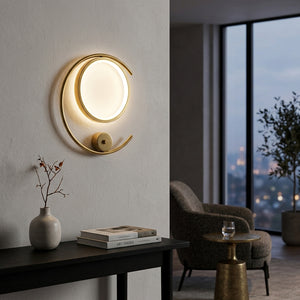
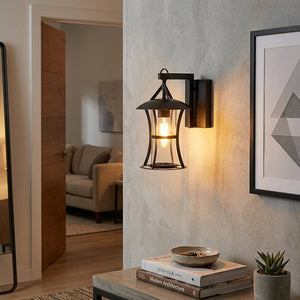
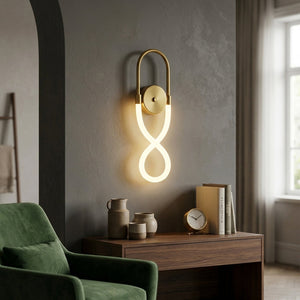
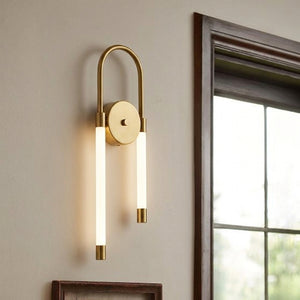
Four finishes, one goal: letting your art take center stage.

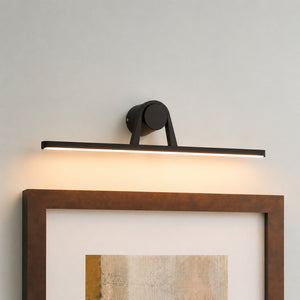
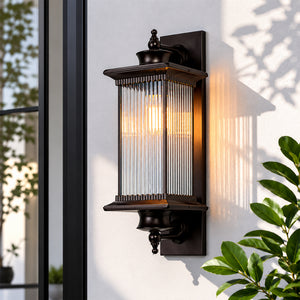
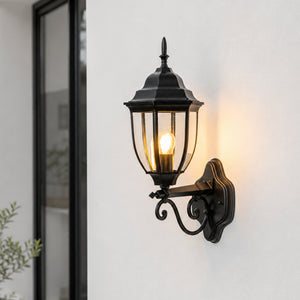
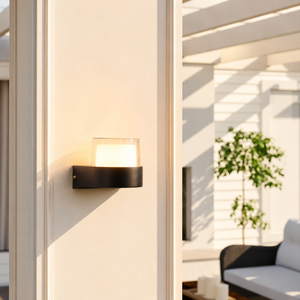
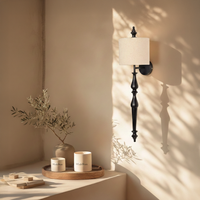
Milton Picture Light - Black
A black finish that suits modern interiors and abstract artwork.
₹6,999.00
Add to Cart
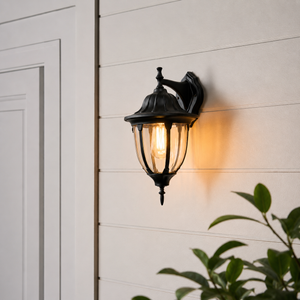
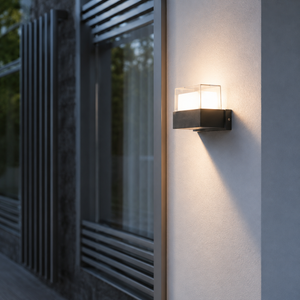
Cabinet Maker's Picture Light - Black
A classic black finish that pairs well with dark wood and slim black frames.
₹7,299.00
Add to Cart
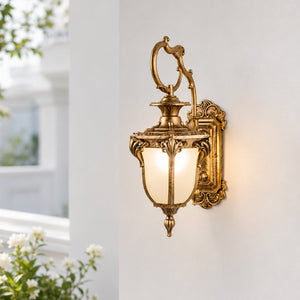
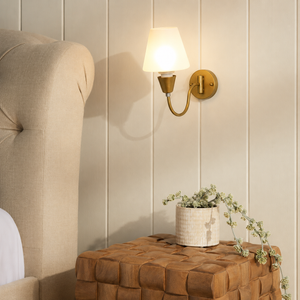
Jenesen Picture Light - Antique Brass
An antique brass finish that suits classic landscapes, portraits and gilded frames.
₹7,799.00
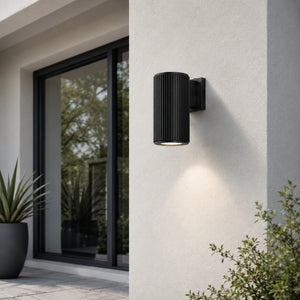
Add to CartRoman Picture Light - Satin Nickel
A soft satin nickel finish for minimalist and contemporary settings.
₹7,499.00
Add to CartFrequently Asked Questions About Picture Lights
Straight answers to the questions we hear most about lighting artwork.
Are LED picture lights safe for all types of artwork?
Yes, quality LED picture lights are safe for most artwork because they emit virtually no UV and very little heat. That makes them suitable for oil paintings, acrylics, canvases and photographs. For very delicate pieces such as watercolors, prints and old photographs, keep the light dimmed and consult a conservator.
What size picture light should I choose for my painting?
Choose a fixture that is about half to three-quarters the width of the artwork so the light spreads evenly across the whole frame. For example, a painting that is 36 inches wide works well with a picture light of 18 to 27 inches. Very large pieces may need a longer fixture or two lights.
Can I install picture lights without wiring?
Yes. Battery-operated and plug-in picture lights need no hardwiring, which makes them a good fit for renters and for walls where cutting channels is not possible. Battery models are the easiest to install, while plug-in models avoid battery changes but need a nearby outlet and a tidy cable route.
Will picture lights change the color of my artwork?
Not if you choose well. High-quality LED picture lights with a color temperature of 2700K–3000K and a high Color Rendering Index (CRI) keep colors accurate without a yellow or blue cast. Very cool white light can make natural-toned classic paintings look flat, so it is best avoided for them.
How long do LED picture lights last?
Most LED picture lights are rated for 20,000–50,000 hours. At four hours of use a day, that equals roughly 13 to 34 years, which makes them a durable and low-maintenance investment.
Do picture lights work with canvas art without glass?
Yes. Picture lights work on both canvas and framed artwork, and on an unglazed canvas they highlight texture and depth because there is no glass to reflect the light. Tilt the fixture to about 30 degrees so the light lands evenly across the surface.
How high above a painting should a picture light be mounted?
Mount the fixture about 2–3 inches above the top of the frame for small artwork, and up to 5–6 inches above it for larger pieces. Then tilt the light to around 30 degrees to reduce glare and prevent shadows across the canvas.
Should a picture light be Natural white or cool white?
Natural white (2700K–3000K) suits most artwork, especially classic paintings, portraits and oil pieces, because it flatters natural pigments and matches typical living-room lamps. Cooler tones can work for modern or abstract art in contemporary spaces, as long as they do not clash with the other lights in the room.
Can picture lights damage paintings?
Well-chosen LED picture lights do not damage paintings. Damage comes from too much light for too long, along with heat and UV, so choose an LED model, dim it to a comfortable level and switch it off when the room is unused. Museum guidance treats light damage as cumulative, which is why dimmers and timers help.
Do I need an electrician to install a picture light?
Only for hardwired models. Plug-in and battery-operated picture lights can be installed by most homeowners with basic tools, while hardwired fixtures connect to the home’s electrical system and should be fitted by a licensed electrician.
Illuminating Art With Precision and Elegance
Art deserves more than just a place on the wall. It deserves to be celebrated. With the right picture wall lights, you can bring out hidden details, showcase true colors and create an atmosphere that draws people closer to your collection. Whether it is a priceless painting or a family portrait, the right lighting transforms it from decoration into an experience.
From energy-efficient LED picture lights to classic hardwired fixtures, there is a solution for every need, style and budget. By paying attention to placement, design and technology, you ensure that your artwork shines in the best possible light, literally and figuratively. For timeless and elegant lighting options, explore the curated collection at Whispering Homes, where style meets functionality to make your artwork truly unforgettable.
Let your art take center stage.
Explore picture lights in antique brass, black and satin nickel.
Explore Picture Lights