











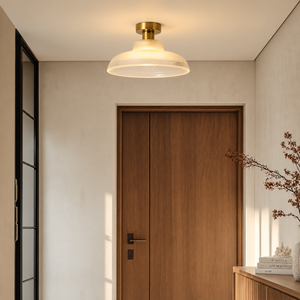
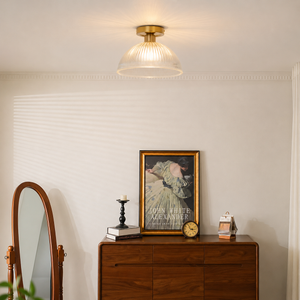

















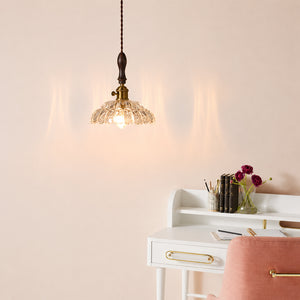


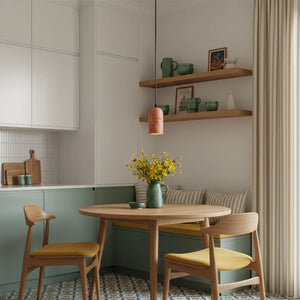
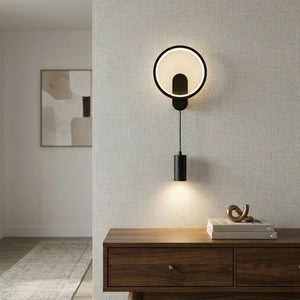
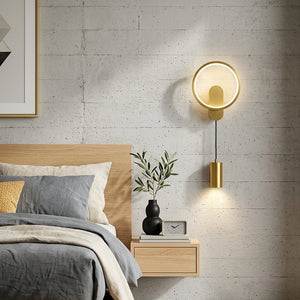


















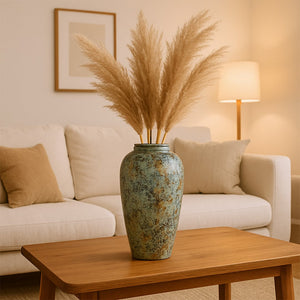


How to Pair Home Decor with Lighting for a Cohesive Look
Whispering Homes Journal · Interior Design
How to Pair Home Decor with Lighting for a Cohesive Look
Discover the art of harmonizing your lighting choices with your interior design to create spaces that feel intentional, elegant and complete.
To pair home decor with lighting, echo one material or finish from your decor in your fixtures, match each fixture's scale to the furniture around it, and keep every bulb in a room at a similar color temperature, around 2700K–3000K for cozy spaces. Then layer ambient, task and accent light, put it on dimmers, and test it at daytime, dusk and evening.
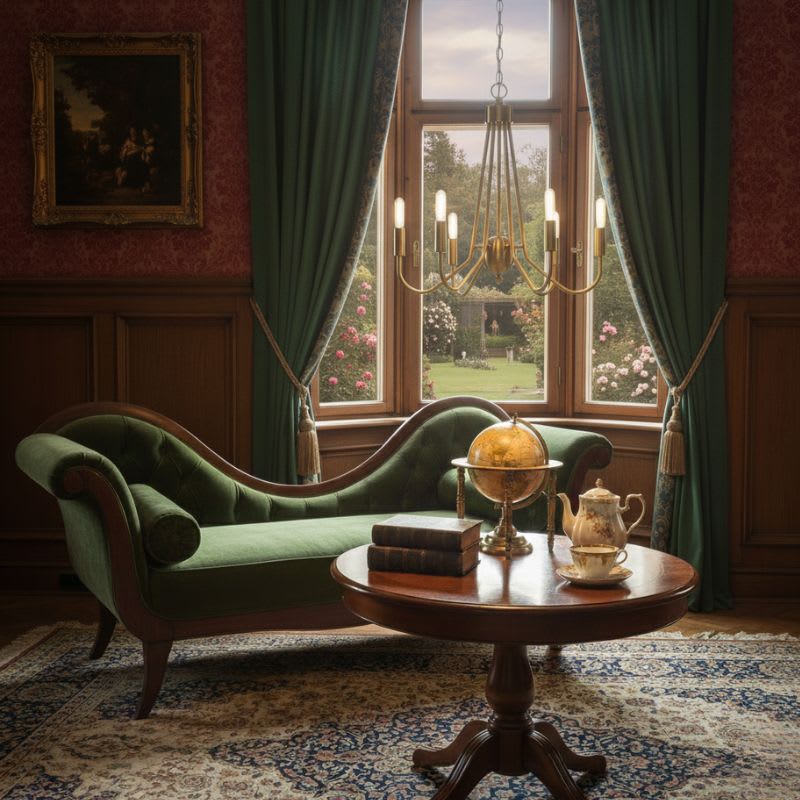
Repeat one material. Match one temperature. Layer three sources.
Why Should Your Lighting Match Your Home Decor?
The gentle glow of a well-placed light fixture can turn ordinary decor into an extraordinary sanctuary. Yet many homeowners struggle to pair decor with lighting for a cohesive look. Too often the lighting feels tacked on, or the decor seems to compete with the light sources instead of working with them.
Lighting is not just a utility; it is a design element on par with furniture, textiles and wall art. Thoughtfully paired with decor, it frames focal points, adds depth and creates ambiance. A mismatch, on the other hand, can weaken your whole style story.
What Cohesive Lighting Gives You
- A finished look: fixtures that echo your decor make a room feel designed rather than assembled.
- Better focal points: light guides the eye to your best pieces instead of leaving them in shadow.
- A consistent mood: matching bulb warmth keeps the atmosphere calm from corner to corner.
- Flexibility: layered light lets one room shift from bright and useful to soft and social.
- Longer-lasting style: a well-planned scheme survives new cushions, rugs and paint far better than a random one.
Handy Rules of Thumb at a Glance
Designers lean on a few simple proportions when pairing fixtures with a room. Treat these as reliable starting points, then adjust by eye.
Chandelier in a Room
Length + WidthDiameter in inches is roughly the room's length plus width in feet.
Dining Pendant
½ to ⅔Width of about ½ to ⅔ of the tabletop.
Dining Pendant Height
30–36 inRoughly 30–36 inches (76–91 cm) above the tabletop.
Wall Sconces
60–66 inOften around 60–66 inches (150–168 cm) from the floor.
Bulbs in One Room
Same KelvinThe same or very close Kelvin value.
What Is the Role of Lighting in Interior Design?
Lighting in interior design is the layer that decides how every other element is seen and felt. Light does much more than brighten a room:
- Defines focus: a well-aimed table lamp or accent light draws the eye to a curated object or artwork.
- Shapes ambience: warm, diffused lighting produces coziness, while crisp, bright light promotes clarity and energy.
- Reveals texture and color: the angle and warmth of light influence how materials and hues look.
- Balances composition: light helps balance positive design weight (furniture, art) against negative space (open areas).
- Guides movement: pools of light lead the eye, and the feet, through a room.
So when we talk about pairing decor with lighting, we mean more than matching a chandelier to a rug. We mean building an ecosystem in which light and decor support, highlight and complete each other.

What Are the Core Principles for Pairing Home Decor with Lighting?
Before diving into styles and rules, keep these five principles in mind.
Hierarchy of Lighting
Use the three-layer approach of ambient, task and accent light. Each layer must support your overall decor story.
- Ambient: general lighting for the whole room
- Task: focused lighting for specific needs such as reading or cooking
- Accent: emphasis on art, architectural detail or texture
- Aim for at least three light sources at different heights in every main room
Consistency in Finish and Material
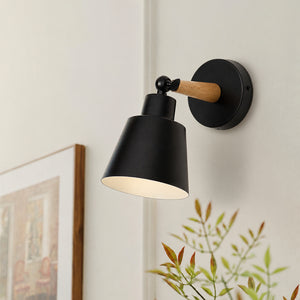
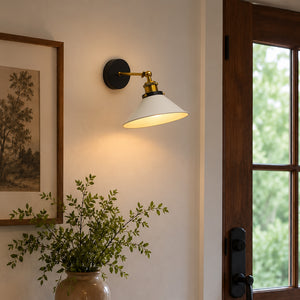
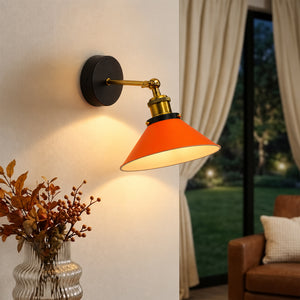
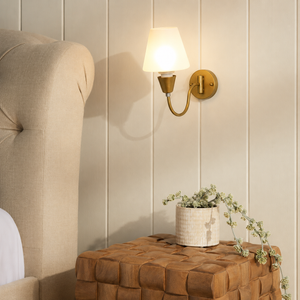
A brass sconce looks out of place if the rest of your hardware is matte black. You can still introduce an accent material, such as brushed brass, in small touches to tie things together.
- Pick one primary finish and one accent finish
- Repeat each finish at least twice in the room so it looks intentional
- Echo textures such as linen, rattan or glass from your soft furnishings
Scale and Proportion
A chandelier that dwarfs your furniture, or a miniature lamp that disappears into the corner, disrupts balance. Match proportions among lighting, furniture and decor.
- Choose flush or semi-flush fixtures for lower ceilings and longer drops for taller ones
- Let a lamp's height and shade width relate to the furniture beside it
- Use the rules of thumb above as a starting point
Color Temperature Harmony
Use warm light (2700K–3000K) in cozy zones, neutral light (around 3500K) in mixed-use areas, and cooler tones only where needed. Avoid mixing drastically different temperatures in one room.
- Check the Kelvin number on the packaging, not just the words "warm white"
- Buy all the bulbs for one room together so their tone matches
Layering and Zoning
Your lighting scheme should reflect the zones of your space, such as a reading corner, a dining table or a display wall, and serve the function and mood of each one.
- Give every zone its own dedicated light source
- Control zones separately so you can light only what you are using

Which Lighting Suits Which Decor Style?
Below is a reference table showing how to pair popular decor styles with lighting styles effectively.
| Decor style | Lighting aesthetic | Suggested fixtures | Key notes |
|---|---|---|---|
| Modern / Minimalist | Sleek lines, understated forms | Linear ceiling lights, flush mounts, minimalist floor lamps | Keep finishes matte black, white or polished chrome. Use hidden LEDs. |
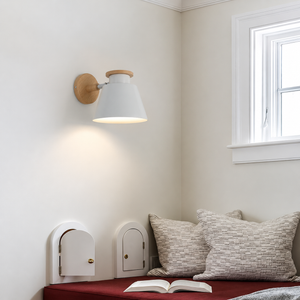
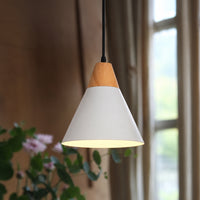
| Scandinavian / Hygge | Soft, diffused, natural materials | Paper pendants, linen-shade table lamps, wood-accent fixtures | Use warm, soft white bulbs (2700K). Embrace natural textures. |
| Industrial / Loft | Exposed hardware, raw metals | Cage pendants, Edison bulbs, metal wall sconces | Match iron or black metals in furniture. Use clear bulbs. |
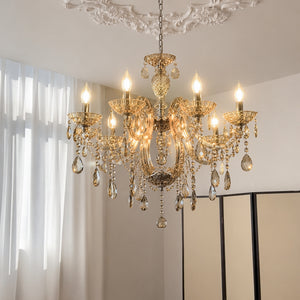
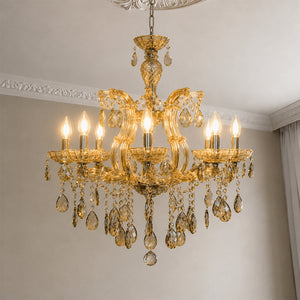
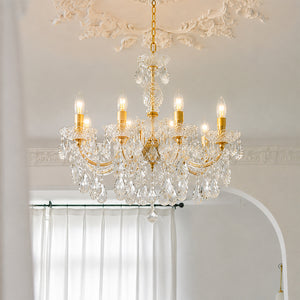
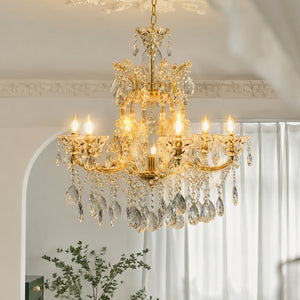
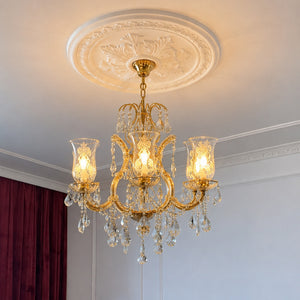
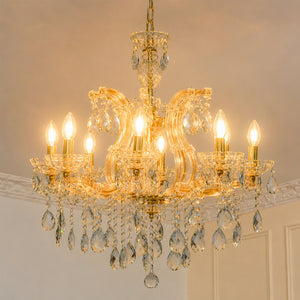
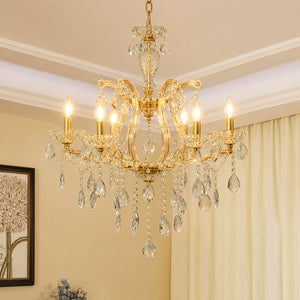
| Classic / Traditional | Ornate, elegant, symmetrical | Chandeliers, crystal accents, fabric-shade sconces | Echo mirror detailing. Choose soft golds or antique finishes. |
| Bohemian / Eclectic | Mixed textures, layered effects | Rattan pendants, Moroccan lanterns, beaded shades | Combine materials across decor and lighting. |
| Transitional | A blend of modern and classic | Drum pendants, slim sconces, updated chandeliers | Use transitional finishes such as brushed nickel or bronze. |
Use this table as a cross-reference. If your decor leans Scandinavian, for instance, skip the ornate brass chandelier and choose a linen shade that echoes your furniture textures.
Finish Pairing Cheat Sheet
Finish is the quickest way to make a fixture look like it belongs. Use this as a guide when choosing metals and materials.
| Finish | Pairs well with | Overall feel |
|---|---|---|
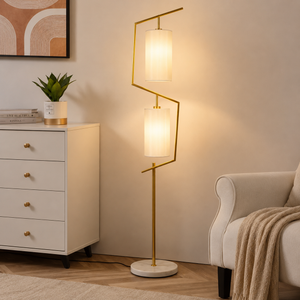
| Brushed brass / gold | Warm woods, velvet, deep greens and blues | Warm, classic, welcoming |
| Matte black | White walls, concrete, glass, graphic furniture | Crisp, modern, defined |
| Chrome / nickel | Marble, mirrors, cool neutral palettes | Clean, polished, light |
| Antique bronze | Dark wood, leather, traditional furniture | Aged, rich, grounded |
| Natural materials | Rattan, linen, light wood, woven textures | Relaxed, organic, airy |
How Do You Pair Home Decor with Lighting, Step by Step?
Here is how to put the principles into practice in your own home, one step at a time.
Audit Your Decor Elements First
Inventory your major items: sofas, rugs, artwork, wall decor and furniture hardware. Decide on one or two accent metals at most.
- Note dominant textures: wood, metal, fabric, glass
- Note dominant finishes: brass, black, chrome
Decide on Lighting Layers by Function
Map out your ambient, task and accent needs for each room. In a living room, for example:
- Ambient: recessed cans or a central fixture
- Task: floor or table lamps near seating
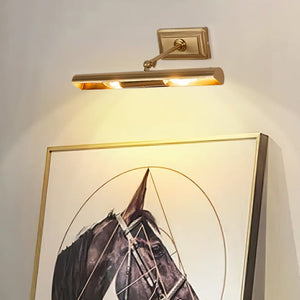
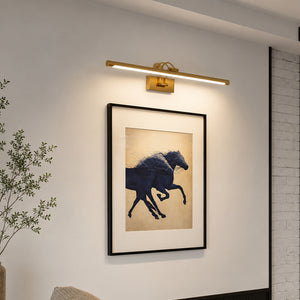
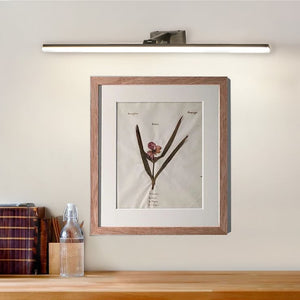
- Accent: wall sconces or picture lights for art
Select Fixtures That Echo Decor Materials and Shapes
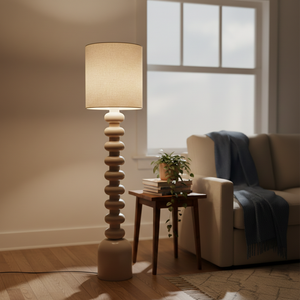
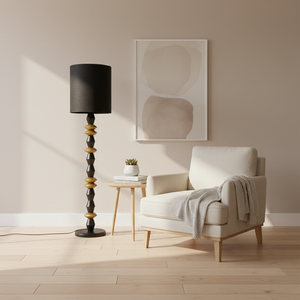
If your furniture legs are tapered wood, pick a floor lamp with a slender wood accent. The aim is visual echo without duplication.
- Round mirrors pair well with round pendant lights
- Rectilinear furniture pairs well with linear or drum shapes

Maintain Color Temperature Consistency
Use the same or close Kelvin value across one open space. If your pendants are 3000K, avoid 5000K bulbs in the same zone.
- Keep a harmony of warmth or neutrality
- Swap every bulb in a fixture, not just the one that failed
Control Lighting Intensity
Dimmer switches, multiple bulb options or smart lighting let you tune brightness so the light complements your decor mood, from soft glow to bright clarity.
- Put ambient light on a dimmer first
- Check that bulbs and fixtures are dimmable before you buy
Test at Different Times
Evaluate how decor and lighting play together in daylight, at dusk and in the evening. Some finishes look different under warm light than in daylight, so adjust or reposition as needed.
- Look at the room from the doorway and from your favorite seat
- Live with the scheme for a few evenings before finalizing

How Do You Pair Decor and Lighting Room by Room?
Every room has its own anchors and its own lighting needs. These practical pairing examples show the principles at work.
Living Room
A statement sofa or large rug anchors your palette, so let your lighting pick up its cues.
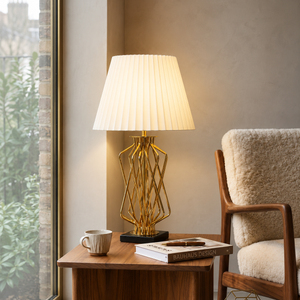
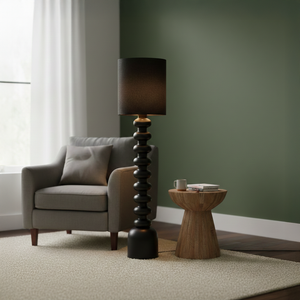
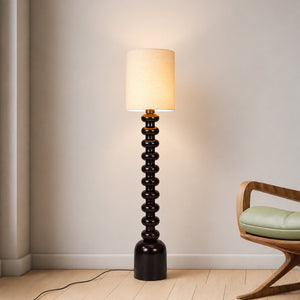
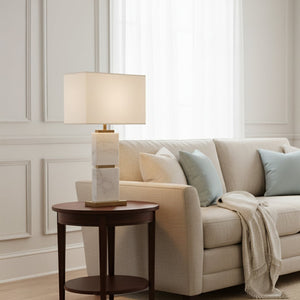
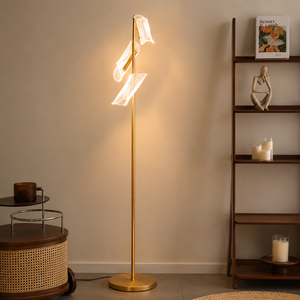
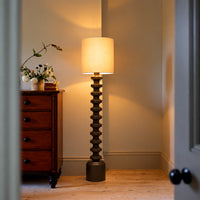
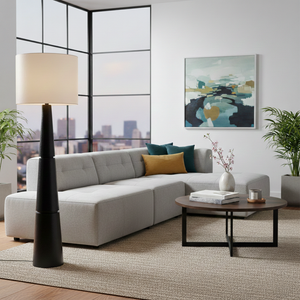
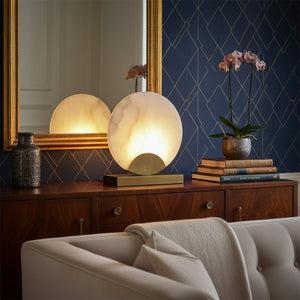
- Pair a floor lamp with a sculptural base beside the sofa
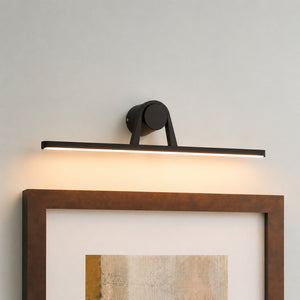
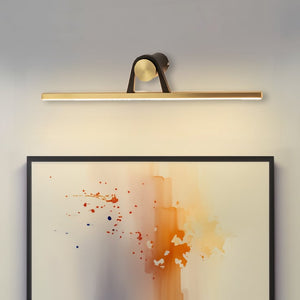
- Use picture lights, or LED strip lighting hidden behind a frame, to accent art
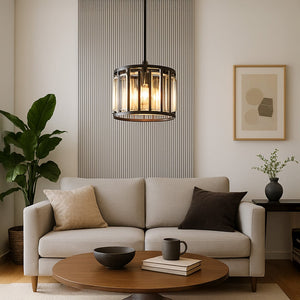
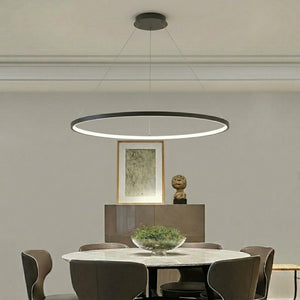
- Let a chandelier or ceiling fixture echo central shapes, such as a circular light above a round coffee table
Dining Room
Your lighting should center the table.
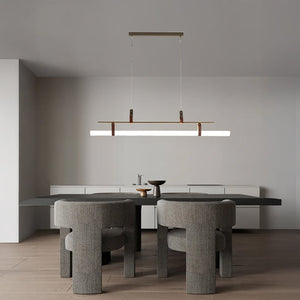
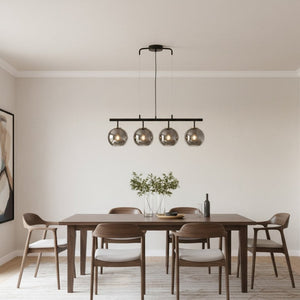
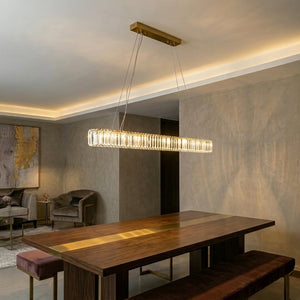
- Use a pendant or chandelier about ½ to ⅔ of your tabletop width
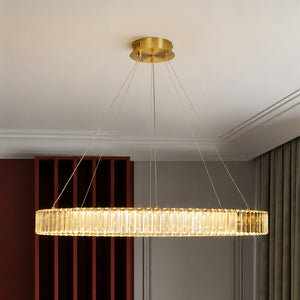
- Choose a finish, such as brushed brass, that complements your dining chairs or hardware
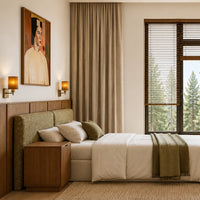
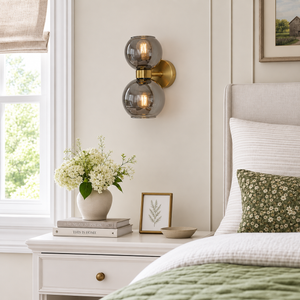
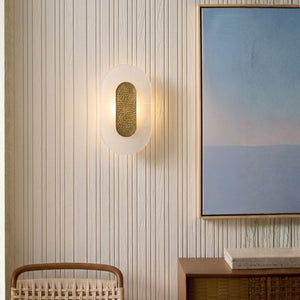
- Add wall sconces with a matching finish for a sideboard accent
Bedroom
Bedside table lamps should echo or complement the hardware on your dressers or headboard.
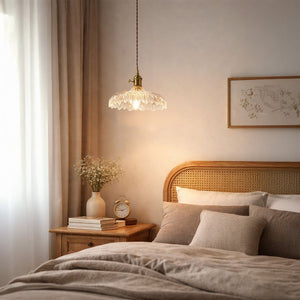
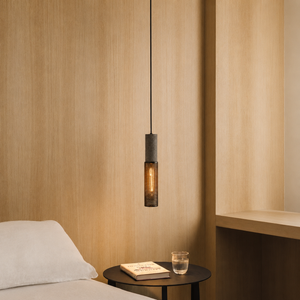
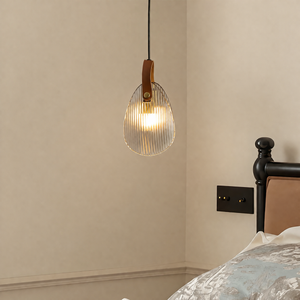
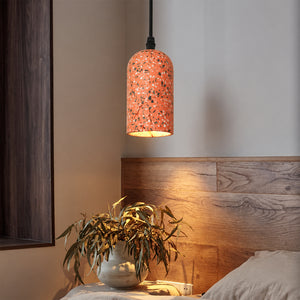
- Consider a pendant over the nightstand to save surface space, with a coordinating base finish
- Use soft, warm bulbs to create a relaxing ambiance
Hallway and Entry
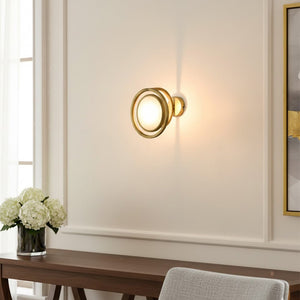
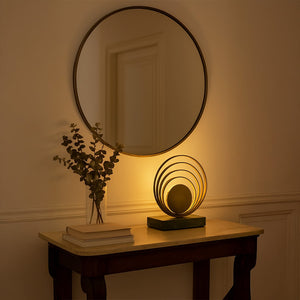
Use accent lighting that mirrors decorative elements such as moulding, mirrors or console table detailing.
- Choose wall sconces of modest scale
- Keep the finish consistent with nearby hardware and frames

Decor plays the melody. Lighting provides the harmony.
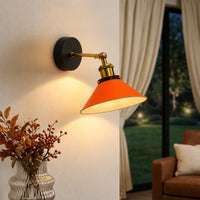
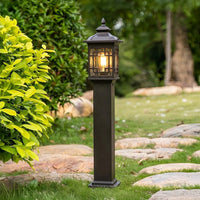
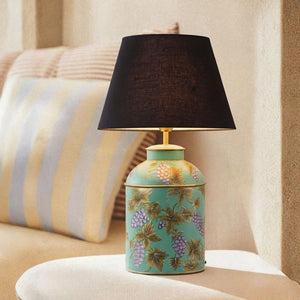
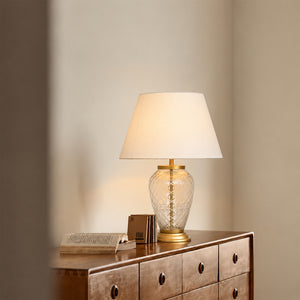
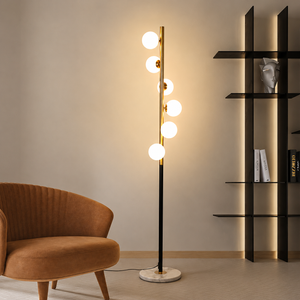
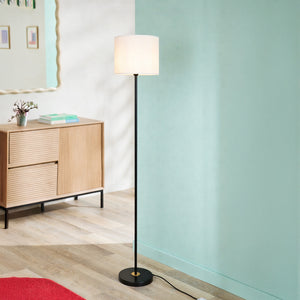
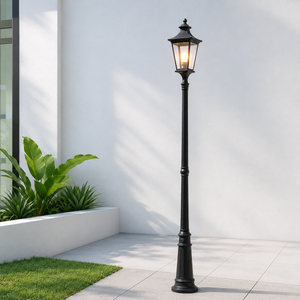
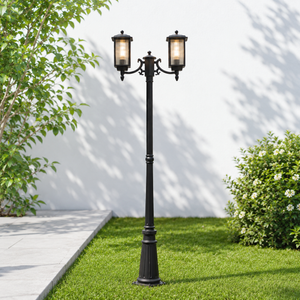
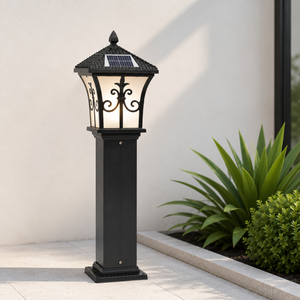
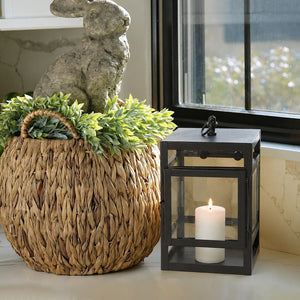
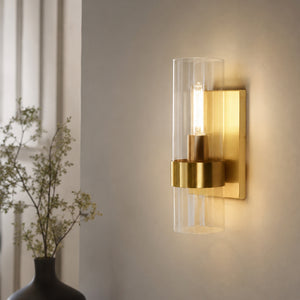
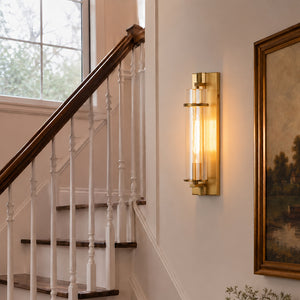
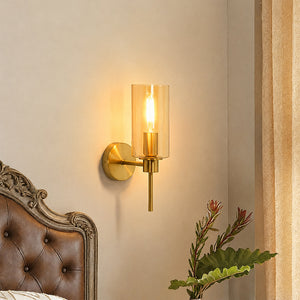
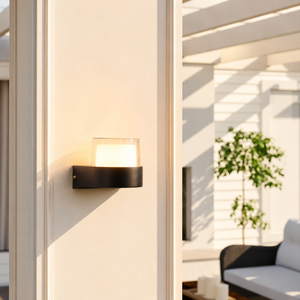
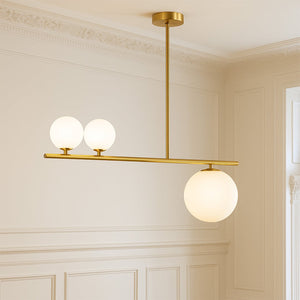
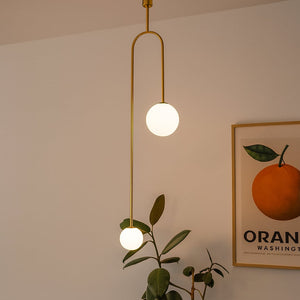
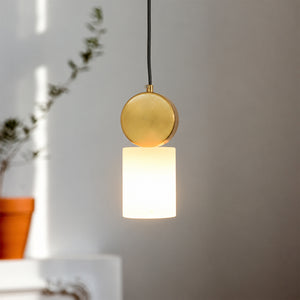
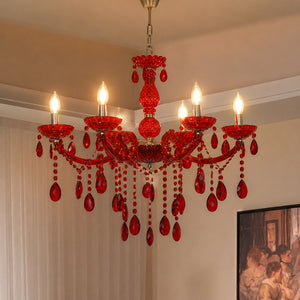
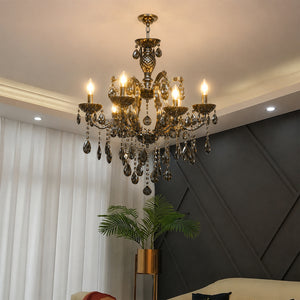
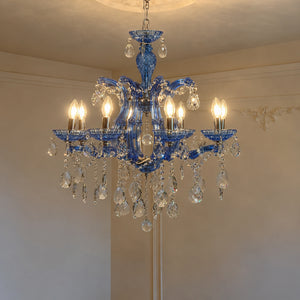
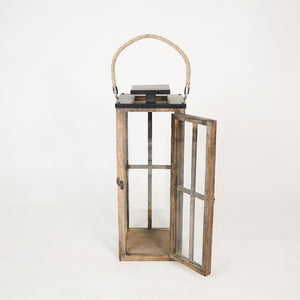
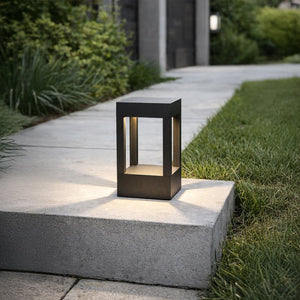
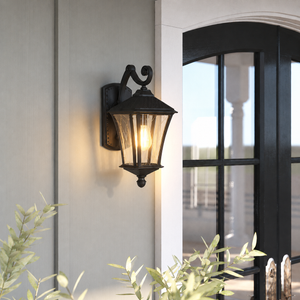
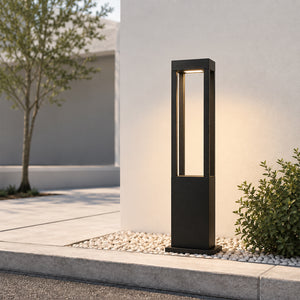
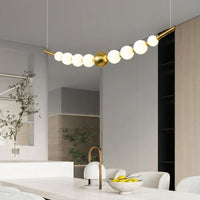
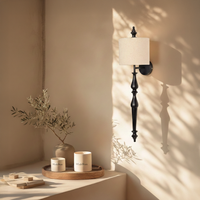
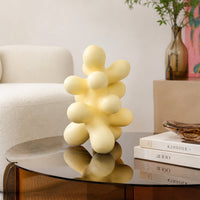
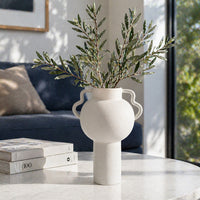
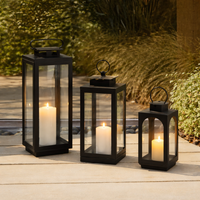
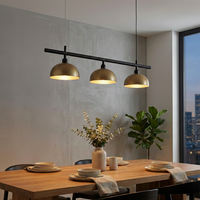
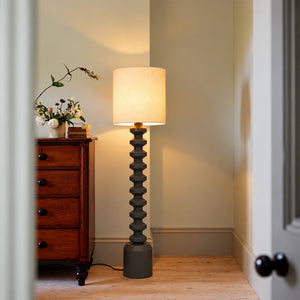
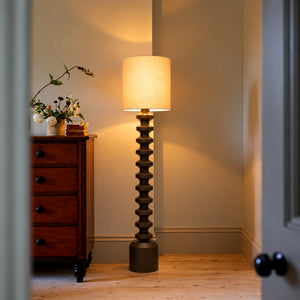
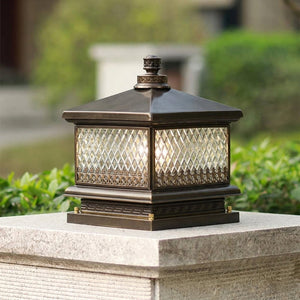
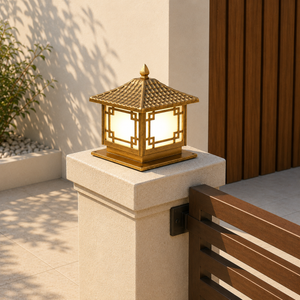
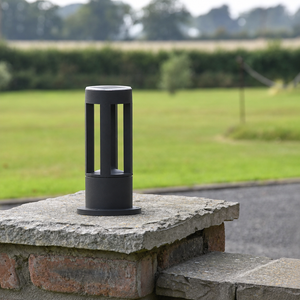
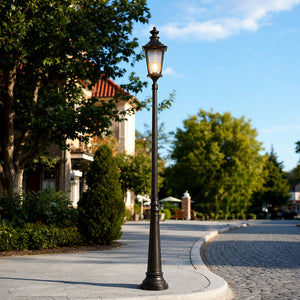
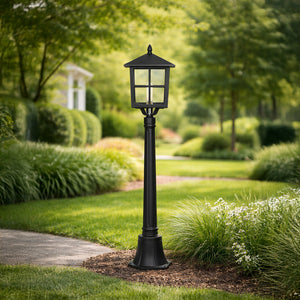
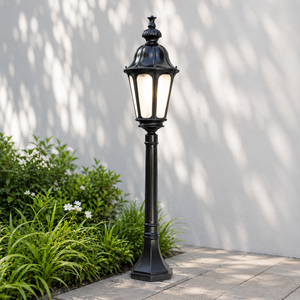
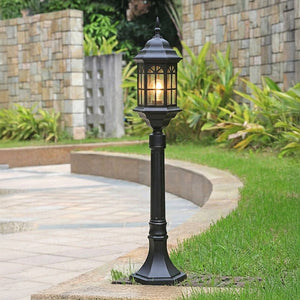
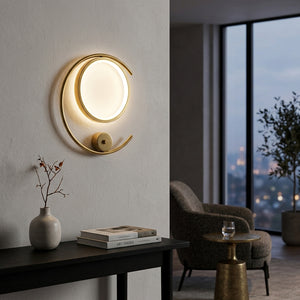
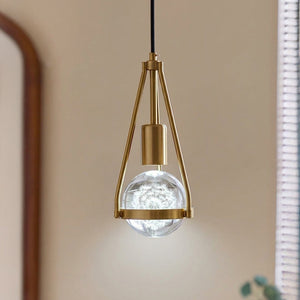
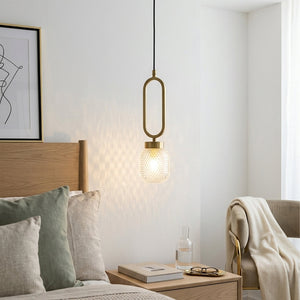
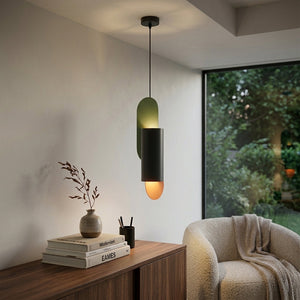
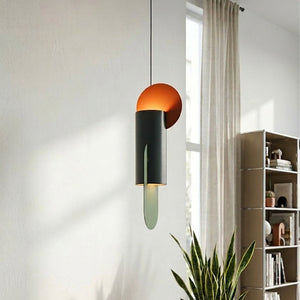
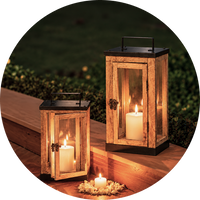
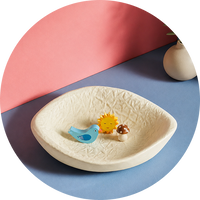
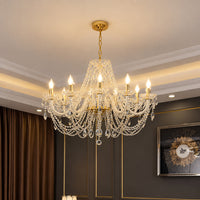
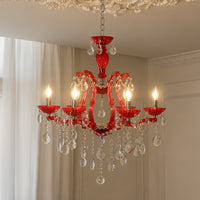
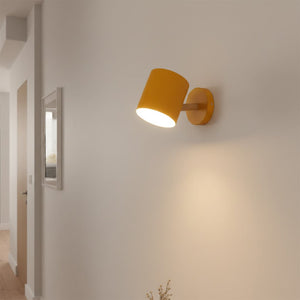
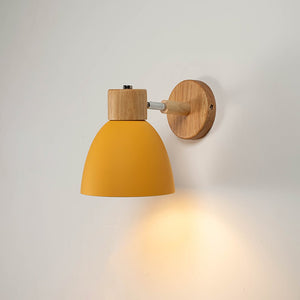
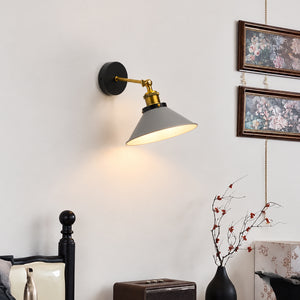
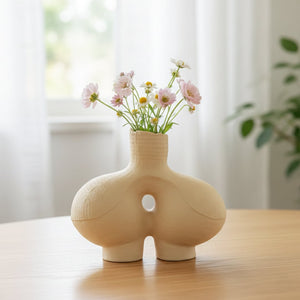
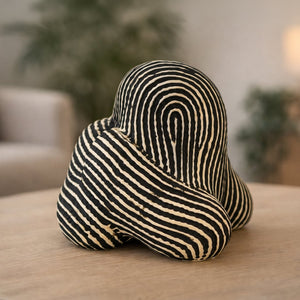
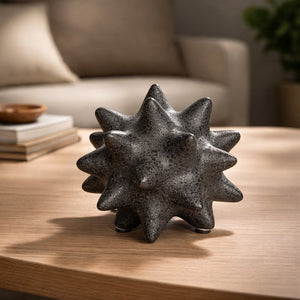
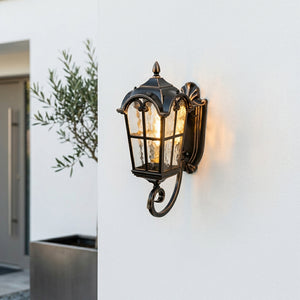
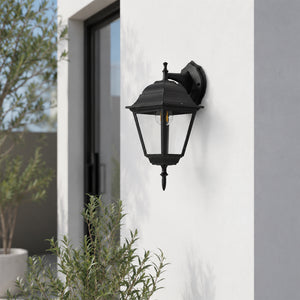
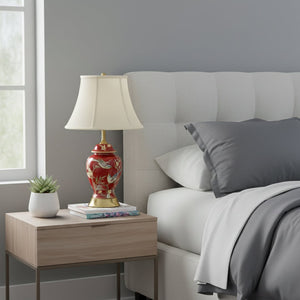
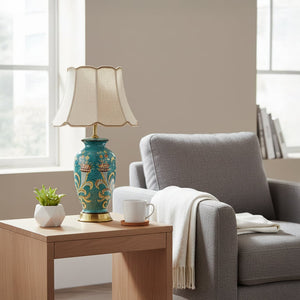
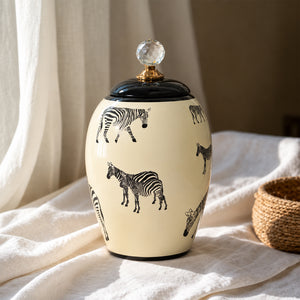
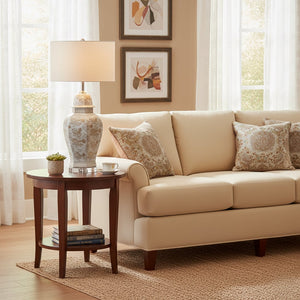
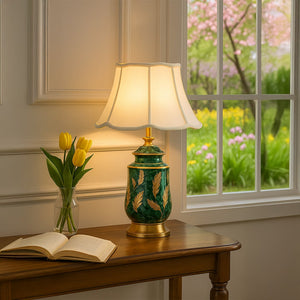
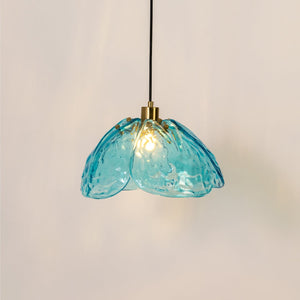
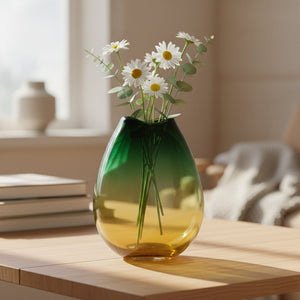
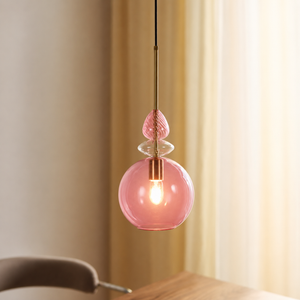
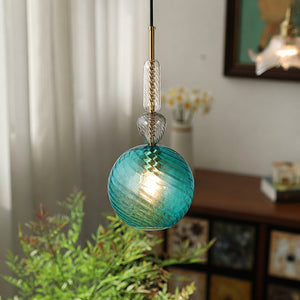
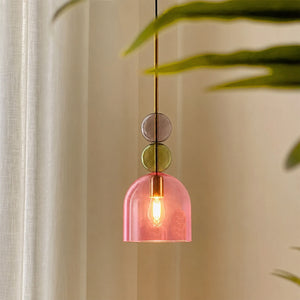
Featured Products
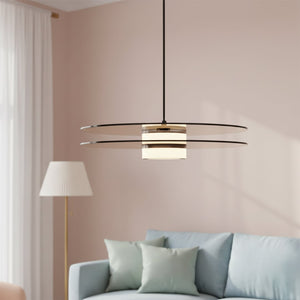
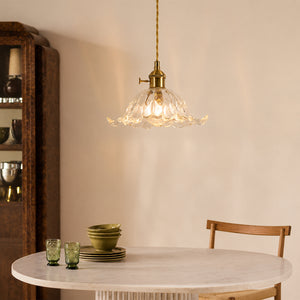
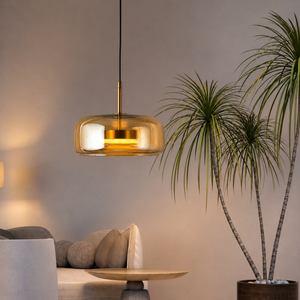
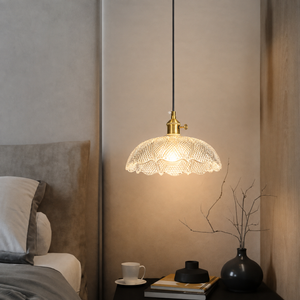
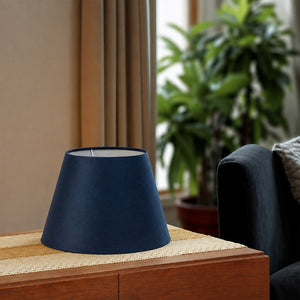
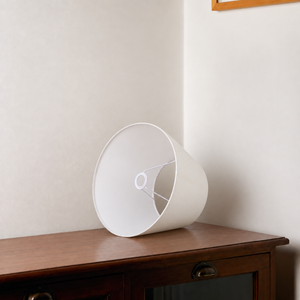
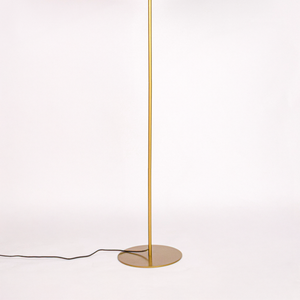
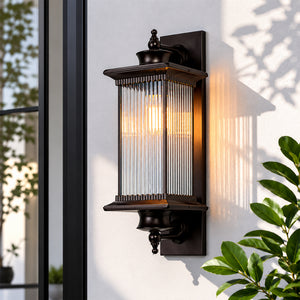
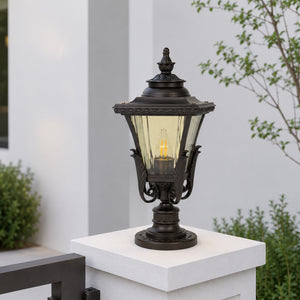
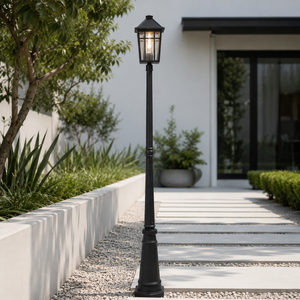
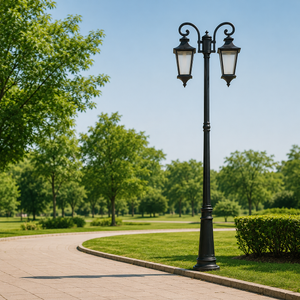
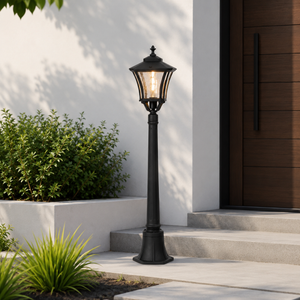
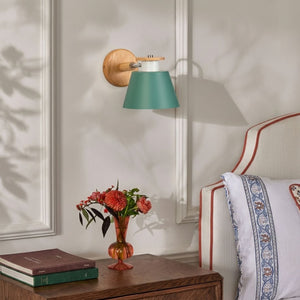
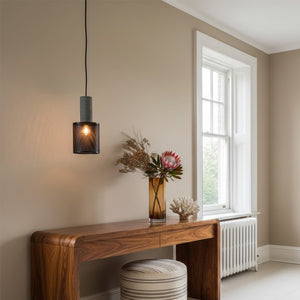
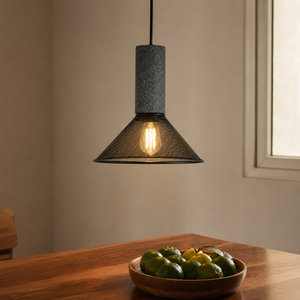
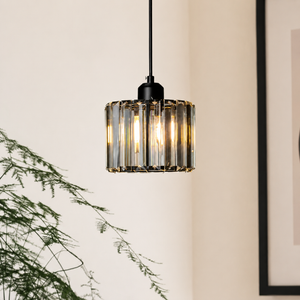
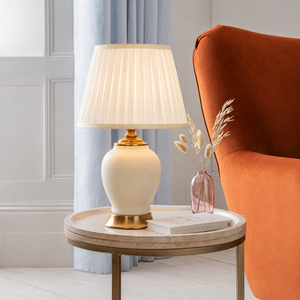
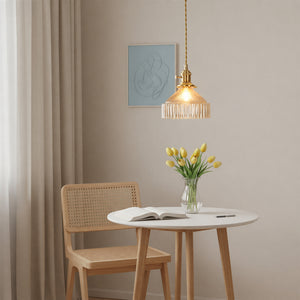
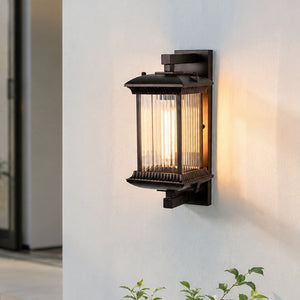
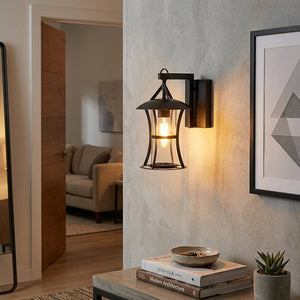
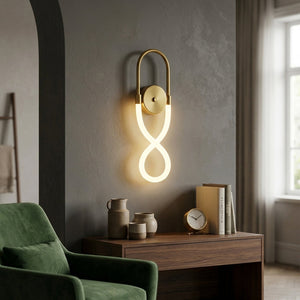
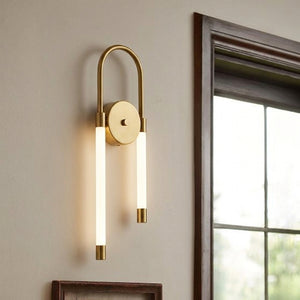
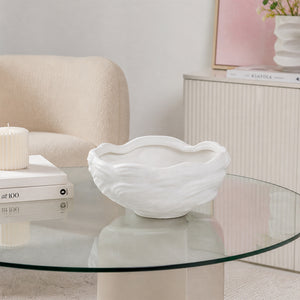
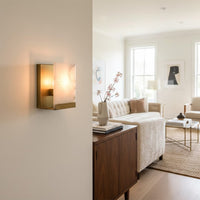
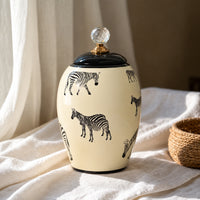
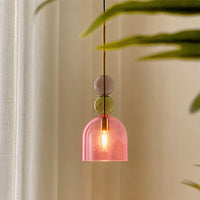
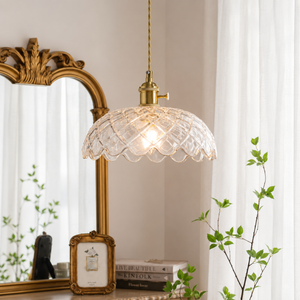
A curated selection of lighting fixtures to elevate your home decor.


What Are the Most Common Lighting and Decor Pairing Mistakes?
Most mismatched rooms trace back to a handful of avoidable errors. Here is what to watch for and how to fix each one.
- Mixed metals gone rogue: carrying more than two metal finishes without cohesion looks messy. Pick one primary and one accent finish, and repeat them intentionally.
- Overpowering fixtures: oversized lights throw off scale. Always measure: a chandelier's diameter in inches can be approximated by adding the room's length and width in feet.
- Cold and warm light mismatch: avoid combining very different Kelvin bulbs in close zones, and keep the warmth consistent across the room.
- Single-layer lighting: many rooms fail because they have only ambient light. Always build task and accent layers.
- Ignoring placement: lights hidden behind carpets, unlit artwork or fixtures that block views weaken cohesion. Test the layout before you commit.
- Skipping dimmers: without brightness control, a room can only ever be one mood. Add dimmers to your main sources.

How Do You Know If Your Decor and Lighting Are Cohesive?
Ask these five questions after installing your lighting:
- Does every major decorative object (artwork, furniture, focal decor) feel intentionally lit or framed?
- Are there dark corners that feel neglected, or overlit zones that feel harsh?
- Do the finishes of your lights echo the finishes in your decor (wood, metal, brass)?
- Can you adjust lighting levels for day, evening and task settings?
- When you walk in, does your eye move easily around the room, landing on focal elements?
If you can answer yes to all five, your pairing is a success.

Lighting vs Decor Pairing: Quick Reference Checklist
| Task | What to check | Why it matters |
|---|---|---|
| Material echo | Light finishes and decor finishes correspond | Creates visual harmony |
| Scale match | Fixture sizes relate to furniture | Prevents imbalance |
| Kelvin consistency | Similar bulb temperature across the zone | Maintains mood cohesion |
| Layering | Ambient, task and accent light are all present | Ensures versatility |
| Intentional accents | Focal points are curated by light | Elevates decor |
Frequently Asked Questions
How do you match lighting with home decor?
Start by echoing one material or finish from your decor in your light fixtures, then match each fixture's scale to the furniture around it. Keep bulbs in a room at a similar color temperature, and layer ambient, task and accent light so every focal point is intentionally lit.
What color temperature should I use with my decor?
Use warm light between 2700K and 3000K in cozy zones such as bedrooms and living areas, and neutral light around 3500K in mixed-use spaces. Save cooler tones for spaces that truly need them, and avoid mixing very different temperatures within the same room.
Should light fixtures match the finish of my furniture?
Fixtures should complement your furniture and hardware rather than match them exactly. Choose one primary finish and one accent finish, such as brushed brass with matte black, and repeat each of them so the pairing looks deliberate.
How big should a chandelier be for my room?
A common rule is that a chandelier's diameter in inches is roughly the room's length plus its width in feet. Over a dining table, aim for a fixture about one half to two thirds the width of the tabletop so it centers the table without crowding it.
How high should a dining table chandelier hang?
As a general guide, hang a dining pendant or chandelier roughly 30 to 36 inches (about 76 to 91 cm) above the tabletop. This lights the table well while keeping sightlines across the table clear, and you can adjust slightly for ceiling height.
Can I mix different metal finishes in one room?
Yes, as long as you keep it to about two finishes and repeat each one intentionally. Carrying more than two without a clear pattern tends to look messy, so pick a primary finish and use the second as a small accent.
What is the difference between ambient, task and accent lighting?
Ambient lighting provides general illumination for the whole room, task lighting is focused light for activities such as reading or cooking, and accent lighting highlights art, texture or architectural detail. Combining all three gives a room depth and flexibility.
Which lighting suits modern decor and which suits classic decor?
Modern and minimalist decor suits sleek fixtures such as linear ceiling lights, flush mounts and minimalist floor lamps in matte black, white or chrome. Classic and traditional decor suits ornate chandeliers, crystal accents and fabric-shade sconces in soft golds or antique finishes.
How do I know if my lighting and decor are cohesive?
Check that every major object feels intentionally lit, that no corner is neglected or harshly overlit, that your fixture finishes echo your decor finishes, and that you can adjust light for day, evening and tasks. If your eye moves easily around the room and lands on focal points, the pairing works.
Make Every Fixture Feel Like It Belongs
By thoughtfully merging lighting and decor, rooms move from disjointed to immersive, and from functional to poetic. The balance of design integrity and practical illumination is within reach when each fixture feels like it belongs.
Pairing home decor with lighting isn't about selection alone. It is about crafting a symphony where decor plays the melody and lighting provides the harmony. Start with one room, one finish and one Kelvin value, and build outward from there.
Recent Posts
Find the Fixtures That Complete Your Decor
Explore decor and lighting designed to work together, so every room feels curated, intentional and complete.
Shop Home Decor