















































































How Much Light Do You Need in a Room?
Whispering Homes Journal
How Much Light Do You Need in a Room?
A complete guide to lumens, layered lighting, and color temperature for every room in your home.
Quick Answer
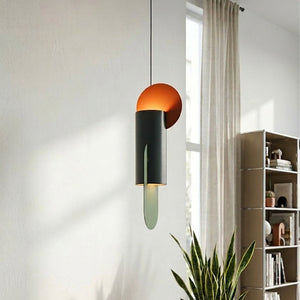
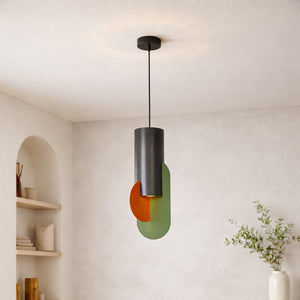
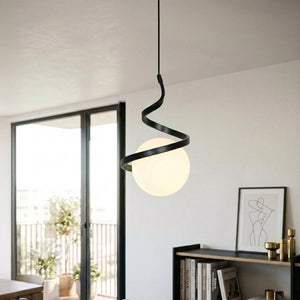
Most living rooms and bedrooms need about 10–20 lumens per square foot, kitchens and dining rooms 30–40, and bathrooms and home offices 60–80. Multiply your room's square footage by that figure, then layer ambient, task, and accent lighting. Choose warm 2700K–3000K bulbs for relaxing spaces and cooler 3500K–6500K light for kitchens and work areas. Explore our pendant lights.

Guides
Lighting is one of the most underrated aspects of interior design. It does far more than just illuminate a room — it defines the ambiance, highlights key décor features, influences mood, and supports functionality. Whether you're curling up with a book, entertaining guests, or preparing a gourmet meal, the right amount of light makes all the difference.
But how much light do you actually need in a room? That answer depends on various factors like the room's purpose, size, color palette, and the type of lighting fixtures you choose. This comprehensive guide will help you understand how to assess and meet your lighting needs for any space in your home.
Below, you'll find the lumen numbers for each room, a simple formula, layering advice, color temperature guidance, and the mistakes that most often make a room feel too dim, too harsh, or just wrong.
How Many Lumens Do You Need in a Room?
The first step in knowing how much light you need in a room is understanding lumens. A lumen (lm) is the measurement of visible light emitted by a source. The higher the lumens, the brighter the light.
Forget watts—those only measure energy consumption, not brightness. Modern lighting solutions like LEDs are energy-efficient and can produce high lumens with fewer watts. For example, a 10W LED bulb can produce over 800 lumens, equivalent to a 60W incandescent bulb.
Formula
Room Square Footage × Recommended Lumens per Sq. Ft. = Total Lumens Needed
How to Calculate It
- Step 1: measure the room and multiply length by width to get square footage.
- Step 2: pick the lumens per square foot for that room type from the guide below.
- Step 3: multiply the two numbers to get your total lumens.
- Step 4: divide the total across several fixtures and lamps instead of one bright light.
- Example: a 120 sq. ft. bedroom × 10–20 lumens = about 1,200–2,400 lumens.
Room by room
General Lumen Guidelines per Room Type
Find your room, then multiply its square footage by the lumens per square foot.
Living room
10–20
lumens per sq. ft.
Bedroom
10–20
lumens per sq. ft.
Kitchen
30–40
lumens per sq. ft.
Dining room
30–40
lumens per sq. ft.
Bathroom
70–80
lumens per sq. ft.
Home office
60–80
lumens per sq. ft.
Buy by brightness
Bulb Brightness Cheat Sheet
Shop by lumens, not watts. Here is what each brightness level looks like in old and new bulbs.
What Are Ambient, Task, and Accent Lighting?
Achieving optimal lighting isn't just about brightness—it's about layering.
Layer 1
Ambient Lighting
This is the general light that fills the room. It provides overall illumination and sets the tone.
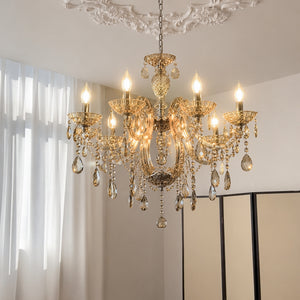
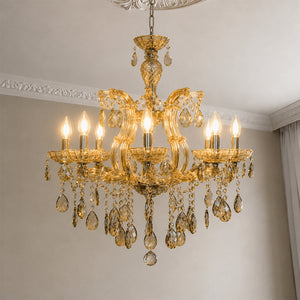
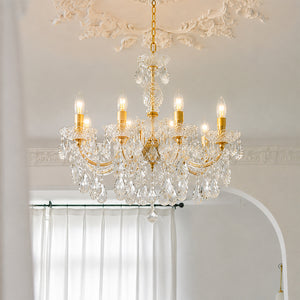
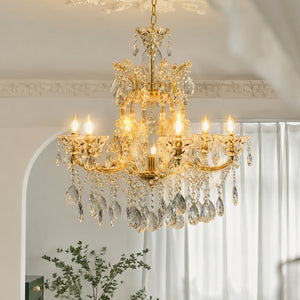
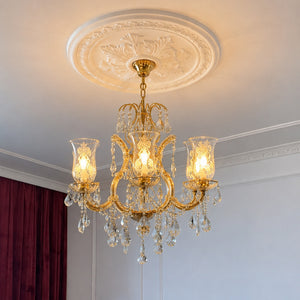
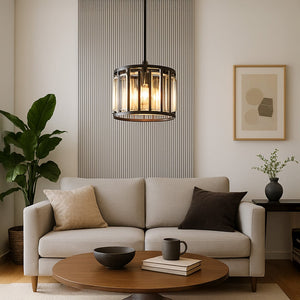
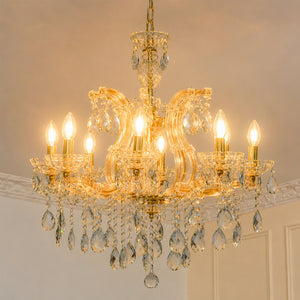
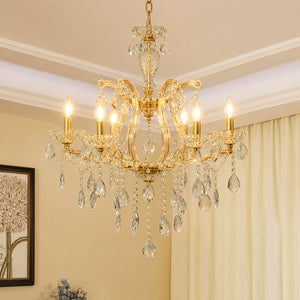
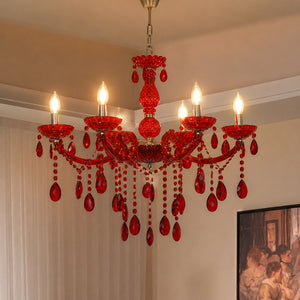
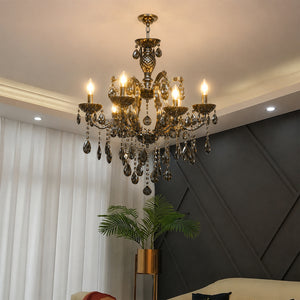
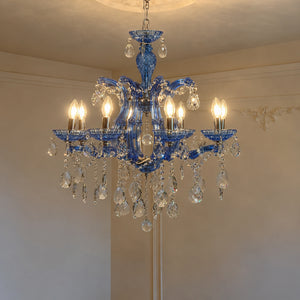
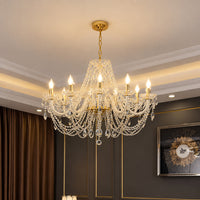
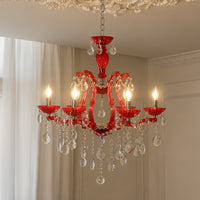
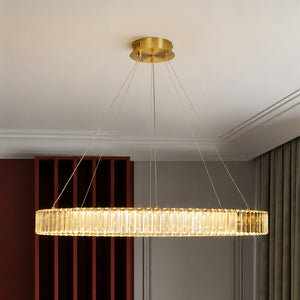
- Chandeliers: a timeless centerpiece that adds elegance while dispersing light evenly. Ideal for living rooms and dining areas.
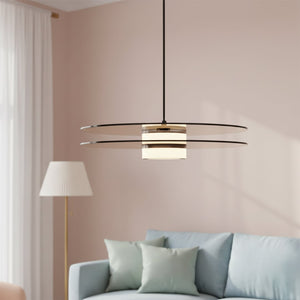
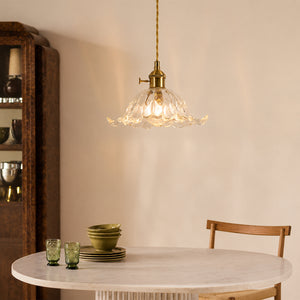
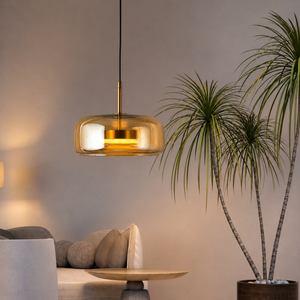
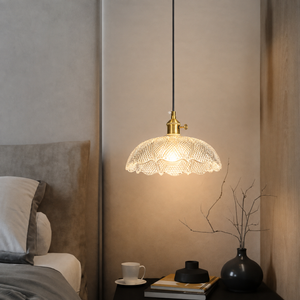
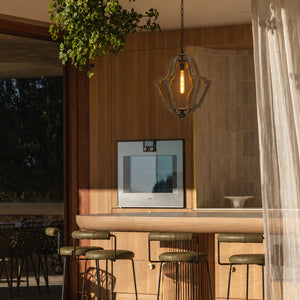
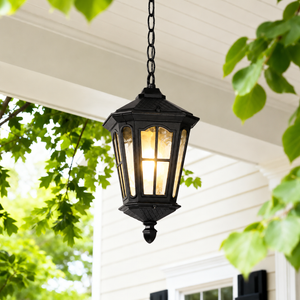
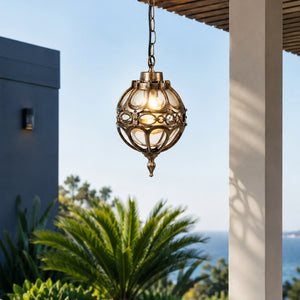
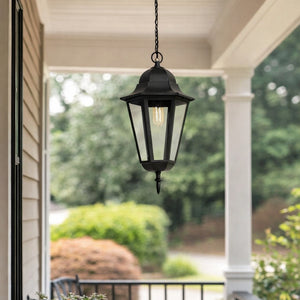
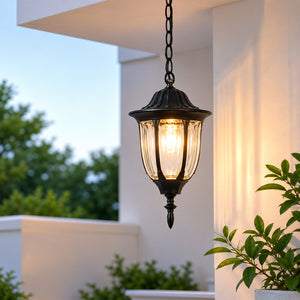
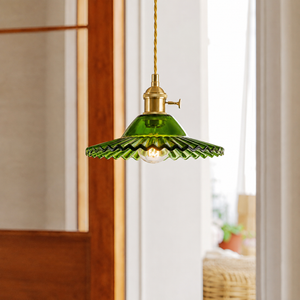
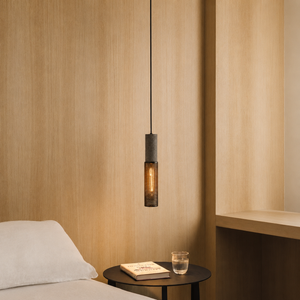
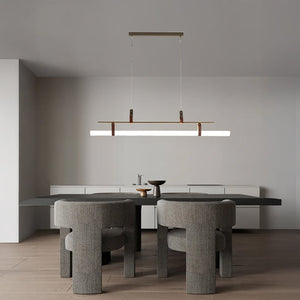
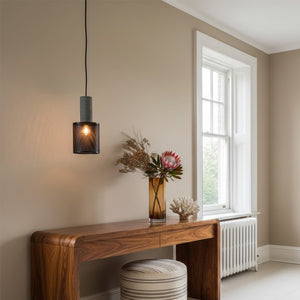
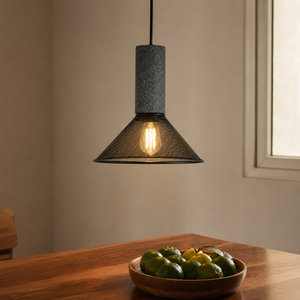
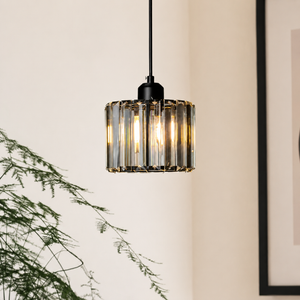
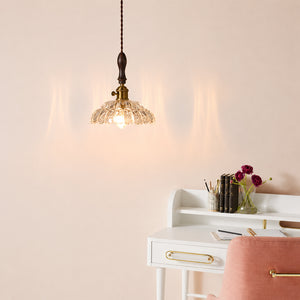
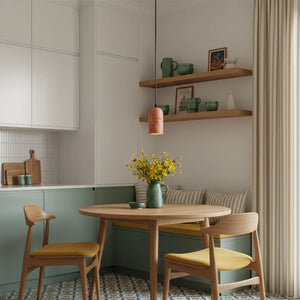
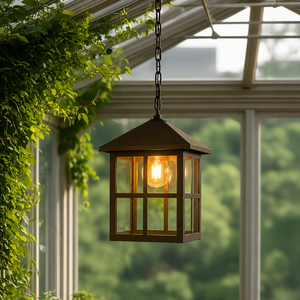
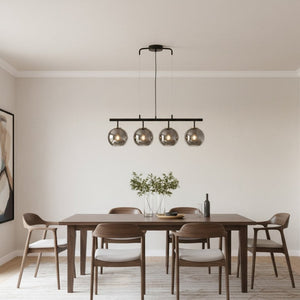
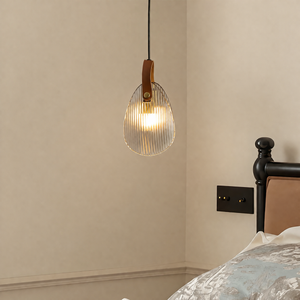
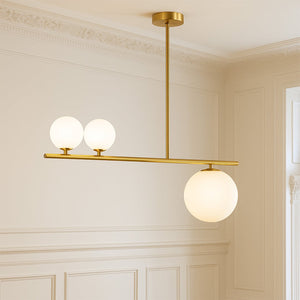
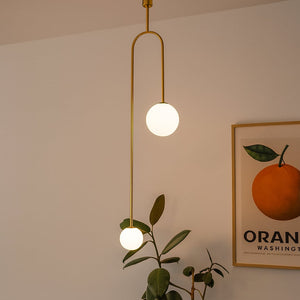
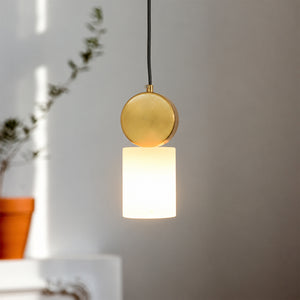
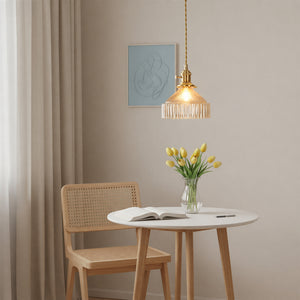
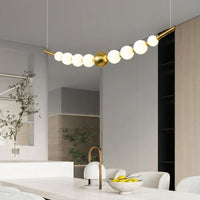
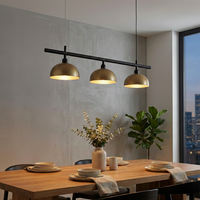
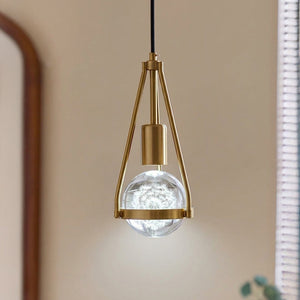
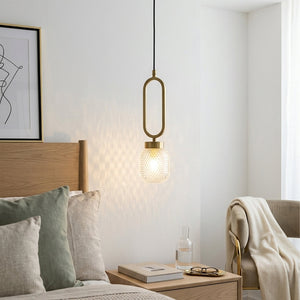
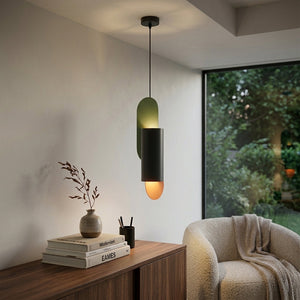
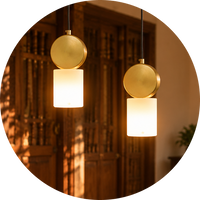
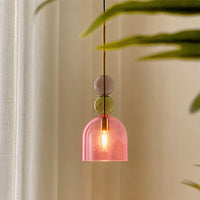
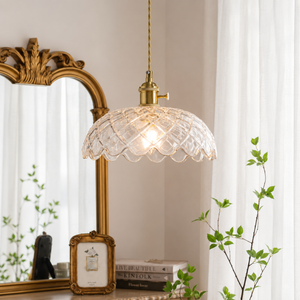
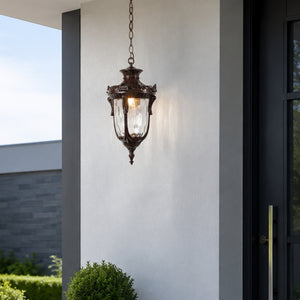
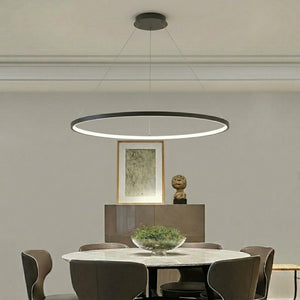
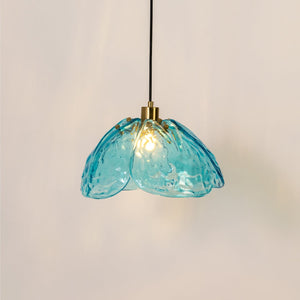
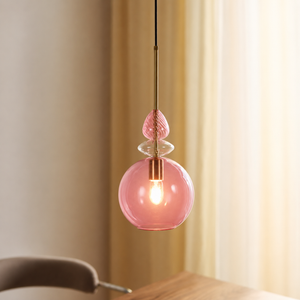
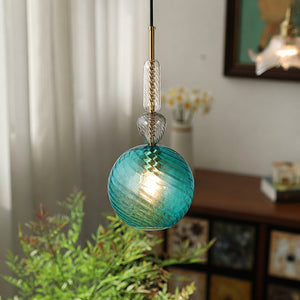
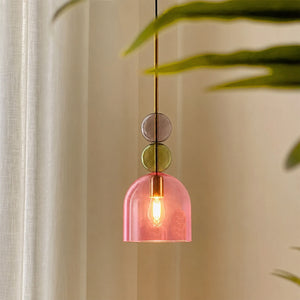
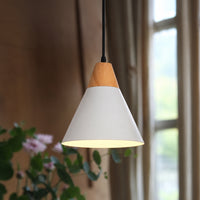
- Pendant Lights: perfect for kitchens or above dining tables. Multiple pendant lights provide both functional and aesthetic benefits.
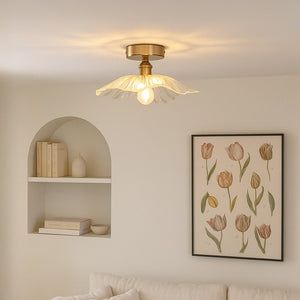
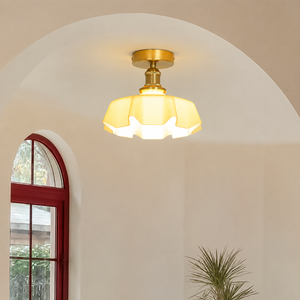
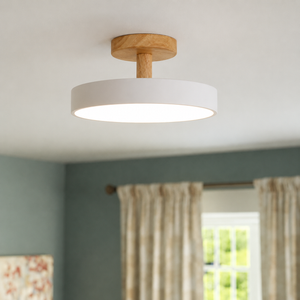
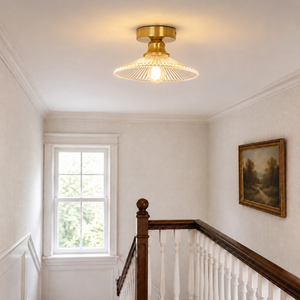
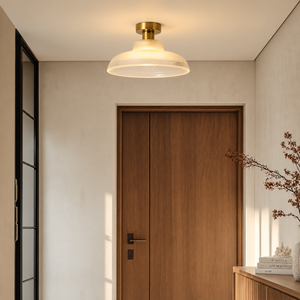
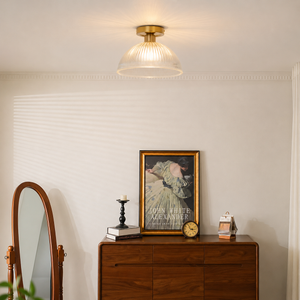
- Ceiling-mounted Fixtures: flush or semi-flush mounts are great for bedrooms and hallways.
Layer 2
Task Lighting
Focused lighting for specific activities like reading, cooking, or working.
- Desk Lamps: essential in home offices, study areas, or reading nooks. Look for adjustable arms and color temperature control.
- Under-Cabinet Lighting: crucial in kitchens for food prep zones.
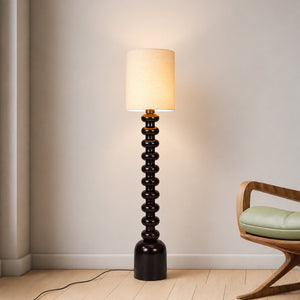
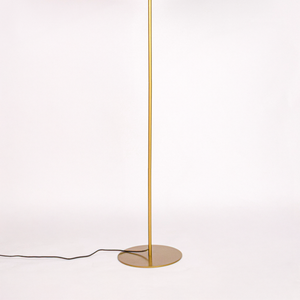
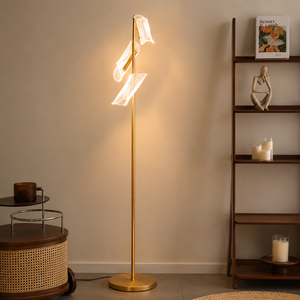
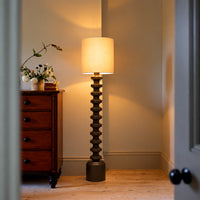
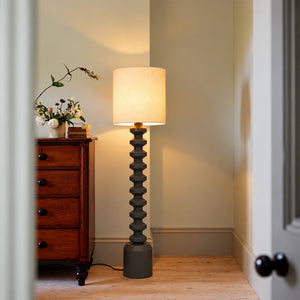
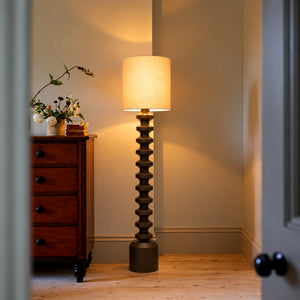
- Floor Lamps with Adjustable Heads: great for reading areas or behind sofas.
Layer 3
Accent Lighting
Used to highlight artwork, architectural features, or to create depth.
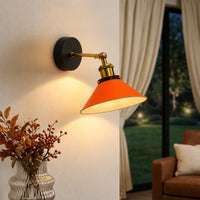
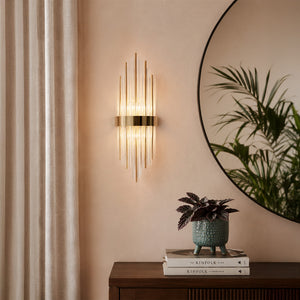
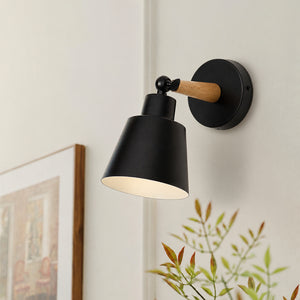
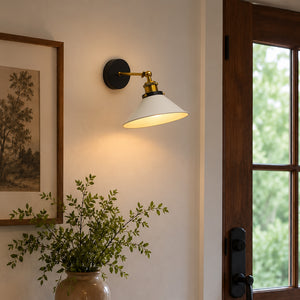
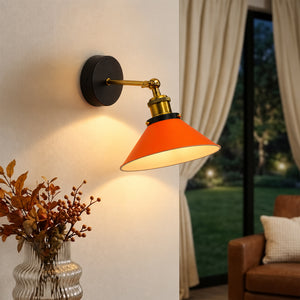
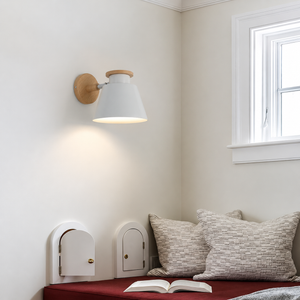
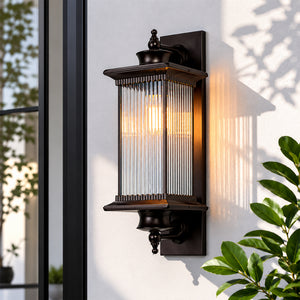
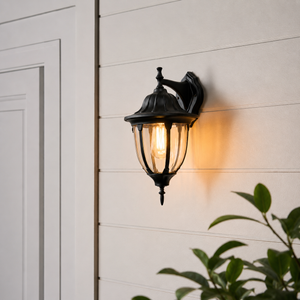
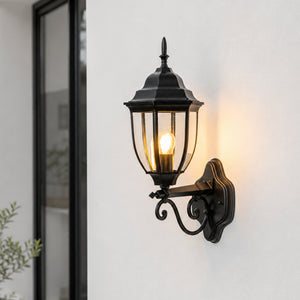
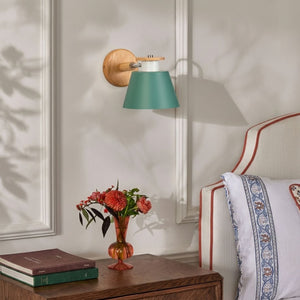
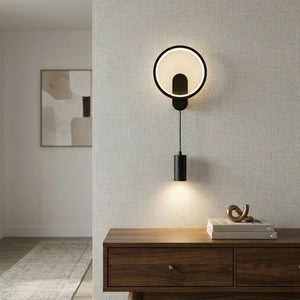
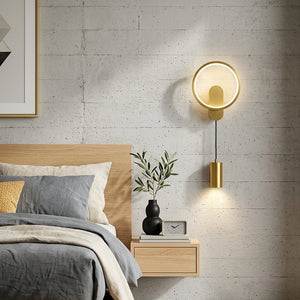
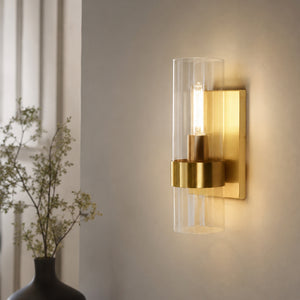
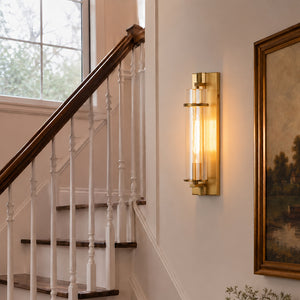
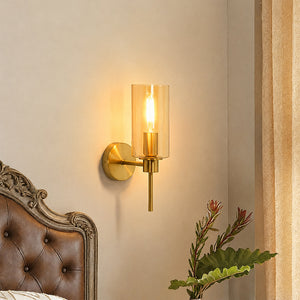
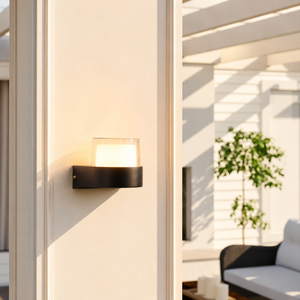
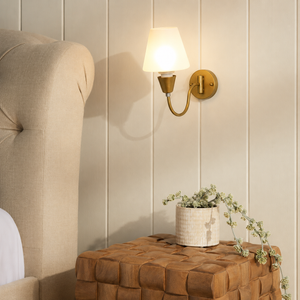
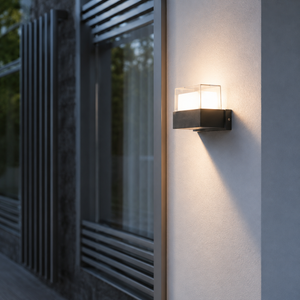
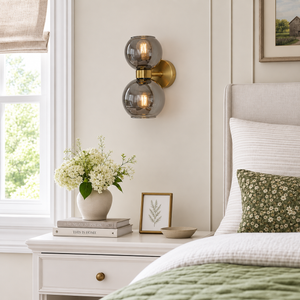
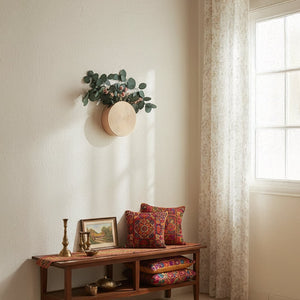
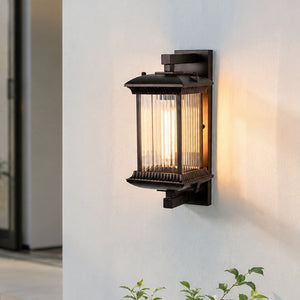
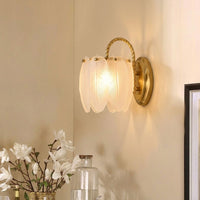
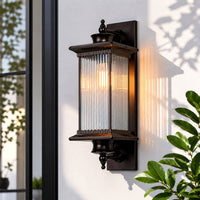
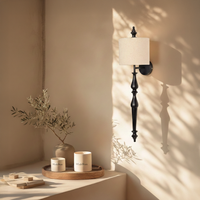
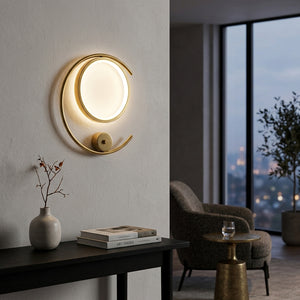
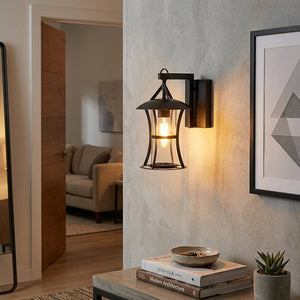
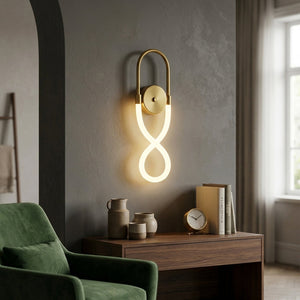
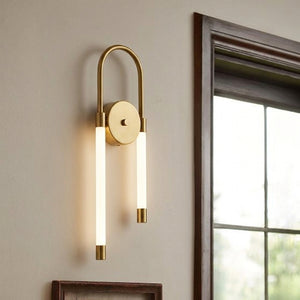
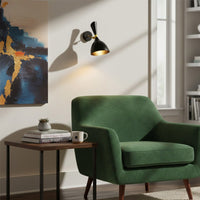
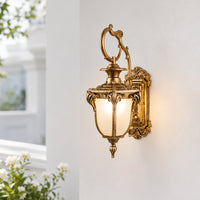
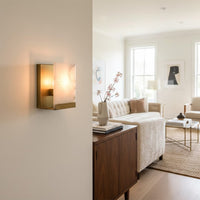
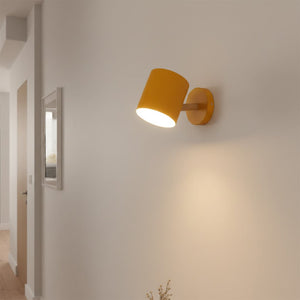
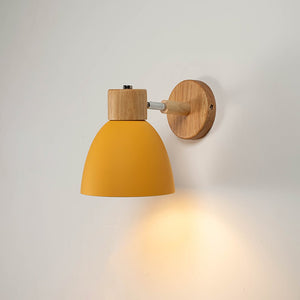
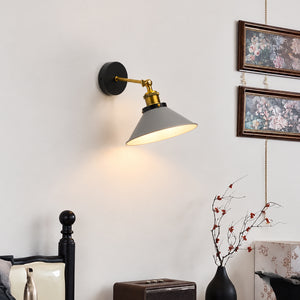
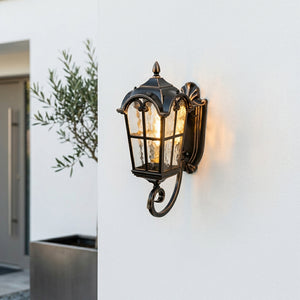
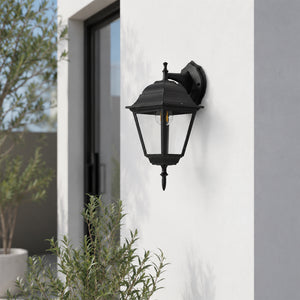
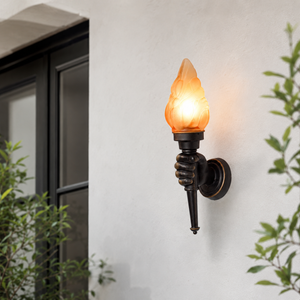
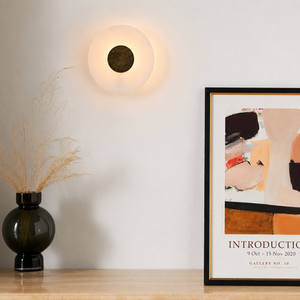
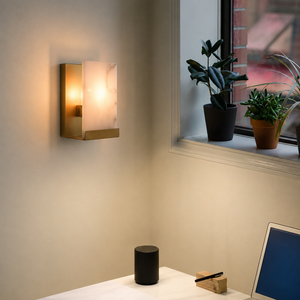
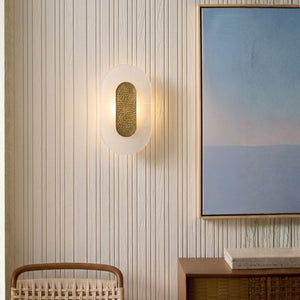
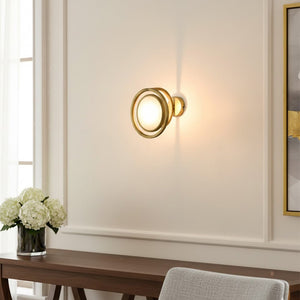
- Wall Lights (Sconces): add character to hallways or living rooms while enhancing décor.
- Track Lights: adjustable fixtures that draw attention to focal points.
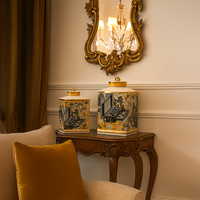
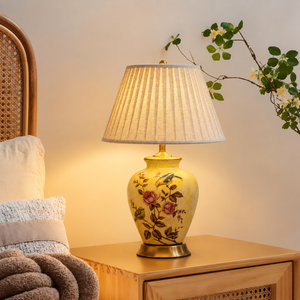
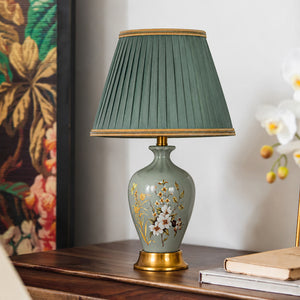
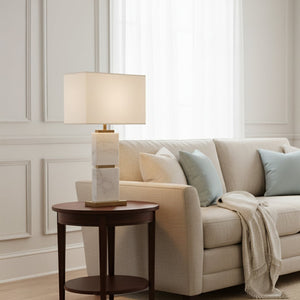
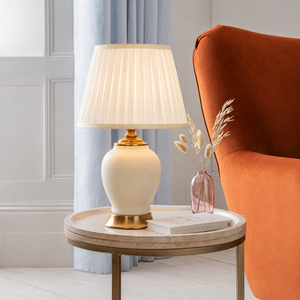
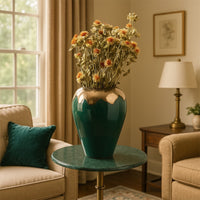
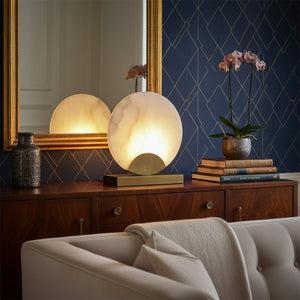
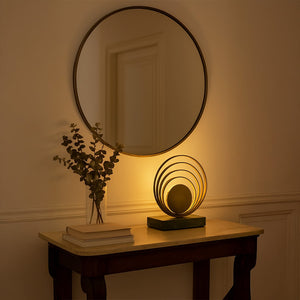
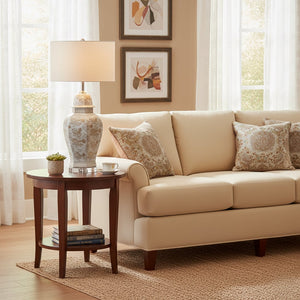
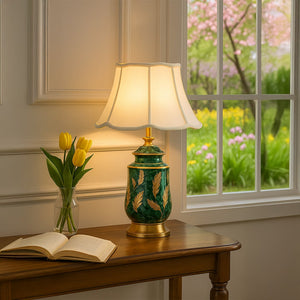
- Table Lamps: provide soft, ambient glow while also serving as decorative accessories.
Layering Rules of Thumb
- Use at least one light source from each layer in every main room.
- Place lights at different heights—ceiling, eye level, and table level—for even, flattering light.
- Put each layer on its own switch or dimmer so you can change the mood in seconds.
How Much Light Does Each Room Need?
Every room has a different job, so every room needs a different mix of brightness and fixtures. Use these targets as a starting point.

Living Room Lighting
The living room is a multifunctional space, often used for relaxing, socializing, and sometimes working. A combination of ambient, task, and accent lighting is ideal.
- Start with a central chandelier or pendant light to establish the room's general illumination.
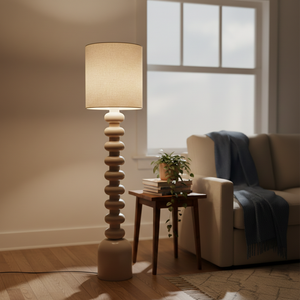
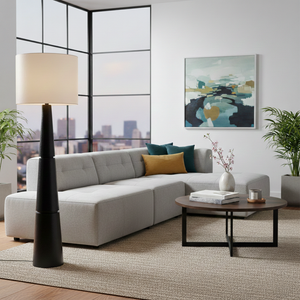
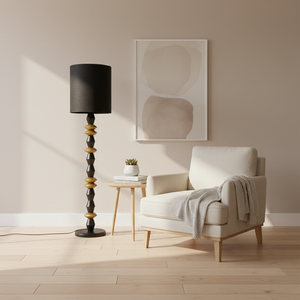
- Use floor lamps and table lamps near seating areas for task lighting.
- Wall lights can add warmth and draw attention to artwork or textures.
Target: 1,500–3,000 lumens total

Bedroom Lighting
Your bedroom should be a peaceful retreat, and lighting plays a big role in achieving that atmosphere.
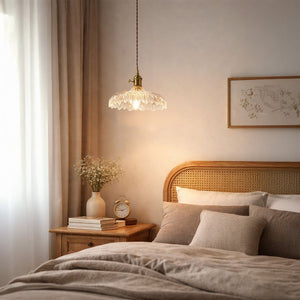
- A soft overhead light like a low-hanging chandelier or subtle pendant light can offer ambient lighting.
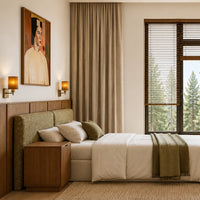
- Use table lamps or wall-mounted lights on either side of the bed for reading or relaxing before sleep.
- Consider floor lamps in corners for a cozy glow.
Target: 1,000–2,000 lumens (2700K–3000K)

Kitchen Lighting
Kitchens need bright, functional lighting, especially in prep and cooking areas.
- Install pendant lights above islands or countertops for effective task lighting.
- Recessed ceiling lights or track lighting serve as strong ambient options.
- Under-cabinet lights and adjustable desk lamps can improve visibility.
Target: 3,000–4,000 lumens

Bathroom Lighting
Bathrooms require the most light per square foot due to grooming tasks like shaving and applying makeup.
- Use wall lights or sconces on either side of the mirror to eliminate shadows on the face.
- Combine with a strong ceiling light or even a small chandelier for an elegant touch.
- Accent lighting around tubs or under vanities enhances the spa-like feel.
Target: 4,000–8,000 lumens

Home Office Lighting
For productivity and focus, bright and balanced lighting is key.
- A high-quality desk lamp with adjustable brightness and direction is essential.
- Overhead pendant lights or sleek track lights contribute to ambient light without glare.
- Use floor lamps to add warmth or fill darker corners of the room.
Target: 3,000–6,000 lumens

Dining Room Lighting
The dining area is a focal point for gatherings, so lighting should be both functional and atmospheric.
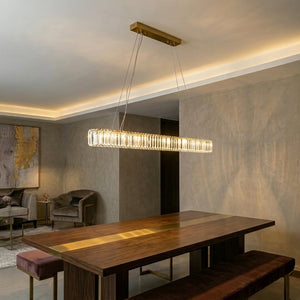
- A statement chandelier above the dining table is classic and stylish.
- Supplement with wall lights or floor lamps for additional warmth.
- Dimmer switches can help adjust lighting based on the occasion.
Target: 2,000–4,000 lumens
Which Color Temperature Should You Choose?
Color temperature, measured in Kelvin (K), affects mood and clarity.
| Type | Kelvin Range | How It Feels | Best For |
|---|---|---|---|
| Warm White | 2700K–3000K | Cozy, relaxed, inviting | Bedrooms and living rooms |
| Neutral White | 3500K–4100K | Clean, balanced, alert | Kitchens and dining rooms |
| Daylight | 5000K–6500K | Crisp, bright, focused | Bathrooms, offices, and task-heavy areas |
Color Temperature Tips
- Choose warm white where you want to unwind and neutral or daylight tones where you need to see detail.
- Use smart bulbs that allow you to adjust color temperature throughout the day for maximum flexibility.
- Keep every visible bulb in the same room at the same Kelvin so the light looks consistent.
How Do Natural Light and Ceiling Height Affect Your Lighting?
The room itself changes how much artificial light you need.
Natural Light Consideration
Natural light drastically reduces the need for artificial light during the day. Rooms with large windows or skylights may require fewer lumens from artificial sources. Always consider window placement, room orientation, and curtain transparency when evaluating light needs.
- Window placement and room orientation
- Skylights and large glass doors
- Sheer versus heavy curtains
Ceiling Height and Light Distribution
Ceiling height plays a critical role in how light disperses. Higher ceilings may require brighter fixtures or additional lights to ensure even distribution. Use track lights, pendants, or adjustable spotlights to direct light effectively in rooms with vaulted or 10-foot+ ceilings.
- Add pendants or spotlights in tall rooms
- Bring light down to eye and table level
- Use dimmers to balance brightness
Energy Efficiency and Smart Lighting
Modern lighting isn't just about brightness—it's also about energy savings and control. Choose LED bulbs for their low wattage and high lumen output. Invest in smart lighting systems to schedule, dim, and color-tune your lights through your phone or voice assistant.
Benefits include:
- Lower energy bills
- Longer bulb lifespan
- Custom ambiance
- Remote control access
Why Does Room Size Change How You Light It?
A common mistake is assuming that one bright light can cover a large room. In reality, light intensity drops significantly as you move away from the source. For larger spaces, it is far more effective to use multiple lower-intensity sources spread throughout the room than one high-intensity fixture.
Match Light to Room Size
- Small rooms: one ceiling fixture plus one or two lamps is often enough.
- Medium rooms: add a second layer with lamps or sconces at the seating or work areas.
- Large rooms: divide the room into zones and light each zone separately.
- Open-plan spaces: use different fixtures to define the living, dining, and cooking areas.

“The goal is not to illuminate the ceiling, but to bring light down to the level where life happens.”
What Are the Most Common Lighting Mistakes?
Most lighting problems come from a handful of avoidable choices. Here is what to watch for and how to fix it.
| Mistake | What Goes Wrong | Easy Fix |
|---|---|---|
| Over-lighting a space | Causes glare and discomfort. | Choose the lumens your room actually needs and add dimmers. |
| Using only one light source | Leads to shadows and uneven brightness. | Layer ambient, task, and accent lighting. |
| Neglecting color temperature | Affects mood and how colors look. | Match Kelvin to the room: warm to relax, cooler to work. |
| Ignoring dimmers | Limits control and flexibility. | Add dimmers or smart bulbs to every main light. |
| Mixing color temperatures at random | Makes one room look patchy and unplanned. | Keep visible bulbs in the same room at the same Kelvin. |
| Lighting only from the ceiling | Creates flat light and hard shadows on faces. | Bring in lamps and wall lights at eye and table height. |
| Forgetting the ceiling height | Tall ceilings leave the lower room dim. | Use pendants, track lights, or adjustable spotlights. |
How Do You Maintain Your Lighting Atmosphere?
A little upkeep keeps every room as bright and warm as you planned.
Regular Dusting
Dust on bulbs and shades can noticeably reduce light output. A quick wipe once a month ensures your room stays as bright as intended.
- Switch lights off and let bulbs cool first
- Use a soft, dry cloth
- Include shades and fixtures
Group Re-lamping
LEDs lose brightness slowly over time. If your room feels "tired," consider replacing all bulbs in a fixture at once to maintain consistent color and intensity.
- Replace bulbs in a fixture together
- Match the Kelvin and lumens of the old bulbs
- Keep a spare set on hand
Updating Shades
Sometimes the issue isn't the light, but the shade. Over time, fabric shades can yellow, drastically altering the color temperature of your room.
- Check shades for yellowing
- Choose light, translucent fabrics for brighter rooms
- Replace worn shades before replacing fixtures
Shop Lighting for Every Room
Ready to transform your space? Browse our curated lighting collections to find the perfect piece for every room in your home. Each type of fixture has a job to do in your lighting layers.
Accent layer
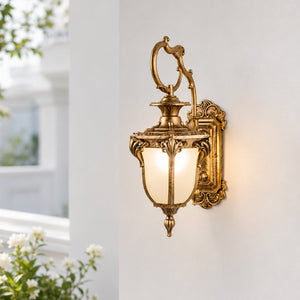
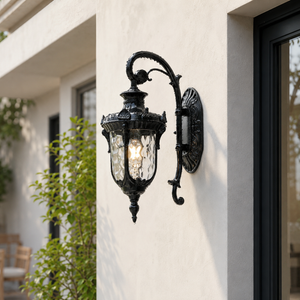
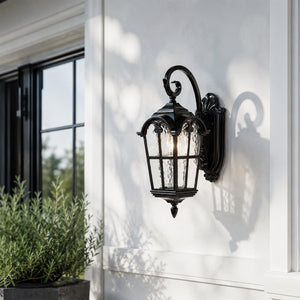
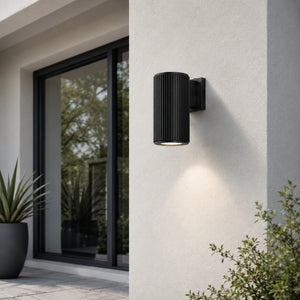
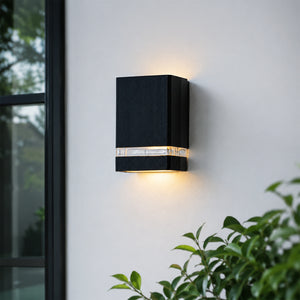
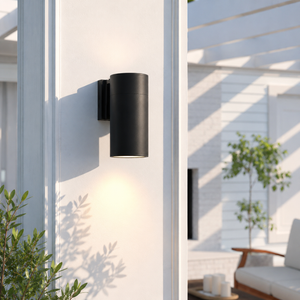
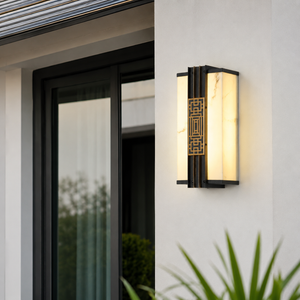
Wall Lights
Add character and soft, layered light without using floor or table space.
- Place sconces on either side of a bathroom mirror to remove shadows on the face.
- Mount a pair beside the bed for reading and relaxing before sleep.
- Use them in hallways and living rooms to enhance décor.
Ambient layer
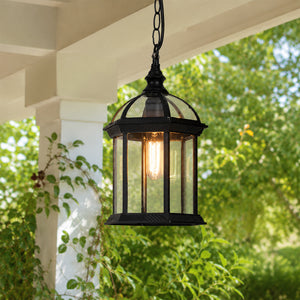
Pendant Lights
Focused, decorative light that hangs where you work, cook, or gather.
- Hang them above kitchen islands and countertops for effective task lighting.
- Use several above a dining table for both function and style.
- Choose sleek styles for home offices to add ambient light without glare.
Ambient layer
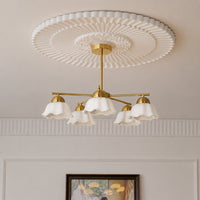
Chandeliers
A timeless centerpiece that adds elegance while dispersing light evenly.
- Ideal above dining tables and in living rooms.
- A low-hanging style adds soft ambient light to a bedroom.
- Add a dimmer to adjust the mood for different occasions.
Ambient layer
Ceiling Lights
A dependable base layer that lights the whole room evenly.
- Flush or semi-flush mounts suit bedrooms and hallways.
- Pair a strong ceiling light with sconces in the bathroom.
- Combine with lamps so the room is not lit from overhead alone.
Accent layer
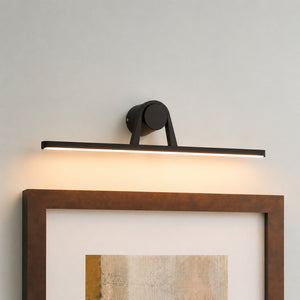
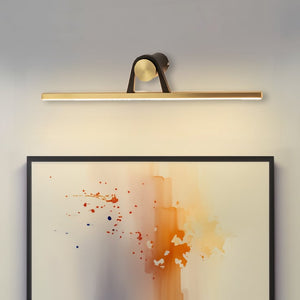
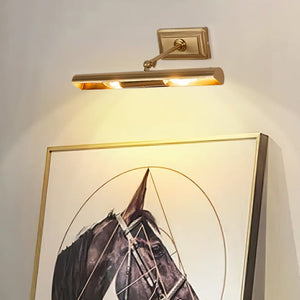
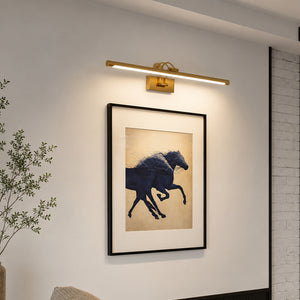
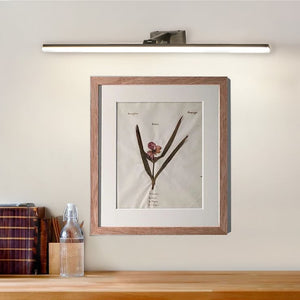
Picture Lights
Focused accent light that turns artwork into a feature.
- Highlight artwork, textures, and architectural features.
- Create depth on a feature wall in a living room or dining area.
- Put accent lights on their own dimmer to control the mood.
Accent layer
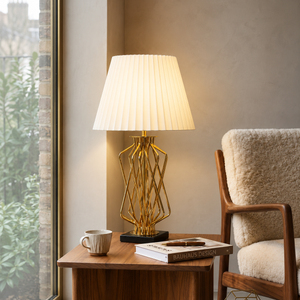
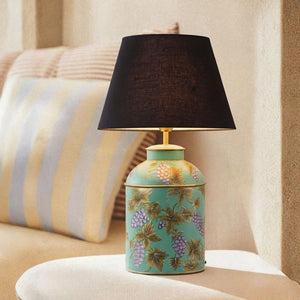
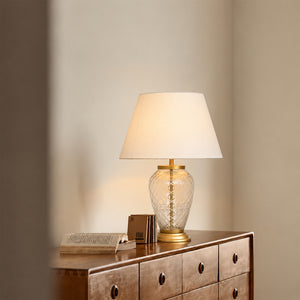
Table Lamps
A soft, eye-level glow that doubles as a decorative accessory.
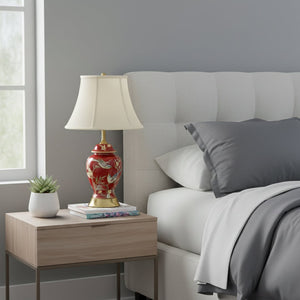
- Place one on each side of the bed for reading.
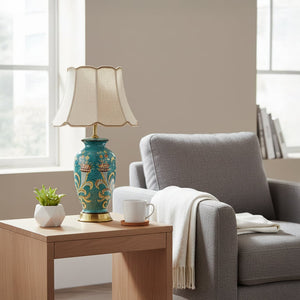
- Set them beside sofas and chairs to add task light near seating.
- Choose warm 2700K–3000K bulbs in living rooms and bedrooms.
How to Build Your Shopping List
- Start with ambient light: choose a chandelier, pendant, or ceiling light for the main source.
- Add task light where you work: think desk lamps, floor lamps, and lights above counters.
- Finish with accents: sconces, picture lights, and table lamps add depth and warmth.
- Check the numbers: use the lumen guide above and keep bulbs in the same room at the same color temperature.
- Plan for control: choose dimmable fixtures or smart bulbs so you can adjust the light through the day.
Frequently Asked Questions About Room Lighting
Quick answers to the most common questions about how much light a room needs.
How many lumens do I need per square foot in each room?
Living rooms and bedrooms need about 10–20 lumens per square foot, kitchens and dining rooms about 30–40, bathrooms about 70–80, and home offices about 60–80. Multiply your room's square footage by the recommended figure to find the total lumens you need.
How do I calculate the total lumens for my room?
Multiply the room's square footage by the recommended lumens per square foot for that room type. For example, a 120 sq. ft. bedroom at 10–20 lumens per square foot needs roughly 1,200–2,400 lumens spread across several fixtures.
How many lumens does a living room need?
A typical living room needs about 1,500–3,000 lumens in total. Combine a central chandelier or pendant with floor lamps, table lamps, and wall lights so the light is layered instead of coming from a single source.
How bright should a bedroom be?
A bedroom works best with about 1,000–2,000 lumens of warm 2700K–3000K light. Use a soft overhead light for ambience and table lamps or wall lights beside the bed for reading and winding down.
How many lumens does a kitchen need?
Kitchens need bright, functional lighting, usually around 3,000–4,000 lumens in total. Put pendant lights over the island or counters, use recessed or track lighting for ambient light, and add under-cabinet lights for prep areas.
What is the best lighting for a bathroom?
Bathrooms need the most light per square foot, often 4,000–8,000 lumens in total. Place wall lights or sconces on either side of the mirror to remove shadows on the face, and add a strong ceiling light for overall brightness.
What color temperature is best for each room?
Warm white (2700K–3000K) suits bedrooms and living rooms, neutral white (3500K–4100K) suits kitchens and dining rooms, and daylight (5000K–6500K) suits bathrooms, offices, and other task-heavy areas. Smart bulbs let you adjust color temperature through the day.
What is the difference between ambient, task, and accent lighting?
Ambient lighting is the general light that fills a room, task lighting is focused light for activities like reading or cooking, and accent lighting highlights artwork or architectural features. Most rooms look and work best when all three layers are combined.
Do rooms with high ceilings need more light?
Yes. Higher ceilings, especially vaulted or 10-foot-plus ones, may need brighter fixtures or additional lights to spread light evenly. Track lights, pendants, and adjustable spotlights help direct light down to where it is needed.
Should I choose bulbs by lumens or by watts?
Choose by lumens, because watts only measure energy use and not brightness. A modern 10W LED bulb can produce over 800 lumens, which is about the same as a 60W incandescent bulb.
Does natural light change how many lumens a room needs?
Yes. Rooms with large windows or skylights need fewer lumens from artificial light during the day. Consider window placement, room orientation, and how sheer your curtains are when planning your lighting.
How often should I clean or replace my light bulbs?
Wipe bulbs and shades about once a month, since dust can noticeably reduce light output. LEDs lose brightness slowly, so if a room feels dull, replace all bulbs in a fixture together to keep color and brightness consistent.
Final Thoughts on Lighting Your Home
There is no single number that fits every home, but the approach is always the same: work out the lumens your room needs, spread them across several sources, and choose a color temperature that suits how the room is used. Layer ambient, task, and accent lighting, add dimmers, and adjust for natural light and ceiling height, and even a simple room will feel comfortable and considered.
Lighting is easy to fine-tune once the basics are right, so start with one room and adjust as you live in it. When you are ready to choose fixtures, explore the curated lighting collections at Whispering Homes for pendants, chandeliers, wall lights, and lamps that bring both brightness and beauty to your space.
Find the Right Light for Every Room
Browse our curated lighting collections and build a layered, beautiful scheme for your home.
Explore Chandeliers