


Museum Lighting
Discover Popular Collections

Candy Collection
Add a touch of sweetness to your space with our vibrant and unique Candy Lighting Collection. Brighten up any room!
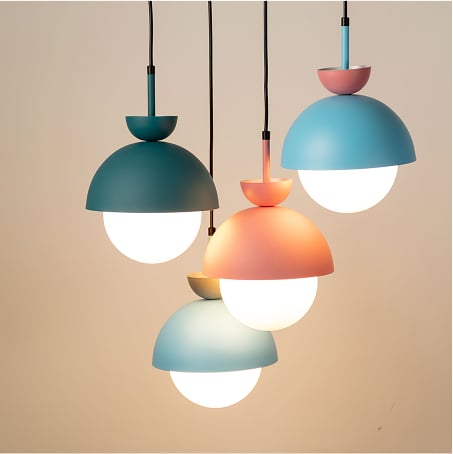
Flowerpot Collection
Light up your home with elegance through our Flower Pot Lighting Collection, blending style and charm.
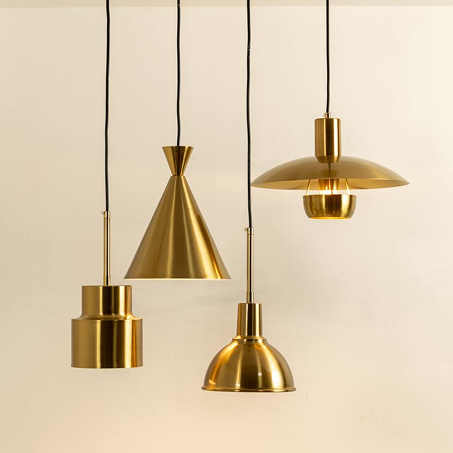
Industrial Collection
Add a bold, modern touch to your home with the rugged charm of our Industrial Lighting Collection. Perfect for any style!
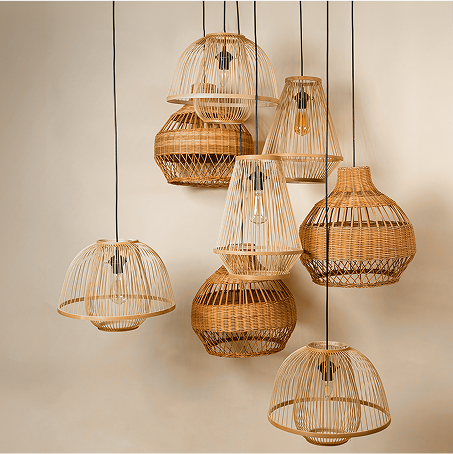
Bali Collection
Create a calming oasis with our Bali Collection. We promote sustainable living with our beautiful bamboo and cane lights.
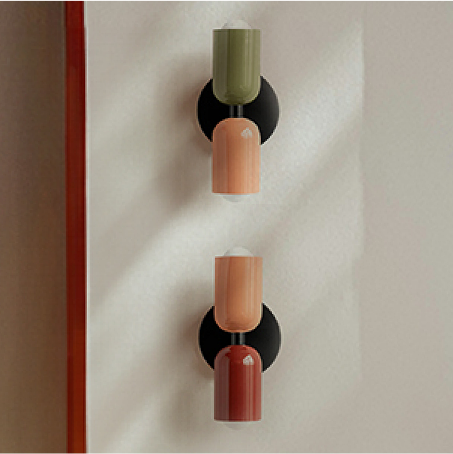
Double Sconce Collection
Enhance your space with elegant lighting from our Double Sconce Collection. Perfect for adding style and function to your walls.
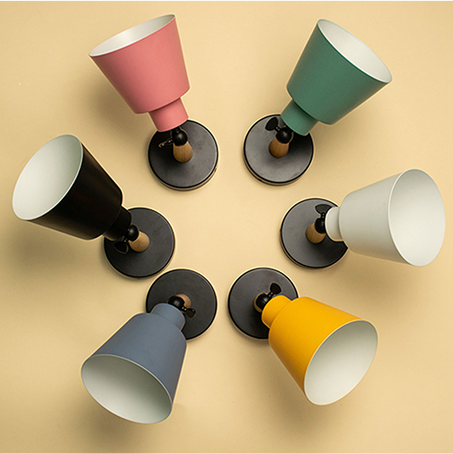
Moveable Collection
The Moveable Collection is all about flexibility and color—adjustable wall sconces in a palette of soft modern hues perfect for playful or practical setups.

Alabaster Collection
Infuse your space with soft, ambient glow through our Alabaster Collection—marble-inspired lighting that’s both luxurious and timeless.

Chinoiserie Collection
A nod to classic elegance, the Chinoiserie Collection combines ornamental detail with rich textures for a truly regal accent.

Crystal Collection
Elevate your decor with the Crystal Collection—radiant lighting that sparkles with contemporary elegance and dramatic flair.

Dhaat Collection
Celebrate earthy minimalism with the Dhaat Collection—sculptural metal vessels that double as striking decor statements.

Round Ball Collection
Balance form and function with the Round Ball Collection—spherical opal glass globes paired with clean-lined brass for a statement that’s timeless and architectural.

Kalakruti Collection
Traditional charm meets artisan flair in the Kalakruti Collection—hand-painted bases and textile shades that celebrate Indian heritage with elegance.

Lava Collection
Ignite your interiors with the Lava Collection—molten glass pendants that glow like embers, adding drama and texture to your space.

Terrazzo Collection
Make a bold yet grounded impression with the Terrazzo Collection—pendants that combine vintage industrial vibes with a pop of earthy texture.
Lighting has the power to shape how we experience art, culture, and history. Step into a museum or gallery, and the first thing that quietly guides your attention is not just the artwork itself, but how it is illuminated. Thoughtfully designed museum lighting does far more than brighten a room. It preserves priceless collections, directs the visitor's gaze, enhances emotional impact, and tells a visual story without a single word.
From grand national museums to intimate private galleries, lighting plays a critical role in transforming static displays into immersive experiences. When done right, it allows every brushstroke, texture, and detail to be seen as the artist or creator intended. When done poorly, it can flatten colors, cause glare, or even damage delicate artifacts over time.
In today's modern exhibition spaces, lighting design has evolved into a careful balance of technology, aesthetics, and conservation science. Whether you are curating a professional gallery, designing a heritage space, or simply looking to showcase art beautifully at home, understanding how museum-style lighting works can elevate the way art is viewed and appreciated.
Why Thoughtful Lighting Matters in Museums and Galleries
Lighting in exhibition spaces is not chosen randomly. Every fixture, angle, and intensity level is planned to serve a specific purpose. The goal is to highlight the subject while keeping the surrounding environment calm and distraction-free.
Well-planned lighting helps:
- Guide visitors naturally through exhibits
- Enhance depth, color accuracy, and texture
- Create emotional engagement without overpowering the art
- Protect sensitive materials from long-term damage
Museums often display paintings, sculptures, textiles, manuscripts, and mixed media, each with different lighting needs. A one-size-fits-all approach simply does not work.
Balancing Aesthetics and Preservation
One of the biggest challenges in museum environments is balancing visual appeal with conservation. Excessive brightness, heat, or UV exposure can fade pigments, weaken fabrics, and damage historical objects over time.
This is why modern museum lighting focuses on:
- Controlled brightness levels
- Low heat emission
- UV and infrared reduction
- Precise beam control
By using advanced fixtures and carefully selected light sources, curators can ensure that collections remain protected while still being visually stunning.
Highlighting Art with Precision and Care
Art deserves attention without distraction. Focused lighting techniques allow curators and designers to draw the viewer's eye exactly where it belongs. Subtle contrast between illuminated artwork and softly lit surroundings creates depth and clarity.
In gallery settings, directional fixtures are often used to:
- Accentuate brushwork and textures
- Enhance color vibrancy without distortion
- Eliminate shadows that hide fine details
- Avoid reflections on framed surfaces
This precision ensures that viewers experience the artwork as intended, whether they are standing inches away or observing from across the room.
Creating Visual Hierarchy in Exhibition Spaces
Not all displays require equal emphasis. Lighting helps establish a visual hierarchy, subtly telling visitors what to look at first and how to move through the space.
Designers often use variations in:
- Light intensity
- Beam spread
- Placement height
- Color temperature
Key pieces may be illuminated more prominently, while secondary elements receive softer lighting. This approach keeps exhibitions engaging without overwhelming the senses.
Using Picture Lights to Enhance Framed Displays
Picture lights are a popular choice in both museums and refined residential interiors. Mounted above or integrated into frames, they provide even illumination across artwork without harsh shadows.
Their benefits include:
- Clean, elegant presentation
- Minimal visual intrusion
- Focused lighting exactly where needed
- Enhanced viewing comfort for visitors
In galleries, these fixtures are carefully positioned to avoid glare and reflections, especially on glass-covered works. At home, they offer a museum-inspired way to showcase cherished paintings and photographs.
Lighting Techniques for Sculptures and Three-Dimensional Art
Unlike flat artwork, sculptures interact with light in complex ways. Shadows play a crucial role in defining form, volume, and texture.
Effective techniques include:
- Multiple light sources from different angles
- Soft side lighting to reveal contours
- Controlled shadow placement for dramatic effect
By adjusting angles and intensities, designers can bring sculptures to life, allowing visitors to appreciate every curve and surface detail.
The Role of Color Temperature in Art Presentation
Color temperature has a profound impact on how art is perceived. Warm tones can enhance classical paintings and historical artifacts, while cooler tones often suit modern or contemporary works.
In professional settings, lighting designers carefully select:
- Neutral whites for accurate color rendering
- Warm hues for traditional art and heritage displays
- Cooler whites for modern installations
Consistency is key. Sudden shifts in color temperature can disrupt the viewing experience and alter how colors appear across an exhibition.
Integrating Modern Technology into Museum Lighting
Advancements in lighting technology have transformed the way museums illuminate their collections. Energy-efficient solutions now offer greater control and flexibility than ever before.
Modern systems allow for:
- Adjustable brightness and beam angles
- Programmable lighting scenes for different exhibits
- Reduced energy consumption
- Longer fixture lifespan with minimal maintenance
These innovations support sustainability goals while enhancing the visitor experience and protecting valuable artifacts.
Adapting Museum-Inspired Lighting for Homes and Private Spaces
Museum-style lighting is no longer limited to public institutions. Homeowners, collectors, and designers are increasingly adopting these principles to display art in residential spaces.
You can achieve a gallery-like feel by:
- Using focused fixtures to highlight key pieces
- Keeping surrounding lighting soft and unobtrusive
- Avoiding harsh overhead glare
- Selecting fixtures that complement the artwork rather than compete with it
This approach transforms walls into curated displays and adds a sense of refinement to interiors.
Common Mistakes to Avoid in Art and Display Lighting
Even the most beautiful artwork can suffer from poor lighting choices. Being aware of common mistakes helps ensure your displays shine for the right reasons.
Avoid:
- Overlighting, which can wash out colors
- Incorrect angles that cause glare
- Inconsistent lighting across similar pieces
- Using overly warm or cool tones that distort colors
A thoughtful, restrained approach almost always produces better results.
Building Trust Through Professional Lighting Design
Expertise matters in museum and gallery lighting. Designers often collaborate with curators, conservators, and architects to ensure every decision supports both aesthetics and preservation.
This collaborative approach builds trust by:
- Respecting the integrity of the artwork
- Applying proven conservation standards
- Delivering consistent, high-quality viewing experiences
When lighting is done with care and knowledge, it becomes invisible in the best way-allowing the art itself to take center stage.
Frequently Asked Questions
What is museum lighting used for?
Museum lighting is designed to display art and artifacts clearly while protecting them from damage caused by heat, UV exposure, or excessive brightness.
Why is lighting so important in galleries?
Lighting influences how colors, textures, and details are perceived, shaping the overall visitor experience and emotional connection to the artwork.
Can museum-style lighting be used at home?
Yes, many homeowners use gallery-inspired lighting techniques to highlight paintings and collections in living rooms, hallways, and studies.
How does lighting protect artwork?
By controlling brightness, heat, and UV output, lighting systems help prevent fading, discoloration, and material degradation.
Is LED lighting suitable for art displays?
Modern LED fixtures are widely used due to their low heat emission, energy efficiency, and excellent color accuracy.
How do curators choose lighting angles?
Angles are selected to minimize glare and shadows while enhancing depth and detail.
Does lighting affect the mood of an exhibition?
Absolutely. Soft, focused lighting creates intimacy, while brighter setups can feel more dynamic and modern.
What is the ideal brightness level for art displays?
It varies by material, but most displays use controlled, moderate brightness to balance visibility and preservation.
Can lighting be adjusted for temporary exhibitions?
Yes, flexible systems allow lighting to be reconfigured as displays change.
How often should museum lighting systems be reviewed?
Regular reviews ensure fixtures remain effective, safe, and aligned with conservation standards.
Elevating Art Through Thoughtful Illumination
Museum lighting is an art form in itself. When carefully planned and expertly executed, it enhances storytelling, protects priceless works, and creates unforgettable viewing experiences. Whether in a world-class gallery or a thoughtfully designed home, the right lighting allows art to be seen, felt, and remembered exactly as it deserves.