




























































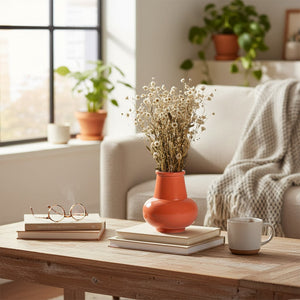










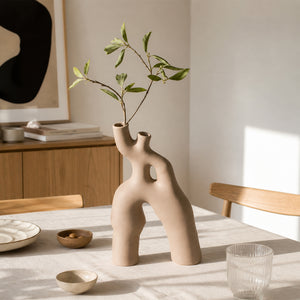
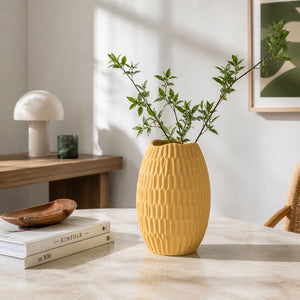
































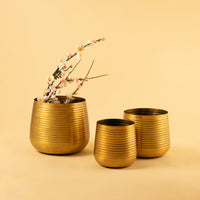



How to Choose Terracotta Planters for A Terrace Garden

How to Choose Terracotta Vases for a Terrace Garden
Size, clay quality, drainage and style — everything to check before you buy.
The right terracotta vases for a terrace garden come down to four things: a size that matches the plant's mature root system, thick and evenly fired clay, a drainage hole at the base, and a shape or finish that suits your terrace style. Choose well-made terracotta vases and planters, soak them before planting, and raise them off the floor for airflow.
Terrace gardening has become one of the easiest ways for city homes to build a green escape without needing a backyard. But a terrace garden is only as good as the containers holding it together, and terracotta vases and planters remain the most trusted choice for good reason. They breathe, they keep roots cool under a harsh sun, and they age into something more beautiful every season.
This guide walks through exactly what to look for before you buy terracotta pots for your terrace — so your plants settle in and thrive rather than just survive.
Size
Pick a pot about 2 inches wider than the plant's current container, sized for its mature roots.
Clay Quality
Look for thick walls, even colour and a clear ring when tapped — signs of proper firing.
Drainage
A hole at the base is non-negotiable, even with porous clay. Add pot feet for airflow.
Style
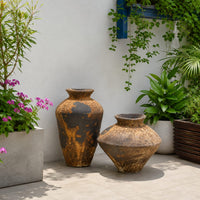
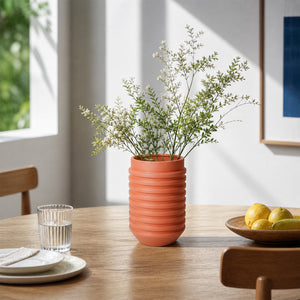
Match shape and finish to your terrace — rustic rolled rims, tall urns or low modern bowls.

Why Are Terracotta Planters Good for a Terrace Garden?
Terracotta is natural, unglazed clay pottery that has been used in gardening for centuries. What makes it especially suited to terrace gardens is its porosity — the clay lets air and excess moisture pass through the container walls, so roots get better oxygen flow and are less likely to sit in waterlogged soil.
Beyond function, terracotta brings a warm, earthy character that suits almost any design style:
- Breathable walls — roots get oxygen and soil dries evenly between waterings.
- Natural cooling — evaporation through the clay keeps soil cooler on sun-baked terraces.
- Every size available — from mini pots for herbs to large clay pots for small trees.
- Timeless look — works in minimalist, boho, Mediterranean and traditional Indian settings.

How Does Terracotta Porosity Protect Your Plants?
The single property that sets terracotta apart is its breathability. On a terrace, where heat and direct sun can be intense, plastic containers can act like an oven and cook the roots of your plants. Natural clay regulates soil temperature and moisture on its own.
This is why terracotta plant pots are still preferred by experienced gardeners, especially for:
- Succulents and cacti that rot quickly in soggy soil.
- Herbs like rosemary, thyme and oregano that prefer dry roots.
- Snake plants, ZZ plants and jade that are easy to overwater.
- Mediterranean shrubs and olives that need high oxygen at the root ball.
What Should You Look for When Choosing Terracotta Vases?
Four checks separate a terracotta planter that lasts for years from one that cracks after a single summer.

01. Size: Match the Planter to the Plant
Size is the most common mistake gardeners make. A planter that's too small restricts root growth and dries out fast in terrace heat; one that's too large holds excess moisture and invites root rot.
Use these as a starting point:
- Mini pots (4–6 inch) — herbs, succulents and small cacti.
- Medium pots (8–12 inch) — flowering annuals, money plants, small foliage plants.
- Large pots (14–18 inch) — hibiscus, jasmine, curry leaf and dwarf citrus.
- Extra-large pots (20 inch +) — small trees, bougainvillea and climbers.
- Mixed terraces — group three sizes together for depth and visual rhythm.
Quality of the Clay
Quality decides how long a pot survives outdoors. Check before you buy:
- Wall thickness that resists temperature swings.
- Even colour all over — patchy tones hint at uneven firing.
- A clear ring when tapped; a dull thud can mean hidden cracks.
- No hairline cracks near the base or rim.
Drainage & Water Retention
Porosity helps, but it isn't a substitute for a drainage hole.
- One clear hole at the base, never blocked.
- Mesh or a clay shard over the hole keeps soil in.
- Saucers catch runoff — empty them after rain.
- A thin liner slows drying for moisture-loving plants.
Style & Design
Terracotta ranges from classic earthen pots to sleek matte forms.
- Rustic terraces — round pots with rolled rims.
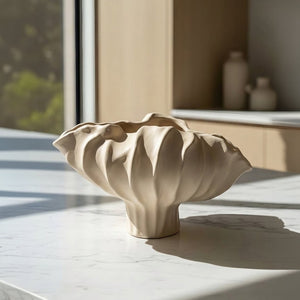
- Modern terraces — low bowls and clean cylinders.
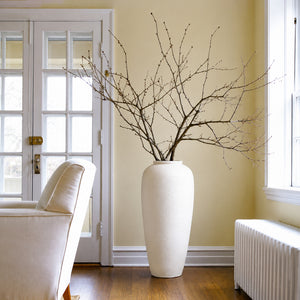
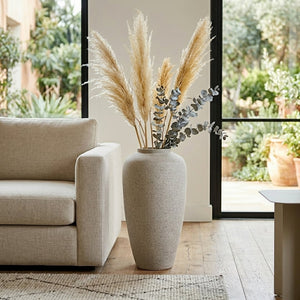
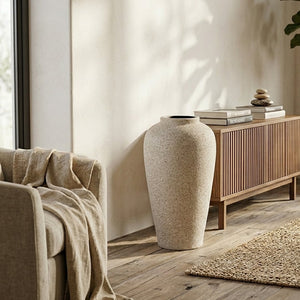
- Statement corners — tall urn-shaped vases.
- Small balconies — slim vases and wall-mounted pots.

How Does Terracotta Age Over Time?
One of the most loved qualities of terracotta is how it ages. Minerals and salts from water and fertiliser slowly leach through the porous walls, creating a soft white-washed patina known as efflorescence. On shaded pots, moss and algae add a gentle green bloom.
This natural weathering gives a terrace a sense of history that synthetic materials can't copy. To guide the look:
- Love the patina? Leave it — it's harmless to plants.
- Prefer a clean look? Scrub with 1 part white vinegar to 4 parts water.
- Painted pots? Seal with clear acrylic to protect colour from sun and moisture.
- Want it faster? Place new pots in partial shade where moisture lingers.
Terracotta vs Other Planter Materials
How terracotta stacks up against the other common choices for a terrace garden.
Terracotta
Glazed Ceramic
Plastic / Fibreglass

How Do You Care for Terracotta Pots Through Indian Seasons?
Terracotta is durable, but a little seasonal care helps it last for decades on an open terrace.
Summer
Check soil daily; porous walls speed up drying. Group pots so they shade each other.
Monsoon
Raise pots on pot feet so water never pools underneath. Empty saucers after rain.
Winter
Water less. In frost-prone regions, move pots to shelter or wrap in burlap.
“A terracotta pot is never finished — every season of sun and rain writes a little more character into the clay.”
How Do You Prepare a New Terracotta Pot for Planting?
Soak the pot
Submerge a new terracotta pot in water for 20–30 minutes so the dry clay doesn't pull moisture from fresh soil.
Cover the drainage hole
Place a piece of mesh or a broken clay shard over the hole to keep soil in while letting water out.
Use a well-draining mix
Fill with potting mix blended with cocopeat, compost and a little sand or perlite to suit your plant.
Plant at the right depth
Set the plant at the same depth it grew before and leave about an inch below the rim for watering.
Water and elevate
Water deeply until it runs from the base, then place the pot on feet or a stand for airflow and clean drainage.
What Are the Most Common Terracotta Mistakes?
Skipping the Soak
An unsoaked pot wicks water away from new roots, stressing the plant in its first week.
Ignoring Weight Load
Wet clay and soil are heavy. Confirm your terrace can bear the load of oversized planters.
Buying Cheap Clay
Under-fired terracotta chips and cracks easily. Buy from an established brand, not unbranded bulk stock.
Blocked Drainage
Pots sitting flat on the floor trap water. Use pot feet and keep holes clear.
Oversized Pots
Too much soil holds too much water. Size up gradually as the plant grows.
Winter Water
In freezing regions, trapped water expands and cracks clay. Shelter or wrap pots.
Frequently Asked Questions About Terracotta Pots
How do I choose the right size terracotta pot?
Match the pot depth and width to the plant's mature root system, not its current size. As a rule of thumb, choose a terracotta pot roughly 2 inches wider in diameter than the plant's existing container so the roots have room to grow without the soil staying wet for too long.
Are terracotta pots good for a terrace garden?
Yes. Terracotta's porous walls let excess moisture evaporate and air reach the roots, which helps prevent root rot. The clay also keeps soil cooler than plastic, which matters on terraces exposed to direct sun for most of the day.
How do I protect paint on terracotta planters?
Apply a clear acrylic sealer over the painted surface of the terracotta planter to create a barrier against moisture and UV exposure. Reapply the sealer every few months, especially on sun-facing terraces, for best results.
Where can I buy terracotta planters online in India?
Whispering Homes offers a wide range of terracotta planters and vases online in India, in various sizes and designs suited to terrace and rooftop gardens. Buying from an established brand is the easiest way to avoid low-fired, brittle clay.
Do terracotta pots need drainage holes?
Yes, drainage holes are essential in terracotta pots. Even though terracotta is porous, it cannot release water fast enough to prevent soil saturation during heavy rain or overwatering, so a hole at the base is what protects roots from rot.
How do I clean white crusty buildup on my clay pots?
The white buildup on clay pots is called efflorescence, caused by minerals and salts leaching through the clay from water and fertiliser. Clean it using a mixture of one part white vinegar to four parts water and a stiff brush, then rinse well.
Can terracotta pots stay outside in winter?
Raw terracotta can crack if water trapped in its pores freezes and expands. In regions with freezing nights, move terracotta pots to a sheltered area or wrap them in insulating material like burlap; in milder Indian winters they can usually stay outdoors.
Why did my terracotta pot turn green?
Green buildup on a terracotta pot is usually algae or moss thriving on the moisture within the clay. It is generally harmless and adds a rustic patina, but it can be scrubbed off with a brush and diluted vinegar if you prefer a cleaner look.
Is terracotta better than plastic for plants?
For most terrace plants, terracotta is better than plastic because it provides better aeration and temperature regulation. Plastic can suit moisture-loving plants like ferns that prefer their soil to stay damp for longer.
Should I soak terracotta pots before planting?
Yes, soaking a new terracotta pot in water for about 30 minutes prevents the dry clay from immediately wicking moisture out of fresh potting soil. This protects new roots from stress during the first few days after planting.
Final Thoughts
Choosing the right terracotta vases for a terrace garden comes down to matching size to the plant, checking the quality of the clay, making sure every pot drains, and picking a shape that fits your space. Get those four right, and your terrace garden will hold up season after season.
Beyond the practical, terracotta rewards patience. Each summer and monsoon adds a little more patina, and over time your pots become as much a part of the garden's story as the plants growing in them.
Find Your Perfect Terracotta Vase
Explore handpicked vases and planters from Whispering Homes, made to age beautifully on your terrace.
Explore the Collection