




















































































The Art of Layered Lighting

The Art of Layered Lighting
Interior lighting ideas that elevate your home.
Layered lighting means combining several light sources at different heights instead of relying on one ceiling fixture. Designers use five layers — ambient, task, accent, decorative and natural light — so a room can be bright when you need clarity and soft when you want calm. A medium-sized room usually feels best with five to seven light sources spread across these layers.
Have you ever walked into a beautifully styled home and instantly felt calm, inspired or energised?
Chances are, lighting had everything to do with it.
Great interiors are not just about furniture or colour palettes. They are about how light moves through a space, how shadows soften corners and how glow creates mood. This is where ceiling lights and wall lights become quiet heroes of interior design — shaping atmosphere, enhancing function and elevating everyday living.
Professional designers rarely rely on a single source. They build spaces in layers, blending function with emotion using elegant chandeliers or focused picture lights. Whether you're styling a cosy apartment or redesigning a full home, understanding the layers can completely change how your rooms feel and perform.
Let's explore this art form step by step — with practical guidance, room-by-room ideas and expert-backed insights you can actually use.

What Does Layered Lighting Really Mean, and Why Do Designers Swear by It?
Layered lighting is the intentional use of multiple light sources at different heights and intensities to create balance, comfort and visual interest.
Rather than flooding a room with one bright fixture, you combine:
- General illumination for overall brightness.
- Task-focused light where you read, cook or work.
- Decorative accents that add personality.
- Architectural highlights on walls, art and textures.
- Ambient glow for evening calm.
Together, these create depth and flexibility, so your space adapts from morning routines to evening relaxation. Put simply, layered lighting gives every room options — bright when you need clarity, soft when you want calm.
What Are the 5 Layers of Lighting?
People often ask about the four layers of lighting, but experienced designers now work with five practical layers for complete visual comfort.
Ambient
Task
Accent
Decorative
Natural

Ambient Lighting – The Foundation of Every Room
Ambient lighting provides overall illumination and sets the baseline brightness of a space — the canvas on which every other layer is added.
Common ambient sources include:
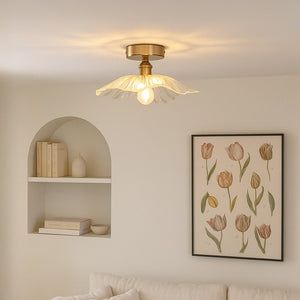
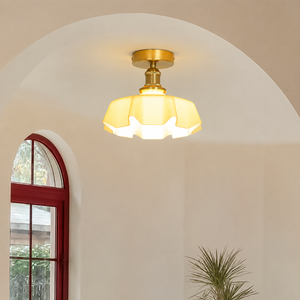
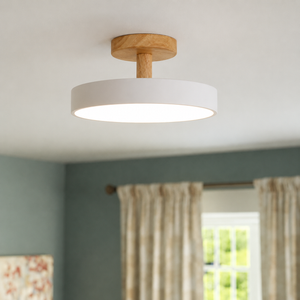
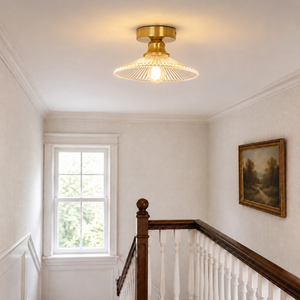
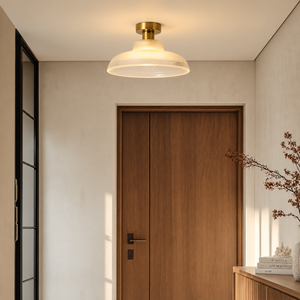
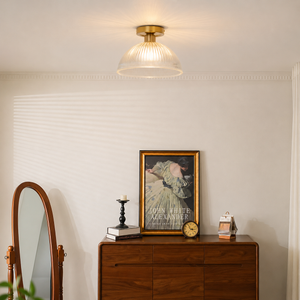
- Ceiling-mounted fixtures
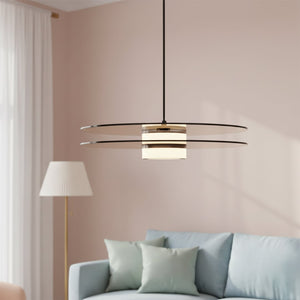
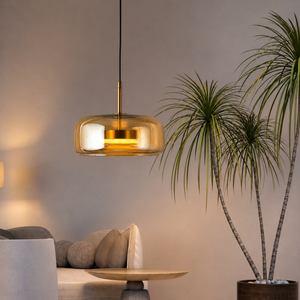
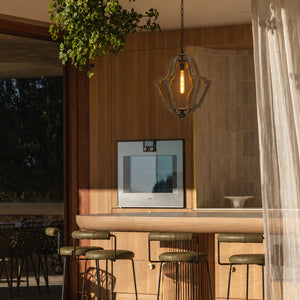
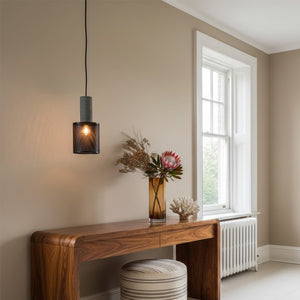
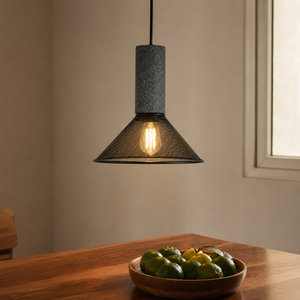
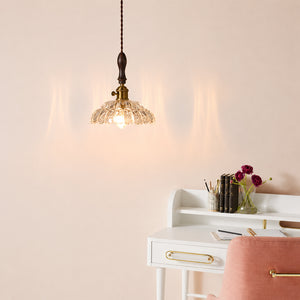
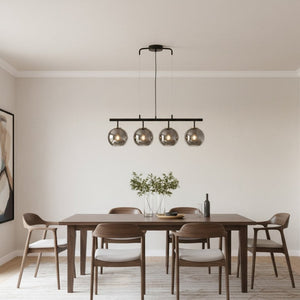
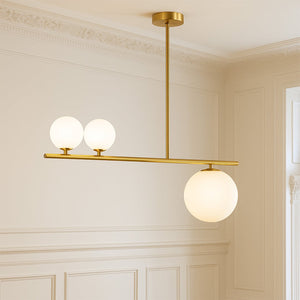
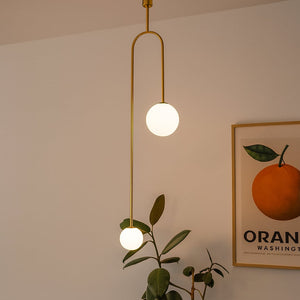
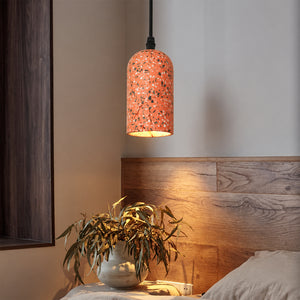
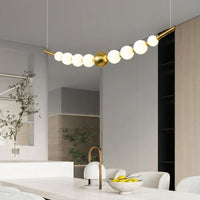
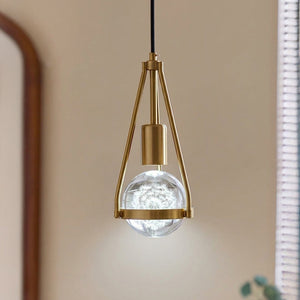
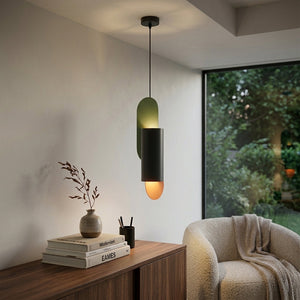
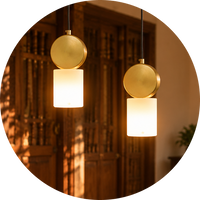
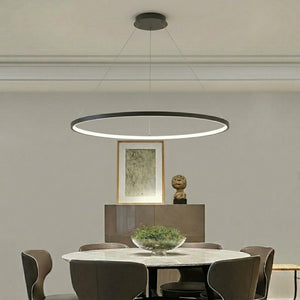
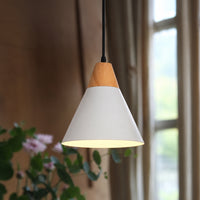
- Pendant lights
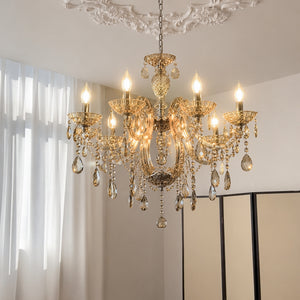
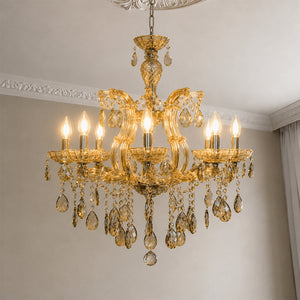
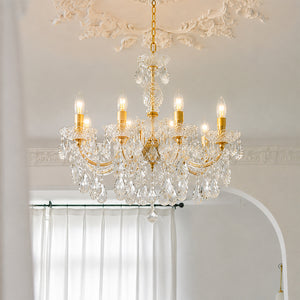
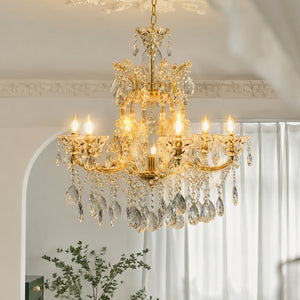
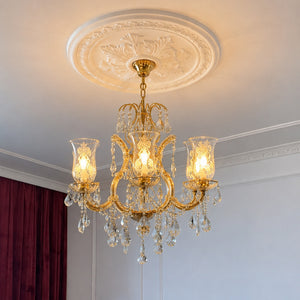
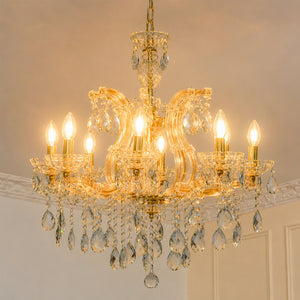
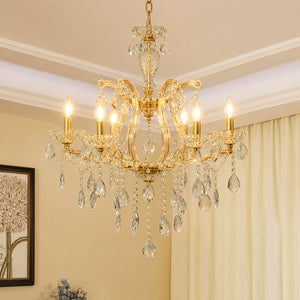
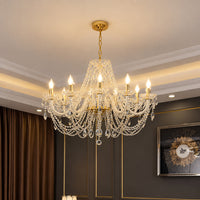
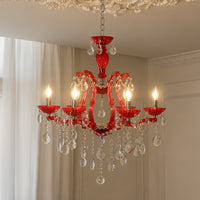
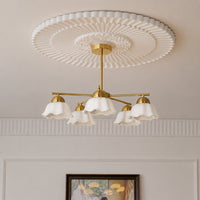
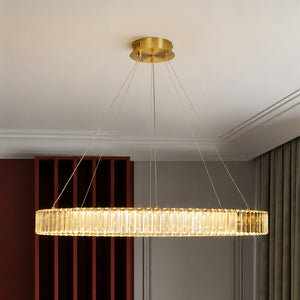
- Chandeliers
- Recessed LED lighting
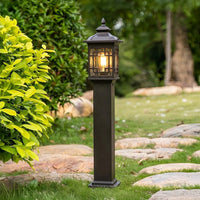
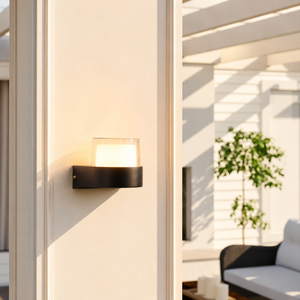
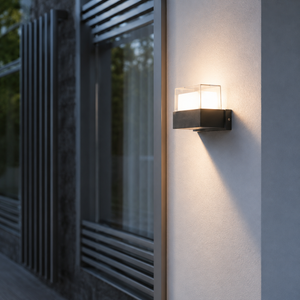
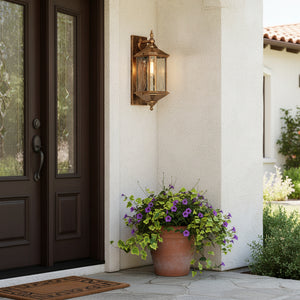
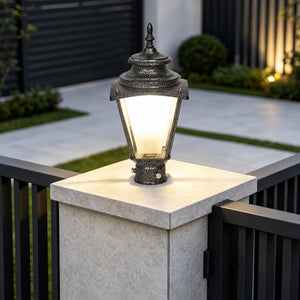
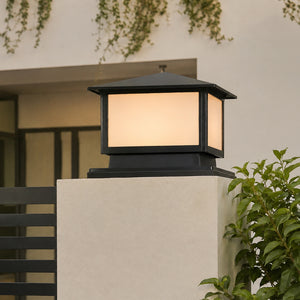
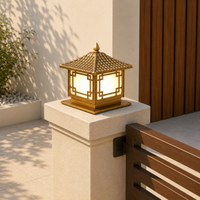
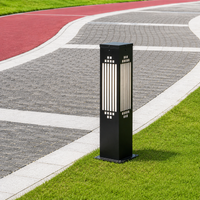
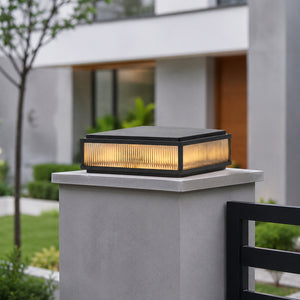
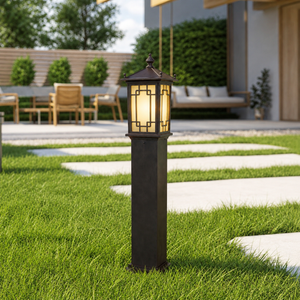
- Elevation lights for facades
In living rooms, ambient light keeps the space open and welcoming; in bedrooms, softer fixtures feel calming; in dining rooms, warm overhead light encourages relaxed meals.
Choose warm colour temperatures (2700K–3000K) for homes to keep rooms comfortable and reduce eye strain.

Task Lighting – Supporting Everyday Activities
Task lighting focuses on areas where clarity matters — reading, cooking, working or getting ready.
Examples include:
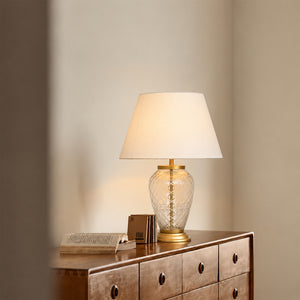
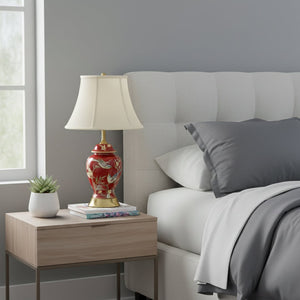
- Bedside lamps for night-time reading
- Study lamps in home offices
- Under-cabinet LED lights in kitchens
- Vanity lighting in bathrooms
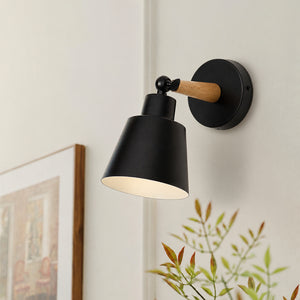
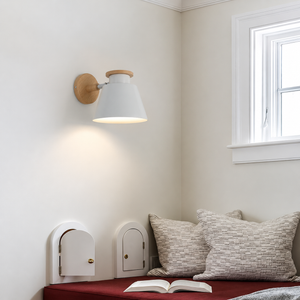
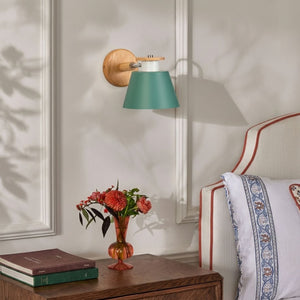
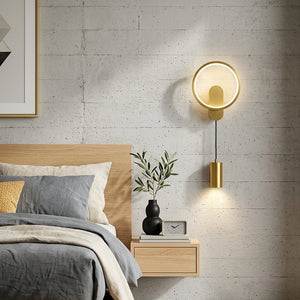
In bedrooms, task light often comes from bedside lamps or adjustable wall fixtures, so late-night reading doesn't disturb the whole room.
Dining rooms also benefit from subtle task light near buffets or serving counters, supporting both function and presentation.

Accent Lighting – Highlighting What Matters
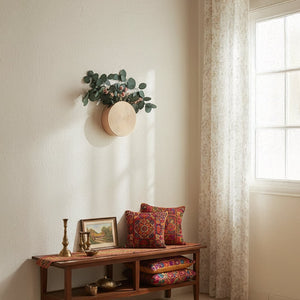
Accent lighting draws attention to architecture, artwork, textured walls or statement decor — adding drama and guiding the eye around the room.
Popular accent techniques include:
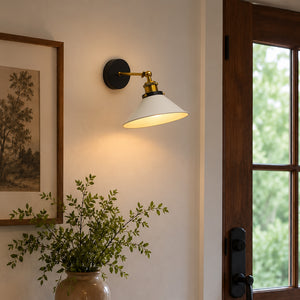
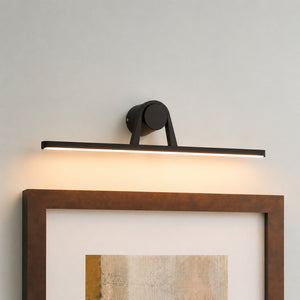
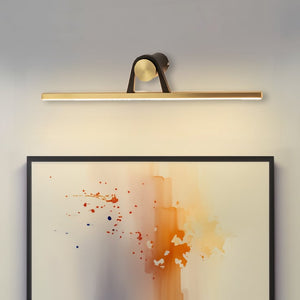
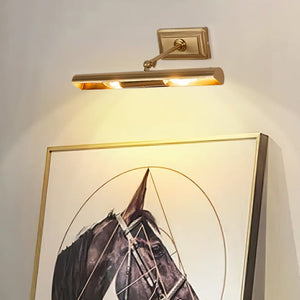
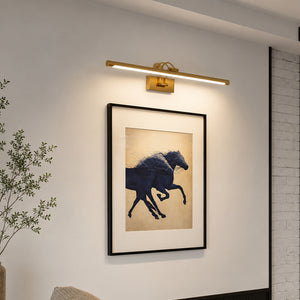
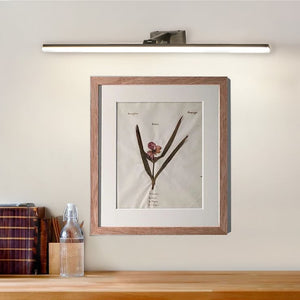
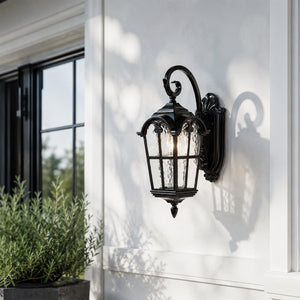
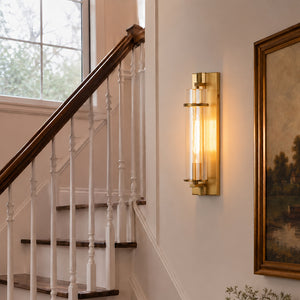
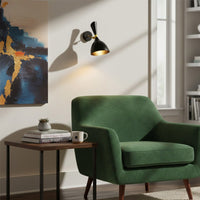
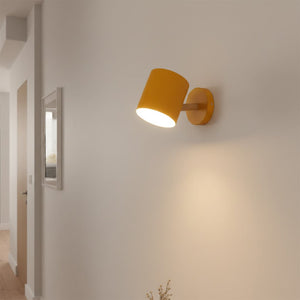
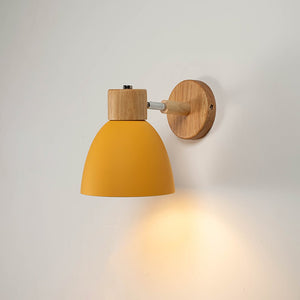
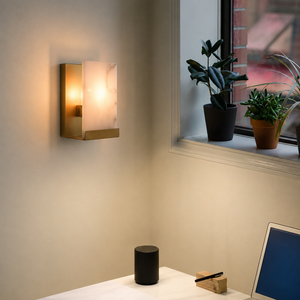
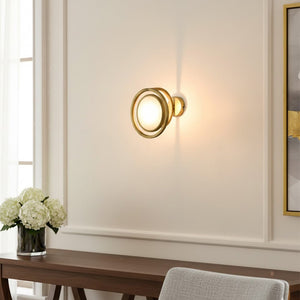
- Wall-mounted fixtures highlighting art
- Spotlights on indoor plants or sculptures
- Cove lighting to enhance ceiling details
- Picture lights for gallery walls
In dining rooms, accent lights often wash wall decor or display cabinets, creating a gallery-like feel that elevates everyday meals.
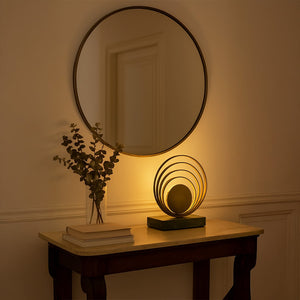
Accent pieces such as Art Deco lights are typically about three times brighter than the ambient light around them — enough contrast without overpowering the space.

Decorative Lighting – Personality and Style
Decorative lighting is jewellery for your home — fixtures chosen as much for how they look as for the light they give.
Examples include:
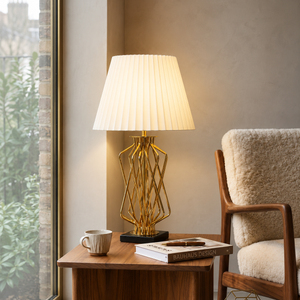
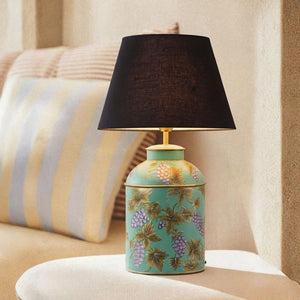
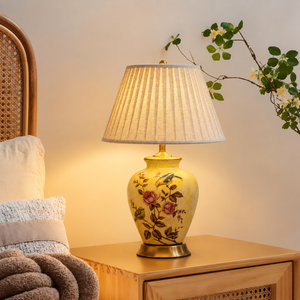
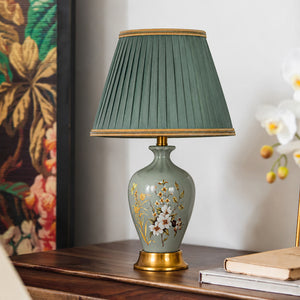
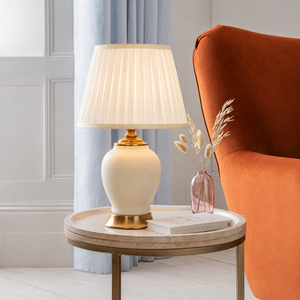
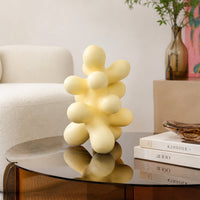
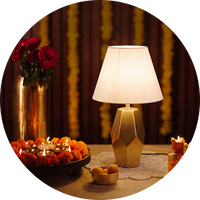
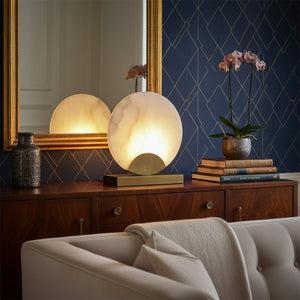
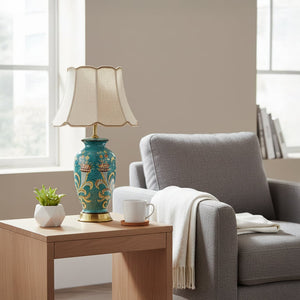
- Sculptural table lamps
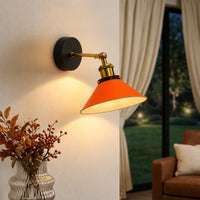
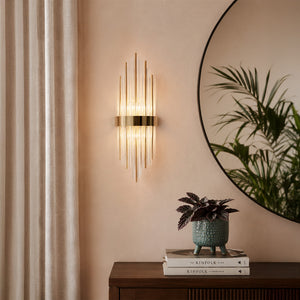
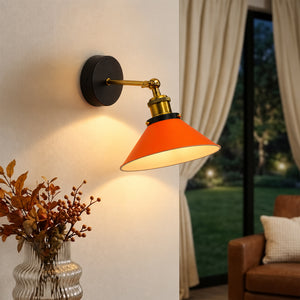
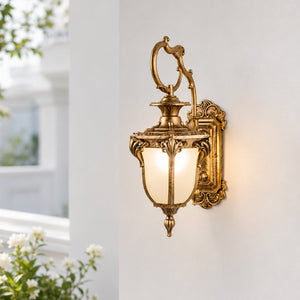
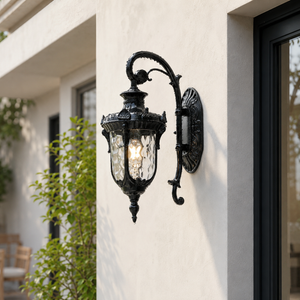
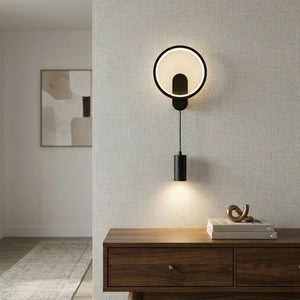
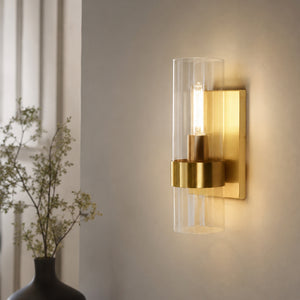
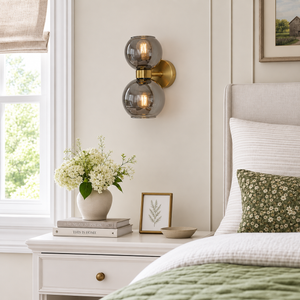
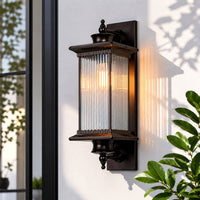
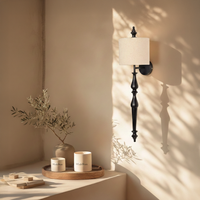
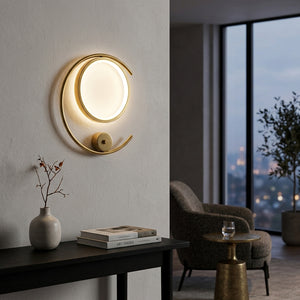
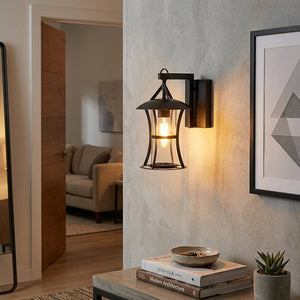
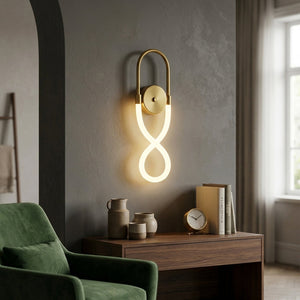
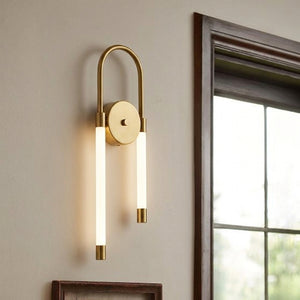
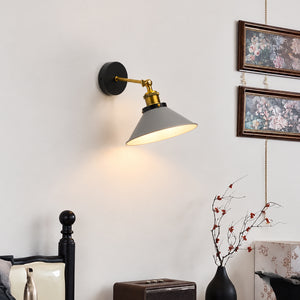
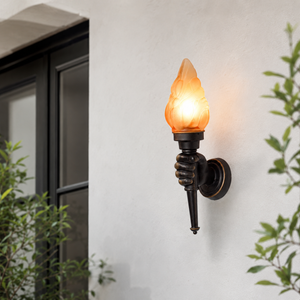
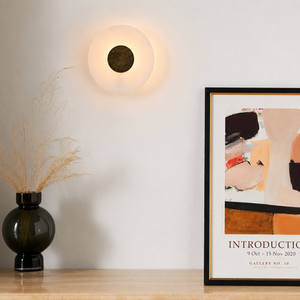
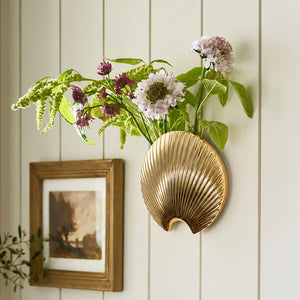
- Artistic wall lights
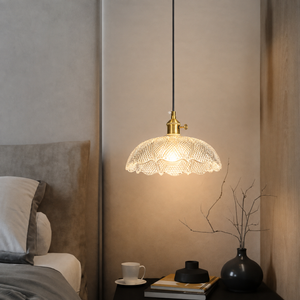
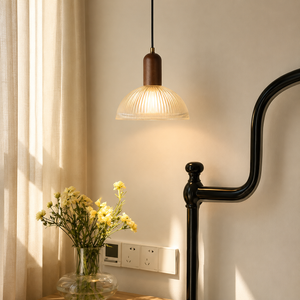
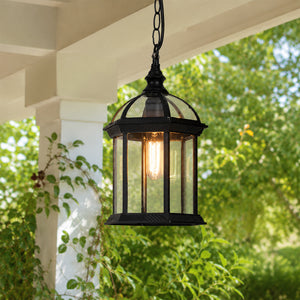
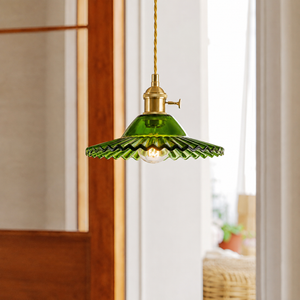
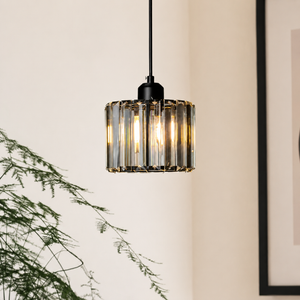
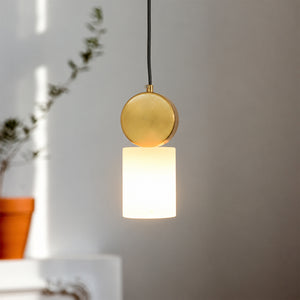
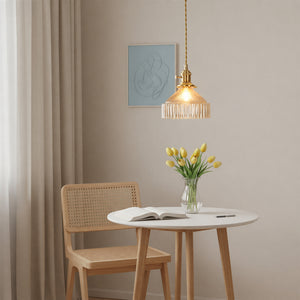
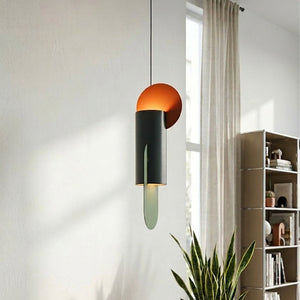
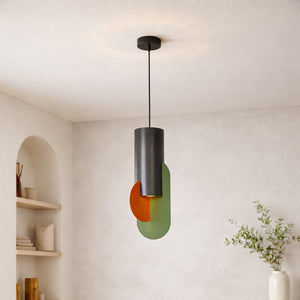
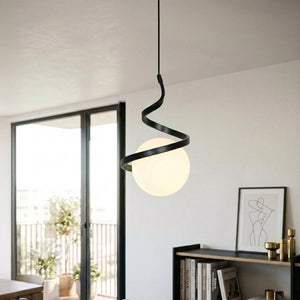
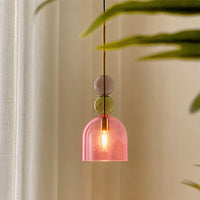
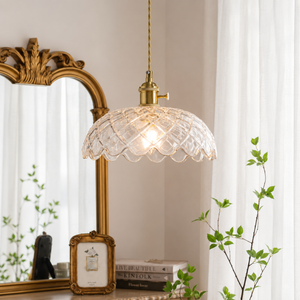
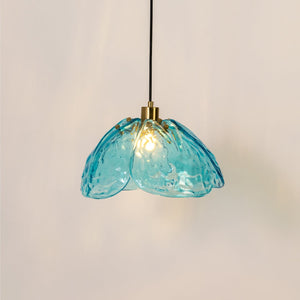
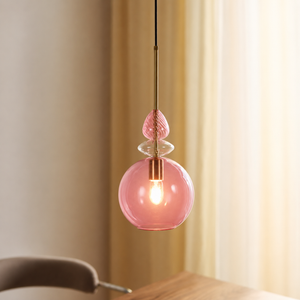
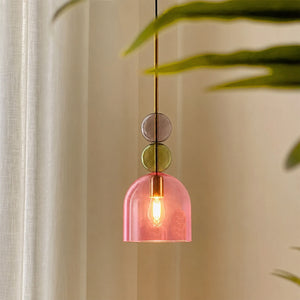
- Unique pendant designs
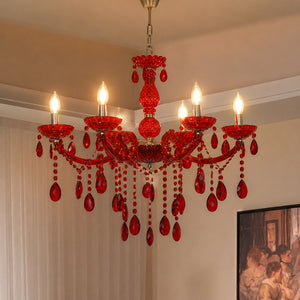
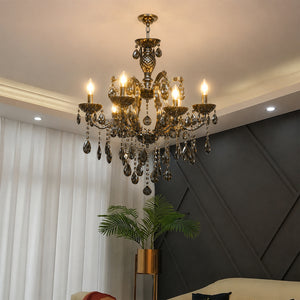
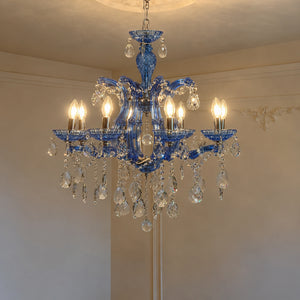
- Luxury chandeliers
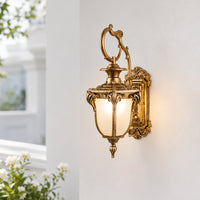
- Vintage lights for character
- Antique lamps as focal points
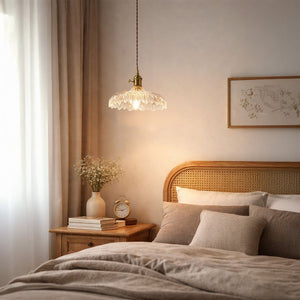
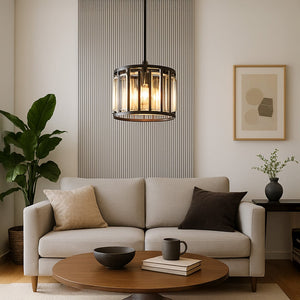
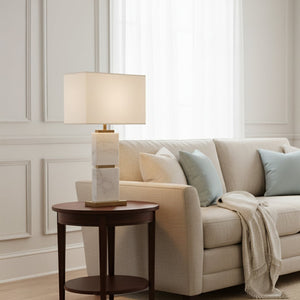
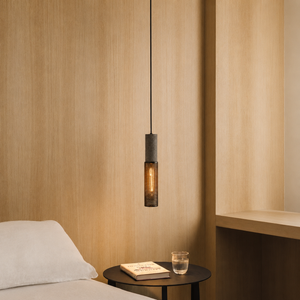
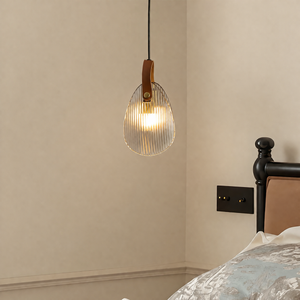
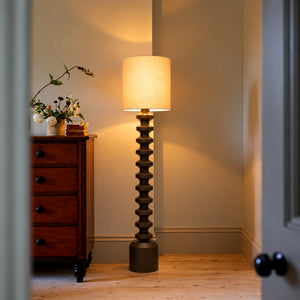
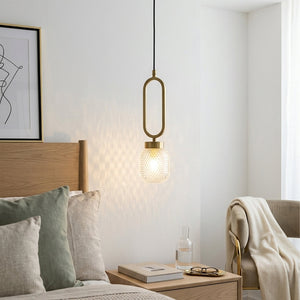
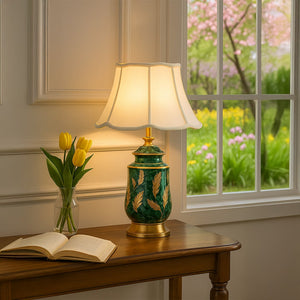
In living rooms a designer lamp becomes a focal point; in bedrooms decorative pendants bring softness and charm — the finishing touch that ties everything together.

Natural Lighting – The Most Powerful Layer
Daylight is an essential part of the five-layer system. Large windows, reflective surfaces and light-coloured walls all amplify natural brightness.
To make the most of natural light:
- Use sheer curtains that filter rather than block light.
- Place mirrors opposite windows to bounce daylight deeper.
- Choose lighter finishes for walls and floors.
- Keep window zones clear of bulky furniture.
Natural light supports circadian rhythms, lifts mood and reduces energy use — an irreplaceable part of any thoughtful interior.
How Do You Plan Layered Lighting in a Room?
Build your layers in this order and each one will have a clear job.
Start with ambient light
Choose one main ceiling fixture, pendant or chandelier that lights the whole room evenly.
Add task light where you work
Place lamps beside the sofa, bed, desk or kitchen counter — wherever you read, cook or work.
Highlight one or two features
Use wall or picture lights to draw the eye to art, textured walls or shelving.
Finish with a decorative piece
Pick one statement lamp or pendant that reflects your style and ties the room together.
Vary heights and add dimmers
Mix ceiling, eye-level and low lights, and use dimmers so each layer can be turned up or down.
How Do You Apply Layered Lighting Room by Room?
Each room has its own rhythm and purpose. Here's how layered lighting adapts to each space.

Living Room Lighting That Adapts to Every Mood
The living room hosts guests, movie nights, quiet reading and everything in between — which is why a layered plan matters so much here.
Try this combination:
- Ceiling fixture for ambient coverage
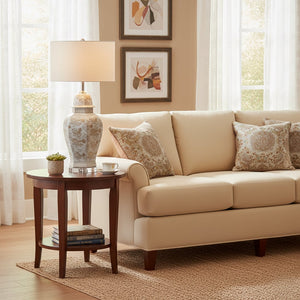
- Table lamps beside sofas for reading
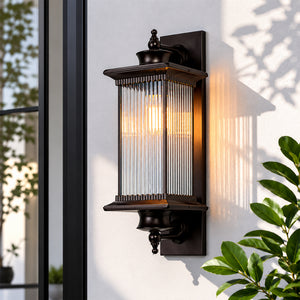
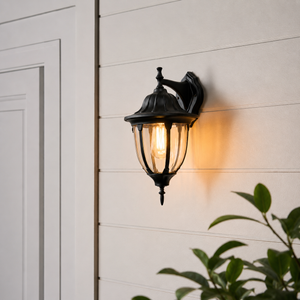
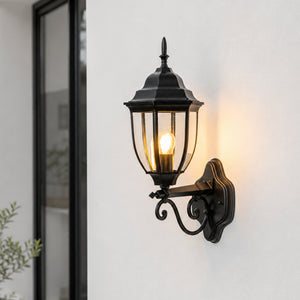
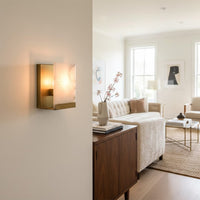
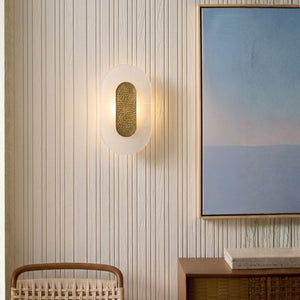
- Wall sconces to highlight decor or textures
- A statement pendant above the centre
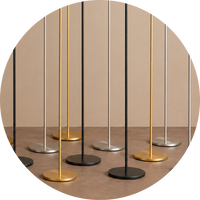
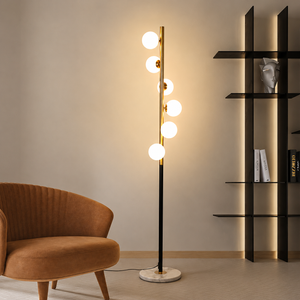
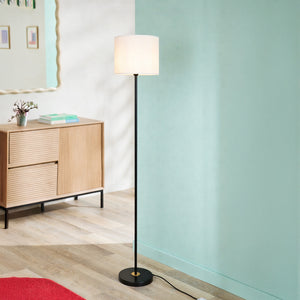
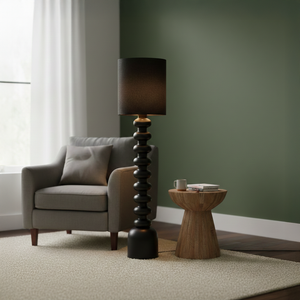
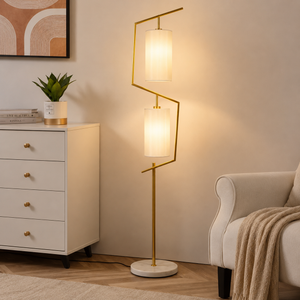
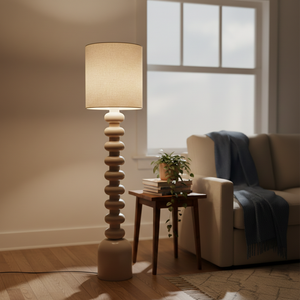
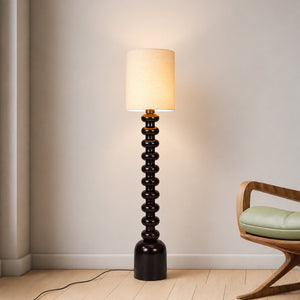
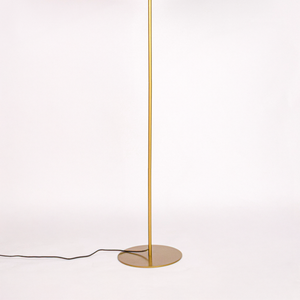
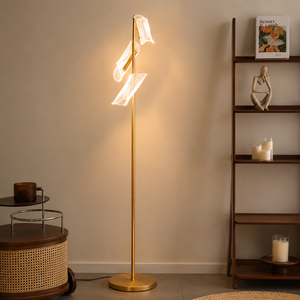
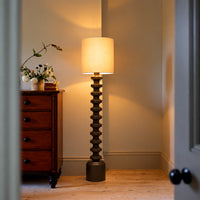
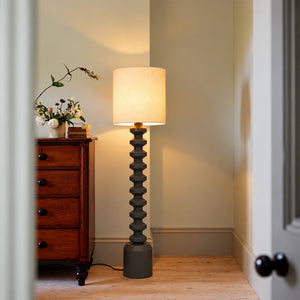
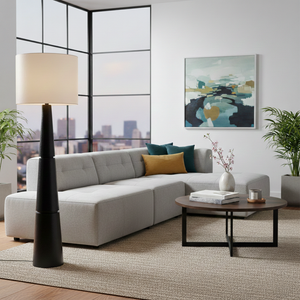
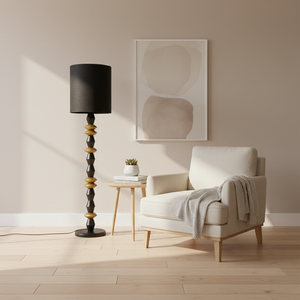
- Floor lamps in corners for mood
Avoid placing all lights at the same height. Visual layers come from vertical variation.

Bedroom Lighting for Rest and Relaxation
Bedrooms should feel restorative, not clinical.
Try this combination:
- Soft ambient ceiling light for general use
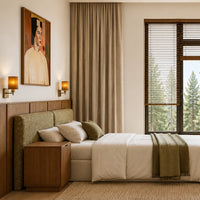
- Bedside lamps for night-time reading
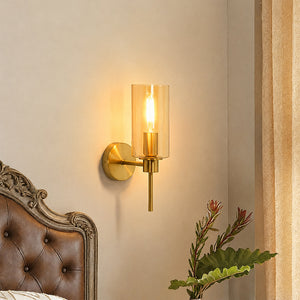
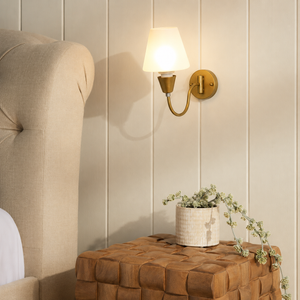
- Wall sconces or headboard lights for accent
- Decorative pendant for style
- Low-level floor lamp for gentle evenings
Choose warm colour temperatures and dimmable options whenever possible — your body clock will thank you.

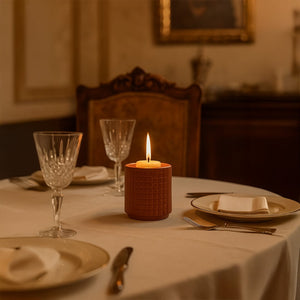
Dining Room Lighting That Elevates Every Meal
Dining spaces thrive on atmosphere.
Try this combination:
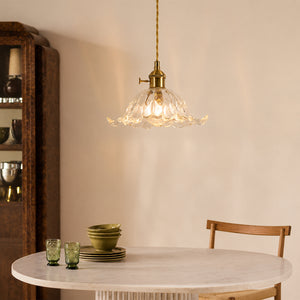
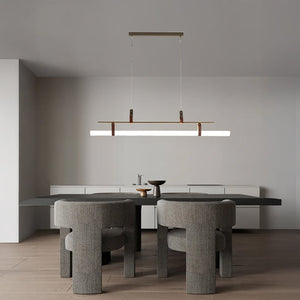
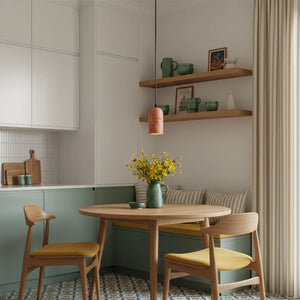
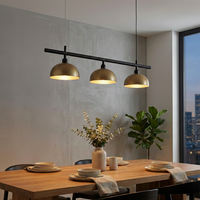
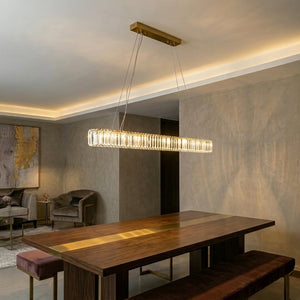
- Decorative pendant or crystal chandelier centred over the table
- Ambient ceiling light for overall brightness
- Wall lights to frame the space
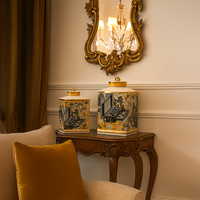
- Table lamps on nearby consoles
- Floor lamp for a soft perimeter glow
This balance supports both lively dinners and quiet breakfasts.

What Is the 5–7 Light Rule?
The 5–7 light rule suggests that a medium-sized room should include five to seven light sources spread across different layers. Instead of one fixture, several lights placed strategically remove dark corners and create depth.
For example:
- 1Ceiling light
- 2Table lamps
- 1Floor lamp
- 1Wall light
- 1Accent spotlight
= 6 light sources across 4 layers
This lines up with the five-layer approach and keeps the whole room visually comfortable.

What Are the Most Common Layered Lighting Mistakes?
Even beautiful fixtures fail without a strategy. Here's what goes wrong — and the fix.
Relying only on overhead lighting
Add layers at different heights for depth and versatility.
Ignoring dimmers
Install dimmers to adapt the mood through the day.
Placing all lights at the same level
Vary fixture heights to create visual interest.
Choosing cool white tones for living areas
Opt for warm 2700K–3000K light for comfort.
Forgetting task lighting
Add focused light for reading, cooking and work.
Start with one layer at a time and watch your space transform.

What Should You Look for When Buying Lighting Fixtures?
Practical tips from design professionals when selecting fixtures across categories:
Choose warm light
Warm 2700K–3000K LED lights keep spaces comfortable and inviting.
Prioritise dimmable options
Control brightness and mood throughout the day.
Mix materials for texture
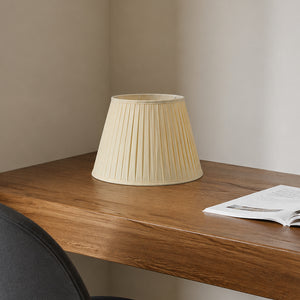
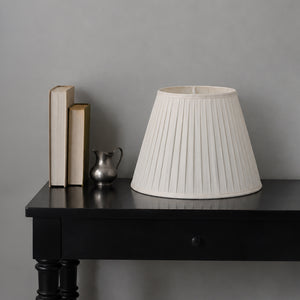
Combine metal, glass and fabric lamp shades for visual interest.
Keep scale proportional
Match fixture size — from chandeliers to pendant lights — to the room.
Think in groups, not singles
Pair table lamps with floor lamps to build a cohesive ecosystem.
You are building an ecosystem of light — every fixture should contribute to the overall harmony of the space.
FAQs – A Guide to Light Layering
Your questions answered by design professionals.
What is the concept of layered lighting?
Layered lighting is the use of multiple light sources at different heights and intensities — ambient, task, accent, decorative and natural light — to create balanced, functional and beautiful spaces. Instead of one bright ceiling fixture, each layer does a different job so the room can adapt through the day.
What are the 4 layers of lighting?
The four traditional layers of lighting are ambient, task, accent and decorative lighting. Many designers now treat natural daylight as a fifth layer, making it a five-layer system for complete visual comfort.
What is the 5–7 light rule?
The 5–7 light rule is a design guideline suggesting that a medium-sized room feels best with five to seven light sources spread across different layers. Using several lights instead of one ceiling fixture removes dark corners and creates depth.
Why is layered lighting important in interior design?
Layered lighting is important because it improves how usable a room is, enhances its aesthetics and supports comfort and wellbeing. It also lets one space adapt to different activities, from bright tasks to relaxed evenings.
How do I start layering lights in my living room?
Start with ambient ceiling lighting in the living room, then add table lamps for reading, wall lights for accent, a decorative pendant as a focal point and a floor lamp for mood. Place them at different heights to create visual layers.
What lighting works best for bedrooms?
Bedrooms work best with soft ambient ceiling light, bedside lamps for reading, gentle wall accents and warm, dimmable mood lighting. This combination feels restful and supports winding down at night.
Can small rooms use layered lighting?
Yes. Even small rooms benefit from two or three well-placed lighting layers instead of one harsh overhead light. A ceiling light, a table or floor lamp and a wall light are usually enough.
Should all lights in a room match?
No, lights in a room don't need to match. Mixing styles and categories adds depth, as long as finishes, metal tones and light colour stay cohesive.
Are dimmers really necessary for layered lighting?
Yes, dimmers are one of the most useful parts of layered lighting. They give you control over mood and energy use, let one layer shift from functional to soft, and help extend bulb life.
How many lighting layers should a dining room have?
A dining room ideally has four to five lighting layers: a pendant or chandelier over the table, ambient ceiling light, wall accents, table lamps on nearby consoles and optional floor lighting for a soft perimeter glow.
Why Is Light Design's Most Powerful Tool?
Furniture fills space. Colour sets tone. But lighting brings everything to life.
When you thoughtfully apply the five layers of lighting, your home becomes adaptable, expressive and deeply comfortable. From layered living room layouts to serene bedrooms and welcoming dining rooms, every room gains personality and purpose.
Designers know this. Now you do too. Start small — add one lamp, introduce one wall light — and build your layers gradually. Watch your home transform, one glow at a time.
Continue Your Design Journey
More curated guides to transform your home with intention and elegance.
Create Corners That Calm
Transform neglected corners into peaceful retreats with thoughtful design and lighting.
Read MoreA Guide to Perfect Wall Lighting
Master the art of wall lighting to enhance your home's architectural beauty.
Read MoreCenterpieces that Start Conversations
Create memorable table settings with stunning centrepiece ideas.
Read MoreThe Art and History of Chinoiserie Jars
Explore the timeless elegance of Chinoiserie in home decor.
Read More