













































The Art and History of Chinoiserie Jars

The Art and History of Chinoiserie Jars
Where centuries of East-meets-West artistry meet the modern home
Quick Answer
Chinoiserie jars are decorative porcelain vessels painted with Chinese-inspired motifs such as dragons, peonies, birds and pagodas, most famously in blue and white. Born from Europe's 17th and 18th century love of Chinese porcelain, they remain a timeless decor piece today. Style them in pairs on a console, as a centrepiece on a dining table, or on bookshelves to add pattern, history and elegance to any room.
In a sunlit living room, a pair of intricately painted blue-and-white jars can quietly hold the whole space together. These pieces are known as chinoiserie jars, decorative porcelain treasures with centuries of art and cultural history behind them. For collectors, decor lovers and anyone drawn to heritage design, they offer a fascinating blend of Eastern artistry and Western taste.
In this guide, we trace where chinoiserie jars came from, what their motifs mean, the different shapes you will come across, and, most importantly, how to choose, place, light and care for them in your own home. Once displayed in aristocratic parlours, these jars are just as relevant in today's apartments, villas and city homes.
What Is Chinoiserie?
Chinoiserie, from the French word "chinois" meaning "Chinese", is a European decorative style that imitates and reimagines Chinese and East Asian art. It does not follow Chinese tradition strictly. Instead, it represents a Western, often romanticised vision of the East, mixing Eastern motifs with European forms and taste.

Classic blue-and-white chinoiserie pattern with birds, pagodas and florals
Origins of the Aesthetic
The style flourished in the late 17th and 18th centuries, reaching its height alongside the playful Rococo movement in France. As sea trade with Asia expanded, European homes filled with porcelain, lacquerwork, silk and wallpaper from China.
Designers and artisans soon began creating their own versions. The result was a hybrid style recognisable by:
- Hand-painted scenes of gardens, pagodas, bridges and river landscapes
- Nature motifs such as birds, blossoms, bamboo and peonies
- Mythical creatures including dragons and phoenixes
- A signature palette of cobalt blue on white, plus later green, red and gold
The Historical Roots of Chinoiserie
Chinoiserie grew out of Europe's growing trade with Asia and its fascination with Chinese porcelain. Porcelain was so prized that it was nicknamed "white gold", and owning it became a mark of wealth and worldly taste. Here is how the story unfolded:
14th Century — Blue and White Is Perfected
Potters in Jingdezhen, China, master cobalt-blue painting on white porcelain, creating the look that would later define chinoiserie.
Ming Dynasty — A Golden Age of Porcelain
Blue-and-white porcelain flourishes under the Ming dynasty and is exported across Asia and the Middle East.
16th–17th Century — Porcelain Reaches Europe
Portuguese and then Dutch traders ship huge quantities of Chinese porcelain to Europe, where royalty and the wealthy collect it eagerly.
18th Century — Chinoiserie at Its Peak
European workshops create their own Chinese-inspired ceramics, furniture and wallpaper, and entire "porcelain rooms" appear in palaces.
Today — A Timeless Revival
Chinoiserie jars return as a favourite of designers, adding pattern and heritage to modern, traditional and eclectic interiors alike.
"The blending of Eastern artistic traditions with Western sensibilities created an aesthetic that still captivates designers and collectors today."
Influence of East Asian Art on Europe
East Asian art, especially Chinese, Japanese and Korean, introduced Europe to new techniques and motifs. The delicate brushwork and fine porcelain of China became central to Europe's idea of the East. Captivated artisans began producing their own pieces in these styles, and chinoiserie was born.
What Are Chinoiserie Jars?

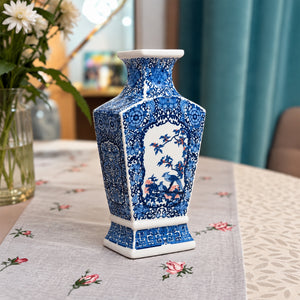
A square blue-and-white chinoiserie vase styled on a coffee table
Chinoiserie jars are decorative porcelain or ceramic vessels that blend Eastern and Western artistic traditions. They are usually hand-painted or finely printed with flora, fauna, landscapes and mythical creatures.
Blue-and-white porcelain is the most iconic and enduring expression of the style. Most jars share a few defining traits:
- Material – glazed porcelain or ceramic with a smooth, glossy finish
- Shape – rounded shoulders, a wide mouth and an elegant curved body
- Lid – many come with a domed lid, which adds height and grace
- Pattern – medallions, florals, birds and scenic panels that wrap the jar
Types of Chinoiserie Jars You Will Come Across
Knowing the main shapes helps you pick the right jar for your space.
Ginger Jar
A rounded, shoulder-heavy jar with a small domed lid. Originally used to store spices such as ginger, it is the most versatile shape for shelves, consoles and side tables.
Temple Jar
Taller and slimmer, often with a higher and more decorative lid. Its height makes it ideal for sideboards, entryways and either end of a mantel.
Hexagonal & Square Jars
Faceted shapes with framed pattern panels on each side. They look crisp and structured, which suits modern and minimal rooms.
Baluster Vase
A curved, lidless shape that swells and narrows like a classic column. Perfect when you want to add fresh or dried flowers.
Common Motifs and Patterns
Dragons & Phoenixes
Mythical creatures that symbolise power, strength and good fortune.
Flowers & Birds
Symbols of beauty, peace and prosperity, and the most loved chinoiserie motif.
Landscapes & Figures
Pagodas, mountains, bridges and figures in traditional dress.
Geometric Patterns
Borders and frets that reflect the precision of Eastern craftsmanship.
What Do the Symbols on Chinoiserie Jars Mean?
Chinoiserie jars are more than decorative objects. The motifs painted on them come from Chinese culture and carry meanings that have been passed down for centuries.

Blue-and-white jar with traditional floral medallions
Eastern Symbols and Their Meanings
- Dragons – strength, power and imperial authority
- Phoenixes – grace, virtue and harmony
- Peonies – wealth, honour and romance
- Lotus flowers – purity, enlightenment and rebirth
- Cranes – longevity and wisdom
- Peacocks – beauty, dignity and elegance
- Bamboo – resilience and integrity

Square chinoiserie jar with floral medallions in framed panels
Why the Designs Are Never Random
Each element on a chinoiserie jar is chosen with purpose. A dragon paired with clouds can represent power over heaven and earth, while flowers and birds together suggest harmony between people and nature.
This is why many people choose jars with meaningful motifs for gifting:
- Housewarming – peonies or birds for prosperity and a happy home
- Weddings and anniversaries – a matching pair for togetherness
- Milestone birthdays – cranes for long life and wisdom
"Each element has meaning, which makes every chinoiserie jar a small piece of living history."
Why Are Chinoiserie Jars Still Popular in Interior Design?

A pair of blue-and-white jars styled with lush greenery
Chinoiserie jars have stayed in style for over three centuries because they balance pattern, colour and history in one object. A single jar can soften a minimal room, while a pair adds instant symmetry and polish.
They are also one of the easiest ways to bring:
- Colour without repainting walls or changing furniture
- Pattern that feels classic rather than busy
- Height to flat surfaces like consoles and sideboards
- Character that makes a new home feel collected over time
Exotic Appeal
Ornate designs and intricate details evoke a sense of travel, mystery and sophistication that few other decor pieces can match.
Timelessness
Chinoiserie has survived every major design movement. Its graceful lines and classic palette never feel dated.
Versatility
From traditional to modern chic, these jars blend into almost any style, adding calm in minimal rooms or opulence in grand ones.
How to Style Chinoiserie Jars at Home
Chinoiserie jars are versatile enough to lift almost any surface. Here are three proven ways to display them.

Mantels and Sideboards
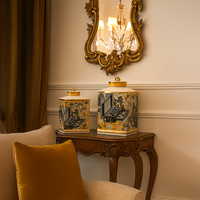
Place a hexagonal or temple jar on a mantel or sideboard to create an instant focal point in your living room or entryway. The traditional motifs pair beautifully with modern pieces for an eclectic look, or with antiques for a classic one.
- Use a matching pair at each end for a balanced, formal look
- Add a mirror or framed art behind for height
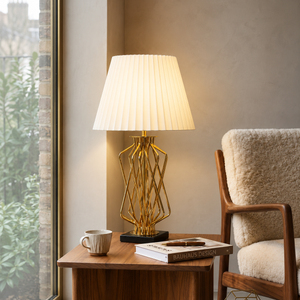
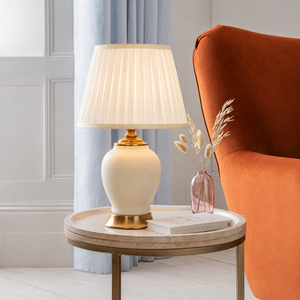
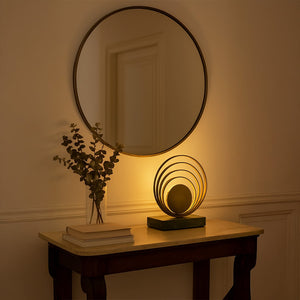
- Finish with a table lamp to create a warm glow

Tablescapes
Make a chinoiserie jar the centrepiece of your dining table, paired with fresh flowers or candles. Its patterns become a natural conversation starter at dinner parties and festive gatherings.
- Fill a lidless jar with white roses, hydrangeas or dried pampas
- Keep arrangements low enough to see across the table
- Echo the blue with napkins, runners or dinnerware

Bookshelves and Display Cases
Add chinoiserie jars to bookshelves or display cabinets for an artistic, curated feel. Pairing them with books, small bowls and collectibles creates a personal look that reflects your taste.
- Place a jar on top of a short stack of horizontal books
- Repeat blue-and-white across shelves in a zigzag pattern
- Leave breathing space so each piece stands out
Where Should You Place Chinoiserie Jars in an Indian Home?
Blue-and-white porcelain sits naturally with Indian interiors. It complements carved wood, brass, handwoven rugs and jewel-toned fabrics, while bringing a fresh, cool contrast to warm palettes.
Living Room
Style a pair on a console behind the sofa or on either side of the TV unit. Add a lamp and a brass tray for a layered, welcoming look.
Entryway & Foyer
A single tall temple jar on an entry console makes a strong first impression. Pair it with a round mirror and a small bowl for keys.
Dining Room
Use a ginger jar as a year-round centrepiece, or place a pair on the sideboard flanking a serving tray or framed print.
Bedroom
A small jar on each bedside table adds quiet elegance. Choose softer motifs such as florals and birds for a calm mood.
Study & Reading Corner
Scatter small jars across bookshelves to break up rows of books and bring colour into a work space.
Festive Decor
During Diwali and wedding season, fill jars with marigolds, roses or fairy lights, and group them with brass diyas and candles.
How to Choose the Right Chinoiserie Jar
Before you buy, think about where the jar will sit, how much space it has around it and the mood you want to create. Use these checkpoints to choose with confidence:
- Size – measure the surface and the wall space above it first
- Shape – rounded for softness, hexagonal or square for a modern edge
- Pattern – bold dragons and landscapes for drama, florals and birds for calm
- Colour – classic blue and white is the most versatile and easiest to mix
- Single or pair – pairs suit symmetrical layouts, singles suit relaxed groupings
- Lid or no lid – lidded jars are purely decorative, lidless ones double as vases
Chinoiserie Jar Size Guide
6–10 in
Bookshelves, side tables, bedside tables and display cabinets.
10–16 in
Consoles, mantels, dining tables and entryway tables.
16 in +
Long sideboards, floor corners and large open living spaces.
Designer tip: Group jars in odd numbers, such as one or three, and vary their heights. Three jars of the same pattern but different sizes look intentional and polished.
How Do You Light and Colour-Match Chinoiserie Jars?
The right light and surrounding colours make a chinoiserie jar look richer and more intentional. Warm, soft light brings out the depth of the cobalt blue and makes the glaze glow.
Lighting Ideas
- A table lamp beside the jar on a console or sideboard
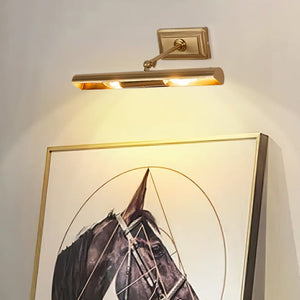
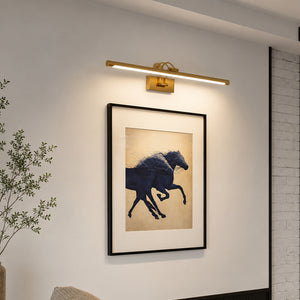
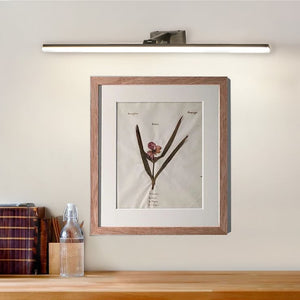
- A picture light above a shelf or display niche
- A focused spotlight on a statement jar in the foyer
- Warm white bulbs for a cosy, inviting glow
Colours That Pair Beautifully
- Crisp white and warm cream for a fresh, classic look
- Sage green and soft grey for calm, modern rooms
- Blush pink for a romantic, layered feel
- Brass, teak and deep jewel tones for Indian interiors
Common Styling Mistakes
- Choosing a jar too small for a large console or wall
- Crowding too many patterned pieces on one surface
- Mixing several unrelated colours with blue and white
- Placing jars where they can easily be knocked over
- Leaving them in dark corners without any light
How to Care for Chinoiserie Jars
- Dust weekly with a soft, dry microfibre cloth
- Wipe with mild soapy water when needed, then dry fully
- Avoid abrasive scrubbers, harsh chemicals and dishwashers
- Use a glass liner before adding water and flowers
- Add felt pads underneath to protect surfaces
Explore Our Chinoiserie Collection
Hand-picked blue-and-white jars to bring timeless artistry home.


Frequently Asked Questions About Chinoiserie Jars
What is a chinoiserie jar?
A chinoiserie jar is a decorative porcelain or ceramic vessel painted with Chinese-inspired motifs such as dragons, birds, peonies, pagodas and landscapes. The style grew out of Europe's 17th and 18th century fascination with Chinese porcelain and is best known for its blue-and-white colour palette.
What is the difference between a ginger jar and a temple jar?
A ginger jar has a rounded, shoulder-heavy body and a small domed lid, and was originally used to store spices such as ginger. A temple jar is taller and slimmer, usually with a higher, more ornate lid, and was traditionally used for offerings or as a ceremonial display piece.
What do the symbols on chinoiserie jars mean?
Most chinoiserie motifs carry traditional Chinese meanings. Dragons stand for power and good fortune, phoenixes for grace and harmony, peonies for wealth and honour, lotus flowers for purity, cranes for longevity, and bamboo for resilience.
Do chinoiserie jars suit modern homes?
Yes. A single blue-and-white jar adds pattern and history to a minimal or modern room without clutter. They work especially well against white, cream, sage or navy walls and next to natural wood, brass and linen.
How do you style chinoiserie jars on a console or sideboard?
Place a matching pair at each end of a console or sideboard for a symmetrical, formal look, or group three jars of different heights for a relaxed look. Add a table lamp, a stack of books or a small tray to layer height and texture.
What size chinoiserie jar should I buy?
Small jars of around 6 to 10 inches suit bookshelves and side tables, medium jars of 10 to 16 inches suit consoles, mantels and dining tables, and large jars above 16 inches work on the floor or on a long sideboard. Measure the surface and the wall space above it before you buy.
Can you put flowers in a chinoiserie jar?
Yes, chinoiserie jars make beautiful vases for fresh or dried flowers. If the jar is decorative rather than sealed for water, place a glass liner or small jar inside before adding water to protect the glaze and surface.
How do you clean a chinoiserie jar?
Dust the jar weekly with a soft, dry microfibre cloth. For deeper cleaning, wipe it with a cloth dampened in mild soapy water, then dry it fully. Avoid abrasive scrubbers, harsh chemicals and dishwashers, which can dull the glaze and painted design.
Which colours go best with blue and white chinoiserie jars?
Blue-and-white jars pair well with crisp white, warm cream, soft grey, sage green, blush pink and deep navy. For an Indian home, they also look striking alongside brass, teak and jewel-toned textiles.
What lighting works best for displaying chinoiserie jars?
Warm, soft light makes the glaze glow and brings out the cobalt blue. A table lamp beside the jar, a picture light above a display shelf or a focused spotlight on a console all highlight the pattern without creating harsh glare.
The Timeless Allure of Chinoiserie Jars
Chinoiserie jars are more than decorative pieces. They are symbols of a centuries-old exchange between East and West, and their craftsmanship has made them lasting icons of refinement. Whether you are a seasoned collector or simply love beautiful things, they bring a timeless touch to any home.
Start with one jar in a spot you see every day, light it well and let it settle in. Over time, it becomes more than decor – a small window into history that makes your home feel truly yours.


