















































Create Calm Corners at Home: A Guide to Designing Peaceful Spaces at Home
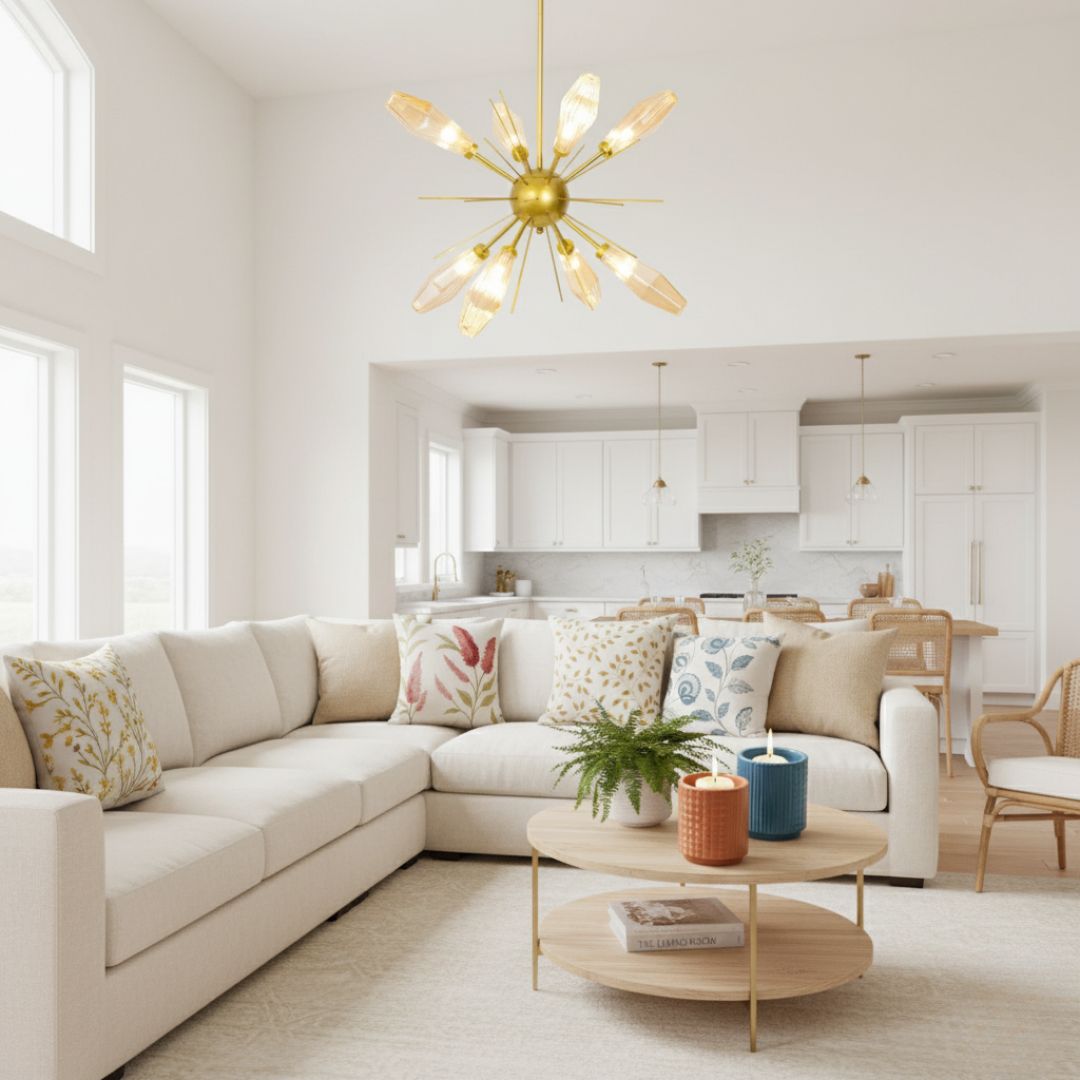
Create Corners That Calm
A practical guide to designing peaceful spaces at home
Quick Answer
A calm corner is a small, personal space at home designed for rest, reading or reflection. To create one, choose a quiet, low-traffic spot, add a comfortable seat, soft warm lighting such as a table lamp or wall light, natural textures like ceramics and dried botanicals, and keep clutter to a minimum with just two or three meaningful objects.
Modern life is loud.
Between endless notifications, work deadlines and daily responsibilities, most homes slowly become places of function rather than comfort. We rush through rooms instead of resting in them. Chairs become storage spots. Tables collect clutter. Corners are forgotten.
Yet every home holds quiet potential.
A small unused space near a window. A bedroom edge beside a table lamp. A living room nook waiting for warmth. These overlooked areas can become deeply personal sanctuaries, places where your mind can finally exhale.
That is why so many homeowners are learning how to create corners that calm at home, not as luxury styling projects, but as everyday wellness rituals. You do not need a large house or expensive furniture. You only need intention.
In this guide, you will learn practical calm corner rules, a simple step-by-step process, lighting and colour ideas, room-by-room inspiration and clear answers to common questions such as What is a calm corner? and How do you make a relaxing corner?
What Is a Calm Corner and Why Does It Matter?
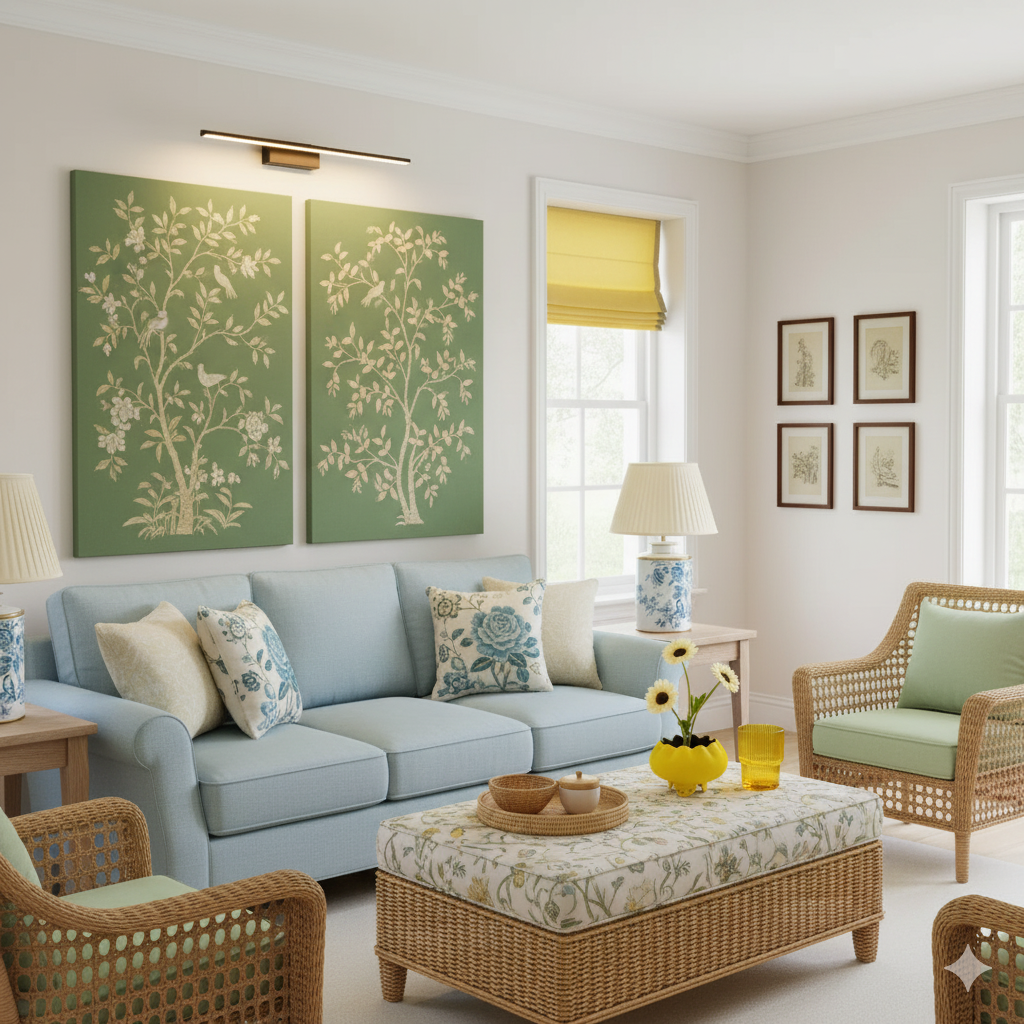
A calm corner is not just a decorated space. It is a deliberately designed micro-environment that supports mental clarity, emotional balance and physical comfort.
Interior designers approach it through spatial harmony. Wellbeing experts see it as a way to reduce sensory overload. Homeowners simply feel it as a pause button. A calm corner can be used for:
- Reading – a cosy chair, a lamp and a stack of favourite books
- Journaling – a small surface and a quiet moment to reflect
- Meditation or prayer – a cushion, a candle and calm surroundings
- Morning tea – a slow start to the day near a window
- Simply sitting – doing nothing, without guilt
"A calm corner is a small, personalised area in your home created for rest, reflection or gentle activities."
Unlike full room renovations, calm corners are easy and affordable. They can live in living rooms, bedrooms, balconies, hallways or staircase landings, using lighting, decor, texture and layout to gently signal comfort and safety.
What Are the Calm Corner Rules That Actually Work?
Before styling anything, it helps to understand a few simple rules. They are based on interior design principles and real lived experience.
Choose a Low-Traffic Area
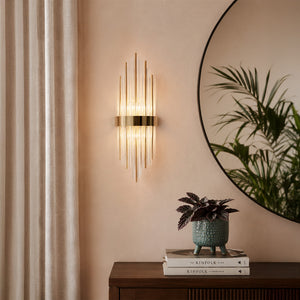
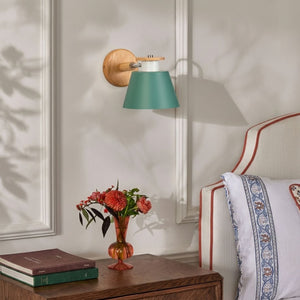
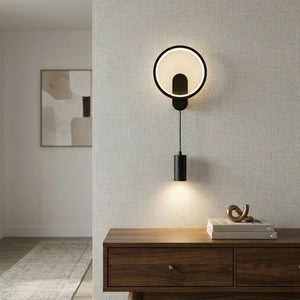
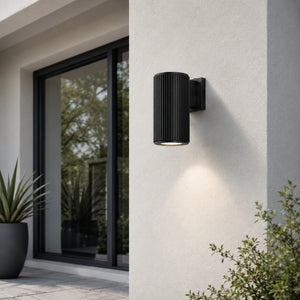
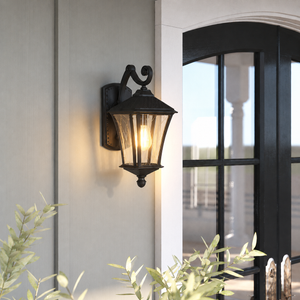
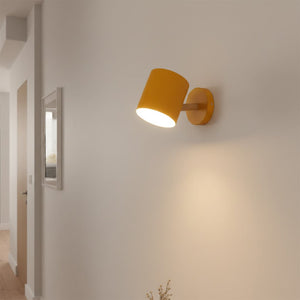
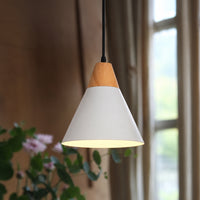
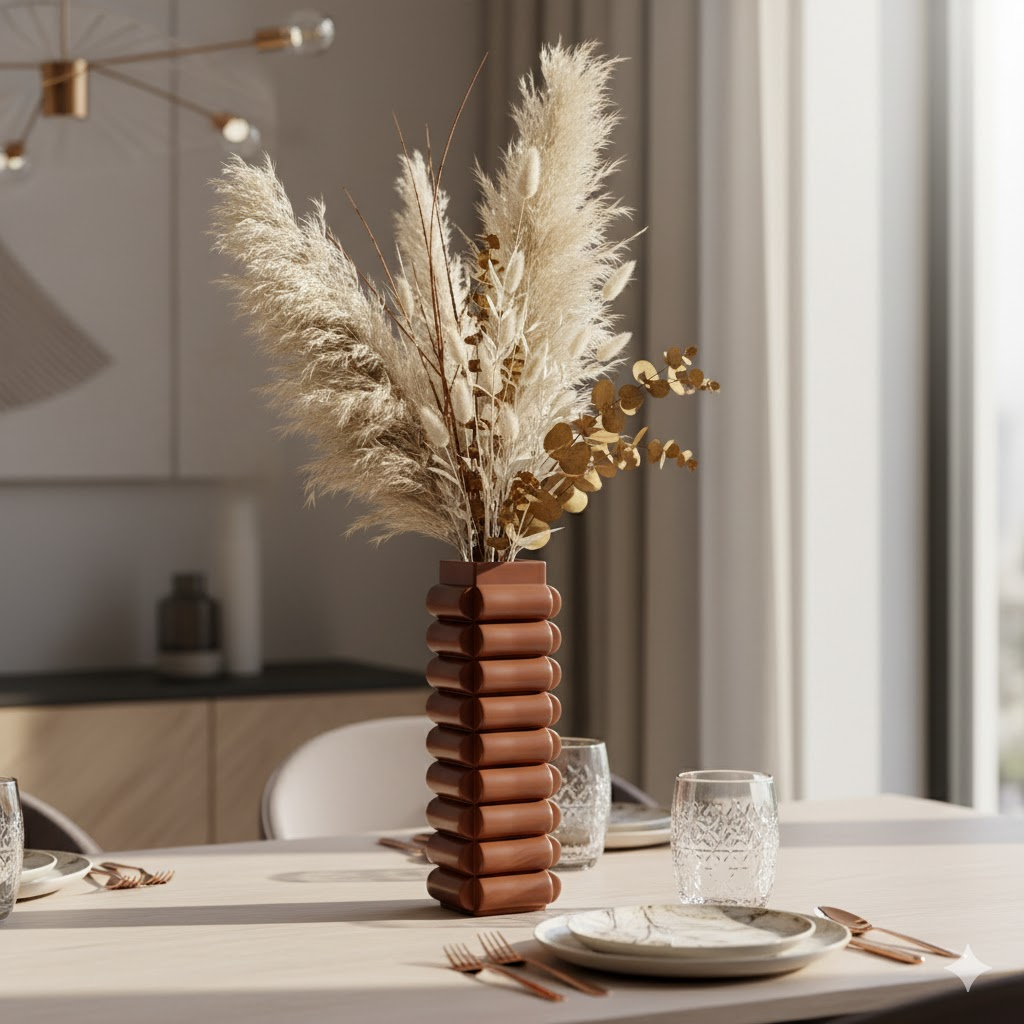
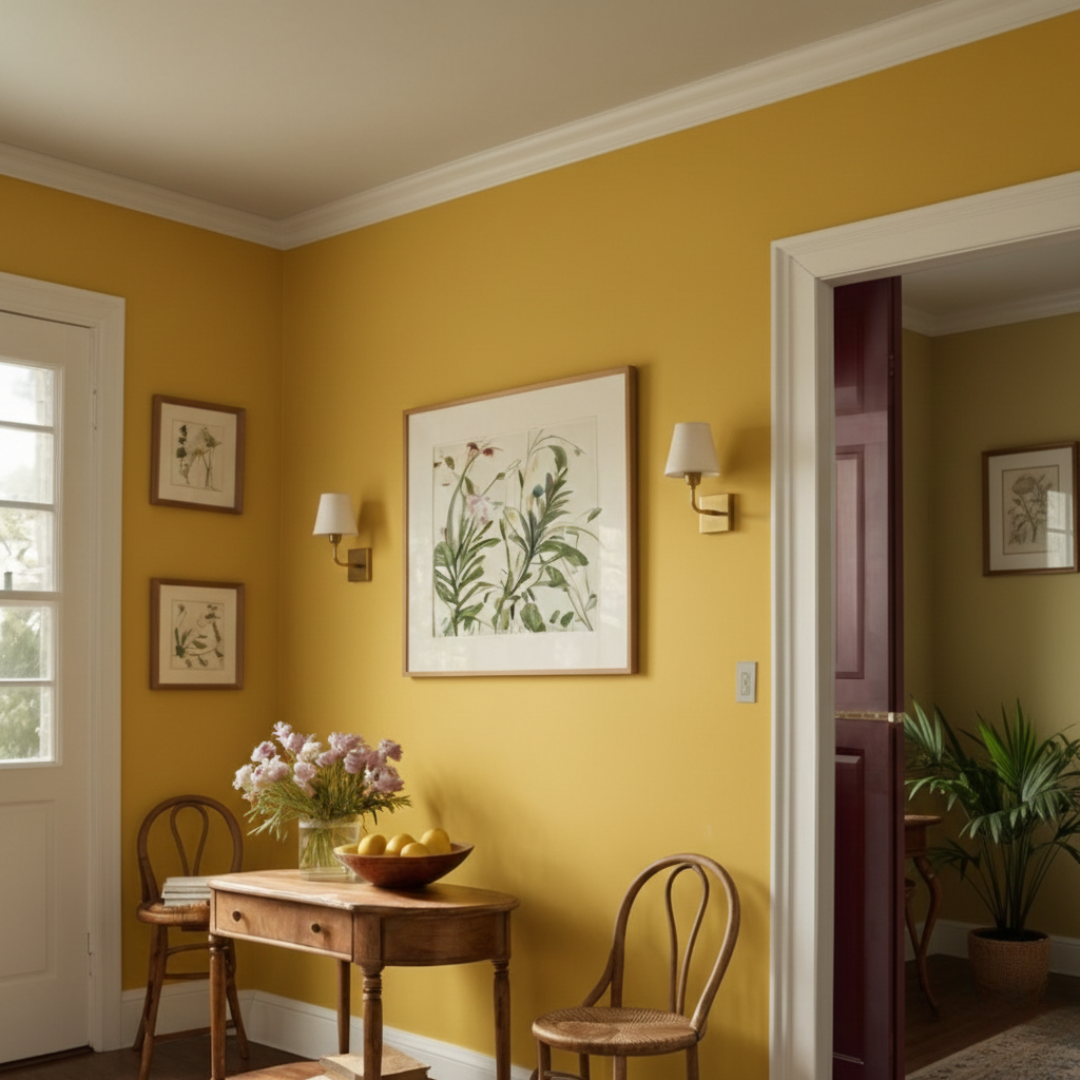
Avoid spots where people constantly walk past, such as entryways. Look for quieter zones where soft wall lights can create a gentle glow without visual noise.
Reduce Visual Clutter
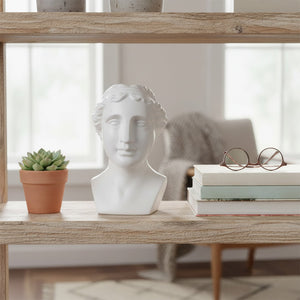
A calm space cannot compete with piles of paperwork. Display only two or three showcase items. Empty space is not wasted space. It is breathing room.
Layer Soft Lighting
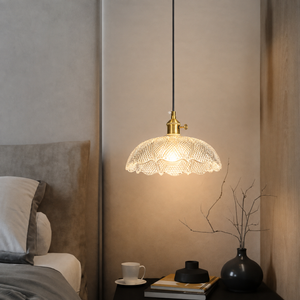
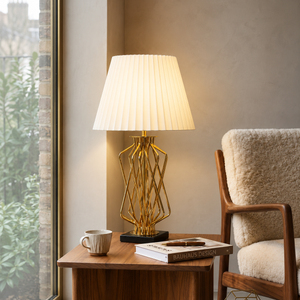
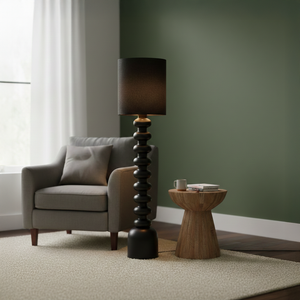
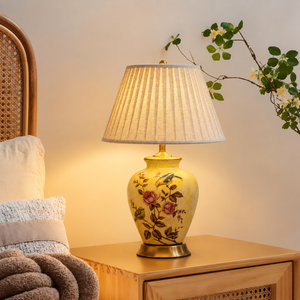
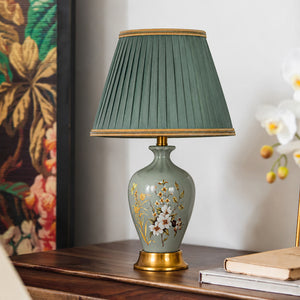
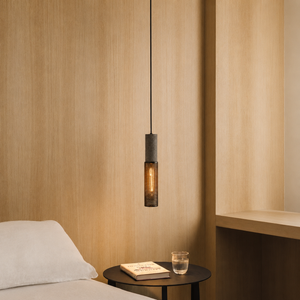
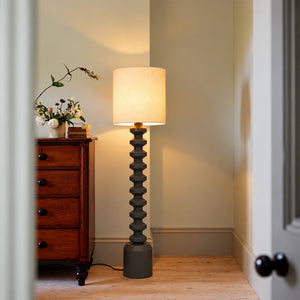
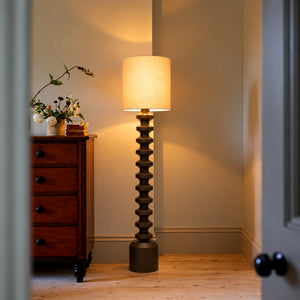
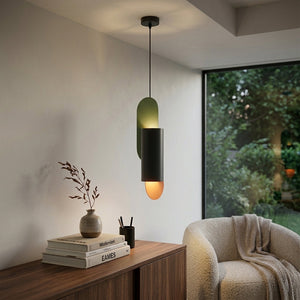
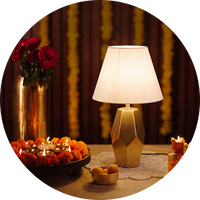
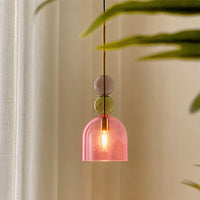
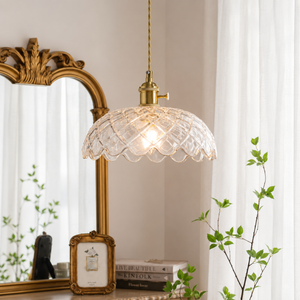
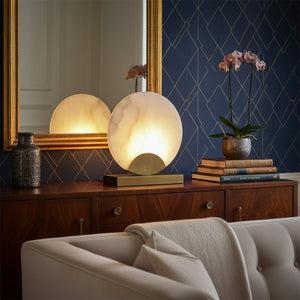
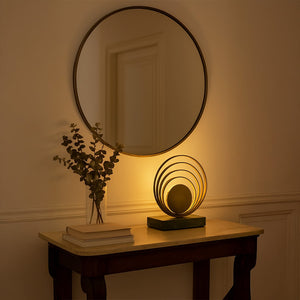
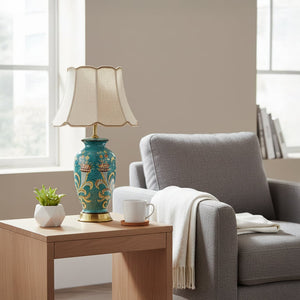
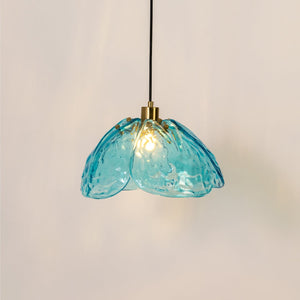
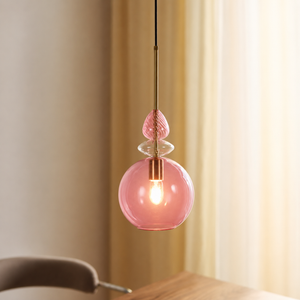
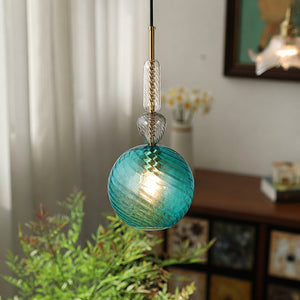
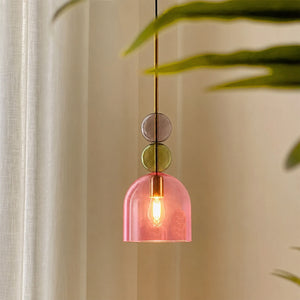
Overhead lights feel functional. Table lamps feel emotional. Place one beside your chair to create intimacy and warmth. The warmth of the light matters more than its brightness.
Add Natural, Earthy Textures
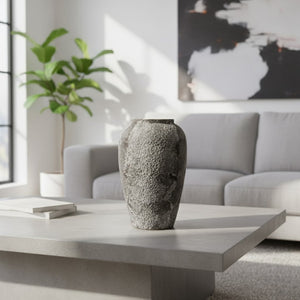
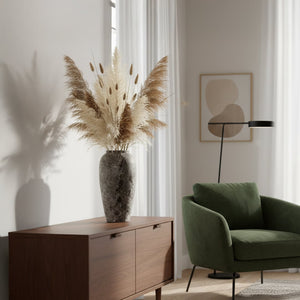
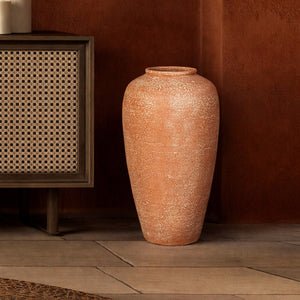
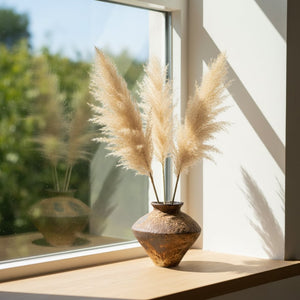
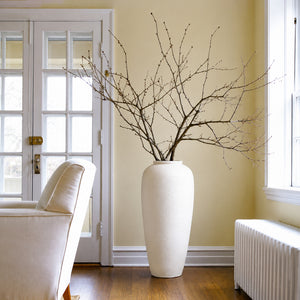
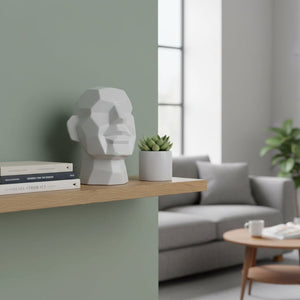
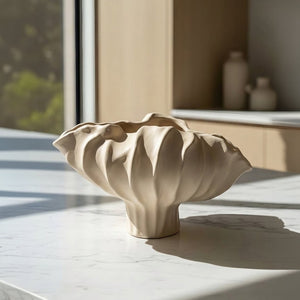
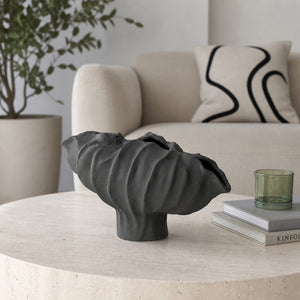
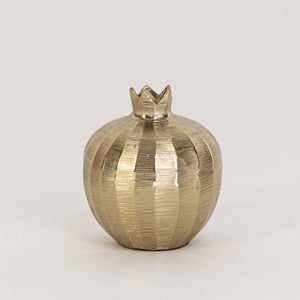
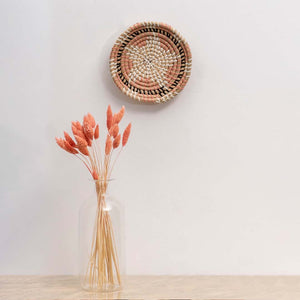
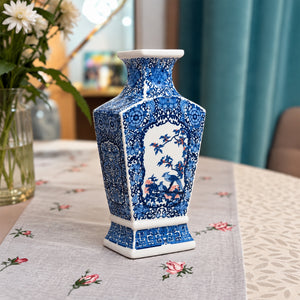
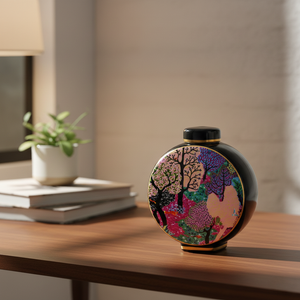
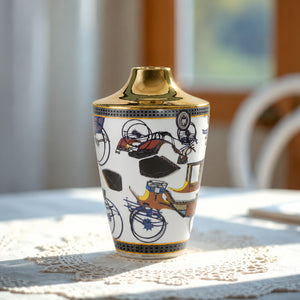
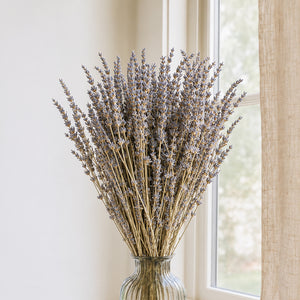
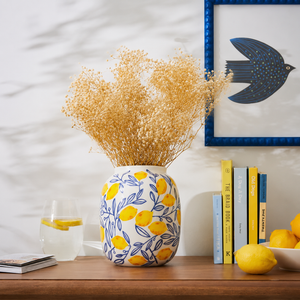
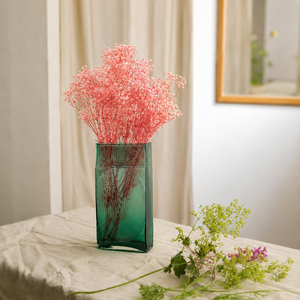
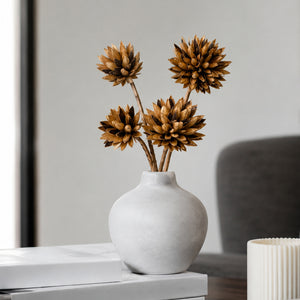
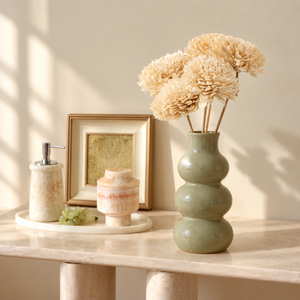
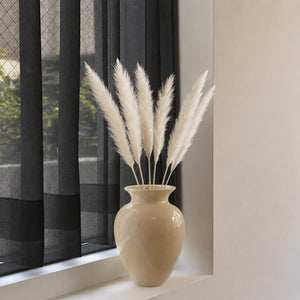
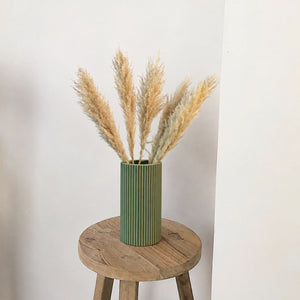
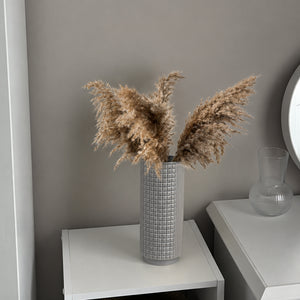
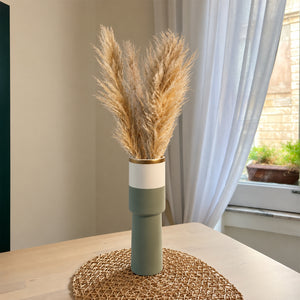
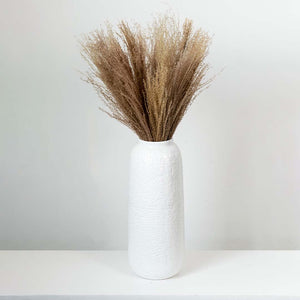
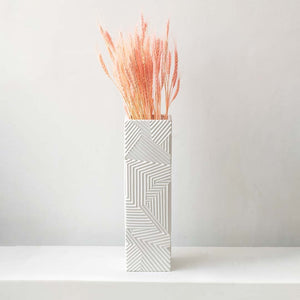
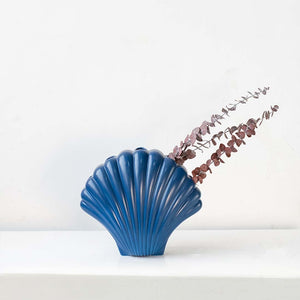
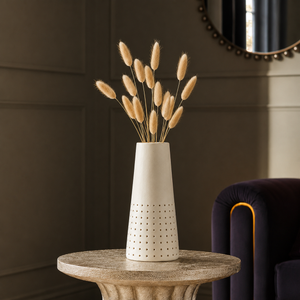
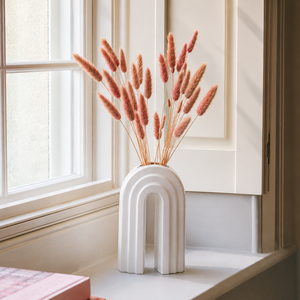
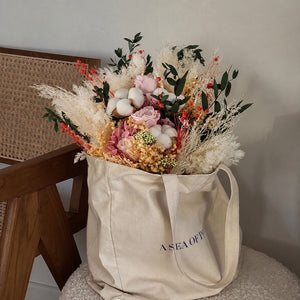
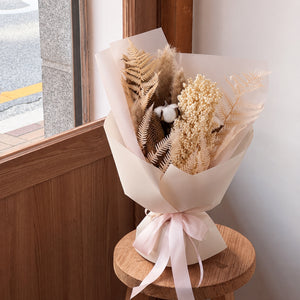
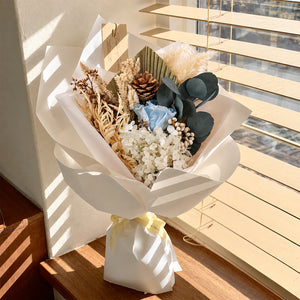
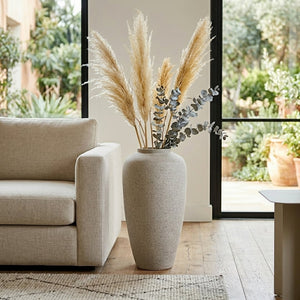
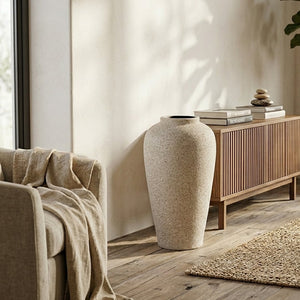
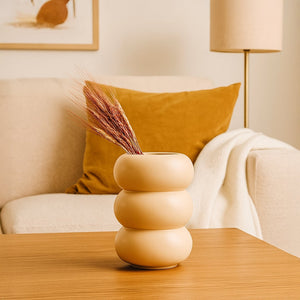
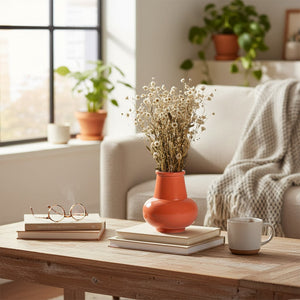
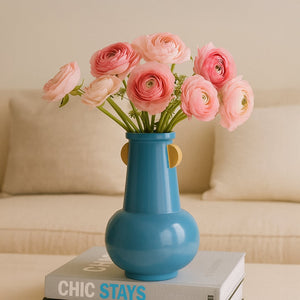
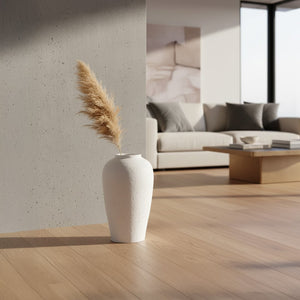
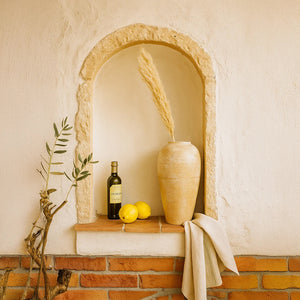
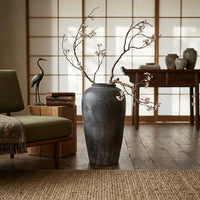
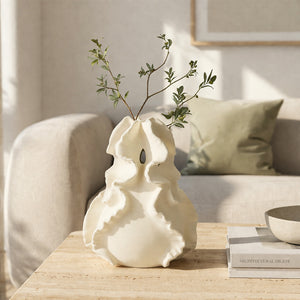
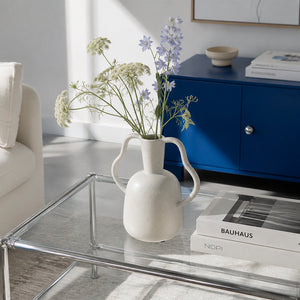
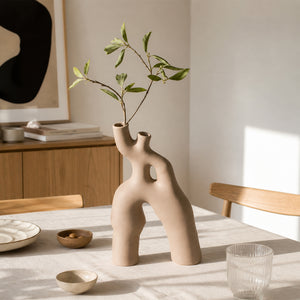
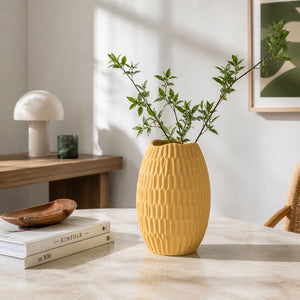
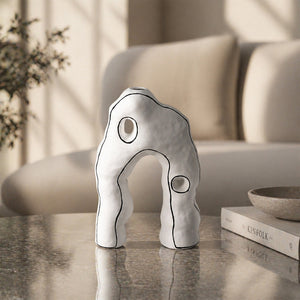
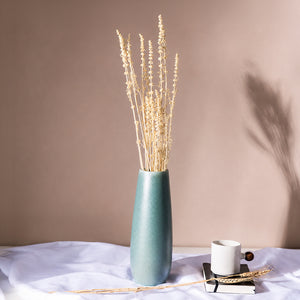
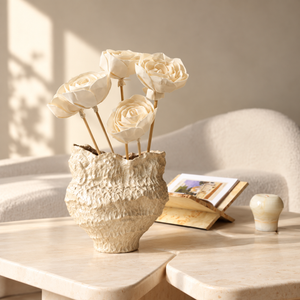
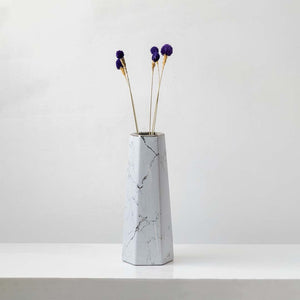
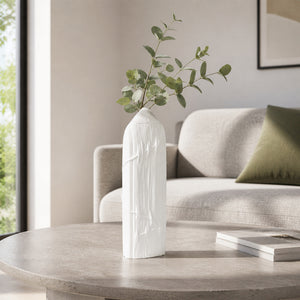
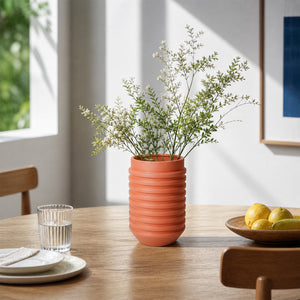
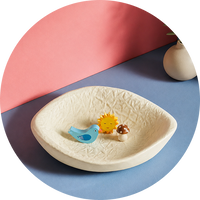
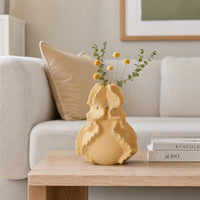
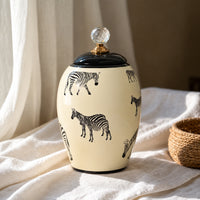
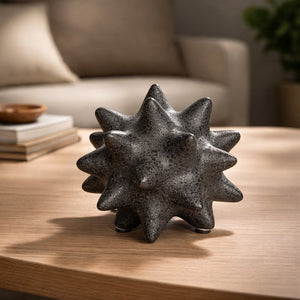
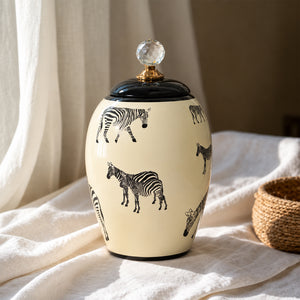
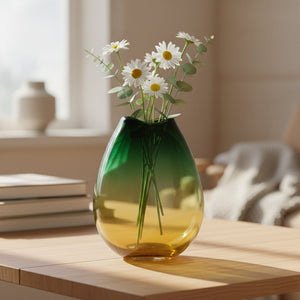
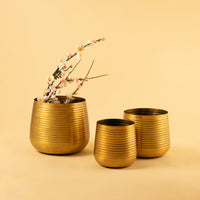
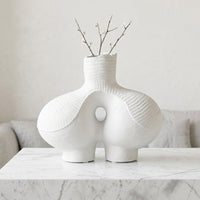
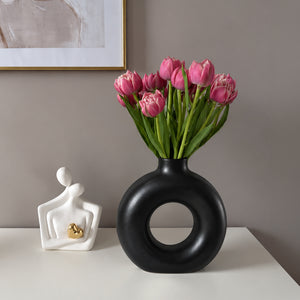
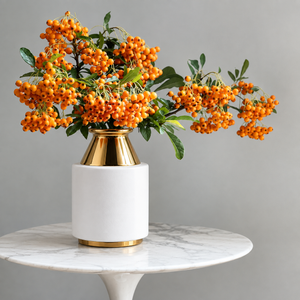
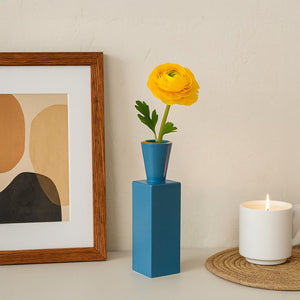
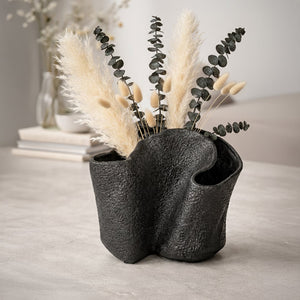
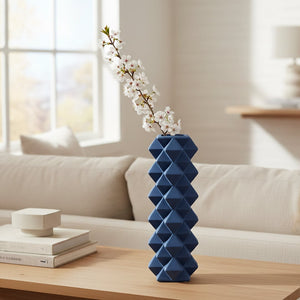
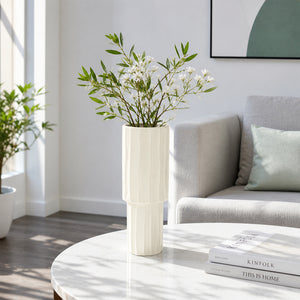
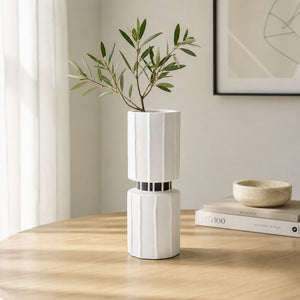
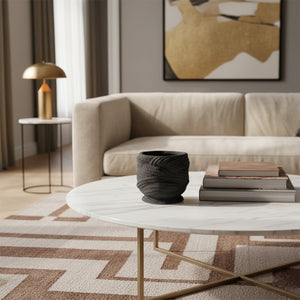
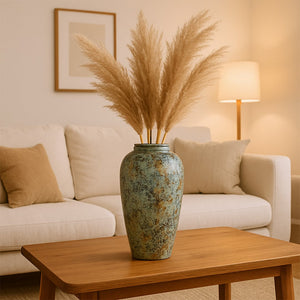
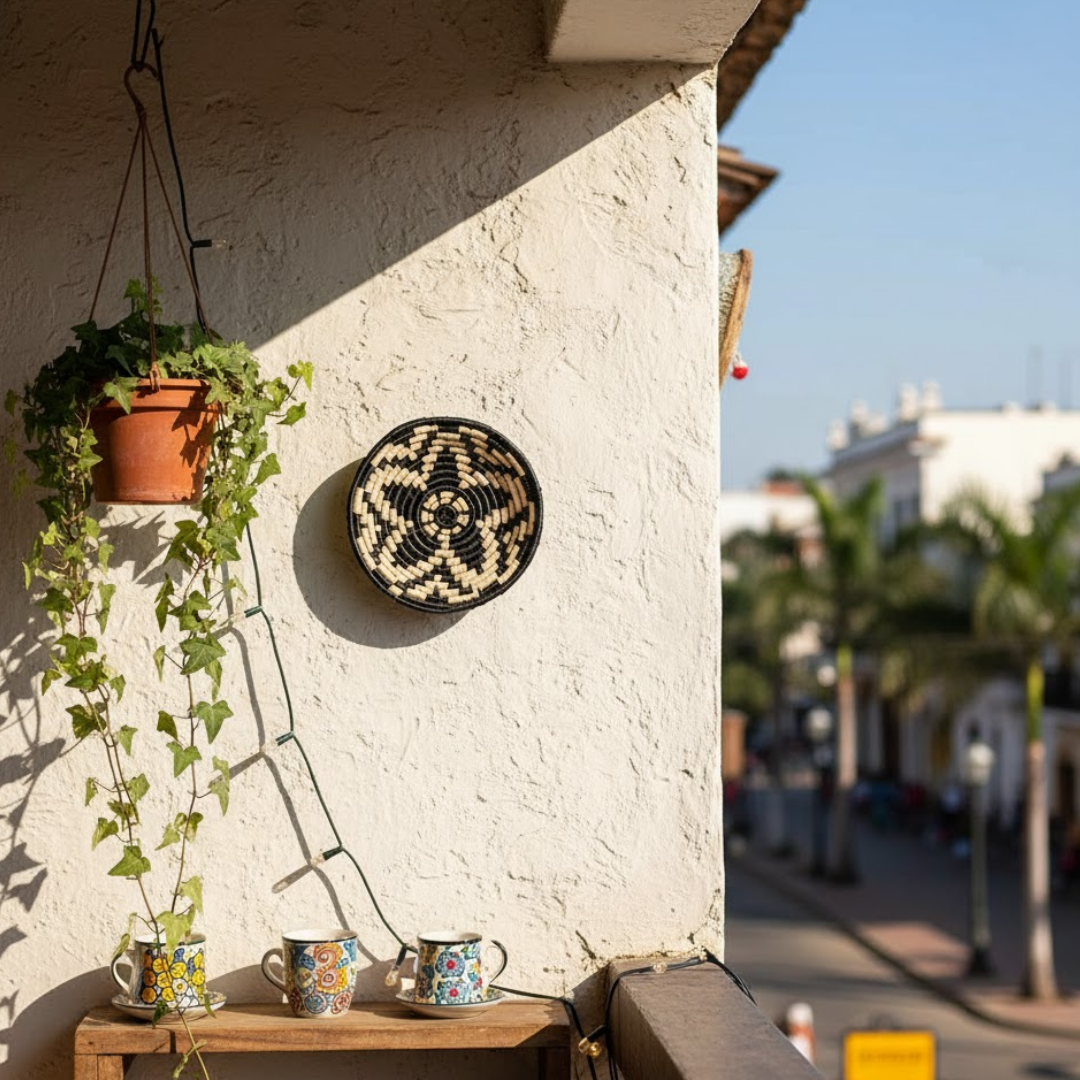
Ceramic vases, dried botanicals, woven baskets or simple branches reconnect your senses to nature. Organic shapes soften sharp edges and visually slow you down.
Anchor It With Comfort
No calm corner works without physical ease. A supportive chair with cushions and a throw makes your body feel welcome. Comfort is not optional. It is the foundation.
These rules work whether your style is modern, minimal, boho or classic.
What Do You Need to Create a Calm Corner?
You do not need much. Most calm corners are built from these six simple elements:
Comfortable Seating
An armchair, floor cushion, window seat or small sofa that invites you to stay.
Warm Lighting
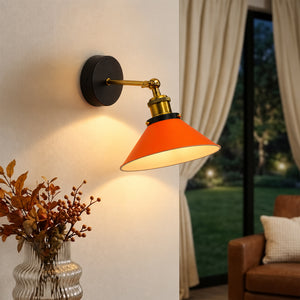
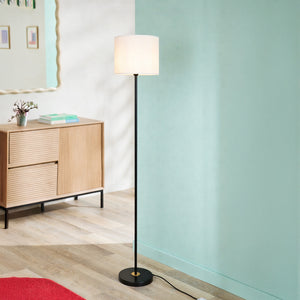
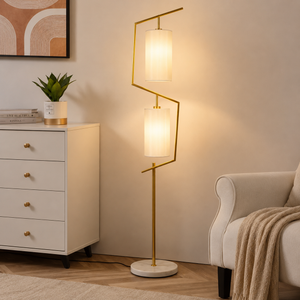
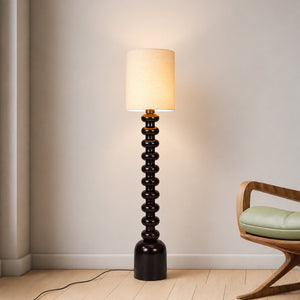
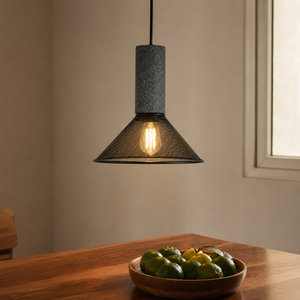
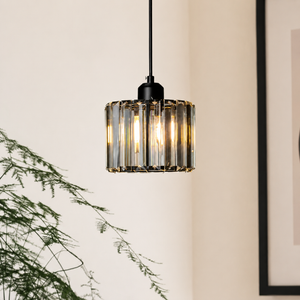
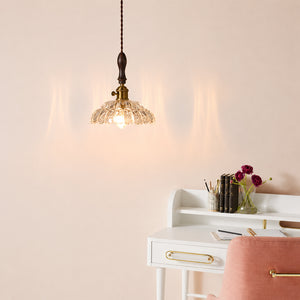
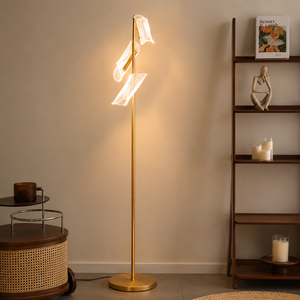
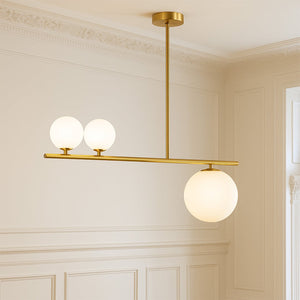
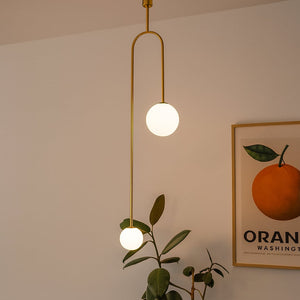
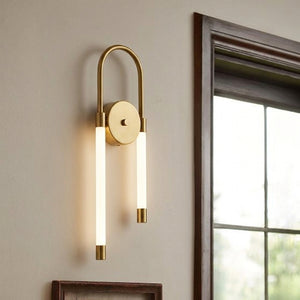
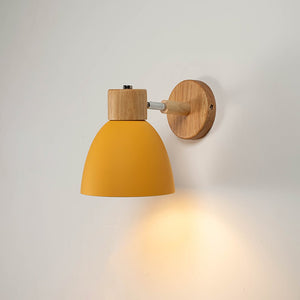
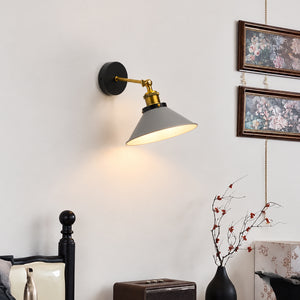
A table lamp, floor lamp or wall light with a soft, warm glow.
Soft Textiles
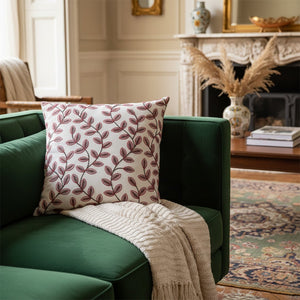
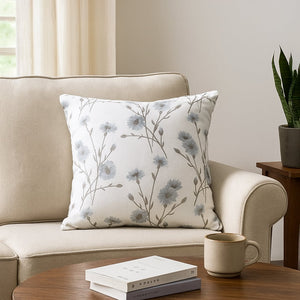
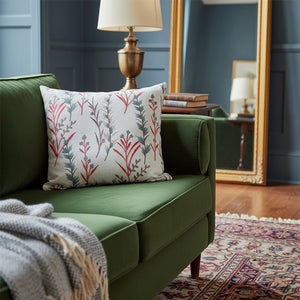
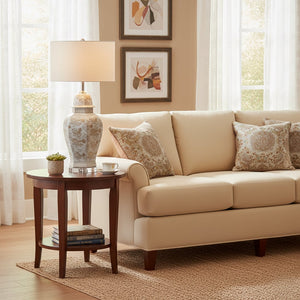
Cushions, a throw and a small rug to add comfort and define the space.
Natural Elements
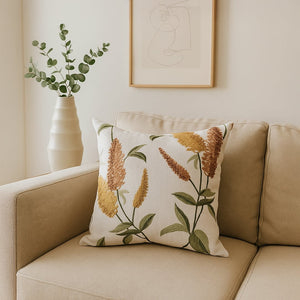
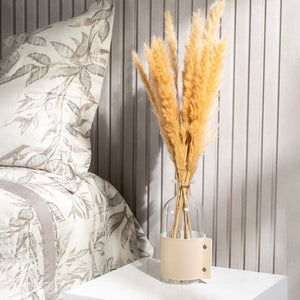
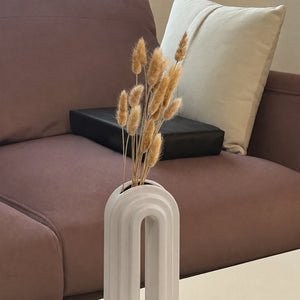
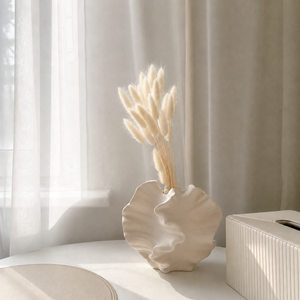
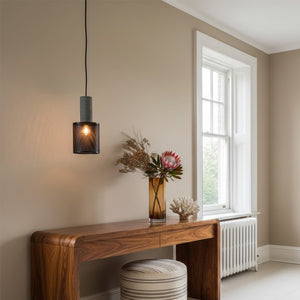
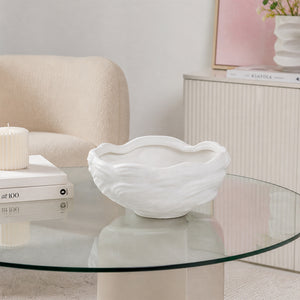
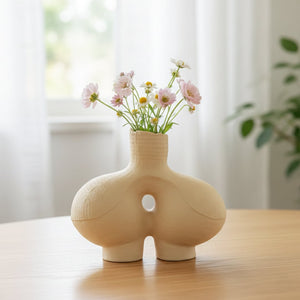
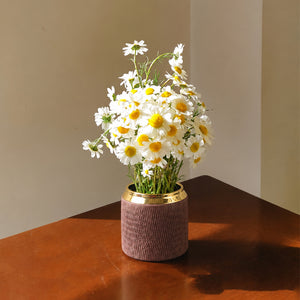
A plant, ceramic vase or dried botanicals to bring nature indoors.
A Small Surface
A side table or shelf for a cup of tea, a book or a candle.
One Personal Touch
A photo, keepsake or artwork that makes the space feel truly yours.
How to Make a Relaxing Corner Without Redesigning Your Home
If you want to create a relaxing corner using mostly what you already own, follow this simple process:
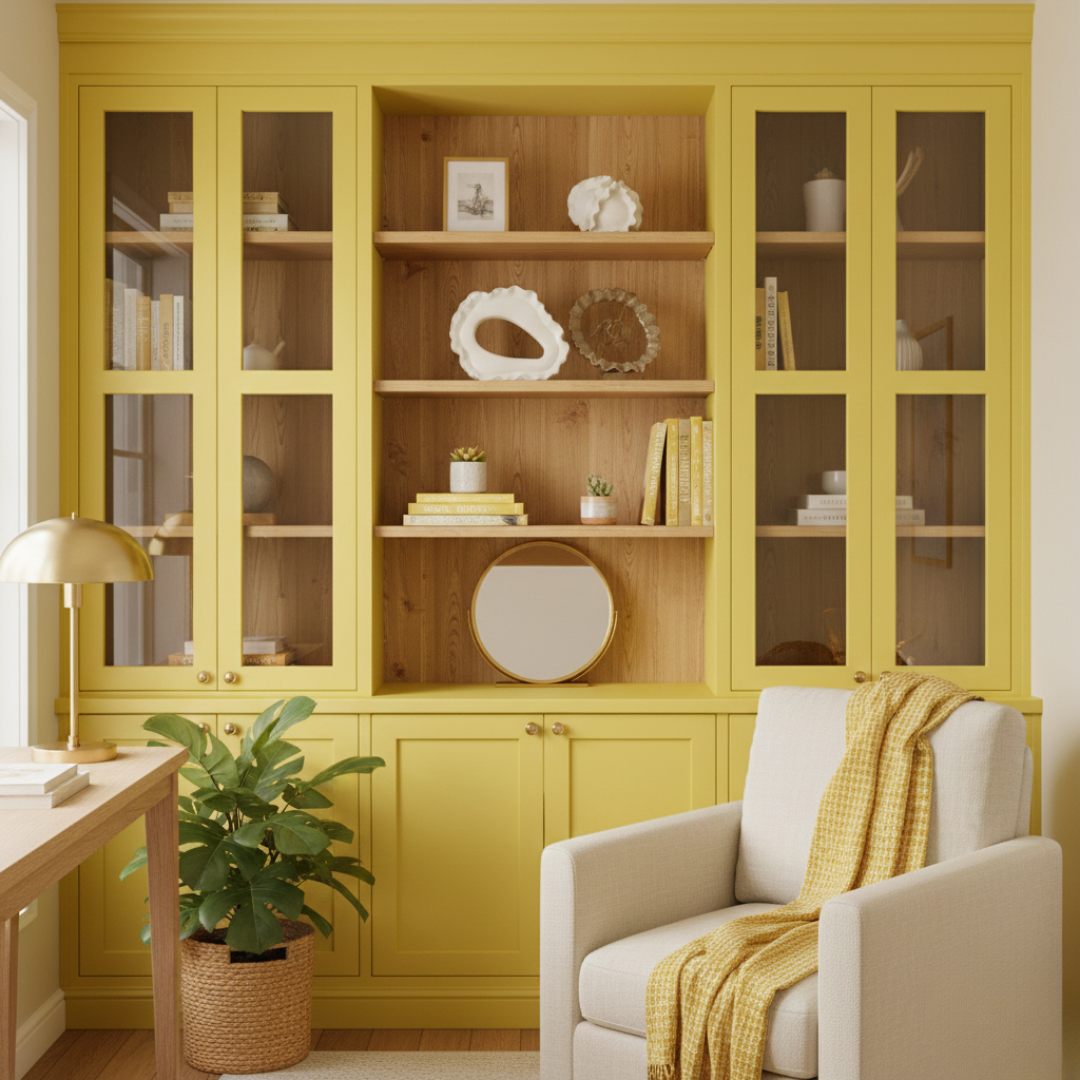
Reclaim One Square Metre
Define your space with a small rug. Even a compact rug visually marks territory and makes a corner feel intentional rather than accidental.
Introduce Vertical Calm
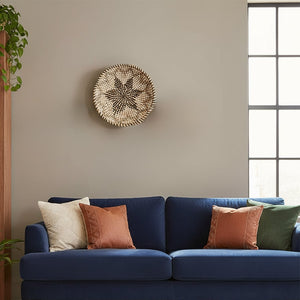
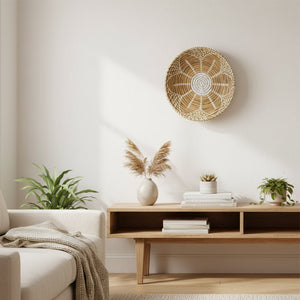
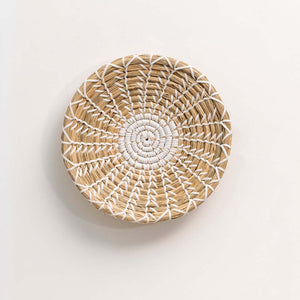
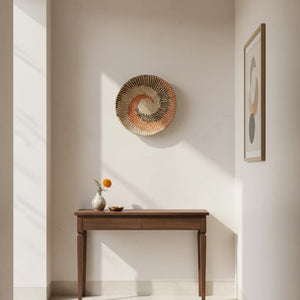
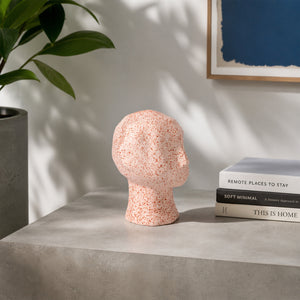
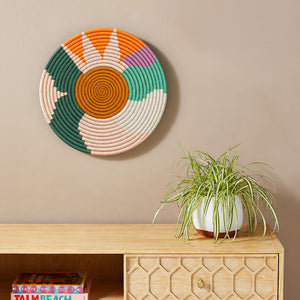
Blank walls feel cold, and crowded walls feel loud. Choose one soft artwork or textured piece of wall decor to guide your eyes upward.
Add Gentle Storage
A woven basket beside your chair can hold books, journals or blankets. Hidden storage preserves calm.
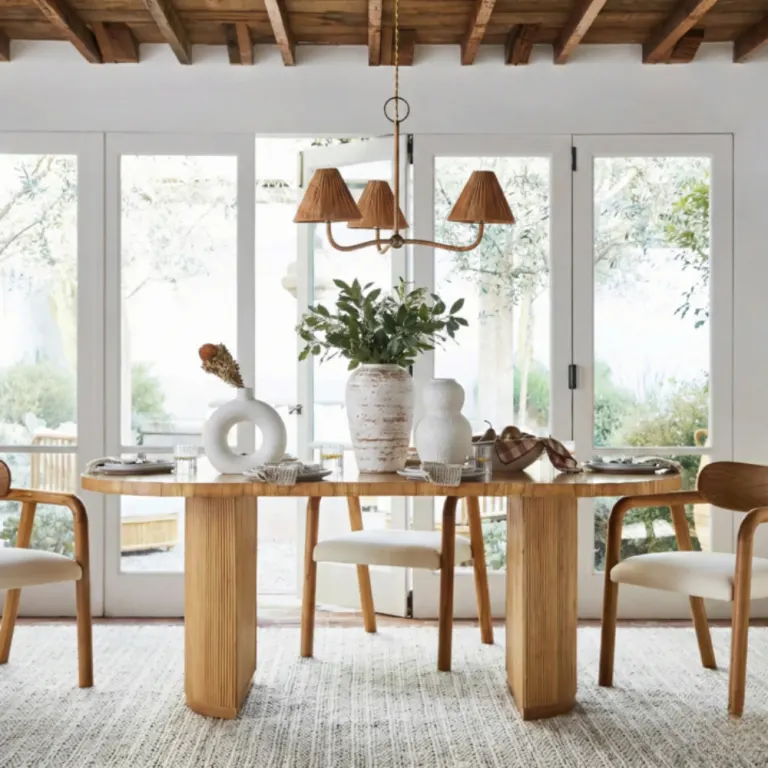
Add a Personal Touch
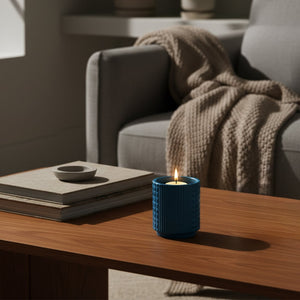
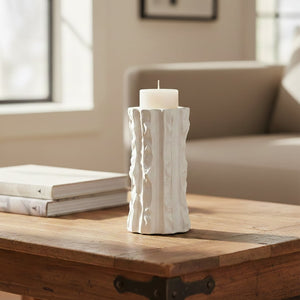
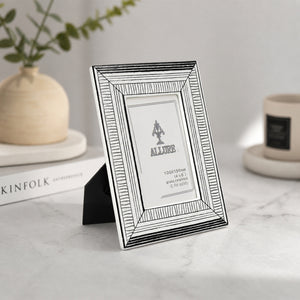
One candle, one framed photo, one decorative object. Do not exceed three. Emotional anchors matter more than trends.
Turn It Into a Ritual
Use the corner at the same time each day, even for ten minutes. A morning tea or an evening read trains your mind to slow down there.
Reset It Every Week
Clear anything that has crept in, fluff the cushions and refresh flowers. A calm corner stays calm only when it is cared for.
What Is the Best Lighting for a Calm Corner?
Lighting does more to set the mood of a calm corner than anything else. The goal is soft, warm, low-level light that feels like a sunset rather than an office.
Table Lamps
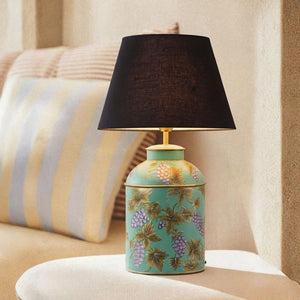
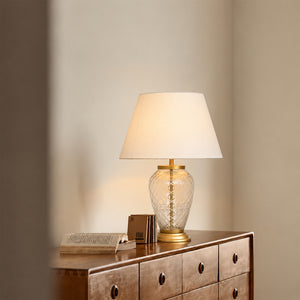
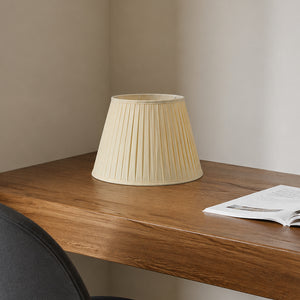
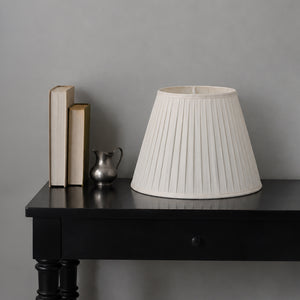
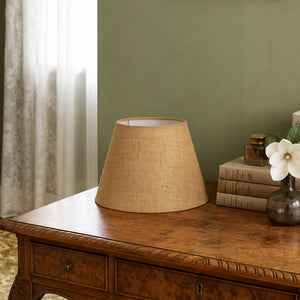
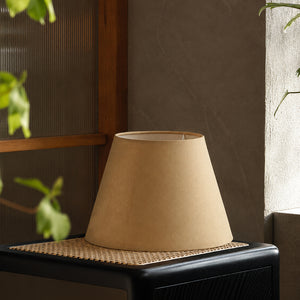
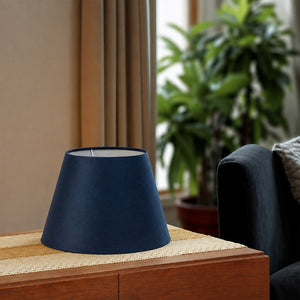
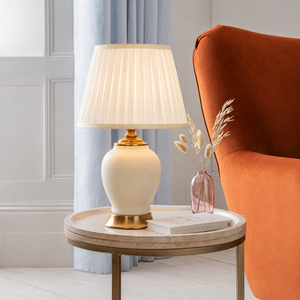
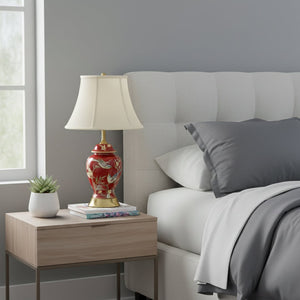
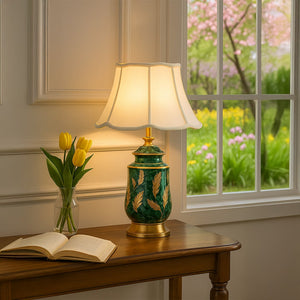
A table lamp with a fabric shade gives cosy, eye-level light for reading and relaxing.
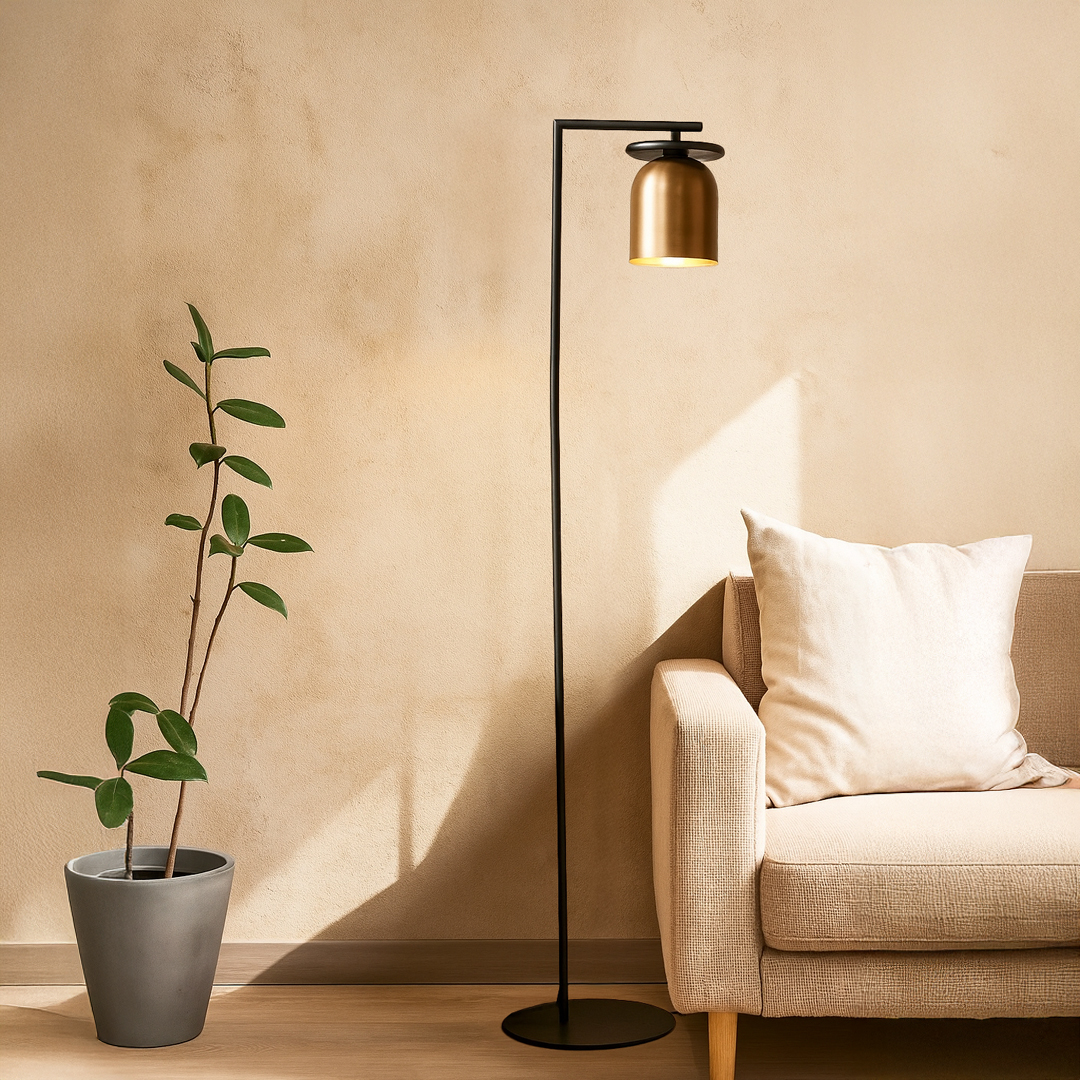
Floor Lamps
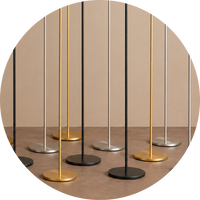
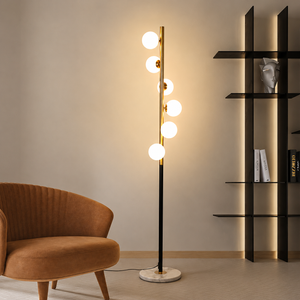
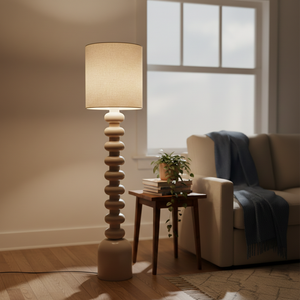
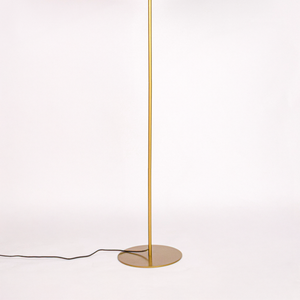
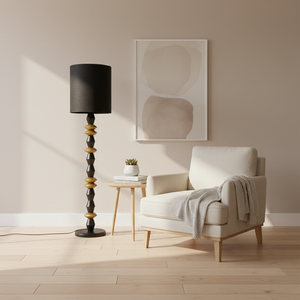
A floor lamp beside an armchair lights your book without taking up surface space.
Wall Lights
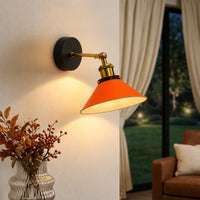
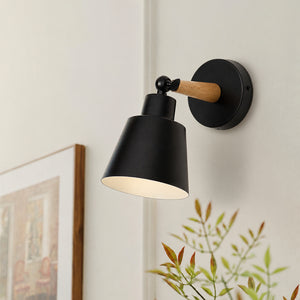
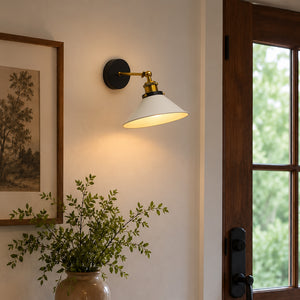
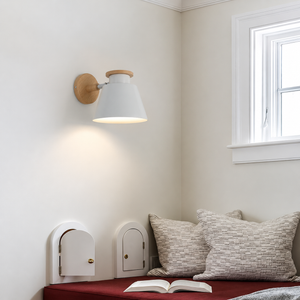
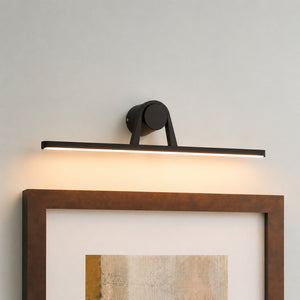
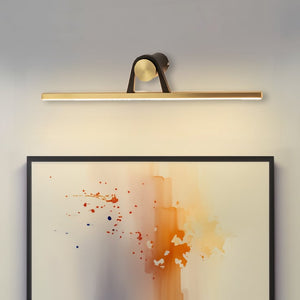
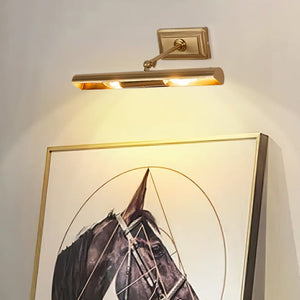
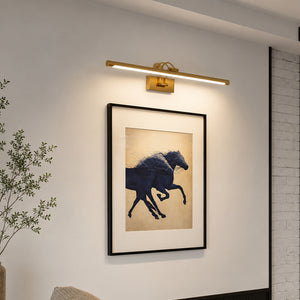
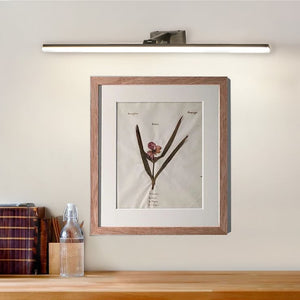
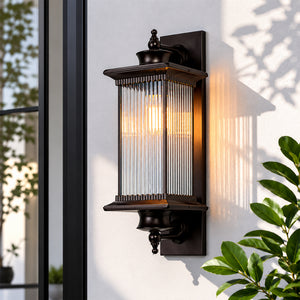
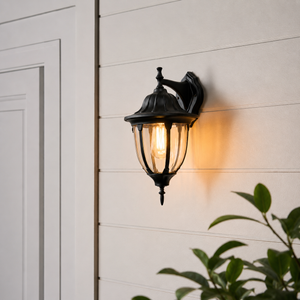
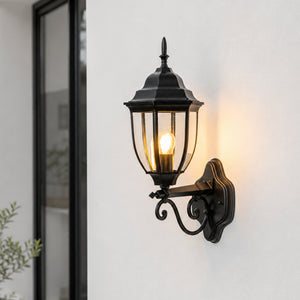
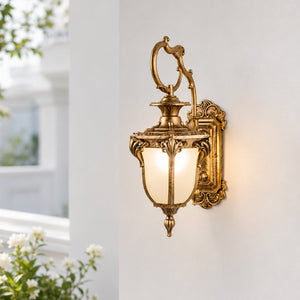
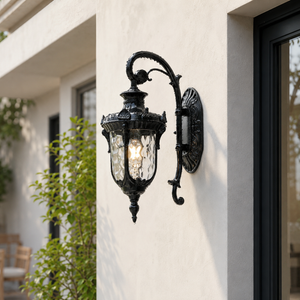
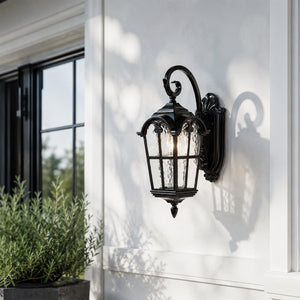
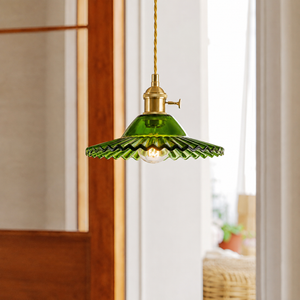
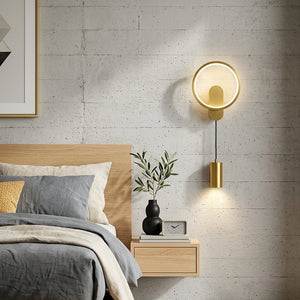
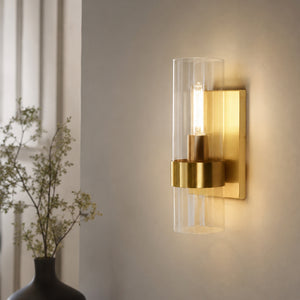
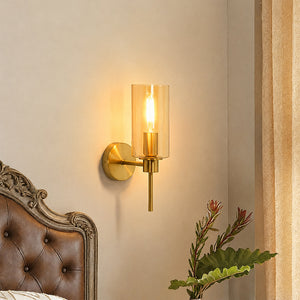
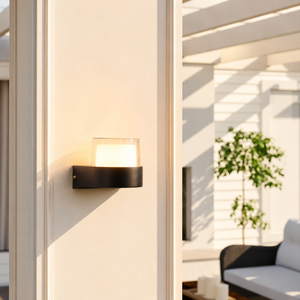
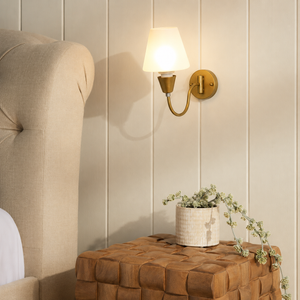
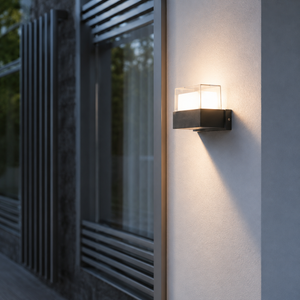
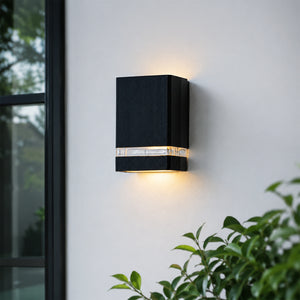
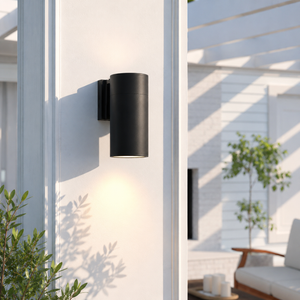
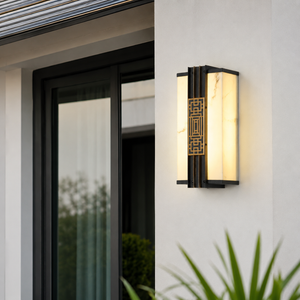
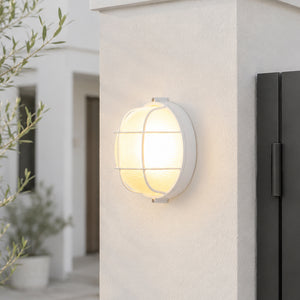
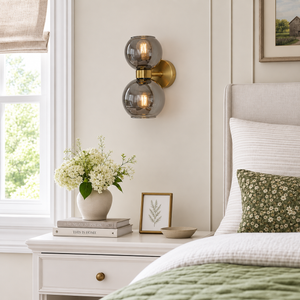
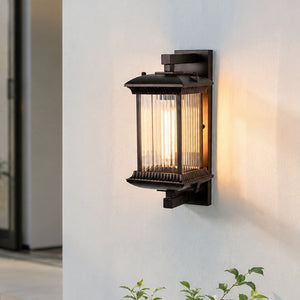
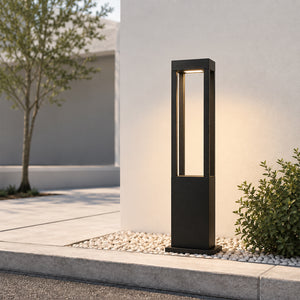
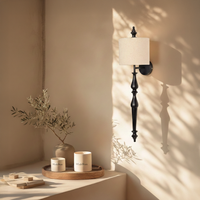
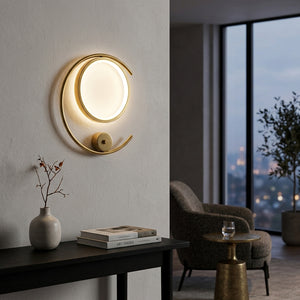
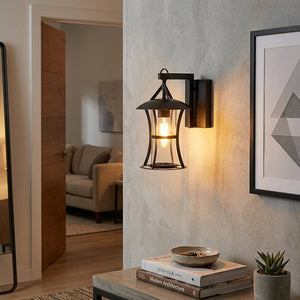
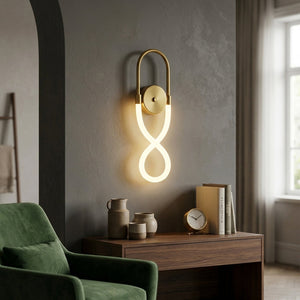
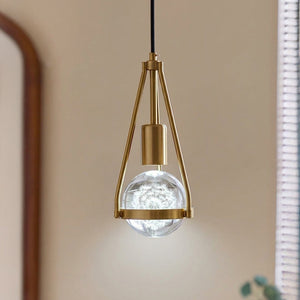
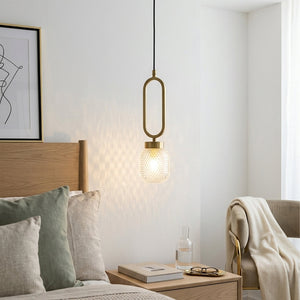
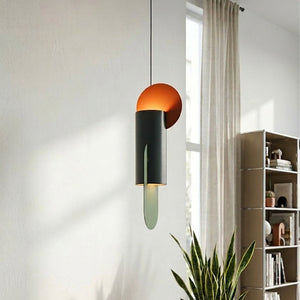
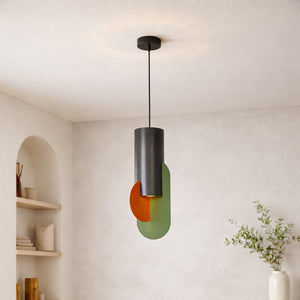
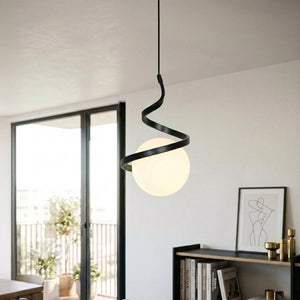
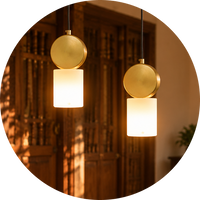
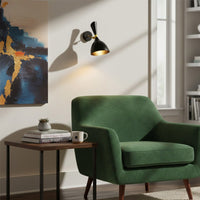
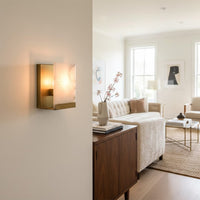
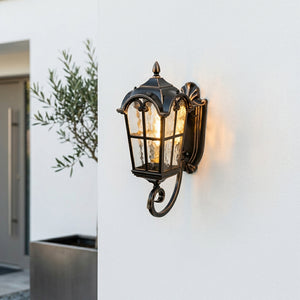
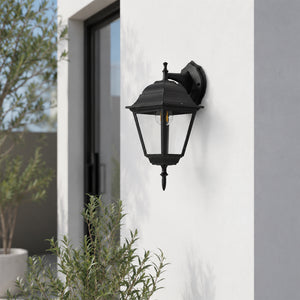
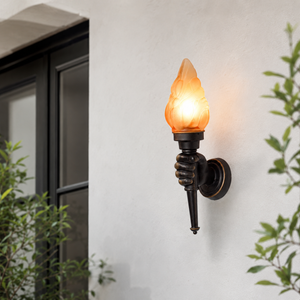
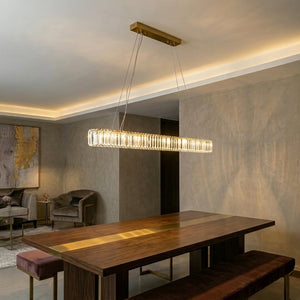
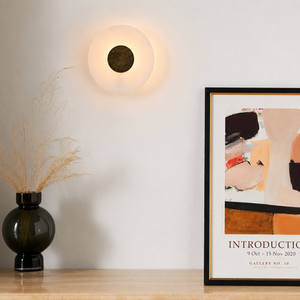
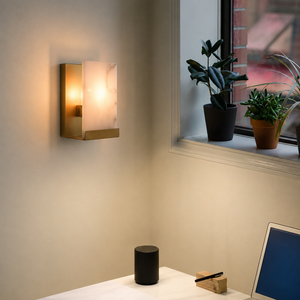
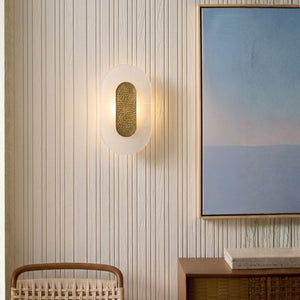
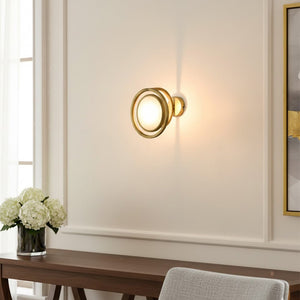
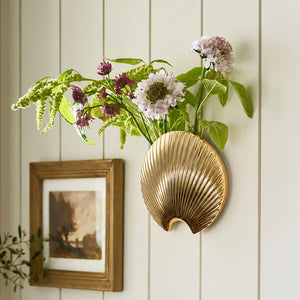
Wall lights save floor and table space and create a gentle wash of light on the wall.
Candles & Lanterns
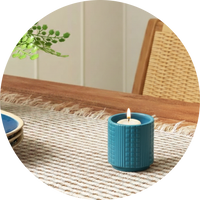
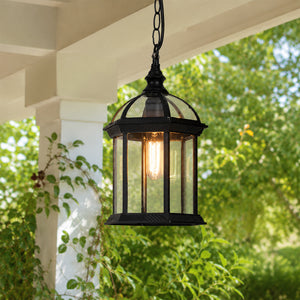
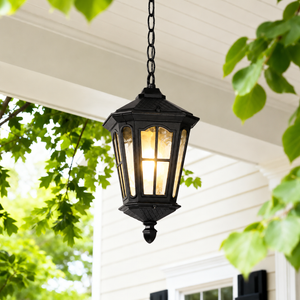
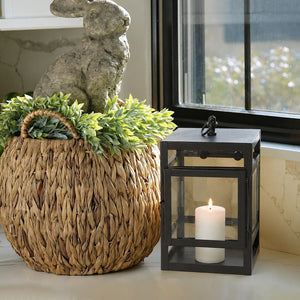
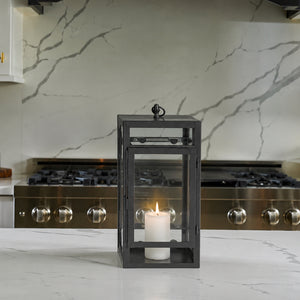
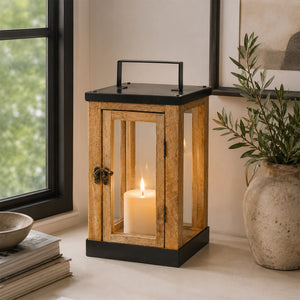
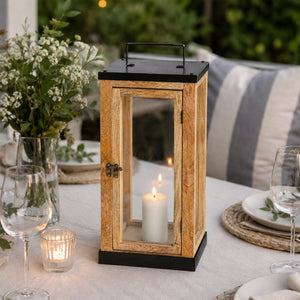
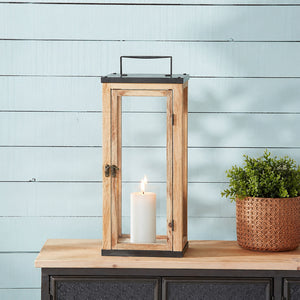
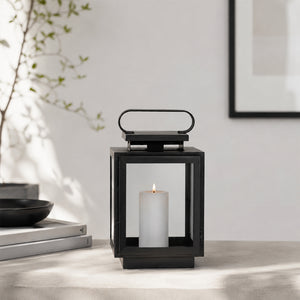
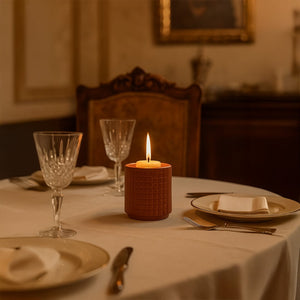
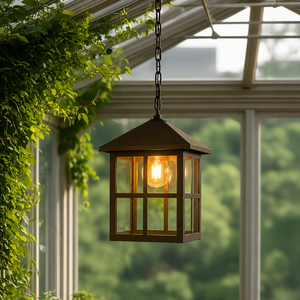
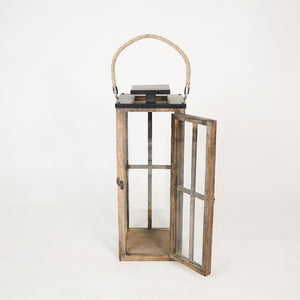
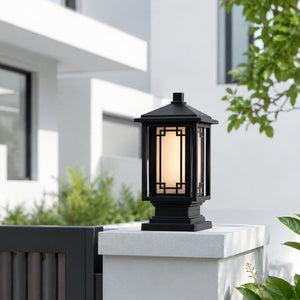
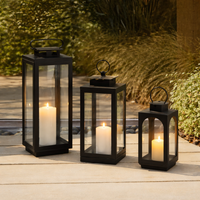
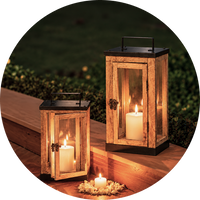
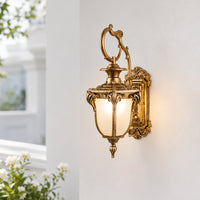
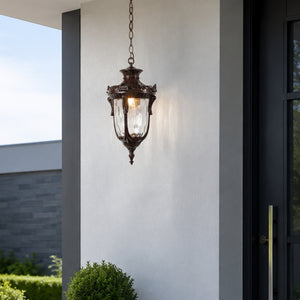
A flicker of candlelight or a small lantern adds instant warmth in the evening.
Lighting tip: Choose warm white bulbs (around 2700K) and keep the light below eye level where possible. Turn off bright overhead lights when you use your calm corner.
How to Create Calm Using Sensory Balance
Many people focus only on how a calm corner looks. True calm is multi-sensory. Here is how to balance every sense:
- Sight – soft natural light by day, warm lamps by night
- Touch – velvet, linen, cotton and chunky knits
- Sound – rugs, curtains and plants soften echo and noise
- Smell – a subtle candle, incense or fresh flowers
- Temperature – a throw for winter, a breezy spot for summer
Each layer adds to a feeling of comfort and safety.
Which Colours Make a Corner Feel Calm?
Soft, nature-inspired colours help a space feel restful. Choose one main palette and repeat it in cushions, throws and decor:
Warm Neutrals
Cream, beige and oatmeal feel soft and timeless.
Sage & Olive
Muted greens bring the calm of nature indoors.
Soft Blues
Dusty and powder blues feel cool and peaceful.
Earthy Terracotta
Clay and rust tones add grounding warmth.
Calm Corner Ideas for Every Room
Living Room Retreat
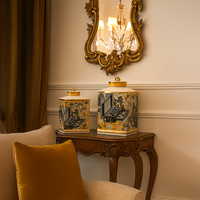
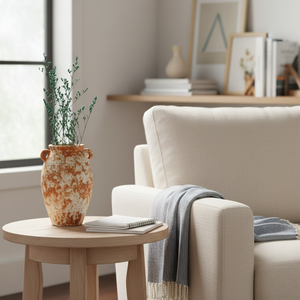
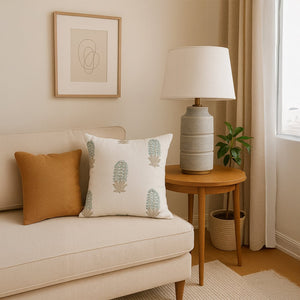
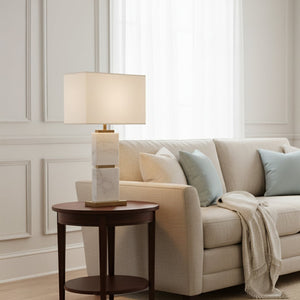
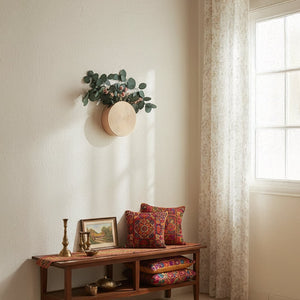
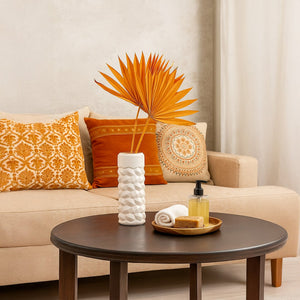
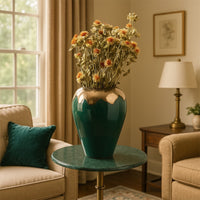
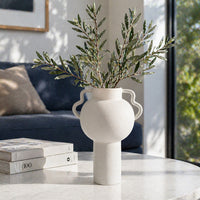
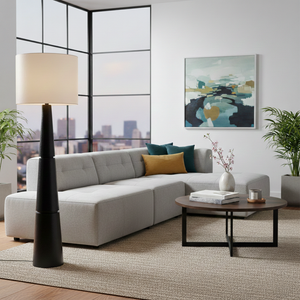
Place a lamp beside a reading chair, add a side table and finish with a ceramic vase. This becomes your evening wind-down zone.
Bedroom Sanctuary
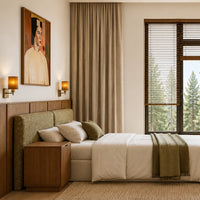
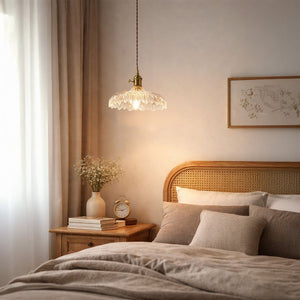
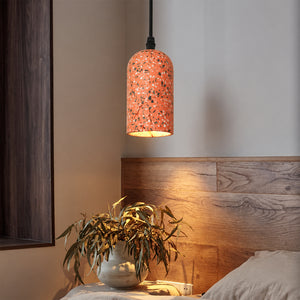
A bedside calm corner is perfect for morning breathing or night-time journaling. Keep the lighting low and the surfaces clear.
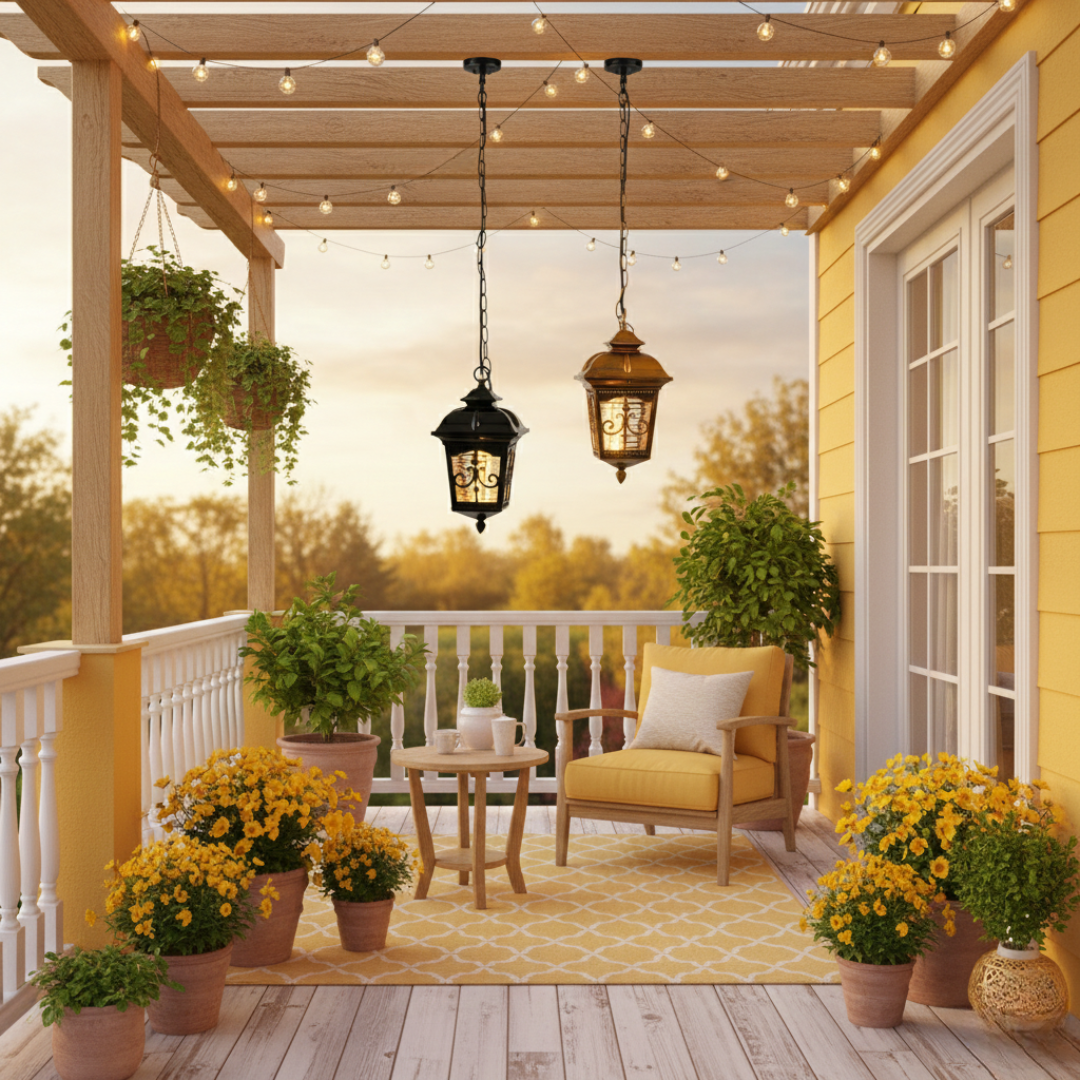
Balcony Escape
Even small balconies can hold floor cushions with cushion covers, lantern lighting and a few plants for sunrise tea rituals.
Workday Reset
A calm corner near your home office desk is perfect for short breaks that help prevent burnout.
Window Reading Nook
Use a window seat or low chair with cushions to enjoy natural light during the day.
Meditation & Prayer Corner
A floor cushion, a brass diya or candle and a simple backdrop create a peaceful spot for reflection.
Staircase Landing
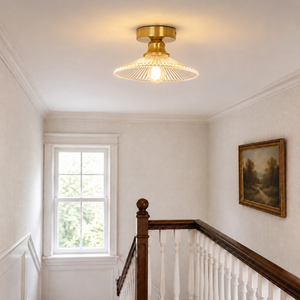
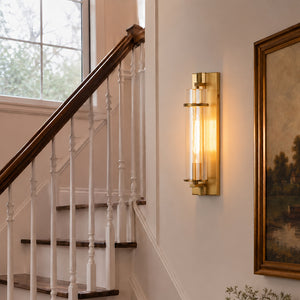
A small bench, a wall light and one plant can turn an empty landing into a pause point.
Small Apartment Corner
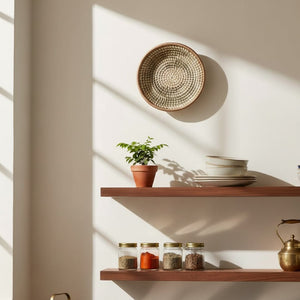
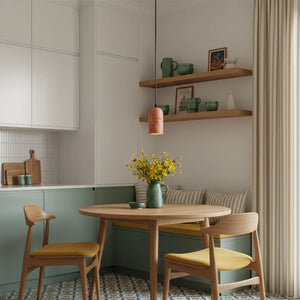
Use a wall light and wall shelf instead of a lamp and table to save floor space.
How Do You Create a Calm Corner for Children?
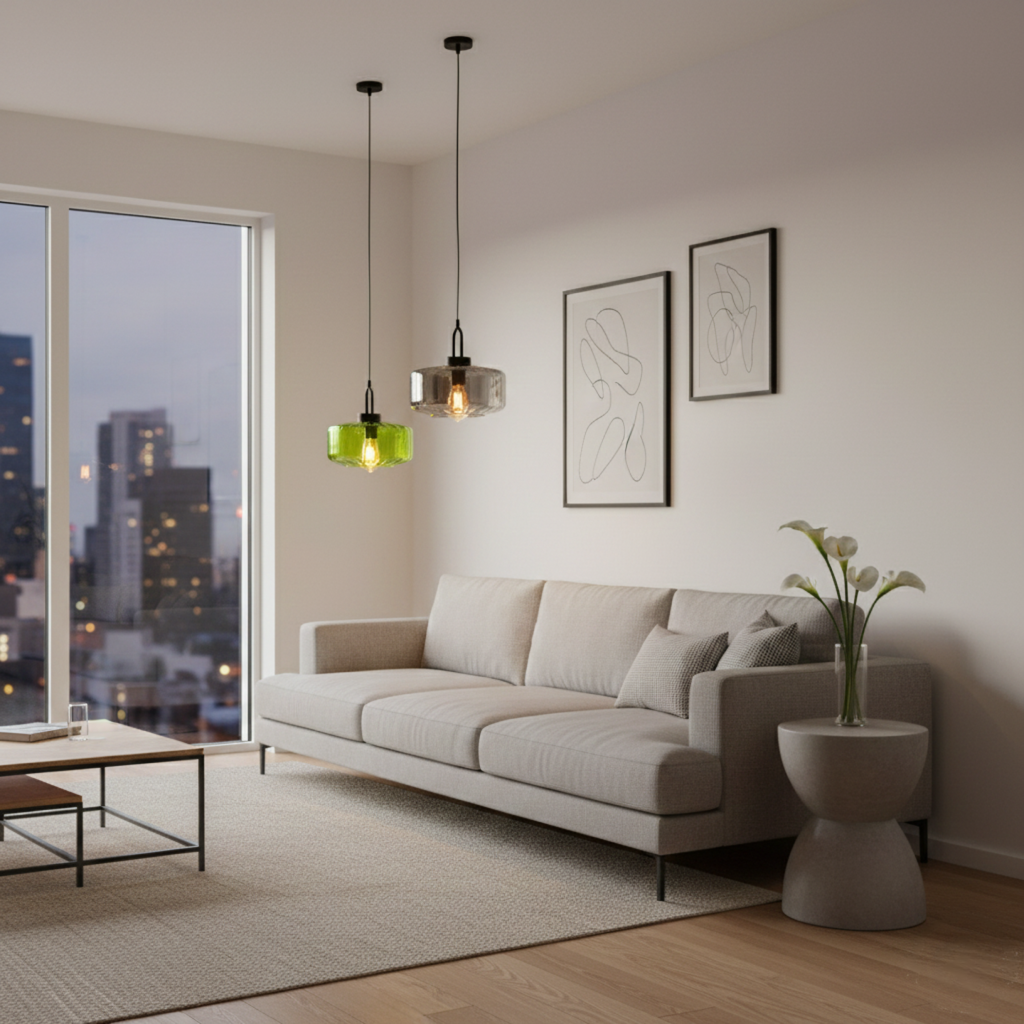
A calm corner for children supports emotional regulation rather than discipline. It is a place they choose to go when they feel overwhelmed, not a place they are sent to.
Soft rugs, floor cushions and gentle lighting help children to:
- Process big feelings safely
- Enjoy quiet play or reading
- Learn to self-soothe
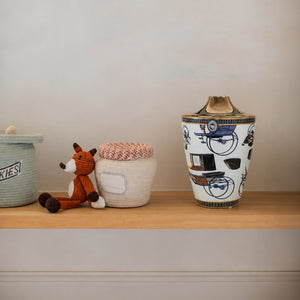
Add a few picture books, a soft toy and a small basket so the space feels inviting and easy to tidy.
How Can a Calm Corner Support Your Wellbeing?
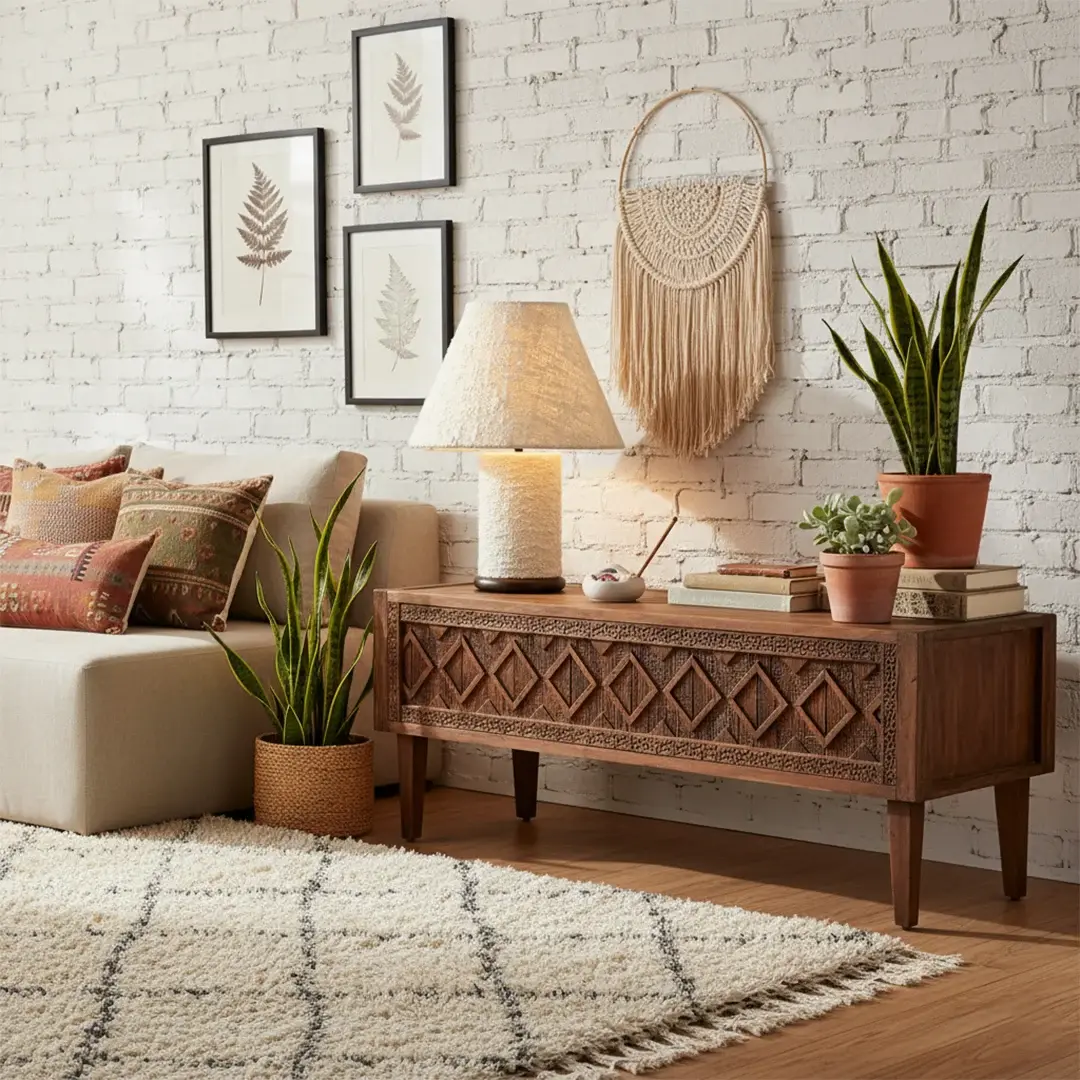
Environmental psychology suggests that our surroundings shape how we feel. A dedicated rest space gives your mind a clear signal that it is time to slow down.
Many people find that having even one calm corner helps with:
- Winding down before sleep
- Feeling less overwhelmed after a busy day
- Better focus during short breaks
- A stronger emotional connection to home
"Design becomes self-care."
Common Calm Corner Mistakes
- Choosing a busy spot near doors or the TV
- Using harsh, cool overhead light
- Over-decorating with too many objects
- Picking a chair that looks good but feels hard
- Letting the corner turn into extra storage
Simple Weekly Habits
- Clear away anything that does not belong
- Fluff cushions and fold the throw
- Refresh flowers or water plants
- Dust lamps, vases and shelves
- Swap one decor piece each season
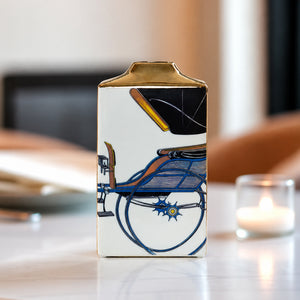
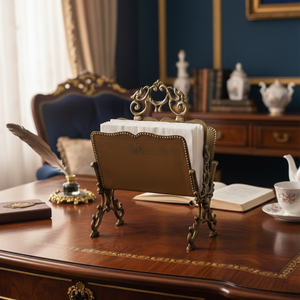
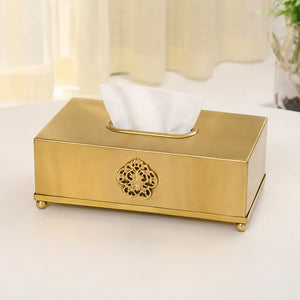
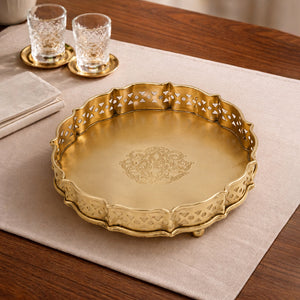
Everything You Need for a Calm Corner
Frequently Asked Questions About Calm Corners
What is a calm corner?
A calm corner is a small, personalised area in your home created for rest, reflection or gentle activities such as reading, journaling, meditation or simply sitting quietly. It uses soft lighting, comfortable seating and natural textures to help you slow down.
How do you create a calming corner at home?
Choose a quiet, low-traffic spot, add a comfortable seat and a small rug, then layer warm lighting such as a table lamp or wall light. Finish with natural textures like a ceramic vase or plant and keep only two or three meaningful objects on display.
How do you make a relaxing corner in a small space?
Use a wall light and a wall shelf instead of a lamp and side table to save floor space. A floor cushion or compact chair, a small rug and one plant are enough to create a relaxing corner even in a small apartment.
What should I put in a calm corner?
The essentials are comfortable seating, warm lighting, soft textiles like cushions and a throw, a natural element such as a plant or dried botanicals, a small surface for a cup or book, and one personal touch like a photo.
What is the best lighting for a calm corner?
Soft, warm, low-level lighting works best. A table lamp, floor lamp or wall light with a warm white bulb of around 2700K creates a cosy glow, while bright overhead lights should be switched off.
Which colours are best for a calming space?
Warm neutrals like cream and beige, muted greens like sage and olive, soft dusty blues and earthy terracotta tones all feel restful. Choose one palette and repeat it across cushions, throws and decor.
Where is the best place for a calm corner?
The best place is a quiet, low-traffic spot with some natural light, such as beside a window, at the end of a bedroom, on a balcony or on a staircase landing. Avoid areas near doors, the TV or busy walkways.
What are the rules for a calm corner?
Choose a low-traffic area, reduce visual clutter, layer soft lighting, add natural textures and anchor the space with comfortable seating. These rules work with any interior style.
How do you create a calm corner for children?
Use soft rugs, floor cushions, gentle lighting, a few picture books and a soft toy. A child's calm corner should be a welcoming place they choose to visit to manage big feelings, not a place for punishment.
Can a calm corner help reduce stress?
Many people find that a dedicated rest space helps them unwind, sleep better and feel less overwhelmed. It works as a visual cue that it is time to pause, especially when used as part of a daily routine.
How much does it cost to create a calm corner?
A calm corner can cost very little. Start with things you already own, such as a chair, cushion and lamp, and add one or two pieces like a ceramic vase, a throw or a warm table lamp over time.
How do you keep a calm corner clutter-free?
Give everything a home, such as a woven basket for books and blankets, and limit decor to two or three pieces. Reset the space once a week by clearing stray items and refreshing flowers or cushions.
Small Corners, Big Impact
You do not need perfect styling or matching furniture. You need presence. When you create corners that calm at home, you give yourself permission to pause, turning unused spaces into emotional anchors and inviting softness into everyday routines.
Start with one lamp. Add one cushion. Place one ceramic vase. Then sit, and let the space meet you. Because calm is not found – it is designed.