






























































Indoor vs. Outdoor Lighting: How to Choose the Right Fixtures

Indoor vs. Outdoor Lighting: How to Choose the Right Fixtures
A refined guide to choosing the right light for every space — from warm, layered interiors to serene garden illumination
Indoor lighting is designed for dry spaces and focuses on mood, comfort and decor through ambient, task and accent light — think pendants, chandeliers and wall lamps. Outdoor lighting must resist rain, dust, heat and UV, so it needs an IP rating of at least IP44 under cover and IP65 when exposed, and focuses on safety, security and curb appeal. Never use indoor fixtures outside.
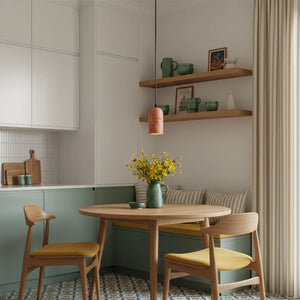
Imagine stepping into a room that feels warm, inviting and perfectly lit. Now picture a garden glowing softly under the night sky. Lighting is more than illumination — it sets the tone, mood and function of a space, indoors and out.
But choosing the right fixtures can feel overwhelming. Should you pick a sleek pendant for the dining table or a sturdy gate light for the entrance? Can a wall lamp from the living room go on the balcony? This guide explains the difference between indoor lighting and outdoor lighting, covering fixture types, IP ratings, materials for Indian weather, brightness, colour temperature, installation and care — so you can choose confidently for every corner of your home.
The right lighting enhances architecture, creates ambience and makes everyday tasks easier. Poor lighting, on the other hand, can flatten the beauty of even the most well-designed space. Getting indoor and outdoor lighting right is about balancing practicality with design.
What Is Indoor Lighting? Crafting Atmosphere Within
Indoor lighting creates a comfortable, functional and visually appealing environment inside the home. The best interiors combine several types of light to support different activities — reading, cooking, dining or simply relaxing.
Ambient Lighting
The main source of light that fills the room — ceiling lights, flush mounts, chandeliers and recessed lights.
Task Lighting
Focused light for specific jobs such as reading, cooking or working — desk lamps, pendants over islands and under-cabinet lights.
Accent Lighting
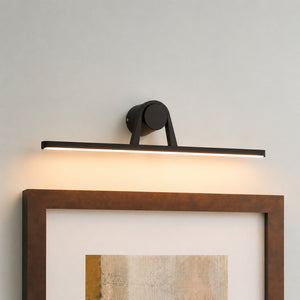
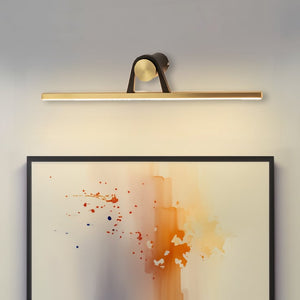
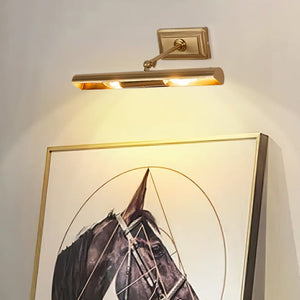
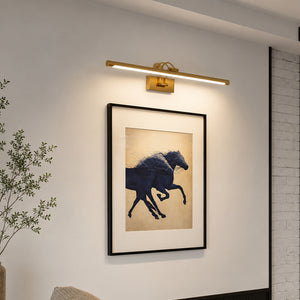
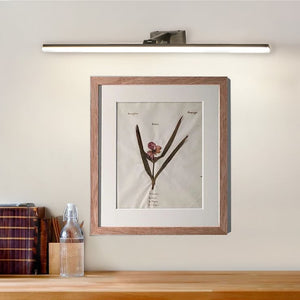
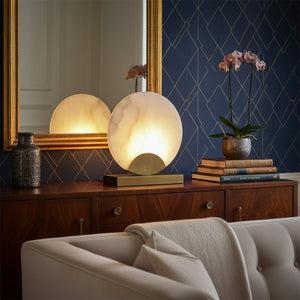
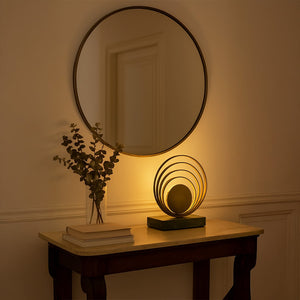
Highlights architecture, art and decor — wall sconces, picture lights, track lights and statement lamps.
Popular Indoor Lighting Options
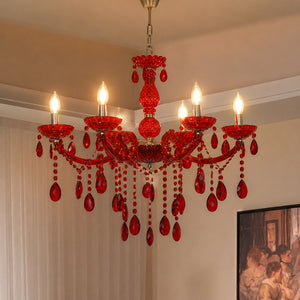
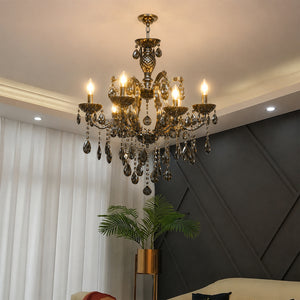
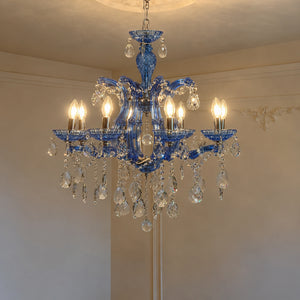
Chandeliers
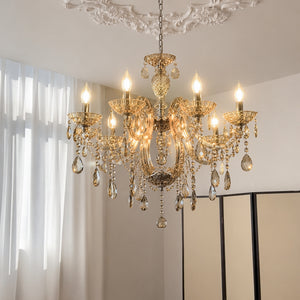
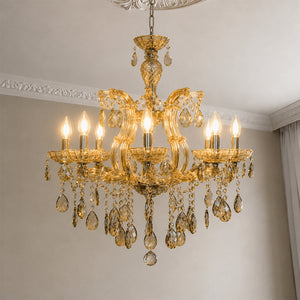
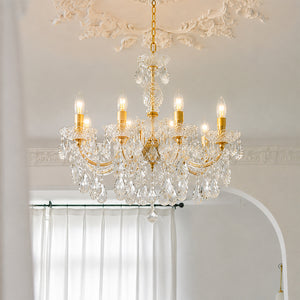
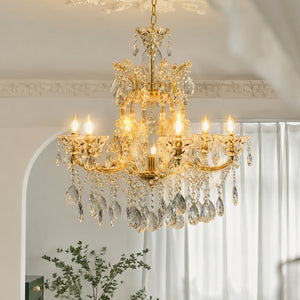
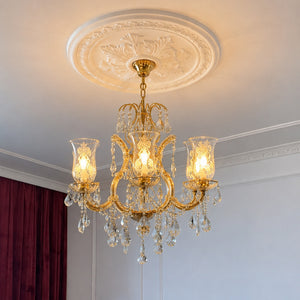
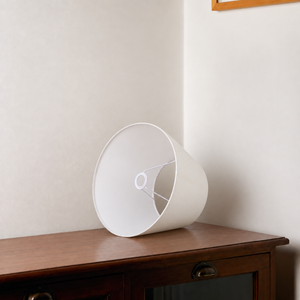
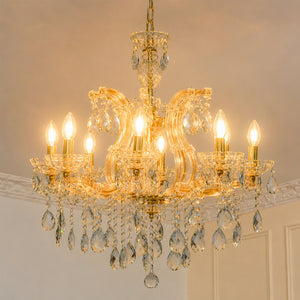
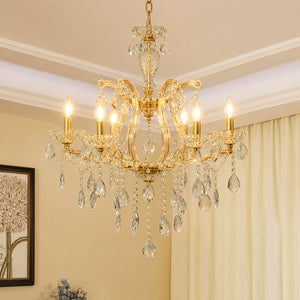
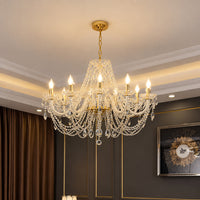
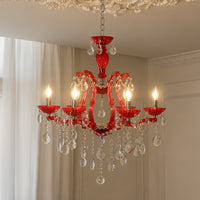
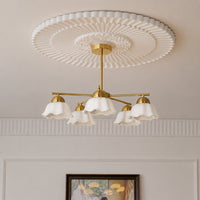
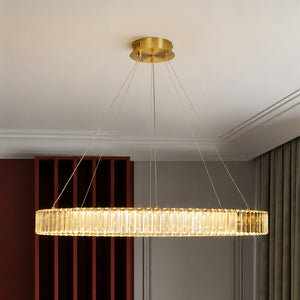
Statement pieces that bring elegance and sophistication to dining rooms, double-height living rooms and stairwells.
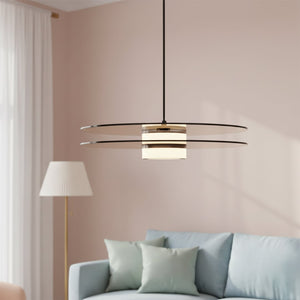
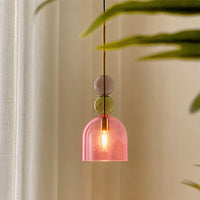
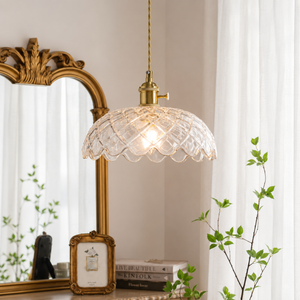
Pendant Lights
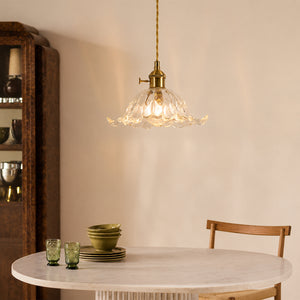
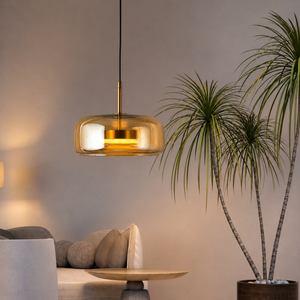
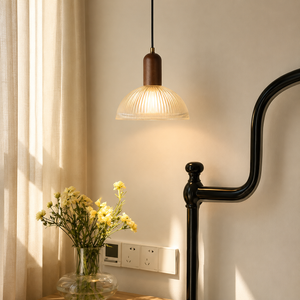
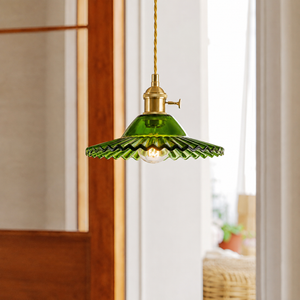
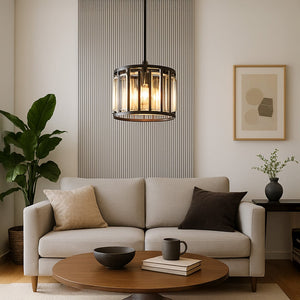
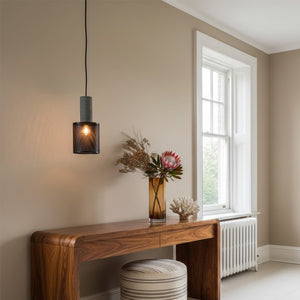
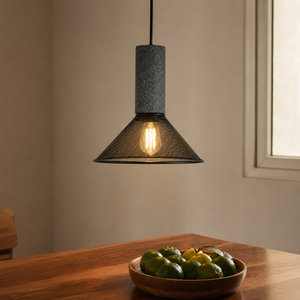
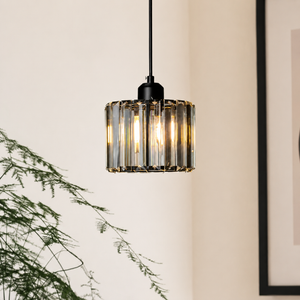
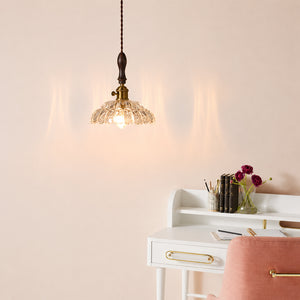
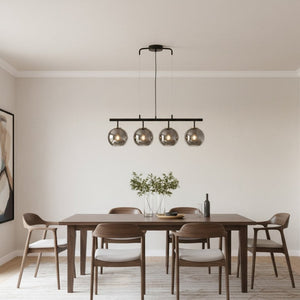
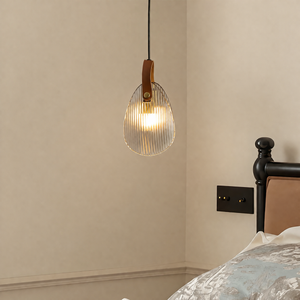
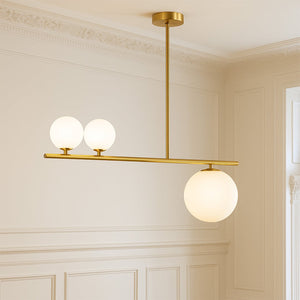
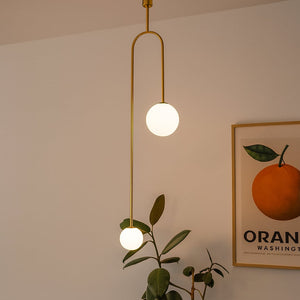
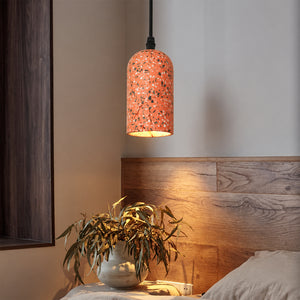
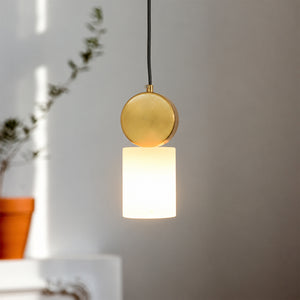
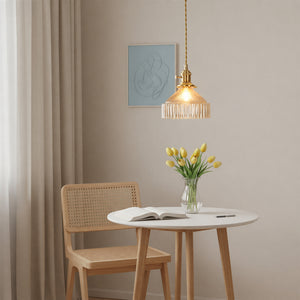
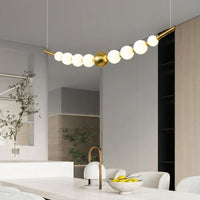
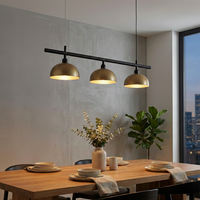
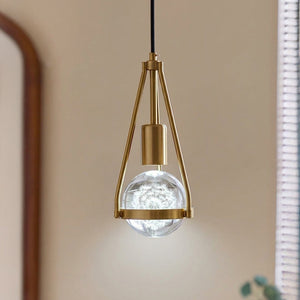
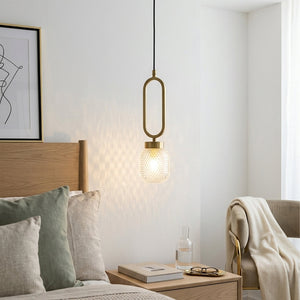
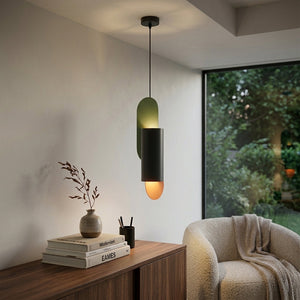
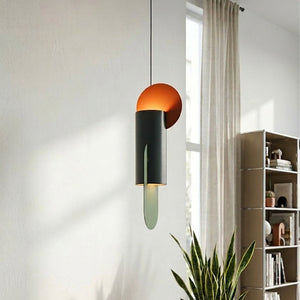
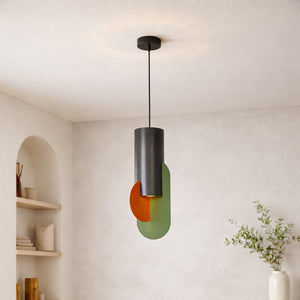
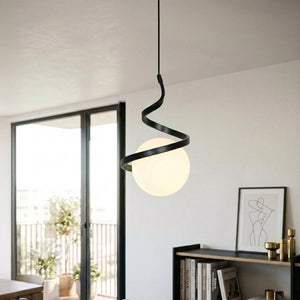
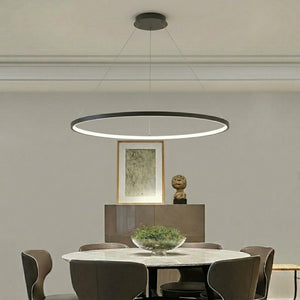
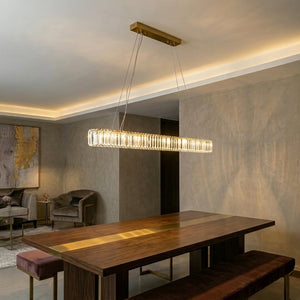
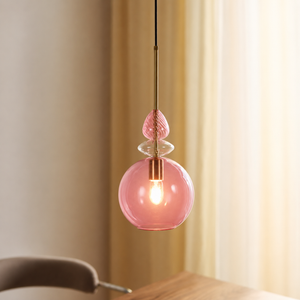
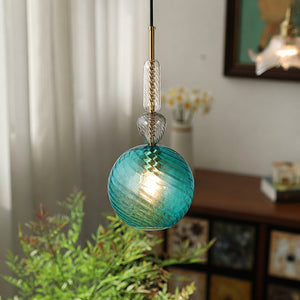
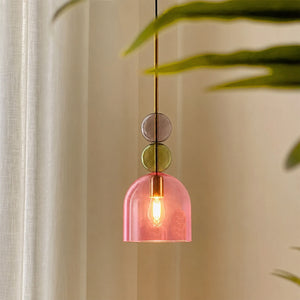
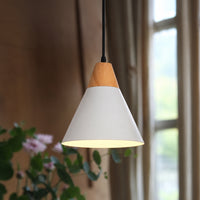
Perfect for kitchens, islands and dining areas, offering both focused light and a strong decorative accent.
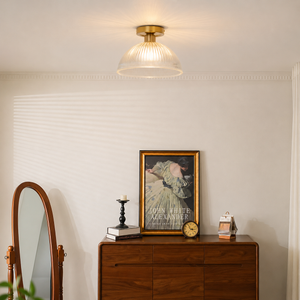
Flush & Semi-Flush Ceiling Lights
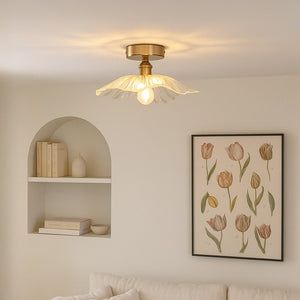
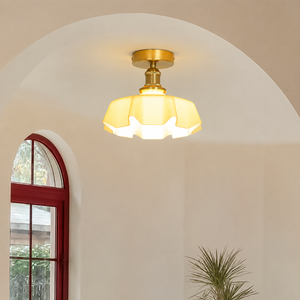
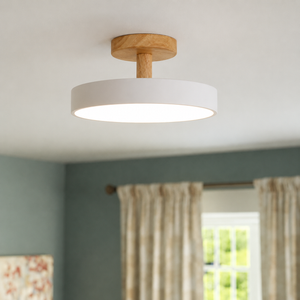
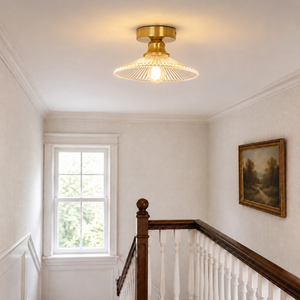
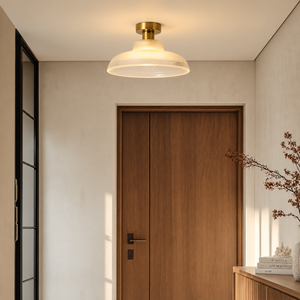
Ideal for rooms with lower ceilings, hallways and bedrooms where a hanging fixture would feel crowded.
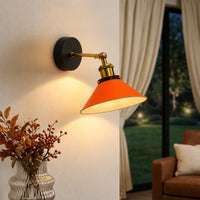
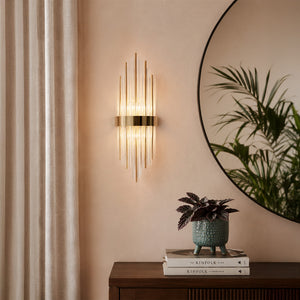
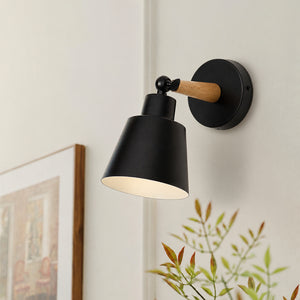
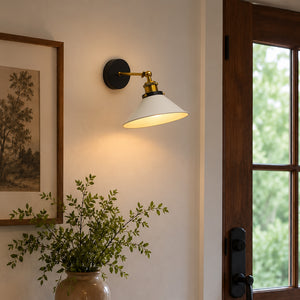
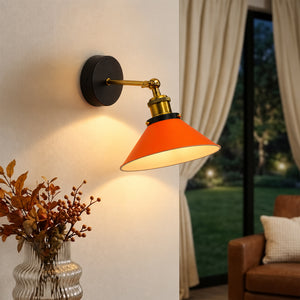
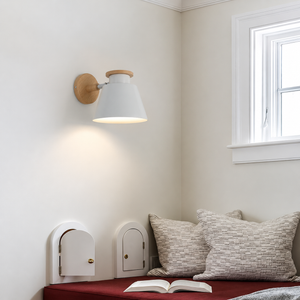
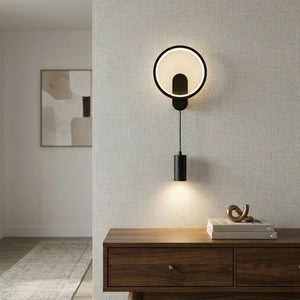
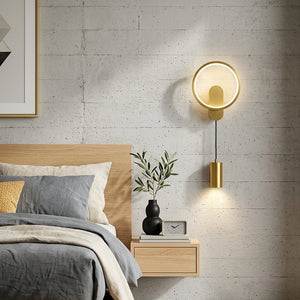
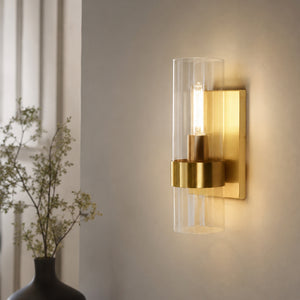
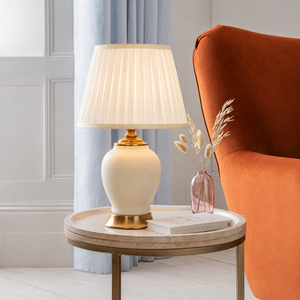
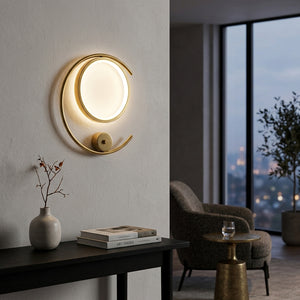
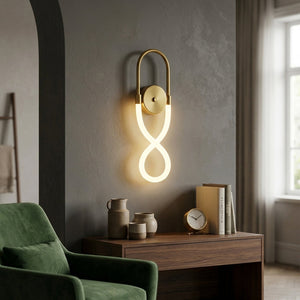
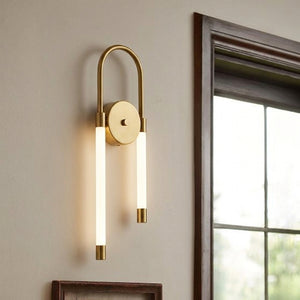
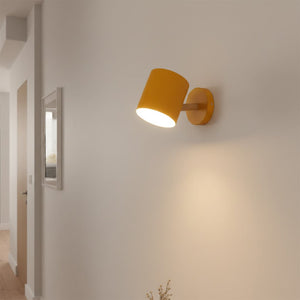
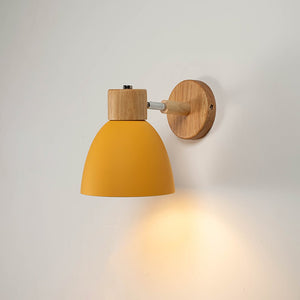
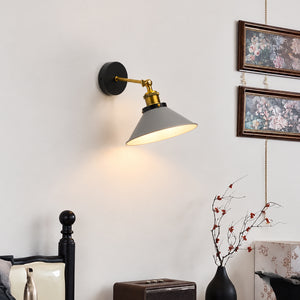
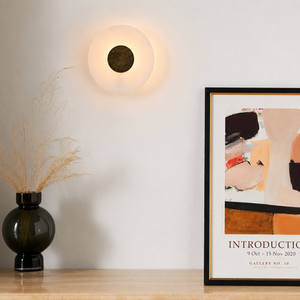
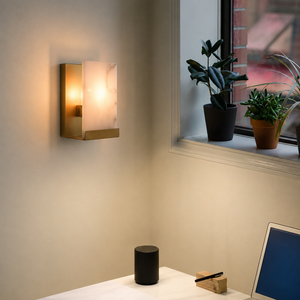
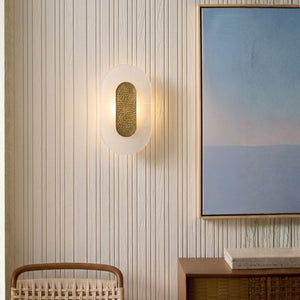
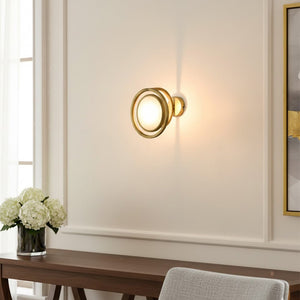
Wall Lamps & Sconces
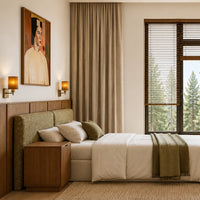
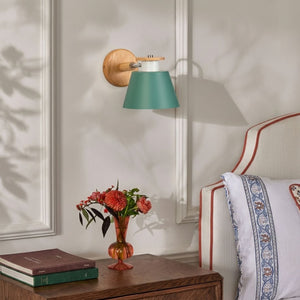
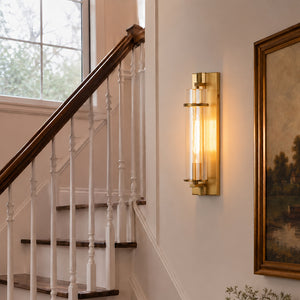
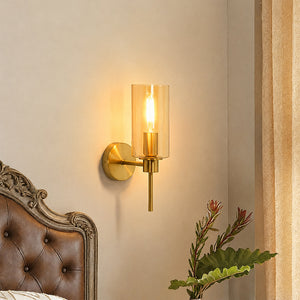
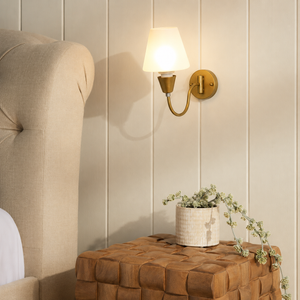
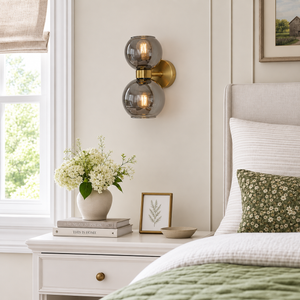
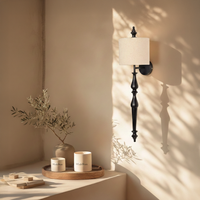
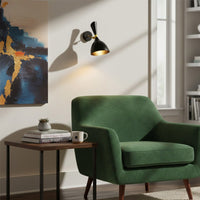
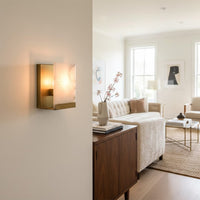
Add soft, layered light beside beds, mirrors, artwork and staircases without taking up floor space.
"Lighting is not merely functional — it is the invisible architecture of mood."
Shop Indoor Lighting


Which Indoor Lights Work Best in Each Room?
Living Room
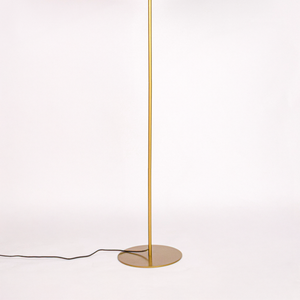
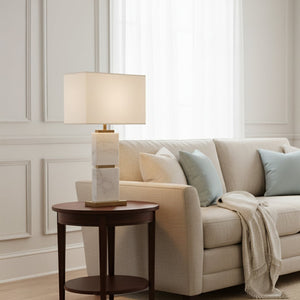
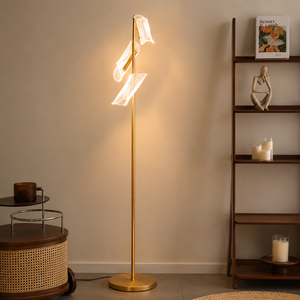
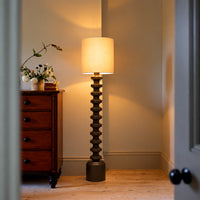
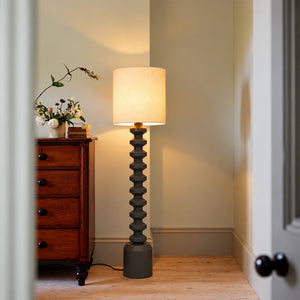
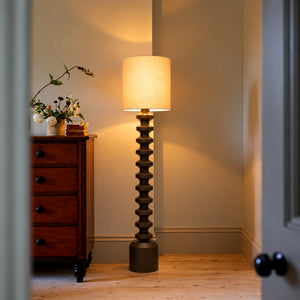
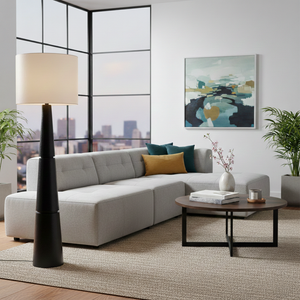
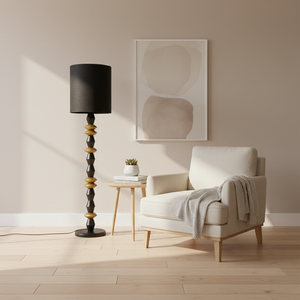
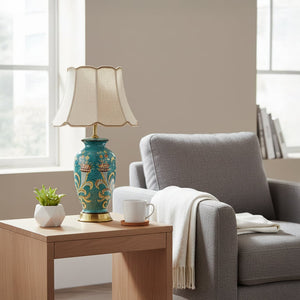
A central ceiling light or chandelier for ambience, floor lamps by the sofa, and sconces or picture lights for accent.
Dining Room
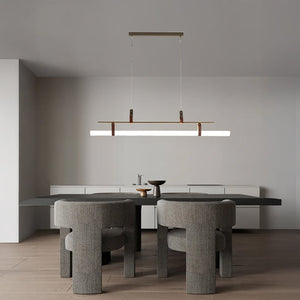
A chandelier or row of pendants centred over the table, ideally dimmable, with warm 2700K bulbs.
Kitchen
Bright ambient light, pendants 75–90 cm above the island, and under-cabinet strips for worktops.
Bedroom
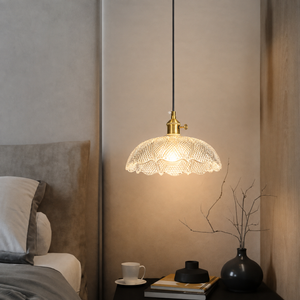
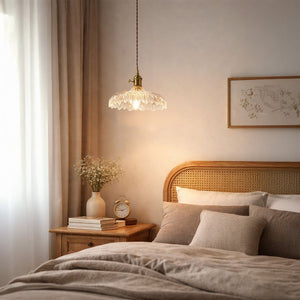
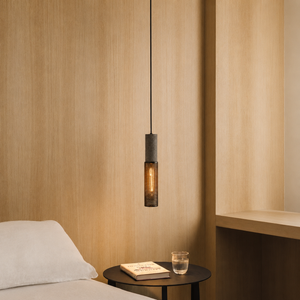
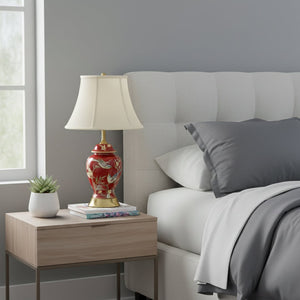
A soft flush mount or pendant, bedside wall lamps for reading, and 2200K–2700K bulbs for a calm mood.
Bathroom
Use damp-rated fixtures of IP44 or higher near the shower and basin, with mirror lights for grooming.
Staircase & Hallway
Wall lights at regular intervals or a long-drop chandelier in a double-height stairwell for safe, even light.
What Is Outdoor Lighting? Illuminating the Garden & Beyond
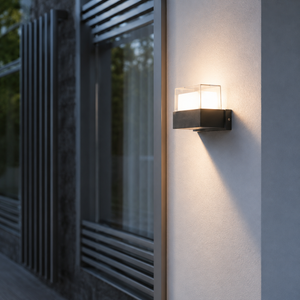
Outdoor lighting enhances curb appeal, guides people safely and adds security after dark. Because it faces rain, dust, heat and strong sun, it must be built to withstand the weather while still delivering the right brightness and style.
Security Lighting
Brighter lights around gates, doors and driveways that improve visibility and help deter intruders.
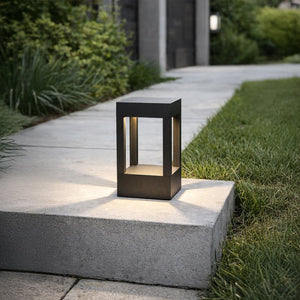
Pathway Lighting
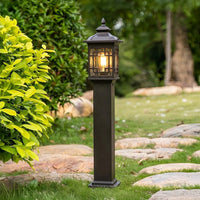
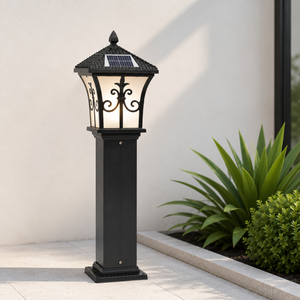
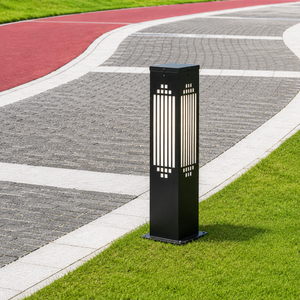
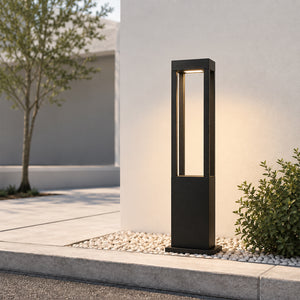
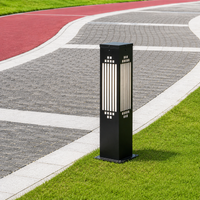
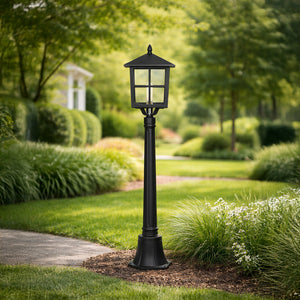
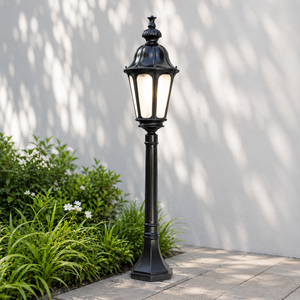
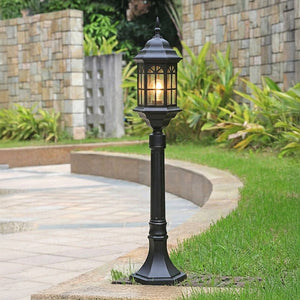
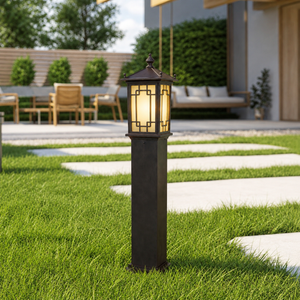
Low bollards and column lights that guide people along walkways, steps and garden paths.
Decorative Lighting
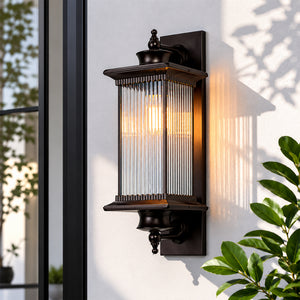
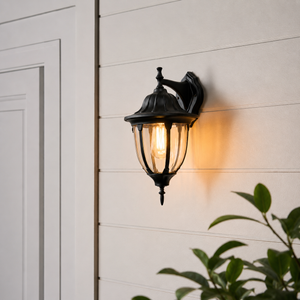
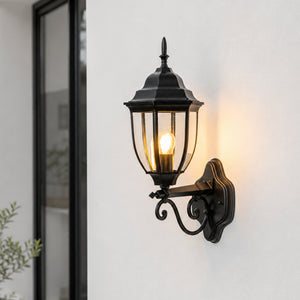
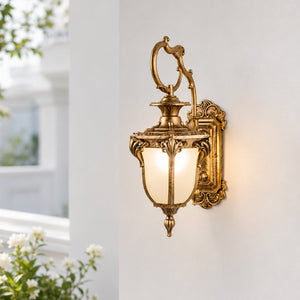
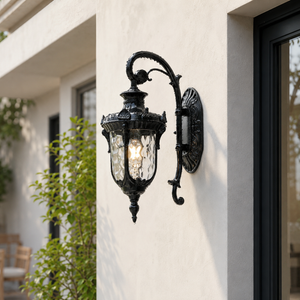
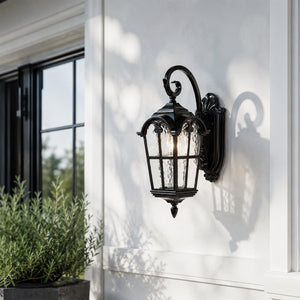
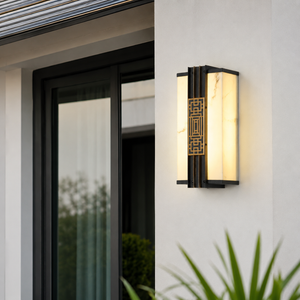
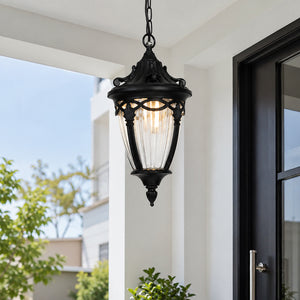
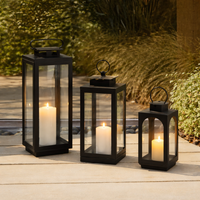
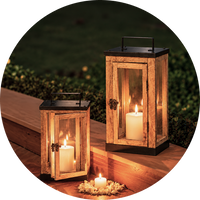
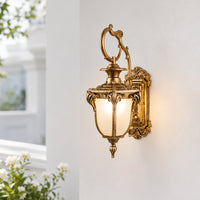
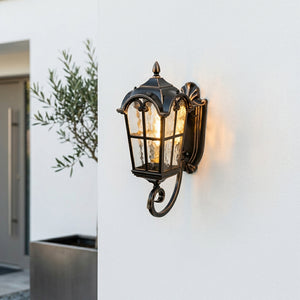
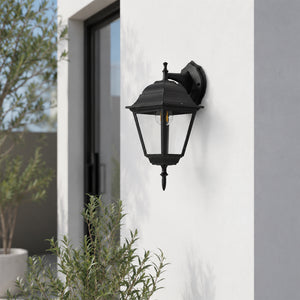
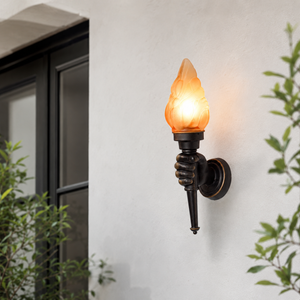
Wall lanterns, hanging lamps and string lights that add charm and character to patios and terraces.
Popular Outdoor Lighting Options
| Fixture | Best For | Tip |
|---|---|---|
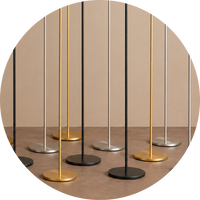
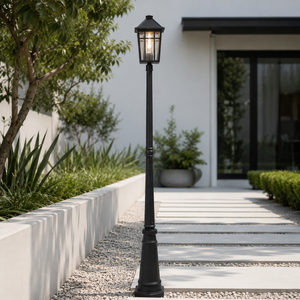
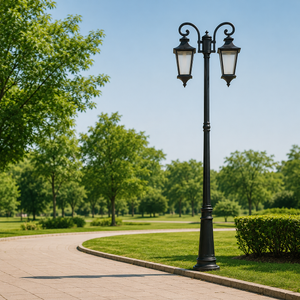
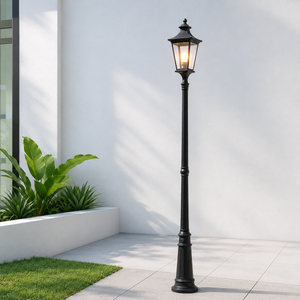
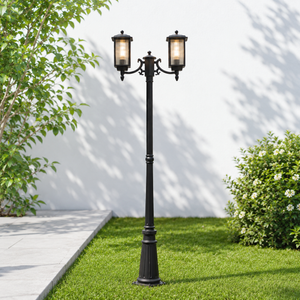
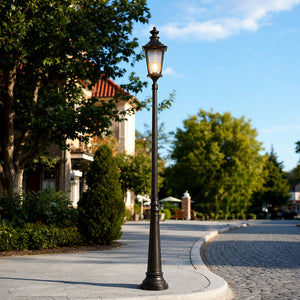
| Pole lights | Large lawns, driveways and open areas | Space evenly to avoid dark patches |
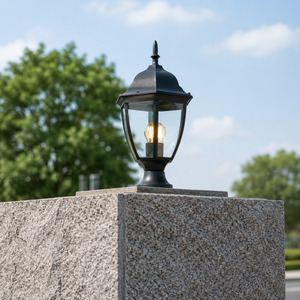
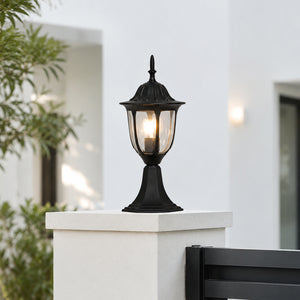
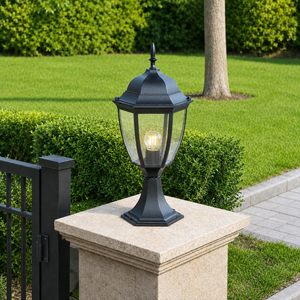
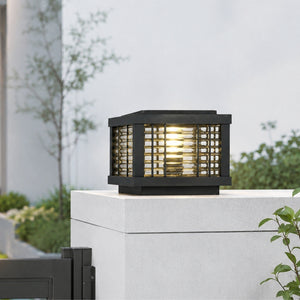
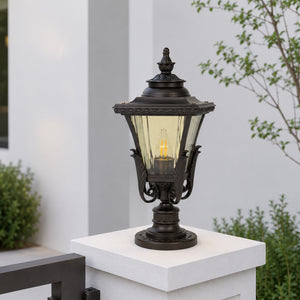
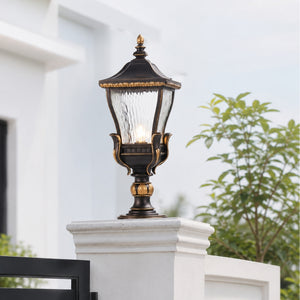
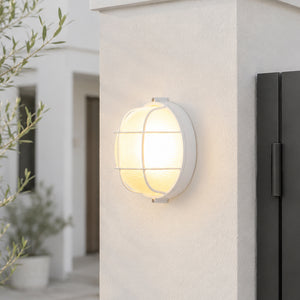
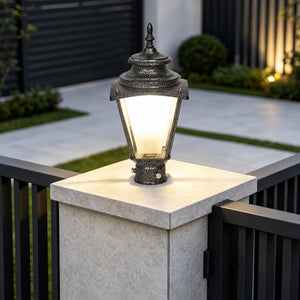
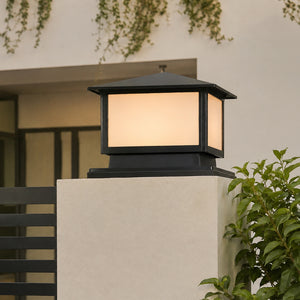
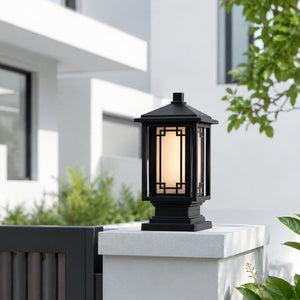
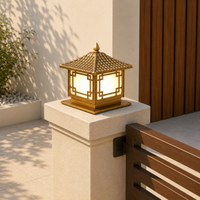
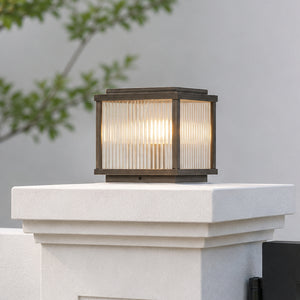
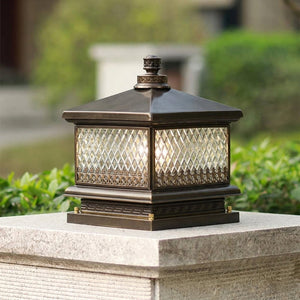
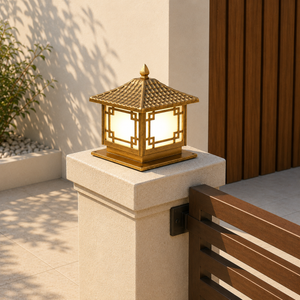
| Gate lights | Entrance pillars and boundary walls | Pair with a photocell for dusk-to-dawn use |
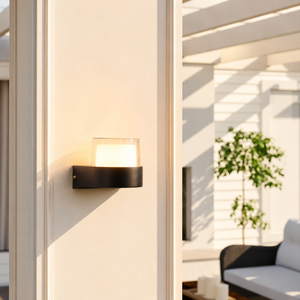
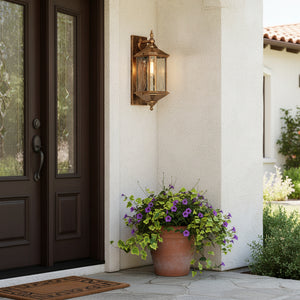
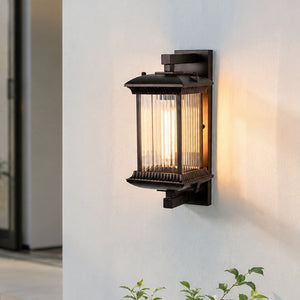
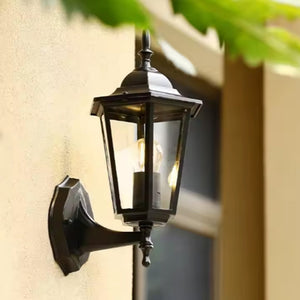
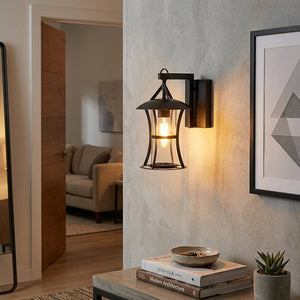
| Wall lanterns | Patios, verandahs and main doors | Mount roughly at eye level beside the door |
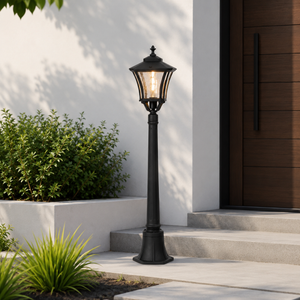
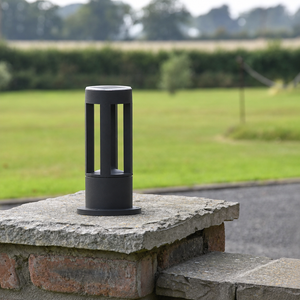
| Pathway / column lights | Walkways, steps and garden borders | Stagger along the path instead of lining up |
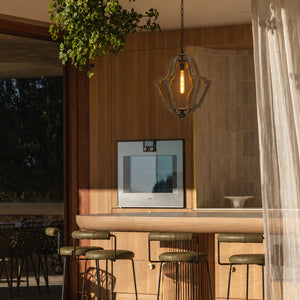
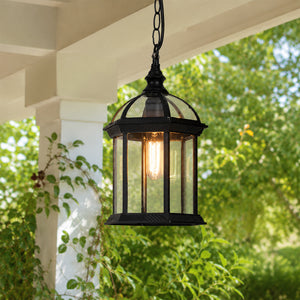
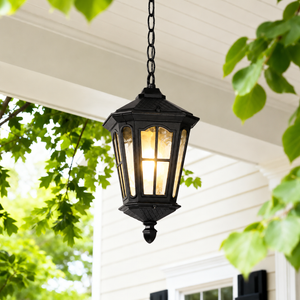
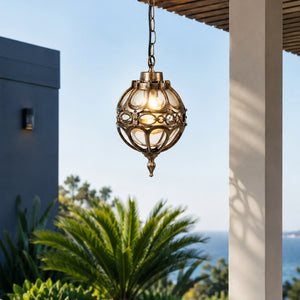
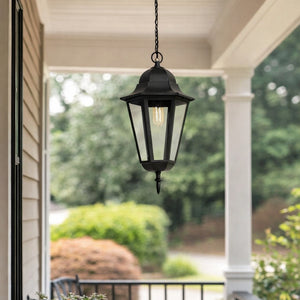
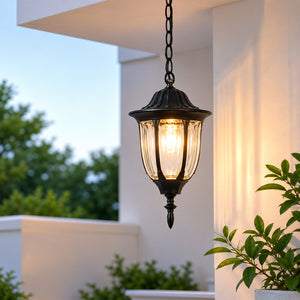
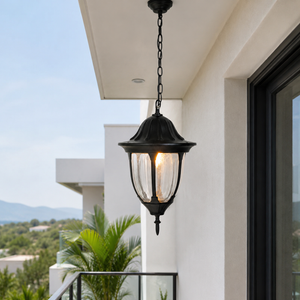
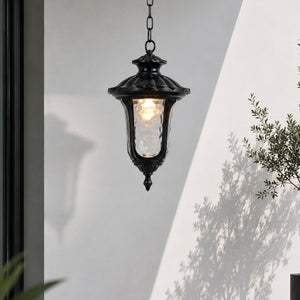
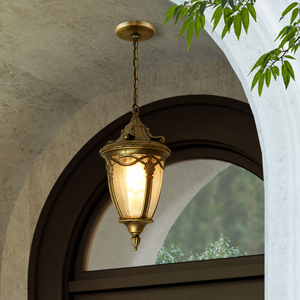
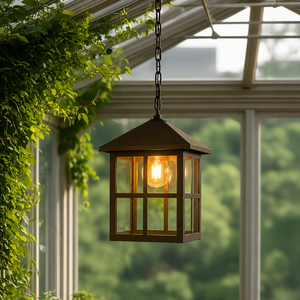
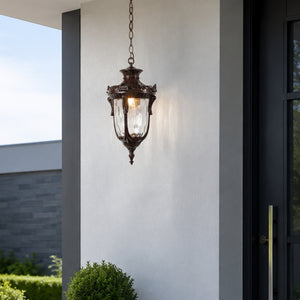
| Hanging lamps | Balconies, porches and covered terraces | Choose IP44+ and fix securely against wind |
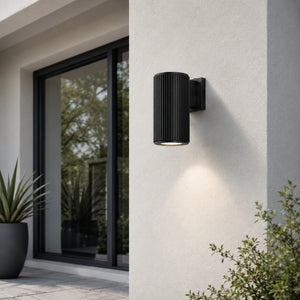
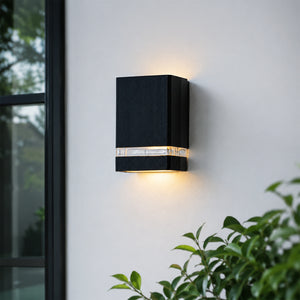
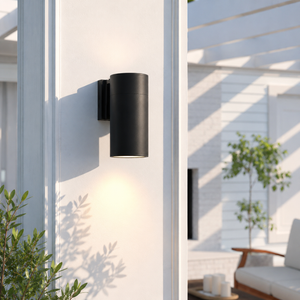
| Up and down wall lights | Facades, columns and textured walls | Creates dramatic light washes on stone or brick |
"The best outdoor lighting feels like moonlight — present, but never intrusive."
Shop Outdoor Lighting


Outdoor pieces are designed for durability against rain, UV rays and dust. Always check the IP rating listed on the product page to match each light to its location.
Where Should Outdoor Lights Go?
Main Gate
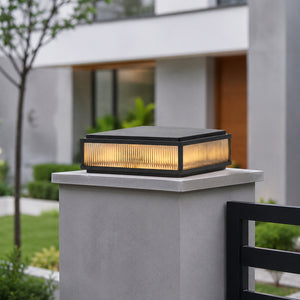
A pair of gate lights on the pillars frames the entrance and helps visitors and drivers find the way.
Front Door & Porch
Wall lanterns on one or both sides of the door, or a hanging lamp under a porch roof.
Balcony
Compact IP44+ wall lights or a hanging lamp for evening tea, with warm light that doesn't glare into neighbours' homes.
Garden & Pathways
Column or bollard lights along paths, plus spike uplights to highlight trees and plants.
Terrace & Patio
Layer wall lights, string lights and lanterns so the space feels like an outdoor living room.
Facade & Walls
Up and down wall lights create a dramatic wash that shows off texture and architecture.
What Are the Key Differences Between Indoor and Outdoor Lighting?
| Feature | Indoor Lighting | Outdoor Lighting |
|---|---|---|
| Design & aesthetics | Detailed finishes chosen to match interior decor | Style balanced with practicality and durability |
| Durability | Controlled environment; no weather protection needed | Must endure rain, wind, dust, heat and UV |
| IP rating | Usually IP20 (IP44+ in bathrooms) | IP44 under cover; IP65+ when exposed |
| Voltage | Standard household supply (230V in India) | 230V hardwired, or low-voltage 12V/24V for garden systems |
| Materials | Glass, fabric, brass, wood, ceramic, alabaster | Powder-coated aluminium, stainless steel, tempered glass |
| Primary purpose | Ambient, task and accent light for comfort | Security, navigation and highlighting landscapes |
| Light intensity | Soft, warm and diffused | Brighter or focused where visibility matters |
| Power options | Mains electricity; LED for efficiency | Hardwired, solar-powered, motion-sensor or timer-controlled |
| Maintenance | Simple dusting and bulb changes | Regular cleaning, seal checks and pre-monsoon inspection |
Always consult a licensed electrician for hardwired outdoor installations to ensure safety and code compliance.
"Choose light the way you choose company — with intention, warmth, and a sense of place."
Whispering Homes EditorialWhat Does an IP Rating Mean for Lights?
An IP (Ingress Protection) rating shows how well a light is sealed against solids and water. The first digit covers dust and solids (0–6), and the second covers water (0–8). The higher the numbers, the tougher the fixture.
| IP Rating | Protection | Where to Use It |
|---|---|---|
| IP20 | Protected from fingers; no water protection | Dry indoor rooms — living, dining, bedrooms |
| IP44 | Protected from splashing water | Bathrooms, covered porches, balconies under a roof |
| IP54 | Dust-protected and splash-proof | Sheltered outdoor walls and verandahs |
| IP65 | Dust-tight and protected from water jets | Exposed walls, gates, gardens and pathways |
| IP67 / IP68 | Dust-tight and protected against immersion | In-ground uplights, fountains and pool areas |
No. Even on a covered balcony, humidity and monsoon splash can damage indoor fixtures and create a shock risk. Choose IP44 as a minimum for sheltered spaces.
Yes. Outdoor-rated fixtures work well indoors, especially in bathrooms, kitchens and semi-open courtyards where extra protection is useful.
How Bright Should Indoor and Outdoor Lights Be?
Brightness is measured in lumens, not watts. Colour temperature, measured in Kelvin (K), decides whether light feels warm and cosy or cool and crisp.
Indoor Guide
- Living rooms: about 10–20 lumens per sq ft, 2700K–3000K
- Dining rooms: about 30–40 lumens per sq ft, dimmable, 2700K
- Kitchens: about 50–80 lumens per sq ft, 3000K–4000K
- Bedrooms: about 10–20 lumens per sq ft, 2200K–2700K
- Study & work areas: focused task light, 4000K
Outdoor Guide
- Path and column lights: about 100–200 lumens each
- Wall lanterns and porch lights: about 400–800 lumens
- Gate lights: about 400–800 lumens per fixture
- Security floodlights: 700–1,300+ lumens
- Colour: 2700K–3000K for ambience, 4000K for security
Point outdoor lights down and towards the area you want to see, not into windows or the sky. Warm, shielded light reduces glare, attracts fewer insects and keeps your garden feeling peaceful.
Which Outdoor Light Materials Last Longest in Indian Weather?
Harsh summer sun, heavy monsoon rain, high humidity and salty coastal air all test outdoor fixtures. Choosing the right material is just as important as choosing the right style.
Powder-Coated Aluminium
Lightweight, rust-resistant and the best all-round choice for gates, walls and pathways.
Stainless Steel
Strong and corrosion-resistant; choose marine-grade in coastal cities like Mumbai, Chennai and Goa.
Brass & Copper
Develop a natural patina over time and suit heritage and traditional facades.
Tempered & Ribbed Glass
Handles heat well; ribbed glass diffuses glare and hides water marks after rain.
UV-Stable Polycarbonate
Shatter-resistant and ideal for areas where fixtures may be knocked.
Avoid: Plain Iron
Unprotected iron rusts quickly in monsoon humidity and stains walls beneath the fixture.
How to Choose the Right Indoor or Outdoor Fixture
- Define the purpose Decide whether the light is for mood, a task, safety or showing off a feature.
- Check the location Dry room, bathroom, covered balcony or fully exposed wall — this decides the IP rating you need.
- Size it to the space Measure ceiling height, table length or wall width so the fixture feels in proportion.
- Choose brightness and colour Match lumens to the room and pick warm 2700K–3000K for relaxing spaces.
- Pick durable materials Indoors, choose finishes that suit your decor; outdoors, choose weather- and rust-resistant materials.
- Plan power and control Consider dimmers indoors and timers, photocells or motion sensors outdoors to save energy.
Common Mistakes to Avoid
- Relying on a single ceiling light for a whole room
- Choosing cool white bulbs for bedrooms and living rooms
- Hanging pendants too high or too low
- Using indoor fixtures on balconies or porches
- Ignoring the IP rating on outdoor lights
- Over-lighting gardens with harsh, glaring floodlights
How to Install and Maintain Indoor and Outdoor Lights
Installation Safety
- Switch off the circuit breaker before any installation
- Check that ceiling hooks and boxes can hold heavy chandeliers
- Use weatherproof junction boxes and sealed cable entries outdoors
- Protect outdoor circuits with an RCCB
- Hire a licensed electrician for all hardwired outdoor lights
Maintenance Schedule
- Indoor: dust gently every 4–6 weeks
- Outdoor: clean glass and frames every 2–3 months
- Before monsoon: check seals, gaskets and fixings
- After monsoon: look for trapped moisture or rust spots
- Always let fixtures cool before cleaning
Brass & Metallic Finishes
Use a dry, soft microfibre cloth only. Avoid chemical cleaners or polish, which can strip the protective lacquer of hand-finished pieces.
Glass & Ceramic
A slightly damp cloth followed by a dry one removes dust without streaks. Make sure the fixture is switched off and cool first.
Frequently Asked Questions
What is the difference between indoor and outdoor lighting?
Indoor lighting is designed for dry, controlled spaces and focuses on comfort, mood and decor through ambient, task and accent light. Outdoor lighting is built to withstand rain, dust, heat and UV exposure, and focuses on safety, security, navigation and highlighting the exterior of a home.
Can I use indoor lights outside in a covered area?
Indoor lights should not be used outside, even on a covered porch or balcony, because humidity, rain splash and temperature changes can damage them and create an electrical hazard. For sheltered outdoor areas, choose fixtures rated at least IP44, and IP65 or higher for fully exposed spots.
Can outdoor lights be used indoors?
Yes, outdoor-rated lights can be used indoors because they are built to a higher protection standard. They are a good choice for bathrooms, kitchens and semi-open spaces, although their heavier, more robust design may suit some interiors better than others.
What IP rating do outdoor lights need?
Outdoor lights under a roof or canopy need at least IP44, while lights on exposed walls, gates and gardens should be IP65 or higher. In-ground uplights and lights near water features need IP67 or IP68 protection.
What colour temperature is best for outdoor lighting?
Warm white light between 2700K and 3000K is best for most outdoor spaces because it looks inviting, flatters plants and stone, and attracts fewer insects. Cooler 4000K light can be used for security lighting where maximum visibility matters more than mood.
How do I layer lighting in a living room?
Layer a living room by combining ambient light from a ceiling fixture, task light from floor or table lamps near seating, and accent light from wall sconces or picture lights. Using separate switches or dimmers for each layer lets you move easily from bright everyday light to a softer evening mood.
How bright should lights be over a dining table?
A dining area typically needs around 30–40 lumens per square foot, so a 10 x 12 foot dining room needs roughly 3,600–4,800 lumens in total from all sources. Dimmable warm-white LED bulbs around 2700K let you switch between practical brightness and an intimate dinner glow.
What is the warmest colour temperature for a bedroom?
A colour temperature of 2200K to 2700K is ideal for bedrooms because it mimics candlelight and creates a calm, relaxing atmosphere. Warmer light in the evening is also easier on the eyes than cool, blue-toned light.
How high should a pendant light hang over a kitchen island?
Pendant lights should usually hang 30 to 36 inches (75–90 cm) above a kitchen island or countertop. This height gives clear task light without blocking the view across the room.
Which outdoor light materials are best for Indian weather?
Powder-coated aluminium, stainless steel, brass and tempered or ribbed glass handle Indian heat, monsoon rain and humidity well. In coastal cities, choose marine-grade or powder-coated finishes to resist salt-air corrosion, and avoid unprotected iron, which rusts quickly.
Do I need an electrician to install outdoor lights?
Hardwired outdoor lights should be installed by a licensed electrician, who can use weatherproof junction boxes, sealed cable entries and an RCCB for protection against electric shock. Plug-in and solar lights can usually be installed without an electrician.
How often should I clean indoor and outdoor lights?
Indoor fixtures benefit from gentle dusting every 4–6 weeks, while outdoor fixtures should be cleaned every two to three months and checked before and after the monsoon. Always switch fixtures off and let them cool before cleaning.
Light Your World, One Space at a Time
Indoor and outdoor lighting share one goal — making your home beautiful and easy to live in — but they are built for very different conditions. Indoors, layer ambient, task and accent light to shape mood and comfort. Outdoors, choose weather-rated fixtures that keep paths safe, entrances welcoming and gardens glowing.
Start with the space you use most, match each fixture to its location and IP rating, and choose warm, well-placed light. Room by room and corner by corner, your home will feel more considered, inside and out.
Find the Right Light for Every Space
Pendants, chandeliers, wall lamps and weather-ready outdoor lights — curated for Indian homes.
Continue Your Lighting Journey
More guides to help you choose, place and install lighting with confidence.