


















































































































































































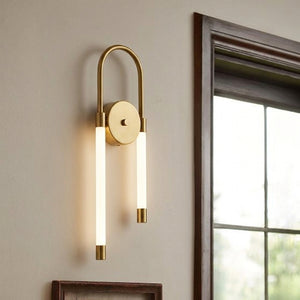









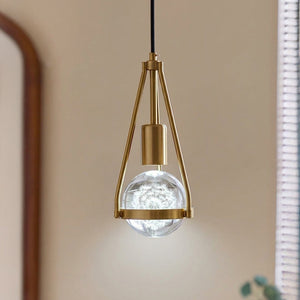

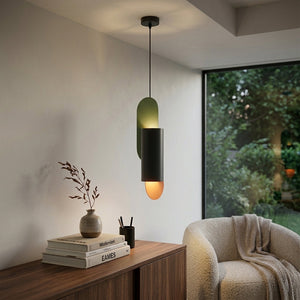
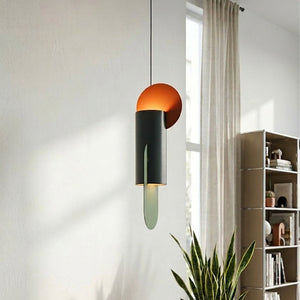


















































How to Safely Install Outdoor Lights in Yard?
Whispering Homes Journal · Outdoor Living & Decor
How to Safely Install Outdoor Lights in Your Yard
Outdoor lighting does more than illuminate your yard after dark. It enhances safety, improves visibility, highlights architectural details, and creates a warm, welcoming environment for relaxing and entertaining.
Plan your layout first, then choose fixtures rated for outdoor use with a suitable IP rating, IP65 or higher for exposed areas. Always switch off the breaker and use GFCI protection before wiring, bury low-voltage cable at least 6 inches deep, and test every connection before regular use. Explore outdoor lighting built for weather resistance and long-term durability.

The magic of a garden is truly revealed when the sun sets. With the right lighting, your yard transforms into an extension of your home's elegance.
How Can You Safely Install Outdoor Lights in Your Yard?
Outdoor lighting does much more than brighten a yard after sunset. It enhances safety, improves visibility, highlights architectural features, and creates an inviting atmosphere for family gatherings and outdoor relaxation. A thoughtfully illuminated outdoor space can transform an ordinary yard into a beautiful extension of your home while increasing both functionality and curb appeal.
However, installing outdoor lighting requires careful planning and attention to safety. Exposure to rain, moisture, dust and fluctuating temperatures means that every fixture, wire and electrical connection must be designed specifically for outdoor use. Whether you are adding pathway lights, accent lighting or decorative fixtures, following proper installation practices will help ensure long-lasting performance and protect your home from electrical hazards.

Why Outdoor Lighting Matters
Before beginning installation, it's important to understand the benefits of a properly designed outdoor lighting system.
| Benefit | Description |
|---|---|
| Improved Safety | Reduces trip hazards and improves visibility around walkways and stairs |
| Enhanced Security | Illuminates dark areas and deters potential intruders |
| Better Aesthetics | Highlights landscaping, architecture and decorative features |
| Extended Outdoor Living | Allows patios, decks and gardens to be enjoyed after sunset |
| Increased Property Value | Enhances curb appeal and overall home presentation |
A balanced lighting plan combines functionality with visual appeal, ensuring every area receives the appropriate amount of illumination.
A Complete Guide to Safely Installing Outdoor Lights in Your Yard
Outdoor lighting enhances the charm and security of your yard while providing functionality for evening activities. Whether you're illuminating a pathway, accentuating your landscaping or creating an inviting ambiance, safely installing outdoor lights is crucial.
Start with a Detailed Lighting Plan
One of the biggest mistakes homeowners make is purchasing fixtures before creating a lighting strategy. Walk around your property during both daytime and nighttime hours to identify areas that require illumination. Consider how you use your outdoor spaces and where additional lighting would improve convenience and safety.
Areas That Commonly Need Lighting
- Entry doors
- Driveways
- Garden pathways
- Patios and decks
- Staircases
- Fences and boundaries
- Gates
- Landscaping features
- Outdoor seating areas
Creating a simple sketch of your yard can help determine fixture placement and power requirements before installation begins.

Choose Outdoor-Rated Fixtures
Not all lighting fixtures are designed to withstand outdoor conditions. Exposure to rain, humidity, dust and UV rays can quickly damage indoor fixtures when used outside. When selecting fixtures, always choose products specifically rated for outdoor applications.
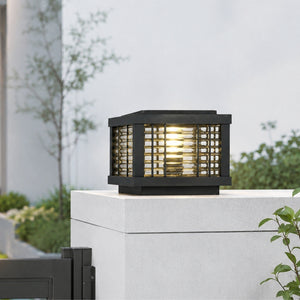
Many homeowners prefer waterproof outdoor lamps because they provide durability and protection against weather-related damage. These fixtures are engineered to perform reliably even in challenging outdoor environments.
Features to Look For
- Weather-resistant construction
- Rust-proof materials
- UV-resistant finishes
- High IP (Ingress Protection) ratings
- Corrosion-resistant hardware
- Energy-efficient LED technology
Materials such as stainless steel, powder-coated aluminum, brass and durable composites generally offer excellent outdoor performance.

Understand IP Ratings Before Purchasing
IP ratings indicate how effectively a fixture resists water and dust intrusion.
| IP Rating | Protection |
|---|---|
| IP44 | Splash resistant (sheltered areas) |
| IP54 | Dust and splash (general use) |
| IP65 | Dust-tight and water-resistant |
| IP67 | Waterproof (ground lighting) |
For areas exposed directly to rain, snow or irrigation systems, selecting fixtures with higher protection ratings provides greater reliability and longevity.

Gather the Right Installation Tools
Having the correct tools available before beginning installation makes the process smoother and safer.
- Power drill
- Screwdrivers
- Wire strippers
- Voltage tester
- Electrical tape
- Wire connectors
- Mounting brackets
- Weatherproof junction boxes
Always read the manufacturer's instructions before installation, as some fixtures may require additional hardware or specialized mounting components.

Prioritize Electrical Safety
Electrical safety should always be the first consideration when installing outdoor lighting. Improper wiring can lead to electrical shocks, short circuits or even fire hazards.
- Turn off power: before touching any wiring, switch off the circuit breaker and verify with a voltage tester.
- Use ground fault protection: outdoor circuits should be protected by GFCIs to automatically shut off power when faults are detected.
- Follow local codes: ensure installations comply with local building and electrical requirements. Hiring a licensed electrician is recommended if unfamiliar.

Select the Right Lighting Type
Different outdoor spaces require different lighting solutions for functionality and ambiance.
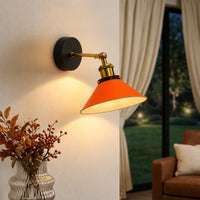
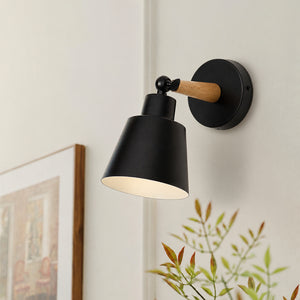
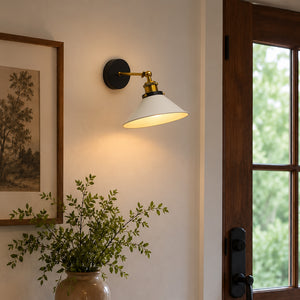
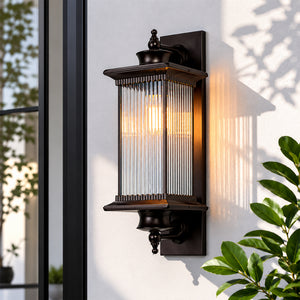
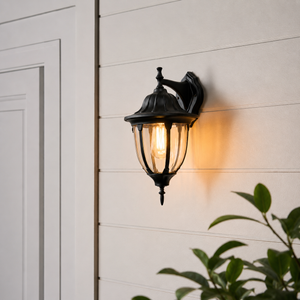
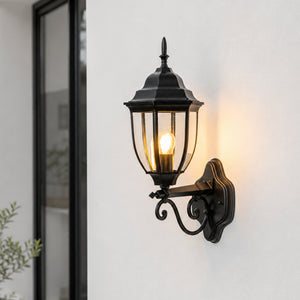
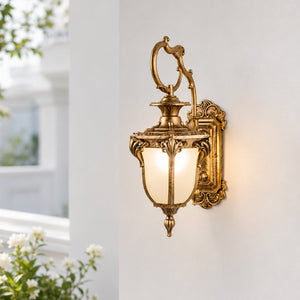
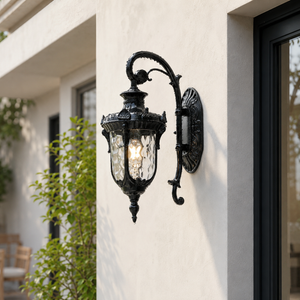
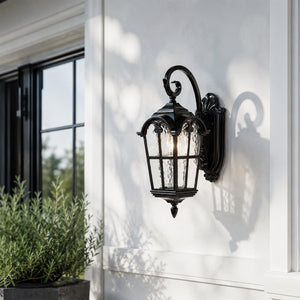
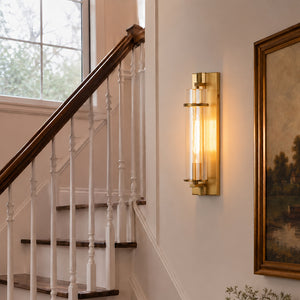
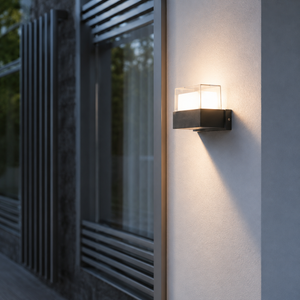
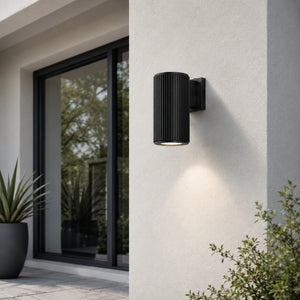
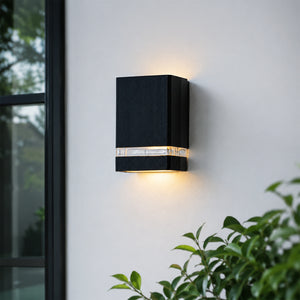
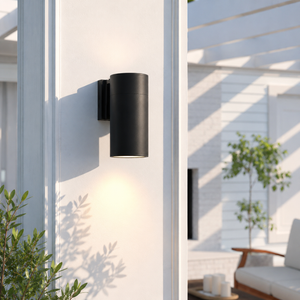
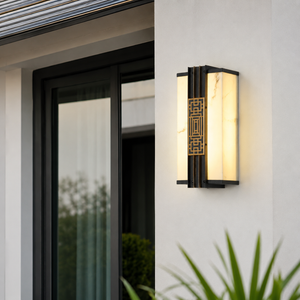
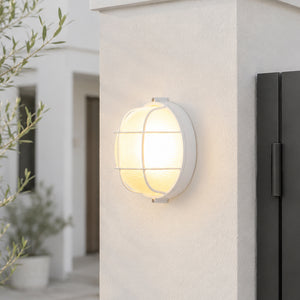
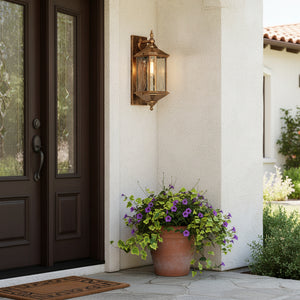
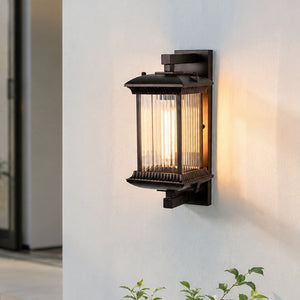
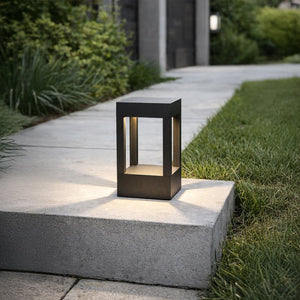
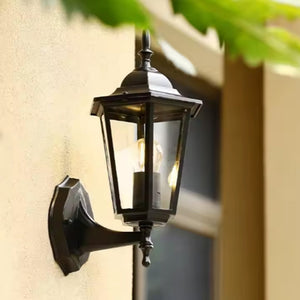
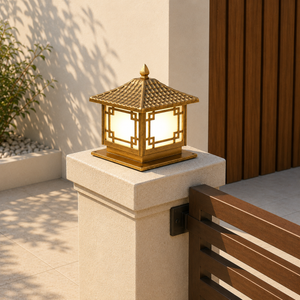
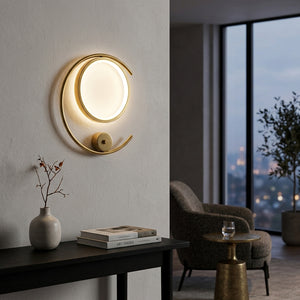
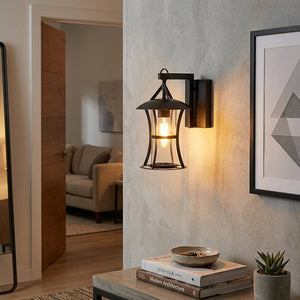
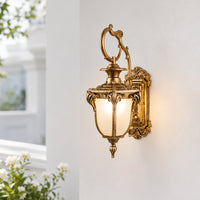
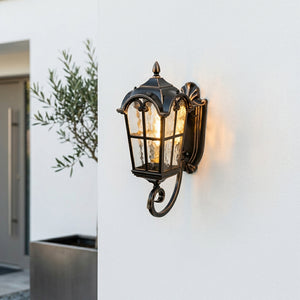
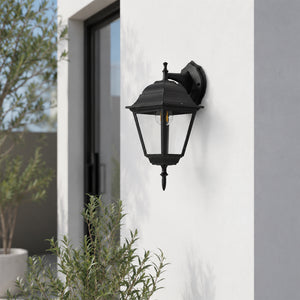
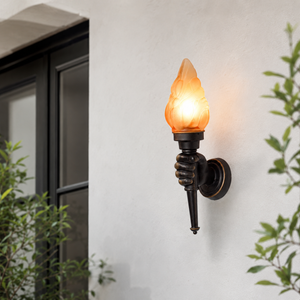
- Entryways: outdoor wall lights improve visibility and create a welcoming first impression.
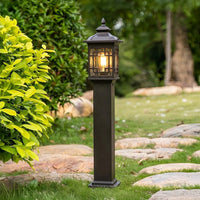
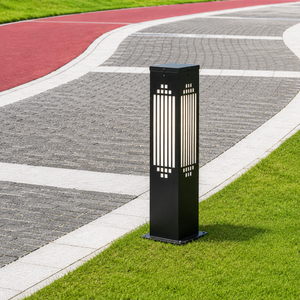
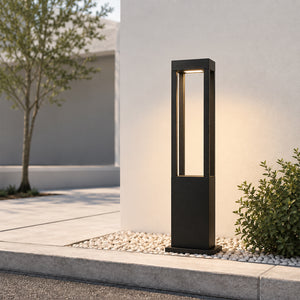
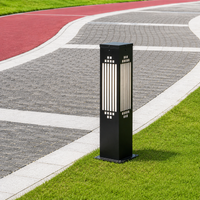
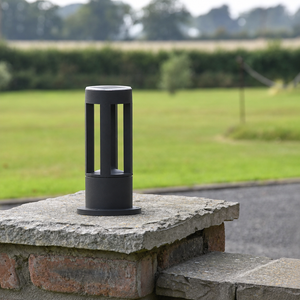
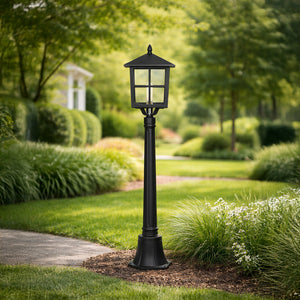
- Pathways: path lighting improves navigation and reduces trip hazards along garden paths and driveways.
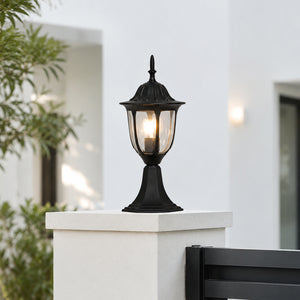
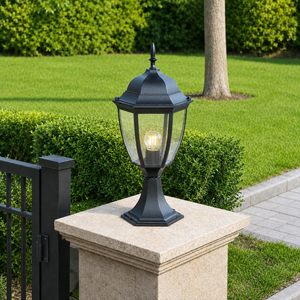
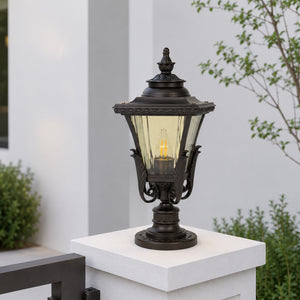
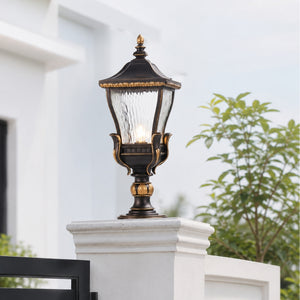
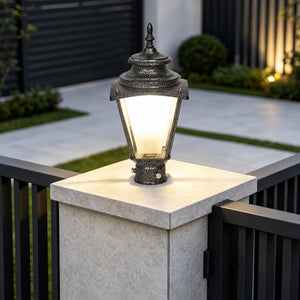
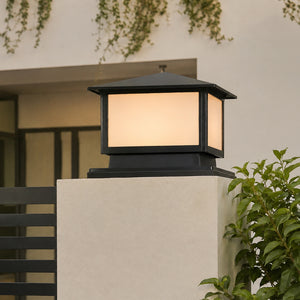
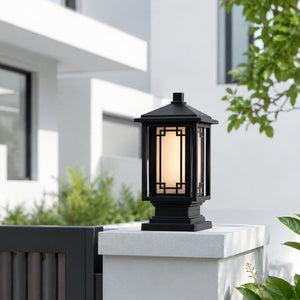
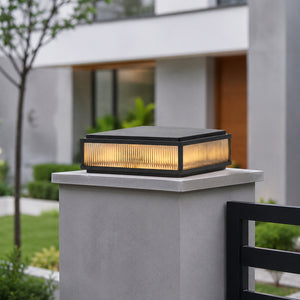
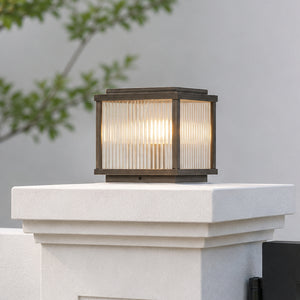
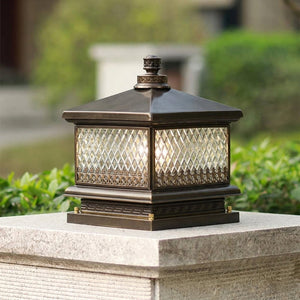
- Gates: outdoor gate lights enhance security and accessibility while discouraging unauthorized access.
- Gardens: accent lighting showcases trees, flower beds and architectural elements for depth.

Consider Pole and Hanging Fixtures
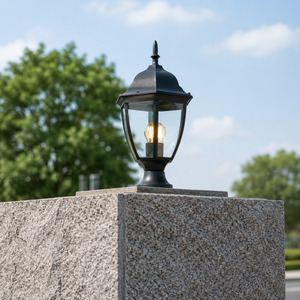
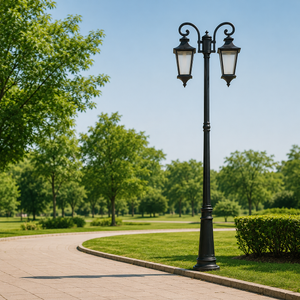
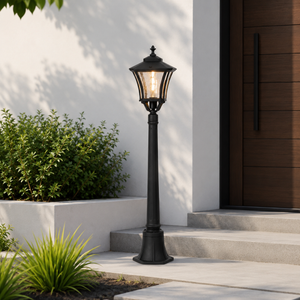
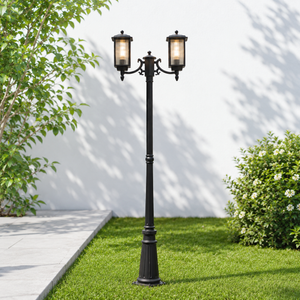
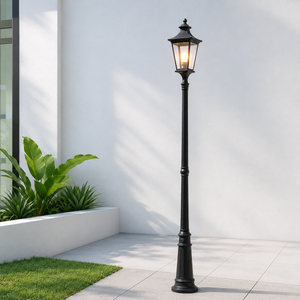
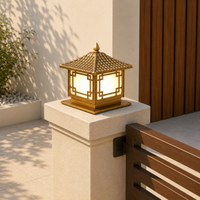
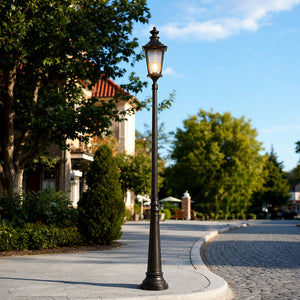
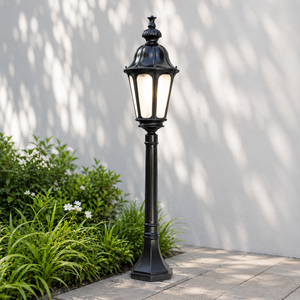
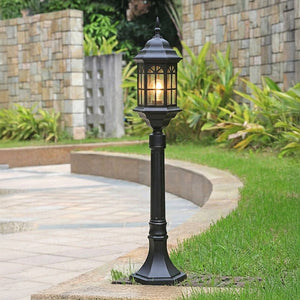
For larger properties, outdoor pole lights provide elevated lighting coverage for driveways and open lawns. Ensure foundations are secure and wiring is protected underground.
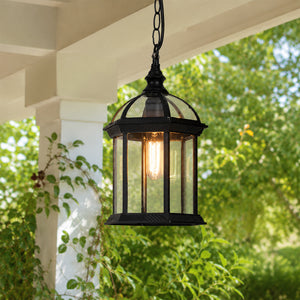
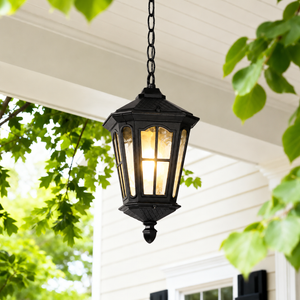
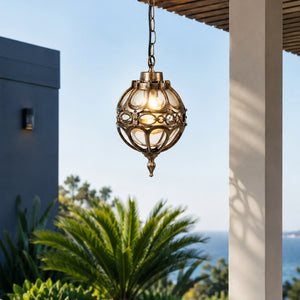
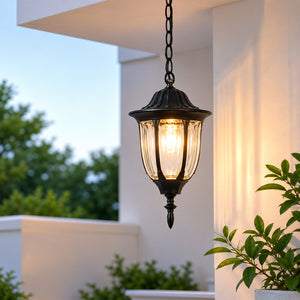
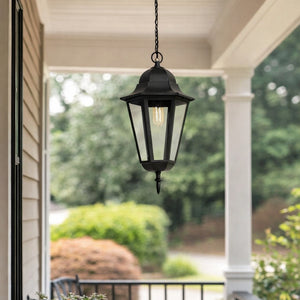
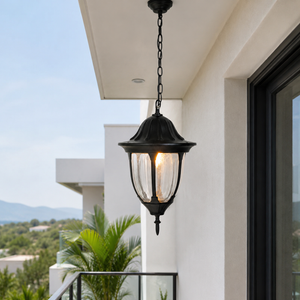
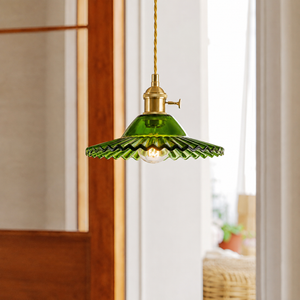
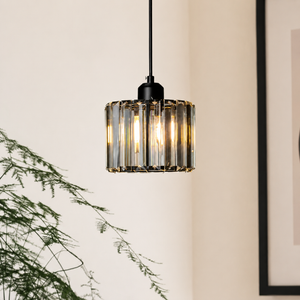
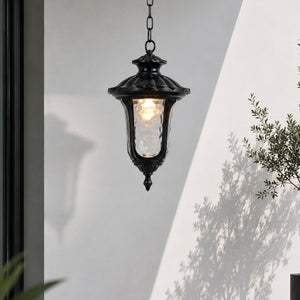
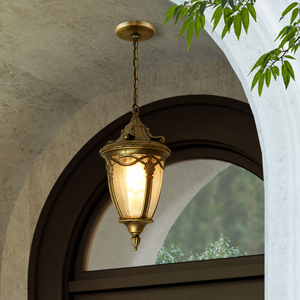
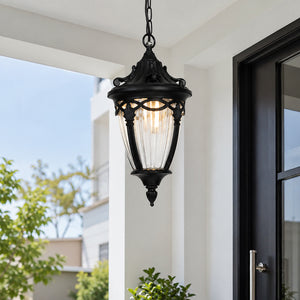
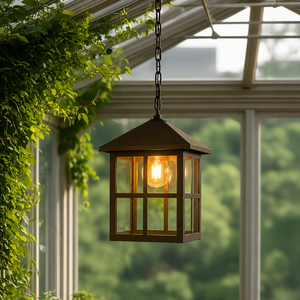
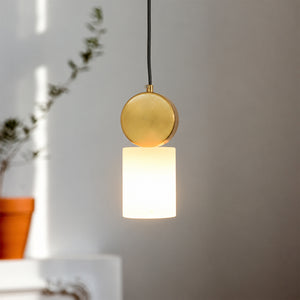
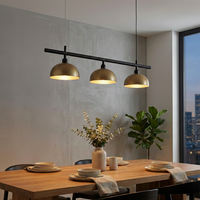
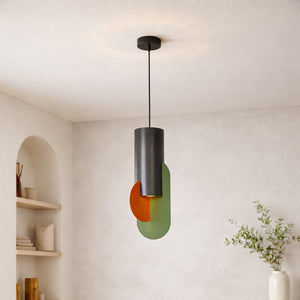
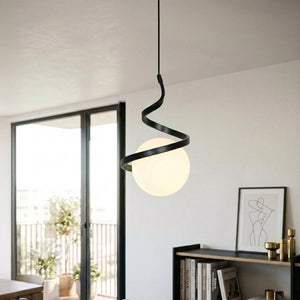
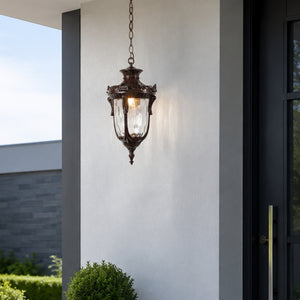
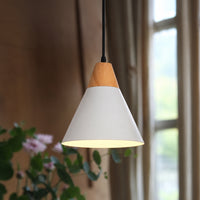
For ambiance, an outdoor hanging light is excellent for covered patios, gazebos and pergolas. Pendant-style fixtures create a warm, inviting environment for outdoor dining.
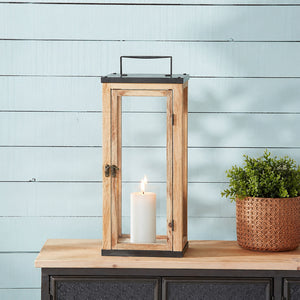
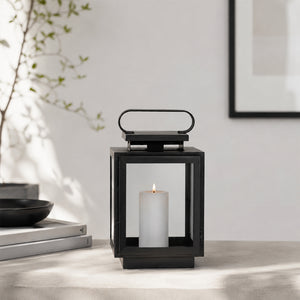
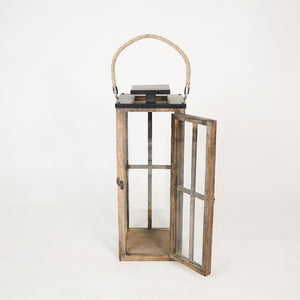
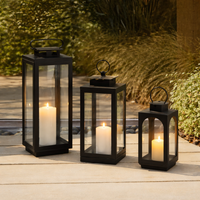
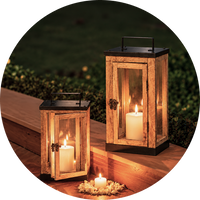
Ideal living areas: terraces, balconies and rooftop spaces benefit from layered light sources like wall fixtures and lanterns.

Low-Voltage Lighting
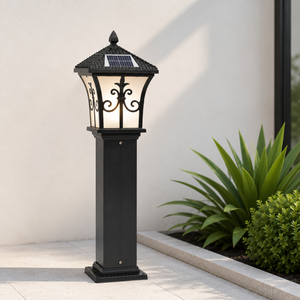
Low-voltage systems are popular because they offer easier installation and improved safety. Many landscape lighting systems and outdoor solar lights operate on lower voltages, making them an excellent option for homeowners seeking a DIY-friendly solution.
| Advantage | Benefit |
|---|---|
| Lower Shock Risk | Safer for residential DIY |
| Energy Efficiency | Reduced electricity consumption |
| Easier Expansion | Simple to add new fixtures |

Incorporate Smart Lighting Controls
Modern technology allows homeowners to manage outdoor lighting more efficiently than ever. Smart controls improve convenience and reduce unnecessary energy consumption.
Timers & Photocells
Automate schedules based on time or natural light (dusk-to-dawn).
Motion Sensors
Activate lighting when movement is detected to improve security.
Smart Home Integration
Control via smartphones, voice assistants or automation schedules.
Test the System Thoroughly
After installation, test every fixture and connection. Address any issues immediately before regular operation begins.
Inspection Checklist
- All lights operate correctly
- Wiring connections are secure
- Fixtures are firmly mounted
- GFCI protection functions properly
- No exposed wiring is visible
- Waterproof seals are intact

Maintain Outdoor Lighting Regularly
Even high-quality outdoor fixtures require routine maintenance. Regular inspections help identify small problems before they become expensive repairs.
Key Maintenance Tasks
- Clean fixtures (dirt, pollen, debris)
- Inspect wiring (damage, corrosion)
- Replace bulbs promptly
- Check waterproof seals
- Trim nearby vegetation

Common Outdoor Lighting Mistakes to Avoid
Many installation issues stem from avoidable mistakes. Avoiding these ensures a safer and more effective lighting setup.
- Using indoor fixtures outdoors
- Ignoring waterproof ratings
- Overloading electrical circuits
- Skipping GFCI protection
- Excessive brightness or glare
- Neglecting routine maintenance

Safety First: Essential Tips
Always use GFCI (Ground Fault Circuit Interrupter) outlets for outdoor connections.
Disconnect all power sources before stripping wires or connecting fixtures.
Check for existing underground utility lines before digging trenches.
Shop Outdoor Lighting by Category
Common Considerations & FAQ
What is the best time of day to plan my lighting layout?
It's best to walk your property during both daytime, to see architectural features and plant placement, and nighttime, to identify dark zones and safety hazards.
Do I need a permit for outdoor lighting installation?
While simple low-voltage DIY kits usually don't require permits, complex line-voltage installations or new circuits may require local building permits. Always check your local codes.
Can I use standard indoor extension cords outside?
No. Never use indoor cords for permanent or even temporary outdoor lighting. Only use cords and cables specifically rated "Outdoor" or "W" for weather resistance.
How deep should I bury outdoor lighting cables?
Low-voltage cables should be buried at least 6 inches deep. Line-voltage (120V) cables typically require 18 to 24 inches of depth or protective conduit, depending on local codes.
What's the difference between IP44 and IP65?
IP44 is splash-resistant and suitable for sheltered areas like porches. IP65 is dust-tight and water-jet resistant, making it ideal for fully exposed garden areas.
How often should I clean my outdoor light fixtures?
We recommend cleaning your fixtures every 6 months to remove dirt, pollen and debris that can reduce light output and cause overheating.
Are LED bulbs worth the extra cost for outdoor use?
Yes. LEDs consume up to 80% less energy, last significantly longer, and produce much less heat, which is safer for fixtures and surrounding vegetation.
Can outdoor lights attract pests like mosquitoes?
Traditional incandescent bulbs attract bugs with heat and UV light. Using warm-colored LEDs or yellow-tinted "bug lights" can significantly reduce insect attraction.
Should I leave my outdoor lights on all night?
While good for security, it wastes energy. We recommend using smart timers or motion sensors to ensure light is only present when needed.
What should I do if my outdoor GFCI outlet keeps tripping?
This usually indicates moisture in a connection or a faulty fixture. Disconnect the system and inspect all seals and wiring for signs of water intrusion.