





How to Style Your Home with Modern Wall Lights
How to Style Your Home with Modern Wall Lights
Wall Lights for Every Room: From Hallways to Bedrooms

Once treated as an afterthought beside the ceiling light, wall lights are now one of the fastest ways to add architectural character to a home. From a glowing pair beside a headboard to a sculptural piece anchoring an empty hallway wall, the right modern wall lights do more than illuminate — they set the tone of a room. Whether you're furnishing a new apartment or refreshing a single wall, this guide walks through where to hang them, which direction to point them, and how to match a fixture to your existing decor.
Why Choose Modern Wall Lights?
Wall lights free up floor and surface space entirely. Because they mount directly onto the wall, there's no lamp base competing for room on a nightstand or console — a real advantage in smaller Indian apartments where every centimetre of surface counts.
Beyond function, a well-chosen sconce doubles as a piece of art. Its silhouette stays visible even when unlit, so it continues to contribute to the room's character day and night — something a hidden ceiling fixture simply can't do.
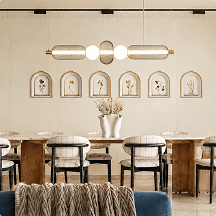
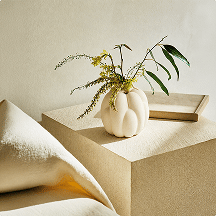
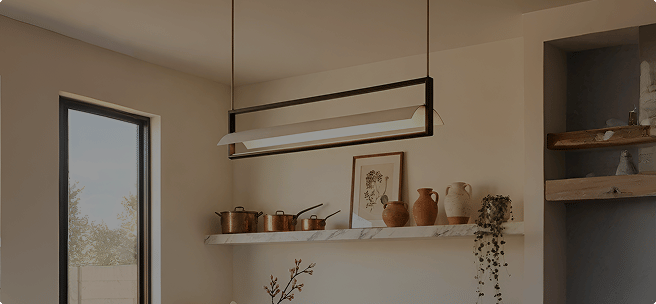
Gallery of Wall Light Styles
"From candle-lit crystal to sculptural LED silhouettes, every wall light tells a different story on the wall."


What Is the Difference Between Ambient, Task, and Accent Lighting?
Modern wall lights work best when they're not the only light source in a room. Designers build a space in three layers, and wall lights are usually the easiest way to add the layer most homes are missing.
- Ambient — general lighting, usually from ceiling fixtures or large windows, that fills the room evenly.
- Task — focused lighting for a specific activity, like reading, cooking, or applying makeup.
- Accent — light used to highlight architectural features, art, or texture. This is where wall lights excel.
Where Should You Place Wall Lights in Each Room?
The right placement depends on the room, but a few principles hold everywhere: mount at a height that avoids glare, keep pairs symmetrical where possible, and let the fixture do a job the room actually needs.
- On either side of a headboard — symmetric, glare-free reading light
- Above a console table — a warm first impression at the entry
- Flanking a mirror — even, shadow-free light for grooming
- Along a hallway — guides movement and adds rhythm to a long wall
- Beside a fireplace — frames the mantel as the room's focal point

Frame the fireplace with a matching pair on either side of the mantelpiece, or flank the sofa just above seating height to replace a bulky floor or table lamp entirely.
Mount adjustable swing-arm sconces on both sides of the headboard, roughly 30–45 cm above the mattress, so reading light never clashes with a sleeping partner.
Space fixtures evenly along a corridor, about 1.5–1.8 metres above the floor and 2–3 metres apart, to lead the eye and guide movement through the home.
Flank the vanity mirror at eye level rather than mounting overhead, so the light falls evenly across the face instead of casting harsh shadows.
Avoid placing bathroom sconces directly overhead — the shadow falls exactly where you're trying to see clearly. Mount them at eye level on either side of the mirror instead.
Which Light Direction Is Right for Your Room?
The direction a fixture throws its light changes the mood of a room as much as the fixture itself does.
- Uplights — cast light toward the ceiling to make a low room feel taller and more open.
- Downlights — direct light downward to highlight flooring, wall texture, or a specific task.
- Up-and-down lights — send light in both directions at once, creating sharp, dramatic shadows.
- Diffused lights — use frosted glass or fabric shades to scatter a soft, even glow, ideal for relaxing spaces.


How Do You Match Wall Lights to Your Decor Style?
Modern and Minimalist Styles
- Use sleek shapes with clean lines, like flush wall lights or geometric metal fixtures.
- Choose matte black, brushed steel, or chrome finishes.
- Select acrylic or frosted glass diffusers for a soft, even glow.
Traditional and Classic Styles
- Pick fixtures with classic materials like bronze, brass, or wrought iron.
- Look for designs featuring fabric shades, pleated details, or crystal drops.
- Mount armed wall sconces near mirrors or headboards for symmetrical balance.
Rustic and Farmhouse Styles
- Choose fixtures made from natural materials like clay, terracotta, or weathered wood.
- Look for metal finishes in antique bronze or dark copper to add warmth.
- Use cage sconces or lantern-style designs.

Ultra-Minimalist
Choose slim LED silhouettes or geometric shapes in tones that blend into the wall rather than compete with it.

Traditional & Classic
Use gold-toned, crystal-detailed fixtures with candle-style bulbs to complement antique furniture and formal interiors.
5 Installation Tips for Wall Lights
Plan the Wiring
Hardwired sconces look the cleanest but require running wiring inside the wall — plan this before you paint or wallpaper.
Consider a Plug-In Alternative
If you're renting or don't want to cut into walls, look for plug-in sconces with a decorative fabric cord instead.
Measure the Mounting Height
Use the room-specific heights in this guide as a starting point, then adjust slightly for your own ceiling height and furniture.
Choose a Warm Bulb Temperature
A 2700–3000K warm white bulb keeps the glow inviting; anything cooler can feel clinical in a living or bedroom setting.
Add a Dimmer Switch
Connect your wall lights to a dimmer so you can move easily from bright, functional light to a soft evening glow.
Our Premium Wall Light Collections
Handcrafted wall lights curated by our design experts at Whispering Homes.

French Crystal Wall Lamp
An antique-brass arm dressed in cascading crystal drops for a soft, jewel-like glow.

Aurora Vintage Crystal Wall Lamp
A single-light, gold-cast fixture with ornate detailing and hanging crystal accents.

Clair De Crystal Wall Torch
A Crystal Wall Torch showcases elegant crystal detailing with a refined design.
Wall Lights: Frequently Asked Questions
What are wall lights?
Wall lights, also called sconces, are fixtures mounted directly onto a wall rather than a ceiling or table. They provide ambient, task, or accent lighting and are used to free up floor space, highlight artwork, or add symmetry beside a bed, mirror, or fireplace.
How to choose wall lights?
Choose wall lights based on the room's purpose, the mounting height available, and your existing decor style. Task-focused rooms like bathrooms need eye-level, shadow-free fixtures, while living rooms can take bolder, sculptural designs as accent pieces.
Which wall lights are best?
The best wall lights are the ones matched to their location: swing-arm sconces for bedside reading, diffused frosted-glass fixtures for bathrooms, and sculptural or crystal designs for living rooms and hallways where they double as decor.
Are wall lights worth buying?
Yes — wall lights add a design layer that ceiling lights and lamps can't replicate, and they free up nightstands, console tables, and floor space. A single well-placed pair can visually elevate a room more than a larger overhead fixture.
How to maintain wall lights?
Dust wall lights weekly with a dry microfiber cloth, and clean glass or crystal elements monthly with a lightly damp cloth. Always switch off power before cleaning, and check screws and wall mounts periodically to keep the fixture secure.
Where to buy wall lights?
Wall lights can be bought from dedicated home decor and lighting retailers such as Whispering Homes, which offers curated collections spanning crystal, brass, and minimalist LED designs suited to Indian homes.
What size wall lights?
For bedside sconces, keep the fixture proportional to the headboard and mount it 30–45 cm above the mattress. For hallways and living rooms, a wider or taller sculptural piece can work as a standalone focal point.
Best material for wall lights?
Brass and metal finishes suit traditional and industrial interiors and age well over time, while crystal adds a luxury glow to formal spaces. Matte black or frosted glass works best for minimalist and contemporary homes.
How long do wall lights last?
A quality wall light fixture typically lasts 10–15 years with normal use, while the bulb itself — especially LED — can last 15,000–25,000 hours before it needs replacing.
How to decorate with wall lights?
Use wall lights in symmetrical pairs to frame a mirror, fireplace, or headboard, or as a single sculptural piece to anchor an empty wall. Combine warm bulb tones with a dimmer switch to shift easily between task brightness and ambient mood.
Final Thoughts
Styling a home with modern wall lights isn't about buying more fixtures — it's about choosing the right one for the right wall. A single well-placed sconce beside a headboard, mirror, or fireplace does more design work than an entire shelf of decor, and it does it every time you switch it on.
Start with one room, get the height and direction right, and let the rest of the home follow. The perfect wall light doesn't just light a space — it decides how that space feels after dark.