















































Clear vs. Ribbed Glass Light Shades: Which Is Best for Sconces & Ceiling Lights?

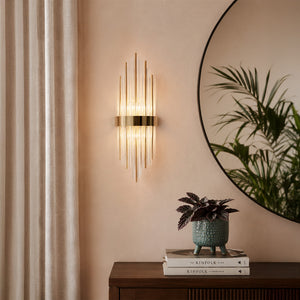
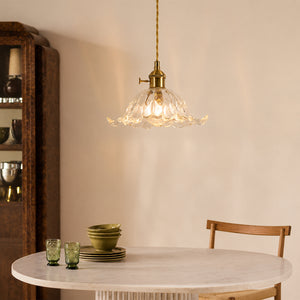
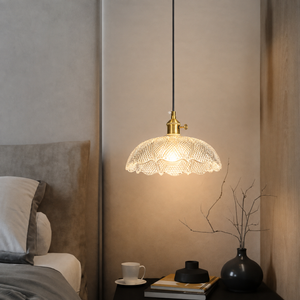
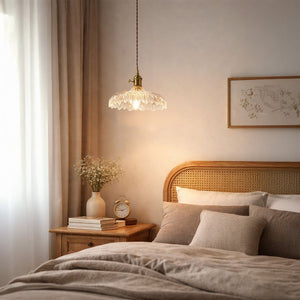
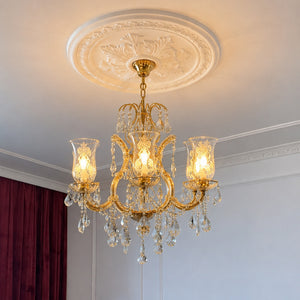
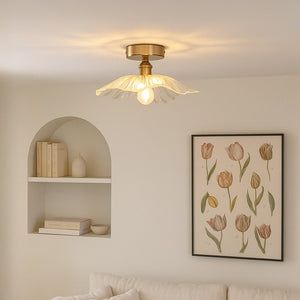
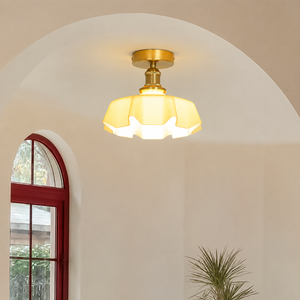
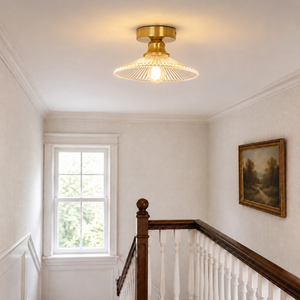
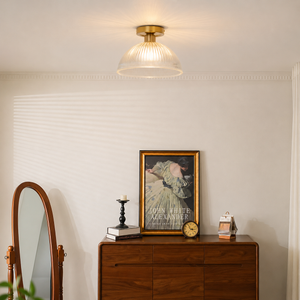
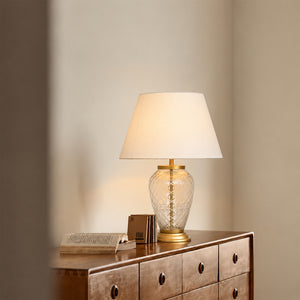
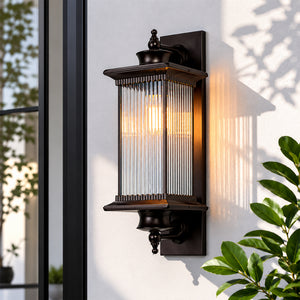
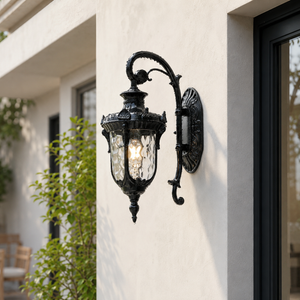
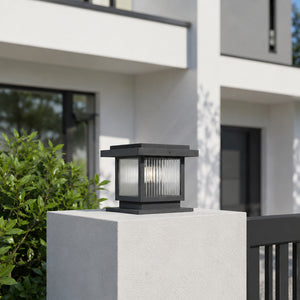
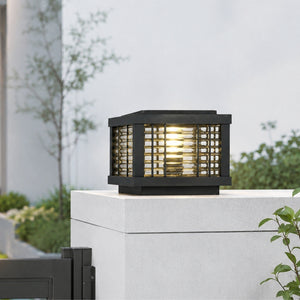
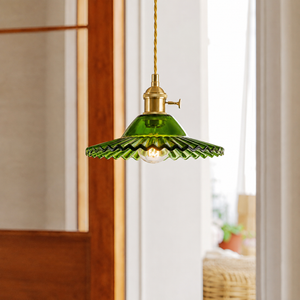
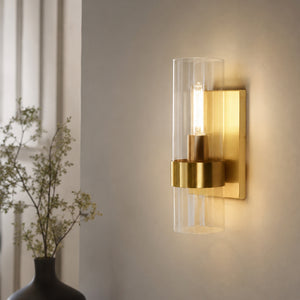
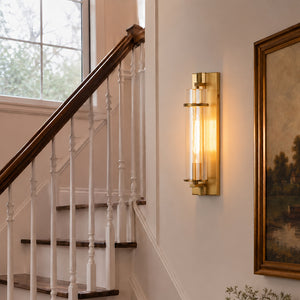
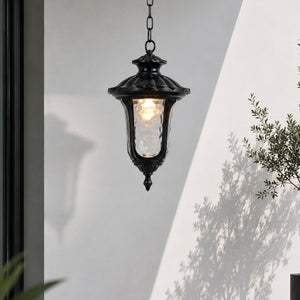
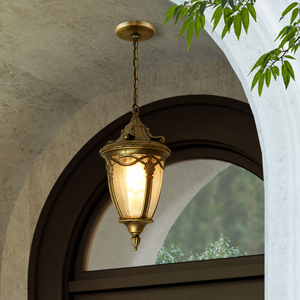
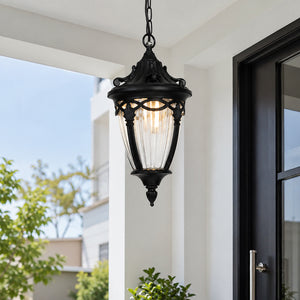
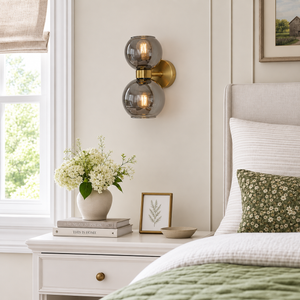
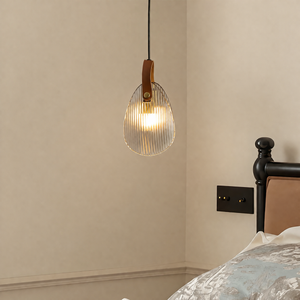
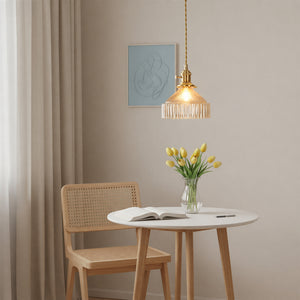
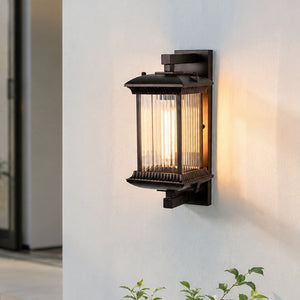
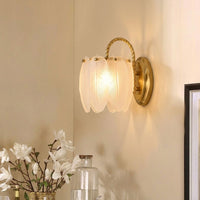
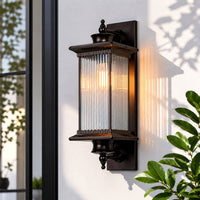
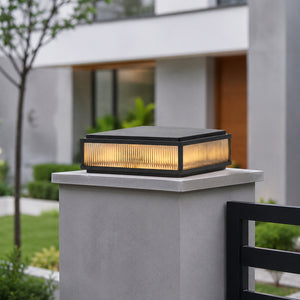
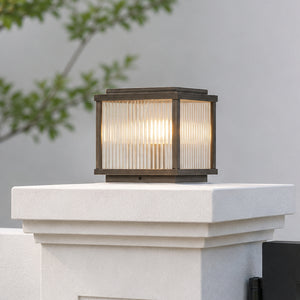
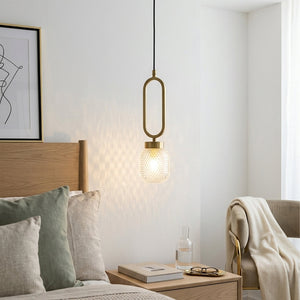
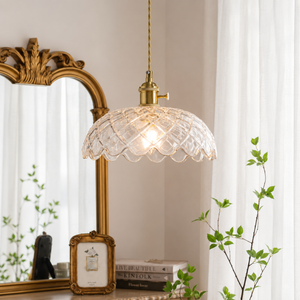
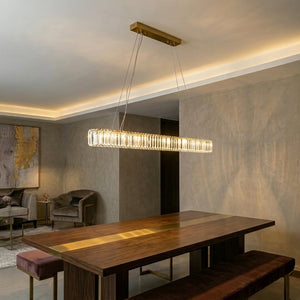
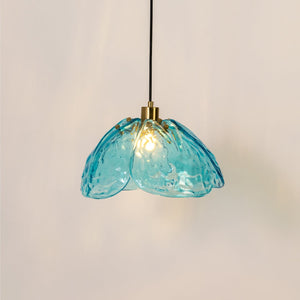
A clear, ribbed glass shade — transparency and texture in one fixture.
Clear vs. Ribbed Glass Light Shades: Which Is Best for Sconces & Ceiling Lights?
A room-by-room guide to choosing the right glass texture for your fixture
Quick Answer
Clear glass light shades maximize brightness and let a decorative bulb take center stage, making them ideal for kitchens, bathrooms, and task-focused fixtures. Ribbed glass light shades diffuse and soften illumination while adding texture, suiting bedrooms, living rooms, and ambient lighting. The right choice for sconces and ceiling lights depends on the room's purpose, the glow you want, and your interior style — and clear ribbed glass often gives you the best of both.
Clear or ribbed glass? It may look like a small design decision, but the shade you choose changes how a room looks, how the light feels, and how practical the fixture is to live with day to day. Clear glass is bright, simple, and timeless — it lets more of the bulb show through and keeps a fixture feeling open. Ribbed glass introduces texture, softening and diffusing the light for a warmer, more decorative finish. Neither is a universal winner; the right pick depends on the room, the brightness you need, your interior style, and whether you want the shade to disappear into the fixture or become part of its visual appeal.
Why This Decision Matters
Functionally, the glass you choose determines how much usable light reaches a countertop, mirror, or reading nook — clear glass sends more of it straight through, ribbed glass spreads it wider and softer.
Aesthetically, the shade is one of the few lighting elements you look at directly rather than just by. A textured, ribbed surface reads as handcrafted and layered, while a clear shade keeps a fixture feeling light, modern, and unobtrusive.
Clear vs. Ribbed Glass Light Shades at a Glance
| Feature | Clear Glass | Ribbed Glass |
|---|---|---|
| Light output | Very bright and direct | Softer and more diffused |
| Appearance | Clean and minimalist | Textured and decorative |
| Glare control | Lower | Generally better |
| Bulb visibility | High | Reduced or softened |
| Style | Modern, classic, industrial | Vintage, contemporary, transitional |
| Hides fingerprints | Poorly | Better |
| Best for | Bright, functional lighting | Ambient, comfortable lighting |
One important nuance: ribbed glass can still be clear. "Clear" describes transparency; "ribbed" describes surface texture. A shade can be both — a clear ribbed glass light shade combines transparency with vertical or fluted texture.
What Are Clear Glass Light Shades?
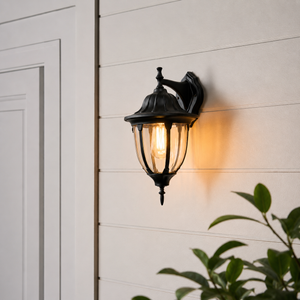
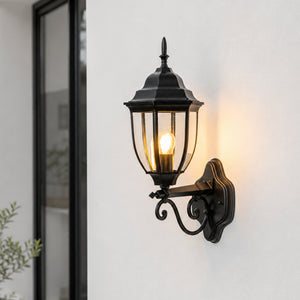
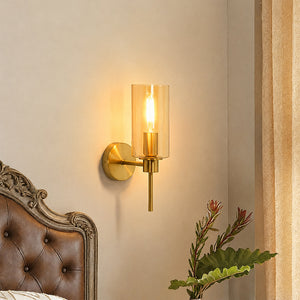
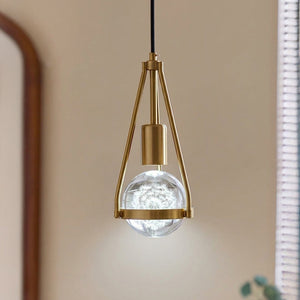
Clear glass light shades are transparent shades that let light pass through with relatively little visual obstruction. They're commonly used on wall sconces, pendant lights, vanity fixtures, ceiling lights, and replacement fixtures. Their biggest advantage is simplicity — because the glass doesn't heavily obscure the bulb, clear glass creates a bright, open appearance that suits kitchens, bathrooms, hallways, home offices, and other spaces where illumination matters more than softness.
Clear glass also pairs with a wide range of interior styles: brass for a traditional or transitional look, black metal for an industrial feel, or chrome and brushed finishes for something contemporary.

- Maximum visual clarity — nothing dilutes the light or the fixture's lines.
- Bright, direct-looking illumination — ideal where task lighting matters.
- Easy to coordinate — works with brass, black metal, chrome, and brushed finishes alike.
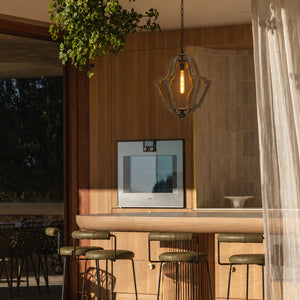
- Shows off the bulb — the natural choice when a decorative filament bulb is part of the design.
The downside of clear glass
The same transparency that makes clear glass bright can make the bulb more noticeable, which may create glare when viewed directly. Clear glass also shows dust, fingerprints, and smudges more readily — not difficult to clean, but it asks for more frequent wiping to stay looking pristine.

What Are Ribbed Glass Light Shades?
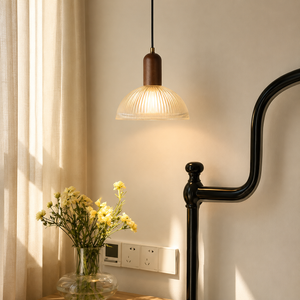
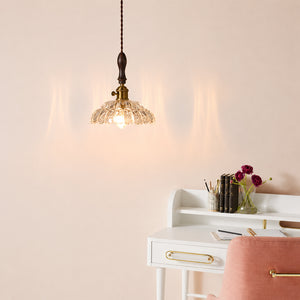
Ribbed glass light shades feature raised or recessed lines across the surface, running vertically, horizontally, or around the shade depending on the design. That texture changes both how the shade looks and how light moves through it — as light passes through, it's visually broken up and distributed across the surface, creating a softer glow and subtle patterns of light and shadow.
Ribbed glass is especially popular for sconces, pendant lights, vanity fixtures, and flush or semi-flush ceiling lights, and shows up in cylinder, bell, bowl, and other shapes.
- Adds texture and visual interest to an otherwise plain fixture.
- Softens the appearance of the bulb for a more comfortable ambient glow.
- Works well with both vintage and contemporary interiors.
- Camouflages minor marks — fingerprints and dust are far less obvious than on smooth glass.


The downside of ribbed glass
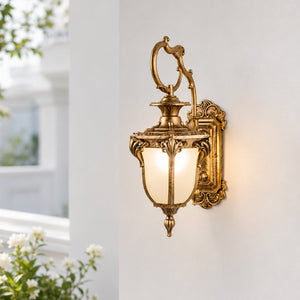
Ribbed glass may not deliver the same unobstructed brightness as a fully clear shade, so if you need strong, direct illumination for a task area, a textured surface may not be the first choice. It's also worth distinguishing clear ribbed glass from frosted ribbed glass — frosting reduces transparency further and creates an even softer light.

Clear vs. Ribbed Glass: Which Gives More Light?
If maximum brightness is the priority, clear glass is usually the better starting point — a transparent shade lets the bulb's light pass through with minimal obstruction, which is useful anywhere a fixture needs to contribute practical illumination rather than simply set a mood. Ribbed glass changes the visual quality of that light instead of presenting it directly: the textured surface spreads and breaks it up.
But "more light" doesn't automatically mean "better light." For a bathroom vanity, clear glass can be excellent if you need a bright, functional fixture. For a bedroom or living room, a softer ribbed shade may feel far more comfortable.
Bottom line: choose clear glass for maximum brightness, and ribbed glass when you want brightness paired with softer visual distribution.
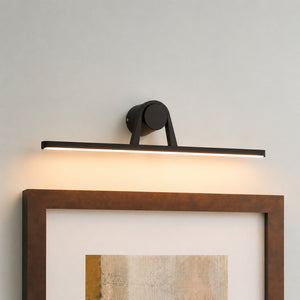
Which Is Better for Wall Sconces?
Both options work well for wall sconces, but they create noticeably different effects.

Choose clear glass when…
You want a crisp, contemporary appearance; the fixture is for functional illumination; you like decorative filament bulbs; you want the fixture to feel lightweight and open; your room already has plenty of texture elsewhere.
Choose ribbed glass when…
You want a softer glow; you want the glass itself to become a design feature; the walls are plain and could use texture; you prefer vintage, fluted, or transitional styling; you want to soften an exposed bulb's harshness.
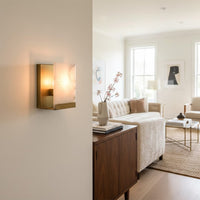
Clear glass sconces are especially effective in hallways, bathrooms, kitchens, and entryways where practical visibility matters. Ribbed glass sconces, meanwhile, can create attractive light-and-shadow effects on the wall, adding another layer of visual interest.

Which Is Better for Ceiling Lights?
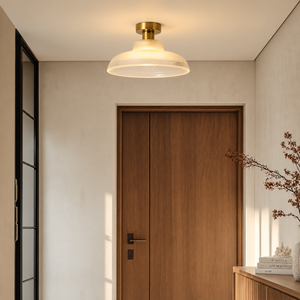
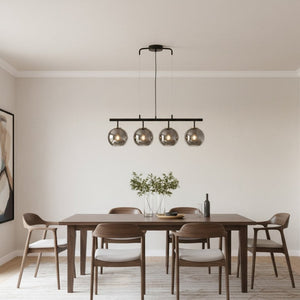
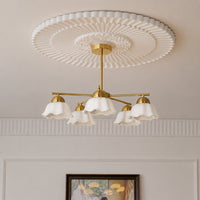
For ceiling fixtures, the decision leans heavily on the room's purpose. Clear glass ceiling shades suit spaces that need a brighter, more open appearance — kitchens, utility areas, and hallways, where you want light to spread without the shade becoming visually heavy. Ribbed glass ceiling shades work well when the fixture should also contribute to the room's décor, becoming a focal point rather than simply covering the bulb.
A useful rule
If the ceiling light is primarily functional, start with clear glass. If it's both functional and decorative, ribbed glass is often worth considering — many modern ribbed designs sit close to the ceiling, which is practical for lower-ceilinged rooms, and some deliberately use ribbing to cast subtle striped shadows nearby.
Ribbed vs. Clear Glass for Bathrooms
Bathrooms need a little more thought, since you typically want good visibility without uncomfortable glare. Clear glass can be excellent around a vanity — strong illumination, a visually clean fixture — but bulb choice matters, since a very bright, exposed bulb behind clear glass can feel harsh up close. Ribbed glass can offer a softer appearance while still allowing substantial light through, depending on its thickness, pattern, and transparency.
For vanity sconces, consider placing fixtures on either side of the mirror rather than relying on a single overhead source — it creates more balanced, flattering facial lighting. Always check that the fixture is rated for its bathroom location before installing.

Which Glass Shade Is Easier to Clean?
At first glance, clear glass seems like the obvious winner — its smooth surface is easy to wipe, and that's true. But there's another consideration: what the glass shows. Clear glass makes fingerprints, dust, and smudges highly visible, while ribbed glass's textured surface visually disguises minor marks between cleanings.
If you're choosing a replacement shade, check whether the glass is removable and how it attaches to the fixture. Replacement shades use different fitter types and opening dimensions, so the fitter type and opening diameter need to match your existing fixture for a correct install.

How Bulb Choice Changes the Result
The glass shade is only half of the lighting equation — the bulb matters just as much. A clear glass shade exposes more of the bulb, so decorative LED filament bulbs work particularly well, their visible shape becoming part of the fixture's aesthetic. With ribbed glass, the texture becomes more prominent once the light is switched on; a warm-white bulb enhances the cozy quality of textured glass, while a cooler light produces a crisper appearance.
For bedrooms, living rooms, and dining areas, warmer light is often more comfortable; for work areas and task-oriented spaces, a brighter, more neutral light tends to work better. Always follow the fixture manufacturer's recommended bulb type, wattage, and compatibility requirements.
Clear vs. Ribbed Glass for Different Interior Styles
Modern
Clear glass is the easy choice for minimalist rooms, since transparency keeps the fixture visually light. Ribbed glass also works beautifully here when you want texture without adding strong color.
Industrial
Clear glass paired with black or aged metal reinforces an industrial aesthetic, especially with a visible Edison-style bulb. Ribbed glass offers a softer, more refined take on the same look.
Traditional
Ribbed or fluted glass complements traditional brass, bronze, and antique-style fittings particularly well. Clear glass is better when you want the metalwork and architectural detail to stay the focus.
Vintage
Ribbed glass is often the stronger choice — its texture echoes older pressed-glass, period-inspired designs, and shows up frequently in restoration and period-style fixtures.


The glass shade you choose isn't just how light escapes a fixture — it's how the room feels every evening after the sun goes down.
What About Clear Ribbed Glass?
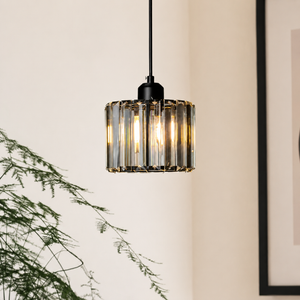
This is where the comparison gets more interesting — you don't necessarily have to choose between "clear" and "ribbed." Clear ribbed glass light shades combine a transparent glass body with a textured surface, offering more visual softness than smooth clear glass while retaining a relatively bright appearance.


This style is especially useful when you want the brightness of transparent glass, the texture of ribbing, less visual harshness, and a more decorative, vintage-meets-modern fixture. Many current lighting ranges use exactly this combination, including replacement shades and ceiling fixtures.
How to Choose the Right Glass Light Shade
Before buying, work through these five questions.
What is the room used for?
A task-oriented kitchen or bathroom may benefit from clear glass; a bedroom or living room may suit ribbed glass better.
Do you want direct or softer-looking light?
Choose clear for a more direct appearance, ribbed for a more diffused visual effect.
Is the bulb part of the design?
If you want a decorative bulb to show, clear glass is usually the better option.
Does the room need more texture?
If your room has smooth walls, simple furniture, and limited pattern, ribbed glass can introduce subtle texture.
Does the replacement shade actually fit?
Measure the fitter opening, shade dimensions, and attachment mechanism before ordering — a shade that looks right may still be incompatible with your fixture.

Final Verdict
There is no single winner, because clear and ribbed glass solve different lighting and design problems. Choose clear glass light shades when you want maximum brightness, a clean and timeless appearance, visible decorative bulbs, or functional lighting for kitchens, bathrooms, and work areas. Choose ribbed glass light shades when you want softer-looking illumination, more texture, a decorative focal point, a vintage or transitional feel, or better visual camouflage of minor fingerprints and marks.
For many homes, clear ribbed glass is the best middle ground — the transparency of clear glass with the texture and character of ribbing. Ultimately, the right shade is the one that matches your fixture, room, bulb, and lighting purpose, so it's worth thinking about how the fixture will actually be used at different times of day, not just how it looks in a single photograph.
Frequently Asked Questions
Is clear or ribbed glass better for light output?
Clear glass generally lets more unobstructed light through, since transparency doesn't interrupt the beam. Ribbed glass modifies the visual quality of that same light, spreading and softening it rather than reducing it outright.
Are ribbed glass shades good for sconces?
Yes. Ribbed glass sconces are especially effective when you want texture, a softer glow, and a more decorative wall fixture rather than a purely functional one.
Are clear glass shades better for ceiling lights?
They can be, particularly when maximum brightness is the priority, such as in a kitchen or hallway. Ribbed glass is a strong alternative when the ceiling fixture also needs to add texture and ambience to the room.
Does ribbed glass reduce glare?
It can. Ribbed texture breaks up and diffuses the light path, softening the harsh visual effect of a directly exposed bulb, though the exact result still depends on the specific glass and fixture design.
Are clear ribbed glass light shades the same as frosted glass?
No. Clear ribbed glass keeps a transparent, textured surface, while frosted glass has a translucent finish that further obscures the bulb and produces an even softer light.
Which glass shade is easier to clean?
Smooth clear glass is physically the easiest surface to wipe down, but its transparency shows fingerprints and dust more readily. Ribbed glass is just as easy to clean, and its texture visually disguises minor marks between cleanings.
Which glass shade works best with vintage bulbs?
Clear glass is usually the better choice when you want the decorative filament of a vintage-style bulb to stay fully visible as part of the fixture's design.
Can I replace a clear shade with a ribbed shade?
Often, yes, provided the replacement shade has the correct fitter type, opening size, dimensions, and mounting method for your existing fixture.
Does ribbed glass suit modern interiors?
Absolutely. Clear ribbed or fluted glass adds texture to a minimalist interior without pulling the space toward a heavier, more traditional look.
What is the best glass shade for a bathroom fixture?
Clear glass works well for bright vanity lighting, while ribbed glass offers a softer, more decorative effect. Always confirm the complete fixture is rated for its intended bathroom zone before installing.