




























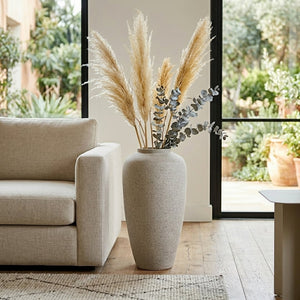
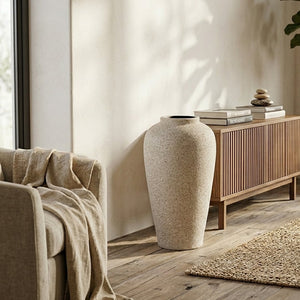
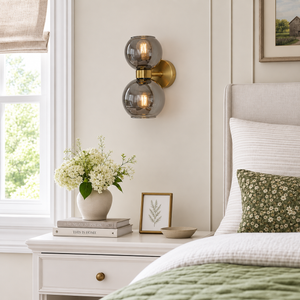
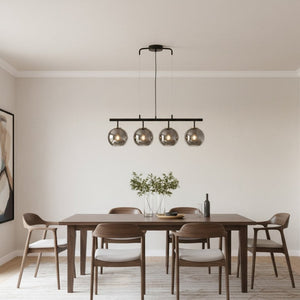




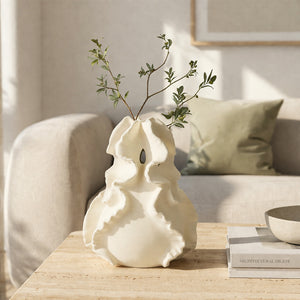
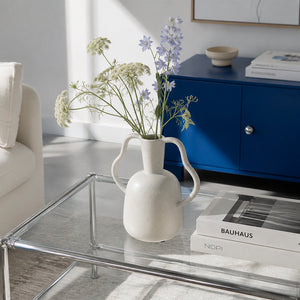
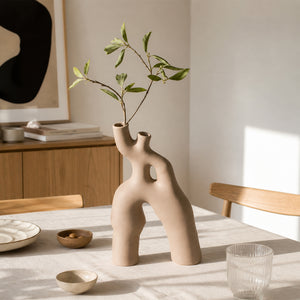
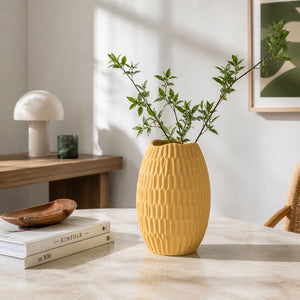















Ceramic vs Terracotta: Pros, Cons, and What You Should Know

Ceramic vs Terracotta: Pros, Cons, and What You Should Know
How to choose the right vase material for your flowers, your climate and your style
Ceramic vs terracotta comes down to how you will use the vase. Glazed ceramic vases are fired above 1200°C, waterproof and ideal for fresh flowers and modern interiors. Terracotta vases are low-fired, unglazed and porous, with a warm, earthy look best suited to dried stems and rustic spaces. Choose ceramic for durability, terracotta for texture — or mix both.
Crafting corners with character.
When it comes to home decor, choosing the right material for something as simple as a vase changes how a room looks, how long your flowers last and how much care the piece needs. Ceramic and terracotta are the two most popular choices, and while they both begin as clay, they behave very differently once they are on your console table, dining table or balcony.
Terracotta and modern ceramic vases are timeless additions to any space, whether you want a rustic feel or a polished, contemporary look. This guide compares ceramic vs terracotta on every point shoppers ask about — what each material is, the pros and cons, durability, how they handle fresh flowers and Indian weather, cleaning and sealing, cost, and room-by-room styling — so you can pick the perfect vase for your home or office with confidence.
Anyone buying a first statement vase, styling fresh flowers every week, decorating a balcony or verandah, or wondering why a terracotta vase has started leaving marks on a wooden table.
What Are Ceramic and Terracotta?
Ceramic and terracotta are both clay-based materials, but their composition and firing process set them apart. Ceramic is made from a variety of clays mixed with minerals such as feldspar and silica, then fired at high temperatures to produce a hard, dense surface with a glossy or matte finish. Terracotta is a specific iron-rich clay, reddish-brown in colour, fired at a lower temperature — which leaves it more porous, lighter and distinctly earthy.

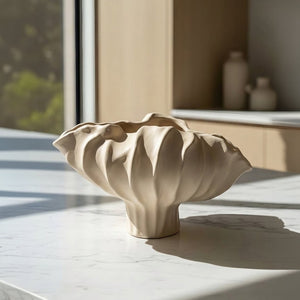
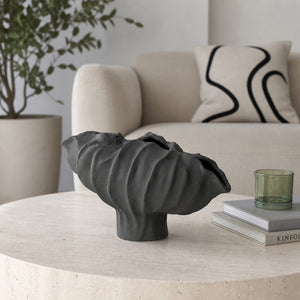
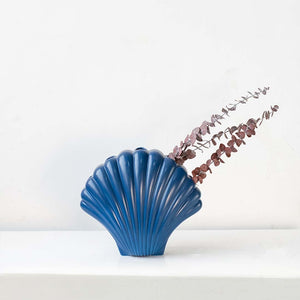
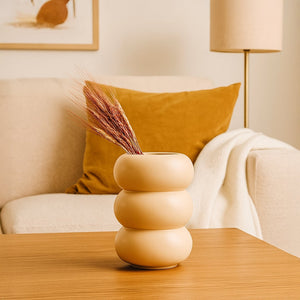
Ceramic Collection
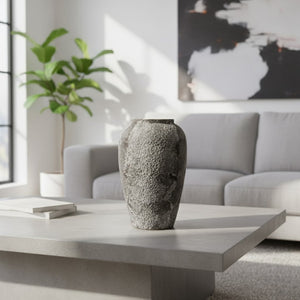
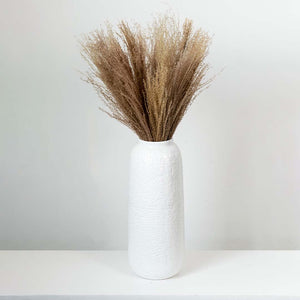
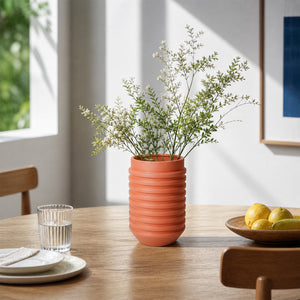
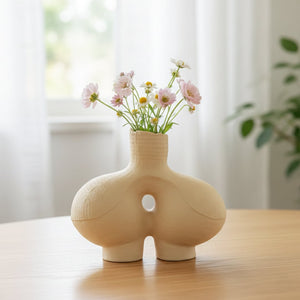
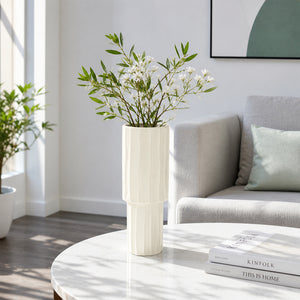
Modern ceramic vases with textured, ribbed surfaces

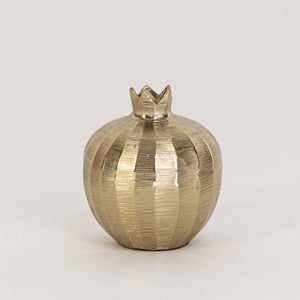
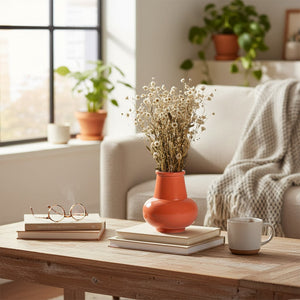
Terracotta Collection
Contemporary terracotta vases with decorative handles
Both materials have been used for centuries across cultures — from the terracotta matkas and diyas found in Indian homes to glazed porcelain from East Asia. Terracotta is often linked with classical, rustic and farmhouse decor, while ceramic pieces suit modern, minimalist settings thanks to their refined finish and wide range of colours.
What's the Difference Between Ceramic and Terracotta Vases?
The main difference between ceramic and terracotta vases is density. Ceramic is fired hotter and is usually glazed, so it is harder and holds water; terracotta is fired cooler and left raw, so it breathes and absorbs moisture.
Terracotta Vases
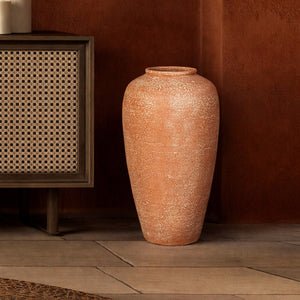
Terracotta — Italian for "baked earth" — is a low-fired, iron-rich earthenware. It is typically unglazed and porous, with a natural reddish-brown colour. It has been used for centuries in pottery, sculpture and architecture thanks to its handcrafted appeal and breathable texture.
Ceramic Vases
Ceramic is a broad term covering earthenware, stoneware and porcelain. Most decorative ceramic vases are fired above 1200°C, giving a harder, more durable and less porous body. They are often glazed, allowing rich colours, varied finishes and excellent water resistance.
All terracotta is ceramic, but not all ceramic is terracotta.
| Feature | Ceramic Vases | Terracotta Vases |
|---|---|---|
| Material | Various clays with minerals like feldspar and silica | Iron-rich clay, usually unglazed |
| Firing temperature | High (around 1200°C and above) | Lower (roughly 900–1100°C) |
| Appearance | Glossy, matte or metallic; wide colour range | Natural reddish-brown, earthy and raw |
| Porosity | Low — glaze seals the surface | High — absorbs and releases moisture |
| Water resistance | Excellent when glazed | Poor unless sealed or lined |
| Durability | Hard, dense, resists stains | More prone to chips and cracks |
| Weight | Heavier and more stable | Lighter and easier to move |
| Maintenance | Low — wipe and wash | Moderate — gentle cleaning, full drying |
| Cost | Varies widely with glaze and craftsmanship | Generally more affordable |
| Best for | Fresh flowers, modern and luxury decor | Dried arrangements, rustic and boho settings |
What Are the Pros and Cons of Ceramic and Terracotta Vases?
Neither material is simply "better" — each one solves a different problem. Here is an honest look at what you gain and what you give up with each.
Ceramic Vases
- Waterproof when glazed — safe for fresh flowers on wooden furniture
- Endless colours, glazes and sculptural shapes
- Hard-wearing and resistant to stains and odours
- Heavier base keeps tall arrangements stable
- Easy to clean and suited to daily use
- Can crack from sudden temperature changes
- Heavier to move, especially large floor vases
- Artisan and hand-glazed pieces cost more
- Glossy glazes can show fingerprints and water spots
Terracotta Vases
- Warm, natural colour that softens any room
- Handcrafted, organic texture with character
- Lightweight and easy to rearrange
- Generally more budget-friendly
- Breathable clay suits dried flowers and pampas grass
- Porous — seeps water unless sealed or lined
- More fragile; chips and cracks more easily
- Can develop white salt marks or moss in humidity
- Absorbs stains from soil, oil and hard water
How Do Ceramic and Terracotta Vases Differ in Style?

Terracotta Vases: Warm, Rustic Charm
- Earthy, matte tones — reds, browns and burnt oranges
- Organic, handcrafted feel with raw, visible texture
- Ideal for bohemian, rustic, farmhouse and Mediterranean styles
- Pairs beautifully with dried flowers, grasses and greenery
- Adds warmth and depth to otherwise minimalist spaces
- Develops a gentle patina over time that many people love
Ceramic Vases: Versatile, Artistic Beauty
- Available in glossy, matte, reactive and metallic finishes
- Wide range of colours, silhouettes and sizes
- Suits modern, eclectic, minimalist and classic interiors
- Glazing allows intricate patterns and bold hues
- Works as a statement piece or a quiet design accent
- Ribbed and fluted textures add interest without clutter

"The beauty of ceramics lies in their versatility, while terracotta carries the warmth of tradition and earth."
Whispering HomesWhich Is More Durable: Ceramic or Terracotta?
Ceramic is the more durable vase material for everyday use. High firing makes the clay body dense, and a glaze adds a protective shell. Terracotta is sturdy enough for indoor decor, but its porous structure makes it more vulnerable to water, frost and knocks.
Ceramic Vases: Built to Last
- High-fired and glazed — waterproof and stain-resistant
- Suitable for fresh flowers and frequent water changes
- Less likely to absorb moisture or crack with weather changes
- Heavier and more stable for larger arrangements
Terracotta Vases: Natural, but Fragile
- Porous and unglazed — not ideal for holding water long-term
- Can crack in cold or constantly wet conditions
- Lighter and easier to move, but more prone to chipping
- Best with dried flowers or as sculptural decor indoors

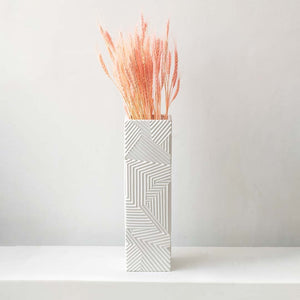
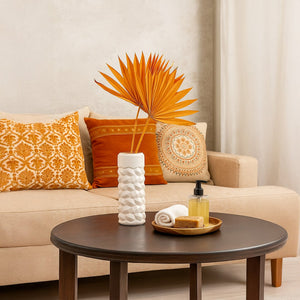
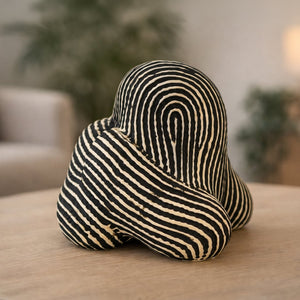
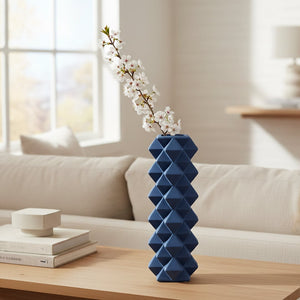
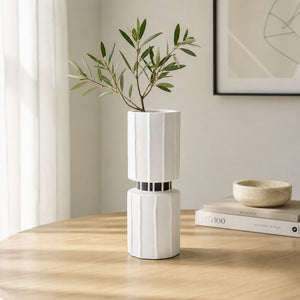
Textured geometric patterns highlight the craftsmanship and durability of ceramic vases.
Choose a heavy, wide-based ceramic vase for floors and low tables — it is much harder to tip over. Keep lightweight terracotta pieces on higher shelves or consoles where they are less likely to be knocked.
Which Vase Is Better for Fresh Flowers?
Glazed ceramic is the better vase for fresh flowers. The sealed surface holds water without seeping, does not trap bacteria in its pores, and rinses clean between bunches — all of which helps blooms last longer. Terracotta shines with dried and preserved stems, where its porous body is an advantage rather than a problem.
Fresh Flowers
Roses, lilies, tuberoses and seasonal bunches — use glazed ceramic, or terracotta with a glass liner.
Dried & Preserved
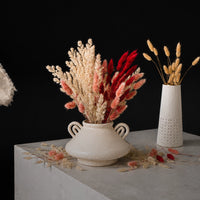
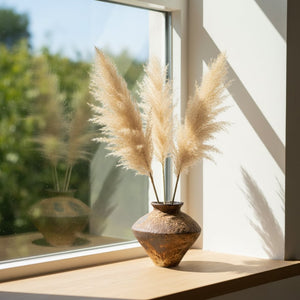
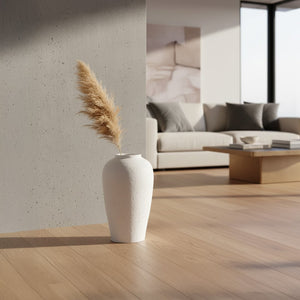
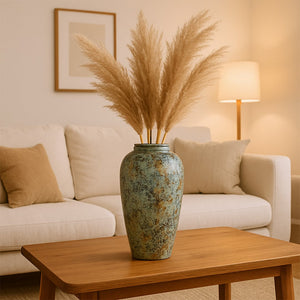
Pampas grass, bunny tails, dried palm leaves and wheat — terracotta is the natural match.
Branches & Greenery
Money plant cuttings, eucalyptus and tall branches — a heavy ceramic floor vase keeps them steady.
Love the look of terracotta but want fresh flowers? Slip a slim glass jar or plastic liner inside the vase. You get the earthy exterior with none of the seepage.
How Do Ceramic and Terracotta Vases Handle Indian Weather?
Indian homes see dry summer heat, heavy monsoon humidity and, in the north, cool winters — and each season affects these materials differently. The same porosity that keeps water cool in a clay matka is what makes a terracotta vase absorb moisture from the air.
Summer
- Both materials handle heat well indoors
- Never pour cold water into a sun-heated ceramic vase — sudden shock can crack it
- Terracotta may fade slightly in harsh direct sun
Monsoon
- Terracotta absorbs humidity and can show white salt patches or moss
- Move outdoor terracotta under cover and raise it on stands
- Ceramic is largely unaffected — just wipe off water marks
Winter
- Wet terracotta left outside in cold nights can crack
- Keep outdoor vases dry and empty in colder regions
- Ceramic handles indoor winter conditions easily
For open balconies, a glazed ceramic vase is the low-maintenance choice. If you love terracotta outdoors, place it in a covered corner, seal it, and add felt or rubber pads so it does not sit in pooled water.
How Do You Clean and Care for Ceramic and Terracotta Vases?
How to Clean Ceramic Vases
- Wipe with a damp cloth and a little mild soap
- Use a bottle brush for narrow interiors
- For narrow necks, swirl warm soapy water with a spoon of uncooked rice
- Remove hard-water rings with diluted white vinegar
- Avoid sudden temperature changes and harsh scrubbers on glazes
How to Clean Terracotta Vases
- Do not soak — wipe gently with a damp cloth
- Use a mild vinegar solution for white mineral residue
- Skip strong detergents; the clay absorbs them
- Let the vase dry fully after any moisture
- Add felt pads to the base to protect furniture
How to Seal a Terracotta Vase for Water
Sealing turns a porous terracotta vase into one that can hold water for fresh flowers. It takes a little time but is simple to do at home.
- Clean the vase Brush off dust and wipe the inside with a damp cloth to remove loose clay particles.
- Dry it completely Leave the vase to dry for 24–48 hours so no moisture is trapped under the sealer.
- Apply the sealer inside Brush a water-based terracotta sealer or clear waterproofing sealant evenly over the interior walls and base.
- Add a second coat Once the first coat is dry to the touch, apply a second coat for full coverage.
- Cure and test Allow the sealer to cure as directed on the label, then fill with water and check for damp spots before use.
Seal only the inside if you want to keep terracotta's natural, matte exterior. Avoid outdoor use of unsealed terracotta during heavy rain or cold weather.
How Can You Tell Ceramic and Terracotta Apart When Shopping?
Painted or glazed terracotta can look a lot like ceramic, and some ceramics are finished to look earthy. These quick checks help you know exactly what you are buying.
Check the Base
Look at the unglazed foot. Reddish-orange clay usually means terracotta; white, grey or cream clay points to stoneware or porcelain.
Do the Water Drop Test
Place a drop of water on an unglazed area. If it soaks in within seconds, the clay is porous terracotta.
Tap It Gently
High-fired ceramic gives a clear, ringing sound. Terracotta gives a softer, duller note.
Feel the Weight
For the same size, ceramic usually feels noticeably heavier and denser than terracotta.
Look at the Surface
A glassy glaze inside and out suggests ceramic built for water. Raw, chalky interiors mean it needs a liner.
Read the Description
Check whether the product says "waterproof", "for dried flowers only" or "use with liner" before you buy.
Is Terracotta Cheaper Than Ceramic?
Terracotta is usually the more budget-friendly option because it is fired at lower temperatures and often left unglazed. Ceramic prices vary far more, depending on the clay body, glaze and level of hand-finishing.
Terracotta Vases: Affordable Elegance
- Lower production cost keeps prices friendly
- Great for bulk decorating, weddings and festive setups
- Large floor pieces cost less than ceramic equivalents
- Authentic, handmade decor without a premium price
Ceramic Vases: Wide Price Range
- Cost depends on glaze, design and craftsmanship
- Available as mass-produced or artisan-made pieces
- Premium ceramics offer durability, artistry and luxe finishes
- A long-lasting piece often works out better value over time
Where Should You Style Ceramic and Terracotta Vases?

Natural Patterns
Decorative terracotta vases with white dotted patterns

Luxury Showcase
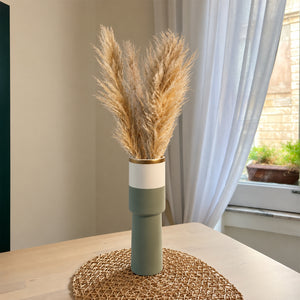
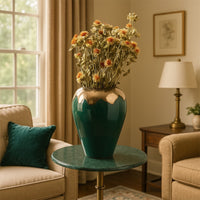
Elegant forest green ceramic vases with gold trim
Terracotta Vase Styling Tips
- Rustic interiors — place near wooden furniture and woven textures
- Covered patios and garden corners in warm, dry climates
- Dried botanicals and pampas grass arrangements
- Boho-chic and Mediterranean-themed spaces
- Festive decor alongside diyas and marigold garlands
Ceramic Vase Styling Tips
- Fresh flower arrangements for dining and coffee tables
- Formal living rooms and luxury interiors
- Colour coordination with cushions, art and rugs
- Everyday use with frequent water changes and cleaning
- Sculptural empty vases as standalone art
Room-by-Room Guide
Living Room
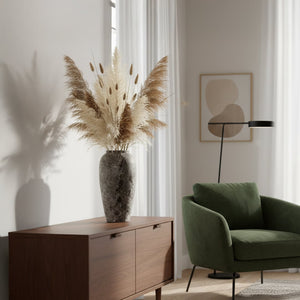
A tall terracotta vase with pampas on the console, and a sculptural ceramic piece on the coffee table.
Dining Table
Low, glazed ceramic vases with fresh blooms — no water seeping onto the wood, and a clear view across the table.
Entryway
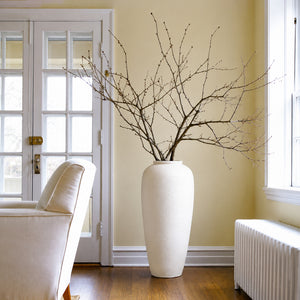
A heavy ceramic floor vase with tall branches makes a welcoming, stable first impression.
Bedroom
Matte ceramic in soft neutrals on the bedside or dresser keeps the mood calm and uncluttered.
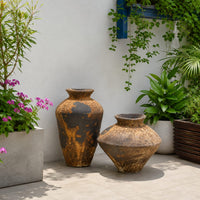
Balcony & Verandah
Sealed terracotta in covered corners, or glazed ceramic where rain can reach.
Office & Study
A small ceramic bud vase or a textured terracotta piece adds life to a desk without taking over.
Can You Mix Ceramic and Terracotta Vases?

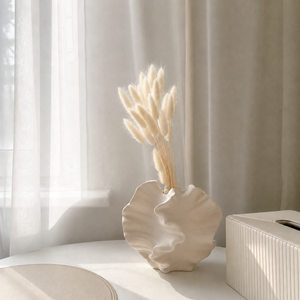
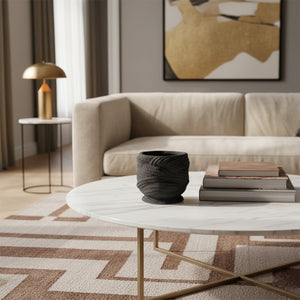
Terracotta and ceramic vases with varied finishes complement each other beautifully.
Yes — mixing terracotta and ceramic vases adds depth, contrast and a designer-curated look to your home. Grouping a matte terracotta piece with glossy ceramics creates a balanced, layered display.
- Repeat one colour family — earthy browns with cream or sage ceramics keep it cohesive
- Group in odd numbers — threes and fives feel more natural than pairs
- Vary the heights — one tall, one medium, one low creates rhythm
- Contrast the finishes — matte terracotta next to glossy glaze lets both stand out
- Match the stems — dried in terracotta, fresh in ceramic, in the same palette
Ceramic vs Terracotta: Which Should You Choose?
Choose Terracotta If You…
- Love organic textures, earthy tones and a handcrafted look
- Mostly style dried flowers, grasses or empty sculptural vases
- Want to decorate generously on a budget
- Have a rustic, boho, farmhouse or traditional Indian interior
Choose Ceramic If You…
- Want fresh flowers every week
- Need durability, easy cleaning and water resistance
- Prefer bold colours, glazes or modern silhouettes
- Have kids, pets or an open balcony
Before you buy, decide: fresh or dried flowers? Indoors or outdoors? Floor, table or shelf? Which colour family? Your answers will point you to the right material, size and finish almost instantly.
Frequently Asked Questions
Is terracotta the same as ceramic?
Terracotta is a type of ceramic, but not all ceramic is terracotta. Ceramic is the broad family of fired-clay materials that includes earthenware, stoneware and porcelain, while terracotta is a specific iron-rich earthenware fired at a lower temperature, which gives it its reddish-brown colour and porous texture.
Can terracotta vases hold water?
Unsealed terracotta vases absorb and slowly seep water because the clay is porous, which can leave damp rings on wooden furniture. To use a terracotta vase for fresh flowers, seal the inside with a water-based terracotta sealer or place a glass or plastic liner inside it.
Which is better for fresh flowers, ceramic or terracotta?
Glazed ceramic vases are better for fresh flowers because the glaze makes them waterproof, easy to clean and resistant to stains and odour. Terracotta vases are better suited to dried flowers, pampas grass and branches unless they are sealed or fitted with a liner.
Why does my terracotta vase have white patches on it?
White, chalky patches on terracotta are usually efflorescence — mineral salts drawn to the surface as water evaporates through the porous clay. Wipe them away with a cloth dipped in a mild solution of one part white vinegar to four parts water, then let the vase dry completely.
Are ceramic vases more durable than terracotta vases?
Yes, high-fired glazed ceramic vases are generally harder, denser and more resistant to moisture, stains and chipping than terracotta. Terracotta is lighter and more porous, so it is more prone to chipping, cracking in cold or wet conditions and absorbing stains.
Can I keep terracotta vases outdoors in India?
Terracotta vases can be kept outdoors in India in covered spots such as verandahs and shaded balconies, where they handle summer heat well. During the monsoon, move them out of direct rain or raise them on stands, because constant moisture can cause white salt deposits, moss and eventual cracking.
How do I clean a ceramic vase with a narrow neck?
Fill the ceramic vase halfway with warm water, add a few drops of mild dish soap and a spoonful of uncooked rice, then cover the opening and swirl gently so the rice scrubs the inside. Rinse thoroughly and let the vase air-dry upside down.
Is terracotta cheaper than ceramic?
Terracotta vases are usually more affordable than ceramic vases because the clay is fired at a lower temperature and is often left unglazed. Ceramic vases range more widely in price, depending on the glaze, design detail and whether they are artisan-made.
Can you mix ceramic and terracotta vases in the same room?
Yes, mixing ceramic and terracotta vases creates a layered, designer look by contrasting glossy and matte textures. Keep the arrangement cohesive by repeating one colour family, grouping pieces in odd numbers and varying their heights.
Terracotta vs Ceramic: The Last Word
The choice between ceramic and terracotta vases depends on your design goals, budget and lifestyle. If you are drawn to rustic, earthy textures and want an affordable, handcrafted feel, terracotta is your go-to. If you prefer polished finishes, modern shapes or need a water-resistant vase for fresh blooms, ceramic wins.
And remember, you don't have to choose just one. Use terracotta for warmth and authenticity, ceramic for colour and versatility, and let the two sit side by side — that contrast is often what makes a corner feel truly lived-in.
Shop Our Collections
Find the ceramic or terracotta vase that suits your flowers, your space and your style.
Continue Your Home Decor Journey
More ideas on vases, styling and creating a home that feels calm, curated and personal.