























































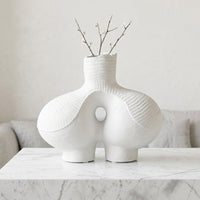
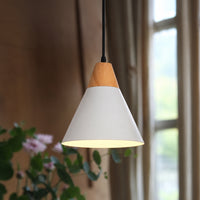
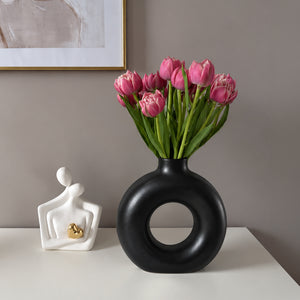
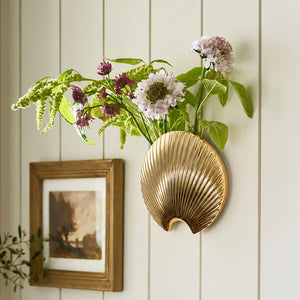


Simple Home Design Hacks for a Calming and Anxiety-Free Environment
Simple Home Design Hacks for a Calming and Anxiety-Free Environment
How layout, natural textures and soothing light can turn your home into a sanctuary
Quick Answer
To create a calming home, start by decluttering, then layer soft, warm lighting with wall lights and table lamps, let in as much natural light as possible and bring in plants and natural materials. Choose soothing colours such as sage, soft blue and warm neutrals, add gentle scents, and set aside one quiet corner just for relaxing.
Modern life is fast, demanding and often overwhelming. After hours of work pressure, traffic, deadlines and digital distractions, most of us look forward to coming home to relax and recharge. Yet many homes quietly add to our stress through cluttered layouts, poor lighting, too much visual stimulation and a lack of connection with nature.
The good news is that a calming, anxiety-free home does not need a full renovation or a big budget. Small design changes can lift your mood, ease everyday stress and create a space that supports your wellbeing. From decluttering and better wall lighting to biophilic design, these simple hacks can turn your house into a peaceful retreat.
Why Does Home Design Matter for Mental Wellbeing?
Our homes influence how we think, feel and behave. Environmental psychology suggests that the spaces we spend time in affect our focus, mood, stress levels and overall quality of life. Since most of us spend the majority of our time indoors, the design of our homes plays an important role in how we feel every day.
A thoughtfully designed home can help to:
- Ease everyday stress – calm surroundings help the mind switch off
- Improve focus – fewer distractions make it easier to concentrate
- Support better sleep – warm, dim evening light helps you wind down
- Lift your mood – light, nature and comfort make spaces feel uplifting
- Encourage mindfulness – dedicated quiet spaces invite you to pause
A gentle note: A calming home can support your wellbeing, but it is not a substitute for professional care. If anxiety is affecting your daily life, please reach out to a qualified mental health professional.
Which Home Design Factors Can Trigger Anxiety?
Before exploring solutions, it helps to understand what may be causing discomfort in your space.
Excessive Clutter
Clutter creates visual noise. Your brain has to process more information, which can lead to mental fatigue.
Overstimulating Colours
Too many bright colours, bold patterns and competing decor can overwhelm the senses.
Poor Lighting
Dark rooms and harsh, cool overhead light can make spaces feel uncomfortable and tiring.
Limited Ventilation
Stuffy, airless rooms feel restrictive and make it harder to relax or concentrate.
Lack of Nature
Homes without greenery, natural materials or outdoor views can feel cold and disconnected.
Constant Noise
Echoing hard floors, traffic and appliances add a layer of background stress.
What Are the Core Elements of a Serene Space?
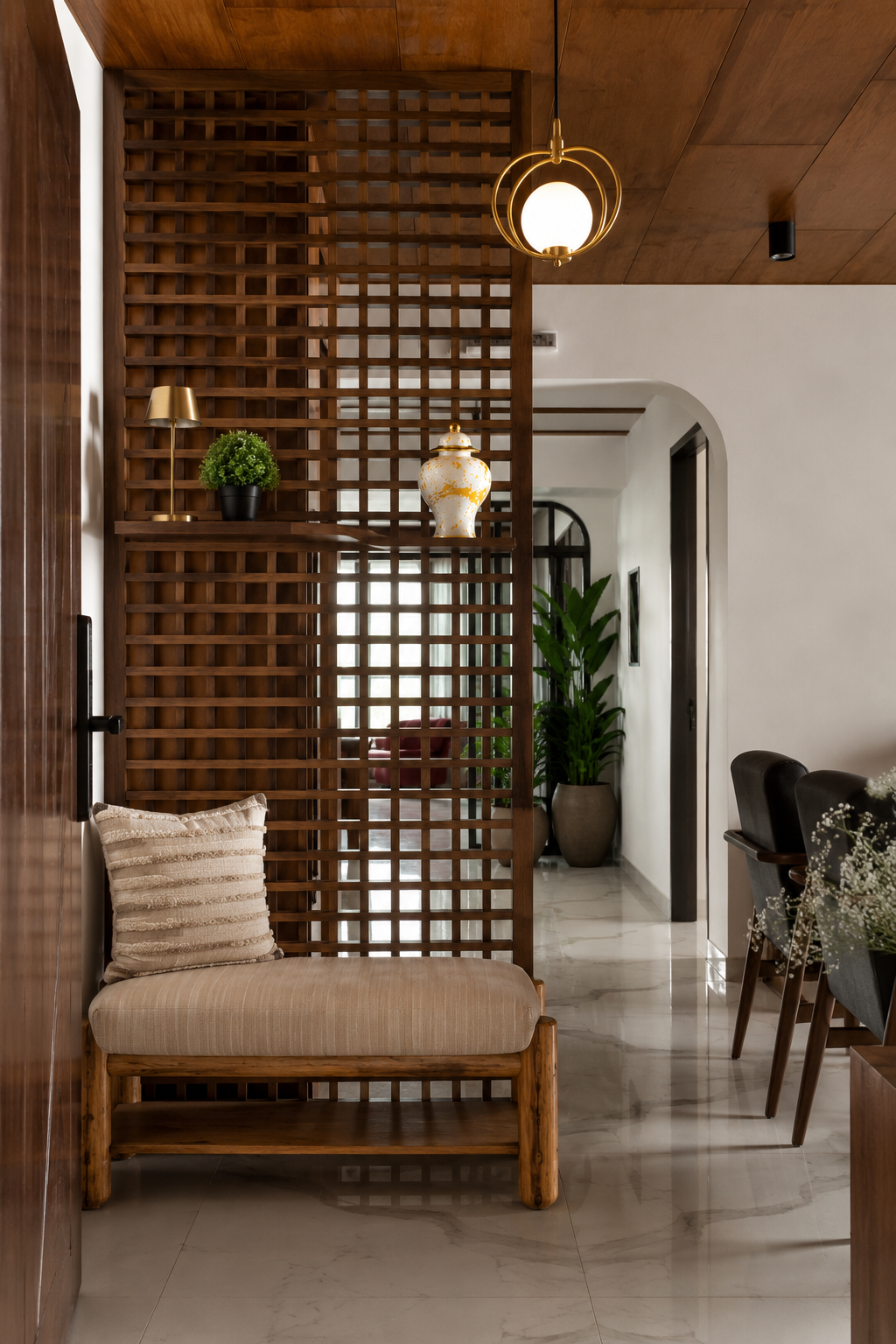
Unobstructed Pathways and Entryways
First impressions matter for your mind as much as for your guests. Keep entryways clear and welcoming:
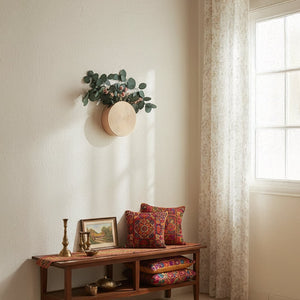
- A simple wooden bench with soft cushions
- A tray or bowl for keys so they never get lost
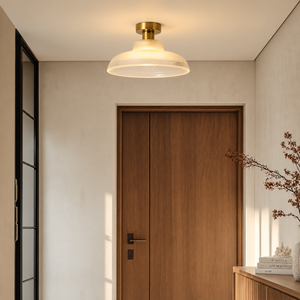
- Subtle lighting that greets you when you come home
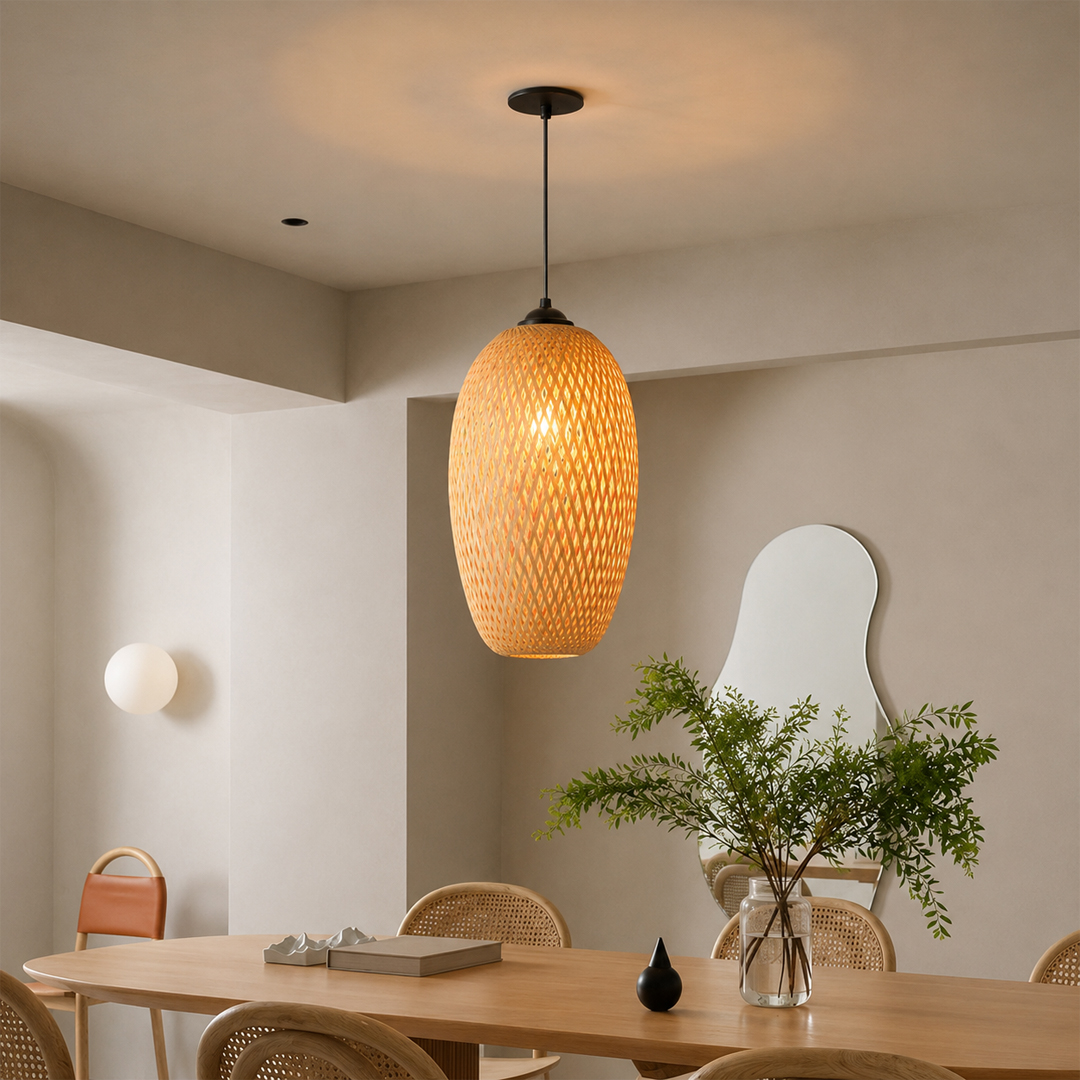
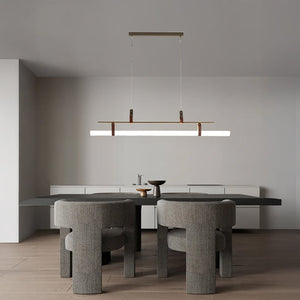
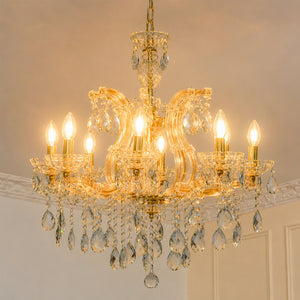
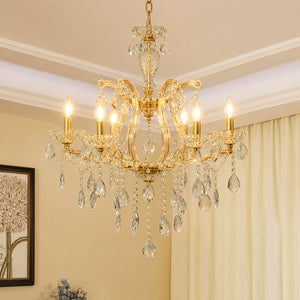
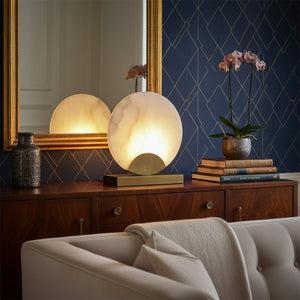
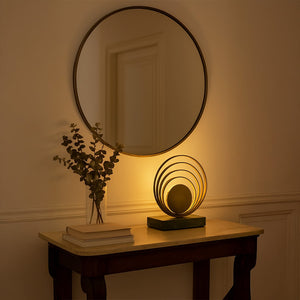
Layered Warm Lighting
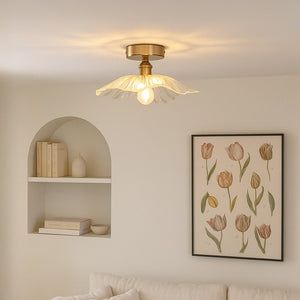
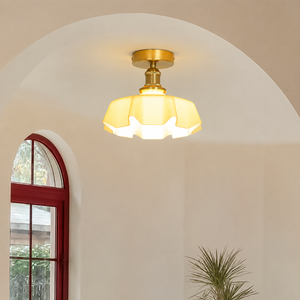
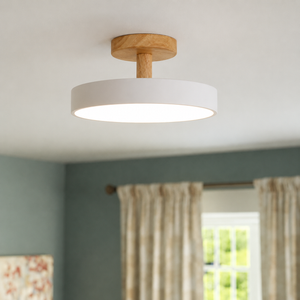
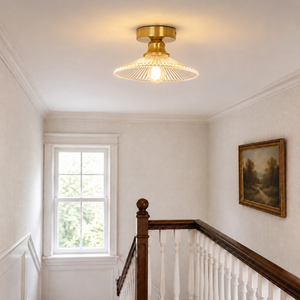
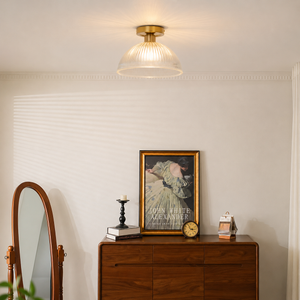
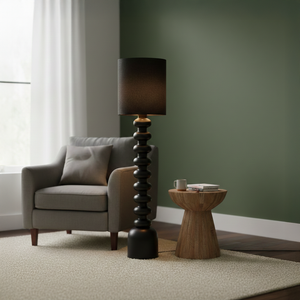
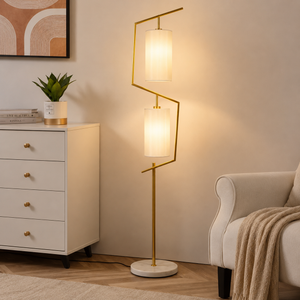
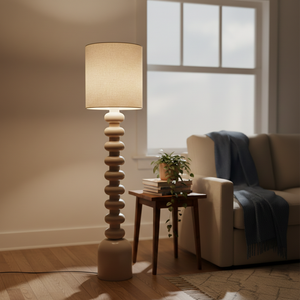
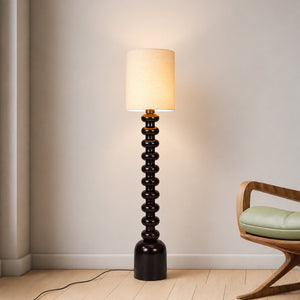
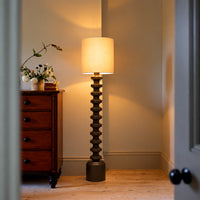
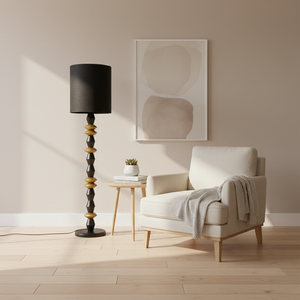
Harsh overhead lighting keeps the mind alert and can feel tiring by evening. Instead, layer each room with:
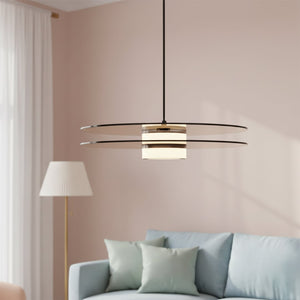
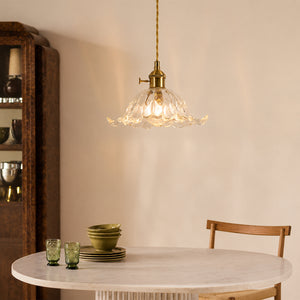
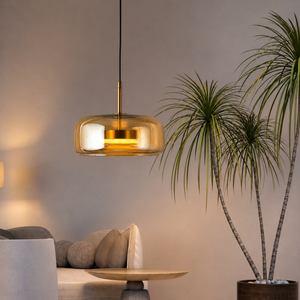
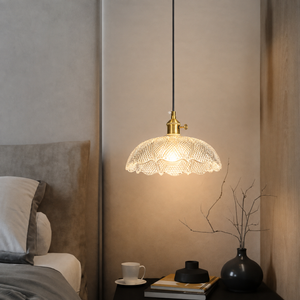
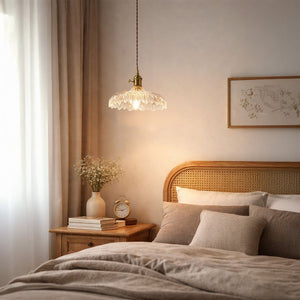
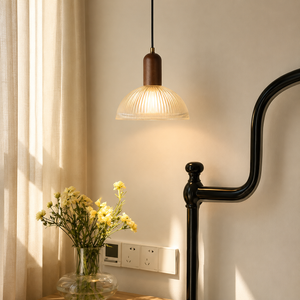
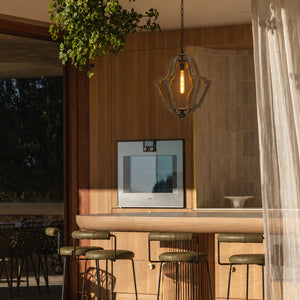
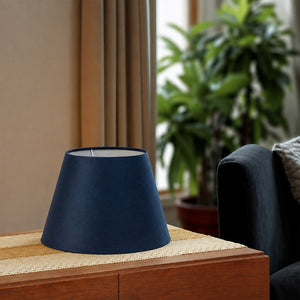
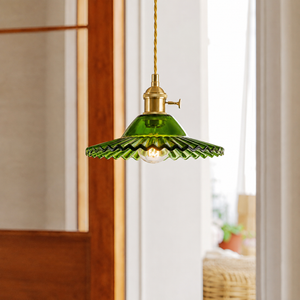
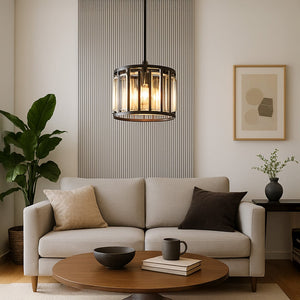
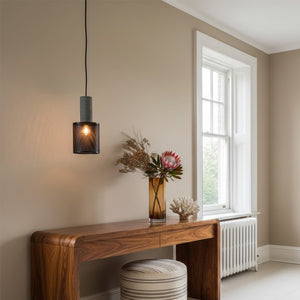
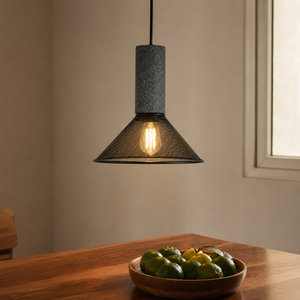
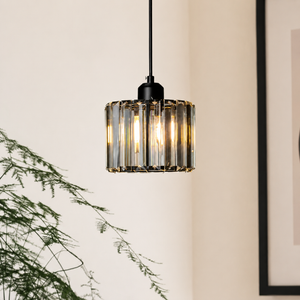
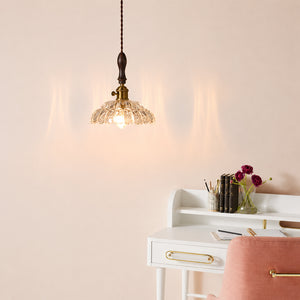
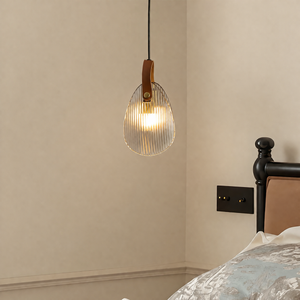
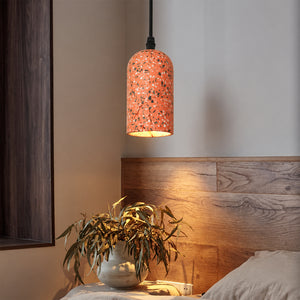
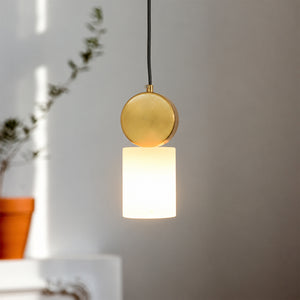
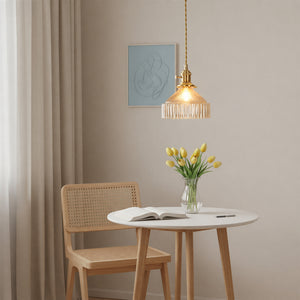
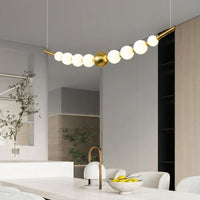
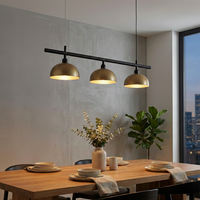
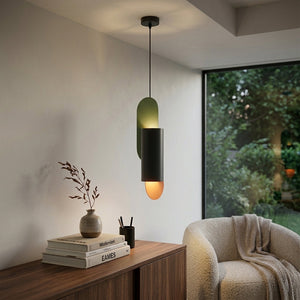
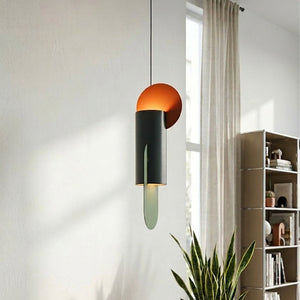
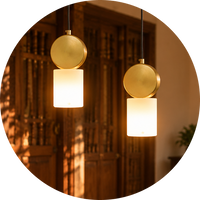
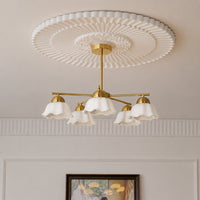
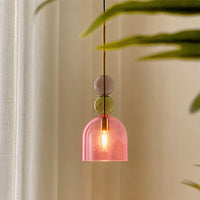
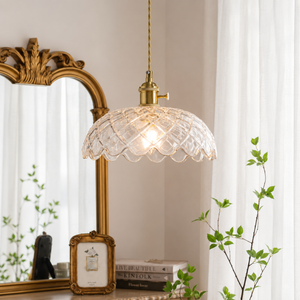
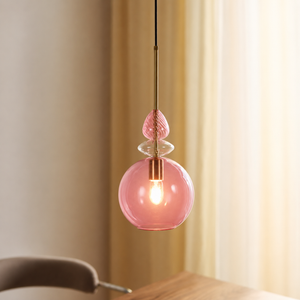
- Woven or fabric pendant lamps for soft ambient light
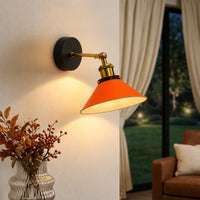
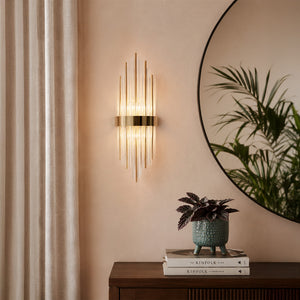
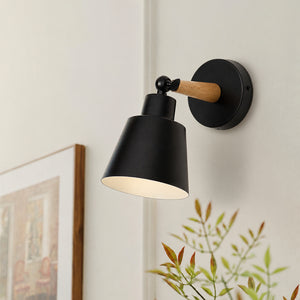
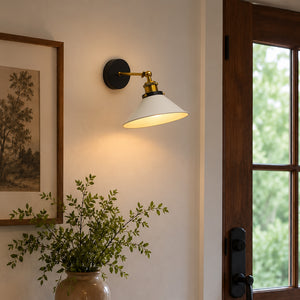
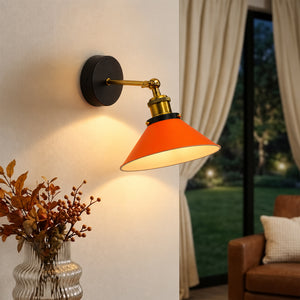
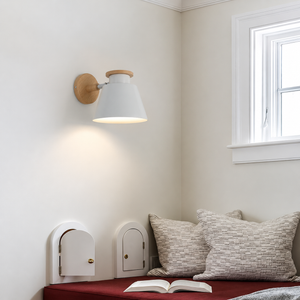
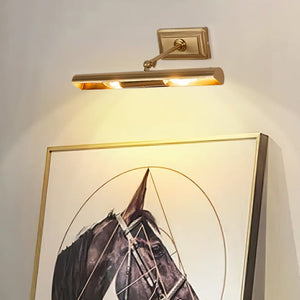
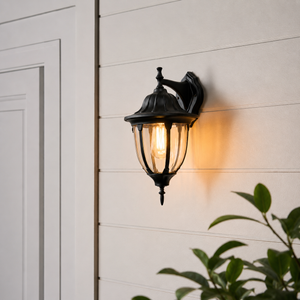
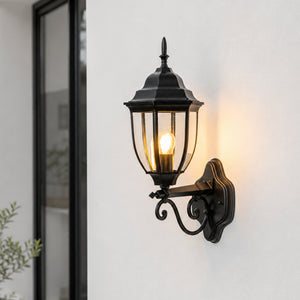
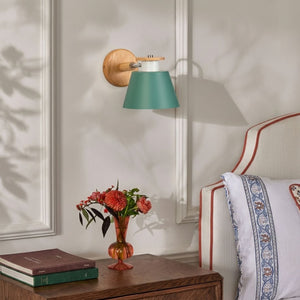
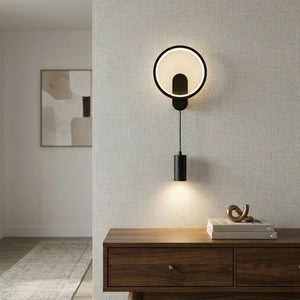
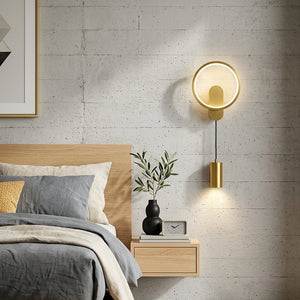
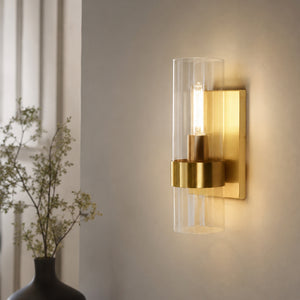
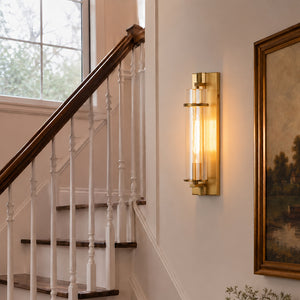
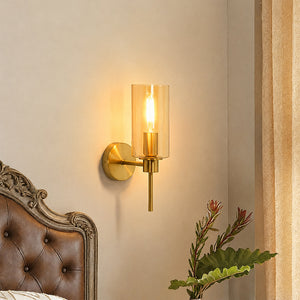
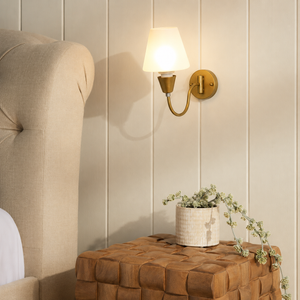
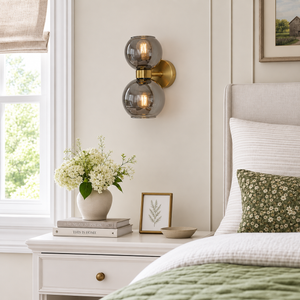
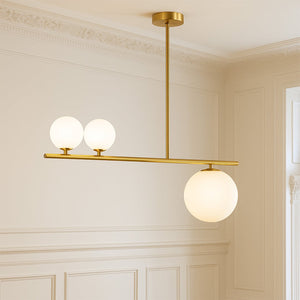
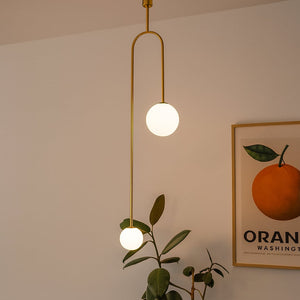
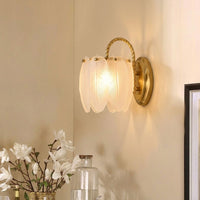
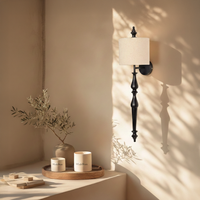
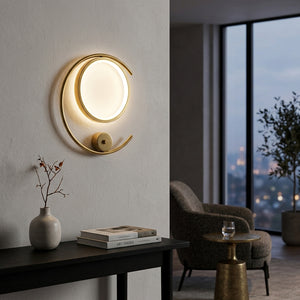
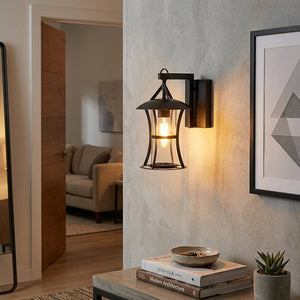
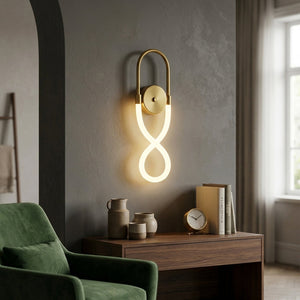
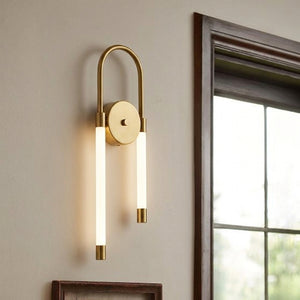
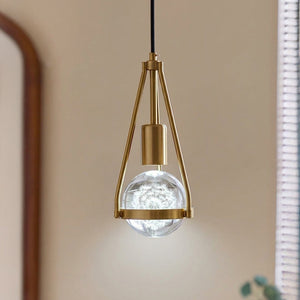
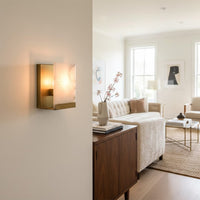
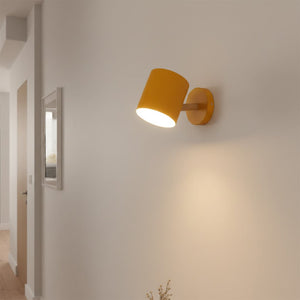
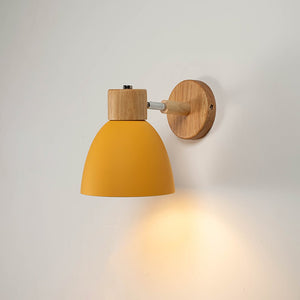
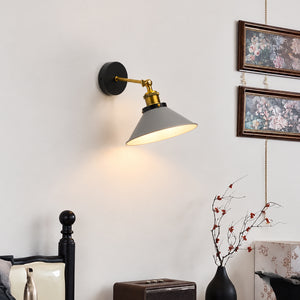
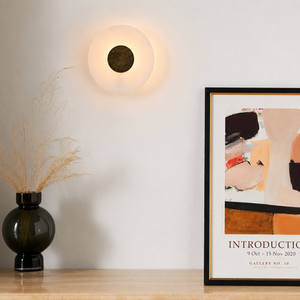
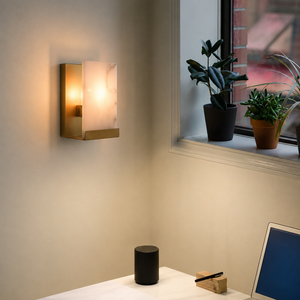
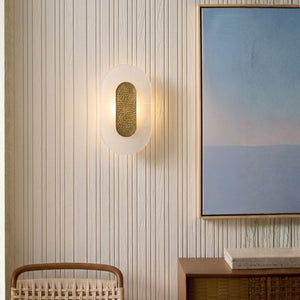
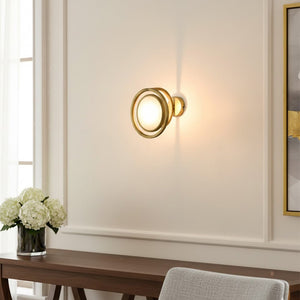
- Wall sconces for a gentle, indirect glow
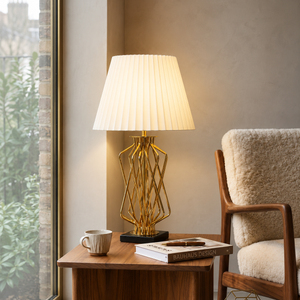
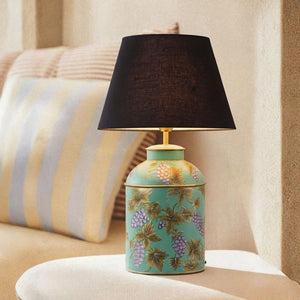
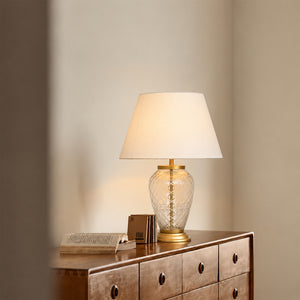
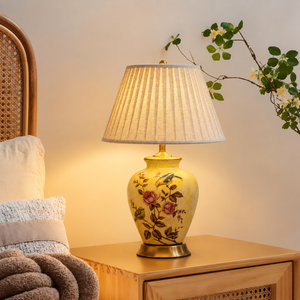
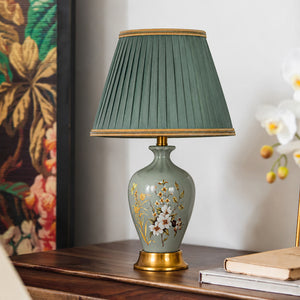
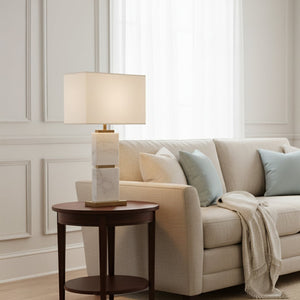
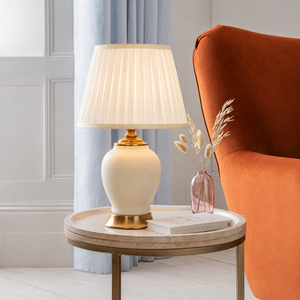
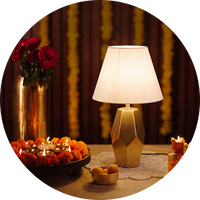
- Table lamps with warm white bulbs around 2700K
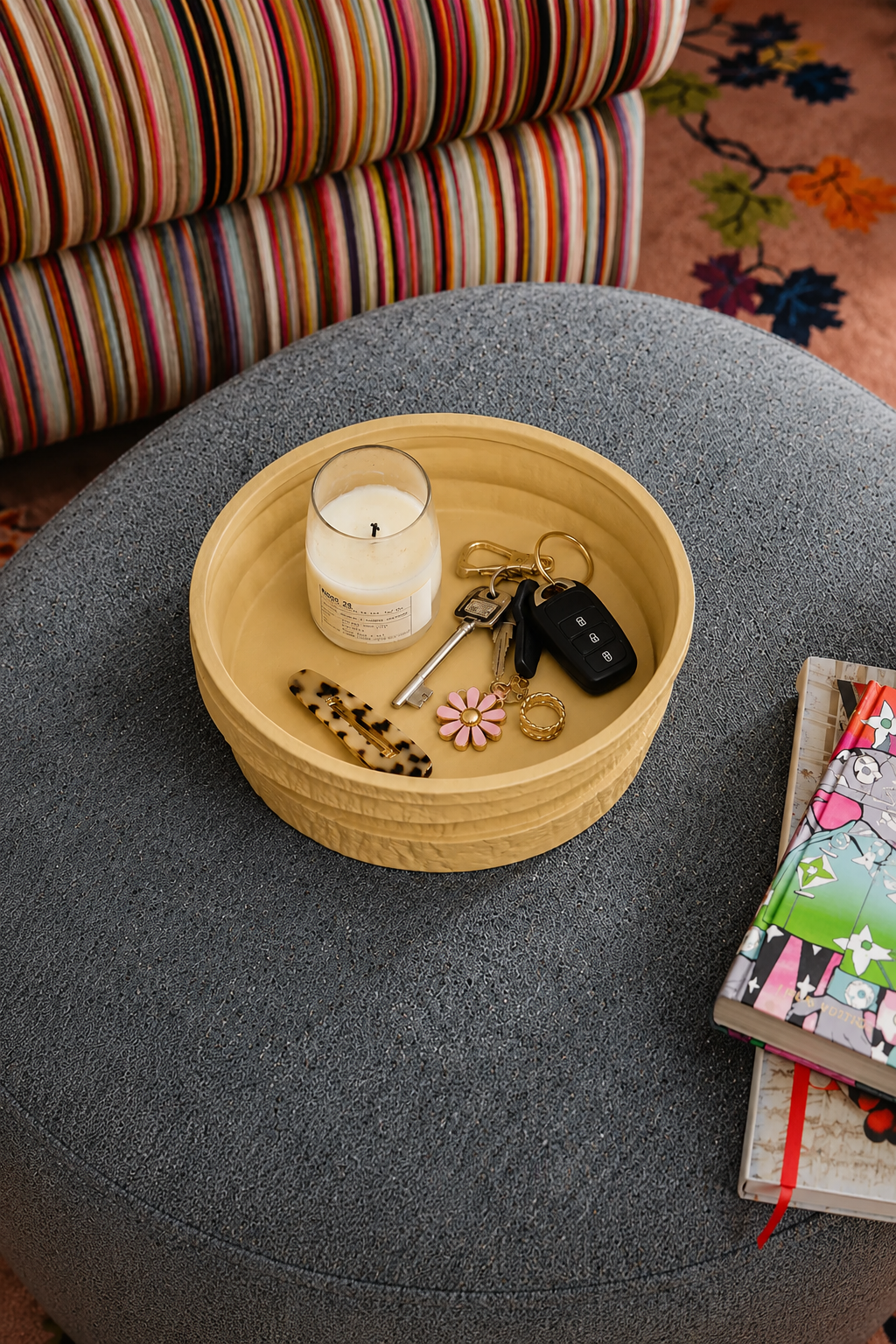
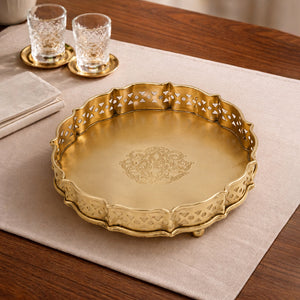
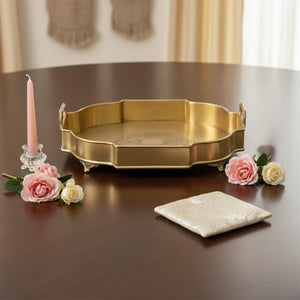
Natural Trays and Mindful Organisation
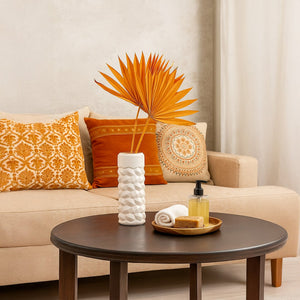
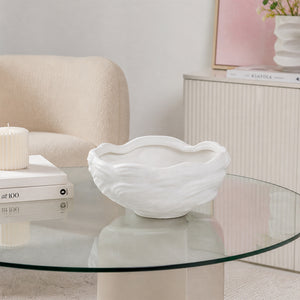
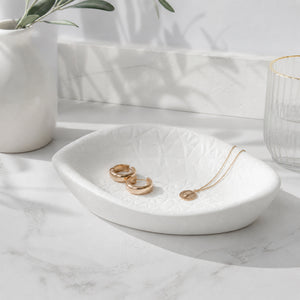
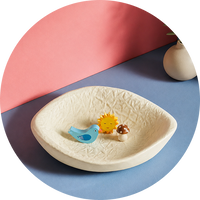
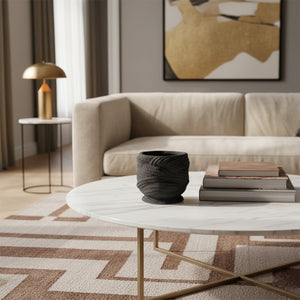
Contain everyday items in ceramic or wooden trays. Giving small objects a dedicated home reduces visual clutter and adds quiet sensory pleasure:
- A tray on the coffee table for remotes and coasters
- A bedside tray for glasses, a book and a candle
- A bathroom tray for daily essentials
1. Clear the Clutter for Instant Calm
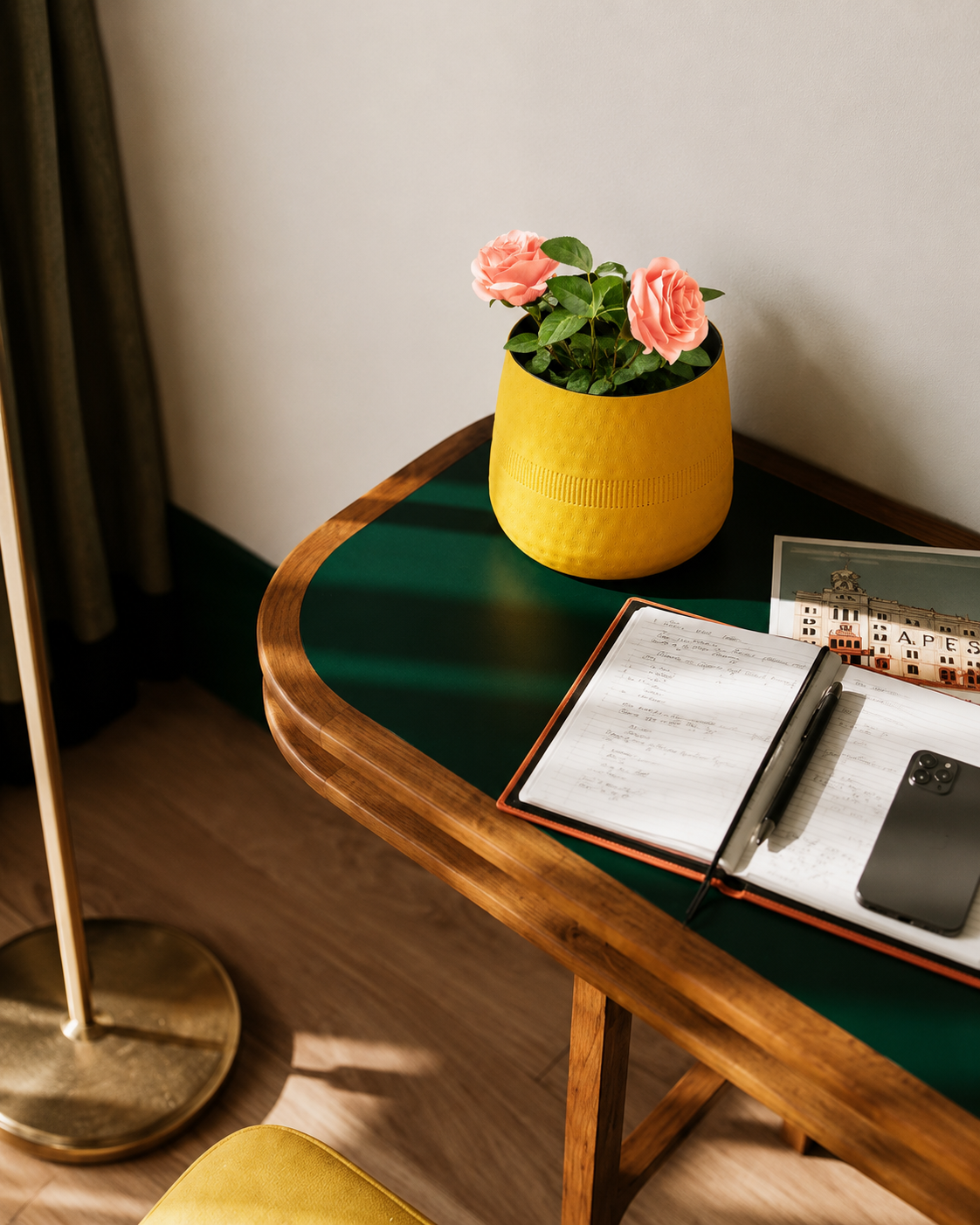
Removing clutter is one of the most effective ways to create a calm home. Piles of paper, unused furniture and overflowing wardrobes can make even large spaces feel overwhelming.
Benefits of decluttering
- Reduces visual stress
- Improves focus
- Creates a sense of control
- Makes cleaning quicker and easier
Practical tips
- Remove items you have not used in the past year
- Use baskets, bins and storage boxes
- Keep countertops and tables mostly clear
- Donate items that no longer serve a purpose
Try the KonMari Method
The KonMari Method, developed by Marie Kondo, encourages you to keep only the things that "spark joy". It works in four simple steps:
Visualise
Imagine how your home should feel and what you want to enjoy there.
Sort by Category
Clothes, books, papers, household items, then sentimental pieces.
Optimise Storage
Use wall shelves, tall cabinets, hanging organisers and dividers.
Maintain
Make your bed, put things back and tidy for ten minutes a day.
2. Illuminate Your Home With Calming Wall Lighting
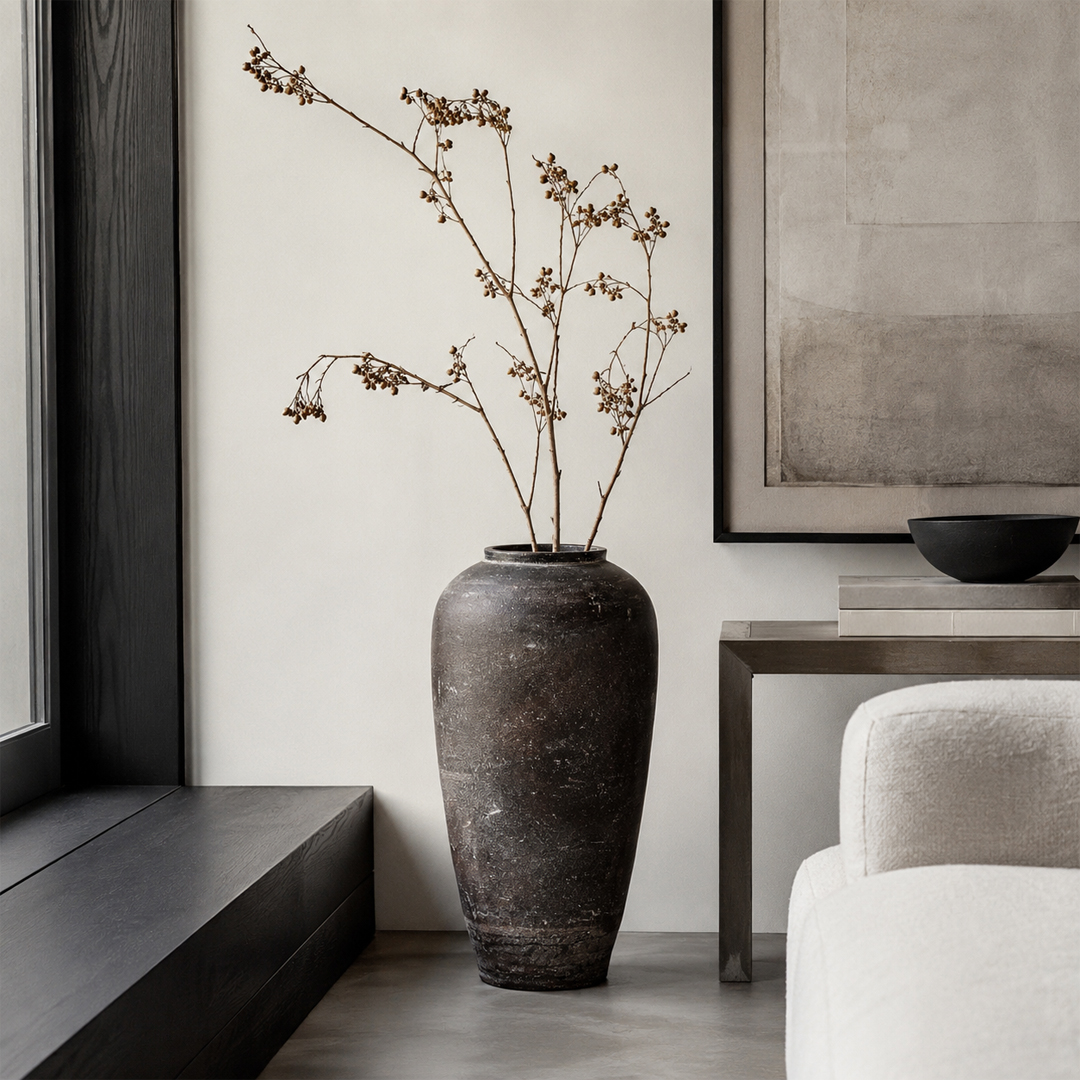
Lighting is one of the most overlooked parts of a calming home. Poor lighting can add to fatigue and irritability, while well-planned lighting creates warmth and comfort.
Wall lighting gives softer, more balanced light than harsh overhead fixtures. Its benefits include:
- Less eye strain and glare
- A warmer, more inviting atmosphere
- Better visual comfort in the evening
- Extra depth and character on walls
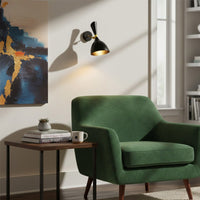
Wall Sconces
Gentle, indirect light for living rooms, hallways and reading corners.
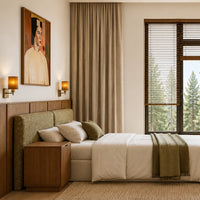
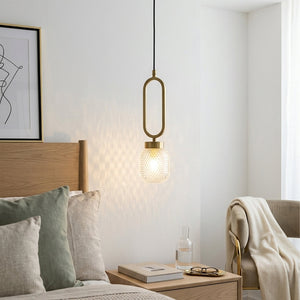
Bedroom Wall Lights
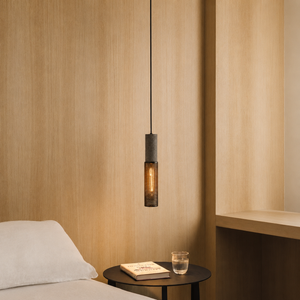
Warm white, dimmable fixtures and adjustable reading lights beside the bed.
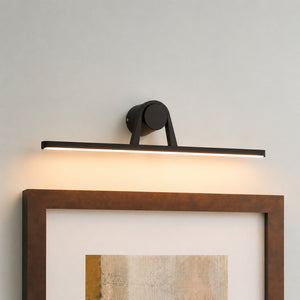
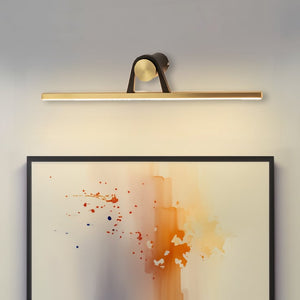
Accent & Layered Light
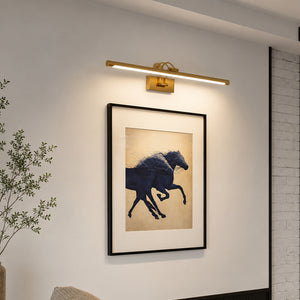
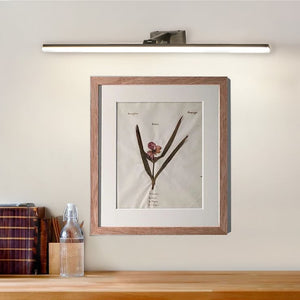
Highlight artwork and combine ambient, task and accent light for flexibility.
Calming Light From Morning to Night
Daylight
Open curtains fully and let in natural light to help you wake up.
Warm & Low
Switch to lamps and wall lights with warm white bulbs.
Dim
Dim the lights an hour before sleep to help your body wind down.
3. Connect With Nature Through Biophilic Design
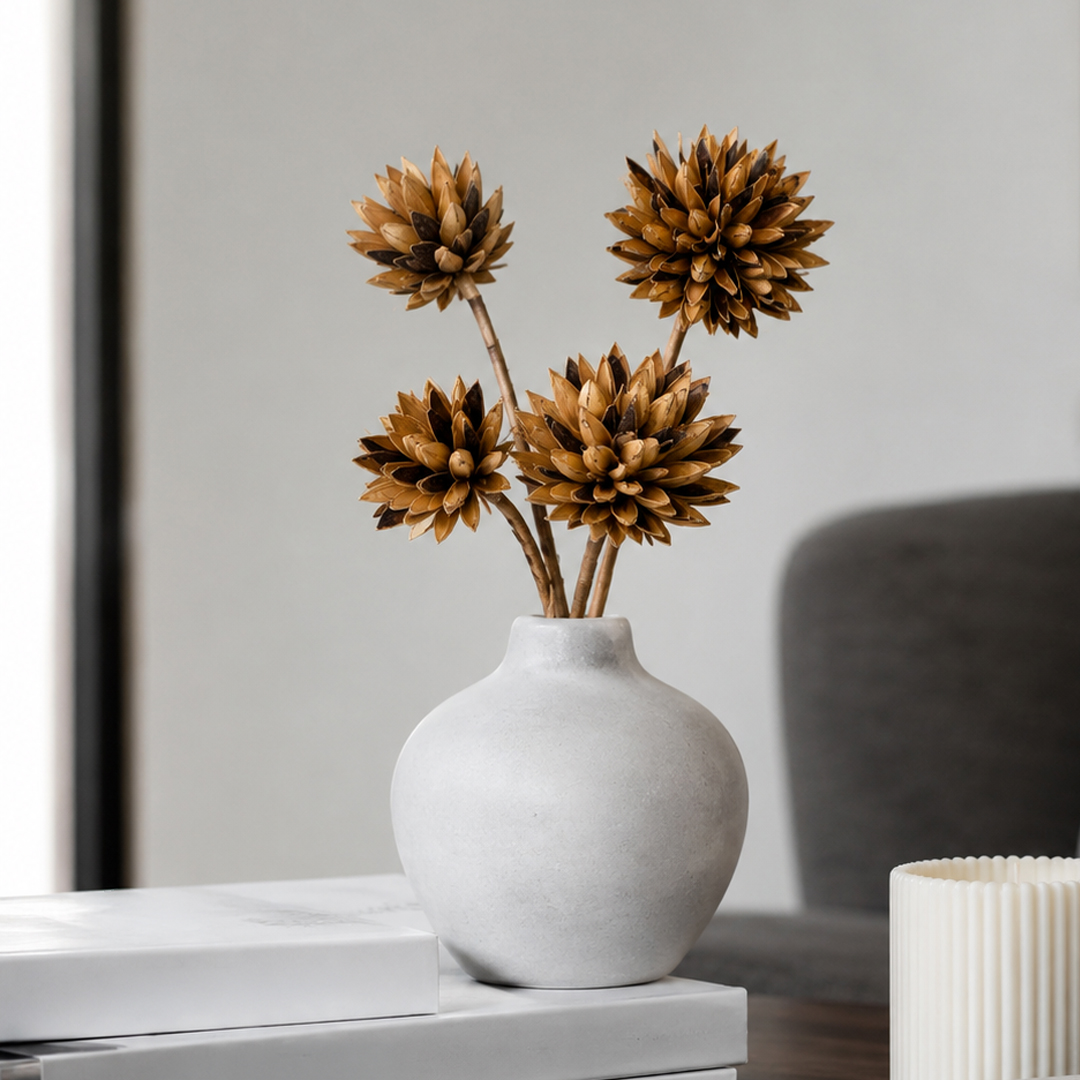
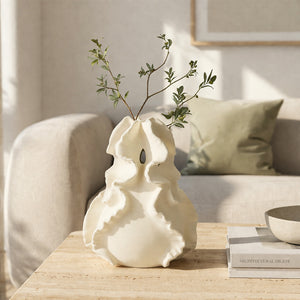
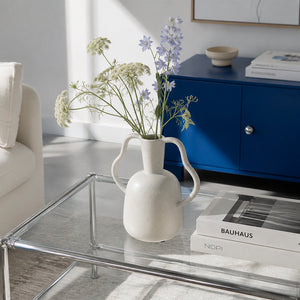
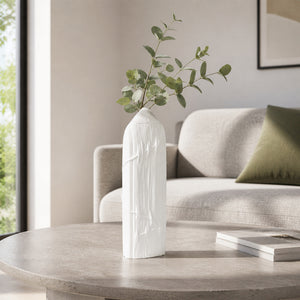
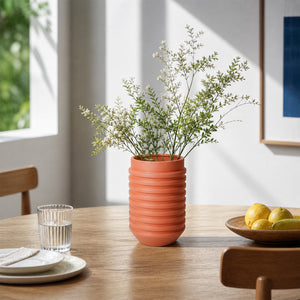
Biophilic design strengthens the connection between people and nature. Bringing natural elements indoors can make a home feel calmer, fresher and more grounded.
Easy, low-maintenance plants
- Money plant and pothos – trailing and very forgiving
- Snake plant and ZZ plant – thrive in low light
- Peace lily – elegant, with soft white blooms
- Areca palm – adds height and a tropical feel
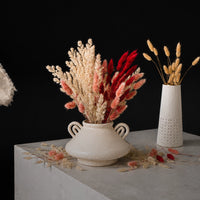
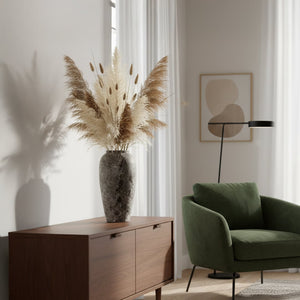
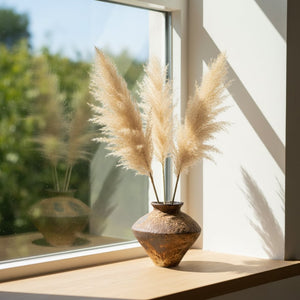
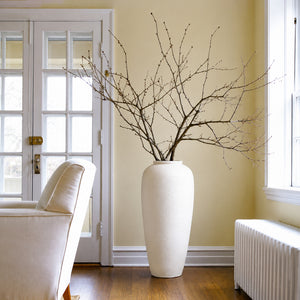
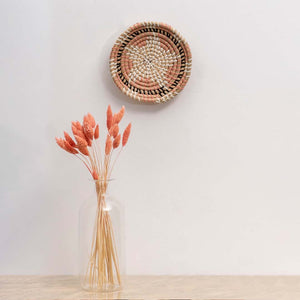
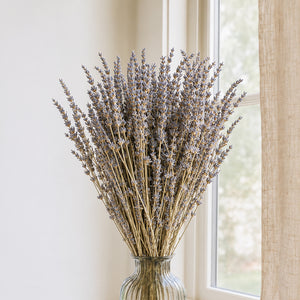
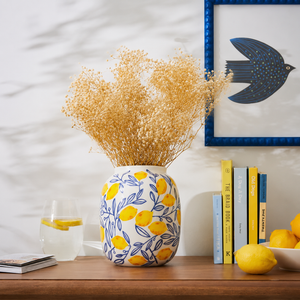
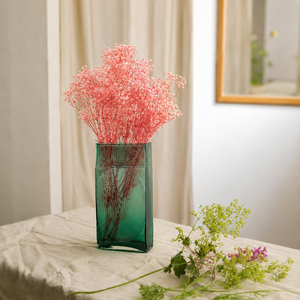
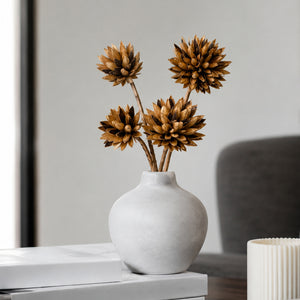
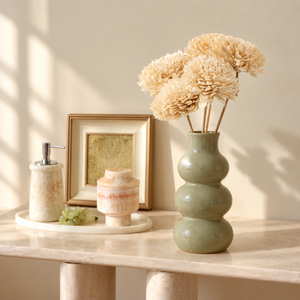
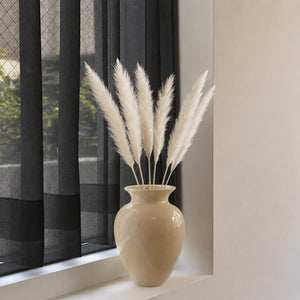
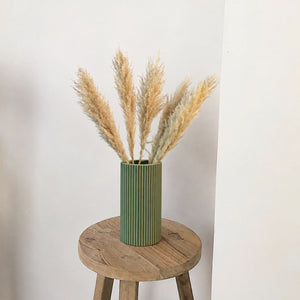
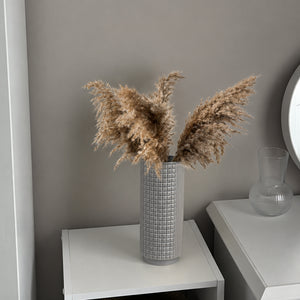
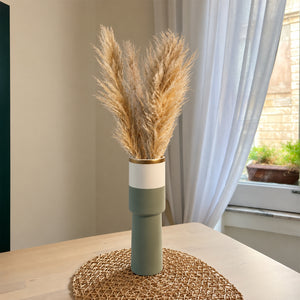
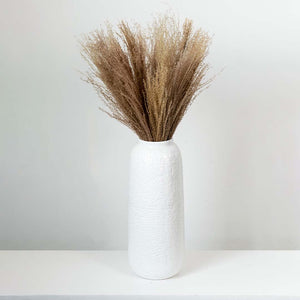
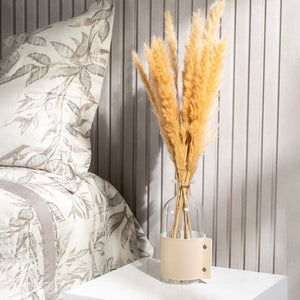
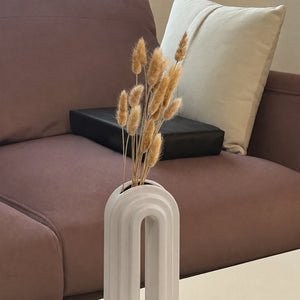
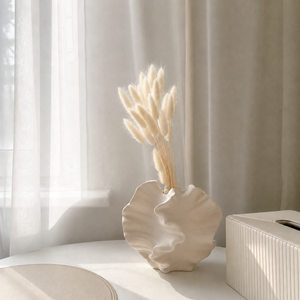
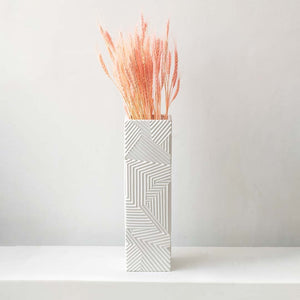
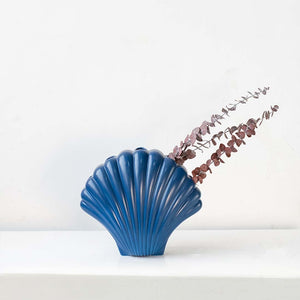
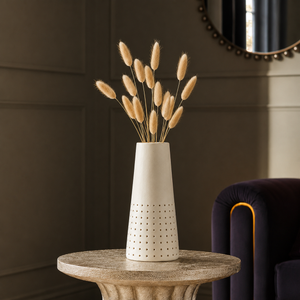
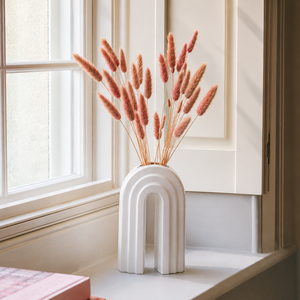
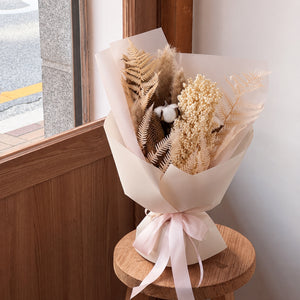
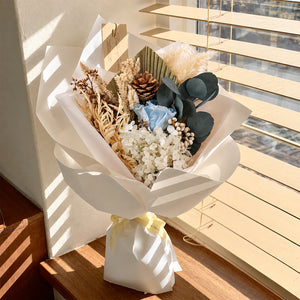
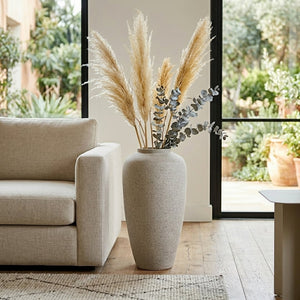
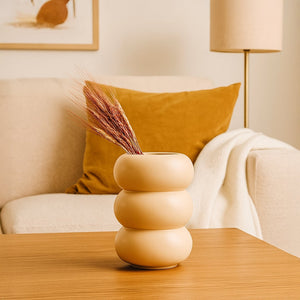
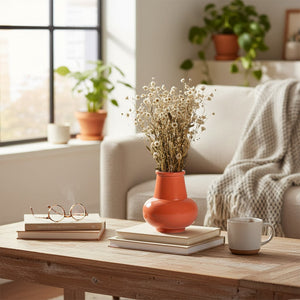
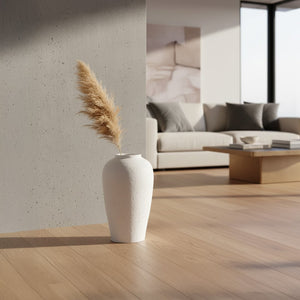
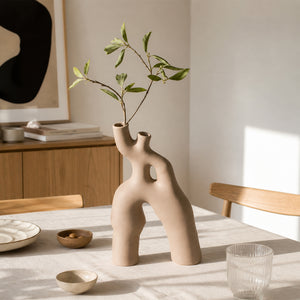
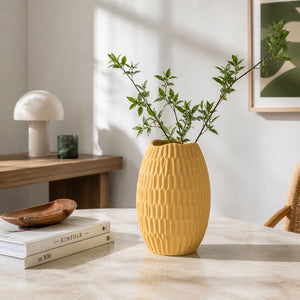
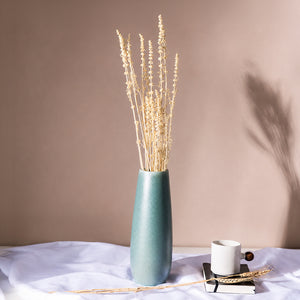
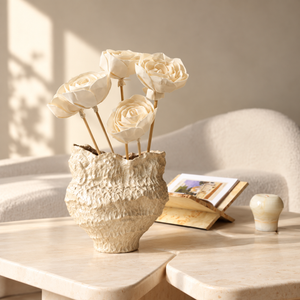
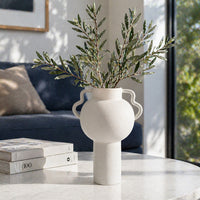
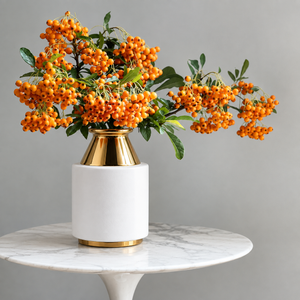
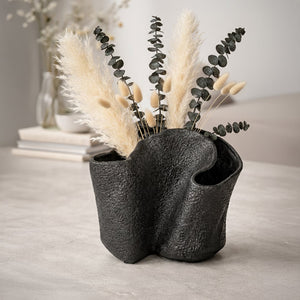
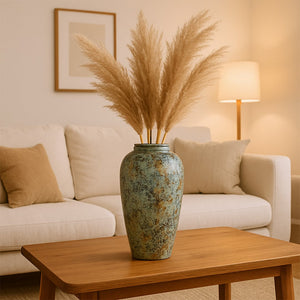
Can't keep plants alive? Dried botanicals and pampas grass give a natural look with almost no care.
Shop Dried Botanicals4. Choose Soothing Colour Schemes
Colour has a strong effect on mood. Vibrant colours energise, while softer tones feel calm and secure.
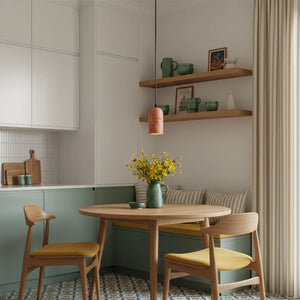
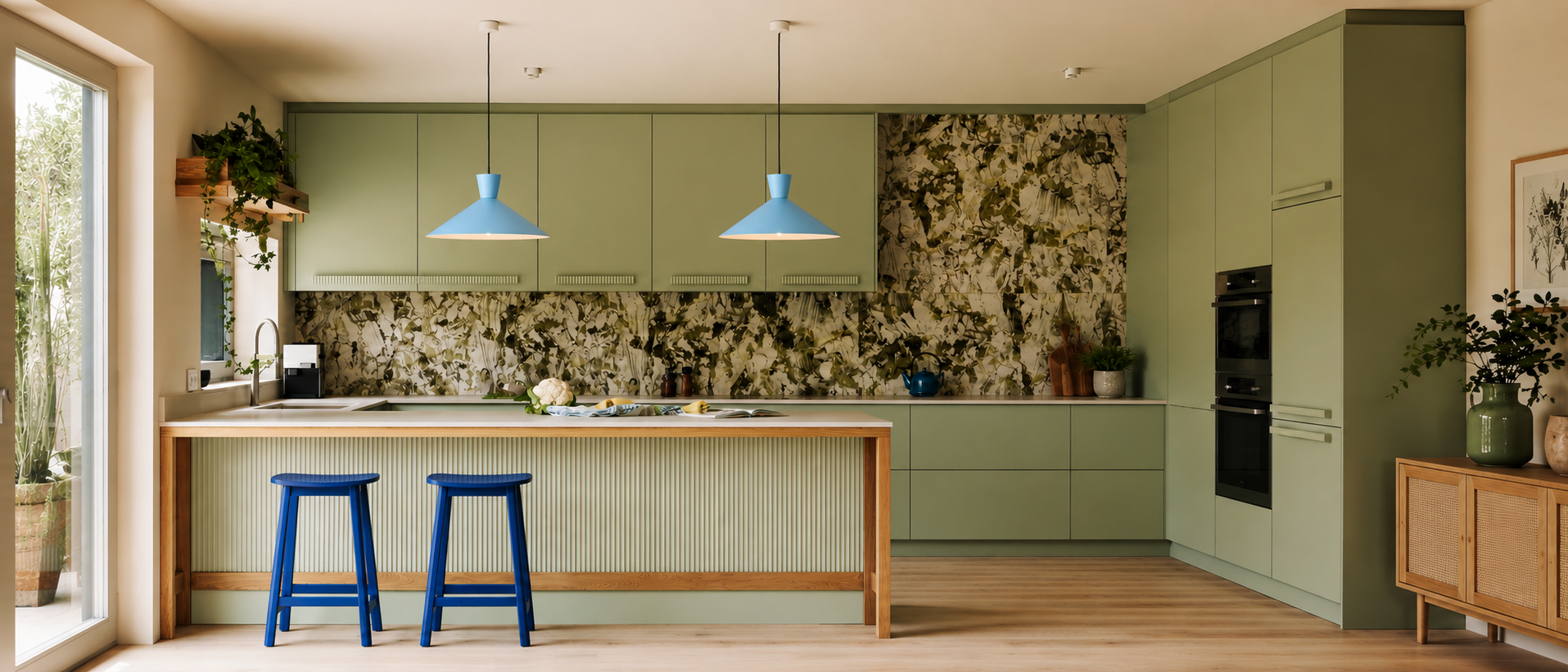
Soft Blues and Greens
Reminiscent of sky, water and forests. Try sage green, seafoam, powder blue or dusty blue.
Warm Neutral Palettes
Warm white, beige, taupe, light grey and cream create harmony. Add depth with different textures in the same tone.
5. Maximise Natural Light
Natural light helps regulate your body clock, supports better sleep and simply makes rooms feel happier.
Keep Windows Clear
Swap heavy curtains for sheers or light-filtering blinds.
Use Mirrors
Place mirrors opposite windows to bounce light deeper into the room.
Mimic Daylight
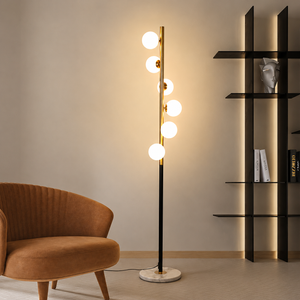
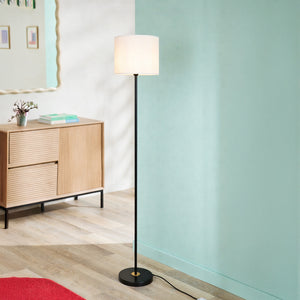
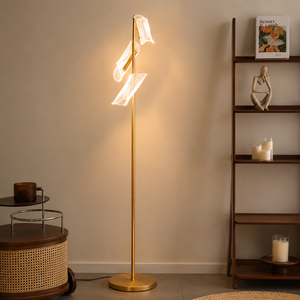
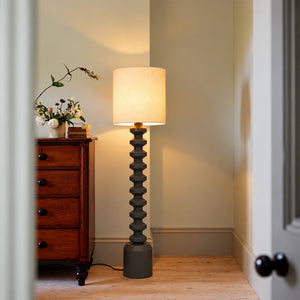
In darker rooms, use warm bulbs, dimmable fixtures and floor lamps.
6. Incorporate Comforting Scents
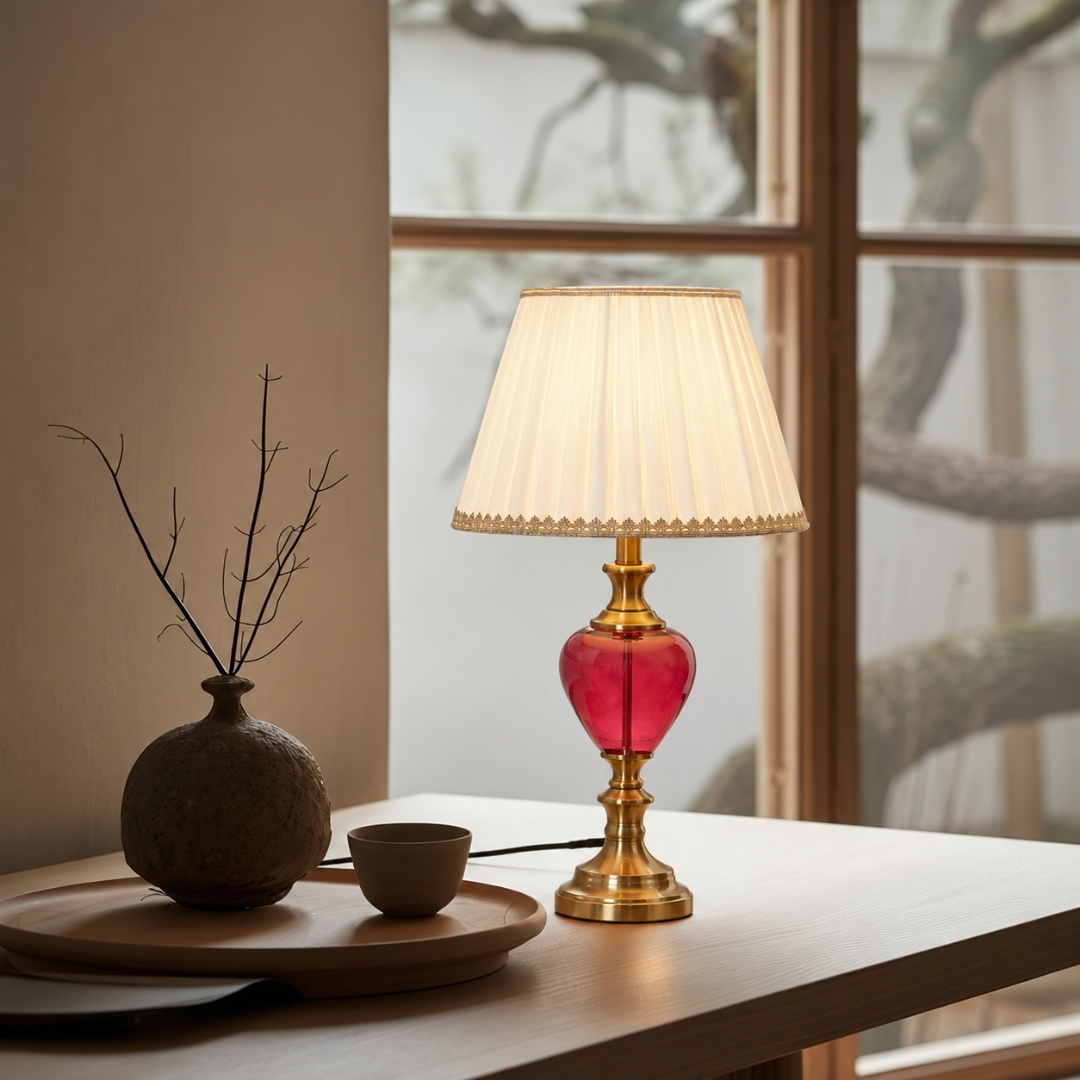
Scent is closely linked to memory and emotion. Natural fragrances can create an immediate sense of comfort.
Popular calming scents
- Lavender – widely used to help with relaxation and sleep
- Sandalwood – warm, woody and grounding
- Vanilla – soft, sweet and comforting
- Chamomile and jasmine – gentle and soothing
Use a diffuser in the bedroom or living room, or grow fragrant plants such as jasmine, lavender and rose.
More Simple Hacks for a Peaceful Home
Decorate Walls With Purpose
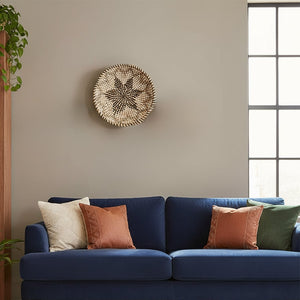
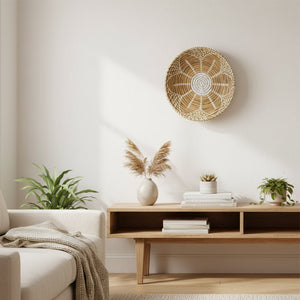
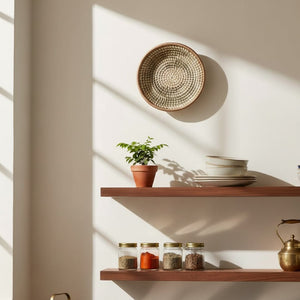
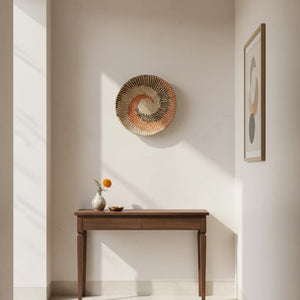
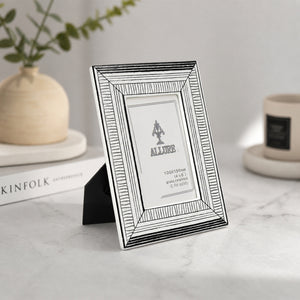
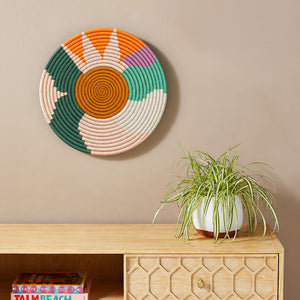
Bare walls feel cold, crowded walls feel chaotic. Choose calming art, such as landscapes or botanical prints, and a few meaningful photos.
Create a Relaxation Zone
Set aside a reading nook, meditation corner or window seat with comfortable seating, soft lighting and natural textures.
Use Natural Materials
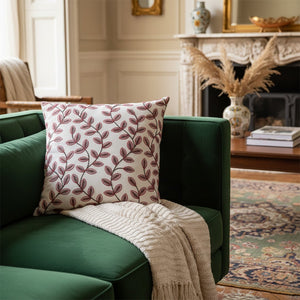
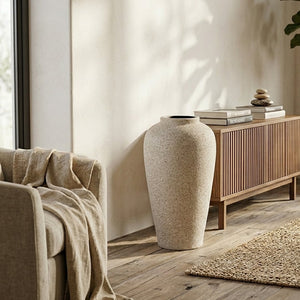
Wood, bamboo, cotton, linen, jute and stone add warmth. Cushions, throws and rugs soften hard surfaces.
Embrace Simplicity
Less clutter, less visual noise and less overstimulation make room for more calm and clarity.
"When your home works with your mind instead of against it, it becomes a sanctuary."
5 Quick Hacks to Reduce Daily Stress at Home
- Embrace negative space – leave some walls and tabletops bare so your eyes can rest
- Add living plants – even one plant per room brings a sense of life
- Make a screen-free zone – a chair or corner with no work, phones or TV
- Soften the palette – ivory, beige, sage and taupe instead of bold primaries
- Reduce noise – rugs, curtains and cushions absorb echo and sound
How to Make Each Room Feel More Calming
Bedroom
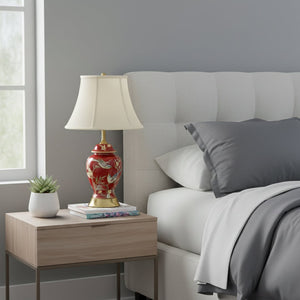
Keep surfaces clear, use warm dimmable bedside lights, choose soft cotton or linen bedding and keep screens out where possible.
Living Room
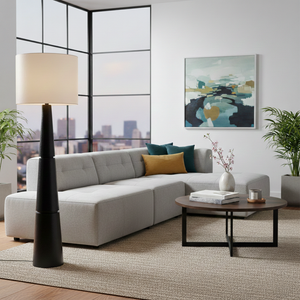
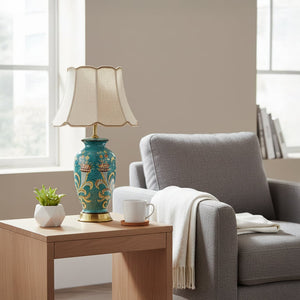
Layer lamps and wall lights, add a plant, a soft rug and cushions, and keep the coffee table styled with just a tray and a few pieces.
Work-From-Home Corner
Place your desk near natural light, use a task lamp, keep cables hidden and add one plant to soften the space.
Entryway
A clear surface, a key tray, a mirror and a soft light make arriving home feel calm rather than chaotic.
Bathroom
Warm lighting, a few candles, natural textures and a tray for essentials create a spa-like feel.
Small Apartments
Use vertical storage, mirrors, wall lights instead of floor lamps and a light, consistent colour palette.
A Simple 7-Day Plan for a Calmer Home
Feeling overwhelmed by where to begin? Make one small change each day:
Declutter One Surface
Clear your coffee table or bedside table completely.
Open Up the Light
Clean windows and swap heavy curtains for sheers.
Warm the Bulbs
Change cool bulbs in living areas to warm white.
Add a Plant
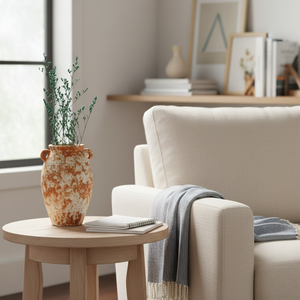
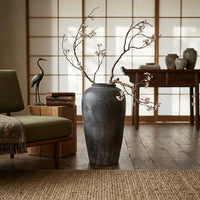
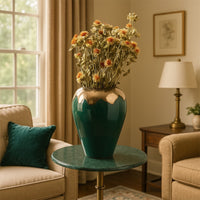
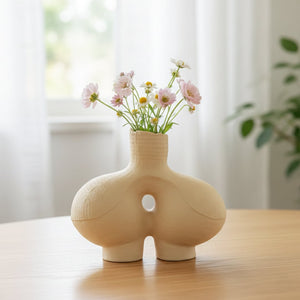
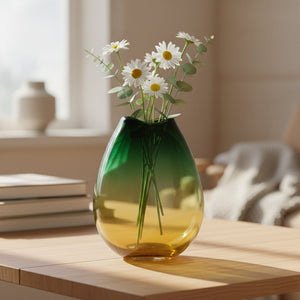
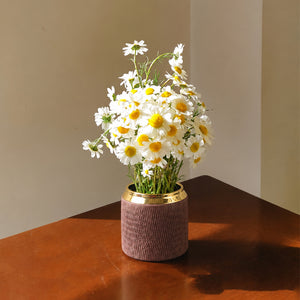
Bring in one easy plant or a vase of dried stems.
Introduce a Scent
Add a diffuser or candle with a calming fragrance.
Soften Textures
Layer a throw, cushions or a small rug.
Create Your Corner
Set up one chair, a lamp and a book as your calm spot.
Maintain
Spend ten minutes each evening resetting the space.
Common Mistakes
- Relying on one bright ceiling light
- Filling every wall and surface with decor
- Using cool white bulbs in bedrooms
- Hiding clutter instead of reducing it
- Copying trends that do not feel like you
Daily Calm Habits
- Open windows for fresh air each morning
- Make your bed every day
- Switch to lamps after sunset
- Put things back after use
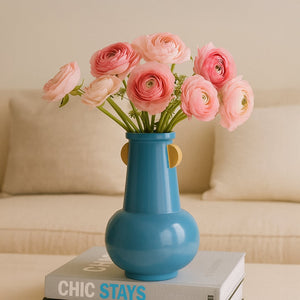
- Water plants and refresh flowers weekly
Bring Calm Home
Explore our collections for a softer, more peaceful home.
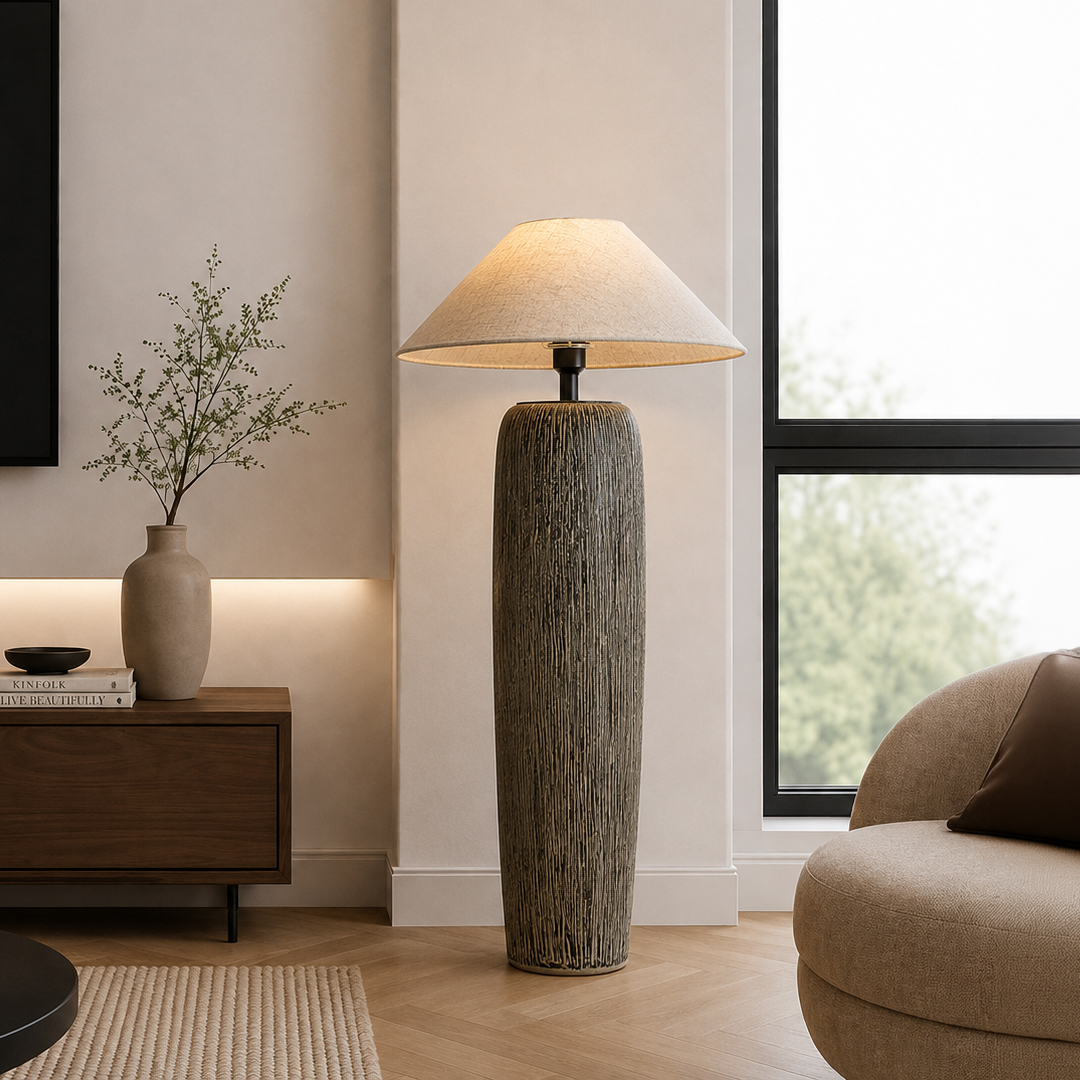
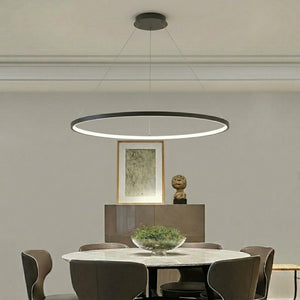
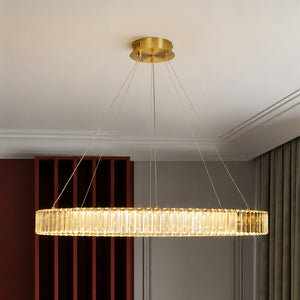
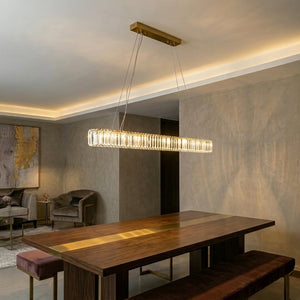
Indoor Lighting
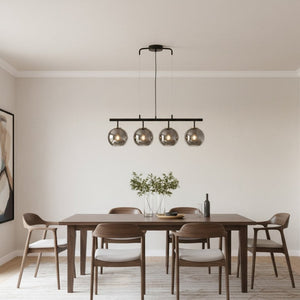
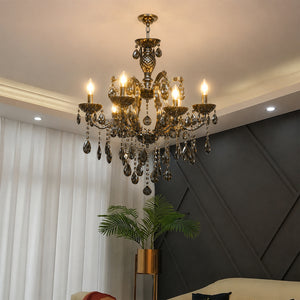
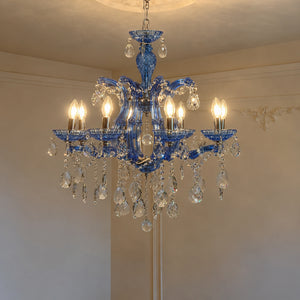
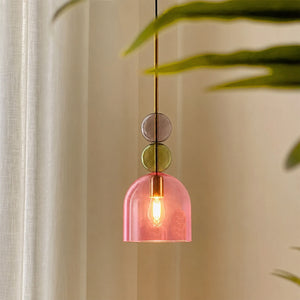
Lamps, wall lights and pendants for warm, layered light.
Explore Collection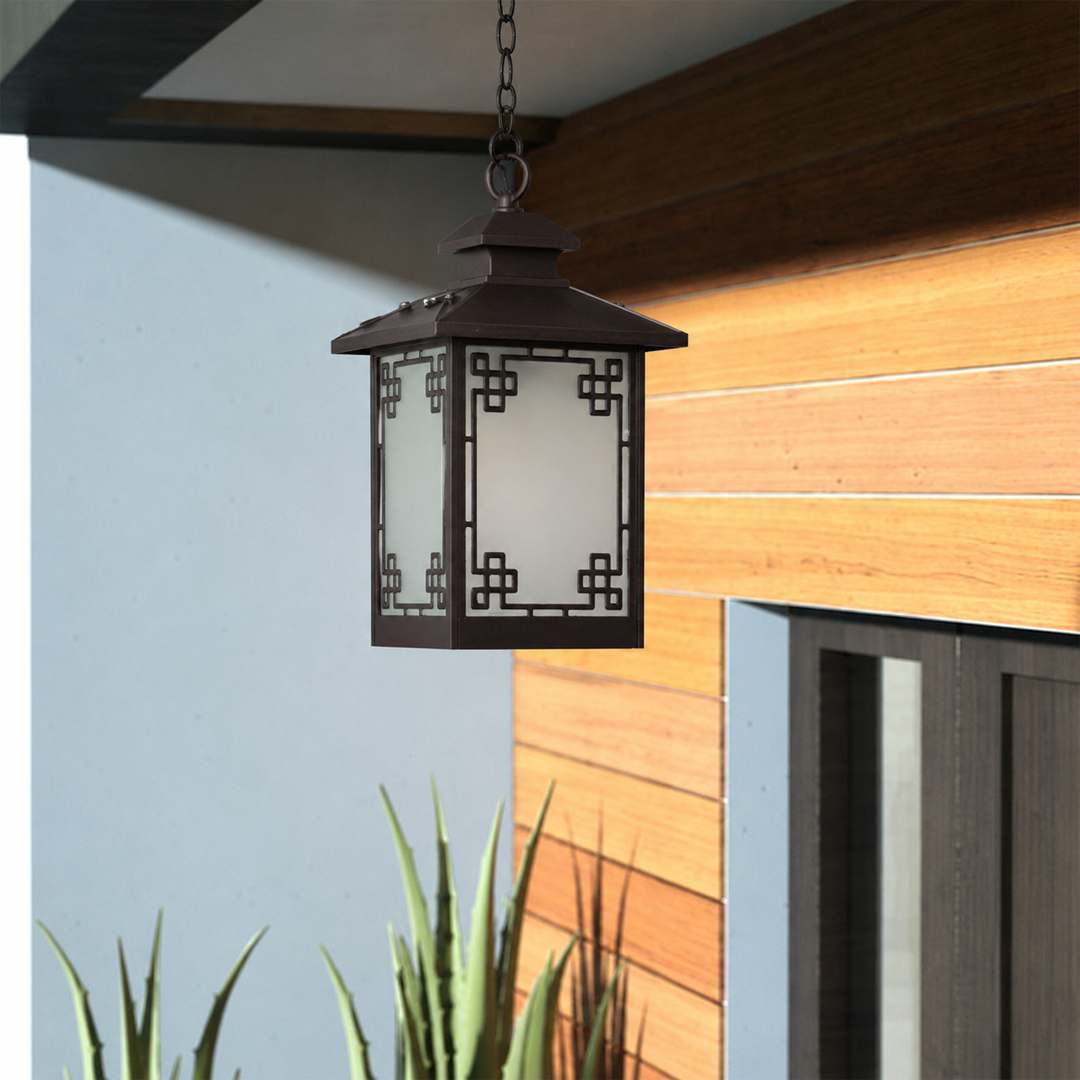
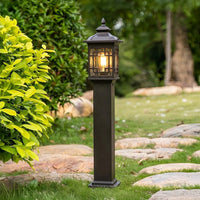
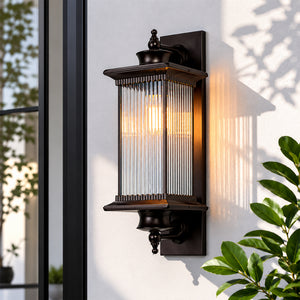
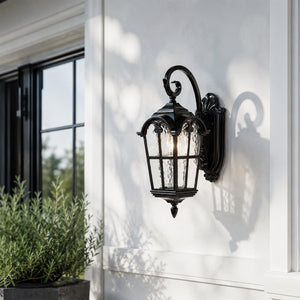
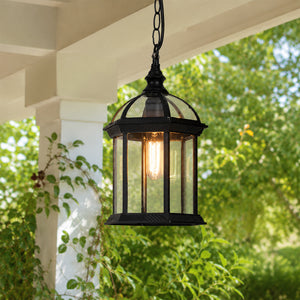
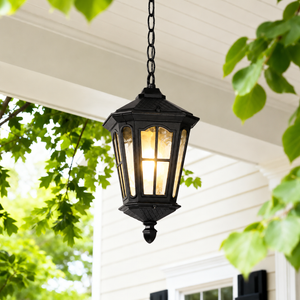
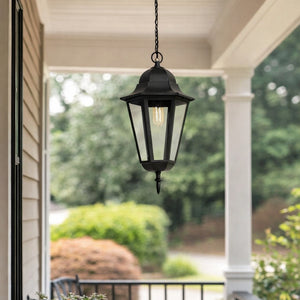
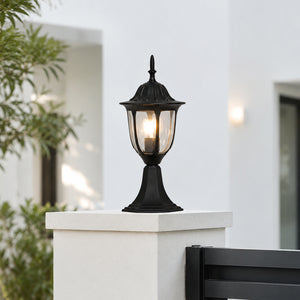
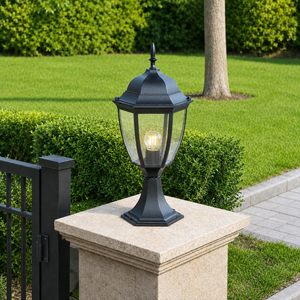
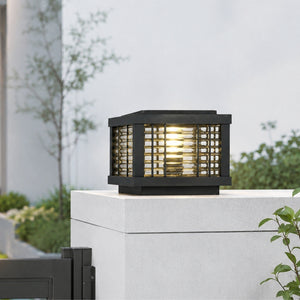
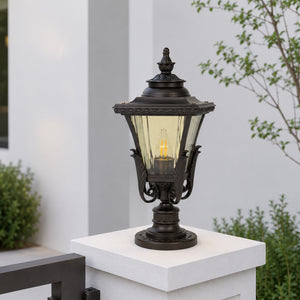
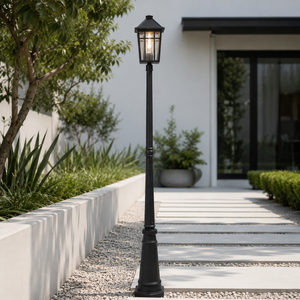
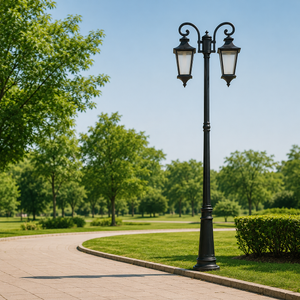
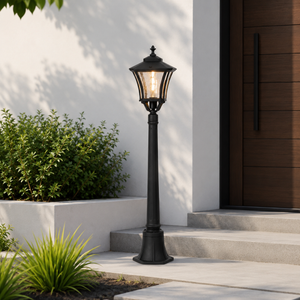
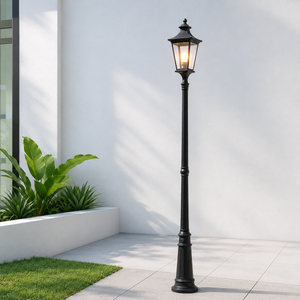
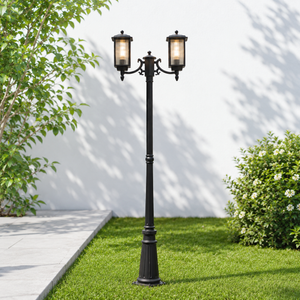
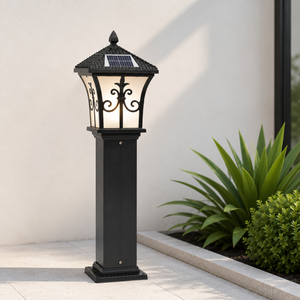
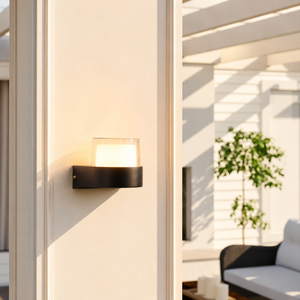
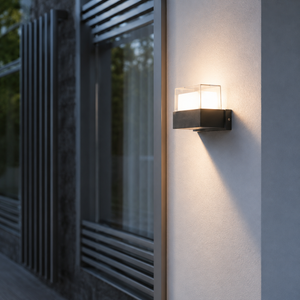
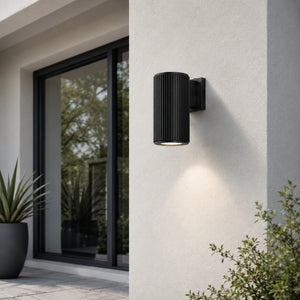
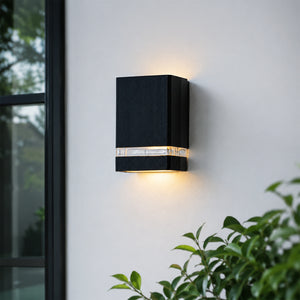
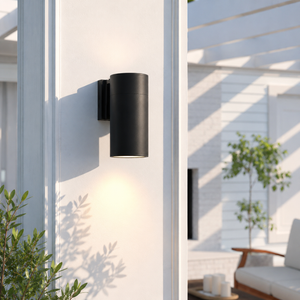
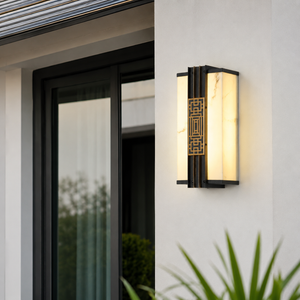
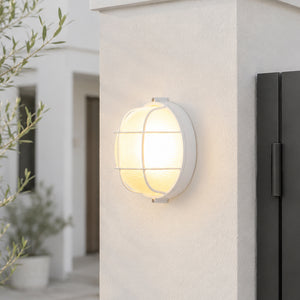
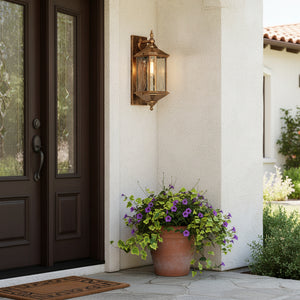
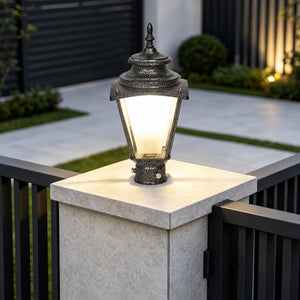
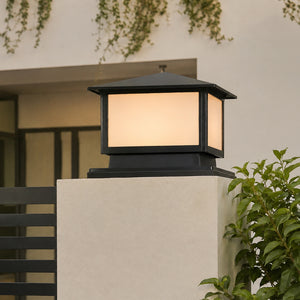
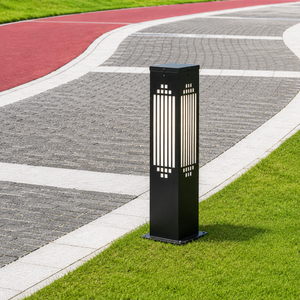
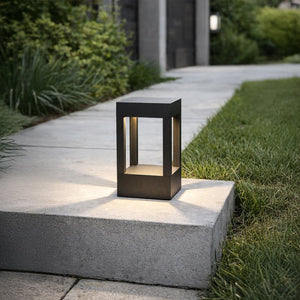
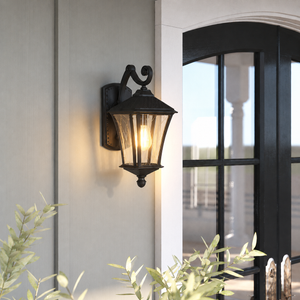
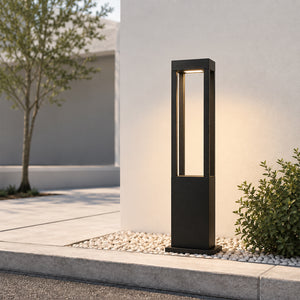
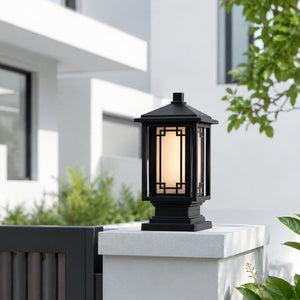
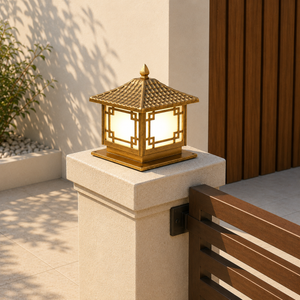
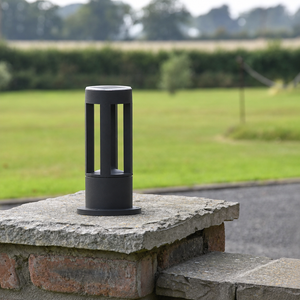
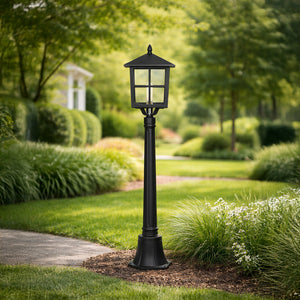
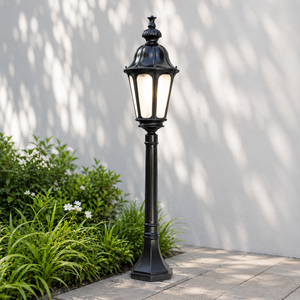
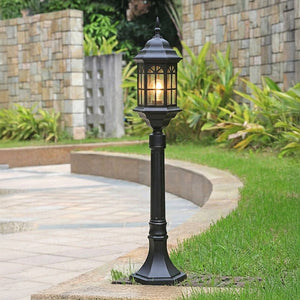
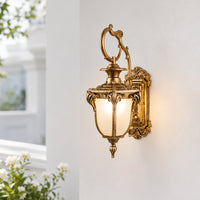
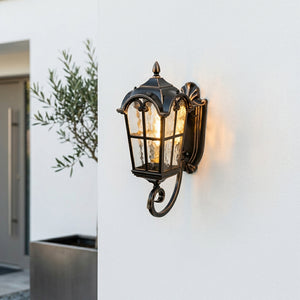
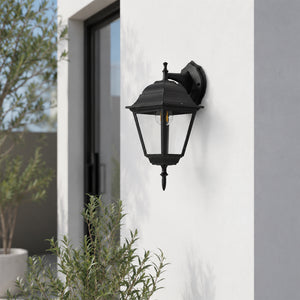
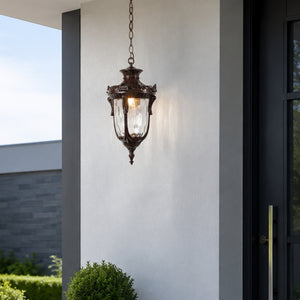
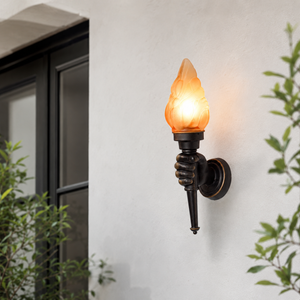
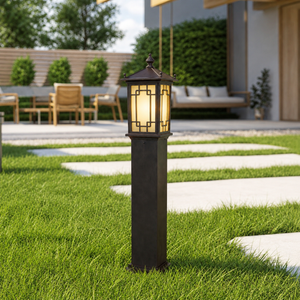
Outdoor Lighting
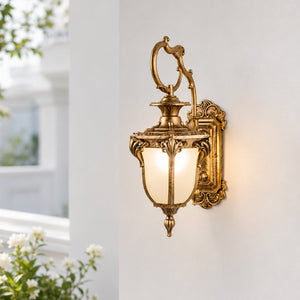
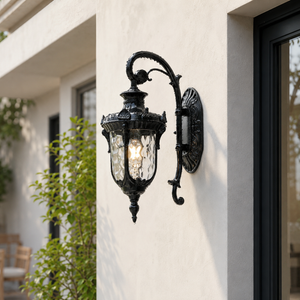
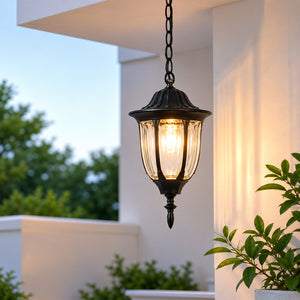
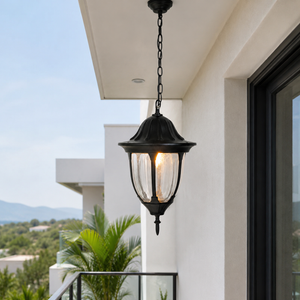
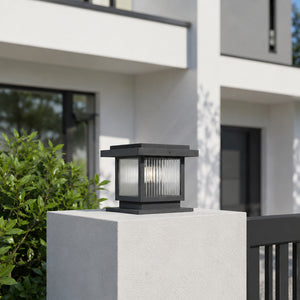
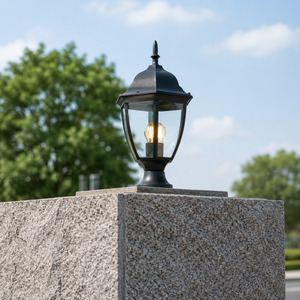
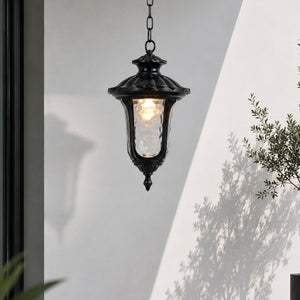
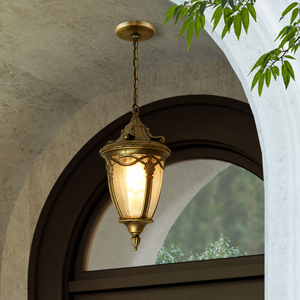
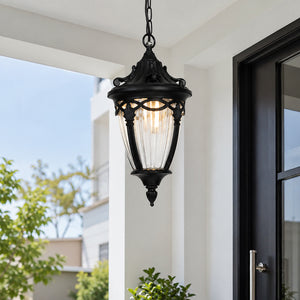
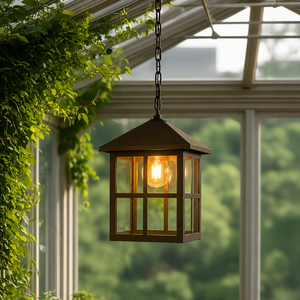
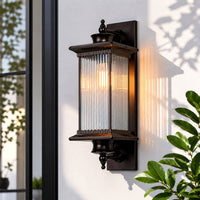
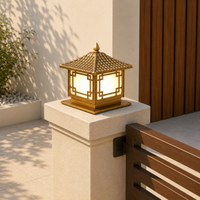
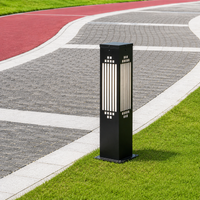
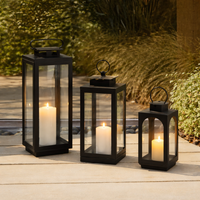
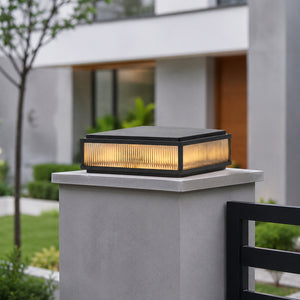
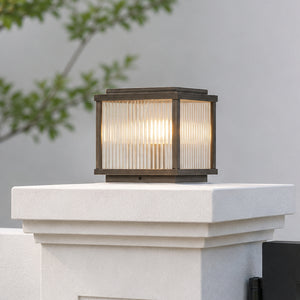
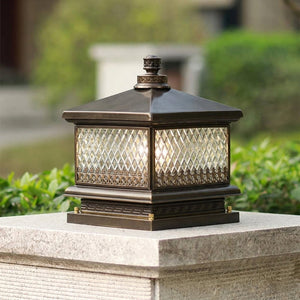
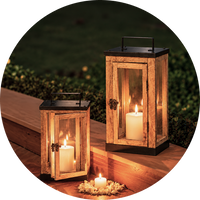
Soft light for balconies, gardens and peaceful evenings outside.
Explore Collection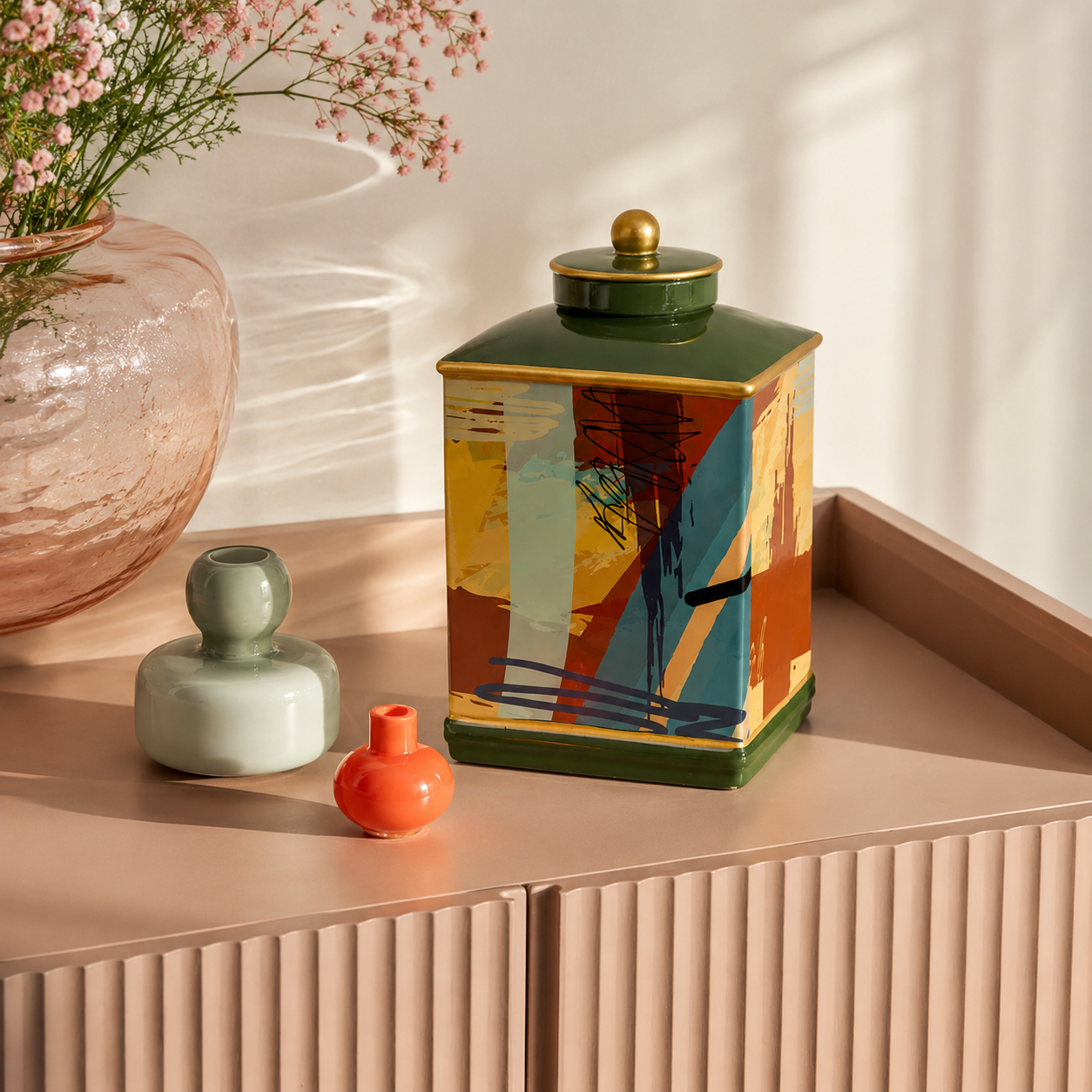
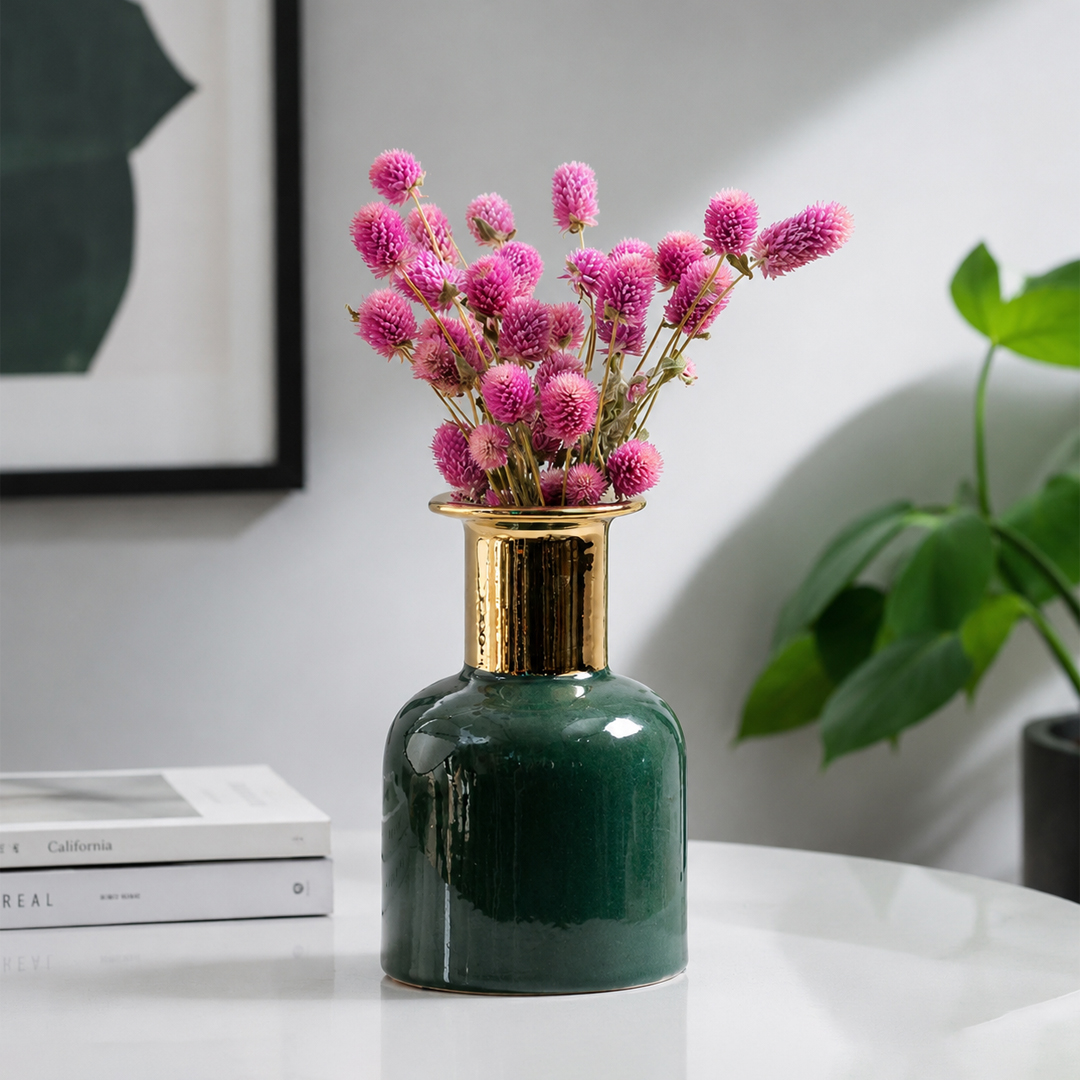
Dried Botanicals
Low-care natural stems that bring nature indoors all year.
Explore CollectionFrequently Asked Questions About Calming Home Design
How can home design help reduce anxiety?
A well-designed home reduces visual clutter, uses soft, warm lighting, brings in natural light and nature, and includes quiet spaces to unwind. Together, these changes create a calmer atmosphere that supports everyday wellbeing.
What is the easiest change to make a home feel calmer?
Start by decluttering one room and opening up natural light. Clearing surfaces and swapping heavy curtains for sheers can make a space feel calmer almost immediately.
What is biophilic design?
Biophilic design is an approach that brings nature into indoor spaces through plants, natural materials such as wood and stone, natural light and views of the outdoors.
Which colours are best for a calming home?
Soft blues, sage greens and warm neutrals such as beige, cream, taupe and light grey are commonly associated with calm and relaxation.
What type of lighting is most calming?
Warm, layered lighting is the most calming. Combine wall sconces, table lamps and floor lamps with warm white bulbs around 2700K, and use dimmers to soften light in the evening.
Why is natural light important at home?
Natural light helps regulate your body clock, supports better sleep and makes rooms feel brighter and more uplifting. Keep windows clear and use mirrors to spread daylight further.
What are the best indoor plants for a calming home?
Snake plants, peace lilies, money plants, pothos, ZZ plants and areca palms are easy, low-maintenance options that bring life and a sense of calm to any room.
How does decluttering help you feel calmer?
Decluttering reduces visual noise, makes it easier to focus and gives a greater sense of control. A tidy space is also quicker to clean and easier to relax in.
Which scents help create a relaxing home?
Lavender, sandalwood, vanilla, chamomile and jasmine are popular choices for creating a soothing, comforting atmosphere through diffusers, candles or fragrant plants.
How can I make a small apartment feel calming?
Use vertical storage, keep surfaces clear, choose a light and consistent colour palette, add mirrors to reflect light and use wall lights instead of floor lamps to save space.
How do I make my bedroom more relaxing?
Keep surfaces clear, use warm dimmable bedside lights, choose soft natural bedding, add a plant or calming scent and keep screens out of the bedroom where possible.
Can home design replace professional help for anxiety?
No. A calming home can support your wellbeing, but it is not a substitute for professional care. If anxiety affects your daily life, please speak to a qualified mental health professional.
Your Home, Your Sanctuary
A calming, anxiety-free home does not require expensive renovations. Small, intentional changes, like decluttering, layering warm wall lighting, letting in natural light and bringing in nature, can transform how your home feels every day.
Most importantly, design around what makes you feel relaxed. Everyone responds differently to their surroundings, so the best home is one that supports your own needs. When your home works with your mind instead of against it, it becomes a true sanctuary for rest and happiness.