



























































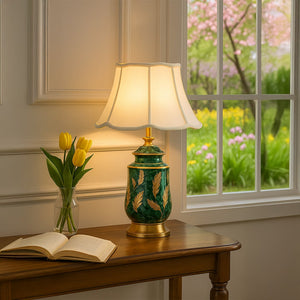





How to Optimize Your Home Design for Indian Summers

How to Optimize Your Home Design for Indian Summers
And make it look beautiful too
To optimize your home design for Indian summers, replace harsh overhead light with layered warm-white lighting (2700K–3000K), paint walls in colours with a 65–85 LRV, switch to breathable cotton, linen, cane and terracotta, favour marble or Kota stone floors, shade windows with a three-layer system, and use cross ventilation. Together these keep rooms cooler, cut AC use and look effortlessly beautiful.
Every year, Indian summers arrive like an uninvited guest that refuses to leave. From scorching afternoons in Delhi to sticky, humid evenings in Mumbai, the season puts your home, and your patience, to the test. Most people respond by cranking up the AC and pulling the curtains shut. There is a smarter, more lasting approach: design your home to handle the heat before it ever becomes a problem.
Optimizing your home design for Indian summers does not mean sacrificing style. When done thoughtfully, a summer-ready home can be your most beautiful one yet: cooler, calmer and full of personality. This guide walks you through exactly how to get there, room by room and layer by layer, covering lighting, colour, materials, flooring, windows, ventilation and outdoor spaces.
Why Do Indian Homes Need a Summer-Specific Design Strategy?
Most design advice online is written for cooler climates, where the challenge is insulation and holding on to warmth. Indian homeowners face the exact opposite from March through June, and in many regions well into September.
Peak temperatures regularly cross 42°C in cities like Nagpur, Jaipur and Ahmedabad. Add the loo (the fierce, dry north Indian wind), coastal humidity and relentless UV radiation, and you have conditions that demand a tailored design response.
A home that relies only on mechanical cooling also racks up brutal electricity bills. A well-designed home stays naturally cooler, runs on less power and feels genuinely comfortable rather than just technically air-conditioned.

Routine summer peaks in central and north-west Indian cities.
Indoor temperature rise possible from unshaded, sun-facing glass.
Minimum energy LEDs save versus incandescent bulbs, with far less heat.
BEE's recommended default AC setting; each degree up saves about 6%.
1. Start with Lighting: It Sets the Entire Mood
Most people think about lighting last. For Indian summers, it should come first, because the way you light a space directly affects how cool, airy and comfortable it feels, both psychologically and practically.
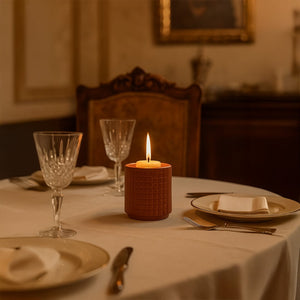
Harsh, bright overhead lighting makes a warm room feel hotter. Warm, layered, ambient lighting makes the same room feel far more livable. We read warm, diffused light as calm and restful, while glaring cool-white light feels clinical and uncomfortable, especially at the end of a hot day.
How Do You Swap Overhead Glare for Layered Lighting?
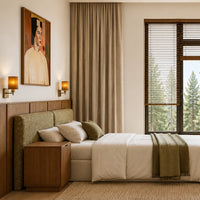
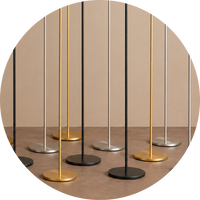
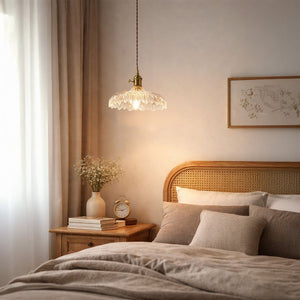
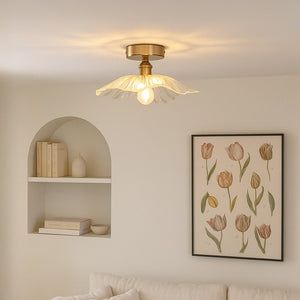
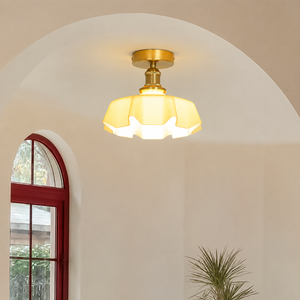
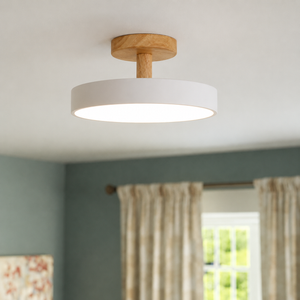
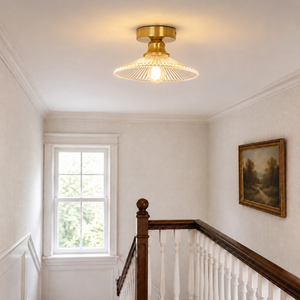
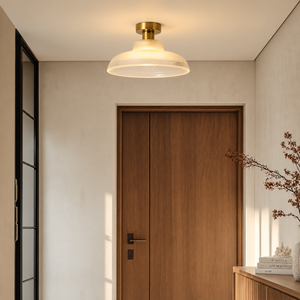
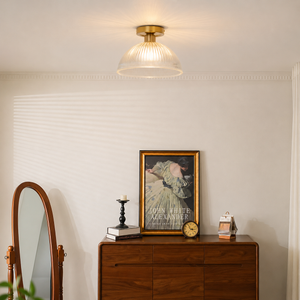
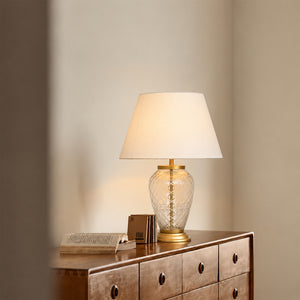
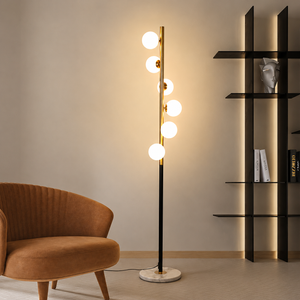
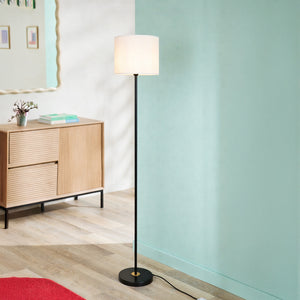
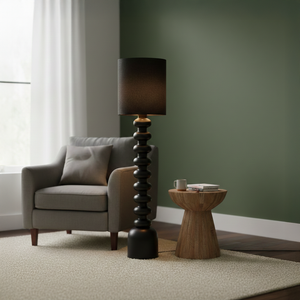
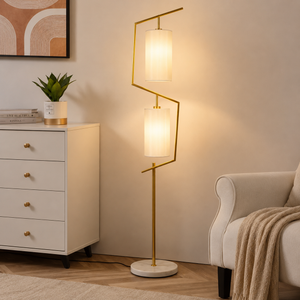
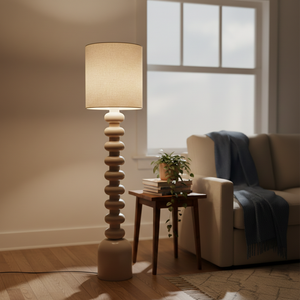
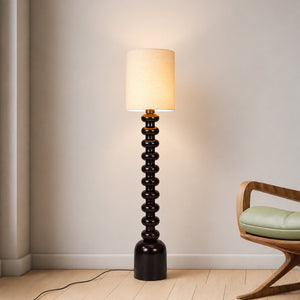
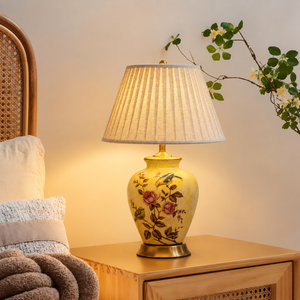
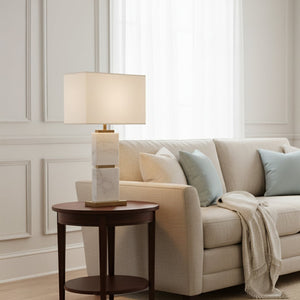
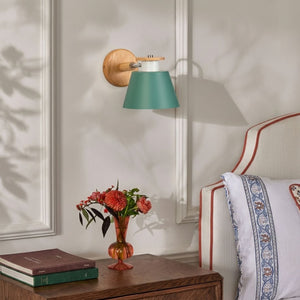
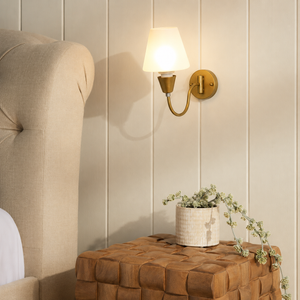
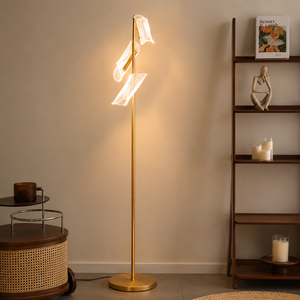
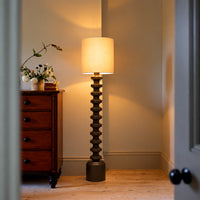
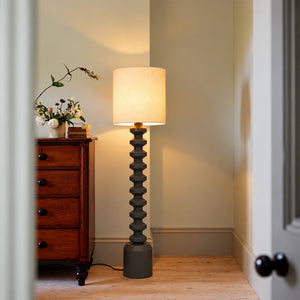
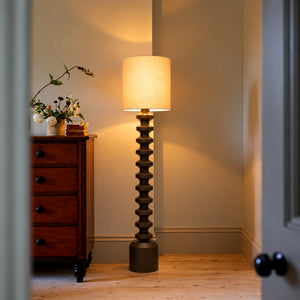
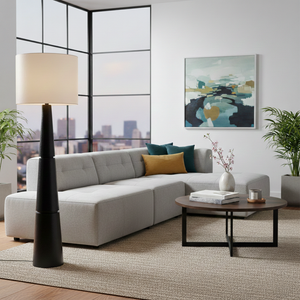
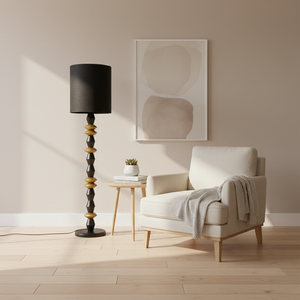
The single biggest lighting upgrade for summer comfort is moving away from one central fixture towards layered lighting: wall lights, floor lamps, table lamps and pendant lights working together to create soft, even illumination.
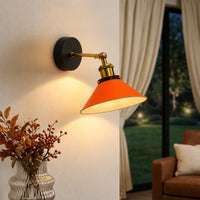
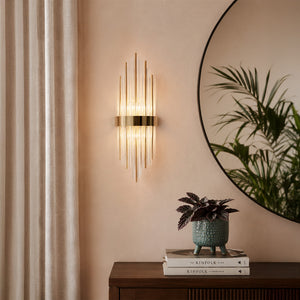
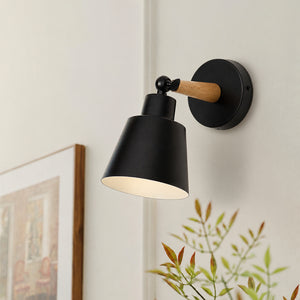
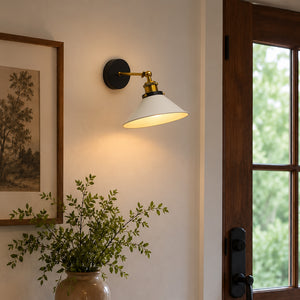
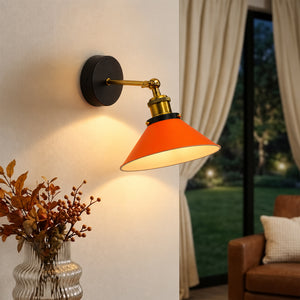
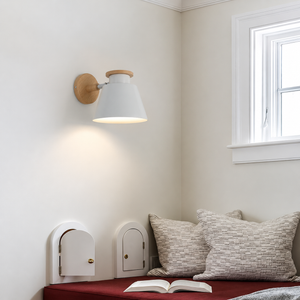
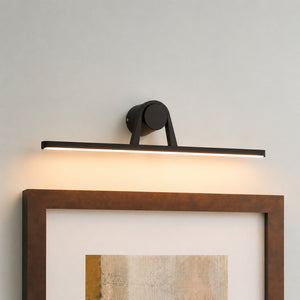
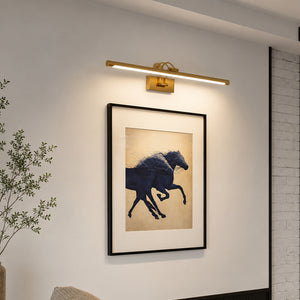
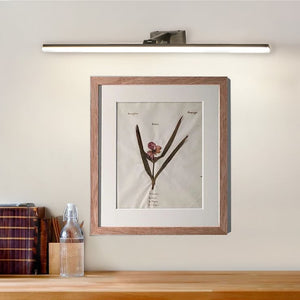
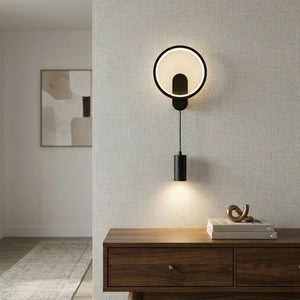
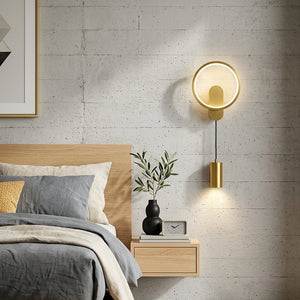
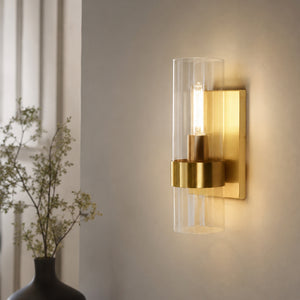
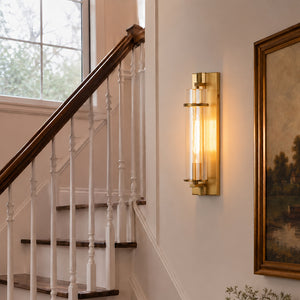
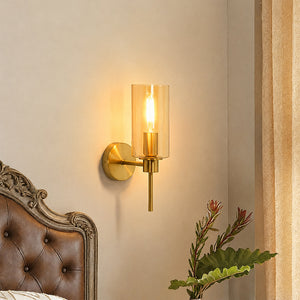
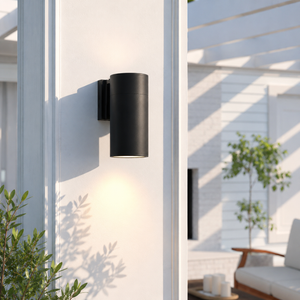
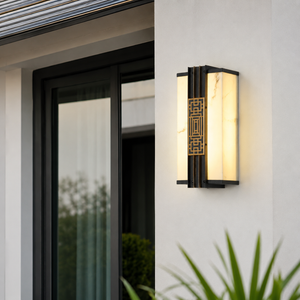
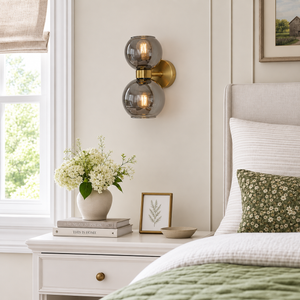
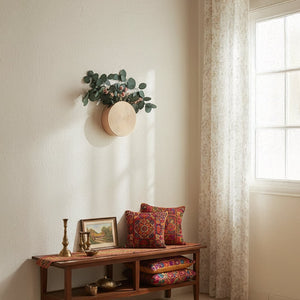
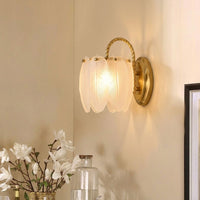
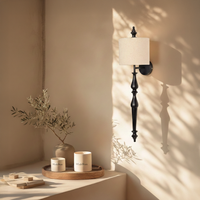
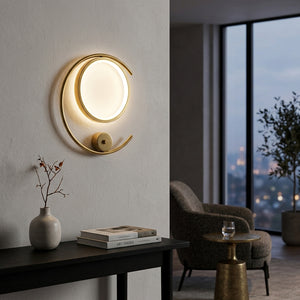
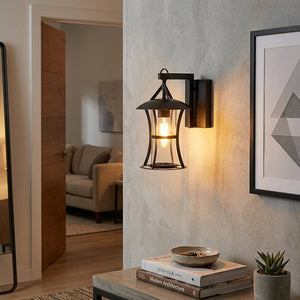
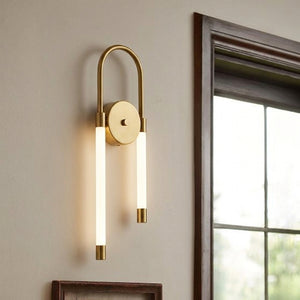
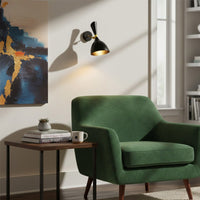
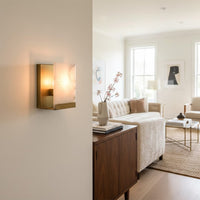
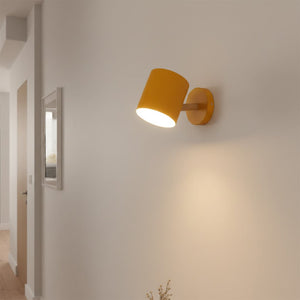
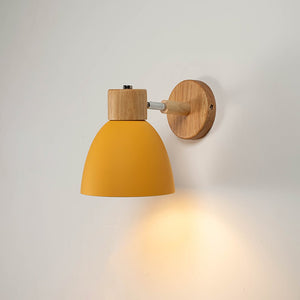
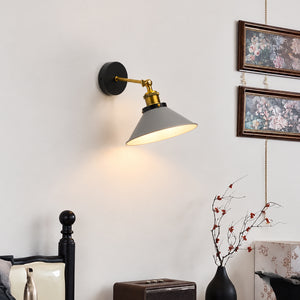
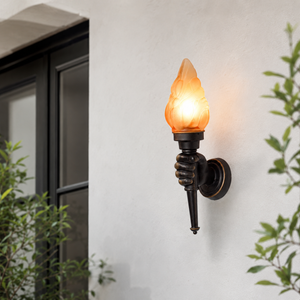
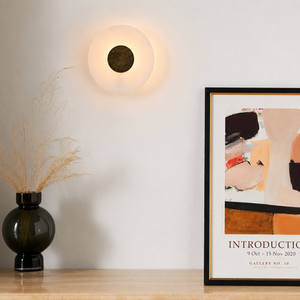
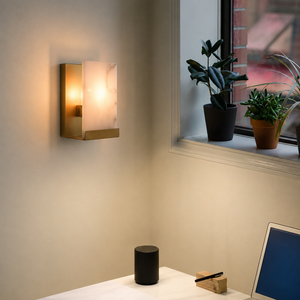
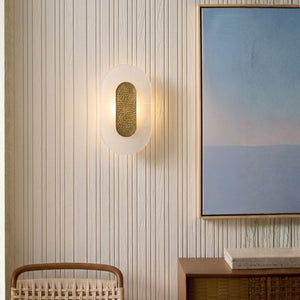
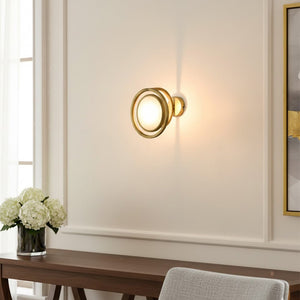
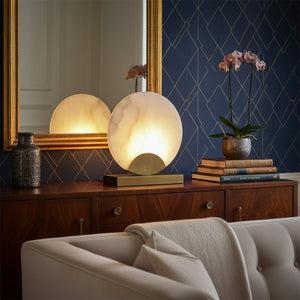
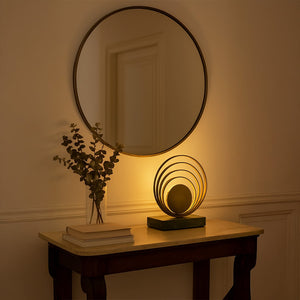
Wall lights are especially effective in Indian summers. Positioned at mid-height, they wash walls in warm ambient light without the glare of downward-pointing ceiling fixtures. Our range spans everything from clean-lined Wall Sconces to the sculptural Marble Wall Lamp, pieces that bring both function and personality without overwhelming a room.
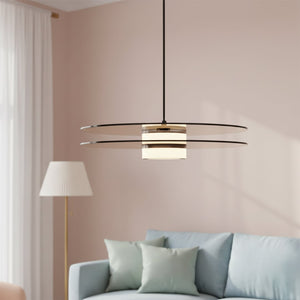
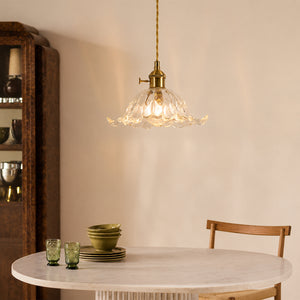
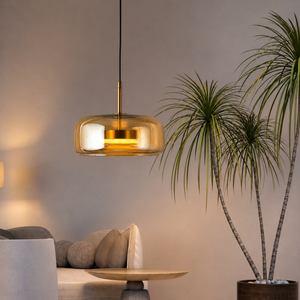
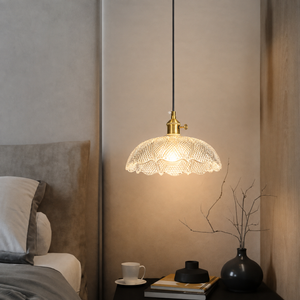
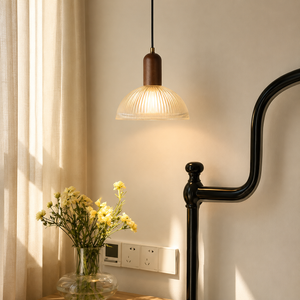
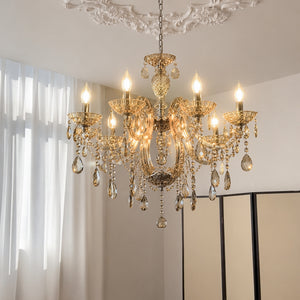
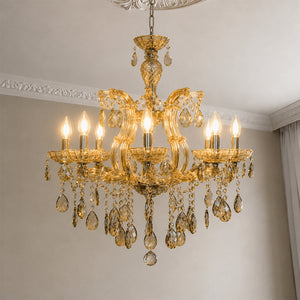
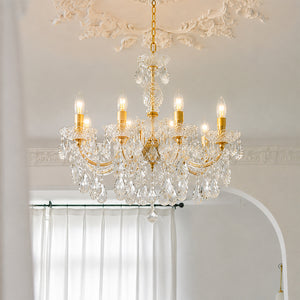
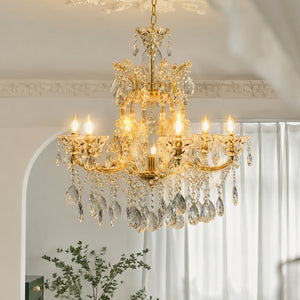
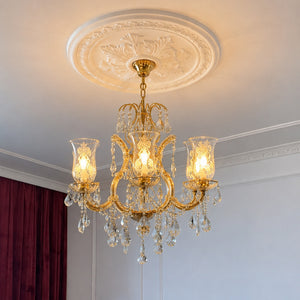
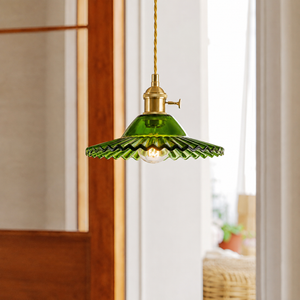
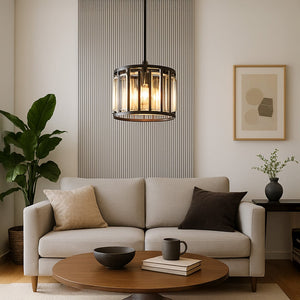
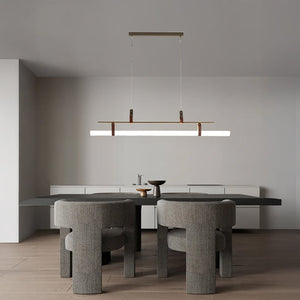
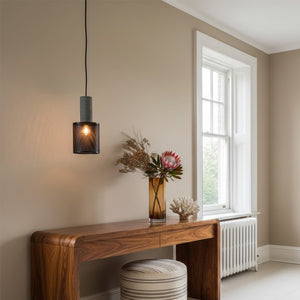
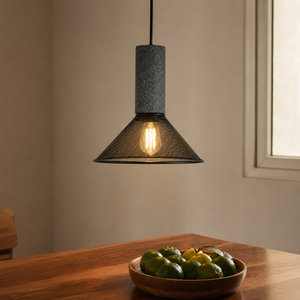
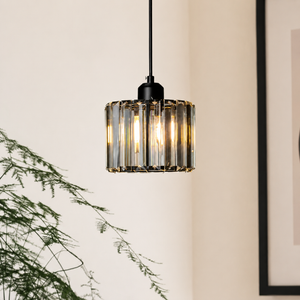
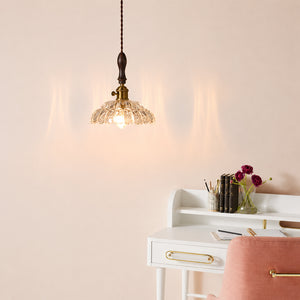
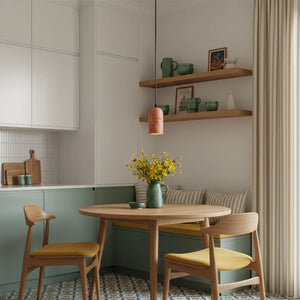
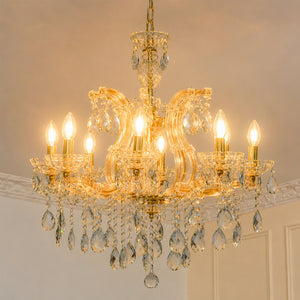
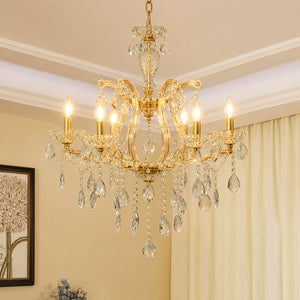
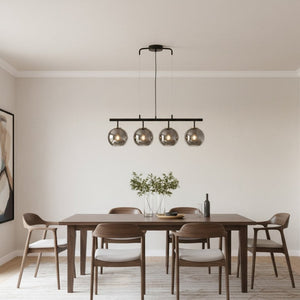
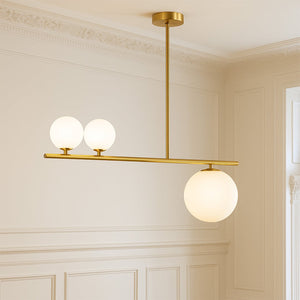
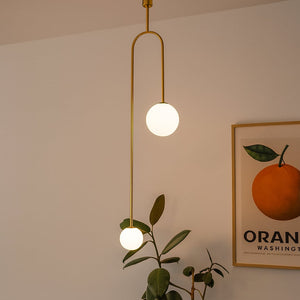
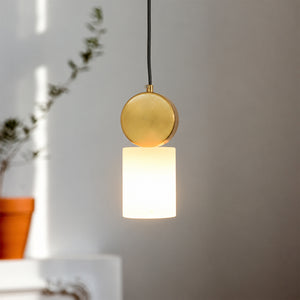
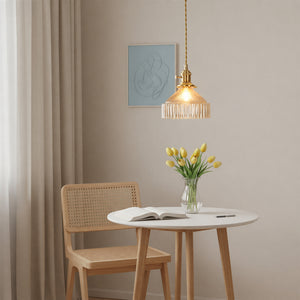
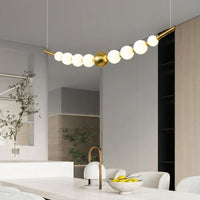
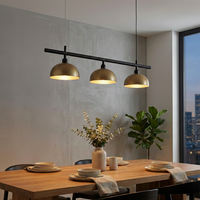
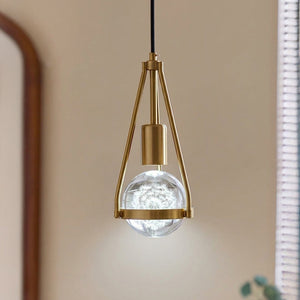
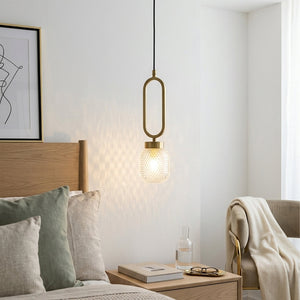
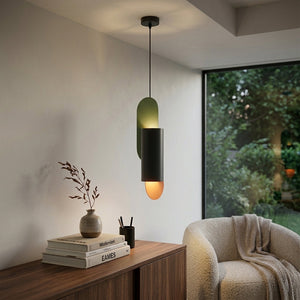
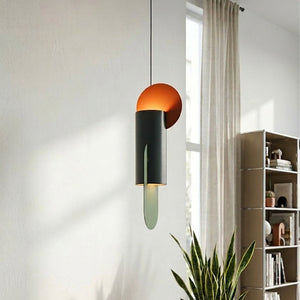
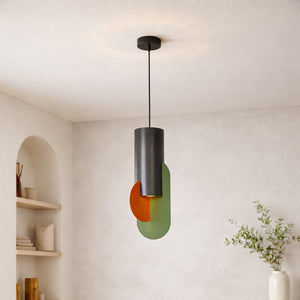
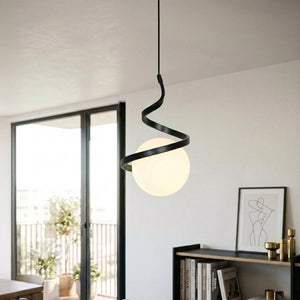
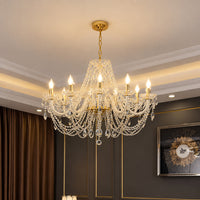
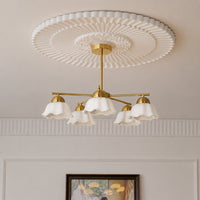
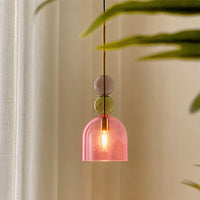
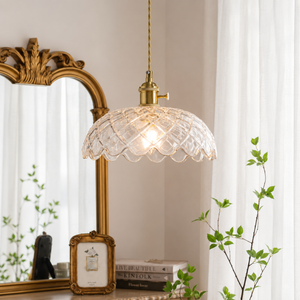
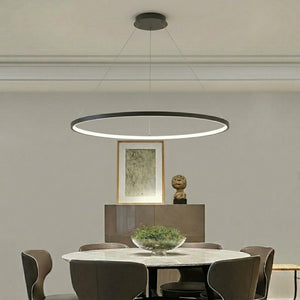
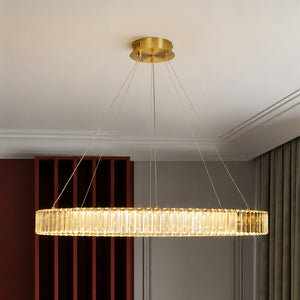
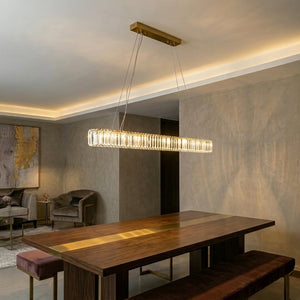
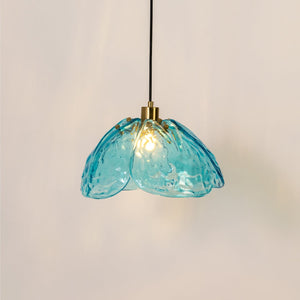
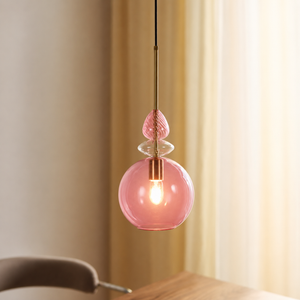
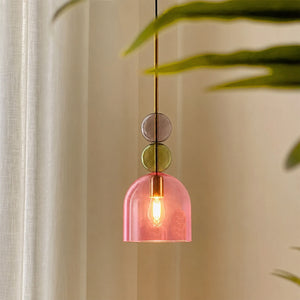
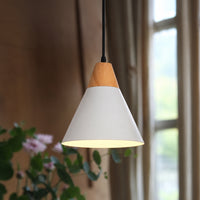
Pendant lights above dining tables and kitchen counters replace heavy chandeliers with something lighter and more visually airy, while table and floor lamps create intimate corners for the evening.

The Four Layers of a Summer-Ready Lighting Plan
- Ambient (wall lights and cove lighting): soft, indirect light bounced off walls and ceilings, the base layer that replaces a glaring tube light.
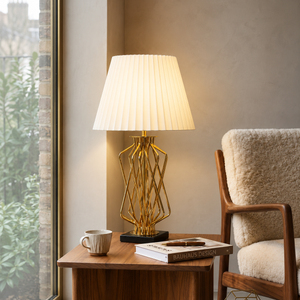
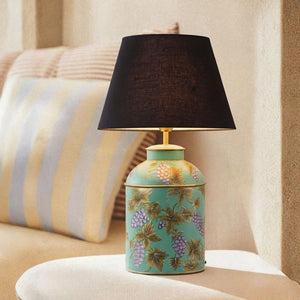
- Task (table lamps, reading lights, under-cabinet strips): focused light only where you need it, so you are not lighting and heating an entire room to read a book.
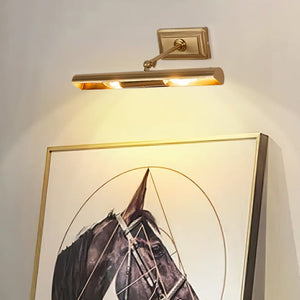
- Accent (picture lights, spotlights, uplighters): highlights art, plants or textured walls, adding depth that makes a room feel larger and more open.
- Decorative (pendants and statement lamps): the jewellery of the room; choose open, airy forms in rattan, glass or fine metal for summer lightness.
- Always use LED: incandescent and halogen bulbs turn most of their energy into heat, while LEDs use at least 75% less energy and run far cooler.
- Add dimmers where you can: dropping light levels in the evening instantly softens a room and signals your body to wind down after a hot day.
Which Bulb Colour Temperature Is Best for Summer?
For summer interiors in India, aim for bulbs in the 2700K–3000K range (warm white). These emit a golden, sunset-like light that feels relaxing, the opposite of blue-white 6500K daylight bulbs that make spaces feel harsh and clinical. Check the Kelvin (K) value printed on the bulb box before you buy.
2. Which Colours Keep a Home Cool in Summer?
Paint choices have a direct, measurable impact on indoor comfort. The science behind it is Light Reflectance Value (LRV), a scale from 0 (black, absorbs almost all light) to 100 (pure white, reflects almost all light).
For Indian summers, colours in the 65–85 LRV range work best: high enough to stay cool and bright, but not so high that you get the glare pure white creates under intense tropical sunlight. Most paint brands list LRV on shade cards or their websites.
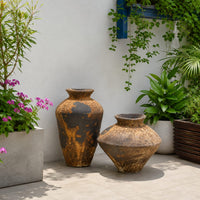
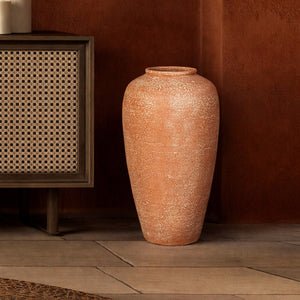
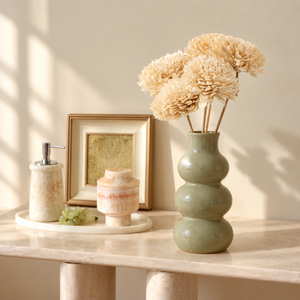
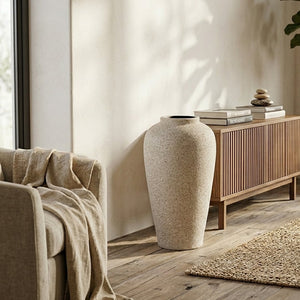
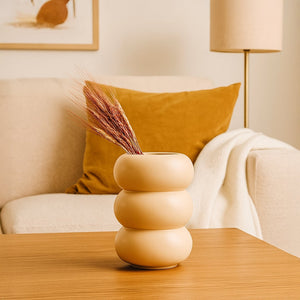
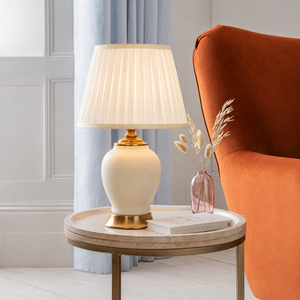
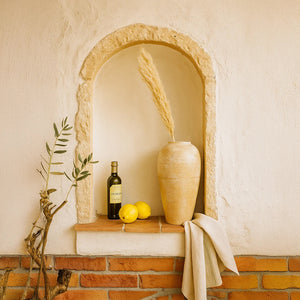
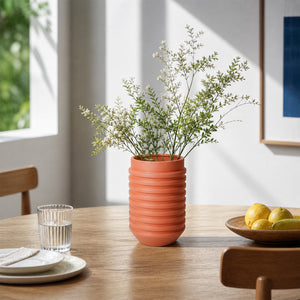
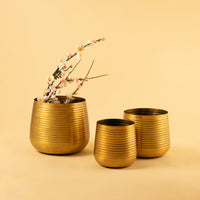
A sandy beige wall paired with a ceramic vase in terracotta or warm white creates a layered, textural look that feels both cool and curated.

The Best Summer Colour Palette for Indian Homes
Sandy beige, warm off-white, pale terracotta
Grounded and calm, with high LRV and no glare.
Sage green, dusty rose, soft grey-blue
Psychologically cooling and easy on the eyes at night.
Cream, pale mint, muted yellow
Cheerful without adding visual heat to the hottest room.
Warm linen, earthy clay
Pairs beautifully with the warm glow of pendant lighting.
Slate blue, chalky white, cool grey
Enhances the sense of freshness and cleanliness.
Heat-reflective white or light cool-roof coatings
Reduces heat absorbed by top-floor roofs and sun-facing walls.
- Choose matte or eggshell finishes on walls; high-gloss paint bounces harsh glare around a sunlit room.
- Keep dark, saturated colours for small accents such as a cushion, a vase or a painted door, rather than whole walls that absorb heat.
- Paint the ceiling a shade lighter than the walls to make low-ceilinged apartments feel taller and airier.
- Test samples at 3pm, not 10am: Indian afternoon light is intense and warm, and it changes how colours read.
3. What Should Your Home Be Made Of in Summer?
This is perhaps the most underrated element of summer home design. The materials you surround yourself with directly affect how hot or cool a space feels, and how comfortable you are simply moving through it.
Modern apartments lean towards synthetic upholstery, polyester curtains and laminate surfaces. Traditional Indian homes, from Rajasthani havelis to Tamil courtyard houses and Bengal's colonial bungalows, were built from materials that breathe, regulate temperature and feel cool to the touch.

The Summer Material Hierarchy
Cotton & Linen
For upholstery, cushions, curtains and bed linen. Air circulates freely and they feel cool against skin in a way polyester cannot.
Cane & Rattan
Lightweight and structurally airy, they do not absorb and re-radiate heat the way dense wood or metal furniture does.
Terracotta & Ceramic
Naturally cool to the touch, earthy and grounding, and perfect for vases, planters and jars.
Jute & Cotton Dhurries
Flat-woven, breathable and easy to wash, the opposite of heat-trapping wall-to-wall carpet.
Marble, Stone & Kota
Stay cool through the day and act as thermal buffers that release stored coolness in the evening.
Velvet, Faux Leather & Polyester
Store heavy, heat-holding fabrics for the monsoon and winter months and bring them back when temperatures drop.
Which Decor Accents Work With Summer Palettes?
In summer interiors, the goal is visual lightness: pieces that feel airy and natural rather than heavy and formal. Your choice of decorative objects matters more than you might think.
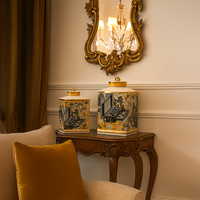
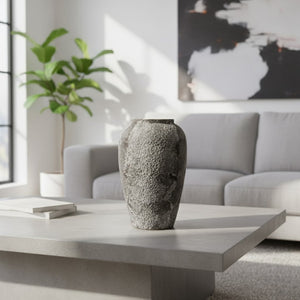
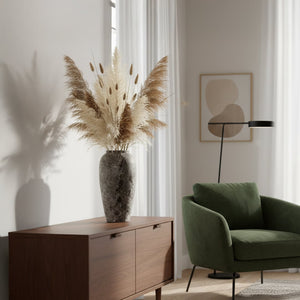
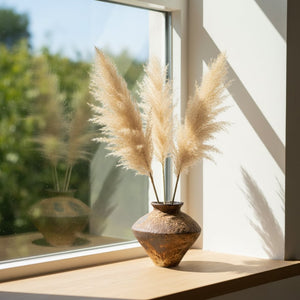
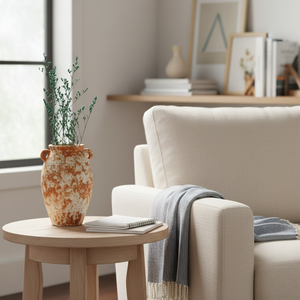
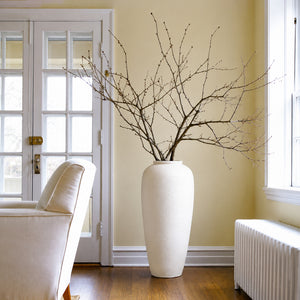
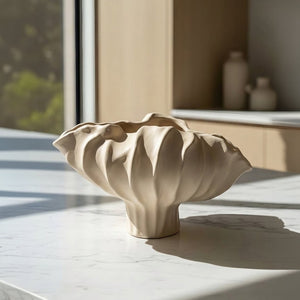
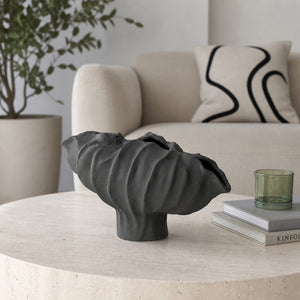
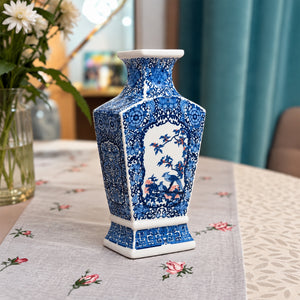
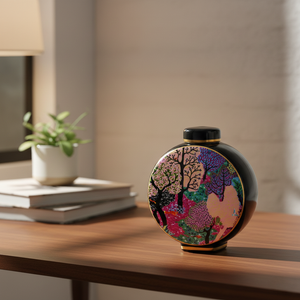
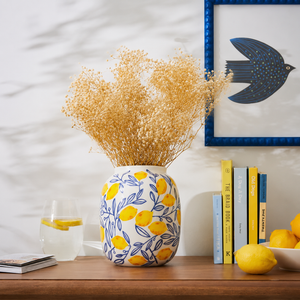
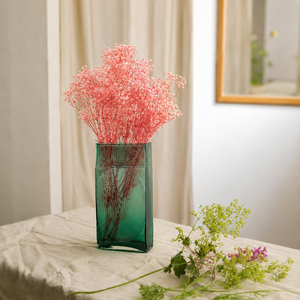
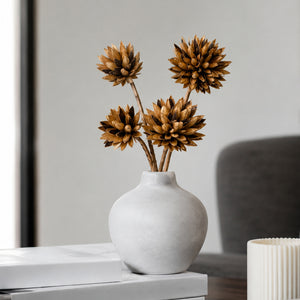
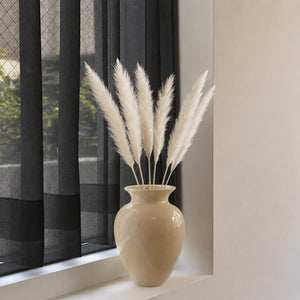
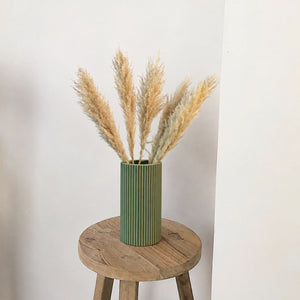
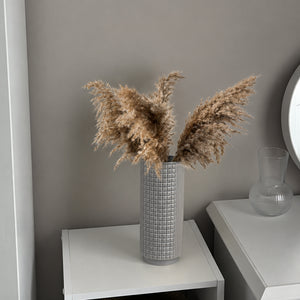
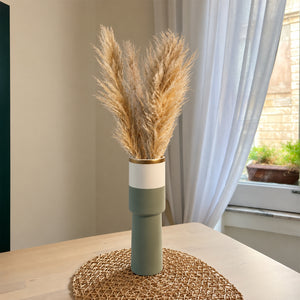
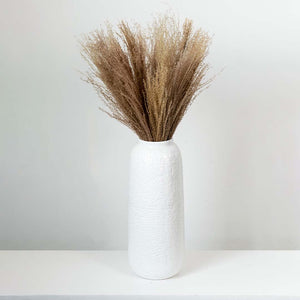
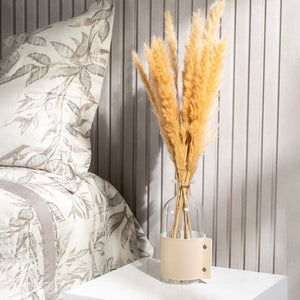
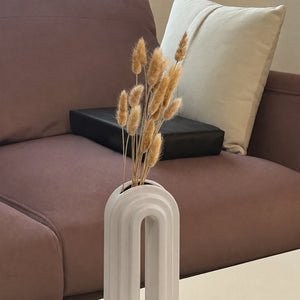
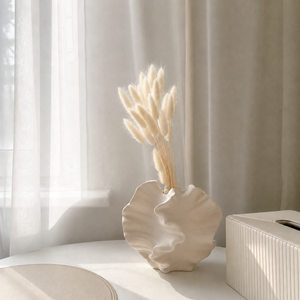
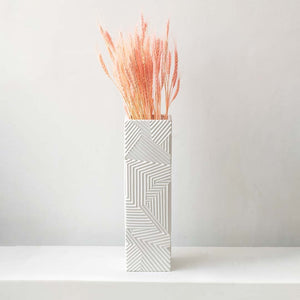
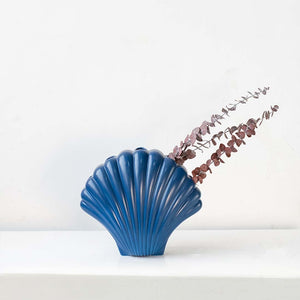
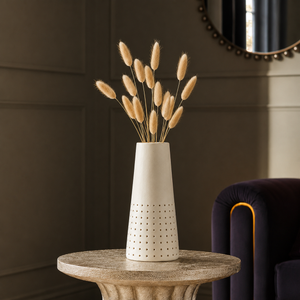
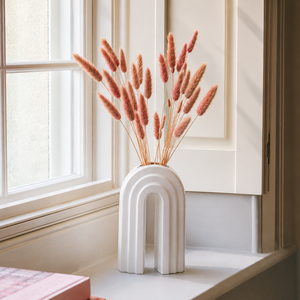
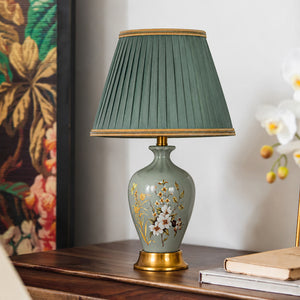
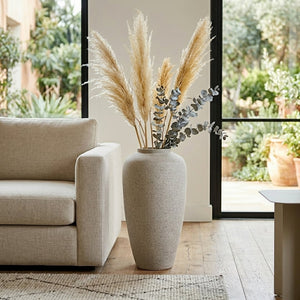
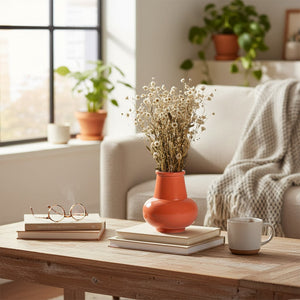
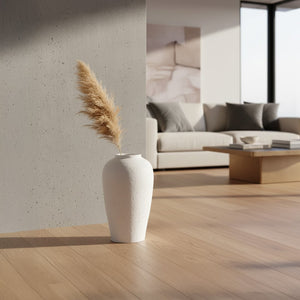
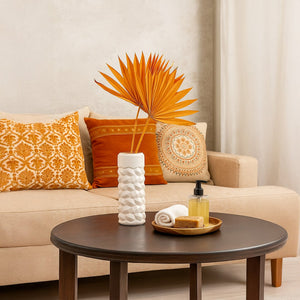
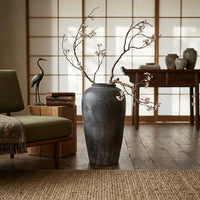
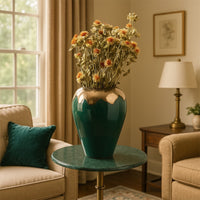
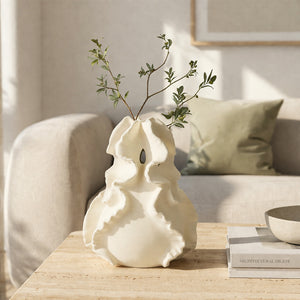
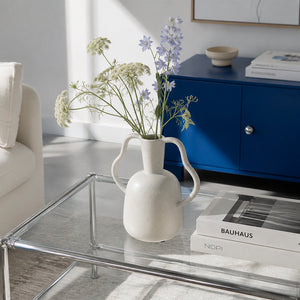
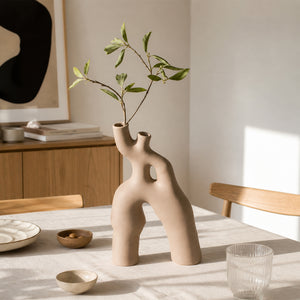
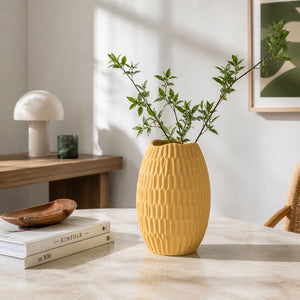
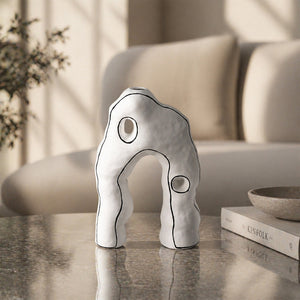
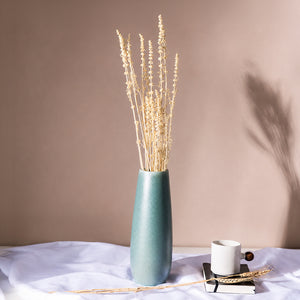
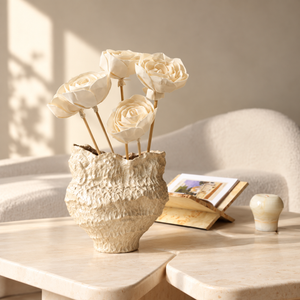
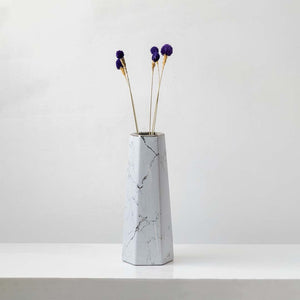
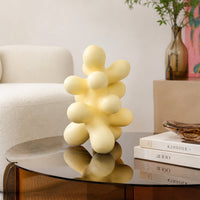
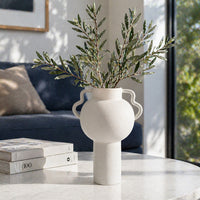
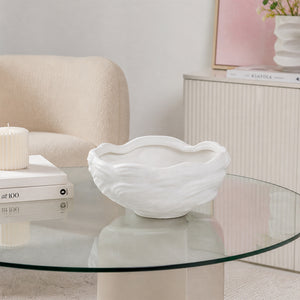
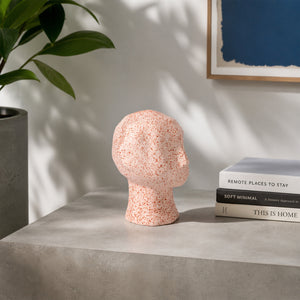
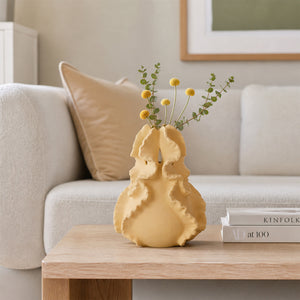
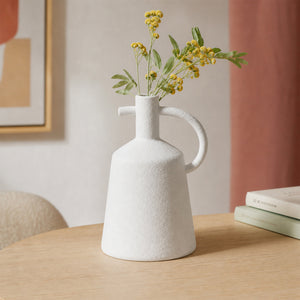
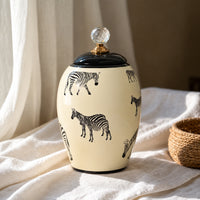
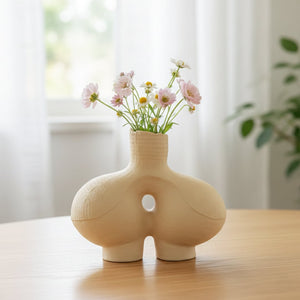
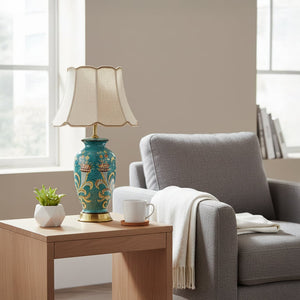
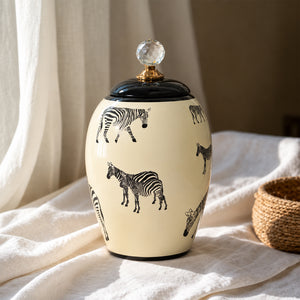
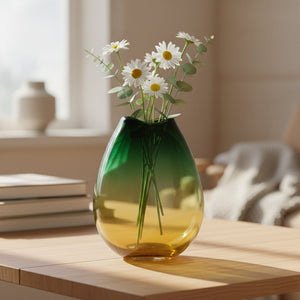
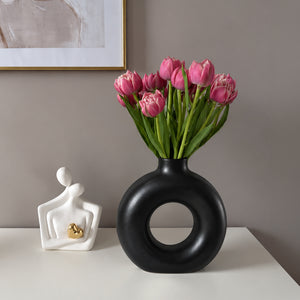
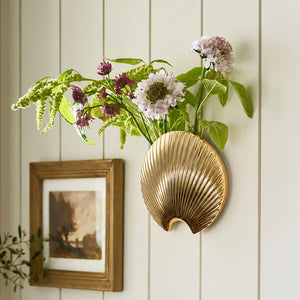
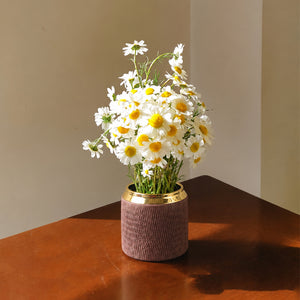
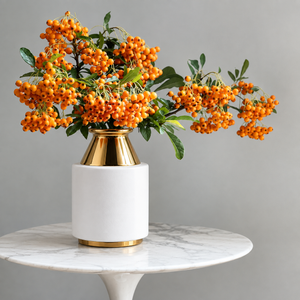
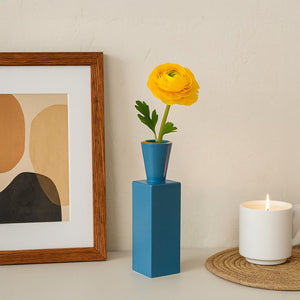
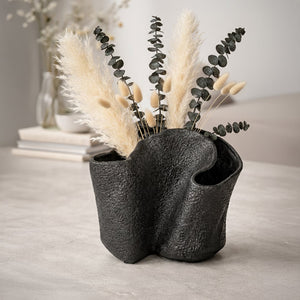
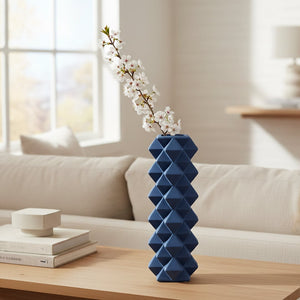
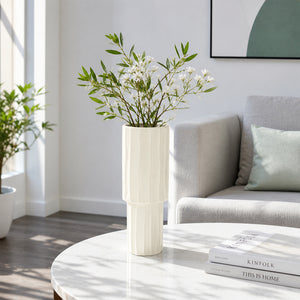
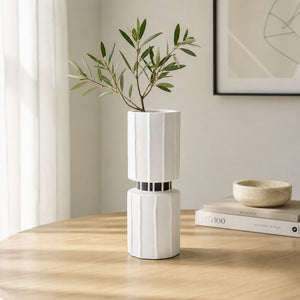
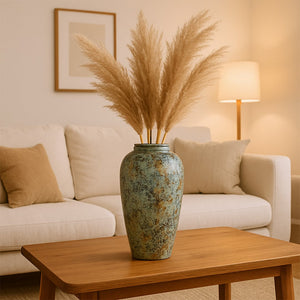
Ceramic vases in off-white, sage or warm terracotta bring an organic, handmade quality that suits the season beautifully. Our ceramic collection, from the sculptural Curling Petal Ceramic Vase to the earthy Tampa Jug Ceramic Vase, fits this aesthetic perfectly. Placed on a side table or shelf with a stem or two of dried pampas grass, they create effortless, natural styling that feels especially right in summer.
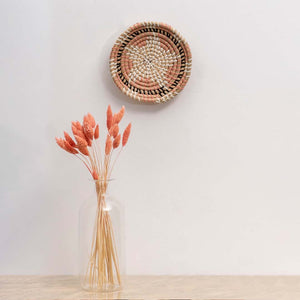
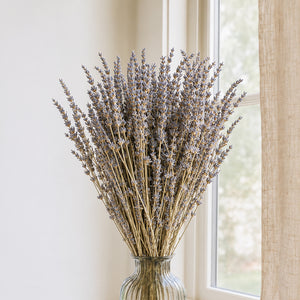
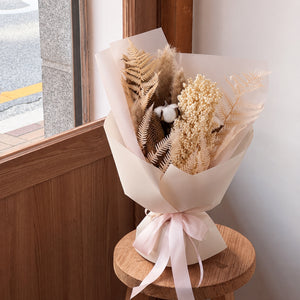
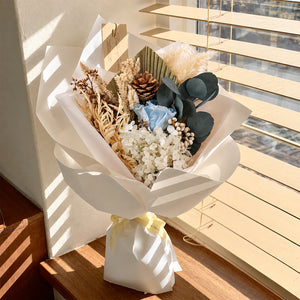
- Dried botanicals over fresh flowers: fresh flowers wilt quickly in Indian heat, while dried pampas, phalaris grass and palm spear leaves need no water and look beautiful for months.
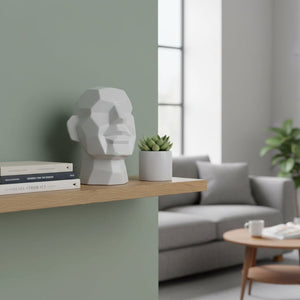
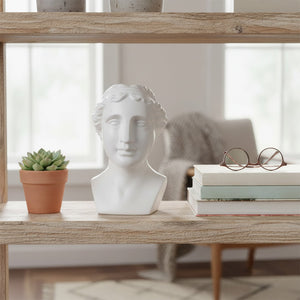
- Edit your surfaces: clear about a third of the objects from shelves and consoles; fewer pieces instantly read as cooler and calmer.
- Group in odd numbers: a trio of ceramic vases in varying heights looks curated rather than cluttered.
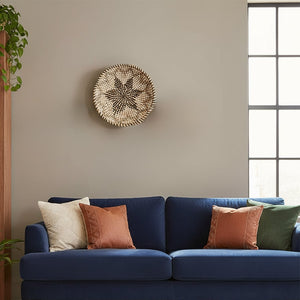
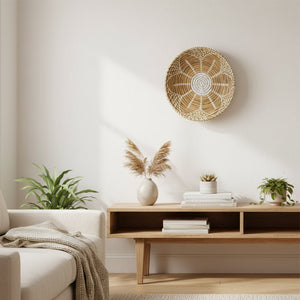
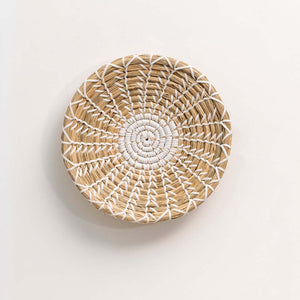
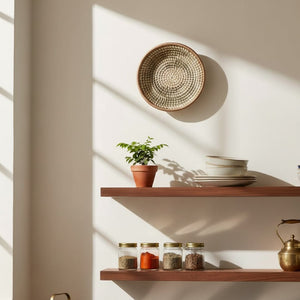
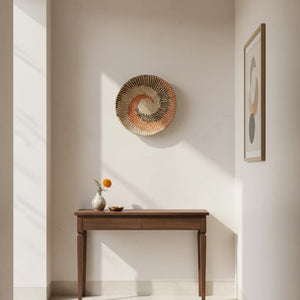
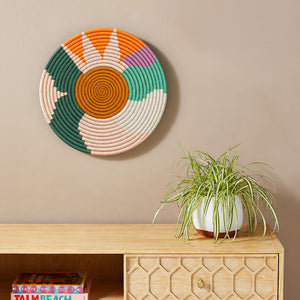
- Bring in woven textures: cane trays, jute baskets and woven wall baskets add warmth without visual weight.
- Add hardy indoor plants: areca palms, snake plants and money plants tolerate Indian summers and add a fresh, living green note to neutral rooms.
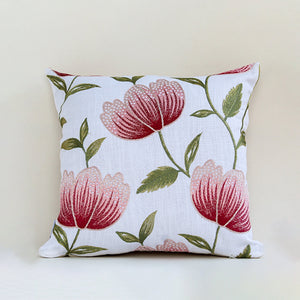
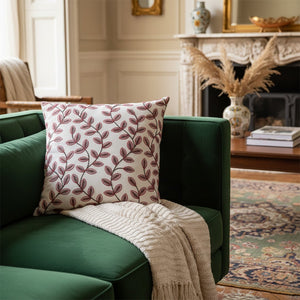
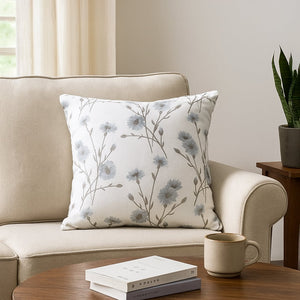
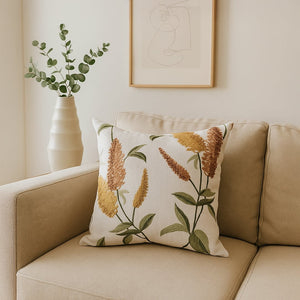
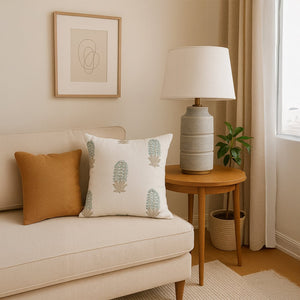
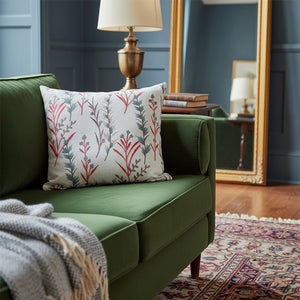
- Refresh cushion covers: embroidered cotton covers in light tones, such as the Mangata Gloss or Serene Floral range, change the feel of a sofa in minutes.
4. What Is the Best Flooring for a Cool Home?
Few design decisions affect summer comfort as profoundly as flooring. The floor you walk on, sit near and sleep above has an enormous influence on the ambient temperature of a room, and on how hot or cool you feel through the day.
Marble
Kota Stone
Terracotta Tiles
Vitrified Tiles
Hardwood
Laminate / Vinyl
Wall-to-Wall Carpet
Athangudi Tiles
5. How Do Window Treatments Control Summer Heat?
Windows are where most of the summer heat battle is won or lost. Direct sunlight through unshaded glass can raise indoor temperatures by 5–8°C, even in rooms that are otherwise well designed.
South- and west-facing windows receive the harshest afternoon sun in India. For these, traditional jaali screens (wooden or metal lattice panels) are both architecturally beautiful and genuinely effective at breaking solar radiation before it reaches the glass. External shading such as awnings, chajjas and bamboo chiks outside the window is always more effective than shading inside.

A Practical Three-Layer Window System
Sheer Cotton or Linen Curtains (Innermost)
Allow filtered natural light and airflow. Choose light sheers in white, ecru or pale linen that let the breeze through while cutting direct glare.
Bamboo Chiks or Blockout Blinds (Middle)
Pull down during peak heat hours, roughly 11am to 4pm, to block direct sunlight. Bamboo chiks add a beautiful texture rooted in Indian design tradition.
Heavier Linen Drapes (Outermost, Optional)
For evening privacy and to block heat radiating from walls that have absorbed sun through the day. Choose light-backed or thermal-lined linen.
- Mount blinds slightly above the frame rather than inside it; this seals the air gap at the top where hot air collects.
- Open windows early morning and late evening to flush the house with cooler air, then close and shade them by mid-morning.
- Consider heat-control window film on large west-facing glass where curtains are not practical.
- Choose light-coloured backings on curtains facing the street, since pale surfaces reflect heat back out.
A summer-ready home does not fight the climate. It breathes with it, glows softly at dusk and welcomes you back from the heat.
6. What Is Passive Cooling and How Does It Work at Home?
Passive cooling uses design, rather than machinery, to stop heat from building up indoors. Air conditioning responds to heat that already exists; passive cooling prevents it from arriving in the first place. These principles are rooted in centuries of Indian architectural wisdom and remain just as effective in modern apartments.
Cross Ventilation
The most powerful passive strategy, and it costs nothing. Open windows on the windward side to let cooler air in and on the opposite side to let hot air out. Even a gentle breeze of 1–2 metres per second noticeably lowers how hot a room feels.
Thermal Mass
Thick walls and heavy floors absorb heat slowly and release it slowly, which is why traditional Indian homes stayed cool without AC. Terracotta tiles, marble floors and stone feature walls act as passive buffers in modern homes too.
Stack Effect
Hot air rises. High-level vents, ventilators above doors or a clerestory window let trapped warm air escape near the ceiling, drawing cooler air in lower down.
Smart Fan Use
In apartments with limited cross ventilation, angle fans to push warm air out of an open window. A ceiling fan's wind-chill effect lets you set the AC a couple of degrees higher with no loss of comfort.
- Keep air paths clear: avoid placing tall wardrobes or bookshelves directly in front of windows and doorways.
- Reduce indoor heat sources: switch off idle appliances and move heavy cooking to cooler hours where possible.
- Use an exhaust fan in the kitchen so cooking heat leaves the house instead of spreading into living areas.
- Set the AC at 24°C or above: India's Bureau of Energy Efficiency recommends 24°C as the default, and each degree higher saves roughly 6% on cooling electricity.
7. How Do You Make Balconies and Outdoor Spaces Summer-Ready?
Indian summers are not lived entirely indoors. Balconies, verandas and small outdoor areas become important transitional spaces for morning chai, evening breezes and quiet garden moments.
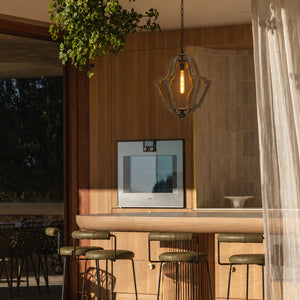
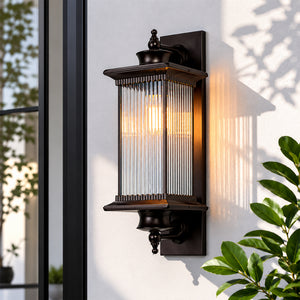
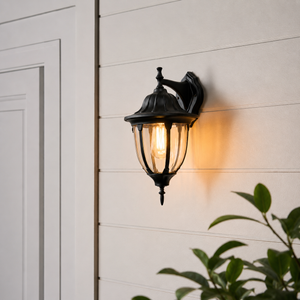
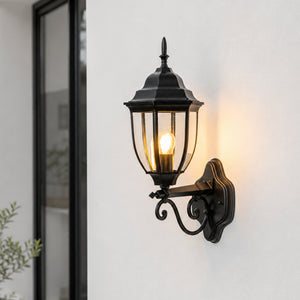
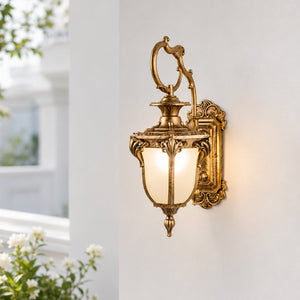
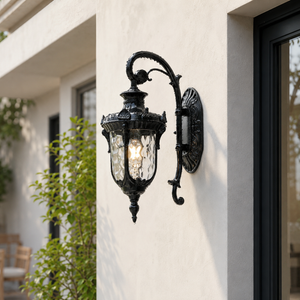
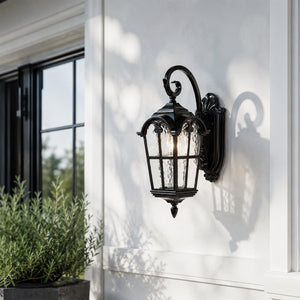
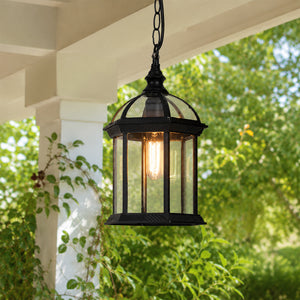
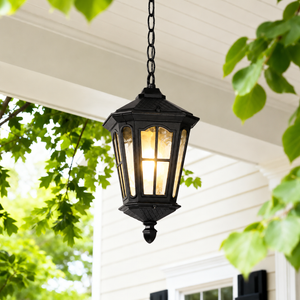
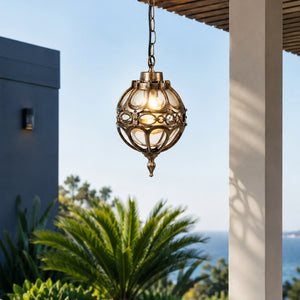
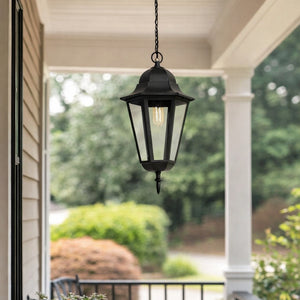
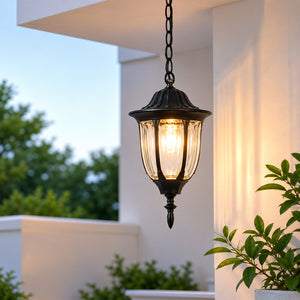
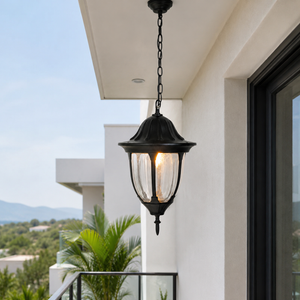
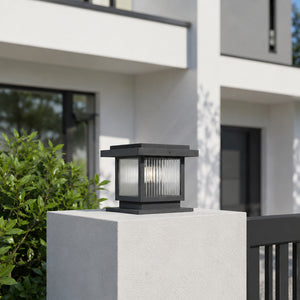
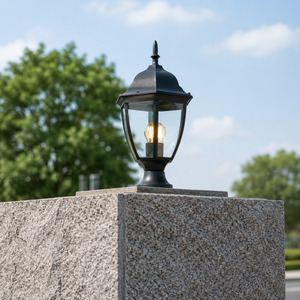
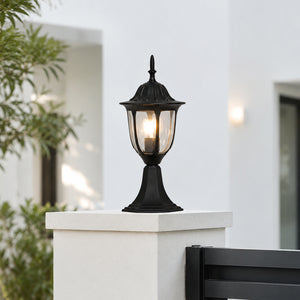
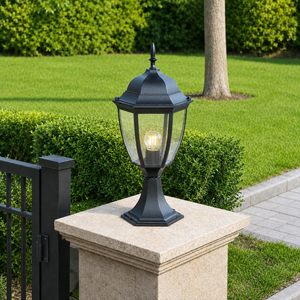
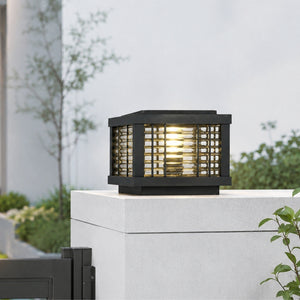
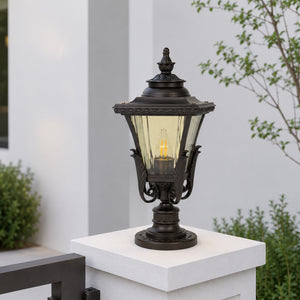
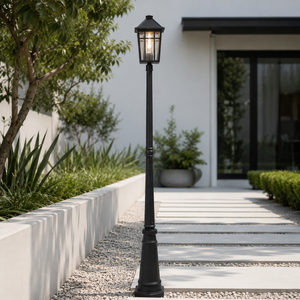
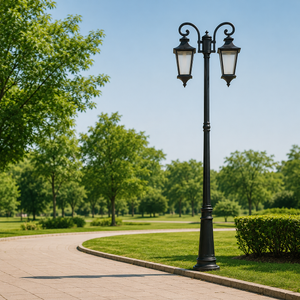
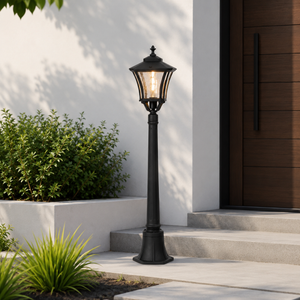
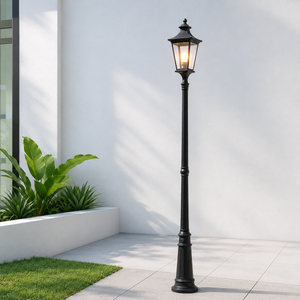
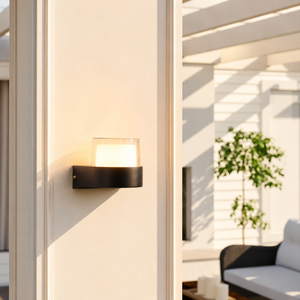
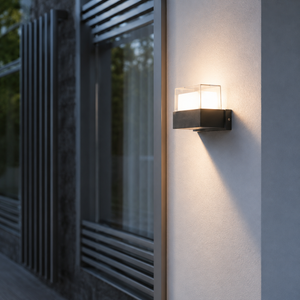
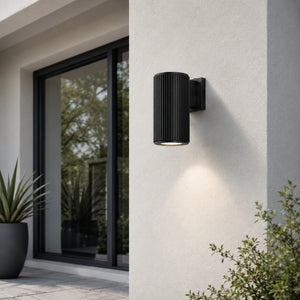
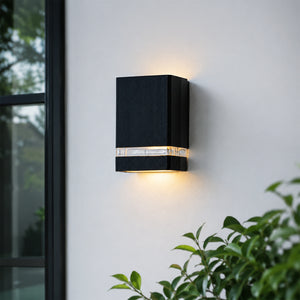
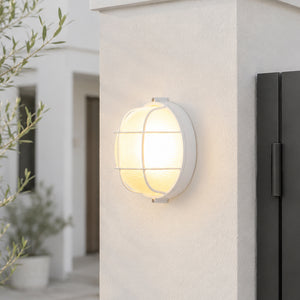
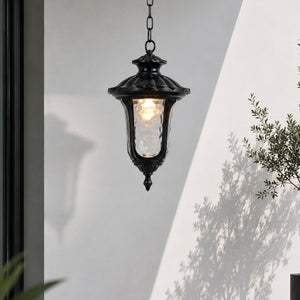
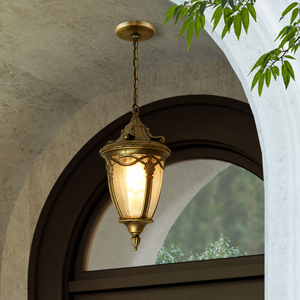
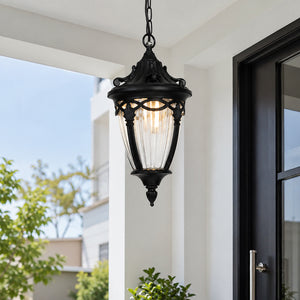
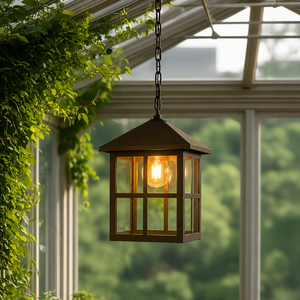
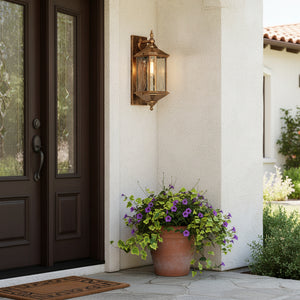
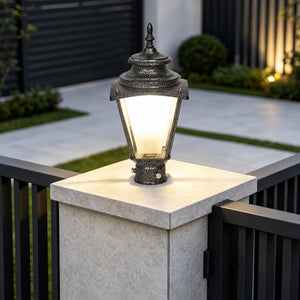
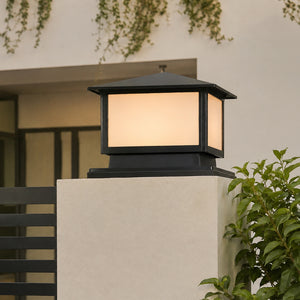
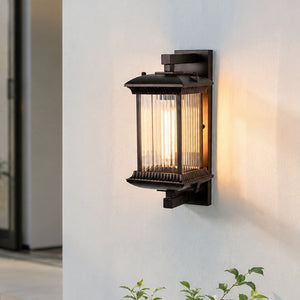
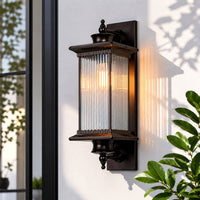
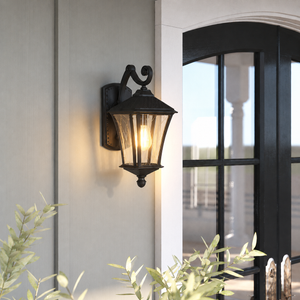
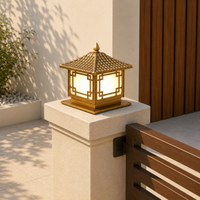
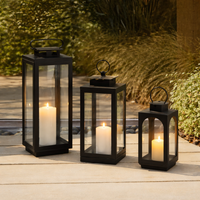
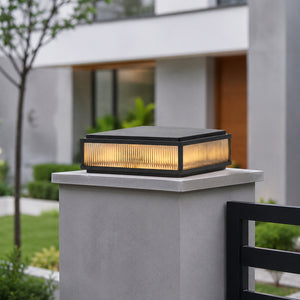
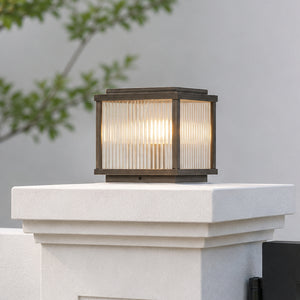
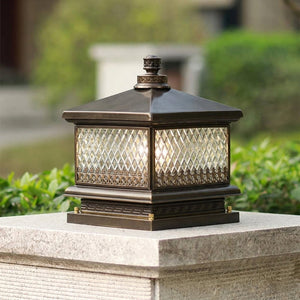
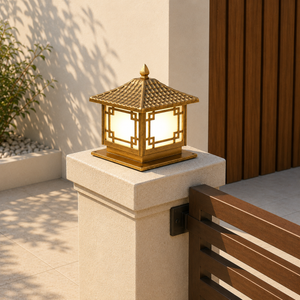
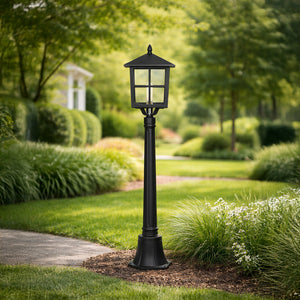
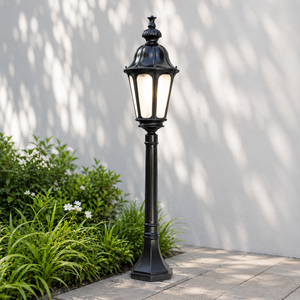
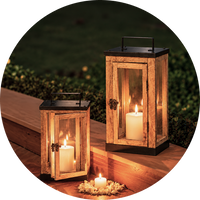
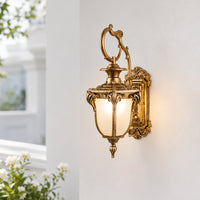
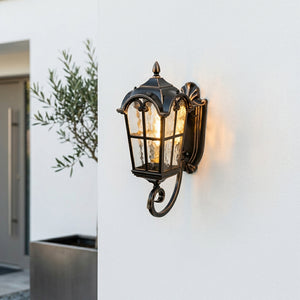
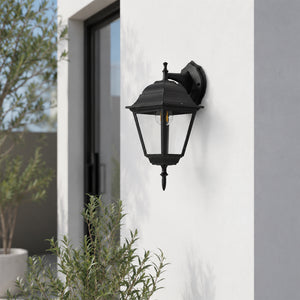
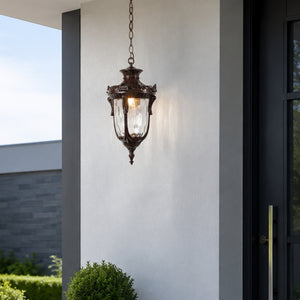
Outdoor lighting extends these spaces into the evening, when temperatures finally drop and outdoor life becomes genuinely pleasant. Our range, from the Ginara Outdoor Hanging Light to the Mid-Century Outdoor Hanging Light, turns a balcony from a utility space into an evening destination.
Pair it with terracotta planters, a few dried grass stems and a cotton dhurrie, and you have something that feels like a boutique hotel rooftop.

- Check the IP rating: choose IP44 or higher for covered balconies and IP65 or higher for fully exposed spots that face monsoon rain after summer.
- Keep it warm white: 2700K–3000K outdoor bulbs feel inviting and attract fewer insects than cool-white light.
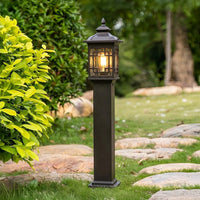
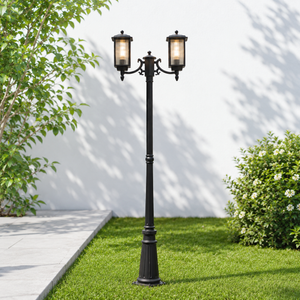
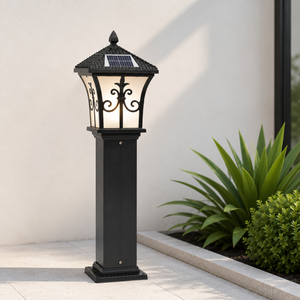
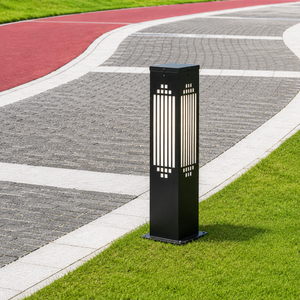
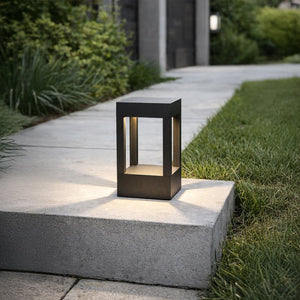
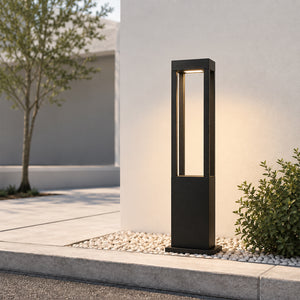
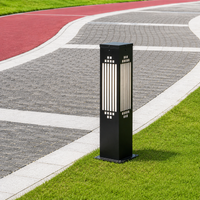
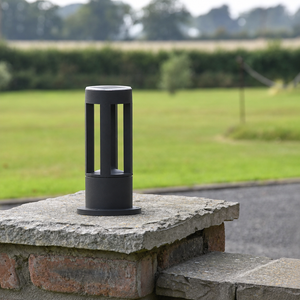
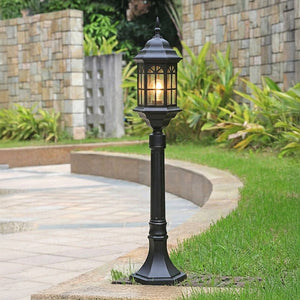
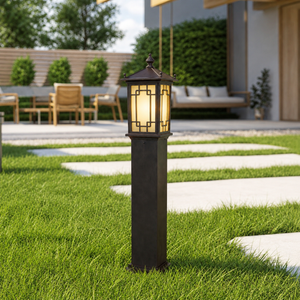
- Light low for paths: garden bollards such as the Luna LED Garden Bollard light walkways without glare, keeping the night sky and greenery the focus.
- Add shade by day: a bamboo chik, outdoor blind or shade sail keeps balcony floors from heating up and radiating into the house.
- Green the edges: climbers, tulsi and potted palms along the railing cool the air around the balcony through natural transpiration.
Your Room-by-Room Summer Design Checklist
Start with one space. Make it work. Then carry what you learn into the next room. A summer-ready home is built one good decision at a time.
Living Room
- Wall lights plus a floor lamp
- Cotton or jute dhurrie
- Ceramic vases, linen cushion covers
Bedroom
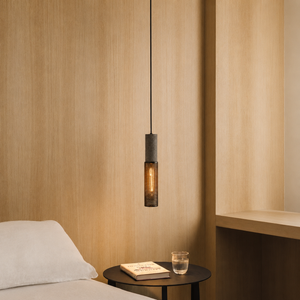
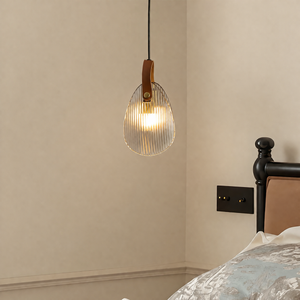
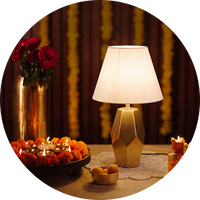
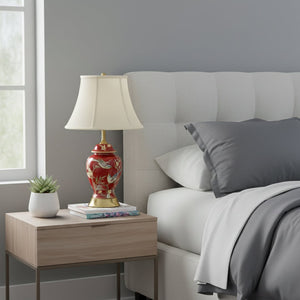
- 2700K bedside table lamp
- Cotton bed linen
- Sheers plus blockout blinds
Dining Room
- Airy statement pendant (3000K)
- Lighter upholstered chairs
- Dried botanical centrepiece
Kitchen
- Wall-mounted task lighting
- Pale palette, terracotta accents
- Efficient exhaust fan
Balcony
- Outdoor hanging light
- Cotton rug, terracotta planters
- Dried grass arrangement
Hallway
- Wall sconce
- Ceramic accent vase
- Cool-toned wall paint
What Summer Design Mistakes Should You Avoid?
Even beautiful homes can feel stifling in May because of a few common choices. Watch out for these before the heat peaks.
- Relying on one bright ceiling light: it creates glare and heat-associated harshness; layer at least three softer sources instead.
- Using 6500K daylight bulbs in living areas: cool-white light feels clinical and makes evenings less restful.
- Keeping heavy winter textiles out all year: velvet throws, woollen rugs and dark drapes hold heat.
- Blocking windows with furniture: a sofa or wardrobe across a window kills cross ventilation.
- Over-accessorising: crowded shelves and surfaces make a room feel visually hotter and closer.
- Shading only from the inside: by the time sun hits your curtain, the heat is already in the room; shade outside where possible.
Frequently Asked Questions
What type of lighting is best for Indian homes in summer?
How do I choose the right pendant light for my dining room in summer?
Which colours work best on walls for Indian summer interiors?
Are dried flowers a good choice for Indian summer home decor?
How can wall lights improve summer comfort at home?
What is the best flooring for Indian summers?
How do I use outdoor lighting to make my balcony usable in summer evenings?
What decor accents work best for summer home styling in India?
How do I create cross ventilation in a modern apartment?
Is it worth investing in premium lighting for a summer home upgrade?
Do LED bulbs really keep a room cooler than incandescent bulbs?
What AC temperature is best for an energy-efficient Indian summer home?
Final Thoughts
Designing your home for Indian summers comes down to one idea: working with your climate, not against it. Thoughtful lighting, breathable materials, summer-smart colour palettes, cool flooring, well-shaded windows and natural decor accents are more powerful than they seem, and together they create a home that stays comfortable without leaning entirely on the AC.
The layered lighting approach alone can transform how a room feels in the evening. The right wall light, a ceramic vase and a dried botanical arrangement cost less than a weekend getaway and deliver months of everyday comfort and beauty.
Create a Cooler, Calmer Home This Season
Explore warm, layered lighting and natural decor pieces from Whispering Homes, curated to keep your home beautiful through the hottest months.
Explore the Collection→