








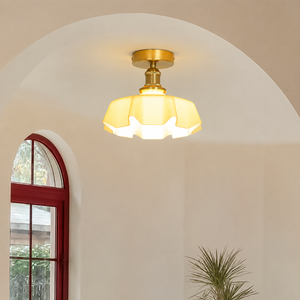
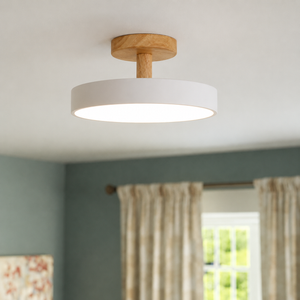
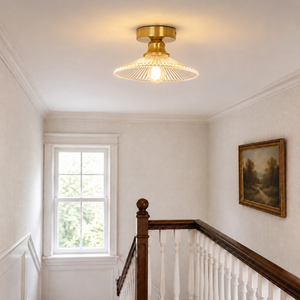
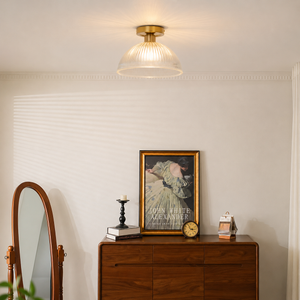








































































How Do Different Room Lights Affect Your Mood
Whispering Homes Journal · Lighting Guide
How Different Room Lights Affect Your Mood
Discover how the glow in every corner shapes the way you feel, and learn to curate the right ambiance for every space in your home.
Room lighting shapes mood mainly through color temperature and brightness. Warm white light (2700K–3000K) relaxes and suits bedrooms and living rooms, cool white (3500K–4100K) sharpens focus in kitchens and workspaces, and daylight tones (5000K–6500K) boost alertness. Layering ambient, task and accent indoor lighting on dimmers lets you shift a room's mood from morning to night.

Warm to unwind. Cool to focus. Layered to feel everything in between.
How Does Lighting Affect Your Mood?
Lighting affects mood by changing how your body clock, your eyes and your senses read a space. It is far more than visibility; it is a quiet emotional signal. Whether it is the soft glow of a bedside lamp or the bright wash of an overhead LED, each type of illumination changes how we feel, think and behave through the day.
Warm lighting, with its yellow and orange tones, tends to evoke relaxation and comfort, which is why it suits bedrooms and living rooms. Cool lighting, with its whiter and bluer tones, promotes alertness and concentration, which is why it suits workspaces and kitchens.
Ready to Transform Your Space?
Explore our curated lighting collections designed to enhance every mood and moment.
Why Light Changes How You Feel
- Your body clock: daytime light keeps your circadian rhythm aligned, which supports healthy sleep patterns and a steadier mood.
- Melatonin: Harvard Health notes that light as dim as 8 lux, a level most table lamps exceed, can start to affect melatonin, the hormone that helps you sleep.
- Blue wavelengths: in a Harvard experiment, blue light suppressed melatonin for about twice as long as green light of comparable brightness and shifted body-clock timing by about 3 hours versus 1.5 hours.
- Visual comfort: glare, flicker and harsh contrast tire the eyes, which often shows up as tension or irritability.
- Atmosphere: soft pools of light make a room feel intimate, while evenly bright light makes it feel open and businesslike.
Color Temperature at a Glance
Color temperature, measured in Kelvin (K), describes how warm or cool a light appears. The lower the number, the warmer and more golden the glow; the higher the number, the whiter and bluer it looks.
Warm White
2700K–3000KCozy, calm and intimate.
Cool White
3500K–4100KCrisp, clean and alert.
Daylight
5000K–6500KBright and energizing.
Color-Changing
AdjustablePersonalized, scene-based moods.
Four Bulb Terms Worth Knowing
How warm or cool the light looks.
How bright the light is. More lumens means more brightness, not a different color.
How accurately colors appear under the light. Aim for 80 or above, and 90 or above for wardrobes and artwork.
Whether the bulb and fixture can lower their output, the single most useful feature for mood control.
Warm Lighting: How Do You Create Cozy, Relaxing Spaces?
Warm White (2700K–3000K)
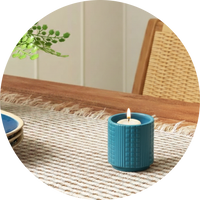
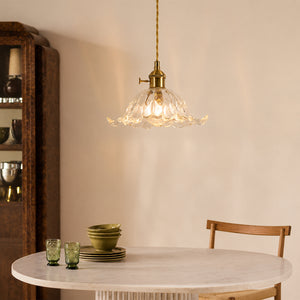
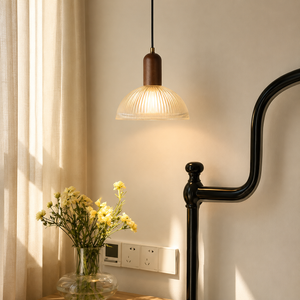
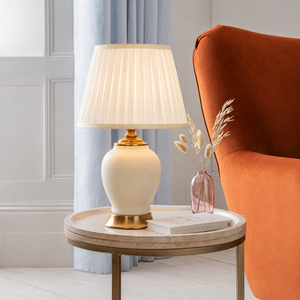
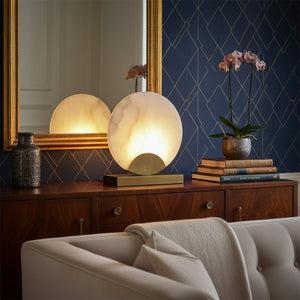
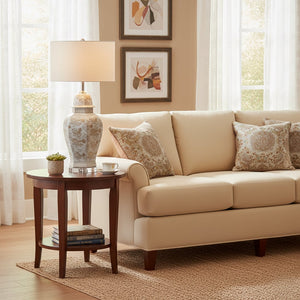
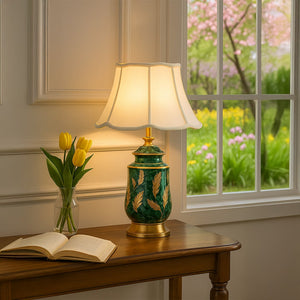
Warm white lighting emits a soft, yellowish glow that closely resembles golden-hour sunlight or candlelight. It is a staple in bedrooms, living rooms and reading nooks, where the goal is to slow down.
Psychological Effects
- Promotes relaxation and calmness
- Encourages intimacy and comfort
- Reduces mental fatigue at the end of the day
- Makes skin tones and wood finishes look richer
Best Applications
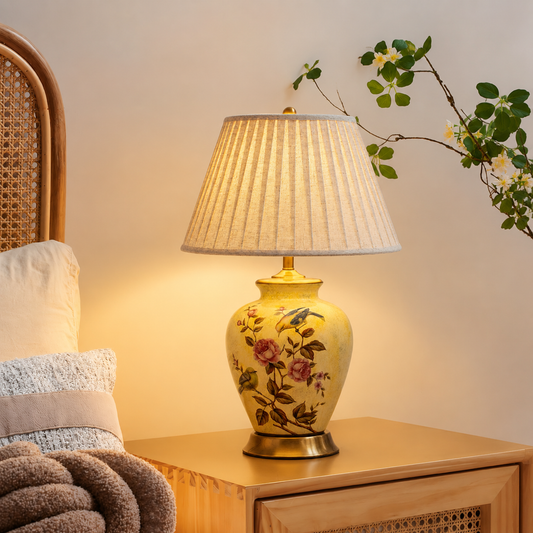
- Bedside lamps
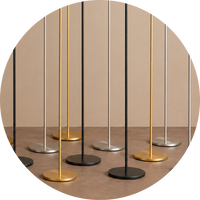
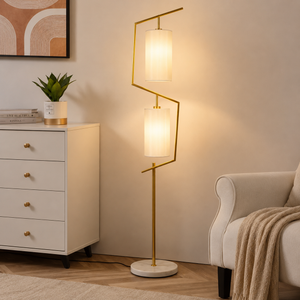
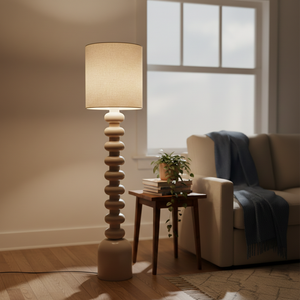
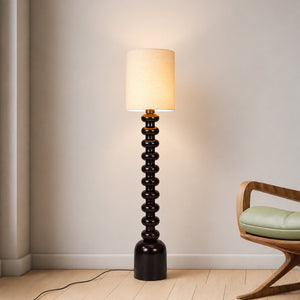
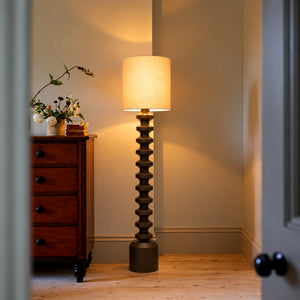
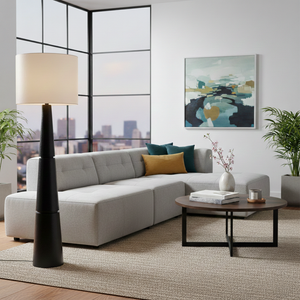
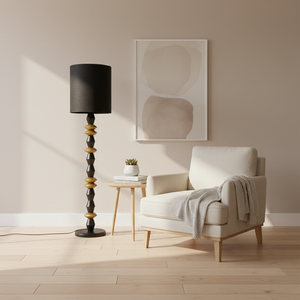
- Living room floor lamps
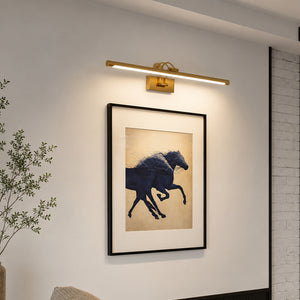
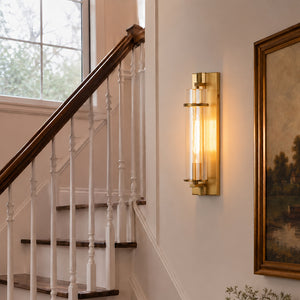
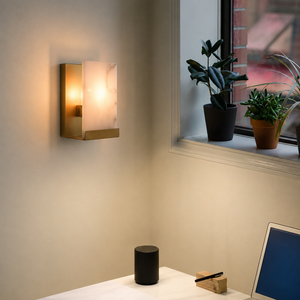
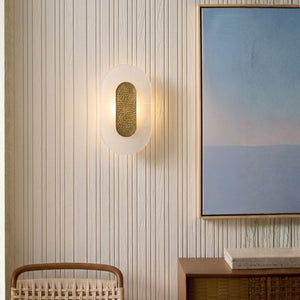
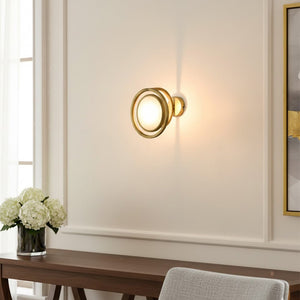
- Wall sconces in leisure areas
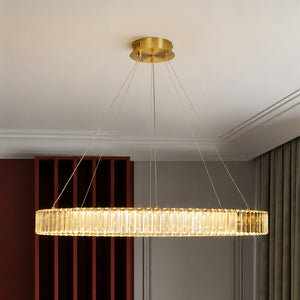
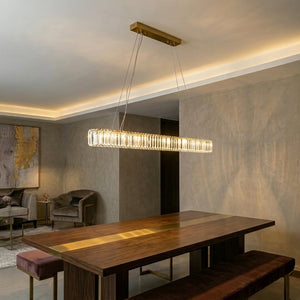
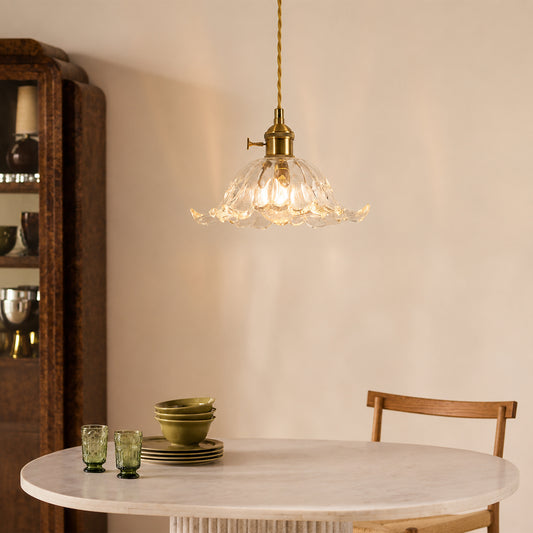
- Dining pendants for slow, lingering dinners
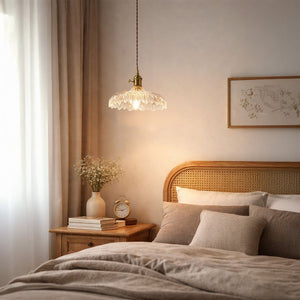
This type of lighting echoes the sunset, helping the brain register that it is time to rest. It is ideal for evening use, especially when winding down before sleep.
How to Get Warm Lighting Right
- Choose 2700K bulbs for bedrooms and 3000K for living areas.
- Keep evening light sources at or below eye level for a softer, more enclosing feel.
- Dim the ceiling light and let lamps do the work after sunset.
- Repeat warm tones across every fixture in the room so the light feels cohesive.

Cool Lighting: Can It Really Improve Focus and Alertness?
Cool White (3500K–4100K)
Cool white light gives a crisp, clean brightness that supports alertness and concentration. It is ideal for functional spaces such as kitchens, bathrooms and home offices.
Psychological Effects
- Increases mental clarity
- Supports task-oriented focus
- Reduces lethargy in workspaces
- Makes fine detail and edges easier to see
Best Applications
- Under-cabinet kitchen lights
- Bathroom vanity lighting
- Desk lamps for work or study
- Laundry rooms, garages and utility areas
This is the go-to lighting when you want to stay productive and avoid distractions, which is exactly why it is so common in professional settings.
How to Keep Cool Light Comfortable
- Stay around 3500K–4000K at home; a full 6500K can feel clinical.
- Choose dimmable fixtures so brightness can follow the task.
- Add a warm lamp nearby to soften the contrast in the room.
- Switch to warmer light in the evening, since blue-rich light is the most disruptive to sleep at night.

Daylight Lighting: Can It Boost Energy and Positivity?
Daylight (5000K–6500K)
Daylight bulbs simulate the natural light spectrum of the midday sun. This type of light is invigorating and well suited to maximizing productivity and daytime well-being.
Psychological Effects
- Supports daytime alertness
- Enhances visual clarity
- Boosts motivation and energy
- Keeps windowless rooms from feeling closed-in
Best Applications
- Art studios
- Home gyms
- Home offices during daytime hours
- Craft corners and hobby tables
Daylight-toned lighting mimics sunlight, which makes it useful in windowless rooms or areas that lack natural light. During the darker winter months it can also lift energy and make a home feel brighter.
Good to know: light therapy boxes used for seasonal affective disorder are generally designed to deliver about 10,000 lux, typically for 20 to 30 minutes in the morning, according to Mayo Clinic. An everyday daylight bulb is much dimmer and is not a treatment. If low mood persists, speak with a health professional.

Accent and Ambient Lighting: How Do Subtle Shifts Change Emotion?
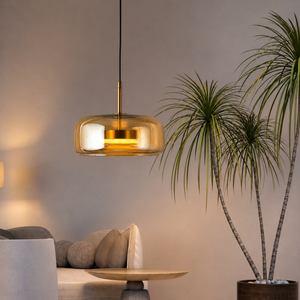
Ambient lighting is the general illumination in a space, while accent lighting highlights specific elements such as artwork, shelves or architectural features. Together they decide whether a room feels welcoming, dramatic or serene.

Ambient Lighting: The Foundation of Every Room
Ambient light sets the baseline brightness and tone. Get it right and everything else in the room works harder.
- Makes a room feel welcoming and evenly lit
- Softens the contrast between bright and dark areas
- Comes from pendants, ceiling fixtures, cove lighting and floor lamps
- Works best on a dimmer so it can change with the hour

Accent Lighting: The Drama and the Detail
Accent light draws the eye to what you love and adds depth, which gives a room a sense of intention and calm.
- Highlights artwork, textured walls, shelves and fireplaces
- Creates focal points and a layered sense of depth
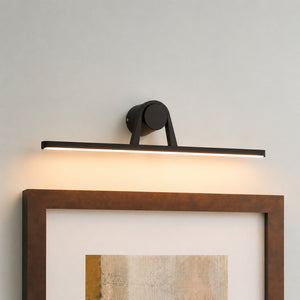
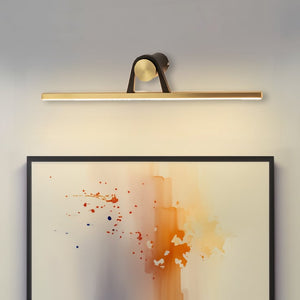
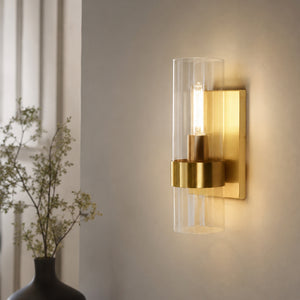
- Comes from wall sconces, picture lights, directional lights and LED strips
- A common rule of thumb is to make the featured object roughly three times brighter than its surroundings
Psychological Effects
- Enhances visual comfort
- Sets the mood tone of a room
- Elevates aesthetic appeal, which indirectly boosts mood
Best Applications
- LED strips behind TVs
- Wall-mounted directional lights
- Recessed ceiling fixtures
Emotional Impact
Accent lighting can transform a plain room into an emotionally rich space, allowing you to curate feelings: calm in the living room, focused in the study, romantic in the dining room.
Color-Changing Lights: Can They Personalize Your Mood?
Smart bulbs and RGB LED lights have added a new dimension of control over mood. They can shift through millions of colors, and each color carries its own psychological associations.
Smart Features
- Apps and voice assistants for automated lighting scenes
- Lighting that shifts through the day to match changing needs and moods
- Saved presets such as "Morning", "Focus" and "Movie Night"
- Schedules that dim and warm the room automatically at night
Use Color Light Sensibly
- Keep colored light for social and relaxing moments, and return to white light for reading and tasks.
- Choose softer, less saturated shades for everyday living spaces.
- Avoid strong blue tones late at night, when they are most likely to disturb sleep.
- Treat color associations as tendencies, since they vary between people and cultures.

Blue
Soothing and stress-reducing. A good fit for winding down in the evening.
Red
Energizing and passionate. Best used in small doses for lively, social spaces.
Green
Balancing and harmonious. A restful choice for studies and quiet corners.
Purple
Creative and meditative. Suits dens, music corners and evening relaxation.
Light doesn't just reveal a room. It tells you how to feel in it.
How Should You Light Each Room for the Right Mood?
Every space in your home serves a different purpose and deserves thoughtfully curated lighting to support its function and emotional impact. Use these room-by-room strategies as a starting point.

Living Room
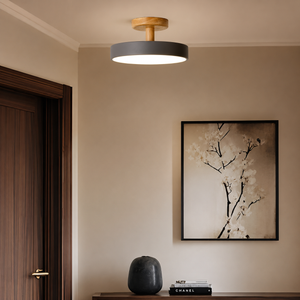
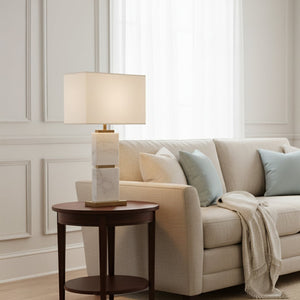
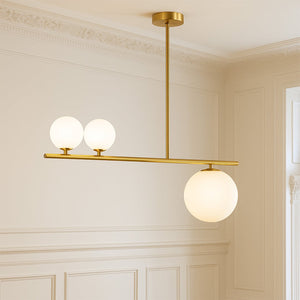
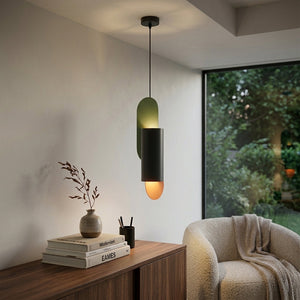
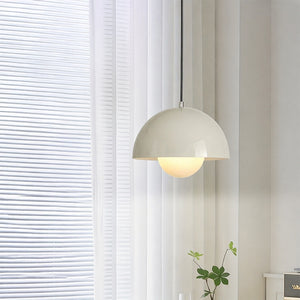
Use a combination of warm white ambient lighting and accent lighting. Consider LED strip lights behind furniture and dimmable ceiling lights.
- Aim for 2700K–3000K so the room feels welcoming
- Layer three sources: a ceiling light, a lamp and an accent light
- Put everything on dimmers for conversation, movie and party modes
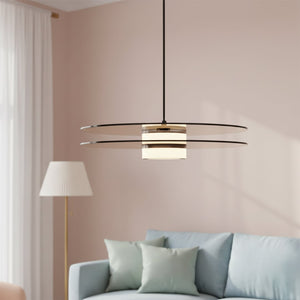
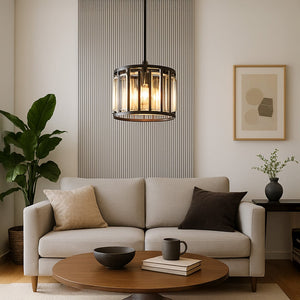
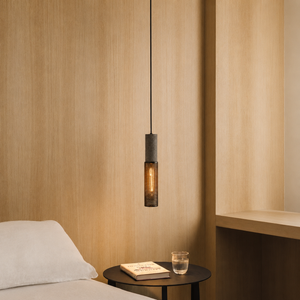
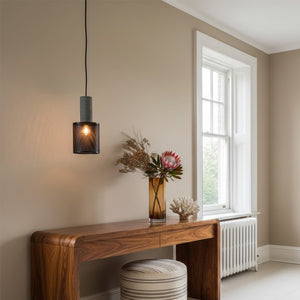
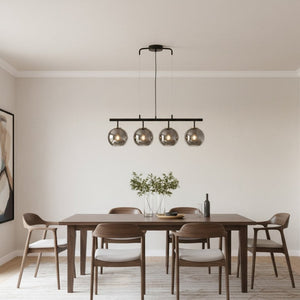
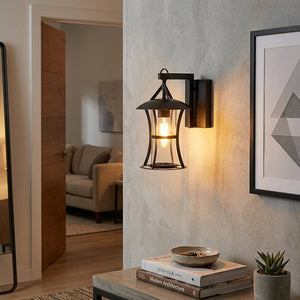
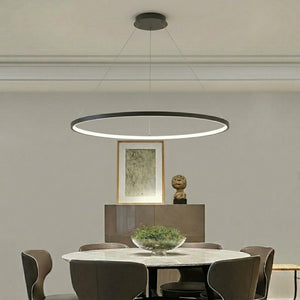
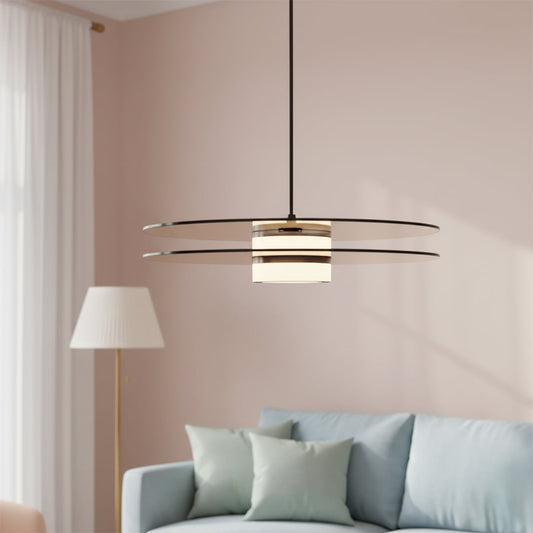
Recommended: Bower LED Pendant Light, Black
Shop Living Room Collection
Bedroom
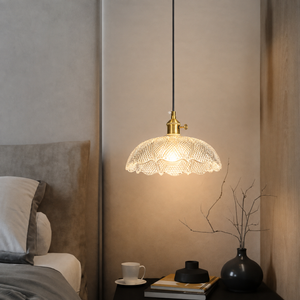
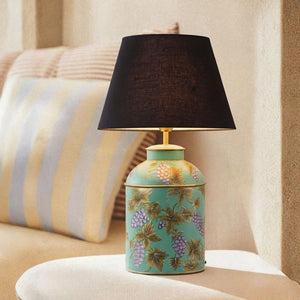
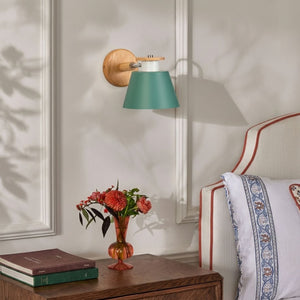
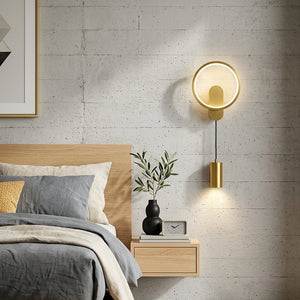
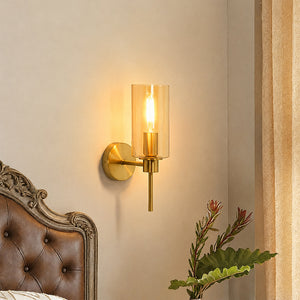
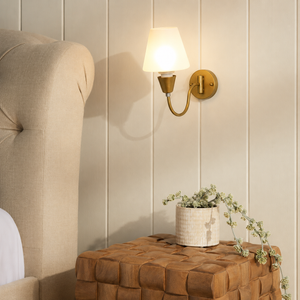
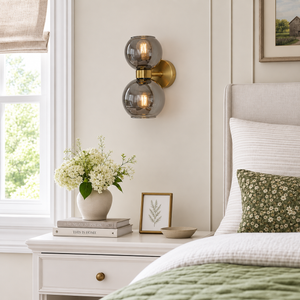
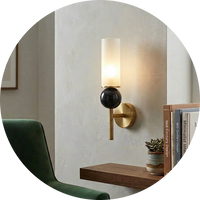
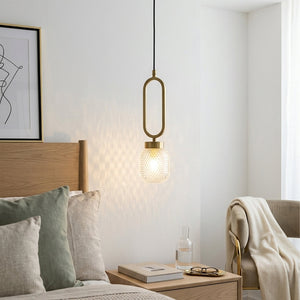
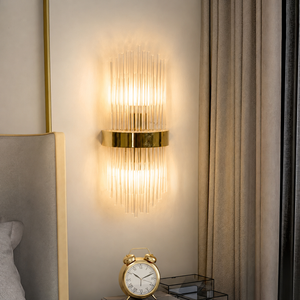
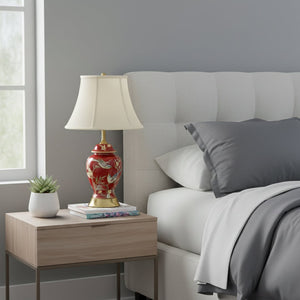
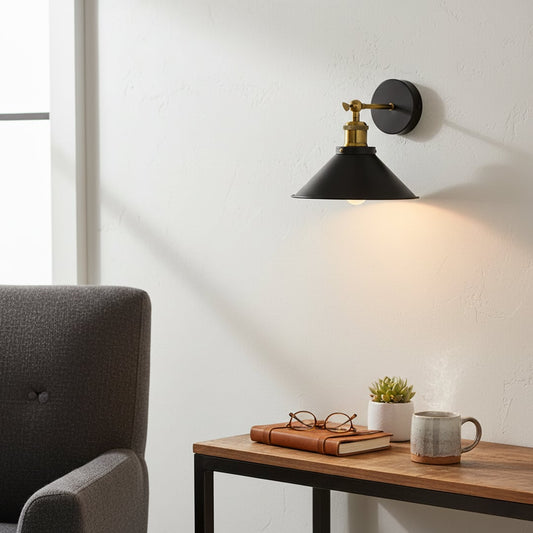
Prioritize warm and soft lighting, and avoid overhead brightness. Table lamps, wall sconces and smart bulbs with night modes keep the room calm.
- Stay at 2700K or warmer for a sleep-friendly glow
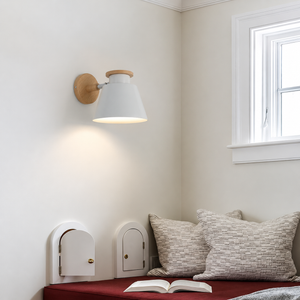
- Use wall sconces to free up bedside table space
- Pick bulbs with a night mode for late-evening and midnight use
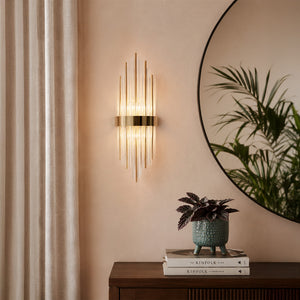
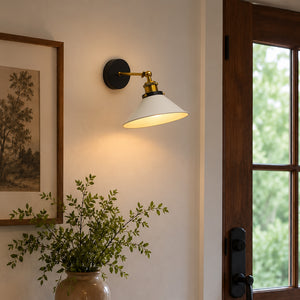
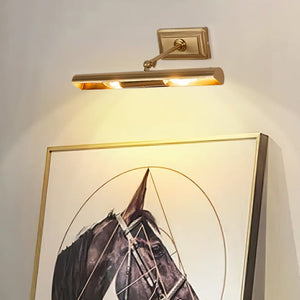
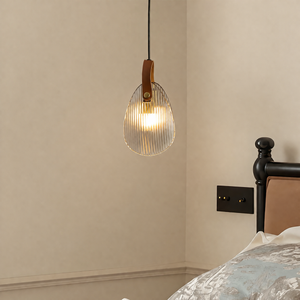
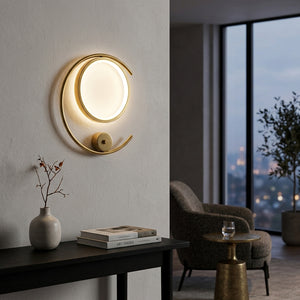
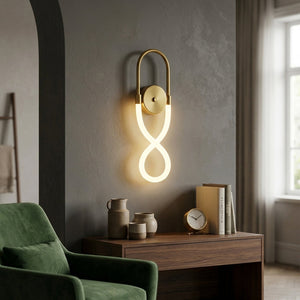
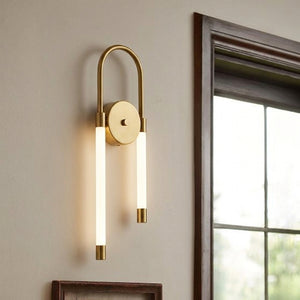
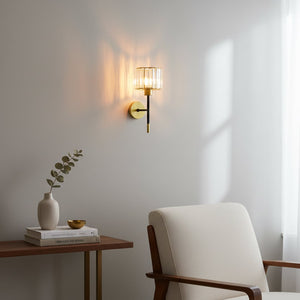
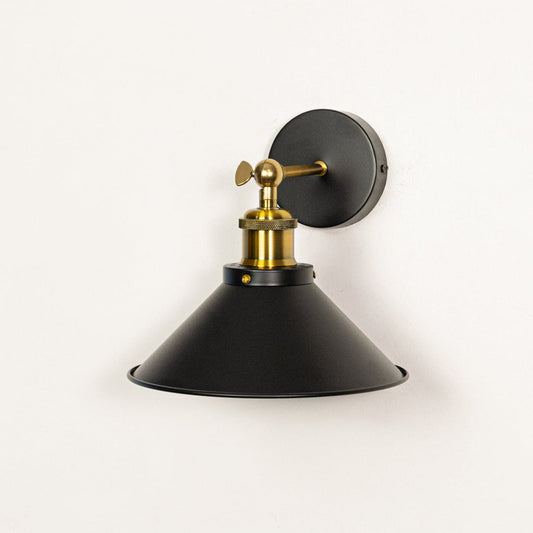
Recommended: Leven Antique Brass Finish Wall Light
Shop Bedroom Collection
Kitchen
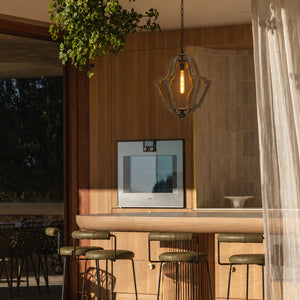
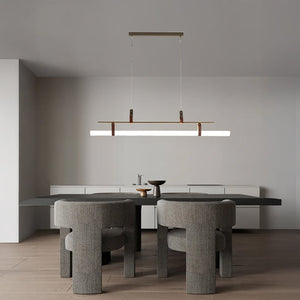
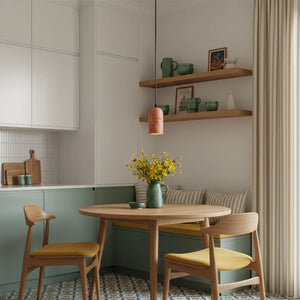
Use bright, cool white light for visibility. Under-cabinet lighting is excellent for food prep, while pendant lights add visual interest and mood.
- Choose 3500K–4000K for worktops and cooking zones
- Add under-cabinet strips to remove shadows while you chop
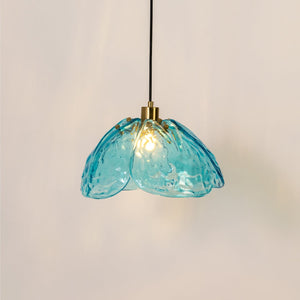
- Hang pendants over an island or dining nook for warmth and a focal point
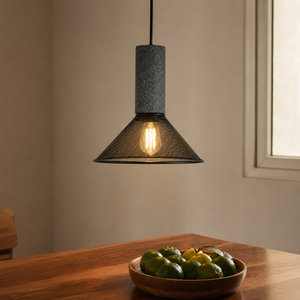
Recommended: Wood Tip Pendant Lamp, Round Green
Shop Kitchen Collection
Bathroom
Go for balanced, cool lighting around mirrors for grooming, and include soft ambient lighting for relaxing baths.
- Use 3000K–4000K around the mirror for true-to-life skin tones
- Place light at face height on both sides of the mirror to reduce shadows
- Add a dimmable ambient layer for slow, spa-like evenings
Recommended: Double Valmont Vanity Light, Black
Shop Bathroom Collection
Home Office
Implement daylight bulbs or cool white lighting to maintain focus and avoid drowsiness. Task lamps with adjustable angles are a must.
- Choose 4000K–5000K for the working day
- Position light to the side of your screen to avoid glare
- Keep a warm lamp for the end of the day so the room can wind down
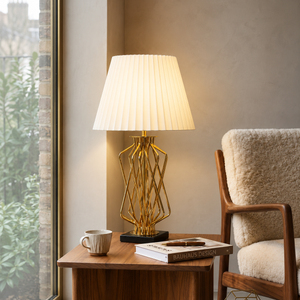
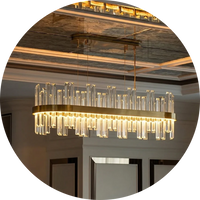
Recommended: Aball 5-Light Geometric Chandelier, Gold
Shop Home Office Collection
Reading Nook
Create the perfect reading environment with warm, focused task lighting that reduces eye strain while maintaining comfort.
- Choose around 2700K for a relaxed, book-friendly glow
- Place the light beside or slightly behind your shoulder
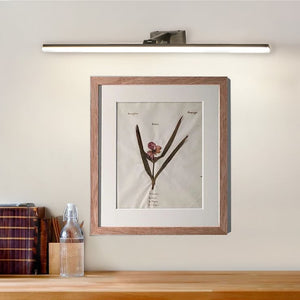
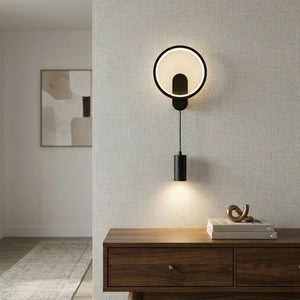
- Pick an adjustable arm or wall-mounted lamp so light lands exactly on the page
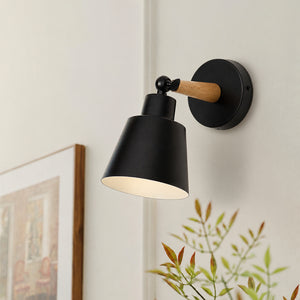
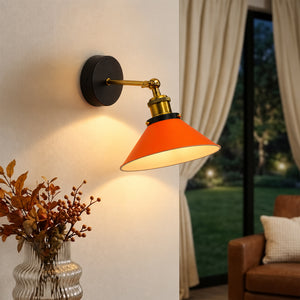
Recommended: Retro Spider LED Wall Lamp
Shop Reading Nook CollectionTips for Optimizing Lighting for Mood Enhancement
A few simple habits make the biggest difference to how a room feels once the sun goes down.
Layer Your Lighting
Combine ambient, task and accent lighting to create a balanced and adaptable lighting scheme.
- Ambient for overall glow
- Task for reading, cooking and work
- Accent for depth and character
Use Dimmers
Dimmer switches let you control light intensity, making it easy to set the exact mood you want.
- Dim overheads first in the evening
- Check that bulbs are dimmable before buying
Choose the Right Bulbs
Select bulbs with a color temperature that suits each space's primary function.
- Match the Kelvin rating across bulbs in one room
- Look for a CRI of 80 or above
Maximize Natural Light
Use sheer curtains to filter sunlight while maintaining privacy during daytime hours.
- Keep window areas clear of heavy furniture
- Use mirrors to bounce daylight deeper into a room
Personalize Your Space
Use lighting to reflect your personality through unique designs and customized scenes.
- Let one statement fixture lead the room
- Save presets for the moods you use most
Consider Your Well-Being
Thoughtfully designed lighting helps maintain a positive emotional baseline through the day.
- Bright and cooler by day, warm and dim by night
- Reduce glare on screens and glossy surfaces
Common Lighting Mistakes to Avoid
- Relying on a single overhead light for the whole room
- Mixing bulbs of different color temperatures in the same space
- Using 5000K–6500K bulbs in bedrooms and living rooms
- Skipping dimmers, which removes your easiest mood control
- Placing task lights so they cast shadows over your work
- Forgetting accent light, which leaves rooms feeling flat
Frequently Asked Questions
How does lighting affect your mood?
Lighting affects mood by influencing your body clock, your alertness and your sense of comfort. Warm, dim light in the evening supports relaxation, while brighter, cooler light during the day supports focus and energy. Harsh, glaring or poorly timed light can leave you feeling tense or tired.
What is the best color temperature for a relaxing bedroom?
Warm white between 2700K and 3000K is best for a relaxing bedroom. Its soft, golden tone resembles sunset and candlelight, which helps you wind down. Pair it with dimmable bedside lamps or wall sconces rather than a single bright ceiling light.
Does cool white light improve focus?
Cool white light between 3500K and 4100K supports alertness and concentration, which is why it is popular in kitchens, bathrooms and home offices. For comfort, use it for daytime tasks and switch to warmer light in the evening.
Which lighting is best for a home office?
Cool white or daylight tones between 4000K and 5000K, combined with an adjustable task lamp, work best for a home office. Position the light to the side of your screen to avoid glare, and add a warmer lamp for the end of the day.
Can lighting help with the winter blues?
Bright, natural-looking light can lift energy on dark winter days, but ordinary daylight bulbs are much dimmer than medical light therapy boxes, which Mayo Clinic says are generally designed to deliver about 10,000 lux. If low mood persists, talk to a health professional.
What is the difference between ambient, task and accent lighting?
Ambient lighting provides general illumination, task lighting is focused light for activities such as reading or cooking, and accent lighting highlights features such as artwork or shelves. Layering all three gives a room depth and lets you change its mood by switching sources on and off.
Do color-changing smart bulbs really affect mood?
Color-changing smart bulbs let you create lighting scenes that match your mood, such as calming blues for unwinding or lively reds for socializing. The effect is personal, so treat color associations as tendencies, and keep strong blue light away from late evenings.
Is warm or cool light better for a living room?
Warm white light between 2700K and 3000K is usually best for a living room because it feels welcoming and relaxed. Layer lamps, pendants and accent lights on dimmers so you can brighten the room for activities and soften it for the evening.
How do you choose the right light bulb for a room?
Check three things on the packaging: color temperature in Kelvin, brightness in lumens, and whether the bulb is dimmable. Match the Kelvin rating across all the bulbs in one room so the light feels consistent, and choose warmer bulbs for rest and cooler bulbs for tasks.
Light Your Home, Lift Your Mood
Lighting isn't just a utility; it's an emotional enhancer. From calming hues to energizing brightness, the lights we live with shape the emotions we experience each day. By strategically selecting and layering lighting types, we can turn our homes into places that nurture our well-being, lift our mood and support the lives we want to lead.
Every bulb, every fixture and every switch contributes to your mental climate. Choose wisely, and you won't only light your room. You'll brighten your day.
Explore Our Lighting Collections
Ready to Transform Your Space?
Discover how the right lighting can change your daily experience. Explore curated collections designed to enhance every mood and moment in your home.
Shop Indoor Lighting