























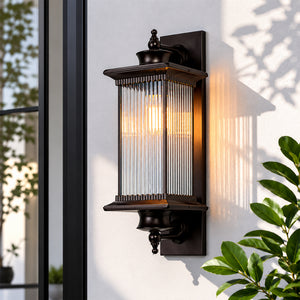
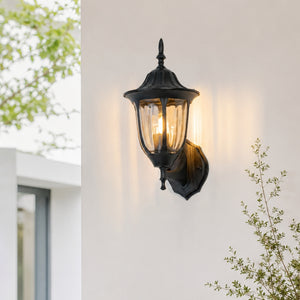
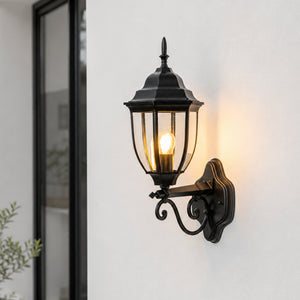
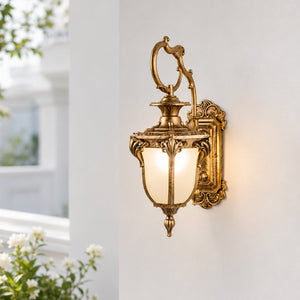
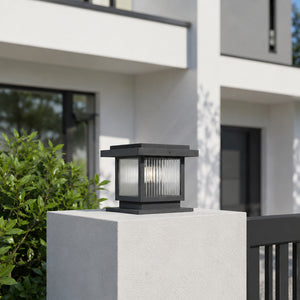
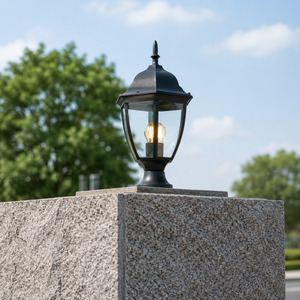
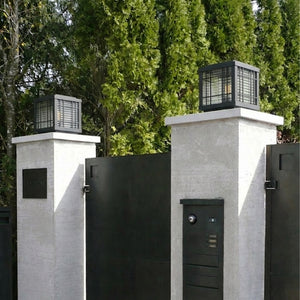
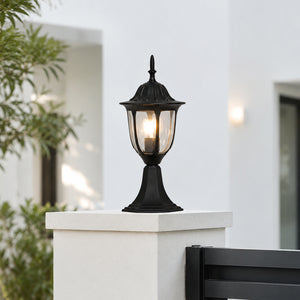
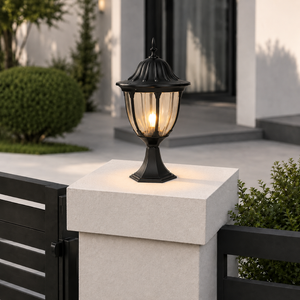
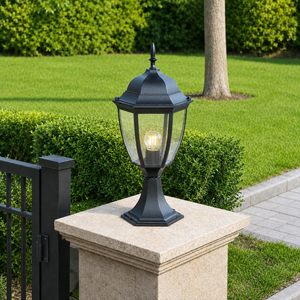
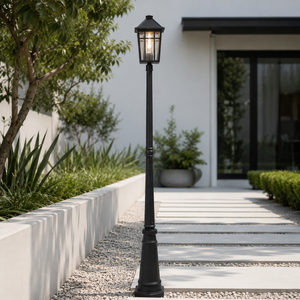
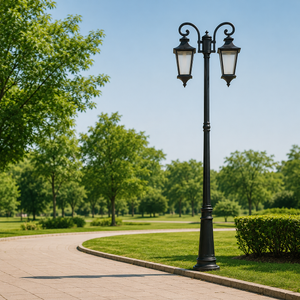
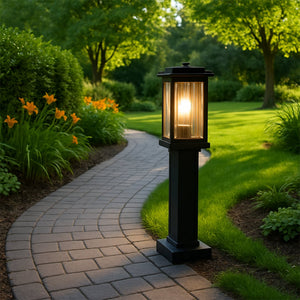
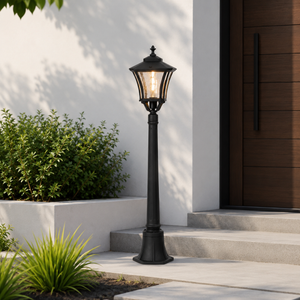
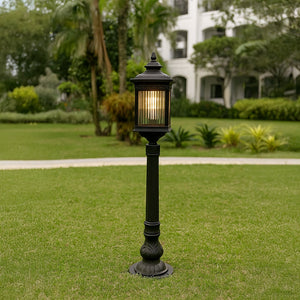
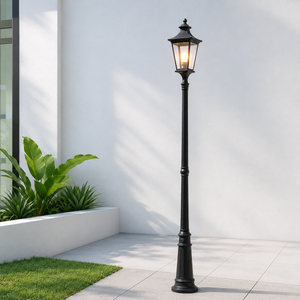






























































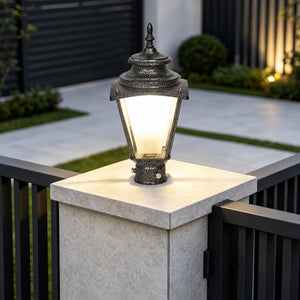
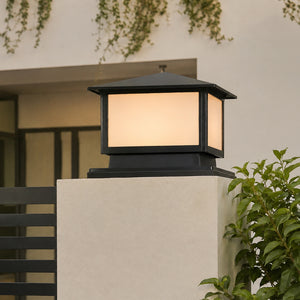
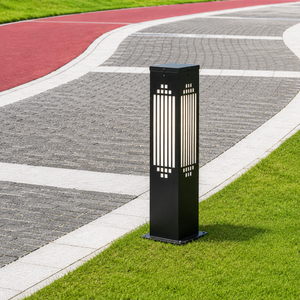






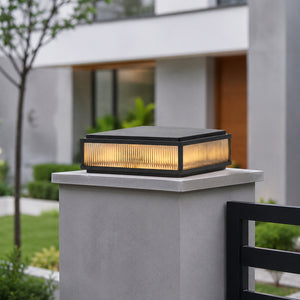





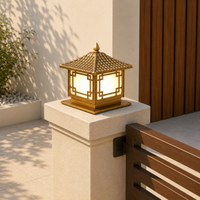
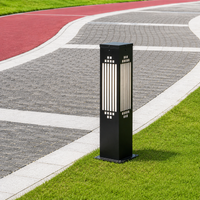




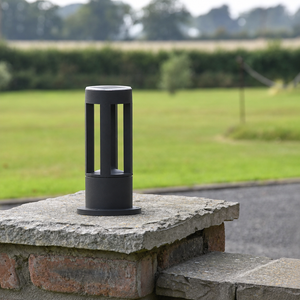
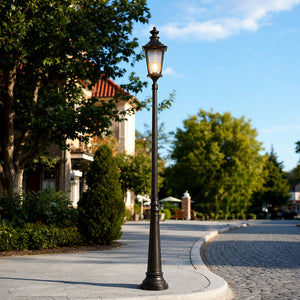
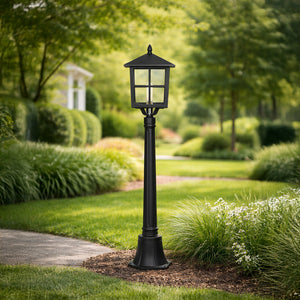
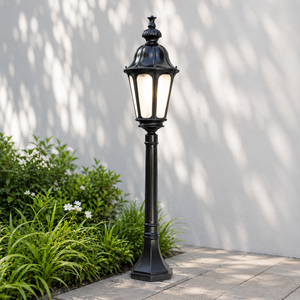
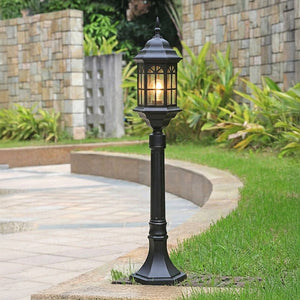

















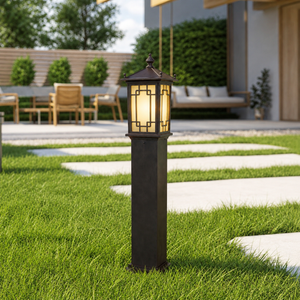

















Are Bollard Lights the Missing Piece in Your Outdoor Lighting Plan? When you think about lighting up a garden path, a driveway, or the edge of a patio, most homeowners picture tall pole lights or wall-mounted fixtures. But there's a shorter, sturdier, and often more practical option that quietly does the heavy lifting: the outdoor bollard light. These low-set fixtures sit close to the ground, casting a soft, even glow exactly where you need it — along walkways, around flower beds, and beside driveways — without overpowering the rest of your outdoor space.
Whispering Homes brings a curated range of outdoor bollard lights designed to do two things at once: keep your outdoor spaces safe after dark and make them look genuinely beautiful. Whether you're lining a garden pathway, framing a driveway, or adding definition to a lawn edge, bollard lighting is one of the most effective ways to transform an outdoor space without overwhelming it. This guide covers everything you need to know before you buy — what bollard lights are, how to choose the right height and finish, where to place them, and how they compare to other outdoor lighting styles.
Bollard lights occupy a specific niche in outdoor lighting design: they're the only fixture type built primarily to light the ground plane rather than a wall, a room, or the sky above a lawn. That distinction matters more than it sounds — most outdoor lighting mistakes come from lighting a space from the wrong direction (too much overhead glare, not enough visibility at foot level), and bollard lights are essentially a purpose-built fix for that specific problem.
What Exactly Is an Outdoor Bollard Light?
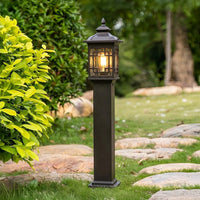
A bollard light is a short, post-mounted fixture — typically knee-height or lower — designed to direct light downward or outward rather than upward. Unlike tall pole lights that illuminate a wide vertical area, bollard lights focus on ground-level visibility. This makes them ideal for:
- Garden pathways and stepping-stone trails
- Driveway edges and parking areas
- Boundary walls and perimeter fencing
- Patio borders and deck edges
- Pool surrounds and lawn accents
Because they sit low to the ground, bollard lights create a layered lighting effect when paired with taller fixtures like pole lights or wall lights, giving your outdoor space depth and dimension after dark.
Why Homeowners Are Choosing Bollard Lights for Their Gardens
If you've been comparing lighting options for your outdoor space, here's why a bollard light might be the better fit compared to other fixtures.
Better Ground-Level Visibility - Bollard lights are engineered specifically to light up the ground plane. This makes them one of the most effective solutions for guiding foot traffic safely along paths at night, especially on uneven garden terrain or near steps.
Understated, Elegant Design - Because they don't tower over your landscaping, bollard lights blend into the garden during the day and only reveal their glow at night. This subtlety appeals to homeowners who want functional lighting without a visually cluttered yard.
IP Rating: Look for a minimum of IP44 for anything exposed to rain. If the fixture will face direct, prolonged exposure or is installed in a garden bed where sprinklers are a factor, upgrade to IP54 or higher.
Built for Outdoor Conditions - A genuinely useful waterproof outdoor lighting needs to withstand rain, humidity, and temperature swings without rusting or fogging up internally. Quality bollard lights use weather-sealed housings and corrosion-resistant finishes so they keep performing season after season.
Energy-Efficient Illumination - Most modern bollard lights are built around solar technology, which means lower power consumption, minimal heat output, and a longer bulb lifespan compared to traditional outdoor bulbs.
Easy to Install and Maintain - Bollard lights typically mount onto a base plate that's fixed into the ground or a paved surface, making installation straightforward for most outdoor setups, with minimal upkeep beyond the occasional wipe-down.
How to Choose the Right Bollard Light for Your Space
Not every bollard light suits every garden. Here's what to think about before you buy:
- Height and Coverage - Shorter bollards work well for tight pathways or borders, while taller bollard lights suit driveways or larger open lawns where a wider spread of light is needed.
- Material and Finish - Look for metal or aluminium builds with rust-resistant coatings. A well-finished bollard light should hold its appearance even after months of outdoor exposure.
- Light Output and Warmth - Warm white tend to create a more inviting, residential feel, while cooler tones suit more functional or security-focused placements like driveways.
- Weatherproofing Rating - Since these fixtures sit directly on the ground and face rain, dust, and moisture, checking for a proper IP (Ingress Protection) rating is worth the extra minute before purchase.
- Design Consistency - If you already have pathway or pole lights installed, choosing a bollard light with a similar finish or silhouette helps tie your entire outdoor lighting scheme together.
Bollard Light Buying Guide at a Glance
| Factor | What to Look For |
|---|---|
| Height | Short for tight paths/borders; taller for driveways or open lawns |
| Material | Metal or aluminium with rust-resistant coating |
| Light Warmth | Warm white for residential/inviting feel; cooler tones for security/functional areas |
| IP Rating | Minimum IP44; IP54+ near sprinklers or heavy exposure |
| Design Consistency | Match finish/silhouette with existing pathway or pole lights |
Where to Place Bollard Lights for Maximum Impact
Placement matters as much as the fixture itself. A few tried-and-tested spots:
- Along garden pathways, spaced evenly to avoid dark gaps
- At driveway edges, marking the boundary for both guests and vehicles
- Around flower beds or shrubs, to highlight landscaping features
- Near entry gates, so the transition from street to home feels welcoming
- Along boundary walls, adding a layer of visibility and security
A general rule of thumb is to space bollard lights every 6 to 8 feet along a path, adjusting based on the brightness of each fixture and how much ambient light your garden already receives.
Bollard Lights vs. Other Outdoor Fixtures: Which One Do You Actually Need?
It's easy to get lost comparing fixture types when you're planning outdoor lighting, so here's a quick way to think about it.
Bollard lights vs. pole lights: Pole lights stand taller and throw light both outward and upward, making them suited for open lawns or larger driveways where broader coverage matters. Bollard lights, by contrast, stay close to the ground and are better suited for defining edges — pathways, borders, and boundary lines — rather than lighting an entire area.
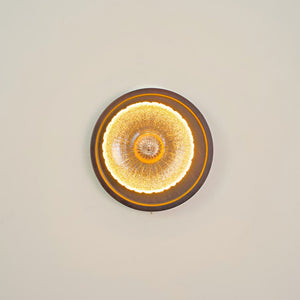
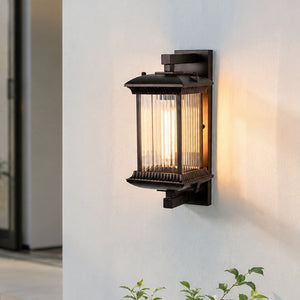
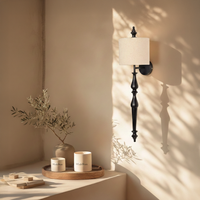
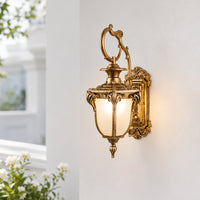
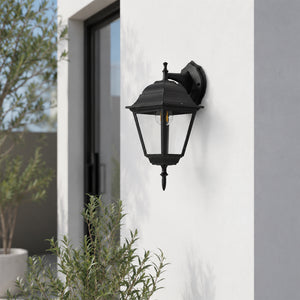
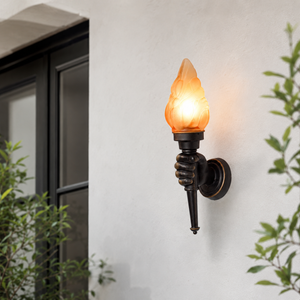
Bollard lights vs. wall lights: Wall-mounted fixtures are fixed to a vertical surface and typically light entryways, porches, or exterior walls. Bollard lights don't need a wall at all, which makes them far more flexible for open garden areas, mid-path placements, or driveways where there's no adjacent structure to mount a fixture on.
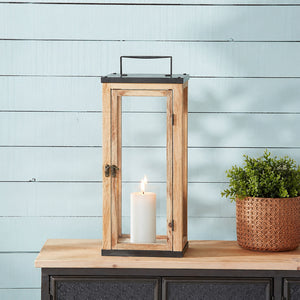
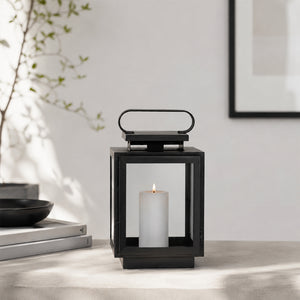
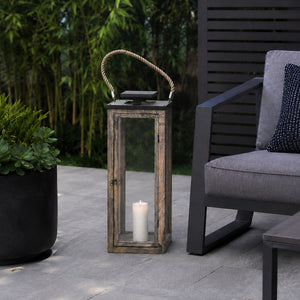
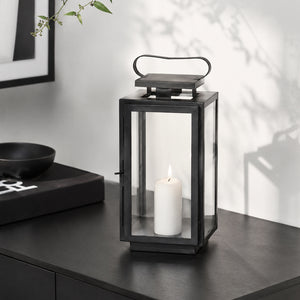
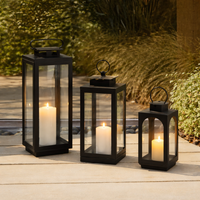
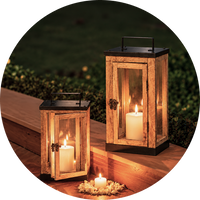
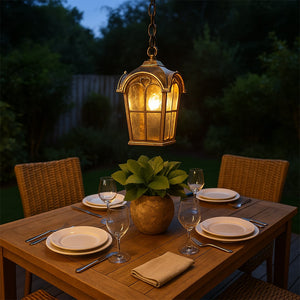
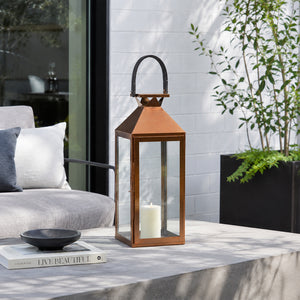
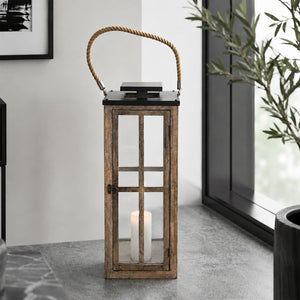
Bollard lights vs. garden lanterns: Lanterns tend to be more decorative accents, often placed on tabletops, ledges, or hung near seating areas. Bollard lights are more functional by design, prioritizing safety and visibility over pure decoration — though the better-designed ones manage to offer both.
Understanding these distinctions helps you avoid over-investing in the wrong fixture type, or worse, ending up with a garden that's either under-lit or awkwardly over-lit in the wrong places.
Installation and Maintenance Basics
Bollard lights are generally installed via a surface-mount base plate secured to a concrete footing, or occasionally with a direct-burial spike for softer garden soil. Wiring should always run through weatherproof, buried conduit rated for outdoor and underground use — this is a job best handled by a qualified electrician, particularly when multiple fixtures are being run off a single circuit.
For upkeep, wipe down diffusers periodically to remove dust, pollen, or hard water spots that can dull light output over time. In monsoon-heavy regions, an annual check of the base seal and cable entry points helps catch any water ingress before it affects the fixture. LED bollard lights typically carry rated lifespans of 25,000 to 50,000 hours, meaning a well-maintained fixture can run for well over a decade of typical evening use before the LED module needs replacing.
Common Mistakes to Avoid When Installing Bollard Lights
Even a well-chosen fixture can underperform if it's placed or installed poorly. A few things worth watching out for:
Spacing them too far apart. Wide gaps between bollard lights create pools of darkness along a path, which can actually make an area feel less safe at night rather than more.
Ignoring the surrounding light levels. A bollard light that looks perfectly bright in a showroom might feel dim next to a bright porch light or security floodlight. Matching brightness levels across your outdoor lighting scheme keeps things visually balanced.
Skipping the weatherproofing check. Not all "outdoor" fixtures are created equal. Always confirm the IP rating before installing near lawns, garden beds, or any area exposed to sprinklers or standing water.
Forgetting cable and wiring placement. For hardwired bollard lights, planning the wiring route in advance avoids unsightly cables running across visible parts of the garden.
Frequently Asked Questions About Outdoor Bollard Lights
What is the difference between a bollard light and a pole light?
Bollard lights are shorter, ground-level fixtures designed to illuminate pathways and borders, while pole lights are taller and cast light over a wider vertical area, often used for broader yard or driveway lighting.
Are bollard lights waterproof?
A properly built outdoor bollard light is designed to be waterproof and weather-resistant, with sealed housings that protect the internal components from rain, humidity, and dust.
How many bollard lights do I need for my garden path?
This depends on the length of your path and the brightness of each fixture, but spacing them roughly 6 to 8 feet apart usually gives even, consistent lighting without dark patches.
Can bollard lights be used near driveways?
Yes, bollard lights are commonly placed along driveway edges to mark boundaries clearly for both pedestrians and vehicles, especially at night.
Do bollard lights need an electrician to install?
Basic installation usually involves anchoring the base and connecting to an existing outdoor wiring point, so while many homeowners manage it themselves, hardwired setups are often best confirmed by an electrician for safety.
How do I maintain an outdoor bollard light?
Routine care is minimal — a soft cloth wipe to clear dust or debris is usually enough, while avoiding harsh chemical cleaners helps preserve the finish over time.
What does the IP rating on a bollard light actually mean?
IP (Ingress Protection) ratings indicate how well a fixture resists dust and moisture, shown as two digits — the first for dust resistance, the second for water resistance. For bollard lights, IP44 is a reasonable minimum for general rain exposure, while IP54 or higher is recommended for fixtures facing direct, prolonged exposure or installed near sprinklers.
Can bollard lights run on solar power?
Yes, many modern bollard lights use solar panels built into the fixture, charging during the day and switching on automatically at dusk — a good option for pathways or garden areas without easy access to existing wiring.
- Choosing a selection results in a full page refresh.
- Opens in a new window.