


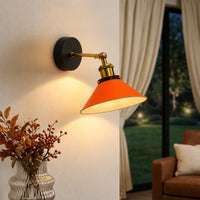


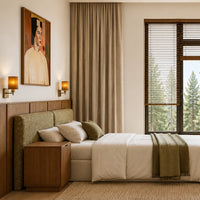
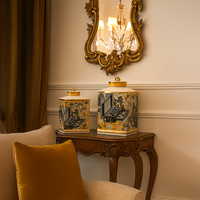








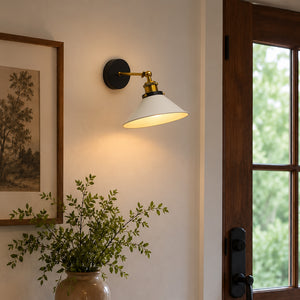
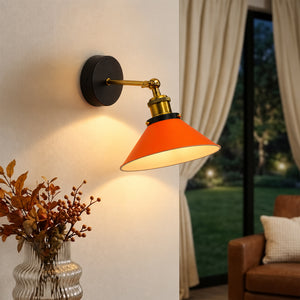
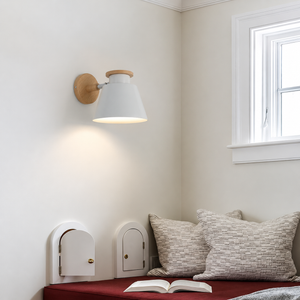
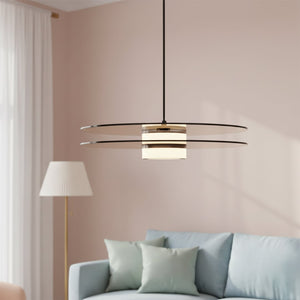
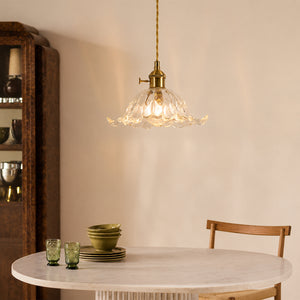
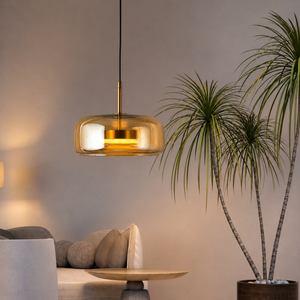
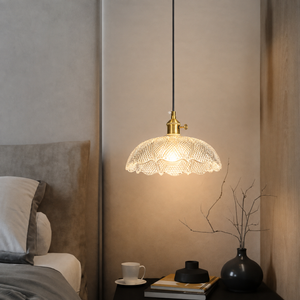
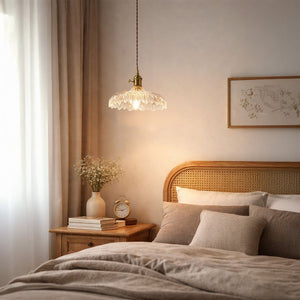
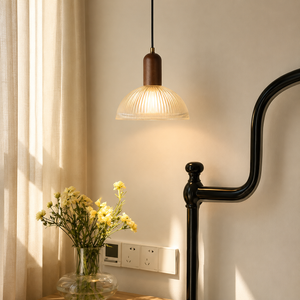
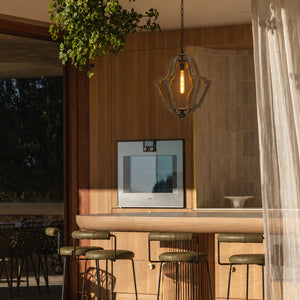
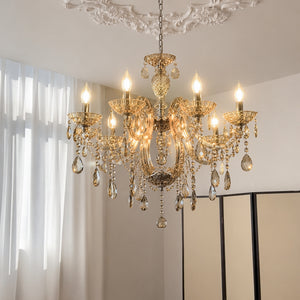
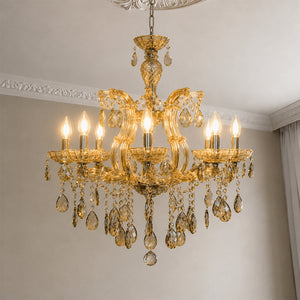
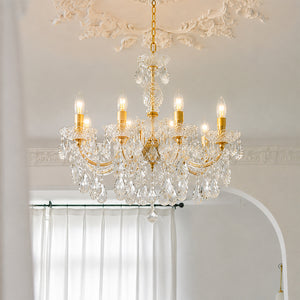
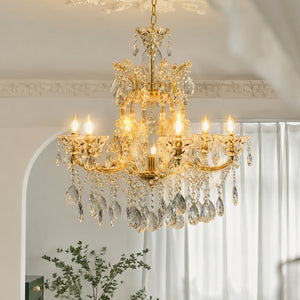
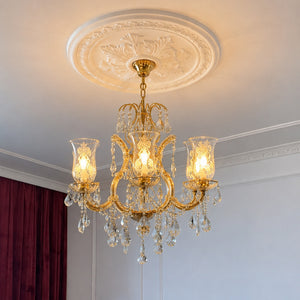
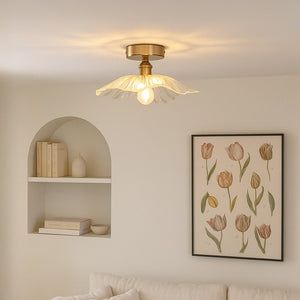
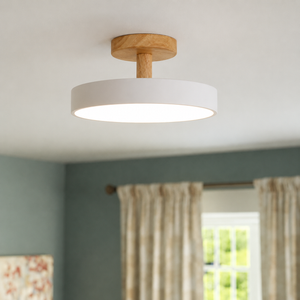
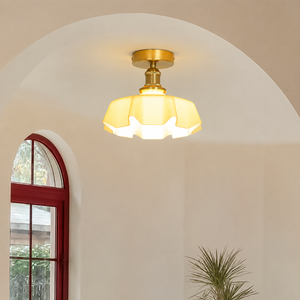
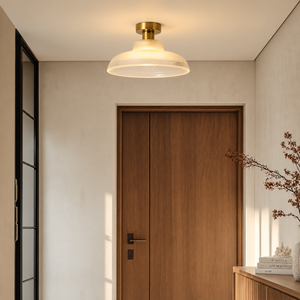
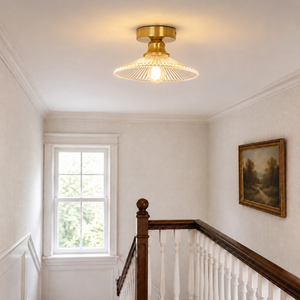
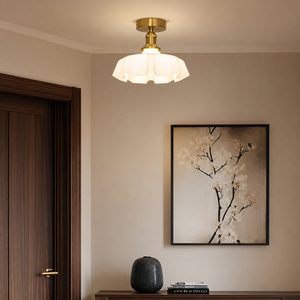
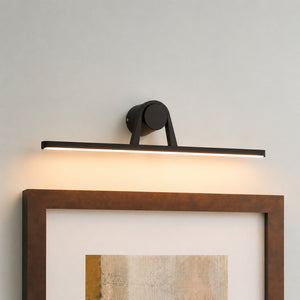

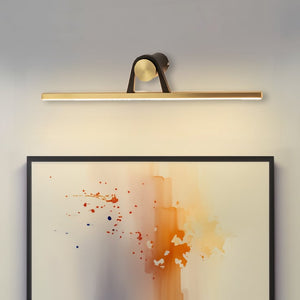
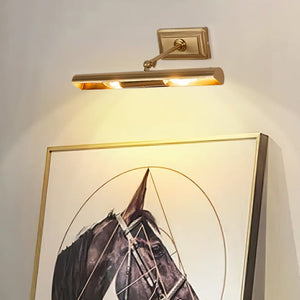


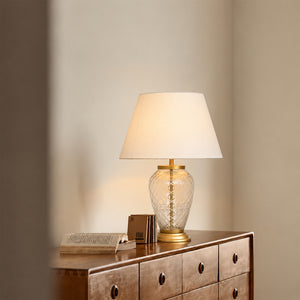
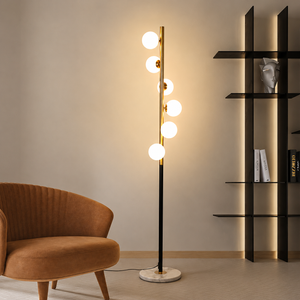
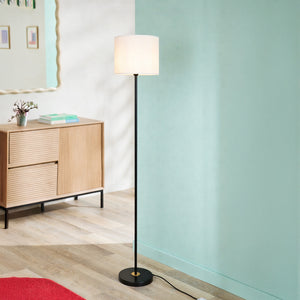
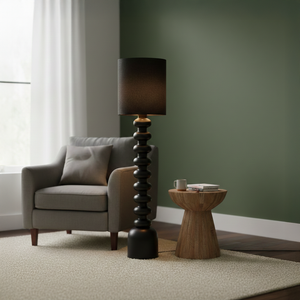
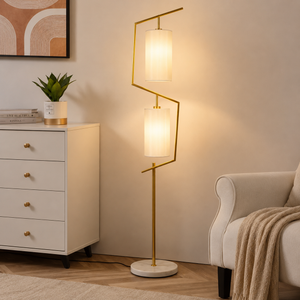
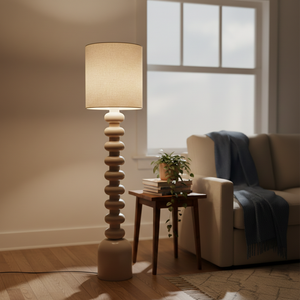
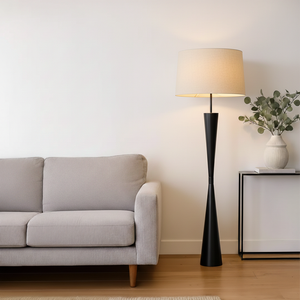
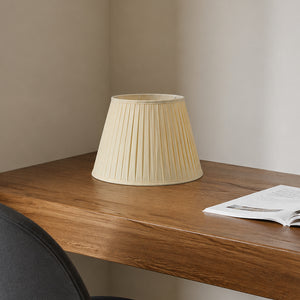
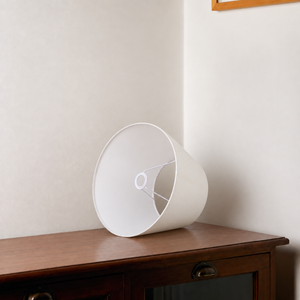
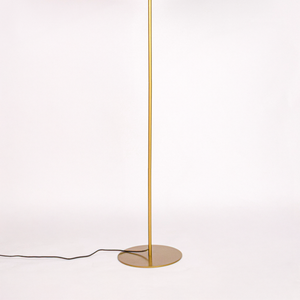
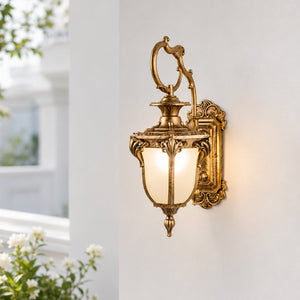
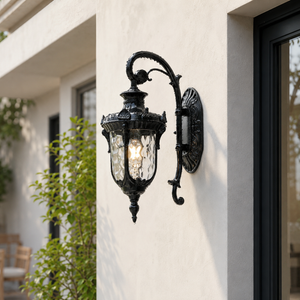
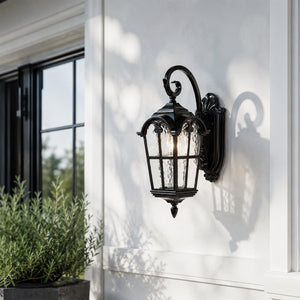
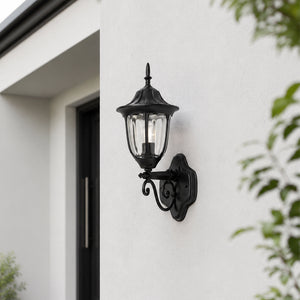
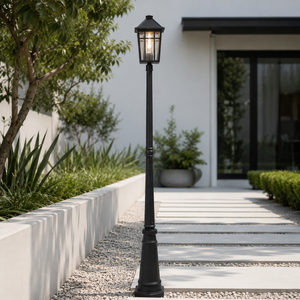
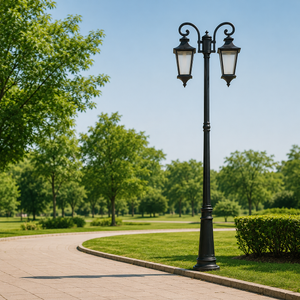
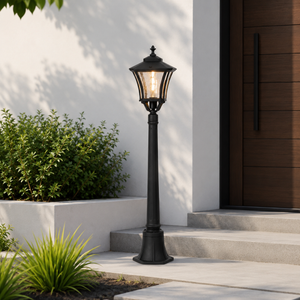
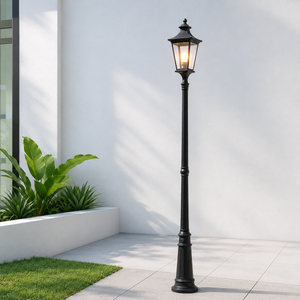
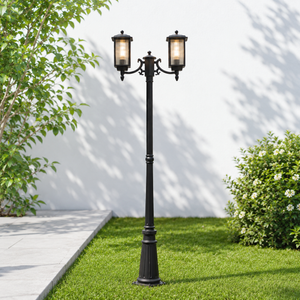
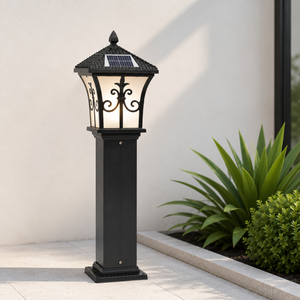
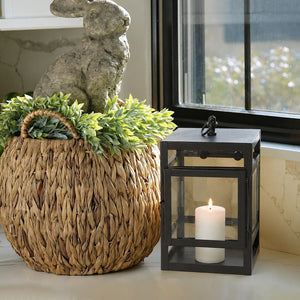
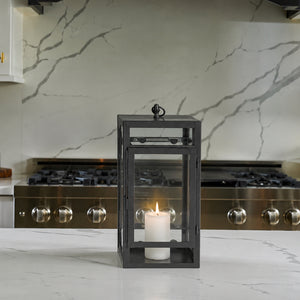
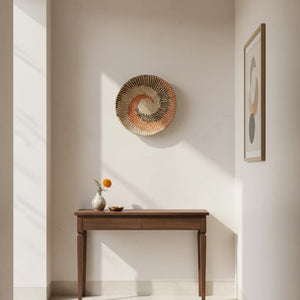
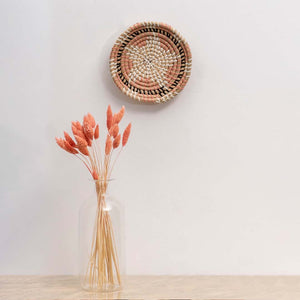
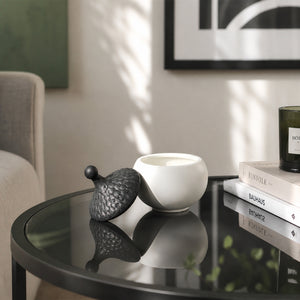


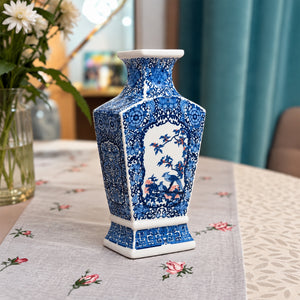




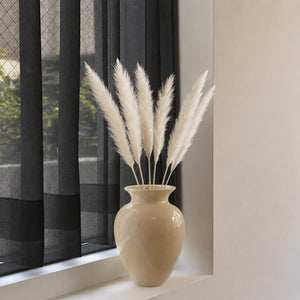
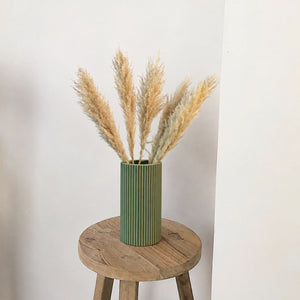
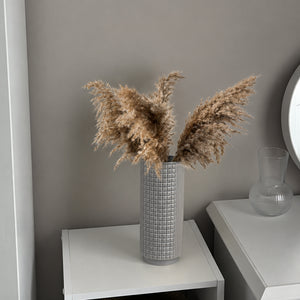
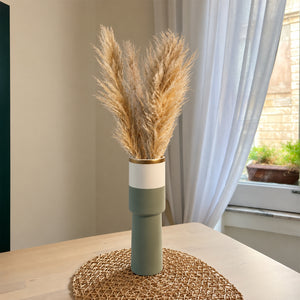







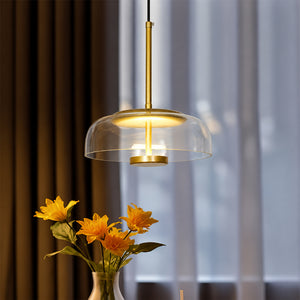
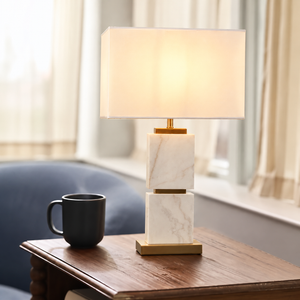
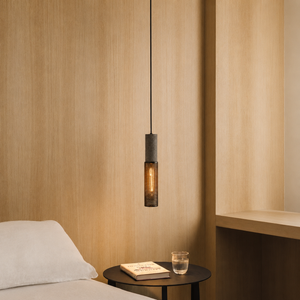
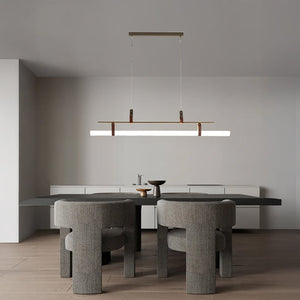
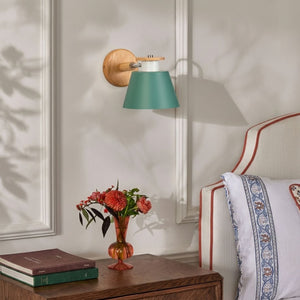
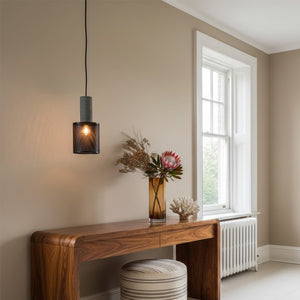
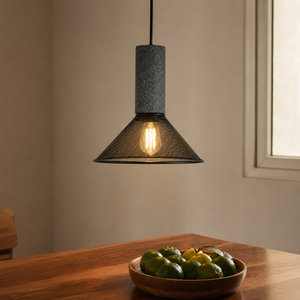
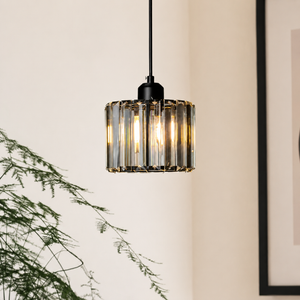
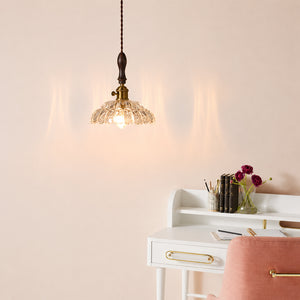


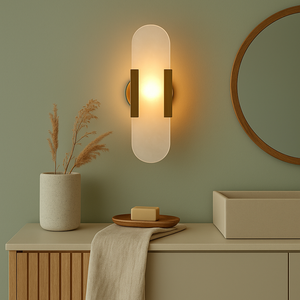
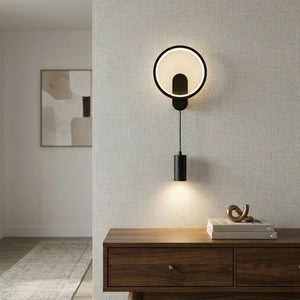
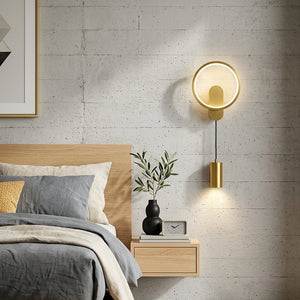

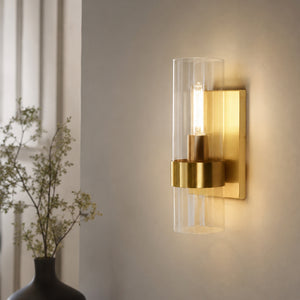
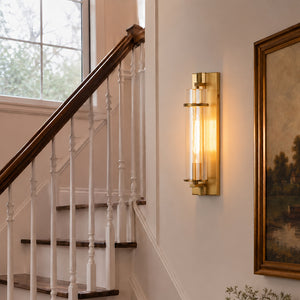
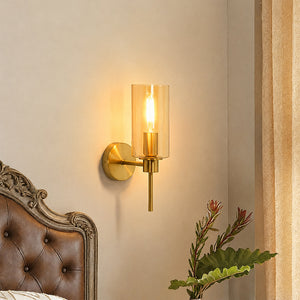
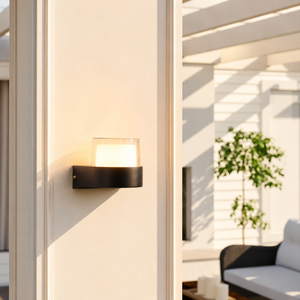
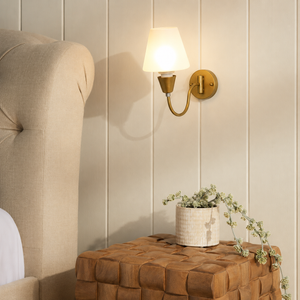
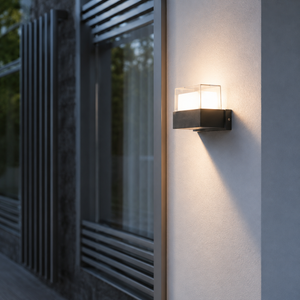
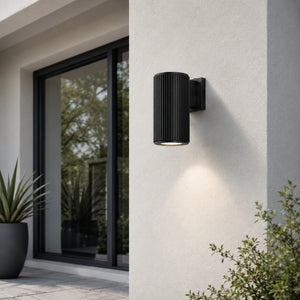
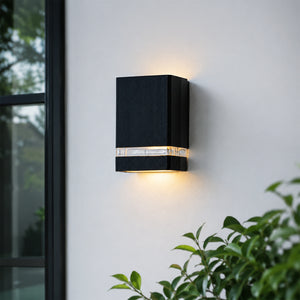
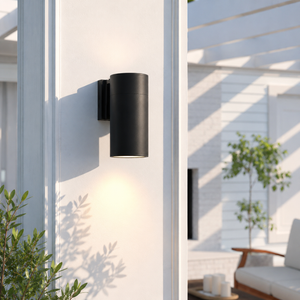
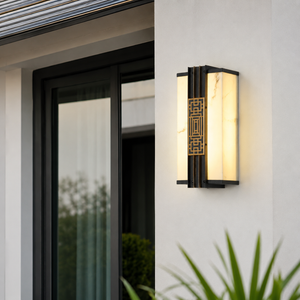
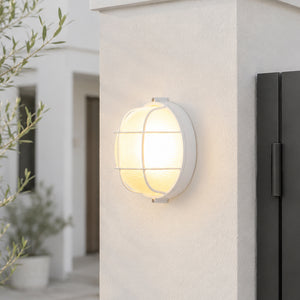
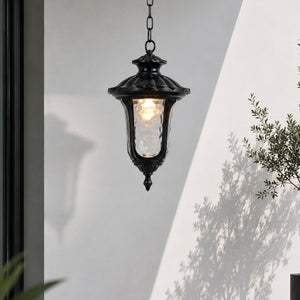
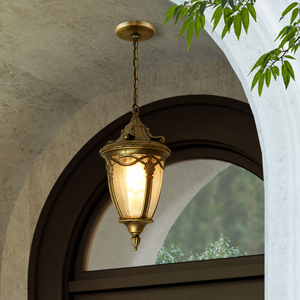
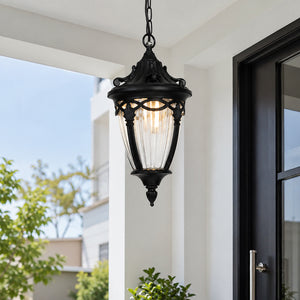
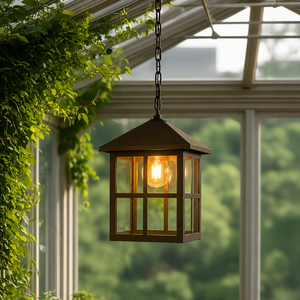
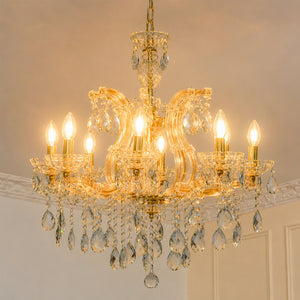
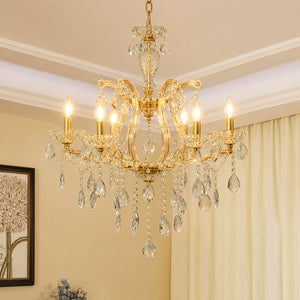
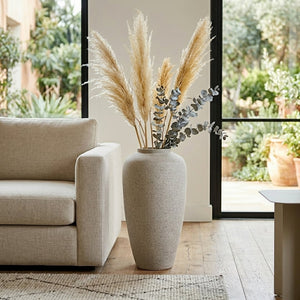
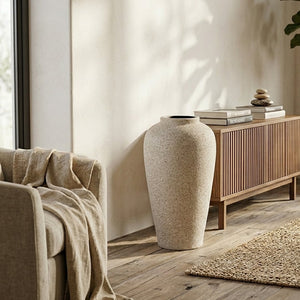
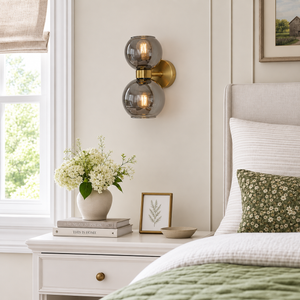
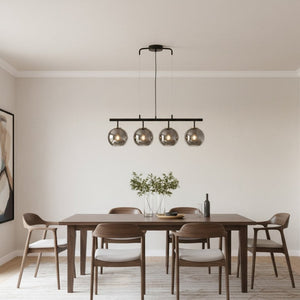
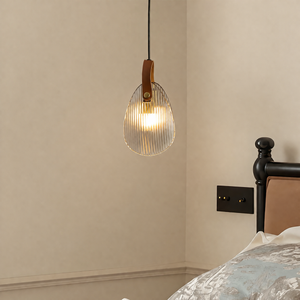
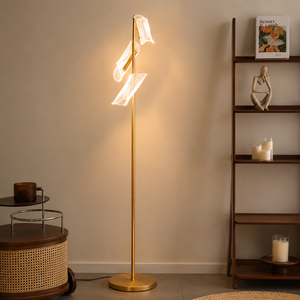
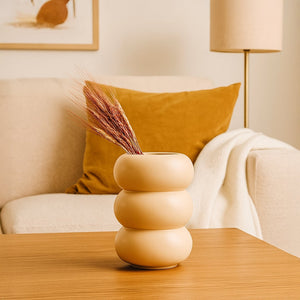
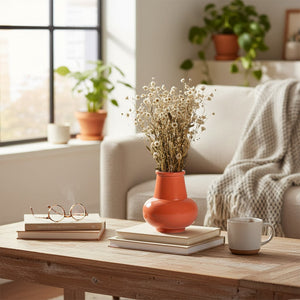
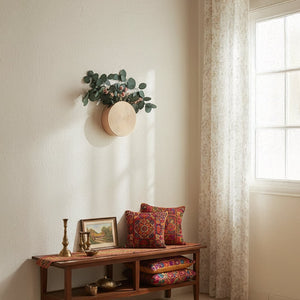





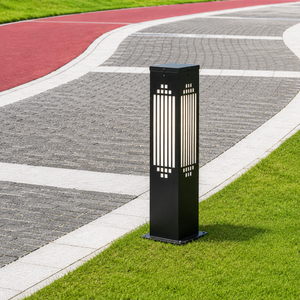
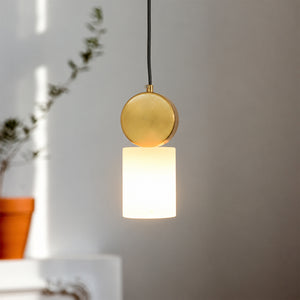
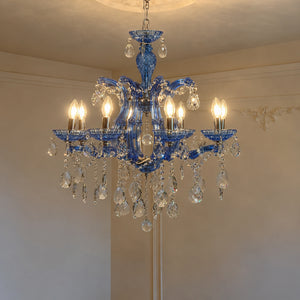
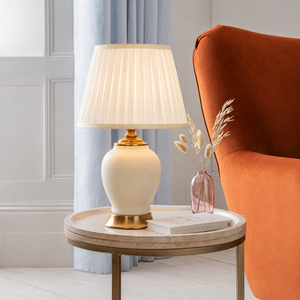
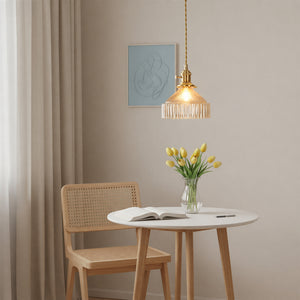

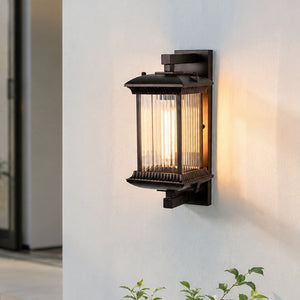
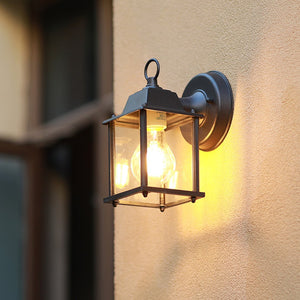
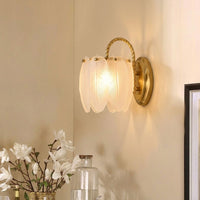
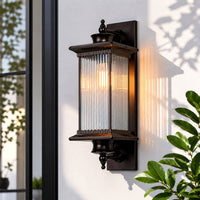
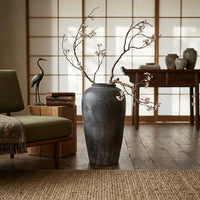




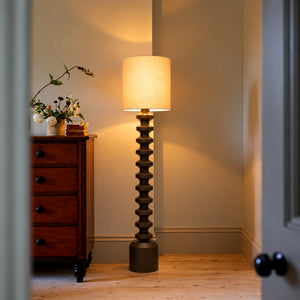


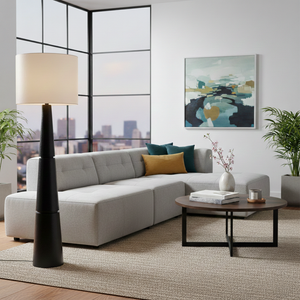
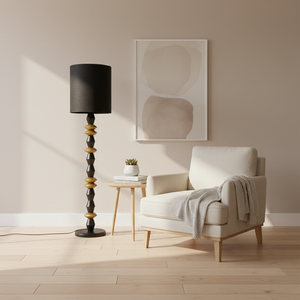
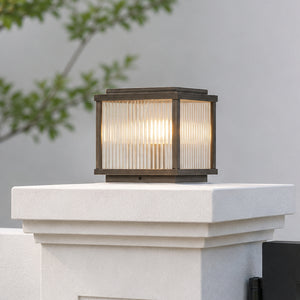
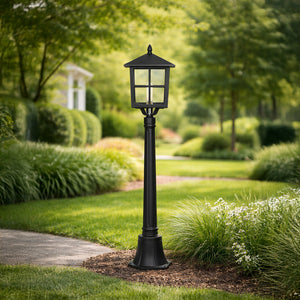
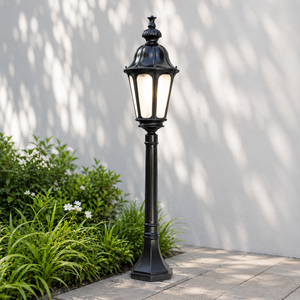
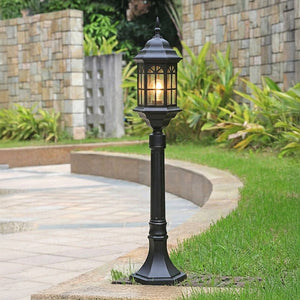
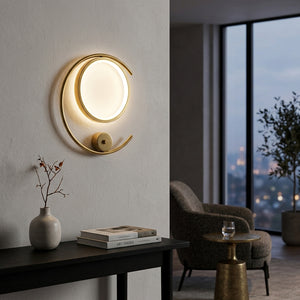
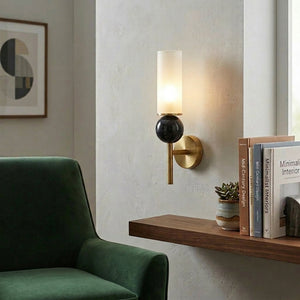
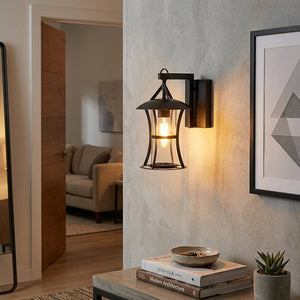
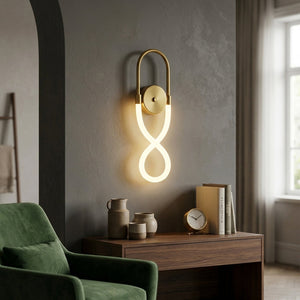
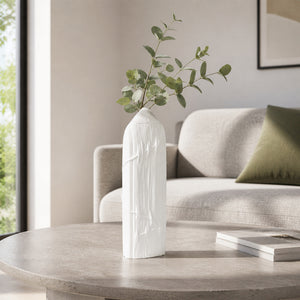
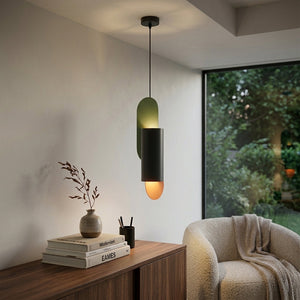
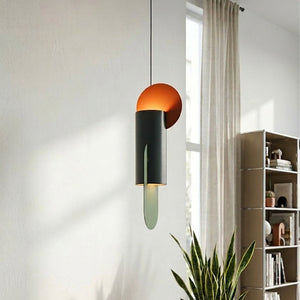
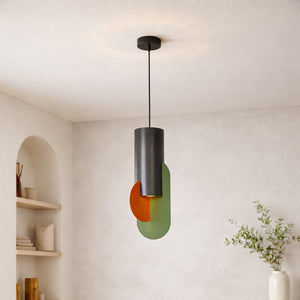
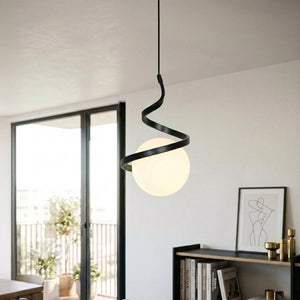
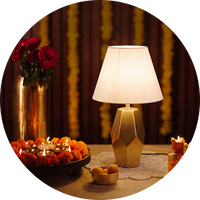
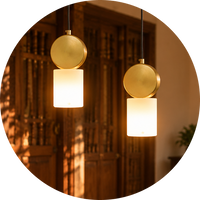






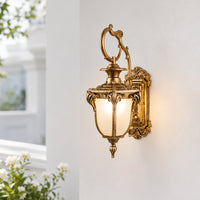
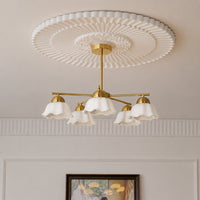
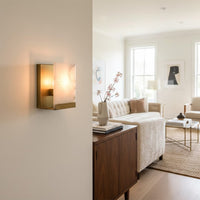

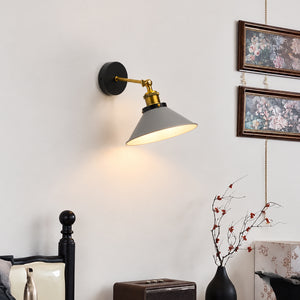
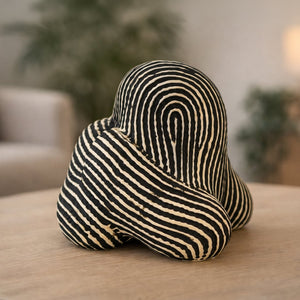

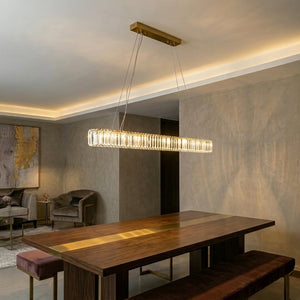
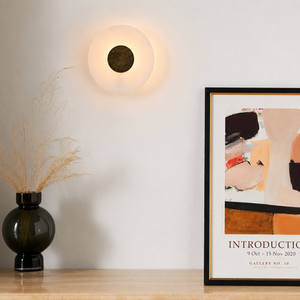
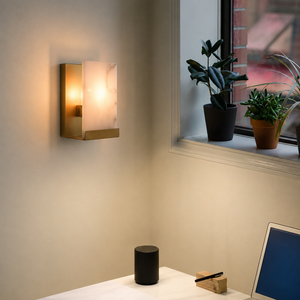
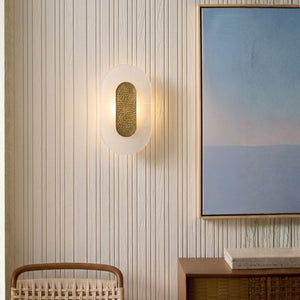
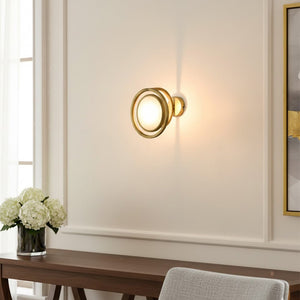
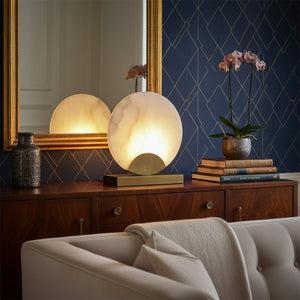
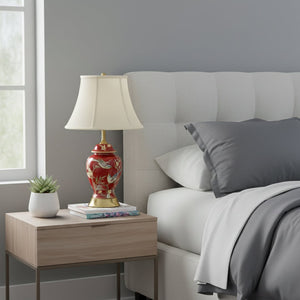
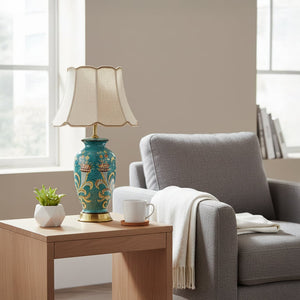

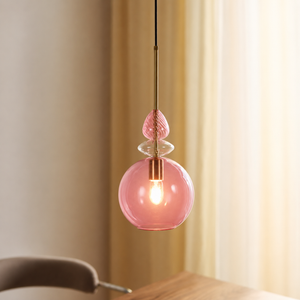
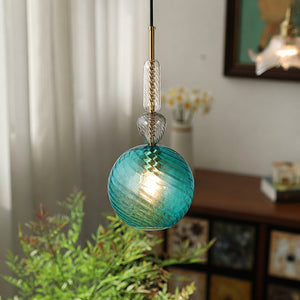
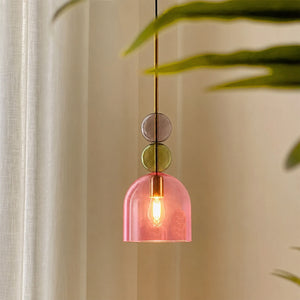

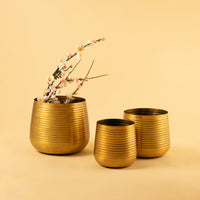

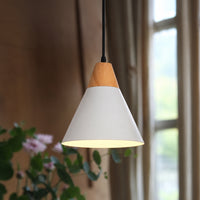
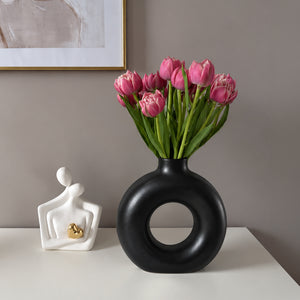
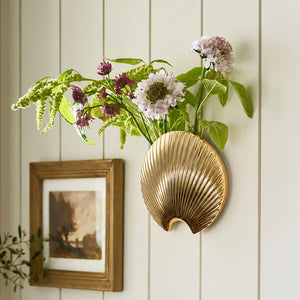


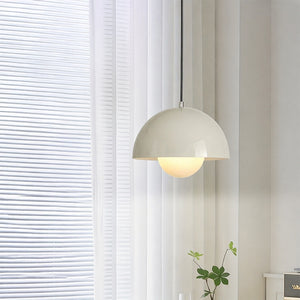
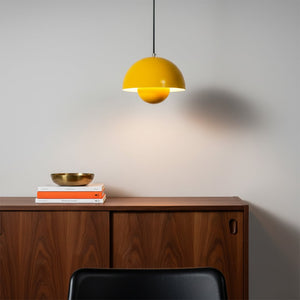


Signature Lighting Collections For All Spaces


Little Additions For Bigger Impact


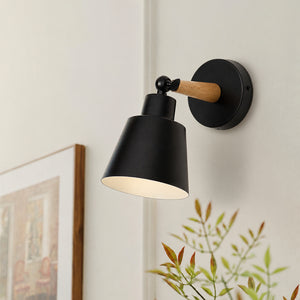
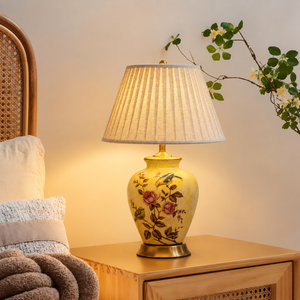
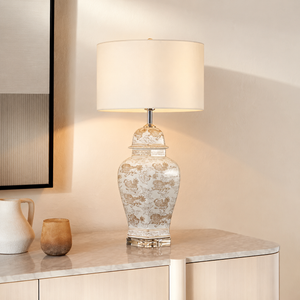
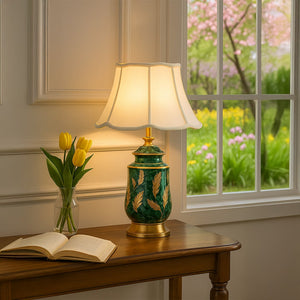
Jasper Wooden Table Lamp


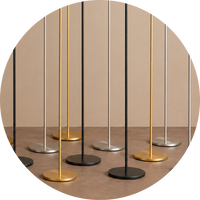
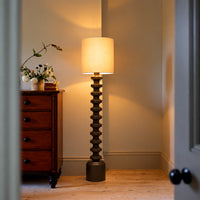
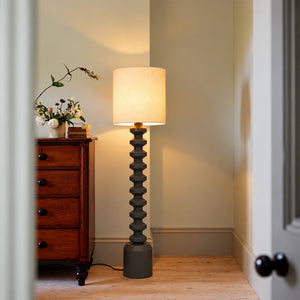
Natsumi Metal Floor Lamp


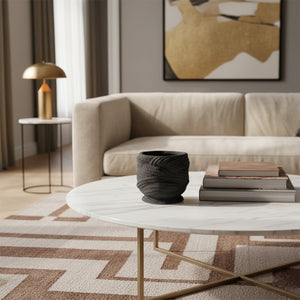
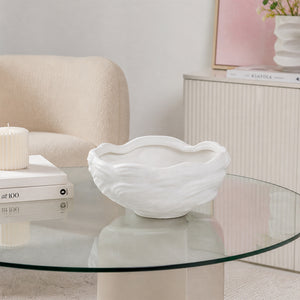
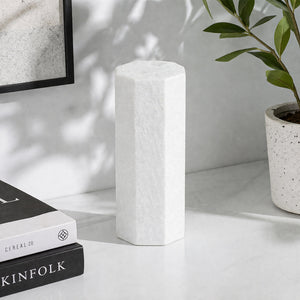
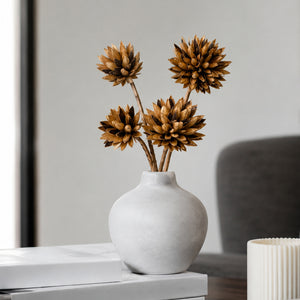
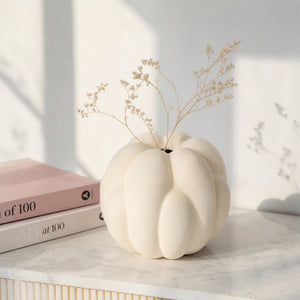
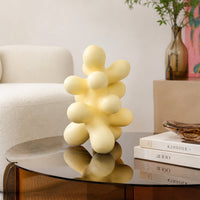
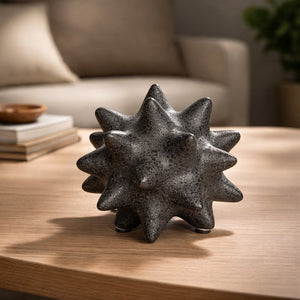
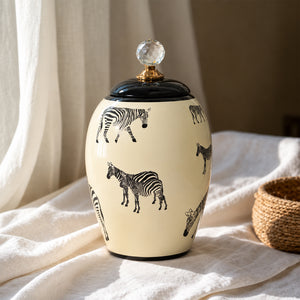
Pebble Ceramic Decorative Object - White


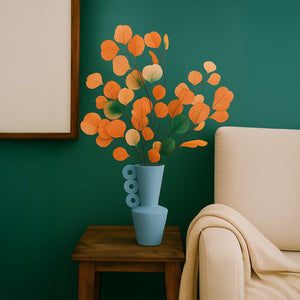
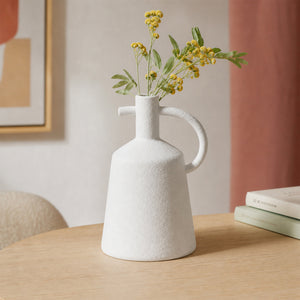
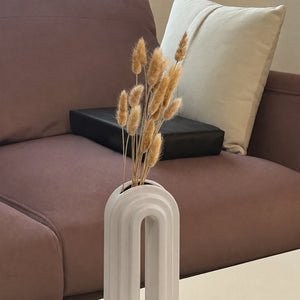
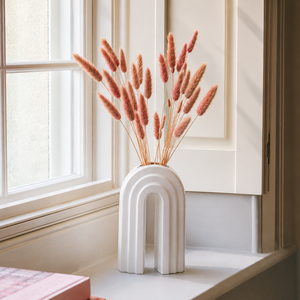
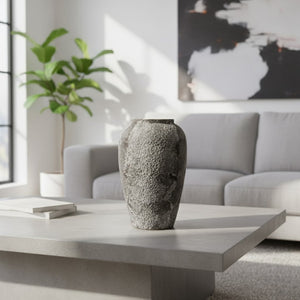
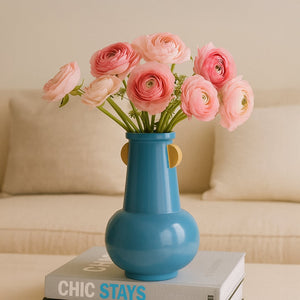
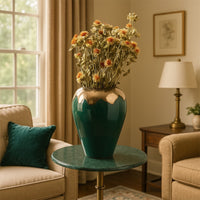
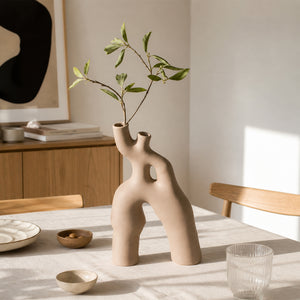
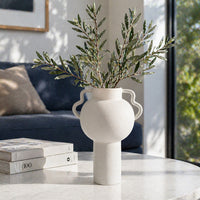
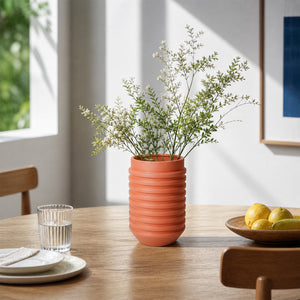
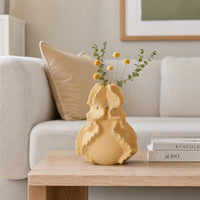
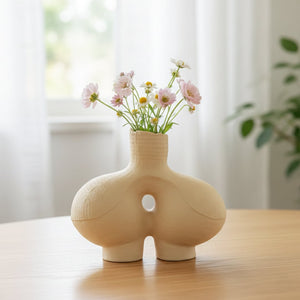
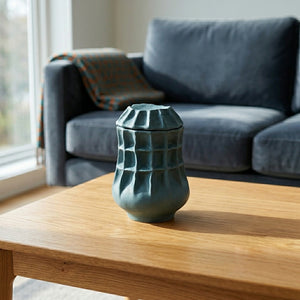
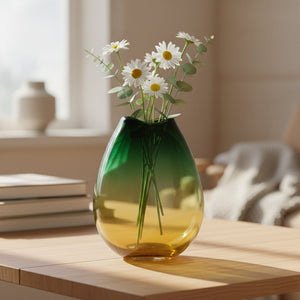
Arched Handle Ceramic Vase
See Your Space In A New Light
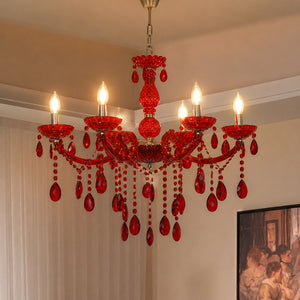
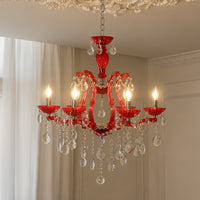
Marchese 8-Light Crystal Chandelier - Red

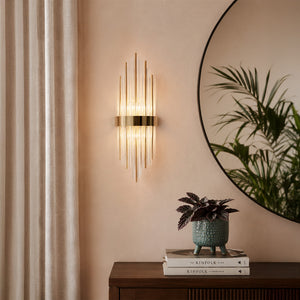
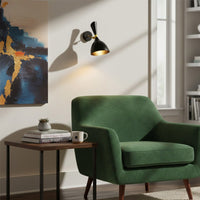
Eclipse 2-Light Wall Sconce - Chrome
Lynora Multicolor Crystal Chandelier
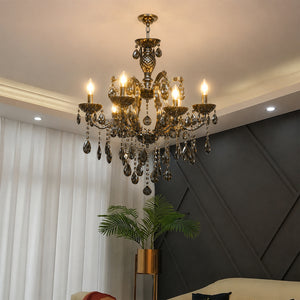
Marchese 8-Light Crystal Chandelier - Gold & Transparent


The Many Ways To Light Your Home


Shop the Room


Elicia Sky Blue Ceramic Table Lamp with White Shade


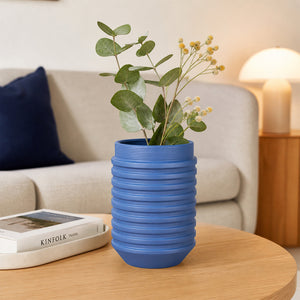
Ria Tiered Ring Sculptural Ceramic Vase - White
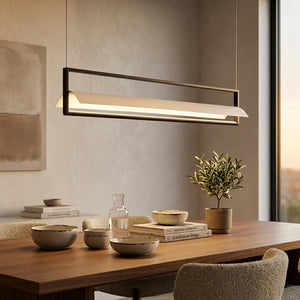
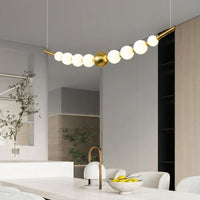
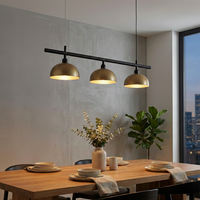
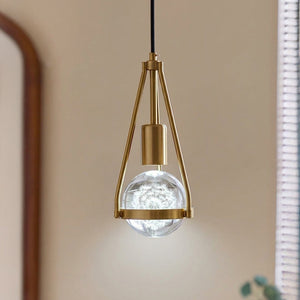
Horizontal Gold Glass Double Disk Hanging Pendant Light
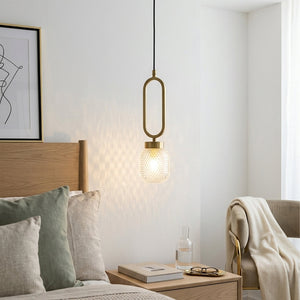
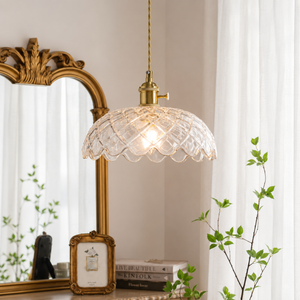
Holophane Pendant Lamp - Pointed Etched Glass


Curated For The Vibes At Your Home


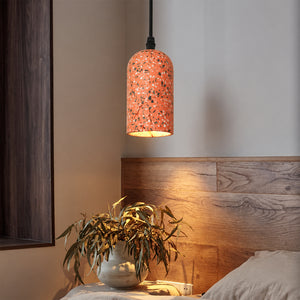
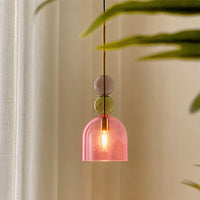
Aurelia Orange Hemisphere Pendant Light - Pink


Aurelia Orange Hemisphere Pendant Light - Green


Interior lights are the fixtures that illuminate a home from the inside — ceiling lights, chandeliers, pendant lights, wall lights, table lamps, floor lamps, and picture lights. The best interior lighting is planned room by room, layering ambient, task, and accent light, with warm white (2700K–3000K) for living rooms and bedrooms and neutral to cool white (4000K) for kitchens and study areas. Whispering Homes designs LED-compatible interior lights in metal, glass, rattan, and fabric finishes for modern Indian homes.
Good interior lighting does far more than make a room bright. It decides how large a room feels, how your furniture and finishes look, how comfortable you are while reading or cooking, and how relaxed you feel at the end of the day. At Whispering Homes, we curate modern interior lights that bring together thoughtful design and everyday function — so every room in your home gets the right light, not just more light.
Whether you are setting up a new apartment, renovating a villa, or simply replacing a tired ceiling fixture, this guide walks you through what each room needs, how much brightness to plan for, and how to pick fixtures that suit your ceiling height, decor style, and budget.
What Are Interior Lights?
Interior lights are any light fixtures installed or placed inside a home, as opposed to outdoor lights used in gardens, gates, and facades. They fall into three functional layers:
- Ambient lighting: General, room-filling light from ceiling lights, flush mounts, and chandeliers.
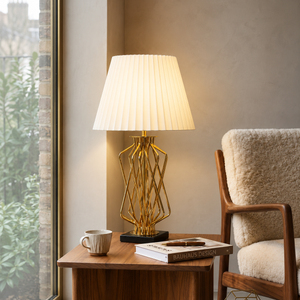
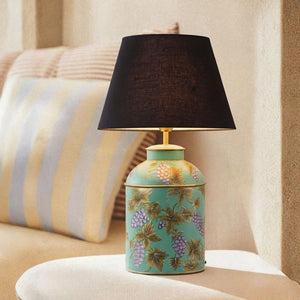
- Task lighting: Focused light for an activity, from table lamps, reading lamps, and pendant lights over counters and tables.
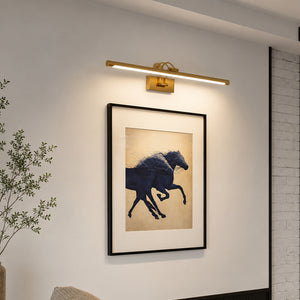
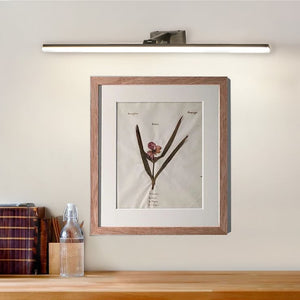
- Accent lighting: Directional light that highlights artwork, textures, or decor, from picture lights and wall lights.
A well-lit room usually combines at least two of these layers. Relying on a single central ceiling light is the most common reason rooms in Indian homes feel flat, harsh, or gloomy in the corners.
Which Interior Lights Work Best in Each Room?
Every room has a different job, so every room needs a different lighting plan. Here is how to light the main spaces in an Indian home.
Living Room Lighting
The living room needs the most flexible lighting in the house because it is used for conversation, TV, guests, and festivals. Start with a central chandelier or ceiling light for ambient light, then add floor lamps beside the sofa and wall lights on either side of a console or TV unit. A picture light above artwork or a family photo wall adds a finished, gallery-like touch.
- Ambient: chandelier, semi-flush ceiling light
- Task: arc or tripod floor lamp near seating
- Accent: wall sconces, picture lights
Bedroom Lighting
Bedroom lighting should be soft, warm, and glare-free. A warm white ceiling light handles dressing and cleaning, while bedside table lamps or bedside wall lights handle reading. Wall-mounted bedside lights are a smart choice for compact Indian bedrooms because they free up space on side tables.
- Ambient: flush ceiling light or a small chandelier
- Task: bedside table lamps or bedside wall lights
- Accent: low-level wall lights for a calm night-time glow
Dining Room Lighting
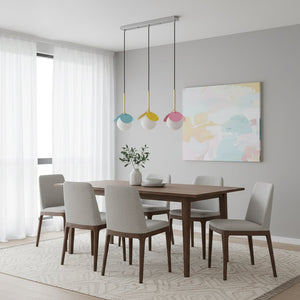
The dining table is the focal point, so the light above it should be too. A chandelier or a row of pendant lights centred over the table defines the dining zone, especially in open-plan homes where the dining area flows into the living room. Pick a fixture roughly half to two-thirds the width of your table so it feels balanced.
Kitchen Lighting
Kitchens need bright, clear, shadow-free light for chopping and cooking. Use ceiling lights for overall brightness, then add pendant lights over a breakfast counter or island. Neutral white (around 4000K) makes food colours look natural and helps you work safely.
Bathroom Lighting
Bathroom fixtures must handle moisture. Choose lights rated IP44 or higher for areas near the shower or washbasin, and place light on both sides of the mirror rather than only overhead, so your face is evenly lit without shadows.
Study and Home Office Lighting
For work-from-home setups, combine good ambient ceiling light with a dedicated desk or table lamp positioned on the side opposite your writing hand. This reduces shadows and eye strain during long working hours. Neutral to cool white light keeps you alert.
Hallway, Staircase, and Entrance Lighting
Passages need safe, even light rather than drama. Wall lights placed at regular intervals or compact ceiling lights work best. At the entrance or foyer, a statement chandelier or pendant creates a strong first impression for guests.
Puja Room and Prayer Corner Lighting
A puja space benefits from warm, gentle light that complements diyas and brass accents. A small pendant, a warm-toned wall light, or a focused accent light above the mandir creates a serene glow without overpowering the space.
Room-by-Room Interior Lighting Guide
| Room | Recommended Lights | Approx. Brightness Target | Colour Temperature |
|---|---|---|---|
| Living Room | Chandelier, floor lamps, wall lights, picture lights | 150–300 lux | 2700K–3000K |
| Bedroom | Ceiling light, bedside lamps or bedside wall lights | 100–200 lux | 2700K–3000K |
| Dining Room | Chandelier or pendant lights over the table | 200–300 lux at the table | 2700K–3000K |
| Kitchen | Ceiling lights, island or counter pendants | 300–500 lux at the counter | 3500K–4000K |
| Bathroom | IP-rated ceiling lights, mirror-side wall lights | 200–300 lux (higher at the mirror) | 3000K–4000K |
| Study / Home Office | Ceiling light plus desk or table lamp | 300–500 lux on the desk | 4000K–5000K |
| Hallway / Staircase | Wall lights, compact ceiling lights | 100–150 lux | 3000K |
Brightness targets are general residential guidelines. Rooms with dark walls, dark flooring, or high ceilings need more light than these ranges suggest.
How Much Light Does a Room Need? Lumens, Lux, and Watts Explained
Choosing interior lights by wattage alone is outdated. With LED lighting, a lower-wattage fixture can be much brighter than an old incandescent bulb, so it helps to understand three terms:
- Lumens (lm): The total amount of light a bulb or fixture produces. More lumens means more light.
- Lux: How much of that light actually reaches a surface, measured as lumens per square metre. This is what you feel on a desk or kitchen counter.
- Watts (W): How much electricity the light consumes. It measures energy use, not brightness.
A simple way to calculate lumens for a room: multiply the room's area in square feet by the lumens-per-square-foot needed for that room.
- Living rooms and bedrooms: about 10–20 lumens per sq ft
- Dining rooms: about 30–40 lumens per sq ft at the table
- Kitchens and home offices: about 30–50 lumens per sq ft
- Bathrooms: about 50–75 lumens per sq ft
For example, a 150 sq ft living room needs roughly 1,500–3,000 lumens in total. Instead of putting all of that into one ceiling fixture, split it between a chandelier, a floor lamp, and a pair of wall lights for a softer, layered result.
Colour Temperature Guide for Interior Lights
| Colour Temperature | Light Tone | How It Feels | Best For |
|---|---|---|---|
| 2700K–3000K | Warm white | Cosy, relaxing, golden | Living rooms, bedrooms, dining, puja rooms |
| 3500K–4000K | Neutral white | Clean, balanced, natural | Kitchens, bathrooms, dressing areas |
| 5000K–6500K | Cool white / daylight | Crisp, bright, energising | Study desks, work areas, utility spaces |
Keep colour temperature consistent within a single room. Mixing warm and cool bulbs in the same space makes walls and furniture look patchy.
What Should You Check Before Buying Interior Lights?
1. Ceiling Height
Most Indian apartments have ceilings of around 9–10 ft. Rooms with ceilings under about 8.5 ft suit flush or semi-flush ceiling lights. Hanging fixtures in walkways should leave at least 7 ft of clearance below them, while double-height living rooms and foyers can carry large chandeliers or multi-tier pendant clusters.
2. Bulb Type and Holder
In India, the most common bulb holders are B22 (bayonet/pin type) and E27 (screw type). Check which holder a fixture uses before buying replacement bulbs, and choose LED lights for lower electricity use and longer life.
3. Colour Rendering (CRI)
CRI measures how accurately a light shows real colours on a scale of 0 to 100. Bulbs with a CRI of 90 or above make artwork, fabrics, wood, and skin tones look natural — especially important for picture lights, dressing areas, and dining spaces.
4. Dimming Compatibility
If you want to adjust the mood, the fixture, the bulb, and the switch or dimmer all need to support dimming. A dimmable LED on a non-dimmer switch will not dim, and a non-dimmable LED on a dimmer may flicker.
5. Moisture Rating for Wet Areas
Bathrooms and areas near kitchen sinks need fixtures with an IP (Ingress Protection) rating of at least IP44, which protects against splashing water.
6. Material, Finish, and Upkeep
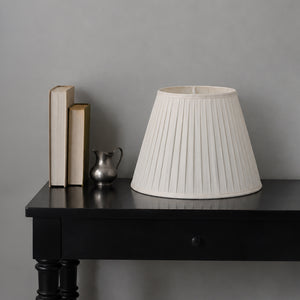
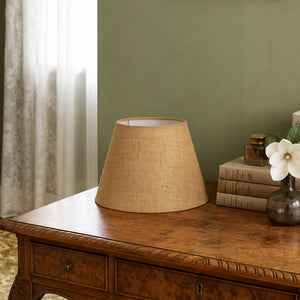
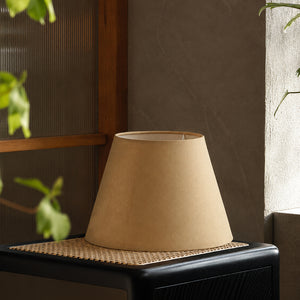
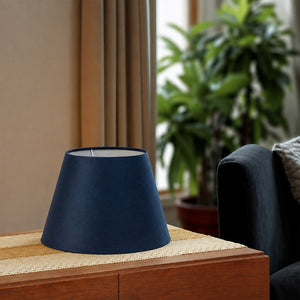
Dust and humidity are part of everyday life in most Indian cities. Metal and glass fixtures are easy to wipe clean, fabric lamp shades give softer diffused light but need regular dusting, and rattan or cane designs add warmth but are best kept away from damp areas.
7. Size and Proportion
Measure your room and furniture first. An oversized fixture overwhelms a small room, while an undersized one looks lost above a large dining table or in a tall foyer.
Popular Interior Lighting Styles for Indian Homes
Modern Minimalist
Slim profiles, matte finishes, and simple geometric shapes. Ideal for contemporary apartments and Scandinavian-inspired interiors where the lighting should feel calm and uncluttered.
Industrial
Metal cages, exposed bulbs, and dark or brushed finishes. Works well in lofts, cafes-style kitchens, and homes with exposed brick or concrete textures.
Boho and Natural
Rattan, cane, bamboo, and woven shades that cast patterned shadows. A great fit for relaxed, earthy interiors filled with plants and natural textures.
Classic and Vintage
Ornate details, brass finishes, and traditional silhouettes. Antique lamps and heritage-style fixtures suit traditional Indian homes and colonial-inspired decor.
Luxury Statement
Crystal chandeliers, sculptural pendants, and bold decorative lights that act as the centrepiece of a room — ideal for foyers, formal living rooms, and double-height spaces.
Common Interior Lighting Mistakes to Avoid
- Relying on one overhead light: A single central light creates harsh shadows and dark corners. Add at least one lamp or wall light.
- Hanging pendants at the wrong height: Too high and the light scatters; too low and it blocks views across the table. Aim for 30–34 inches above a dining tabletop.
- Mixing colour temperatures: Warm and cool bulbs in the same room make the space look uneven.
- Ignoring glare: Bare bulbs at eye level are uncomfortable. Use shades, diffusers, or upward-facing fixtures in seating areas.
- Choosing the wrong scale: A tiny fixture in a large room, or a heavy chandelier under a low ceiling, throws off the whole room's proportions.
- Planning lighting last: Decide fixture positions before final wiring and painting so switches, wall points, and ceiling hooks are in the right places.
Why Buy Interior Lights from Whispering Homes?
Whispering Homes brings together design-led interior lights for every room in one place — from statement chandeliers and pendant lights to wall lights, table lamps, floor lamps, picture lights, and lamp shades. Each piece is chosen for its craftsmanship, finish, and ability to fit the way Indian homes are actually lived in. Our collections span modern, industrial, boho, classic, and luxury styles, with LED-compatible fixtures that help keep electricity costs in check. We also offer customisation options so you can tailor lighting to your space and style, backed by attentive customer support from selection to delivery.
Frequently Asked Questions (FAQs)
1. What are interior lights?
Interior lights are light fixtures used inside a home, including ceiling lights, chandeliers, pendant lights, wall lights, table lamps, floor lamps, and picture lights. They provide ambient, task, and accent lighting for different rooms.
2. Is there a difference between interior lights and indoor lights?
No. Interior lights and indoor lights mean the same thing and the terms are used interchangeably. Both refer to fixtures designed for use inside the home rather than in outdoor areas like gardens, balconies, or gates.
3. Which interior lights are best for a living room?
A living room works best with layered lighting: a chandelier or ceiling light for overall brightness, floor lamps beside seating for reading, and wall lights or picture lights for accent and mood.
4. How many lumens do I need for a bedroom?
A bedroom typically needs about 10 to 20 lumens per square foot. A 120 sq ft bedroom therefore needs roughly 1,200 to 2,400 lumens in total, split between a ceiling light and bedside lamps.
5. What colour temperature is best for interior lights in Indian homes?
Warm white (2700K to 3000K) is best for living rooms, bedrooms, and dining areas. Neutral white (3500K to 4000K) suits kitchens and bathrooms, and cool white (5000K and above) suits study desks and work areas.
6. How high should a pendant light hang above a dining table?
The bottom of a pendant light or chandelier should hang about 30 to 34 inches (roughly 75 to 85 cm) above the dining tabletop. This lights the table well without blocking eye contact across it.
7. Which lights are safe to use in a bathroom?
Use fixtures with an IP44 rating or higher near the shower, bathtub, or washbasin, as these are protected against splashing water. Always have bathroom lights installed by a qualified electrician.
8. At what height should wall lights be installed?
General wall lights are usually mounted about 5 to 5.5 feet (roughly 150 to 170 cm) above the floor. Bedside wall lights are typically placed a little lower so the light falls on the pillow area for reading.
9. Are LED interior lights worth buying?
Yes. Quality LED lighting uses at least 75% less energy than incandescent bulbs and can last up to 25 times longer. LEDs also produce less heat, which is useful in warm Indian climates.
10. Can I use different colour temperatures in one room?
It is best to keep one colour temperature per room so walls, furniture, and decor look consistent. You can use different temperatures in different rooms, such as warm white in the bedroom and neutral white in the kitchen.