











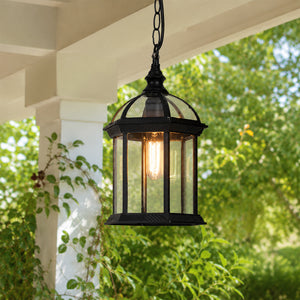
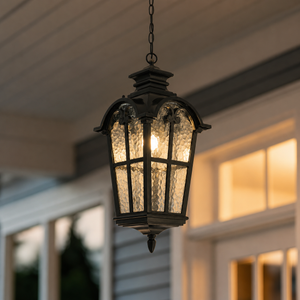
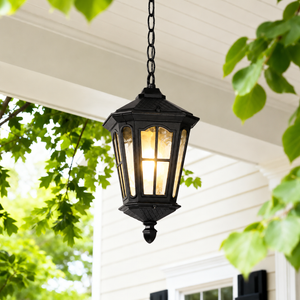
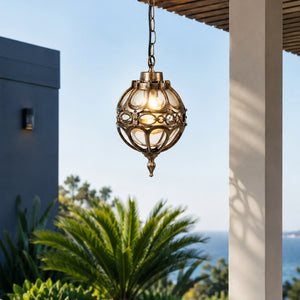







































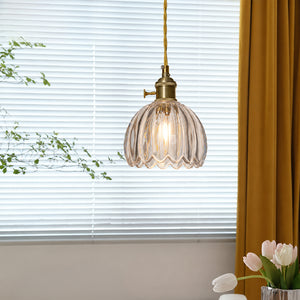
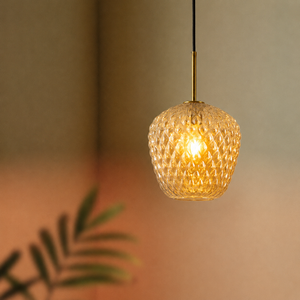

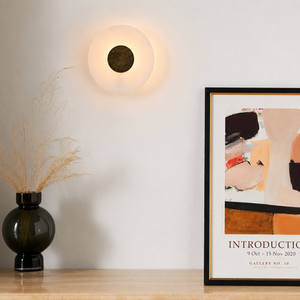
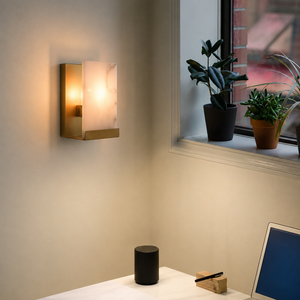





























Overhead & Ceiling Lights
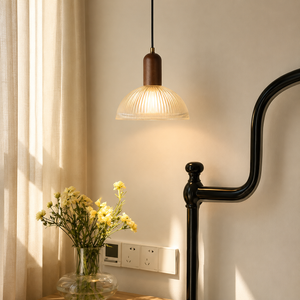
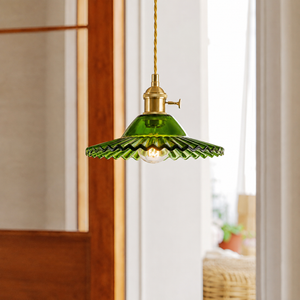
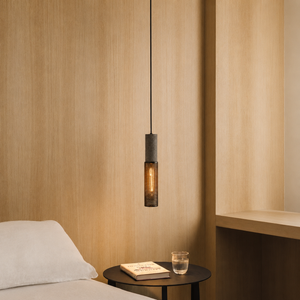
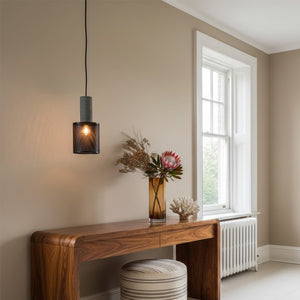
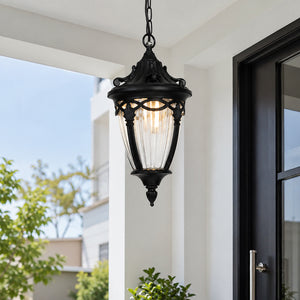
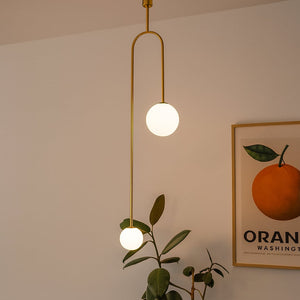
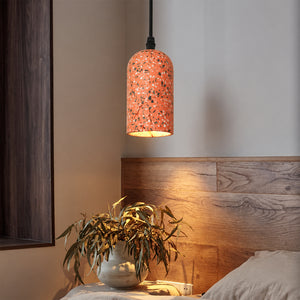
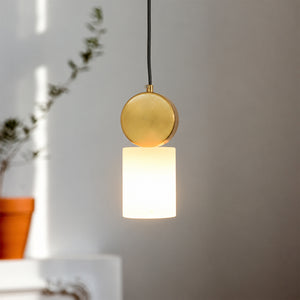
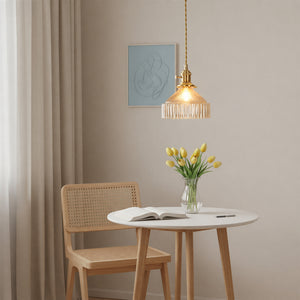
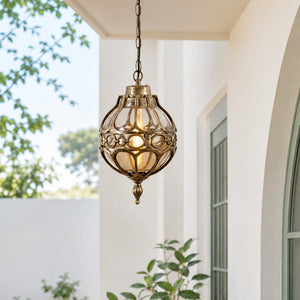
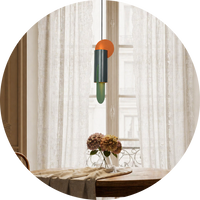
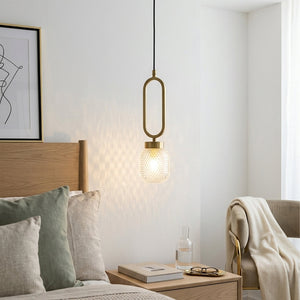
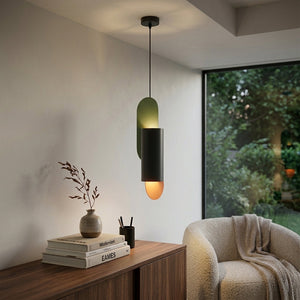
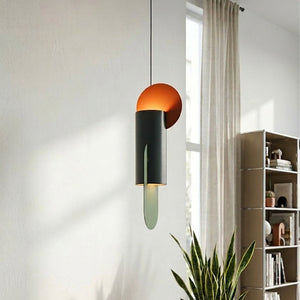
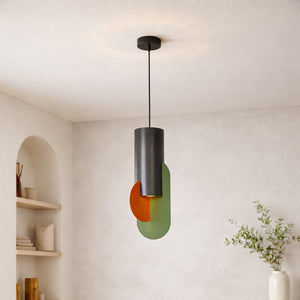
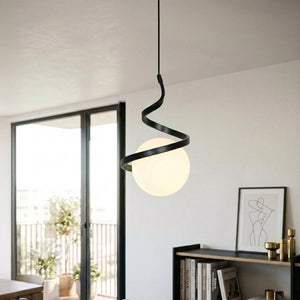
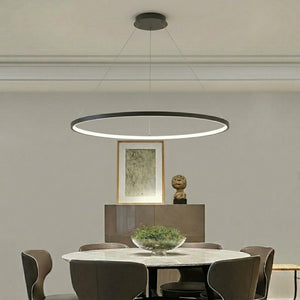
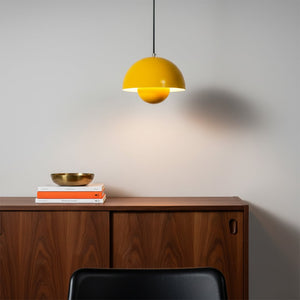
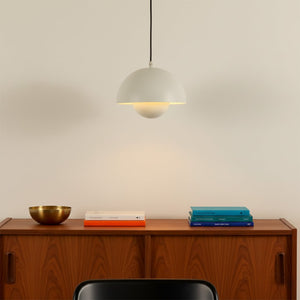
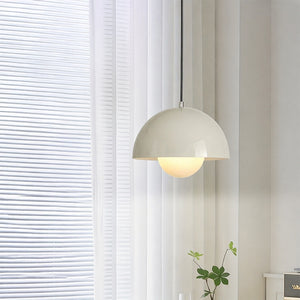
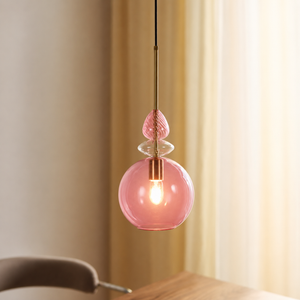
 Pendant Lights
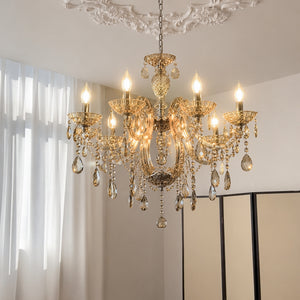
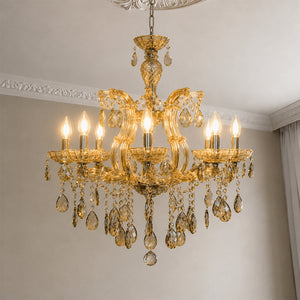
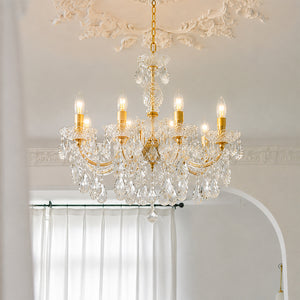
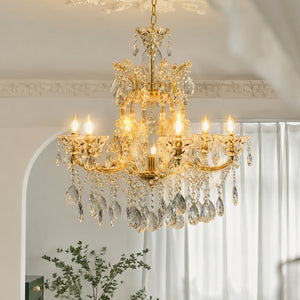
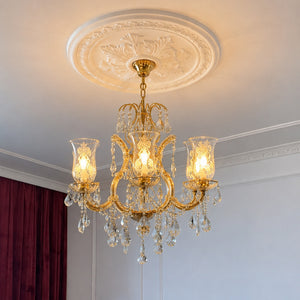
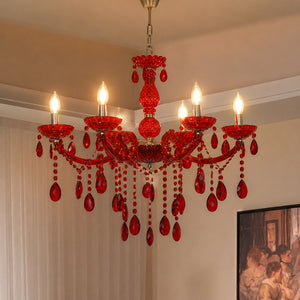
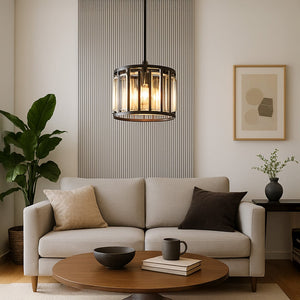
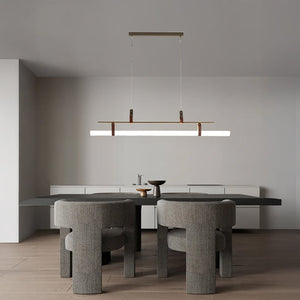
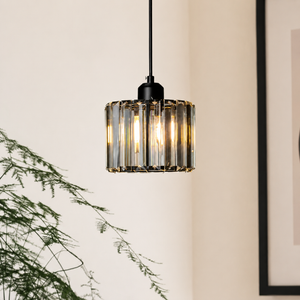
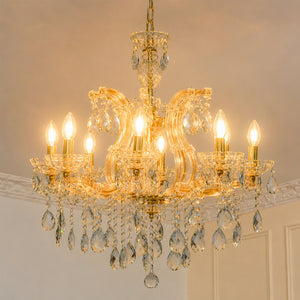
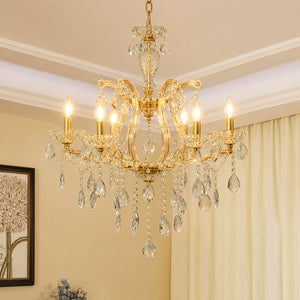
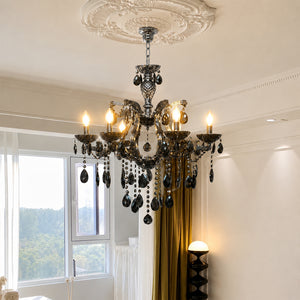
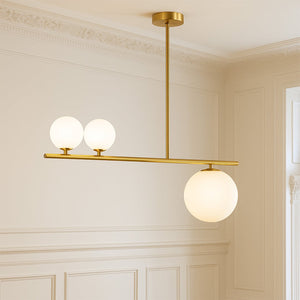
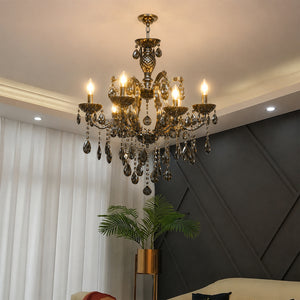
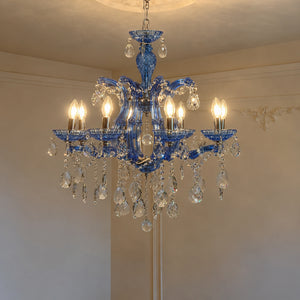
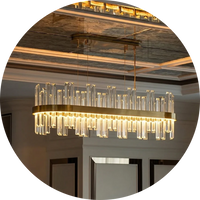
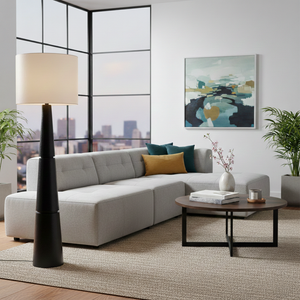
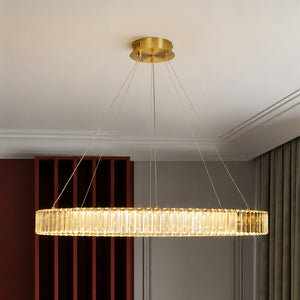
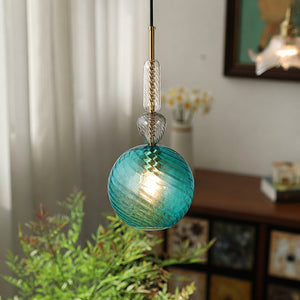
 Chandeliers
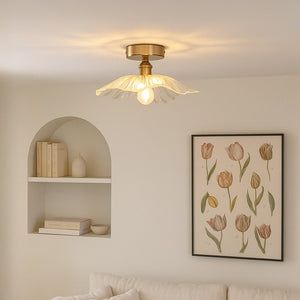
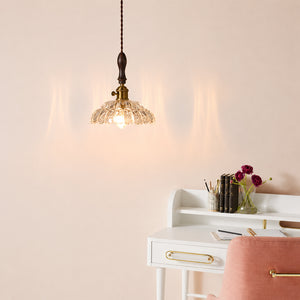
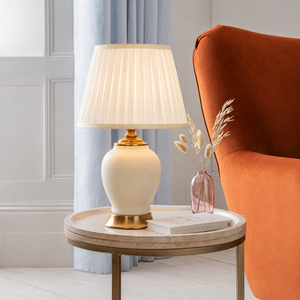
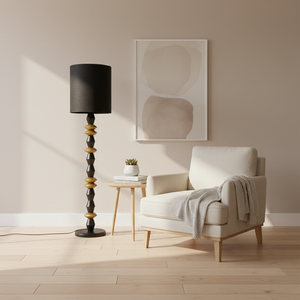
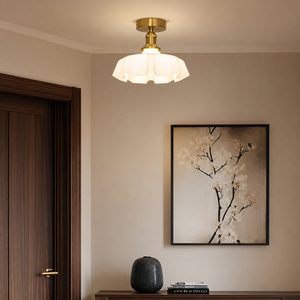
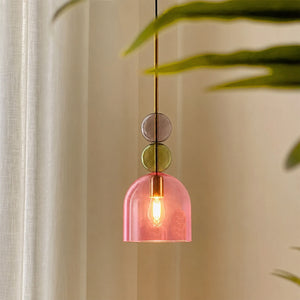
 Ceiling Lights
-
-
-
-
-
-
-
-
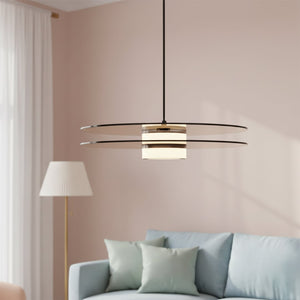
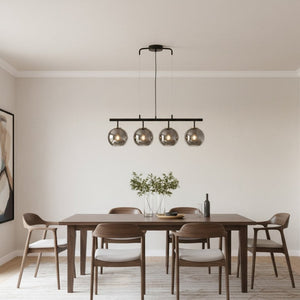
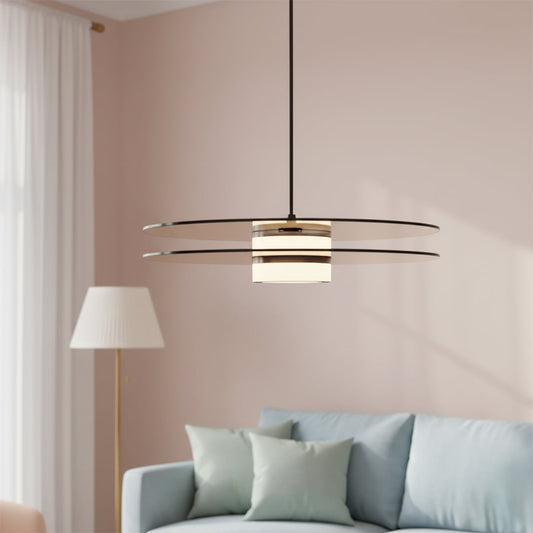
Rotating Spotlight Modern Pendant Light - Black
Regular price ₹ 6,999Regular price -
-
-
-
-
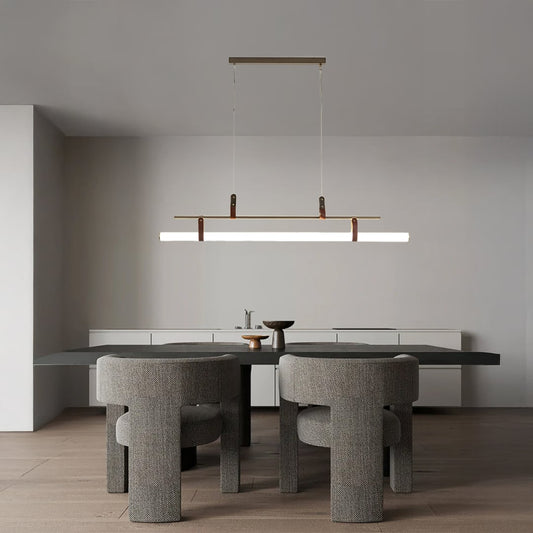
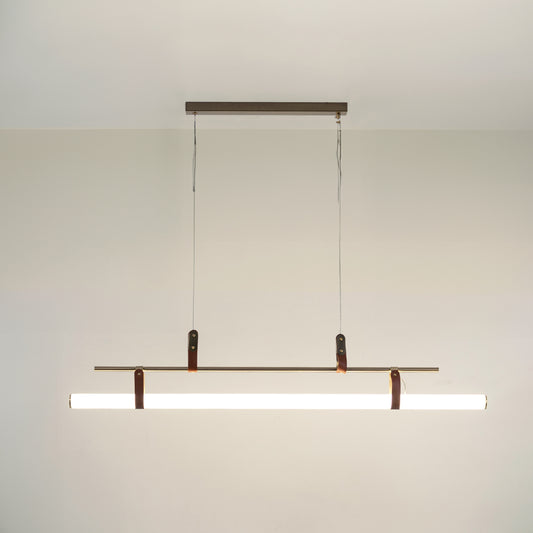
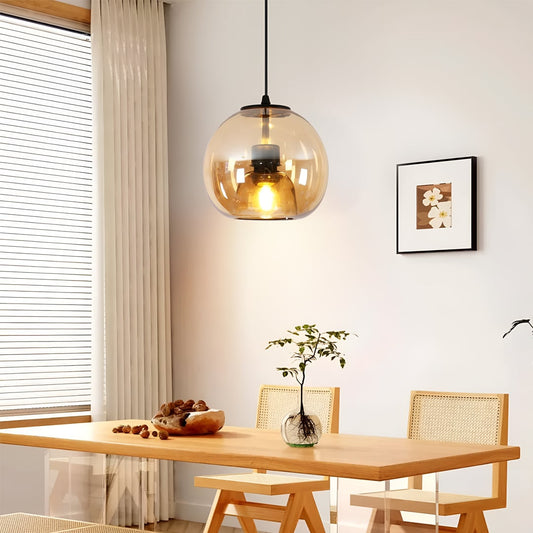
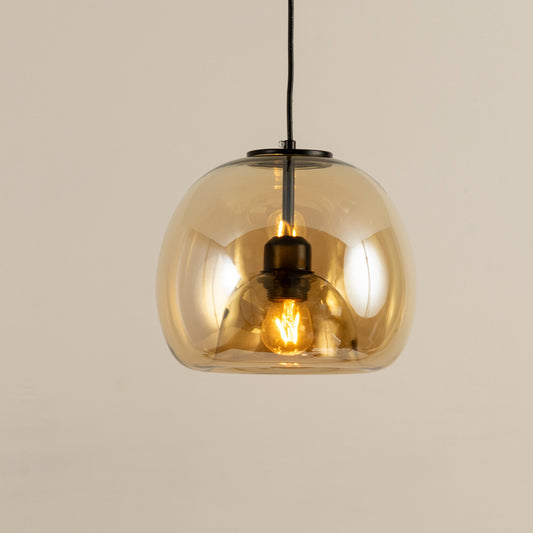
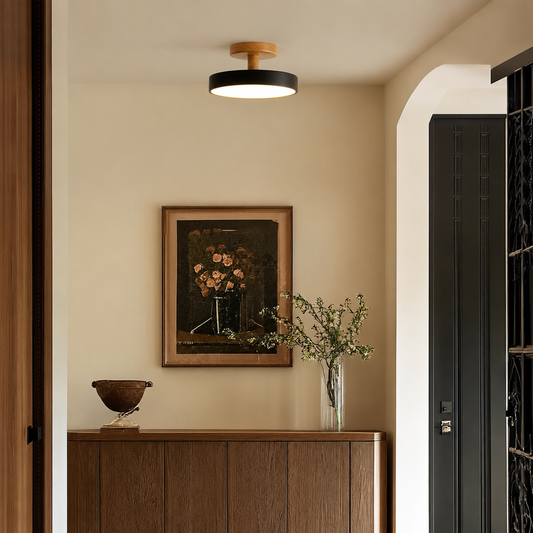
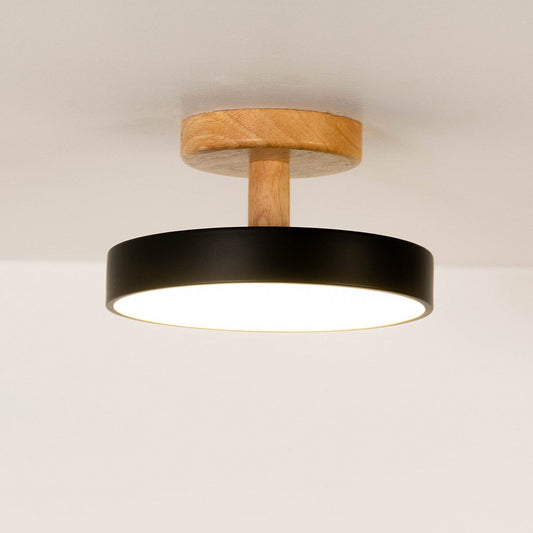
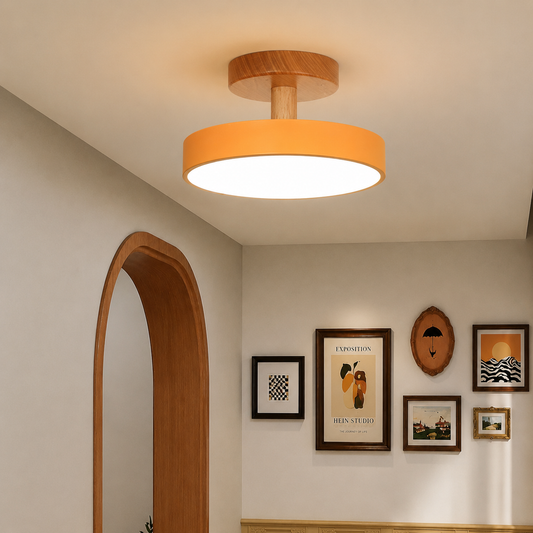
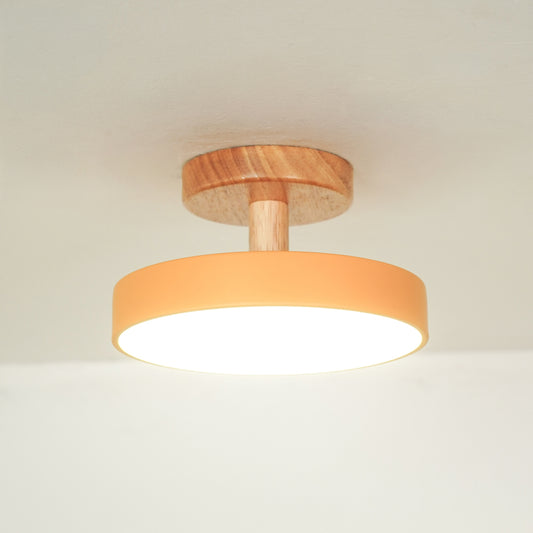
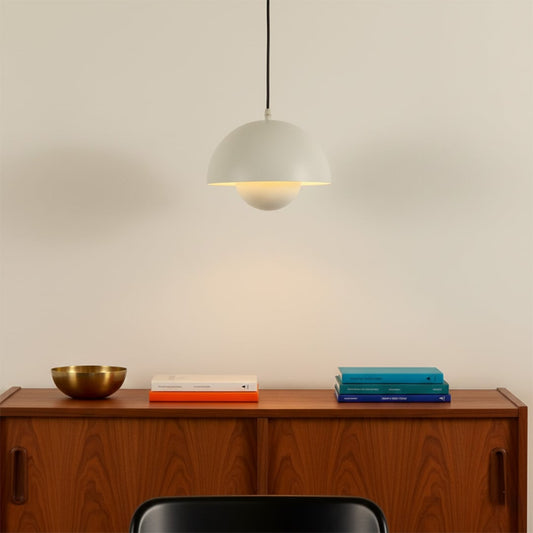
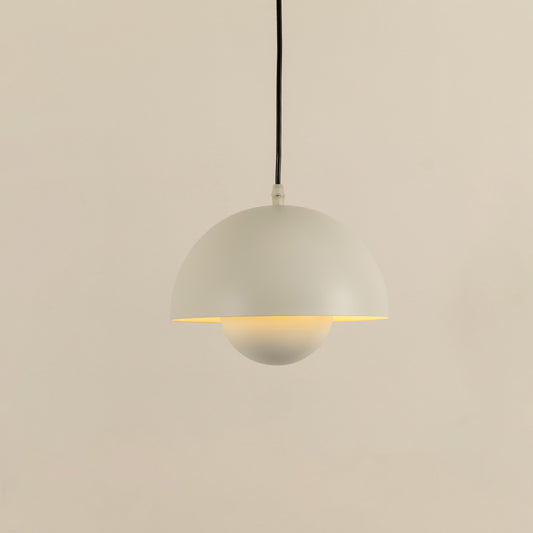
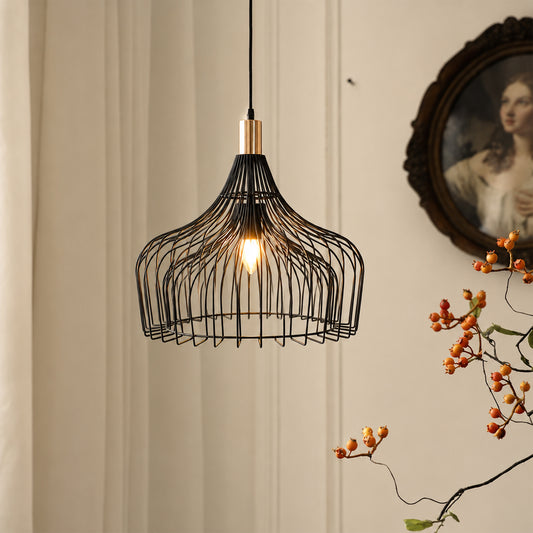
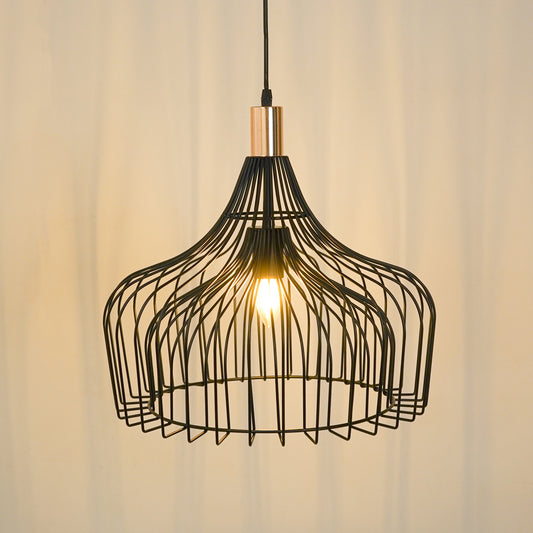
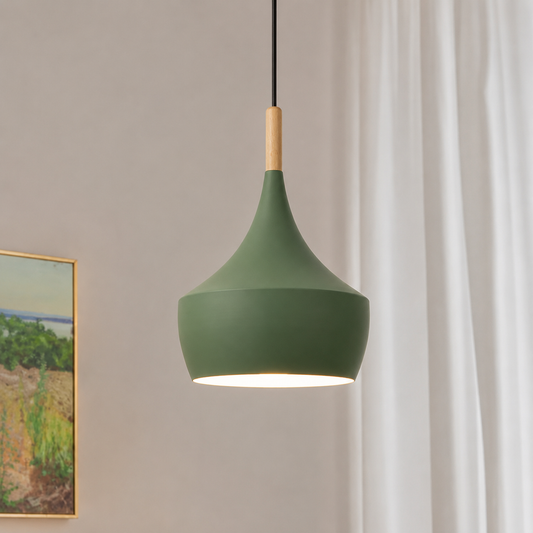
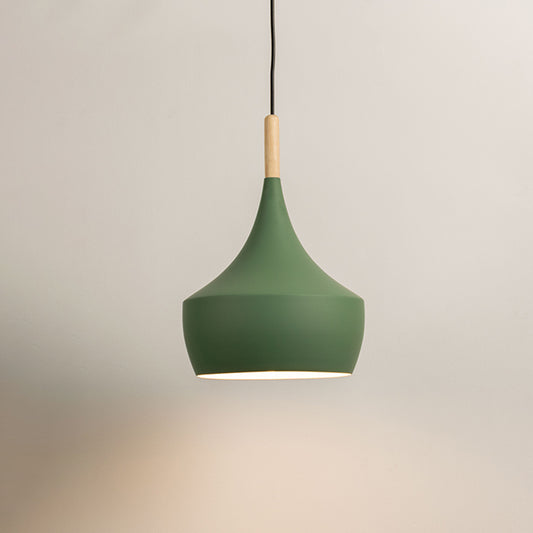
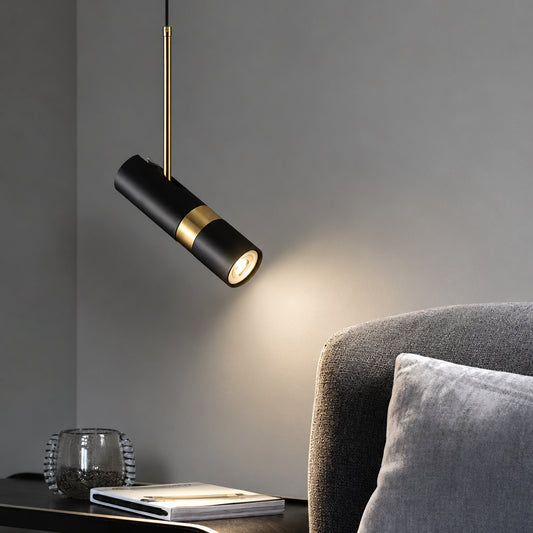
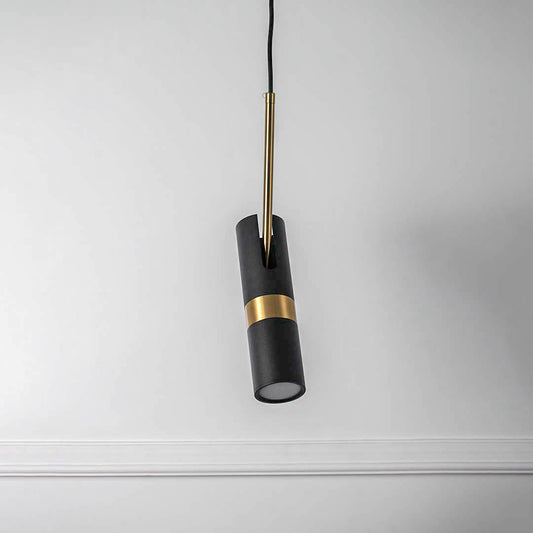
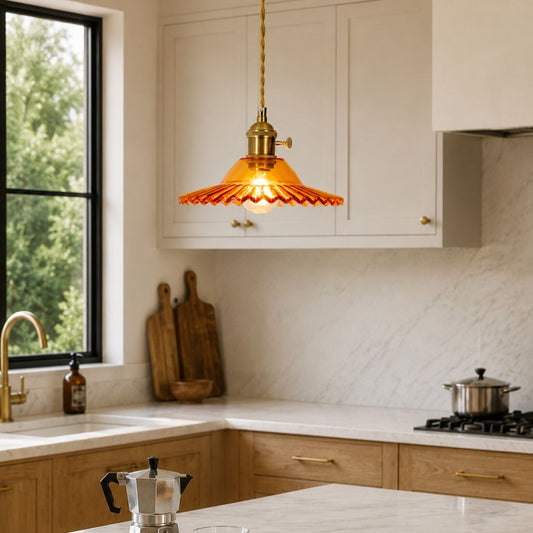
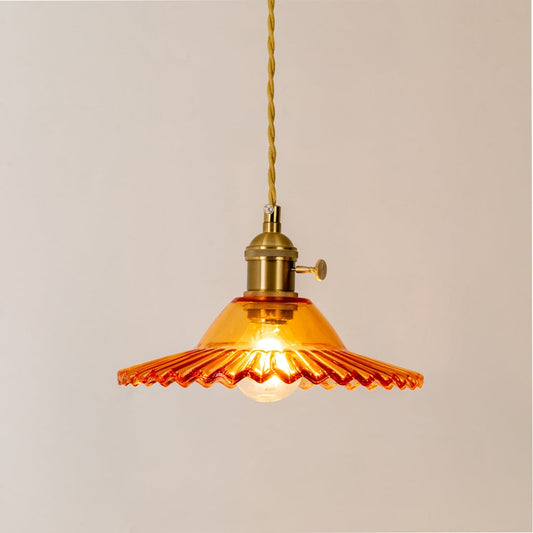
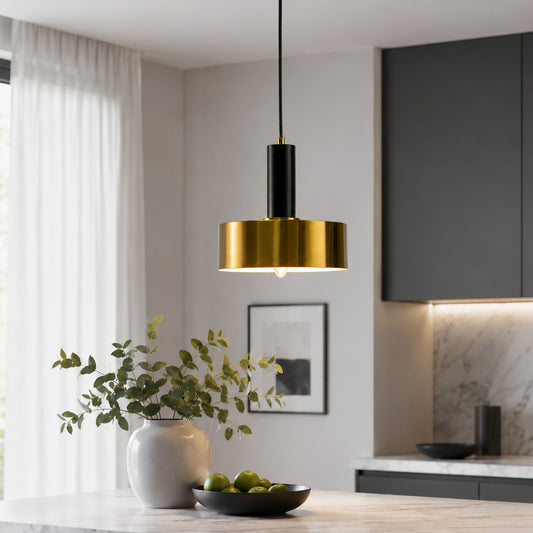
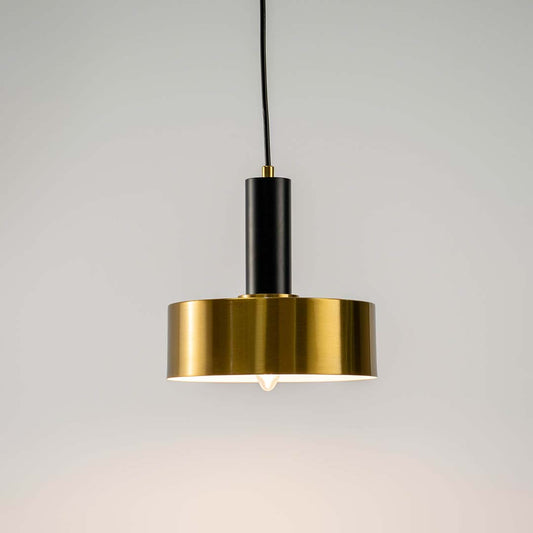
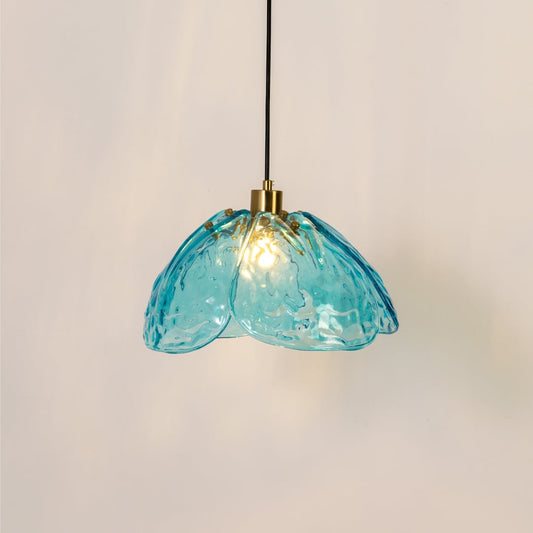
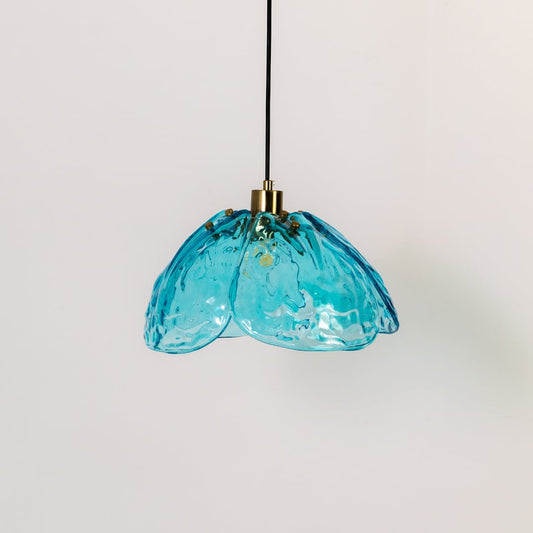
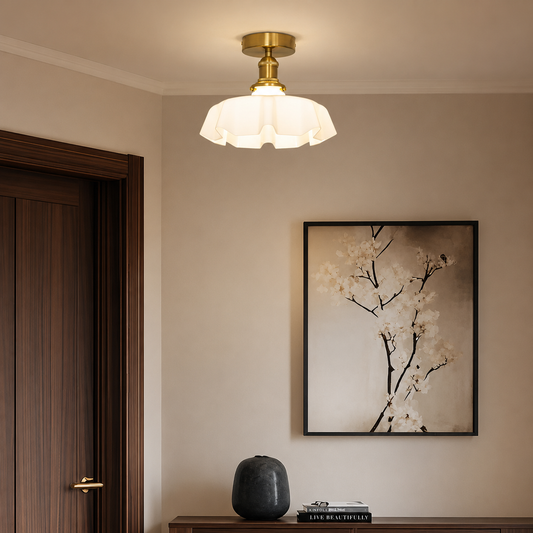
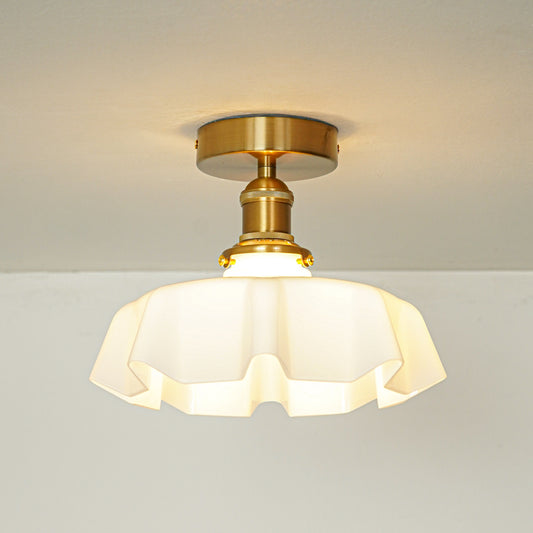
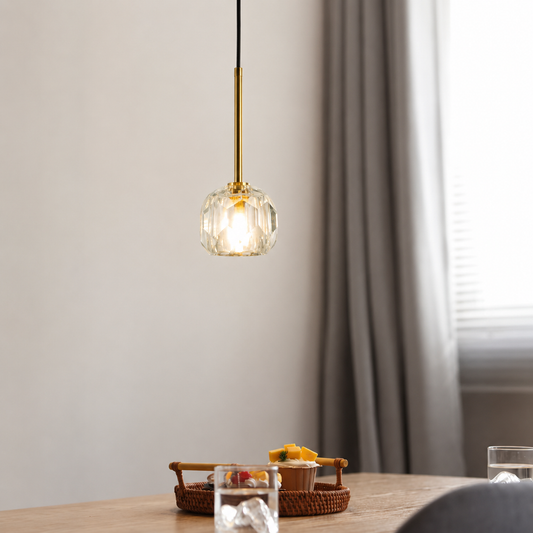
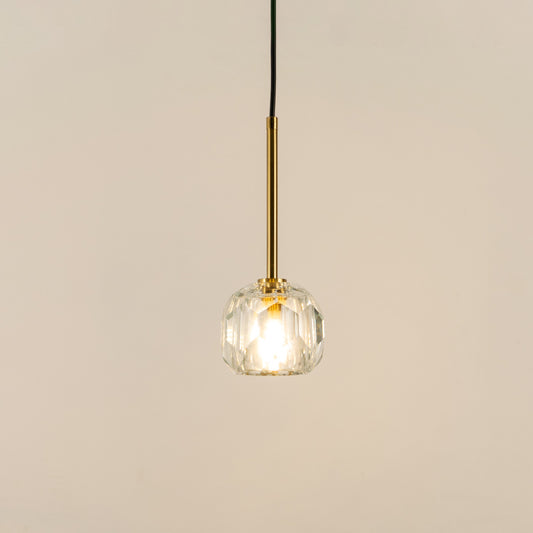
Ceiling light fixtures are indoor overhead lighting mounted directly to or suspended from the ceiling, including pendant lights, chandeliers, and semi-flush and flush mounts. The right choice depends on ceiling height, room function, and how much of a visual statement you want the fixture to make.
The lighting overhead often sets the tone for an entire room before anyone even notices the furniture. A well-chosen ceiling fixture does more than illuminate a space - it anchors the room, draws the eye upward, and can turn a plain ceiling into one of the most memorable design details in your home. At Whispering Homes, our overhead and ceiling lights collection brings together every major indoor fixture type - pendants, chandeliers, and semi-flush mounts - so you can find the right fit for every room and every ceiling height.
Whether you are lighting a dining table, a compact hallway, or a soaring double-height foyer, the right overhead fixture combines function and style in a single piece. This guide walks through the main types of ceiling light fixtures, where each works best, and how to choose between them.
What Counts as a Ceiling Light Fixture?
A ceiling light fixture is any light source that mounts to or hangs from the ceiling, rather than sitting on a surface or attaching to a wall. This broad category covers several distinct fixture types, each with its own look, installation requirements, and best use case:
- Pendant lights - single or clustered fixtures suspended by a cord, chain, or rod
- Chandeliers - multi-light, often ornate fixtures suspended from the ceiling
- Semi-flush mounts - fixtures that sit close to the ceiling with a small gap, offering a lower profile than a pendant
- Flush mounts - fixtures mounted directly against the ceiling with no visible gap, ideal for low ceilings
Choosing among these isn't purely a style decision. Ceiling height, room size, and the fixture's intended function all play a role in determining which type will actually work in a given space.
Why Overhead Lighting Matters
Overhead lighting is often the primary light source in a room, which means it carries more functional weight than a decorative lamp or wall sconce. But it also has an outsized visual impact, since a ceiling fixture is usually visible from almost every angle in a room.
It Sets the Room's Focal Point
A chandelier over a dining table or a statement pendant over a kitchen island naturally draws attention, giving the room a clear visual anchor even before you add furniture or artwork.
It Shapes the Room's Ambience
The colour temperature, brightness, and diffusion of an overhead fixture affect how warm, bright, or intimate a space feels - a soft-glowing pendant creates a very different mood than a bright, exposed-bulb chandelier.
It Works With the Architecture, Not Against It
Ceiling height and room proportions dictate which fixture types will physically and visually work. A fixture chosen with these constraints in mind will always look more intentional than one chosen on style alone.
Types of Ceiling Light Fixtures Explained
Pendant Lights
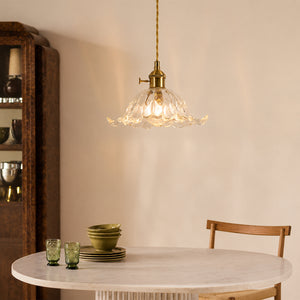
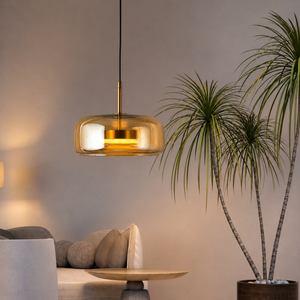
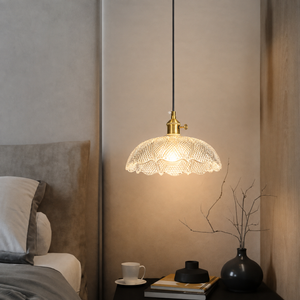
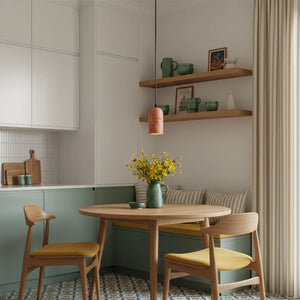
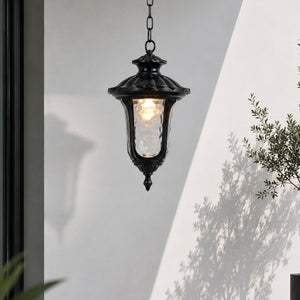
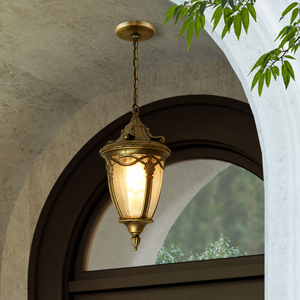
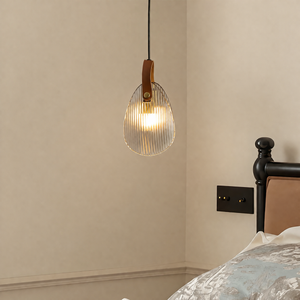
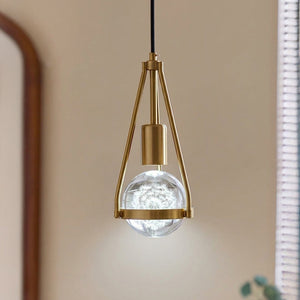
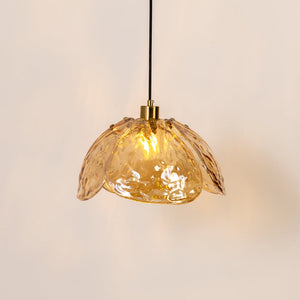
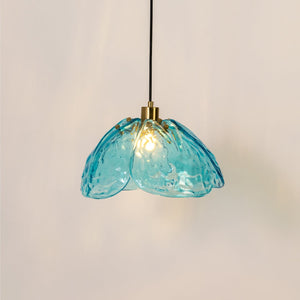
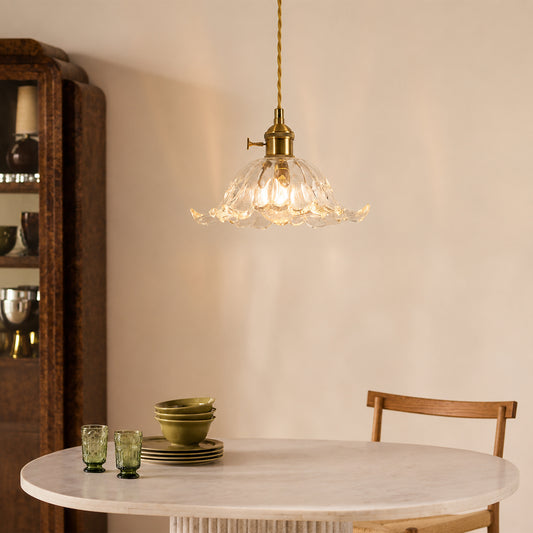
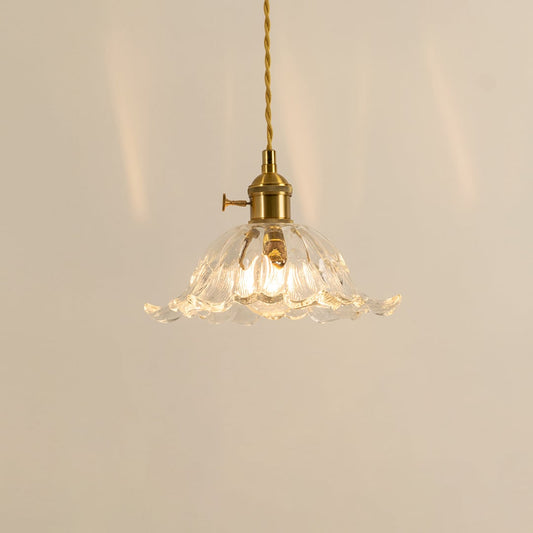
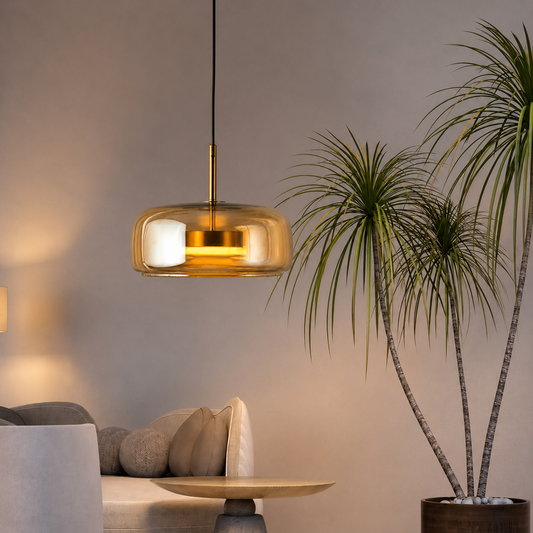
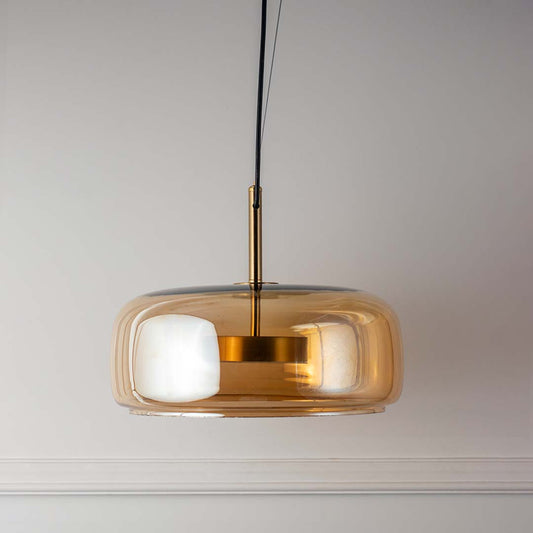
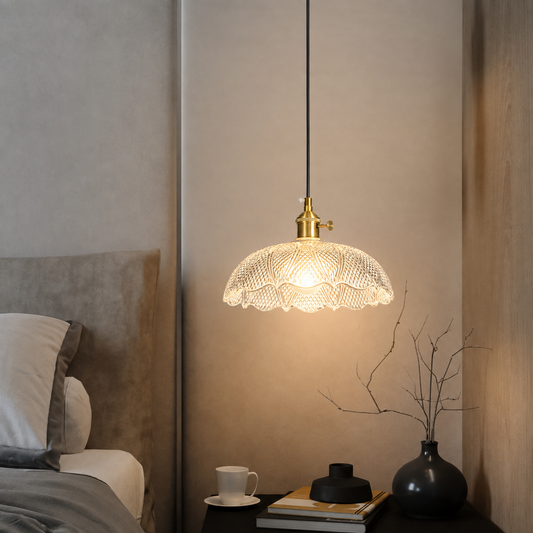
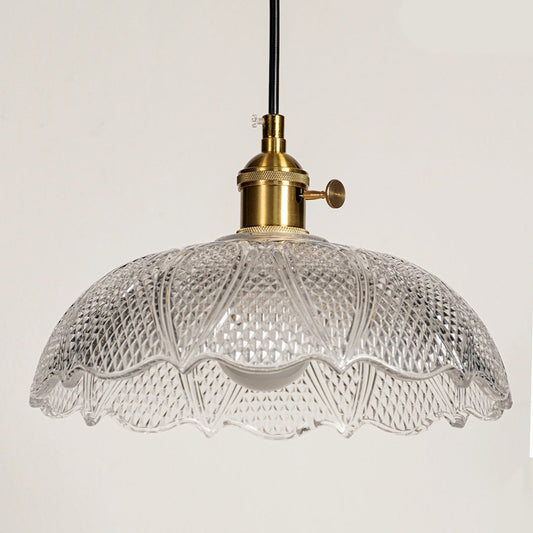
Pendant lights are single fixtures suspended by a cord, chain, or rod, and are among the most versatile overhead lighting options available. A single pendant works well over a small table or reading nook, while a row of matching pendants can define a kitchen island or breakfast bar. Because they come in such a wide range of sizes and styles, our pendant lights collection includes options suited to both compact spaces and larger open-plan rooms.
Chandeliers
Chandeliers are typically larger, multi-light fixtures designed to be a room's centrepiece. They range from ornate, candle-style traditional designs to sleek, minimalist frames, and work particularly well in dining rooms, foyers, and living rooms with higher ceilings. Our chandeliers collection spans a range of finishes and silhouettes to suit both classic and contemporary interiors.
Semi-Flush and Flush Mount Ceiling Lights
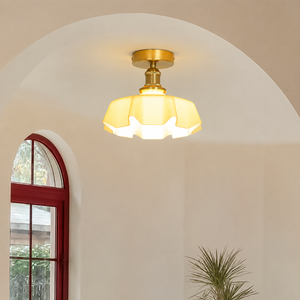
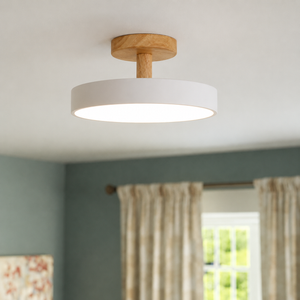
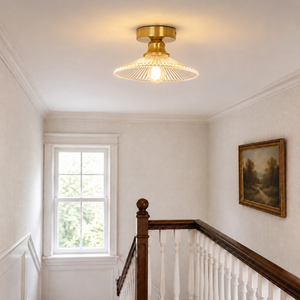
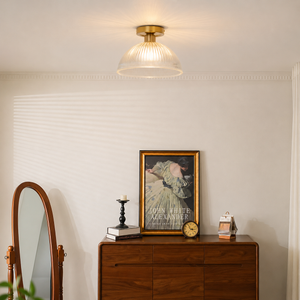
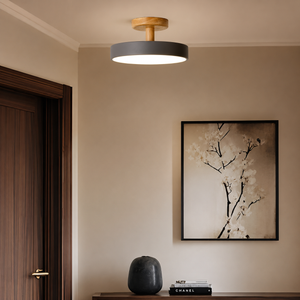
For rooms with lower ceilings, or spaces like hallways and bathrooms where a hanging fixture isn't practical, semi-flush and flush mount fixtures sit close to the ceiling while still providing strong, even illumination. Our broader ceiling lights collection includes these lower-profile options alongside other overhead styles, making it easy to find a fixture that fits tighter clearance requirements without sacrificing design.
Ceiling Light Fixture Types at a Glance
| Fixture Type | Best Ceiling Height | Best For |
|---|---|---|
| Pendant Light | Standard to high | Kitchen islands, dining tables, reading nooks |
| Chandelier | High to double-height | Dining rooms, foyers, living rooms |
| Semi-Flush / Flush Mount | Low to standard | Hallways, bathrooms, bedrooms, low-ceiling rooms |
How to Choose the Right Ceiling Fixture for Each Room
Dining Rooms
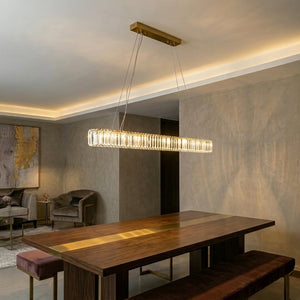
A chandelier or a cluster of pendants centred above the table is the classic choice for a dining room. For a rectangular table, a linear or elongated fixture creates better proportion than a single round one; for a round table, a symmetrical chandelier or single large pendant works well.
Kitchens
Pendant lights are the go-to fixture for kitchen islands and breakfast bars, usually hung in a row of two or three for even coverage. For general kitchen ambient lighting, flush or semi-flush mounts are often more practical than a hanging fixture, since they keep clearance open for movement.
Living Rooms
A living room can accommodate either a chandelier as a statement centrepiece or a simpler flush mount if the ceiling is lower or the room already has strong lighting from lamps and sconces.
Bedrooms
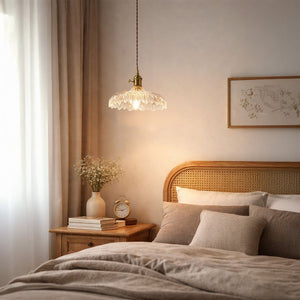
Semi-flush mounts or smaller chandeliers work well in bedrooms, especially when paired with dimmable, warm-toned bulbs for a relaxed atmosphere rather than harsh overhead brightness.
Hallways and Entryways
Flush or semi-flush fixtures suit narrow hallways where headroom is limited, while a foyer with a higher or double-height ceiling can support a more dramatic chandelier or pendant.
Measuring and Placement Basics
Before choosing a fixture, a few measurements make the decision much easier:
- Ceiling height: determines whether a hanging fixture will have enough clearance, and how long the drop or chain should be.
- Room or table width: a fixture's diameter should generally be proportionate to the table or room it sits above, neither disappearing nor overwhelming the space.
- Clearance for movement: in kitchens and hallways, make sure a hanging fixture doesn't sit at head height in a walkway.
- Existing electrical points: confirm the ceiling's wiring and mounting point can support the fixture's weight and design before purchasing.
As a general guideline, a dining fixture should hang roughly 75-90 cm above the tabletop, though this can vary depending on ceiling height and the specific fixture's proportions.
Choosing Bulbs and Finish for Ceiling Fixtures
Once you've settled on a fixture type, bulb choice and finish shape the final effect as much as the fixture itself.
Warm white bulbs (around 2700K-3000K) create a cosy, inviting glow well suited to dining rooms, living rooms, and bedrooms. Cooler white light works better in kitchens or task-oriented spaces where clarity matters more than ambience. Always check a fixture's bulb base and wattage requirements before purchasing bulbs separately, since not all fixtures include them.
Finish is largely a matter of matching the room's existing metals and tones - black and matte finishes tend to suit modern and industrial interiors, while brass and gold finishes read as warmer and more traditional.
Installation and Maintenance
Larger or heavier fixtures, especially chandeliers and multi-light pendants, should generally be installed by a qualified electrician, particularly if new wiring or ceiling reinforcement is required.
For ongoing care, turn off the power and let the fixture cool before cleaning, then dust gently with a soft, dry cloth. Avoid harsh chemicals on finished metal or glass components.
Ceiling Light Fixtures Glossary
- Flush Mount: A ceiling fixture installed directly against the ceiling surface with no visible gap, suited to low-ceiling rooms.
- Semi-Flush Mount: A fixture that sits close to the ceiling with a small visible drop, offering a lower profile than a pendant while still adding some dimension.
- Drop/Chain Length: The distance a pendant or chandelier hangs below the ceiling, often adjustable to suit different ceiling heights.
- Colour Temperature: A measure, in Kelvin, of how warm or cool a bulb's light appears - lower numbers read warmer, higher numbers read cooler.
Frequently Asked Questions About Ceiling Light Fixtures
1. What's the difference between a flush mount and a semi-flush mount?
A flush mount sits directly against the ceiling with no gap, while a semi-flush mount hangs slightly below the ceiling on a short stem, adding a bit more visual dimension.
2. Can I use a chandelier in a room with a standard ceiling height?
Yes, as long as there's enough clearance for the fixture and anyone standing beneath it - smaller or more compact chandelier designs are generally better suited to standard ceiling heights than large, multi-tiered ones.
3. How many pendant lights do I need over a kitchen island?
This depends on the island's length, but two or three evenly spaced pendants is a common approach for a standard-sized island.
4. Can a pendant light be used instead of a chandelier in a dining room?
Yes, a single large statement pendant or a cluster of smaller pendants can serve the same visual and functional role as a chandelier, particularly in more contemporary or minimalist dining spaces.
5. Do all ceiling fixtures need professional installation?
Simpler, lightweight flush mounts can sometimes be installed without an electrician, but heavier fixtures, new wiring, or ceiling modifications should be handled by a qualified professional.
6. What ceiling height is needed for a chandelier?
There's no single fixed minimum, but chandeliers generally need enough height to hang without obstructing movement below - larger or multi-tiered designs typically need higher or double-height ceilings.
7. How do I choose between warm and cool light for a ceiling fixture?
Warm light suits relaxed, social spaces like dining and living rooms, while cooler light works better in task-focused areas like kitchens where visual clarity matters more.
8. How do I clean a ceiling light fixture safely?
Turn off the power and let the fixture cool, then dust it gently with a soft, dry cloth, avoiding harsh chemicals or abrasive materials that could damage the finish.
9. What size pendant or chandelier fits a small dining table?
As a general guideline, the fixture's diameter should be noticeably narrower than the table's width so it doesn't visually overwhelm the surface beneath it.
10. Can I mix fixture types, like a chandelier in one room and flush mounts in another, throughout the same home?
Yes, mixing fixture types room to room is common and practical, as long as finishes or design details are loosely coordinated so the home still feels connected.
Shop Overhead & Ceiling Lights for Every Room
From a statement chandelier above the dining table to a low-profile flush mount in a hallway, the right overhead light does more than illuminate a room - it helps define how that space feels and functions. Explore pendant lights, chandeliers, and semi-flush and flush mounts, and choose fixtures that match your ceiling height, room proportions, and personal style.
With the right combination of fixture type, size, and bulb choice, your ceiling lighting can become one of the most memorable details in your home rather than an afterthought.