

































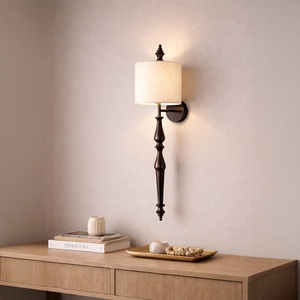
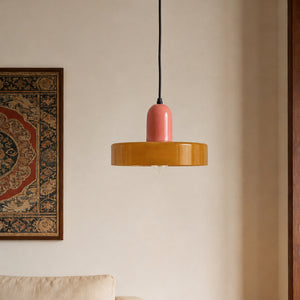
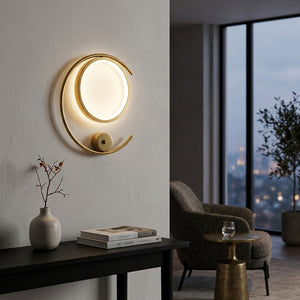
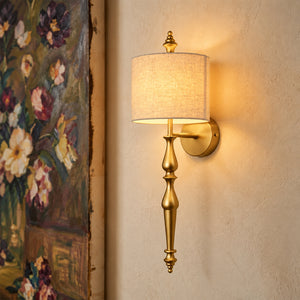





































-
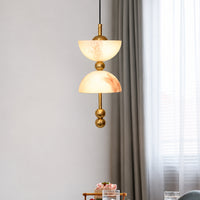
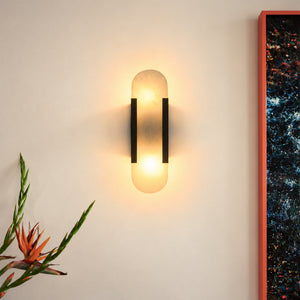
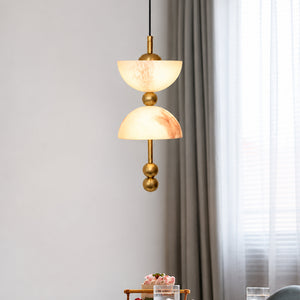
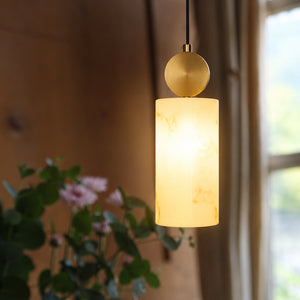
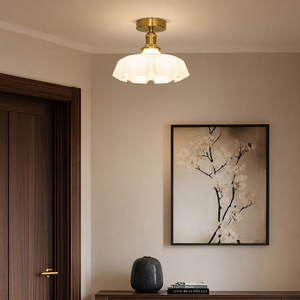
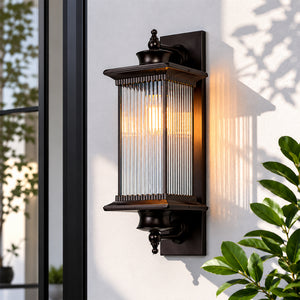
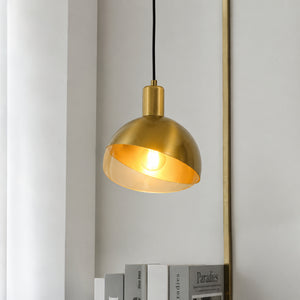
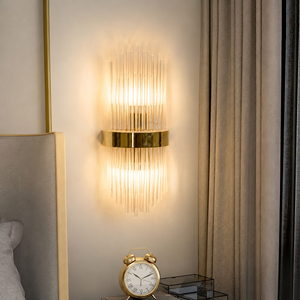
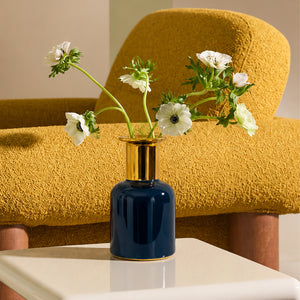
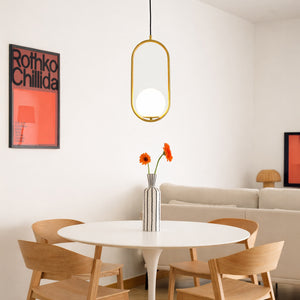
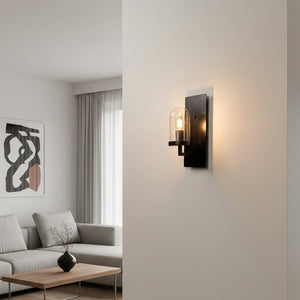
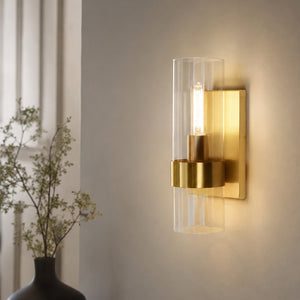
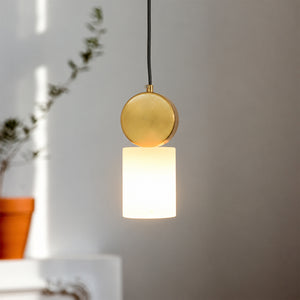
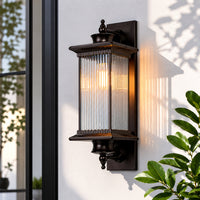
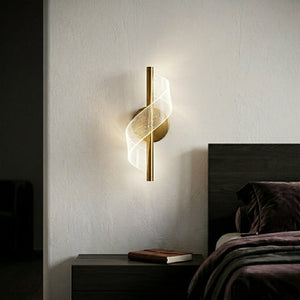
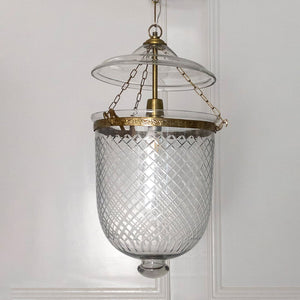
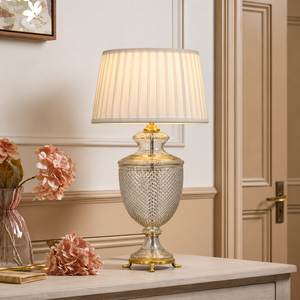
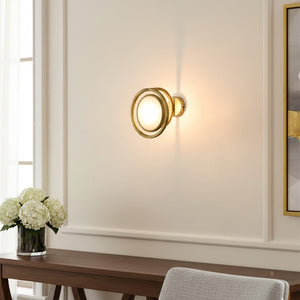
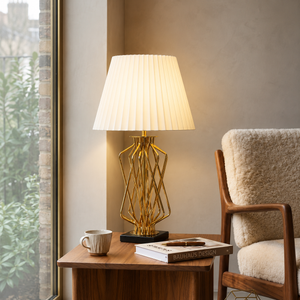
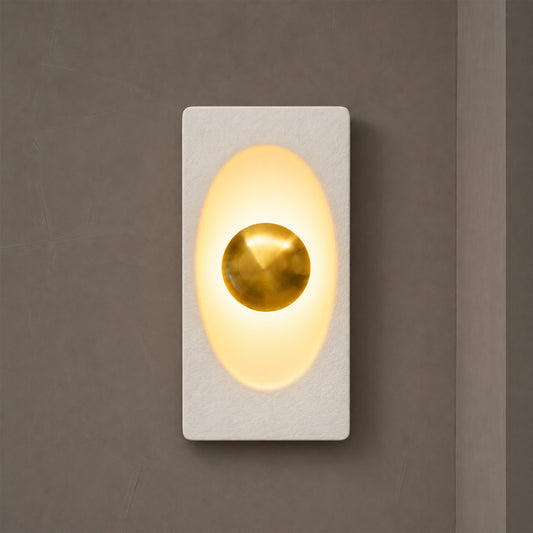
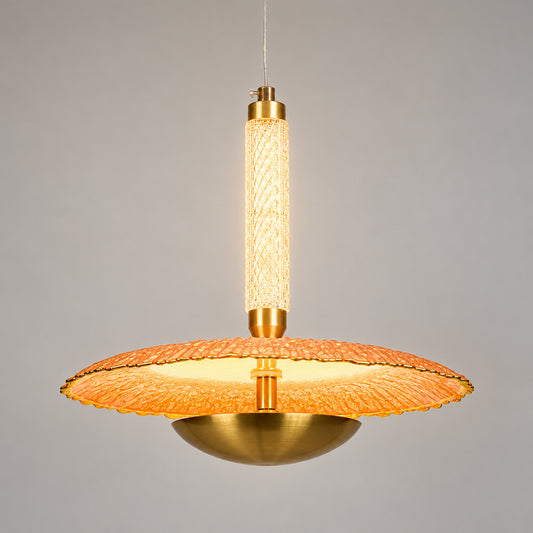
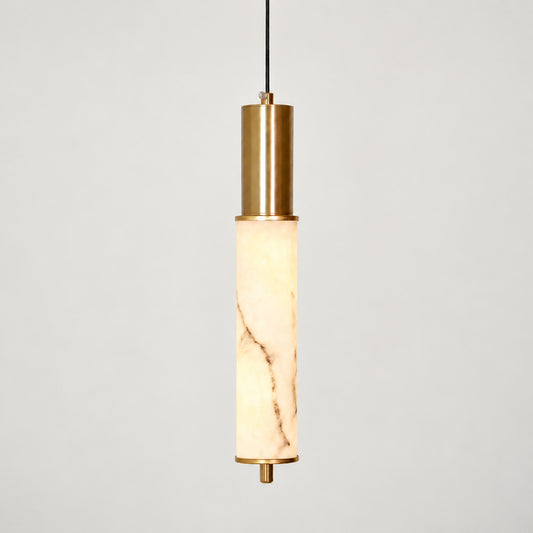
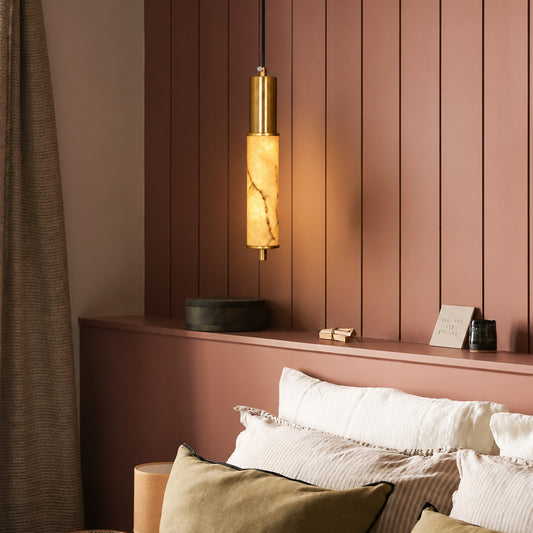
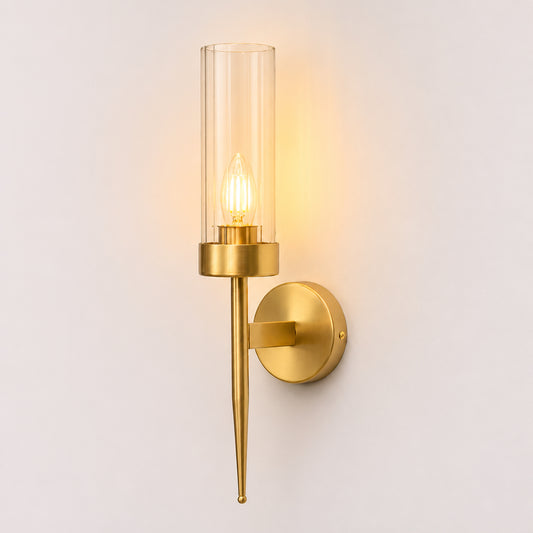
Modern Cylindrical Glass Golden Lighting Fixture
Regular price ₹ 4,299Regular price -
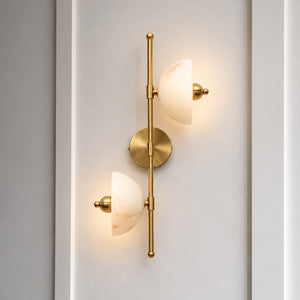
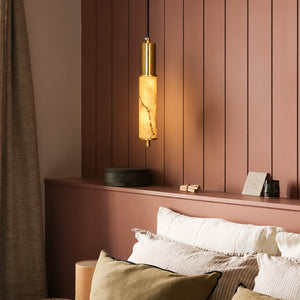
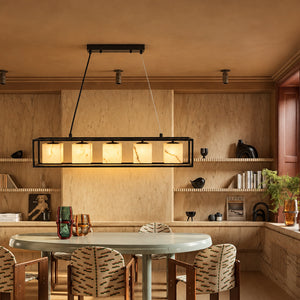
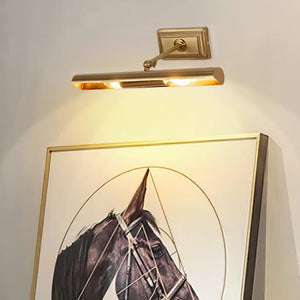
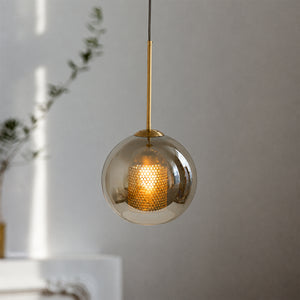
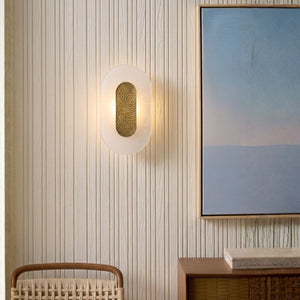
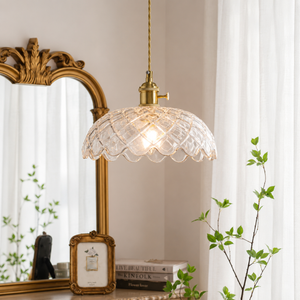
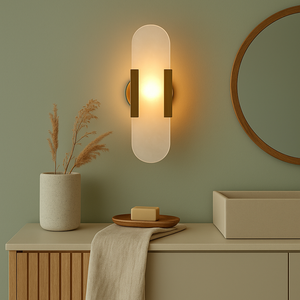
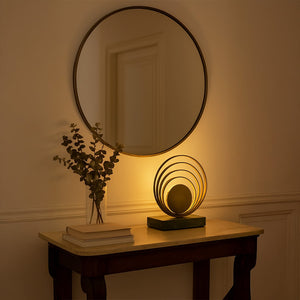
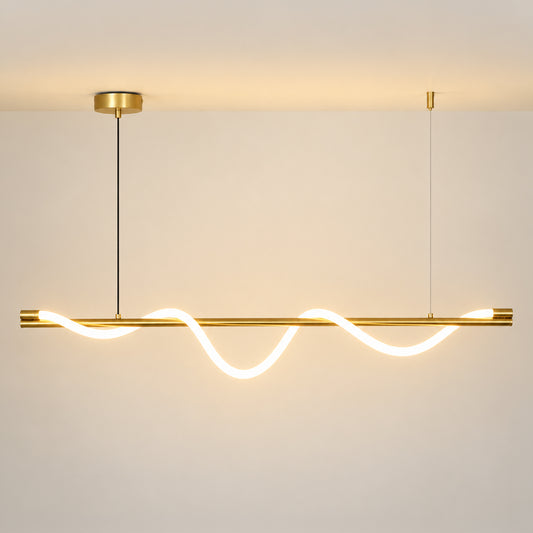
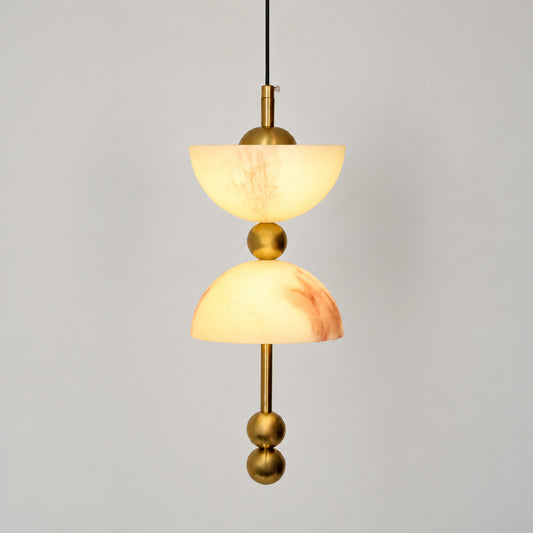
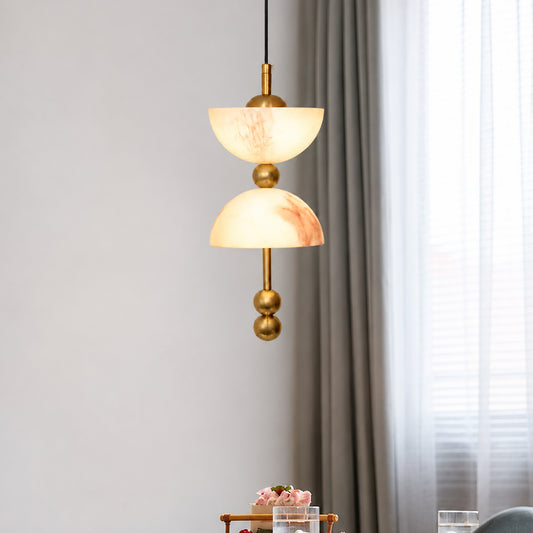
Double Valmont Vanity Light - Gold
Regular price ₹ 8,599Regular price -
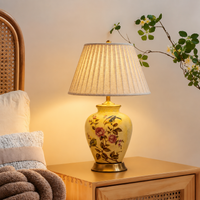
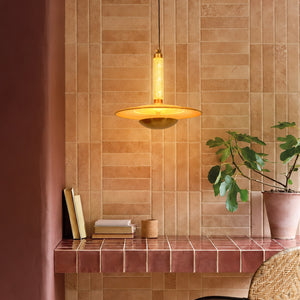
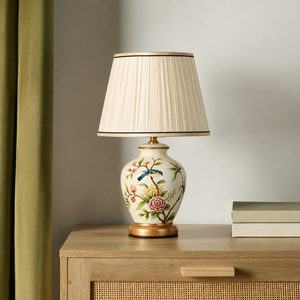
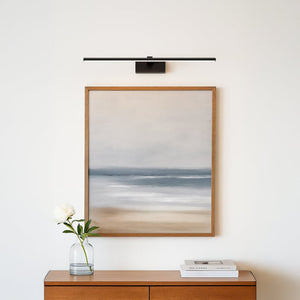
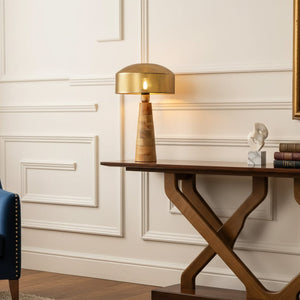
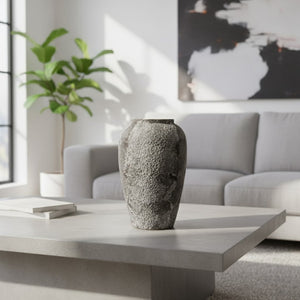
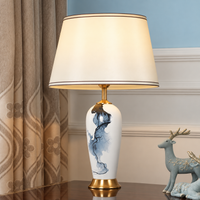
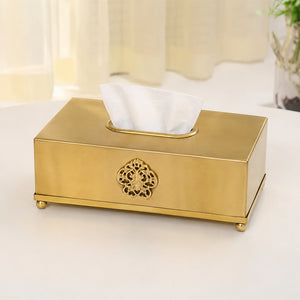
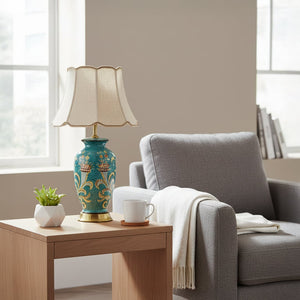
Tranquil Aura Ceramic Table Lamp
Regular price ₹ 12,099Regular price -
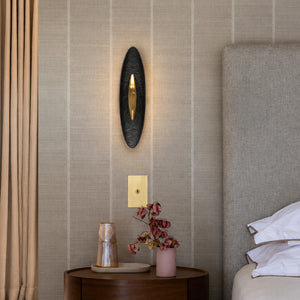
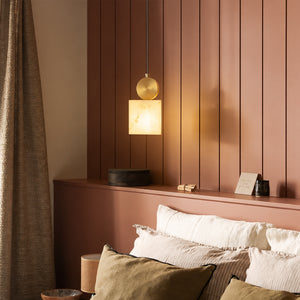
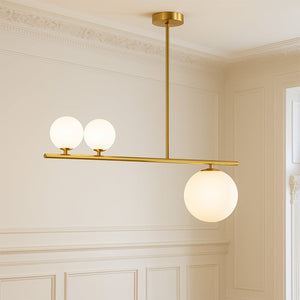
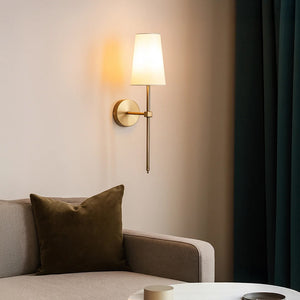
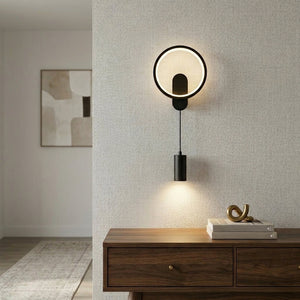
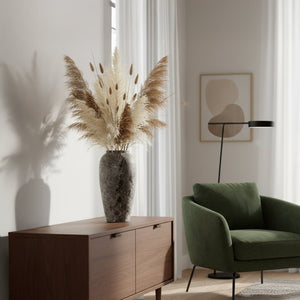
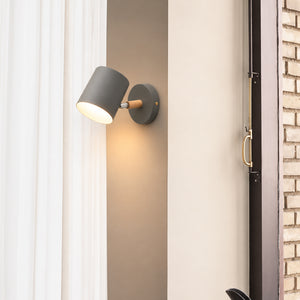
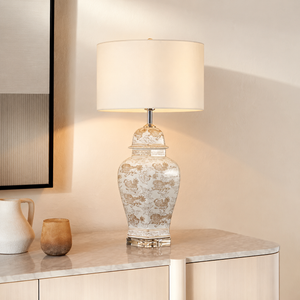
Float Suspension Wall Sconce - Chrome
Regular price ₹ 11,299Regular price -
-
-
-
-
-
-
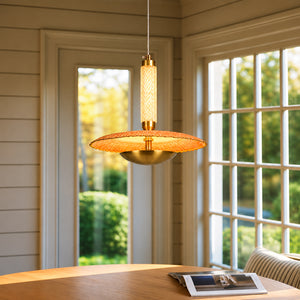
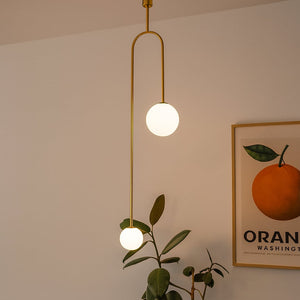
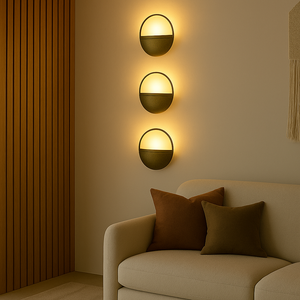
Double Suspension Aball Wall Light
Regular price ₹ 8,199Regular price -
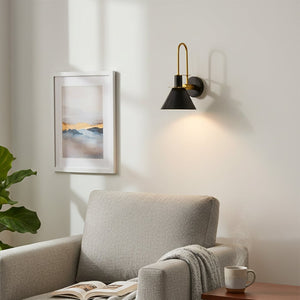
Valentina Retro Style Metal Wall Lamp - Brown
Regular price ₹ 9,999Regular price -
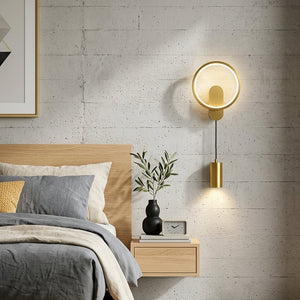
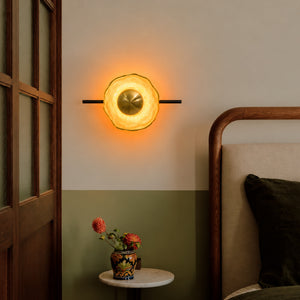
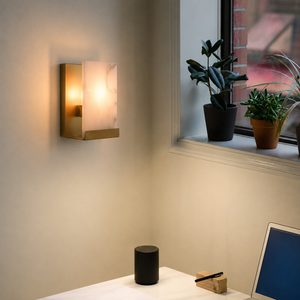
Square Frame Cracked Glass Wall Light - Gold
Regular price ₹ 8,599Regular price -
Iraida Ribbed Glass Wall Lamp
Regular price ₹ 8,399Regular price -
-
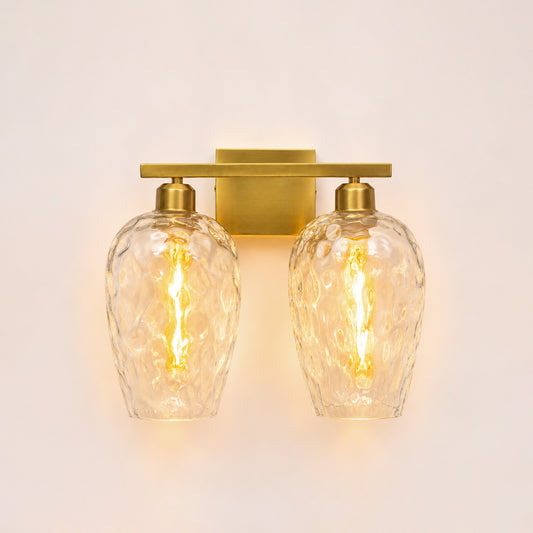
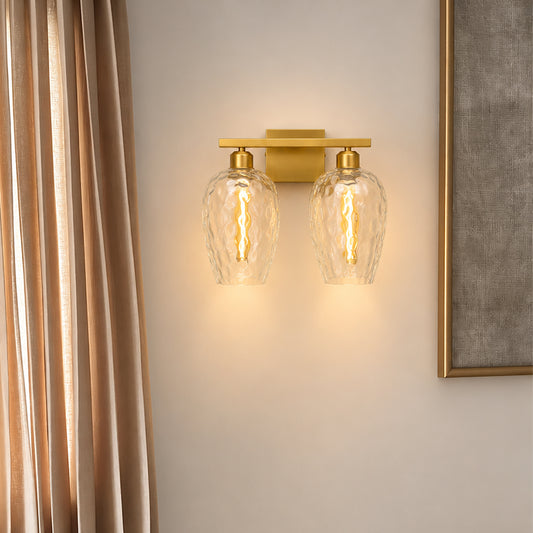


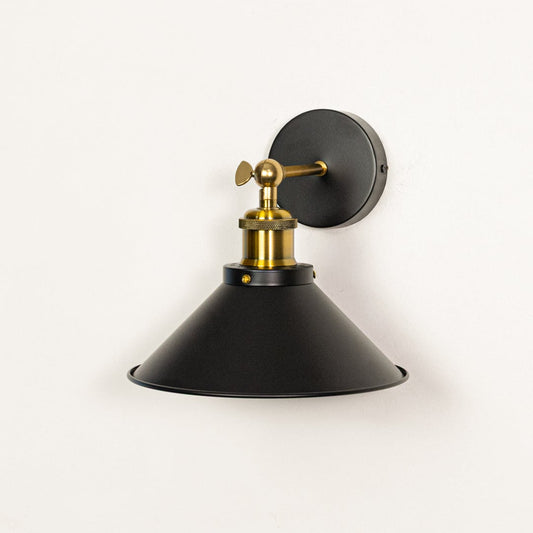

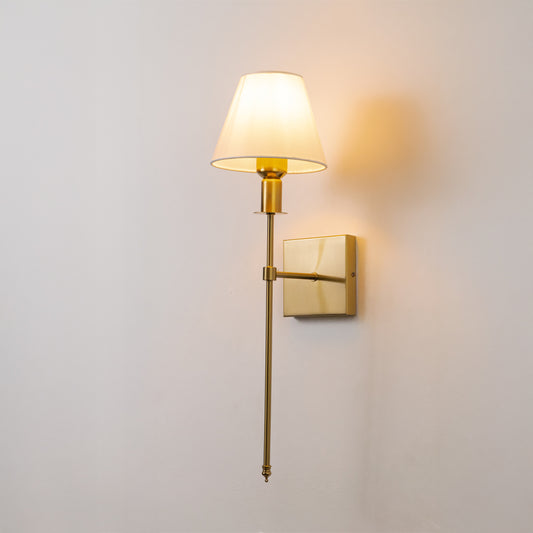
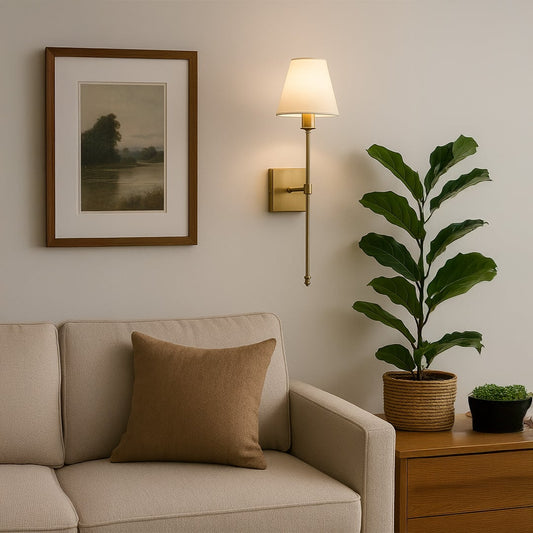


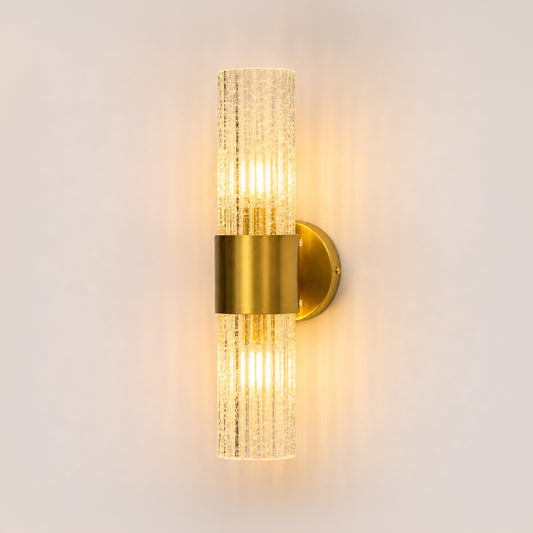
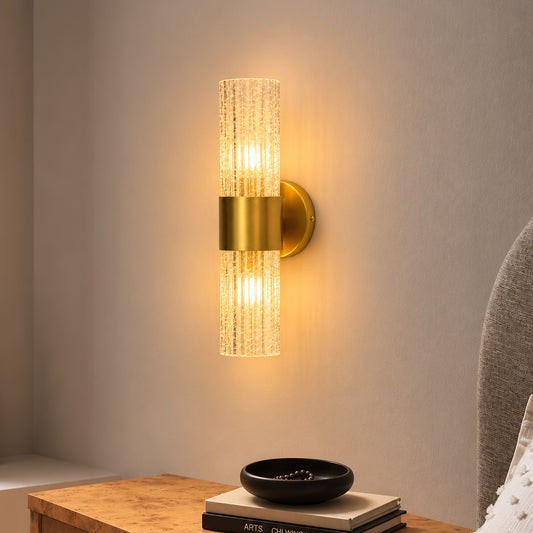

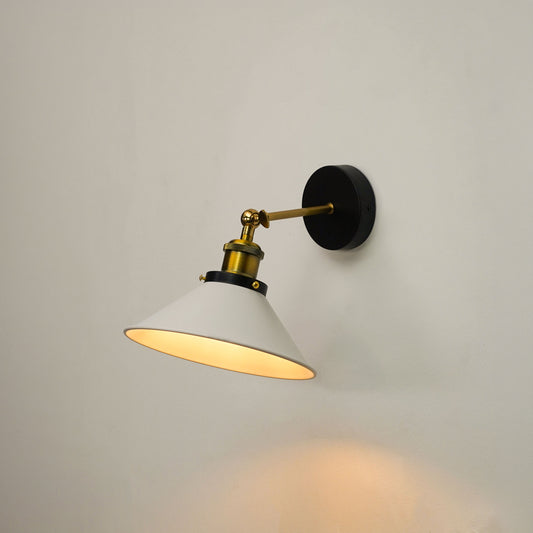
Quick answer: The best bedside lamp stands about 50–70 cm tall on a nightstand that sits roughly level with the top of your mattress, so the bottom of the shade lands near chin height when you sit up in bed. Pair it with a warm 2700K–3000K bulb of around 400–800 lumens, a shade that hides the bulb, and a base — brass, ceramic, rattan or marble — that suits your bedroom's style.
A bedside lamp is the light you use most at the two most personal points of the day: the last half hour before sleep and the first few minutes after waking. It has to be soft enough not to jolt you awake, bright enough to read by, and close enough to switch off without getting out of bed. At Whispering Homes, our collection of bedside and nightstand lamps brings together handcrafted table lamps in brass, ceramic, rattan, glass and stone, chosen for how they look on a nightstand and how they light the space around a bed.
Unlike a ceiling light, which lights the whole room evenly, a bedside lamp creates a small pool of warm light exactly where you need it. That is why most interior designers treat the bedside lamp as the most important light in a bedroom after dark — it sets the mood of the room every single night.
What Is a Bedside Lamp, and Why Does Every Bedroom Need One?
A bedside lamp (also called a nightstand lamp) is a small table lamp placed on a bedside table to provide local task and ambient light beside the bed. Its job is to let you read, find things and move around the room at night without switching on the main overhead light.
Every bedroom benefits from one for three practical reasons. First, it gives you reading light at the right angle, falling onto the page rather than into your eyes. Second, it lets one person read while a partner sleeps, because the light stays contained on one side of the bed. Third, warm, low-level light in the evening is far gentler on the eyes than a bright ceiling fixture, which makes the bedroom feel calmer as you wind down.
What Types of Bedside and Nightstand Lamps Are There?
Bedside lamps are usually grouped by base material and by how they are switched or controlled. These are the main types you'll find in our collection and how each one works in a bedroom.
1. Brass and Metal Bedside Lamps
Brass and metal lamps have slim bases and polished, antique or matte finishes that suit both classic and modern bedrooms. Brass in particular warms up the light it sits beside and develops a gentle patina over time.
Best for: Classic, art deco, modern luxury and Indian heritage interiors.
2. Ceramic Bedside Lamps
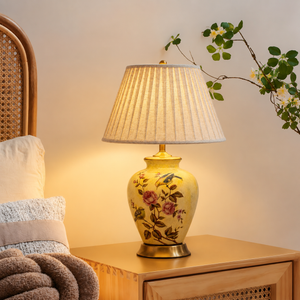
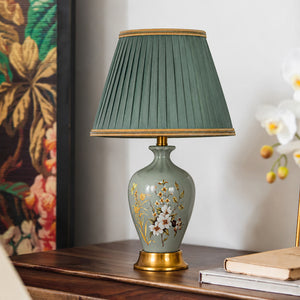
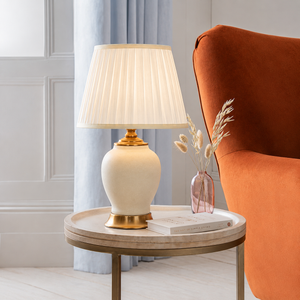
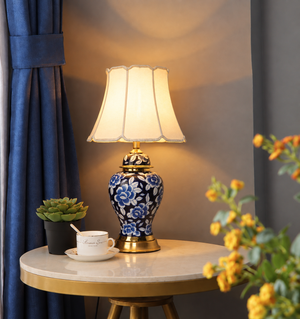
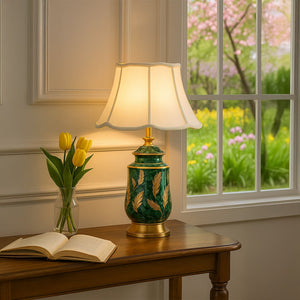
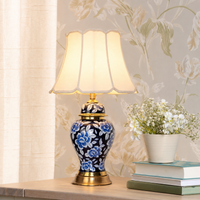
Ceramic lamps offer the widest range of colours, glazes and sculpted shapes. A rounded ceramic base with a fabric shade is one of the most versatile bedside combinations because it softens a room without dominating the nightstand.
Best for: Contemporary, Scandinavian, coastal and eclectic bedrooms.
3. Rattan, Cane and Bamboo Lamps
Woven natural-fibre lamps scatter light through their weave, casting patterned shadows across the wall. They give a relaxed, textured look and pair well with linen bedding and wooden furniture.
Best for: Boho, tropical, Japandi and earthy minimalist bedrooms.
4. Marble, Alabaster and Stone Lamps
Stone bases add weight and stability, which helps on a busy nightstand. Alabaster glows from within when lit, producing an especially soft, diffused light that works well as a mood lamp.
Best for: Luxury, minimalist and modern classic bedrooms.
5. Glass Bedside Lamps
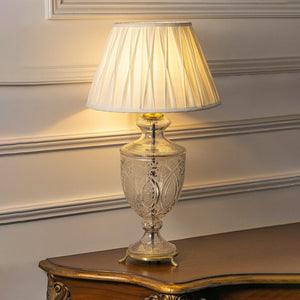
Glass lamps — clear, frosted, fluted or coloured — feel light and airy on a nightstand. Frosted and opal glass shades diffuse the bulb evenly, while clear glass bases suit lamps with an opaque fabric shade.
Best for: Small bedrooms, modern apartments and vintage-inspired interiors.
6. Mini and Compact Bedside Lamps
Mini lamps, typically under 40 cm tall, fit narrow nightstands, floating shelves and children's rooms. They provide gentle ambient light rather than strong reading light.
Best for: Narrow bedside tables, guest rooms and as a soft night light.
7. Dimmable and Touch Bedside Lamps
Dimmable lamps let you move from reading brightness to a low glow before sleep. Touch-control lamps switch on or step through brightness levels when you tap the base, which is easy to do in the dark.
Best for: Anyone who reads in bed, shared bedrooms and nurseries.
Which Bedside Lamp Suits Your Bedroom Style?
Matching the lamp base and shade to the bedroom's overall style keeps the nightstand looking intentional rather than cluttered:
| Bedroom Style | Recommended Lamp Base | Recommended Shade |
|---|---|---|
| Modern / Contemporary | Ceramic, matte metal, glass | Drum or cylinder fabric shade |
| Classic / Traditional | Brass, turned wood, glazed ceramic | Pleated or empire shade |
| Boho / Tropical | Rattan, cane, bamboo | Woven or natural linen shade |
| Luxury | Marble, alabaster, polished brass | Silk or opal glass shade |
| Minimalist / Japandi | Stone, light wood, matte ceramic | Paper, linen or frosted glass |
| Vintage / Art Deco | Fluted glass, antique brass | Mushroom or fluted glass shade |
How Tall Should a Bedside Lamp Be?
A bedside lamp should be tall enough that the bottom of its shade sits at roughly chin height when you are sitting up against the headboard. At that height the bulb is hidden from your eyes, while light falls downward onto a book or across the bed. If the shade is too high, you see the bare bulb; if it's too low, the light pools on the nightstand instead of reaching you.
Start with the nightstand itself, which should ideally sit within about 5 cm of the top of your mattress. Then use this rough guide for lamp height:
| Nightstand Height | Suggested Lamp Height |
|---|---|
| Low (under 55 cm) | 60–70 cm |
| Standard (55–65 cm) | 50–65 cm |
| Tall (over 65 cm) | 40–55 cm |
For width, choose a shade that is narrower than the top of your nightstand, leaving enough clear surface for a phone, a book and a glass of water. On a small nightstand, a lamp with a slim base and a tapered shade saves space without looking undersized.
What Bulb and Colour Temperature Is Best for a Bedside Lamp?
Warm white light between 2700K and 3000K is the best colour temperature for a bedside lamp. Warm light feels relaxing in the evening, while cooler daylight bulbs (4000K and above) can make a bedroom feel clinical and are better suited to study desks or kitchens.
| How You Use the Lamp | Brightness | Colour Temperature |
|---|---|---|
| Reading in bed | 450–800 lumens | 3000K warm white |
| Relaxing and winding down | 250–450 lumens | 2200K–2700K extra warm |
| Soft night light | Under 150 lumens | 2200K or lower |
Before buying a bulb, check the lamp's holder type. In India, the two most common holders are B22 (bayonet push-and-twist) and E27 (screw-in), and they are not interchangeable without an adapter. An LED bulb in the right holder will run cooler than an old incandescent bulb, which matters when the lamp sits close to your pillow.
Should Bedside Lamps Match on Both Sides of the Bed?
A matching pair of bedside lamps creates symmetry and a calm, hotel-like look, which works especially well in classic and luxury bedrooms or when the bed is centred on a feature wall. Mismatched lamps feel more collected and personal; to make them look deliberate, keep one element in common — similar height, the same shade colour, or the same base material in two different shapes.
Bedside Lamp or Wall Sconce: Which Is Better?
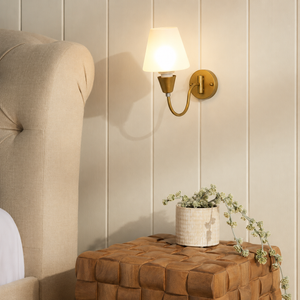
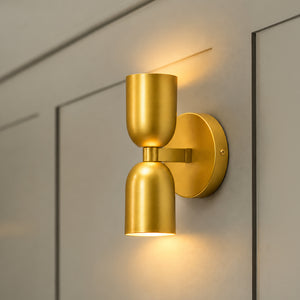
A bedside lamp is the better choice if you want flexibility, no electrical work and the option to move the light later. A wall light or swing-arm sconce is better when the nightstand is very small, when you want the whole surface clear, or when you need a reading light that can be angled. Many bedrooms use both: a wall sconce for focused reading and a small lamp on the nightstand for soft ambient light.
Bedside Lamp Glossary
- Shade: The cover around the bulb that softens glare and directs light up and down.
- Harp: The metal frame on some lamps that holds the shade above the bulb.
- Finial: The small decorative cap that secures the shade to the harp.
- Lumens (lm): A measure of how much light a bulb produces; higher lumens means a brighter lamp.
- Kelvin (K): A measure of colour temperature; lower numbers give warmer, more golden light.
- B22 / E27: The two most common bulb holder types in India — bayonet and screw-in respectively.
- Inline switch: An on/off switch placed along the lamp's cable, easy to reach from bed.
- Touch dimmer: A control that adjusts brightness when you tap the lamp base.
How to Care for Your Bedside Lamp
Switch off and unplug the lamp before cleaning. Dust fabric shades with a soft brush or a lint roller, wipe ceramic and glass bases with a dry or lightly damp cloth, and buff brass with a soft dry cloth to maintain its finish. Keep rattan and cane lamps away from damp corners, and always use a bulb within the wattage rating marked on the lamp holder.
Why Choose Whispering Homes for Bedside Lamps?
- Curated Designs: Bedside lamps selected for both nightstand proportions and bedroom lighting, from compact mini lamps to statement brass and stone pieces.
- Natural, Lasting Materials: Brass, ceramic, rattan, glass, marble and alabaster bases made to be lived with every night.
- Mix-and-Match Shades: Refresh a lamp you love with a new shade from our lamp shades collection.
- Easy Online Shopping: Browse, compare and buy bedside lamps online with secure payment and delivery to your doorstep across India.
- Customer Support: Our team can help you choose the right lamp size, bulb or style for your bedroom.
FAQs About Bedside and Nightstand Lamps
What is the best type of lamp for a bedside table?
A table lamp with a fabric or frosted shade and a warm 2700K–3000K bulb is best for a bedside table, because the shade hides the bulb and softens glare. Choose a dimmable or touch-control lamp if you read in bed.
How tall should a bedside lamp be?
Most bedside lamps work best at 50–70 cm tall. The goal is for the bottom of the shade to sit near chin height when you are sitting up in bed, so a lower nightstand needs a taller lamp and a taller nightstand needs a shorter one.
What colour light is best for a bedside lamp?
Warm white light between 2700K and 3000K is best for bedside lamps. It feels relaxing in the evening and is comfortable for reading, while cool white light above 4000K is better for workspaces.
How many lumens does a bedside reading lamp need?
A bedside lamp used for reading needs around 450–800 lumens. For ambient light while winding down, 250–450 lumens is usually enough.
Do bedside lamps need to match?
No. Matching lamps give a symmetrical, formal look, while mismatched lamps feel more personal. If you mix lamps, keep one shared element such as height, shade colour or base material.
What size bedside lamp suits a small nightstand?
On a small nightstand, choose a slim-based lamp or a mini lamp under 40 cm with a shade narrower than the tabletop, so there is still space for a phone, a book and a glass of water.
Is a bedside lamp or a wall light better for a bedroom?
A bedside lamp is more flexible and needs no wiring work, while a wall light frees up the nightstand and can be angled for reading. Many bedrooms combine both for layered lighting.
Which bulb holder do bedside lamps use in India?
Bedside lamps in India usually use either a B22 bayonet holder or an E27 screw-in holder. Check the holder on your lamp before buying a replacement bulb, as the two are not interchangeable.
Can I use an LED bulb in a bedside lamp?
Yes. LED bulbs use less energy, last longer and run cooler than incandescent bulbs, which makes them well suited to a lamp placed close to your bed. For dimmable lamps, choose a bulb labelled dimmable.
Light Your Bedroom Beautifully with Whispering Homes
The right bedside lamp makes your bedroom feel calm, warm and easy to live in, from the first page of a book to the moment you switch off for the night. Choose a lamp sized to your nightstand, fit it with a warm bulb, and pick a base that reflects your style. For more ways to layer light in your bedroom, explore our floor lamps and ceiling lights, or browse the full range of lighting at Whispering Homes.