













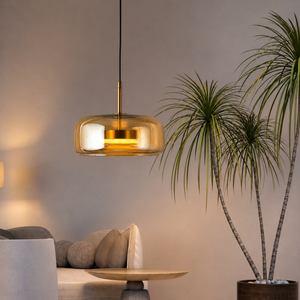
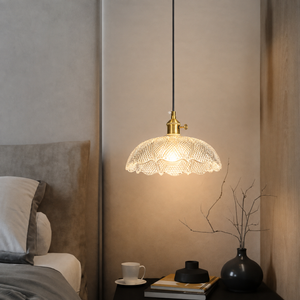
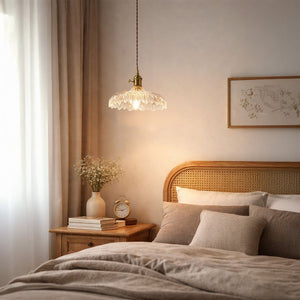
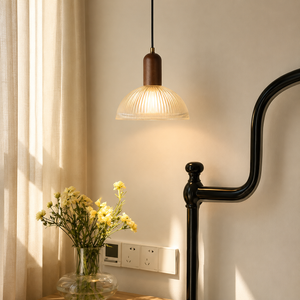































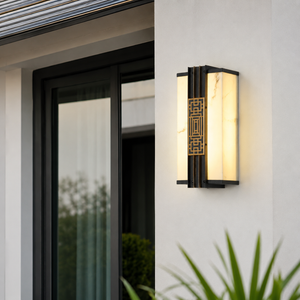
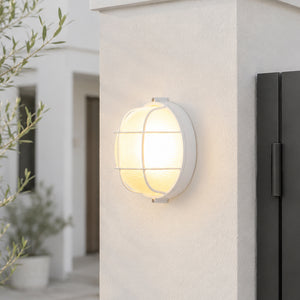
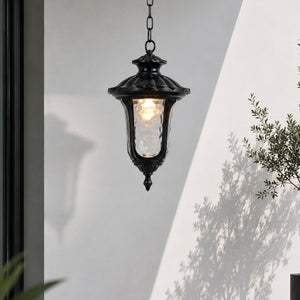
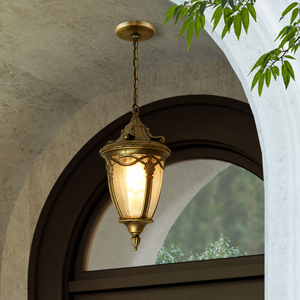


























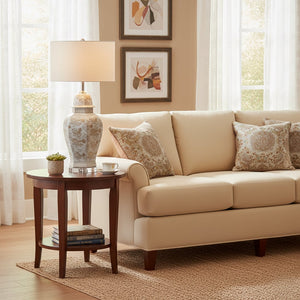
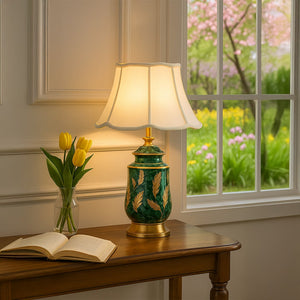
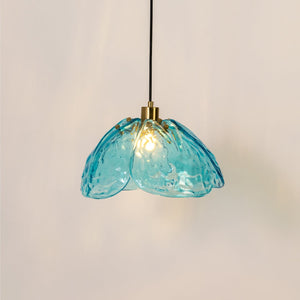






What Kind of Lighting is Best for an Office?

What Kind of Lighting Is Best for an Office?
How the right lighting transforms your workspace, boosts focus and creates an inspiring place to work
The best office lighting layers three types of light: ambient ceiling or linear lights for even overall brightness, task lighting such as desk lamps and pendants over work surfaces, and accent wall lights for warmth. Use flicker-free LED bulbs in neutral white (around 4000K), aim for 300–500 lux across the room, and position desks to the side of windows to cut screen glare.
"Lighting is to design what breathing is to life. It transforms a space and influences how we feel within it."
Whispering HomesWhen designing an office, lighting is one of the most important things to get right. It shapes the ambience, but it also affects comfort, focus and energy through the working day. The aim is to balance functional and beautiful lighting so the space supports concentration, collaboration and relaxation.
At Whispering Homes, we believe office lighting is about more than brightening a room. Whether you're setting up a home office or designing a corporate workspace, this guide covers the best light fixtures for offices, how bright your lighting should be, which colour temperature to choose, how to avoid screen glare, lighting for video calls, and the right bulbs for your workspace.
Why Is Lighting Important in an Office?
Supports Focus
Good lighting reduces eye strain and fatigue, making it easier to concentrate for longer periods.
Lifts Mood and Energy
Light influences our body clock, so bright daytime light and softer evening light help you feel alert and comfortable.
Enhances Aesthetics
Well-chosen fixtures complement your décor, highlight features and make the space inviting for colleagues and clients.
Which Types of Lighting Are Right for Your Office?
Office lighting isn't one-size-fits-all. These six fixture types work together to create the right atmosphere.

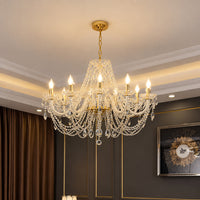
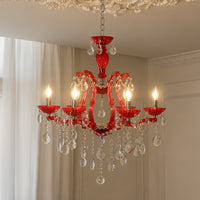
Ceiling Lights: Essential Overall Illumination
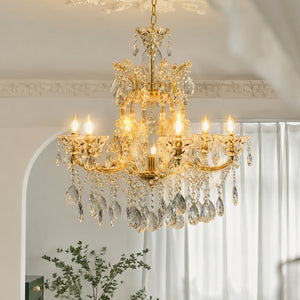
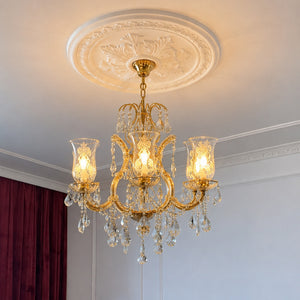
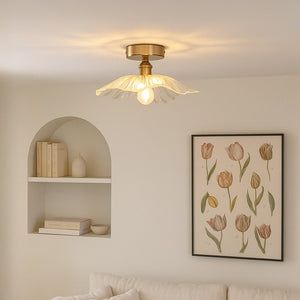
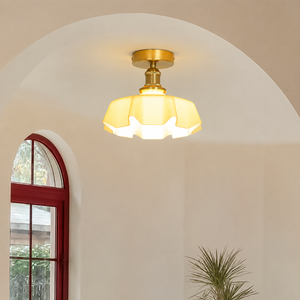
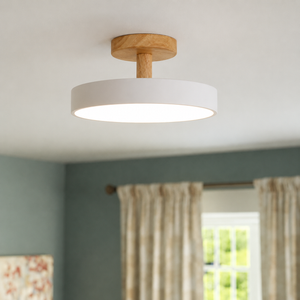
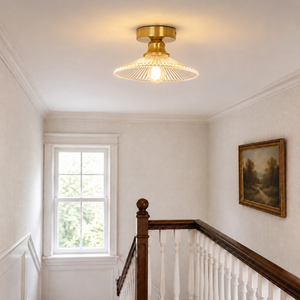
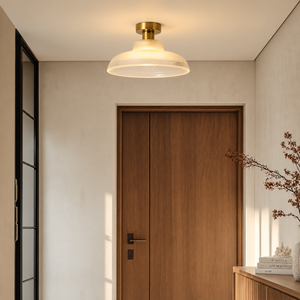
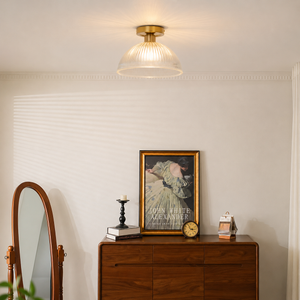
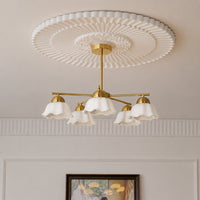
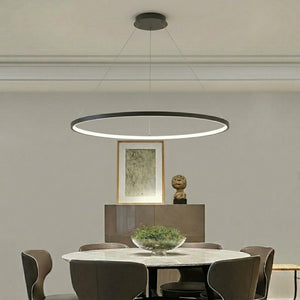
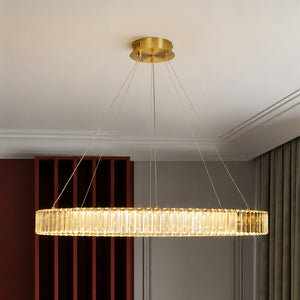
Ceiling lights are the backbone of any office lighting plan. They provide general illumination so the whole room is comfortable for typing, reading and meetings, and range from simple flush mounts to statement fixtures.
- Overall illumination: uniform light across the room
- Space-saving: no floor or desk space needed
- Design variety: minimal to statement pieces
Home offices, cabins and any room that needs a reliable base layer of light.
Choose diffused or frosted shades to cut glare on screens.
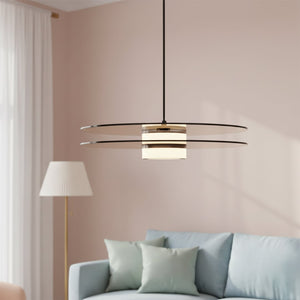
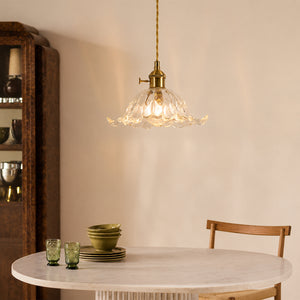
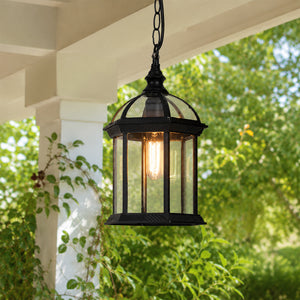
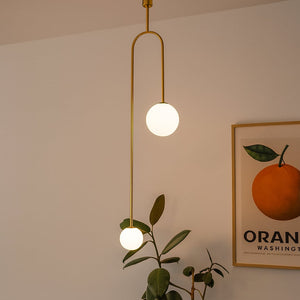
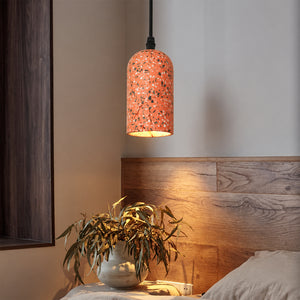
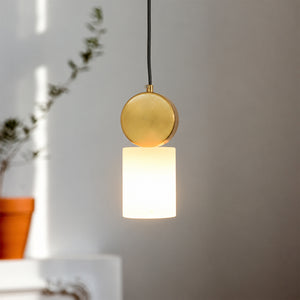
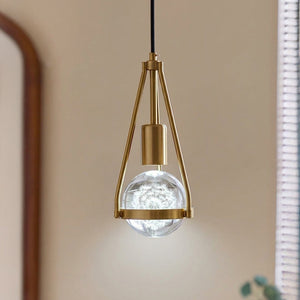
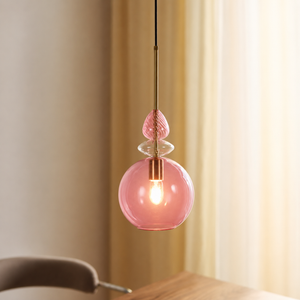
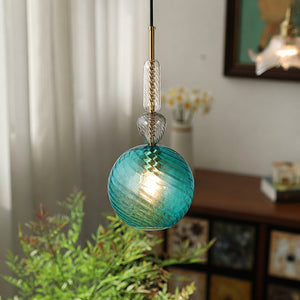
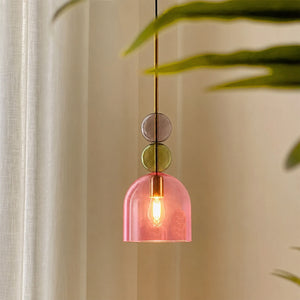
Pendant Lights: The Modern Touch
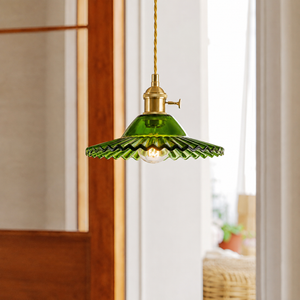
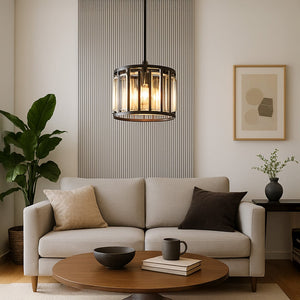
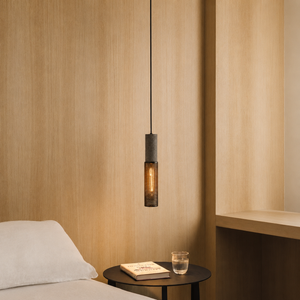
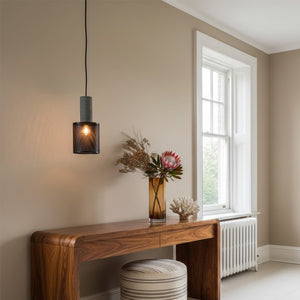
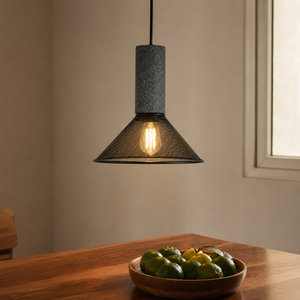
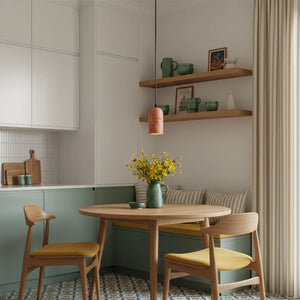
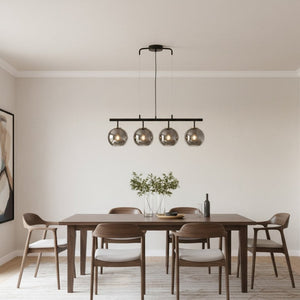
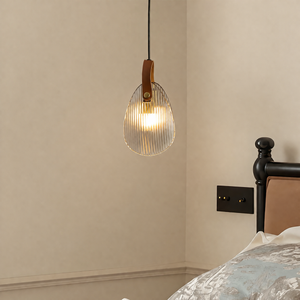
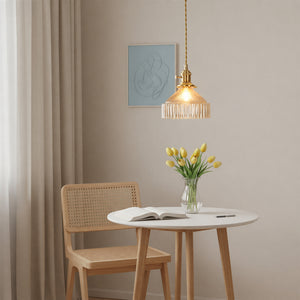
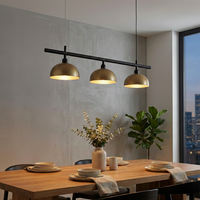
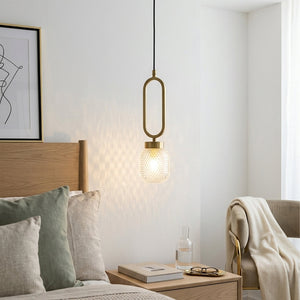
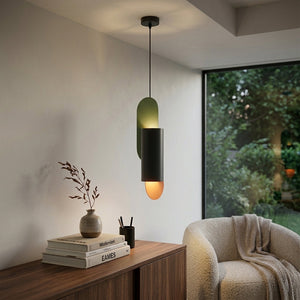
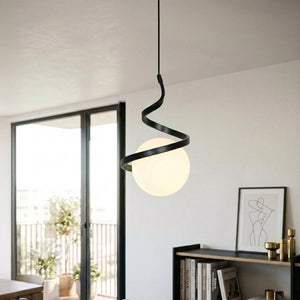
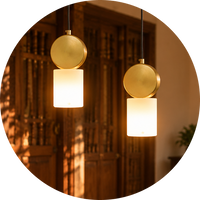
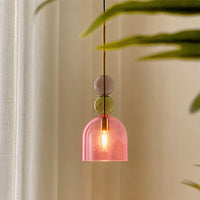
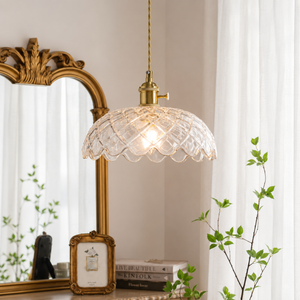
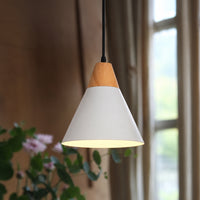
Pendant lights hang from the ceiling and give focused light to specific areas. A black cone pendant with a wood accent balances contemporary design with natural warmth — ideal above a desk, meeting table or reception counter.
- Task lighting: concentrated light for work areas
- Aesthetic appeal: minimalist to bold designs
- Space-saving: keeps desks and floors clear
Desks, meeting tables, reception counters and breakout areas.
Hang about 75–90 cm above a table so light falls on the surface, not in your eyes.


Linear Lights: Sleek and Efficient
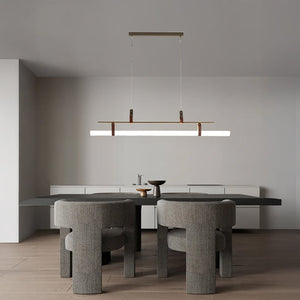
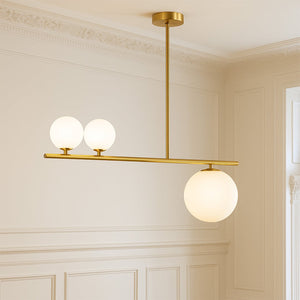
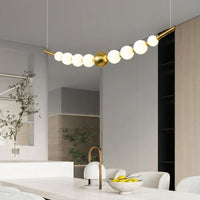
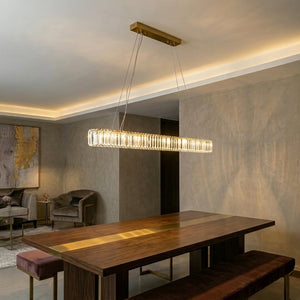
Linear lights give even, consistent light along their length, which makes them ideal for long desks, conference tables and open-plan offices. LED linear options use little energy and last a long time.
- Even illumination: fewer harsh shadows
- Energy efficient: long-life LED options
- Clean aesthetic: tidy, modern look
Conference rooms, long workbenches and open-plan offices.
Run the light parallel to the desk or table for even coverage.
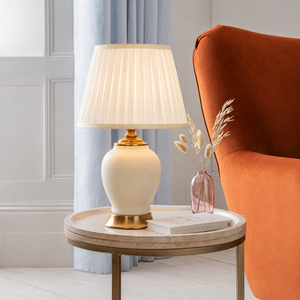
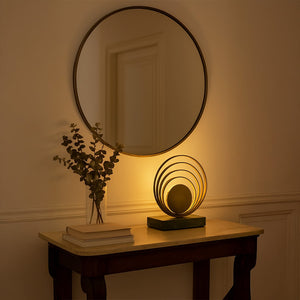
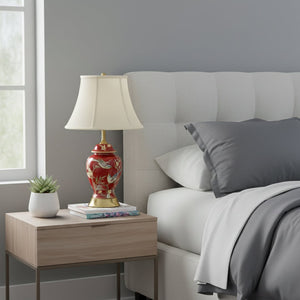
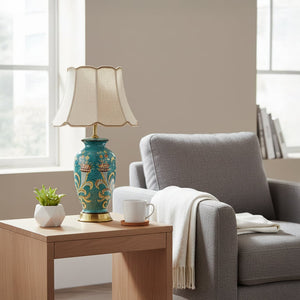
Table Lamps: Versatile and Personal
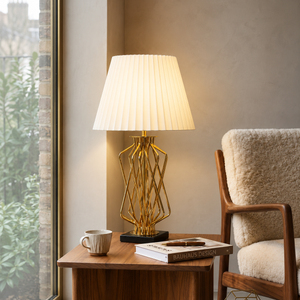
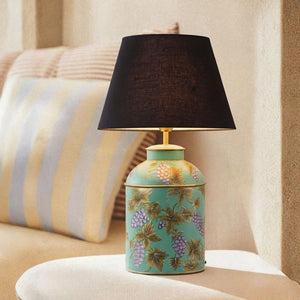
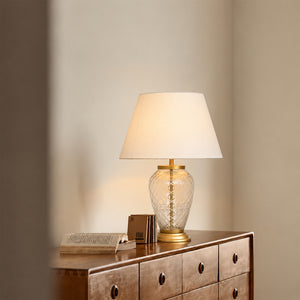
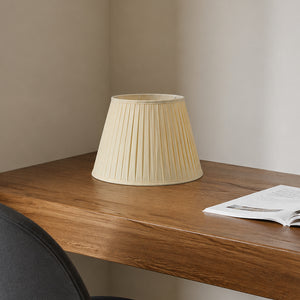
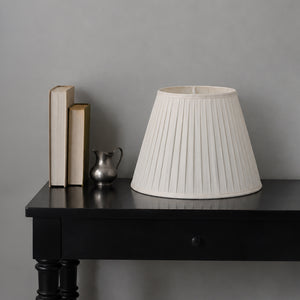
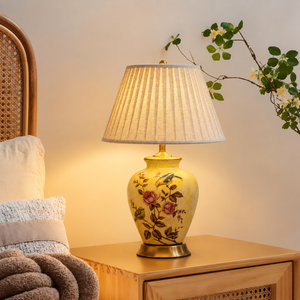
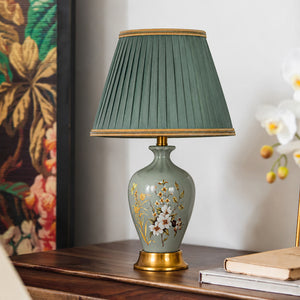
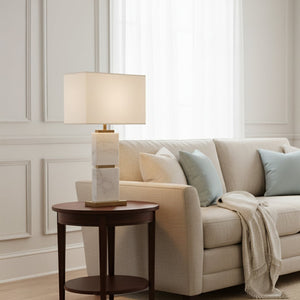
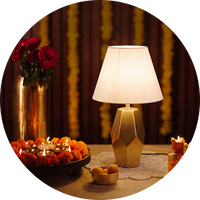
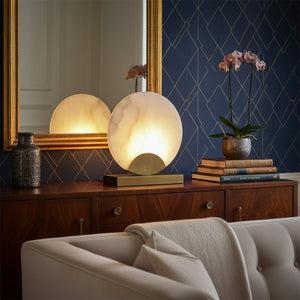
Table and study lamps are an office staple because they put adjustable light exactly where you need it — for late-night work, reading documents or detailed tasks.
- Adjustable light: control direction and brightness
- Personal touch: express your style
- Portable: easy to move as needed
Desks, study tables and home offices.
Place it on the side opposite your writing hand to avoid shadows on paper.


Floor Lamps: Flexibility and Style
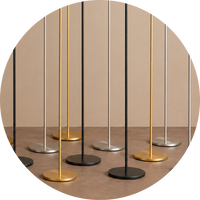
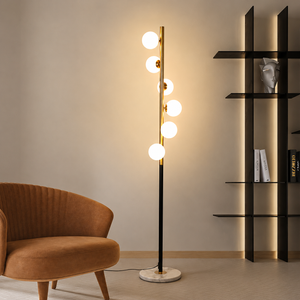
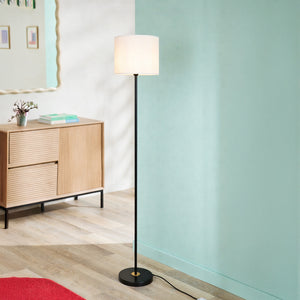
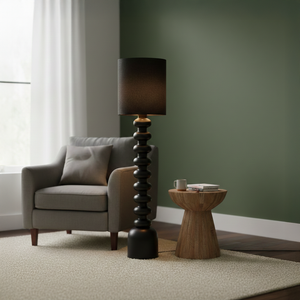
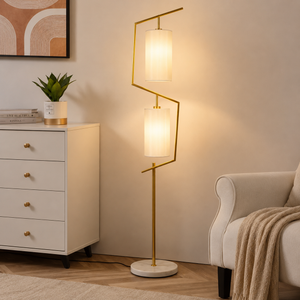
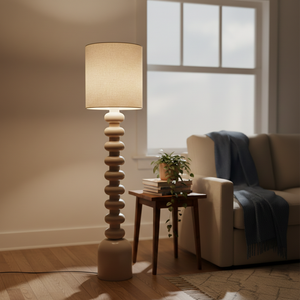
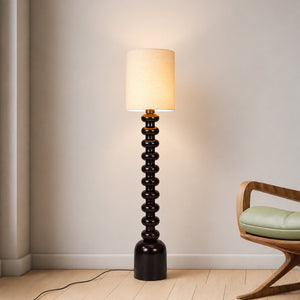
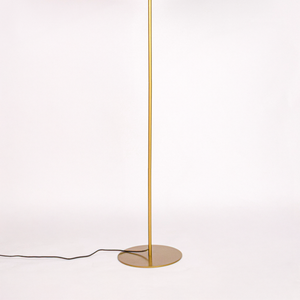
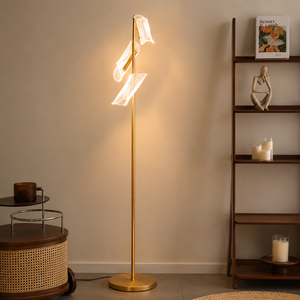
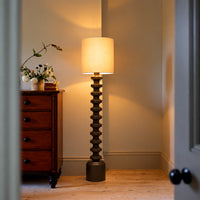
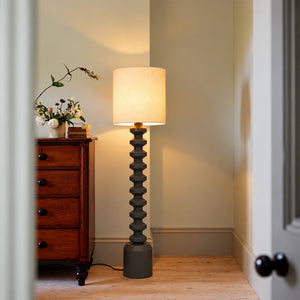
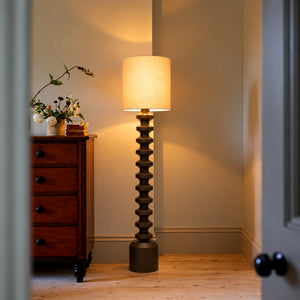
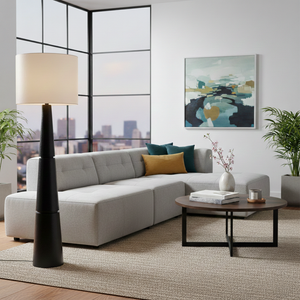
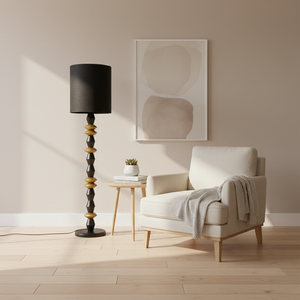
Floor lamps are tall, freestanding fixtures that add both general and task light. They're perfect for brightening a dark corner, a reading chair or a lounge area in a larger office.
- Adjustable lighting: direct light where it's needed
- Space-efficient: light large areas from a small footprint
- Style variety: designs for any décor
Reading corners, cabins, lounges and dark corners.
Use an arc or adjustable-head floor lamp beside a reading chair.
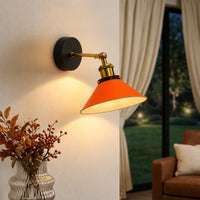
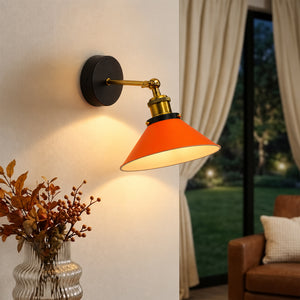
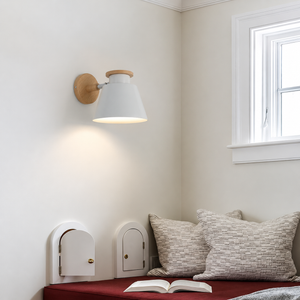
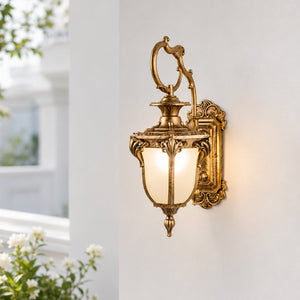
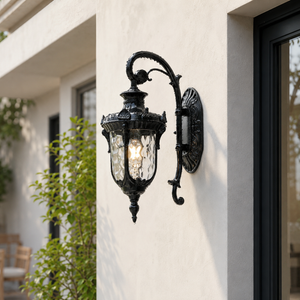
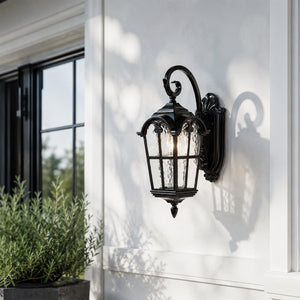
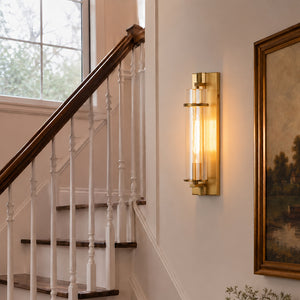
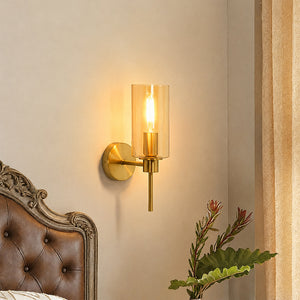
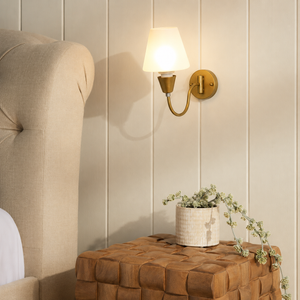
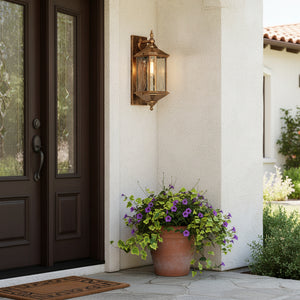
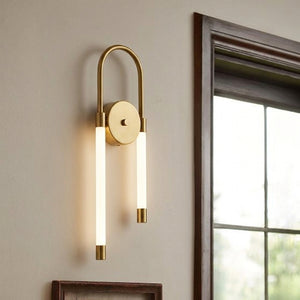
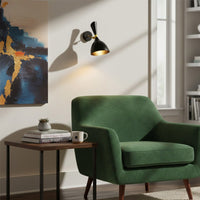
Wall Lights: Soft Accent Light
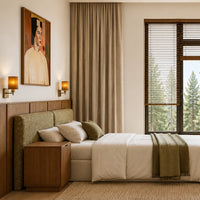
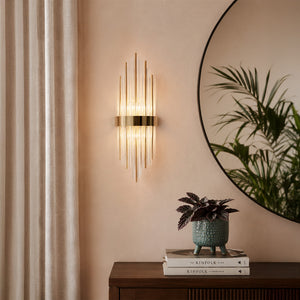
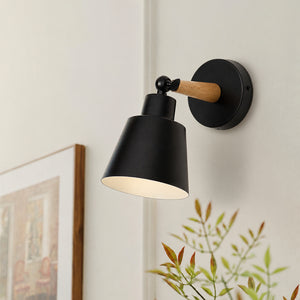
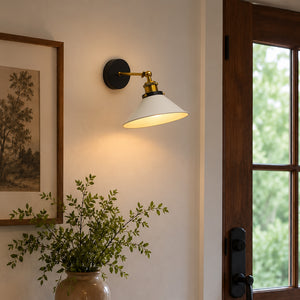
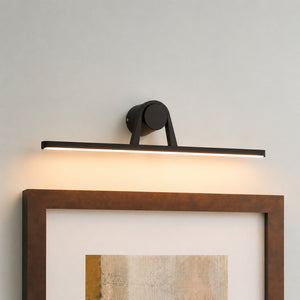
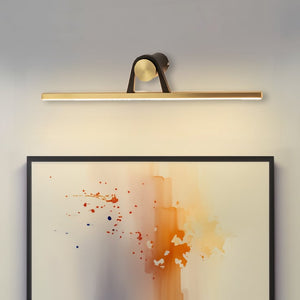
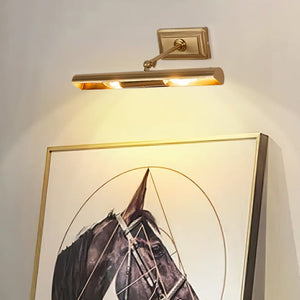
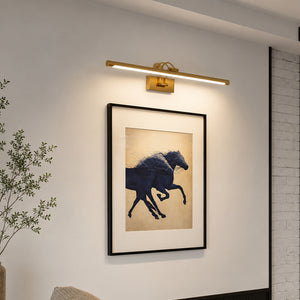
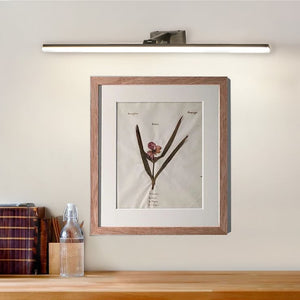
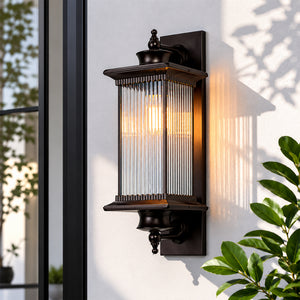
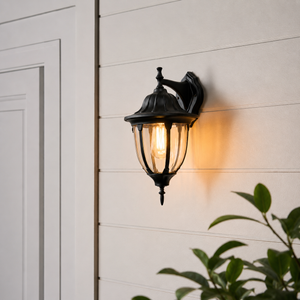
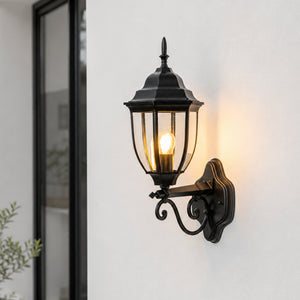
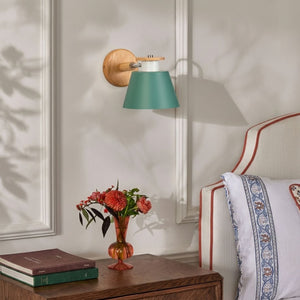
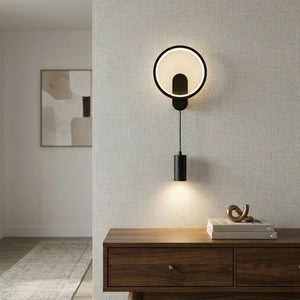
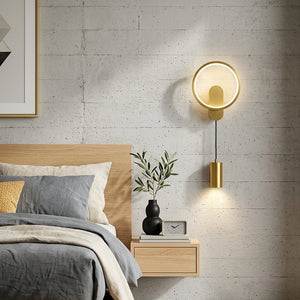
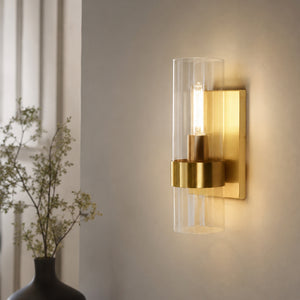
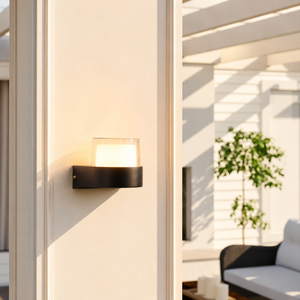
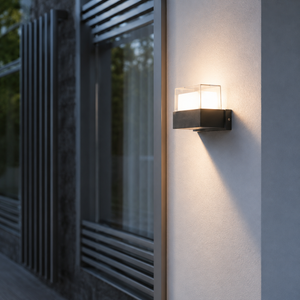
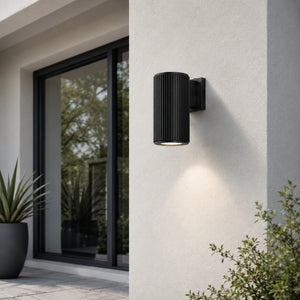
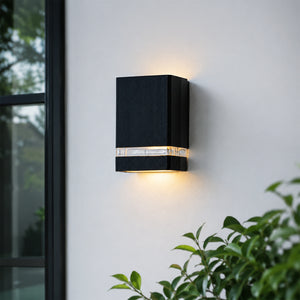
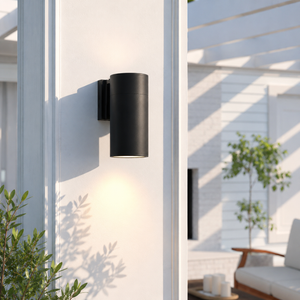
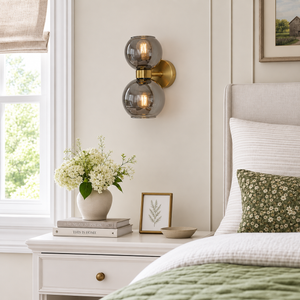
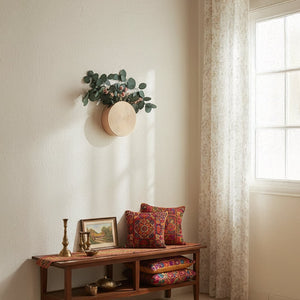
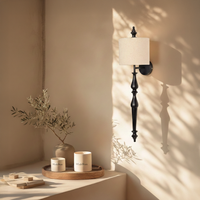
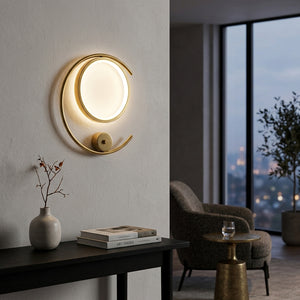
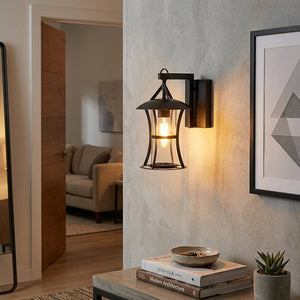
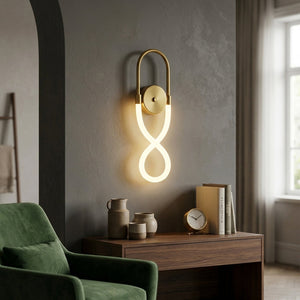
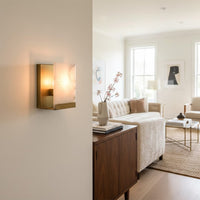
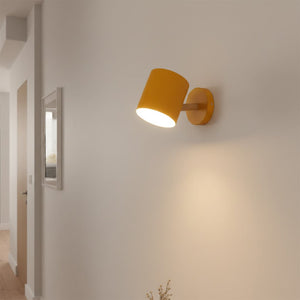
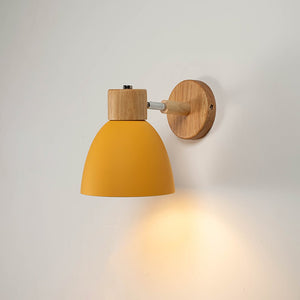
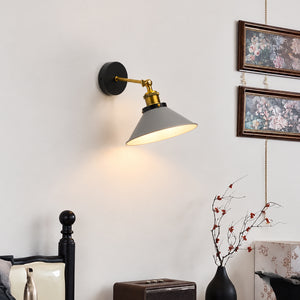
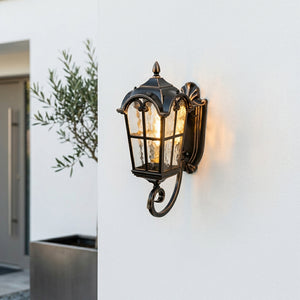
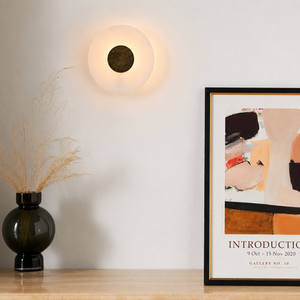
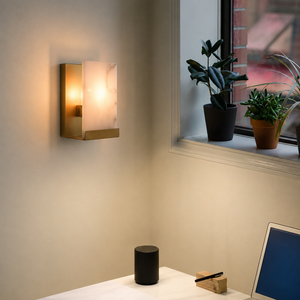
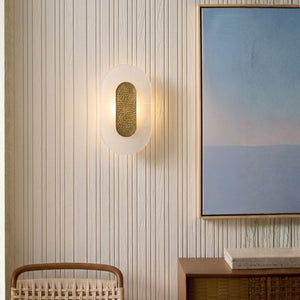
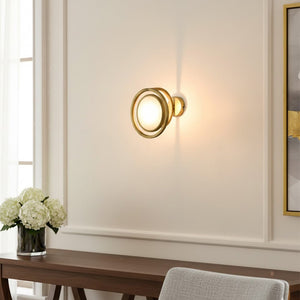
Wall lights add soft, ambient light and highlight features such as artwork, shelves and architectural details. They create a calmer atmosphere for breaks and casual conversations.
- Ambient lighting: soft, indirect glow
- Highlight features: art, bookshelves, panelling
- Space-saving: ideal for smaller offices
Bookshelves, video-call backdrops, reception walls and lounges.
A pair of sconces behind your desk makes a warm, professional video-call background.

How Do You Layer Lighting in an Office?
The most comfortable offices never rely on a single light source. Combine three layers so the space works for every task and time of day.
Ambient
Ceiling, linear or pendant lights that fill the room with even, glare-free light.
Task
Desk lamps and pendants that focus brighter light on keyboards, papers and work surfaces.
Accent
Wall lights and floor lamps that add warmth, highlight shelves and create a calm backdrop.
How Bright Should Office Lighting Be, and Which Colour Is Best?
| Office Area | Suggested Light Level | Colour Temperature |
|---|---|---|
| General office & computer work | About 300–500 lux | 3500K–4000K neutral white |
| Detailed tasks (drawing, fine print) | 750 lux or more at the desk | 4000K–5000K |
| Meeting & conference rooms | About 300–500 lux, dimmable | 3500K–4000K |
| Reception & lounge areas | About 200–300 lux | 2700K–3000K warm white |
| Home office in the evening | Task lamp plus soft ambient light | 2700K–3000K warm white |
Lumens measure how much light a bulb gives out; lux measures how much light reaches a surface. A desk lamp of around 450–800 lumens is usually enough to bring a desk up to comfortable working levels.
How Do You Avoid Screen Glare and Look Good on Video Calls?
Avoiding Screen Glare
- Place your desk so windows are to the side of your screen
- Use diffused or shaded fixtures rather than bare bulbs
- Avoid bright lights directly behind or above the monitor
- Use blinds or sheer curtains to soften strong afternoon sun
- Put your desk lamp opposite your writing hand
Lighting for Video Calls
- Face your light source — a window or lamp in front of you
- Keep the light at roughly eye level for flattering shadows
- Never sit with a bright window behind you
- Add a wall light or lamp behind you to create depth
- Match colour temperatures so your skin tone looks natural
Why Is Natural Light Important in an Office?

Natural light plays a significant role in any office. Daylight helps regulate the body clock, which supports better sleep and mood, and a bright, airy room simply feels better to work in.
- Strategic positioning: place your desk near, and to the side of, a window.
- Light colours: use light, reflective walls and furniture to bounce daylight around.
- Window treatments: adjustable blinds or sheer shades control glare while keeping brightness.
- Glass partitions: let daylight flow deeper into larger offices while keeping privacy.
- Daylight lamps: where daylight is limited, a daylight-white lamp can help.
Which Bulbs Are Best for an Office?
| Bulb Type | Energy Efficiency | Lifespan | Best Use |
|---|---|---|---|
| LED | Highest | Longest | Every office fixture — the best all-round choice |
| Fluorescent | Good | Medium | Older commercial offices; can flicker and cause glare |
| Incandescent | Lowest | Shortest | Warm decorative glow only; runs hot |
Choose flicker-free LEDs with a CRI of 80 or higher (90+ for design or colour work), check the colour temperature in Kelvin, and confirm dimmer compatibility if you plan to dim.
How Is Home Office Lighting Different from a Corporate Office?
Home Office
- Blend work lighting with your home's décor
- Use a pendant or ceiling light plus an adjustable desk lamp
- Add warm wall lights or a floor lamp for evenings
- Choose dimmable lights so the room can switch off from work mode
Corporate Office
- Even, glare-free linear or panel lighting across desks
- Pendants over meeting tables and reception counters
- Warmer accent lighting in lounges and breakout zones
- Energy-efficient LED throughout to control running costs
Tips for Choosing the Best Office Lighting
- Consider the nature of the work Detailed tasks need brighter, focused light; collaborative spaces suit softer ambient light.
- Layer your lighting Combine ambient, task and accent light for a flexible, balanced space.
- Focus on ergonomics Position task lights to avoid glare on screens and shadows on work surfaces.
- Opt for adjustable lighting Dimmers, adjustable desk lamps and swivel heads let everyone customise their light.
- Make the most of daylight Position desks near windows and use glass partitions to share light.
- Choose energy-efficient LED Lower running costs, less heat and better quality light.

- Relying on a single overhead light
- Sitting with a bright window behind your screen
- Using bare, unshaded bulbs above the desk
- Mixing very warm and very cool bulbs in one room
- Choosing cheap LEDs that flicker
- Add an adjustable desk lamp to any workstation
- Switch every bulb to flicker-free LED
- Put a lamp behind your screen for video calls
- Fit sheer curtains to soften harsh sun
- Add one warm wall light for evening work
Discover Our Office Lighting Picks
Premium lighting to turn your workspace into a productive and inspiring environment.


Frequently Asked Questions
What kind of lighting is best for an office?
The best office lighting combines three layers: ambient ceiling or linear lights for even overall light, task lighting such as desk lamps or pendants over work surfaces, and accent lighting such as wall lights. Use flicker-free LED bulbs in neutral white around 4000K for focused work, and maximise natural daylight wherever possible.
What colour temperature is best for office work?
Neutral white light around 3500K–4000K is best for most office work because it feels clear and alert without being harsh. Daylight white around 5000K suits detailed visual tasks, while warm white 2700K–3000K is better for relaxed areas and evening use in a home office.
How bright should office lighting be?
General office areas need roughly 300–500 lux, which is enough for computer and paperwork. Detailed tasks such as drawing or reading fine print benefit from 750 lux or more at the desk, usually achieved by adding a task lamp.
How do I reduce screen glare in my office?
Position your desk so windows are to the side rather than directly in front of or behind your screen, use diffused or shaded light fixtures, and avoid placing bright lights directly behind or above the monitor. Adjustable blinds help control afternoon sun.
Where should I place a desk lamp?
Place a desk lamp on the side opposite your writing hand — on the left for right-handed people — so your hand doesn't cast a shadow on your work. Position the shade slightly below eye level so the bulb is not visible.
Is LED lighting better for offices?
Yes, LED lighting is the best choice for offices because it is energy efficient, long lasting, produces little heat and is available in every colour temperature. Choose flicker-free LEDs with a CRI of 80 or higher for comfortable, accurate light.
What lighting is best for video calls?
For video calls, place a soft light source in front of you at roughly eye level, such as a lamp behind your screen or a diffused light facing you. Avoid sitting with a bright window behind you, which turns your face into a silhouette.
What is the best lighting for a home office?
A home office works best with a ceiling light or pendant for general light, an adjustable desk lamp for focused work, and a wall light or floor lamp for a softer evening glow. Choose fixtures that match the rest of your home so the office feels comfortable as well as practical.
Can poor lighting cause eye strain?
Yes, lighting that is too dim, too harsh, flickering or full of glare can contribute to eye strain, headaches and fatigue. Balanced, even light with a good task lamp and controlled screen glare makes long working hours more comfortable.
Should office lights be dimmable?
Dimmable lights are useful in offices because they let you adjust brightness for different tasks, times of day and meetings. Make sure both the fixture and the bulb are compatible with your dimmer.
A Well-Lit Office for Success
Investing in the right lighting can transform your office into a space that supports productivity, creativity and comfort. Layer ambient, task and accent light, choose flicker-free LEDs in the right colour temperature, and make the most of natural daylight.
Whether you're working from home or in a corporate setting, the right lighting makes a real difference. With thoughtful choices, you can design a workspace that works as hard as you do.
Shop Office Lighting
Desk lamps, pendants, linear lights and more — designed for focused, beautiful workspaces.
Related Articles
More ideas for focused, beautifully lit spaces.