




































































































The Spiritual and Cultural Legacy of Brass in Indian Festivals

Spiritual and Cultural Legacy of Brass in Indian Festivals
Discover the timeless allure of brass craftsmanship, where ancient traditions meet contemporary elegance in every handcrafted piece.
The Eternal Glow of Brass in Indian Heritage
Brass has been an integral part of Indian culture for centuries, symbolizing prosperity, divinity, and timeless elegance. From ceremonial rituals to festive décor, brass artifacts hold a special place in the hearts of millions of Indians. The warm golden hue of brass evokes a sense of grandeur and sacredness, making it a preferred material for homes and temples alike.
Beyond aesthetics, brass carries deep spiritual significance, believed to purify surroundings, attract positive energies, and maintain harmony during celebrations. In Indian households, festivals like Diwali, Navratri, and Ganesh Chaturthi are incomplete without brass items enhancing the spiritual ambiance.
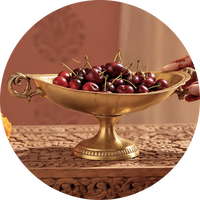
"Be it brass bowls used for offerings, decorative trays for puja thalis, or brass lighting illuminating sacred spaces, each piece serves both a functional and symbolic purpose."
These traditional elements not only preserve the heritage of Indian craftsmanship but also create a bridge between modern living and ancient rituals, showcasing the enduring charm of brass in contemporary home décor.

Historical Significance of Brass in Indian Culture
The legacy of brass in India dates back to the Vedic era, where it was widely used in crafting religious icons, utensils, and ceremonial objects. Known as "Pital" in local parlance, brass was favored for its durability, lustrous finish, and ability to be intricately molded into exquisite designs. Temples and royal palaces showcased brass vases, lamps, and utensils as symbols of wealth and divine favor.
During festivals, brass items were meticulously handcrafted, reflecting the artistic expertise passed down through generations. The metal's antimicrobial properties were also highly valued, making it suitable for food serving and storage during elaborate feasts.

Symbolism of Brass in Indian Festivals
Brass carries profound symbolic meaning across various festivals:
- Prosperity and Abundance: The golden sheen of brass symbolizes wealth and auspiciousness, often seen in Diwali décor.
- Purity and Spiritual Balance: Rituals involving brass utensils are believed to purify the environment.
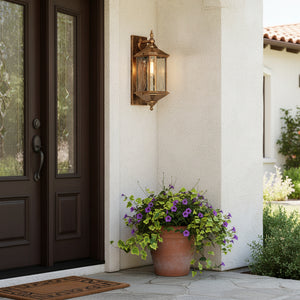
- Protection and Positive Energy: Many households place brass idols or decorative items at entrances during festivals.

Brass Craftsmanship and Artistry
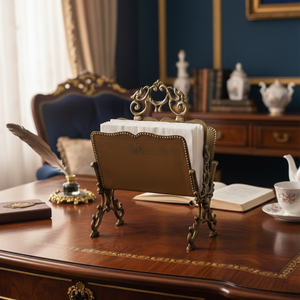
The art of brass-making in India is a testament to the skill and patience of master artisans. Techniques such as lost-wax casting and hand engraving produce intricate patterns on brass vases, bowls, and trays, making each item unique. Regions like Moradabad and Durgapur are renowned for their brass craftsmanship, where age-old methods are preserved alongside modern design sensibilities.
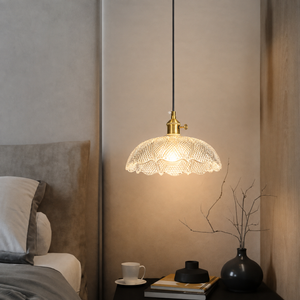
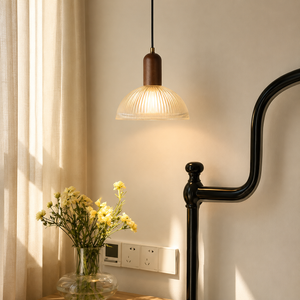
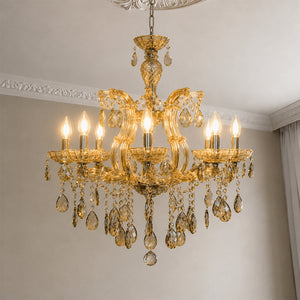
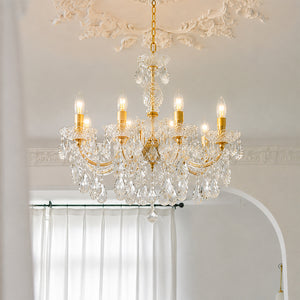
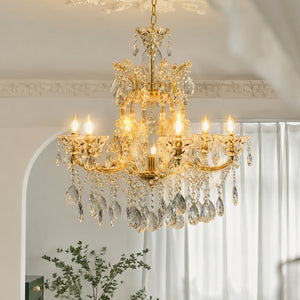
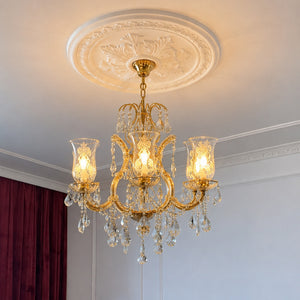
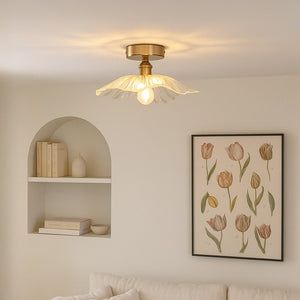
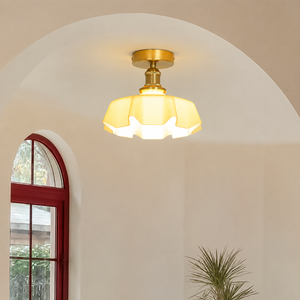
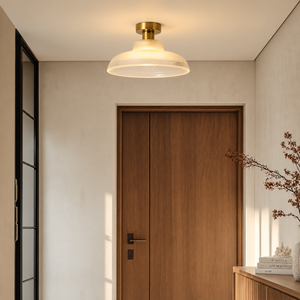
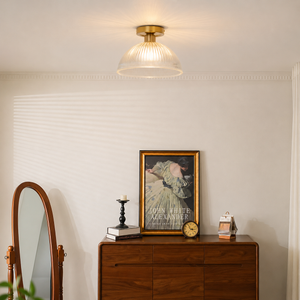
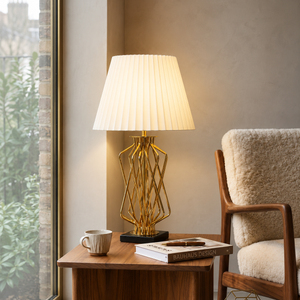
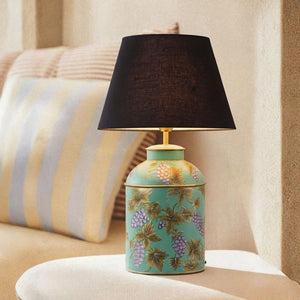
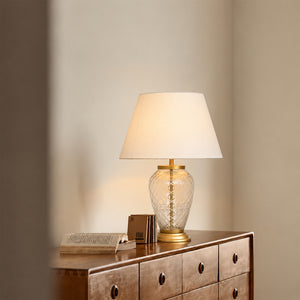
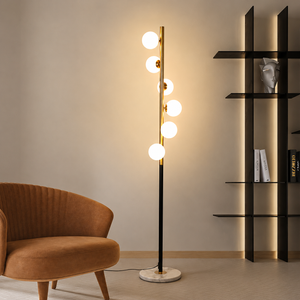
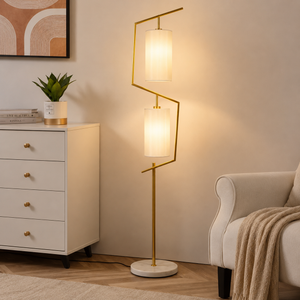
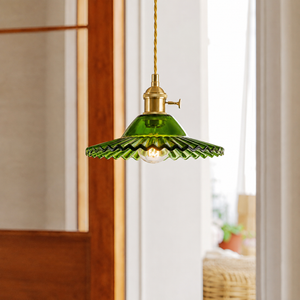
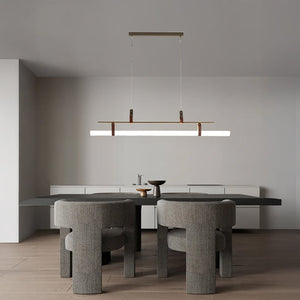
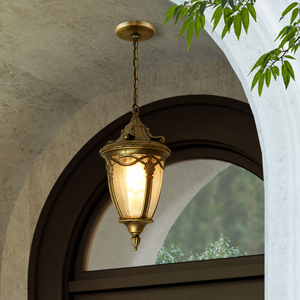
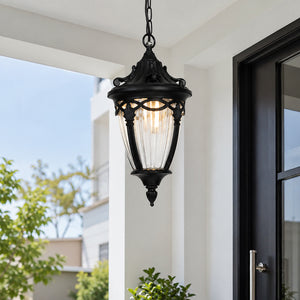
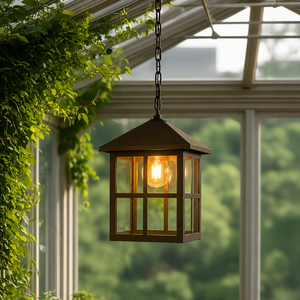
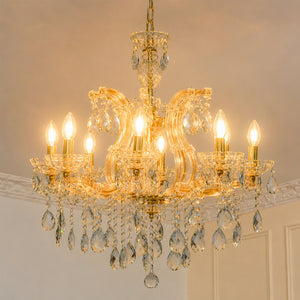
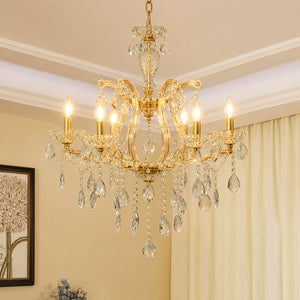
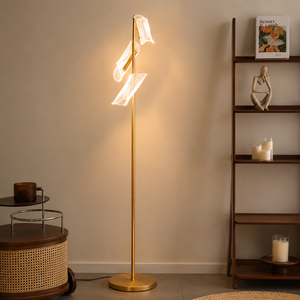
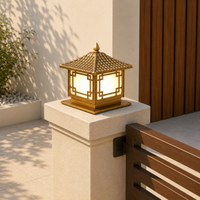
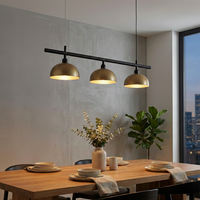
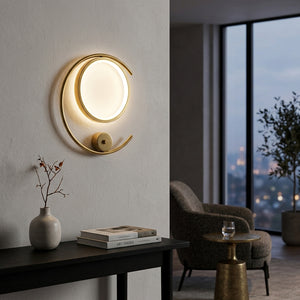
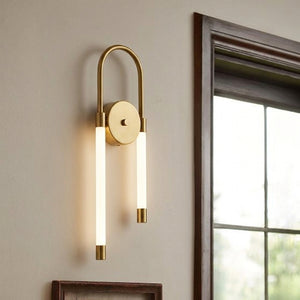
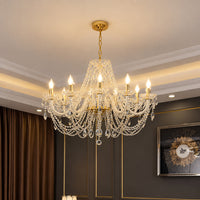
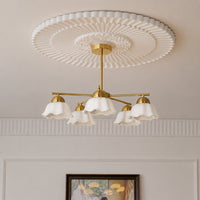
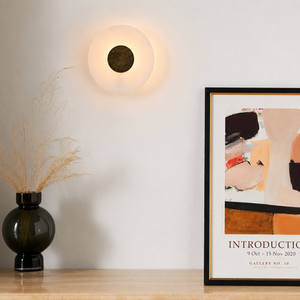
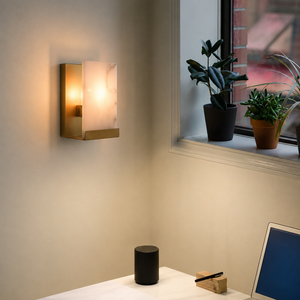
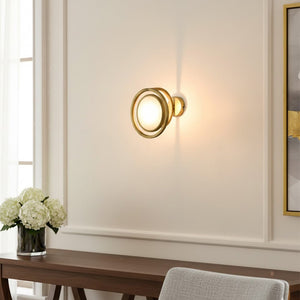
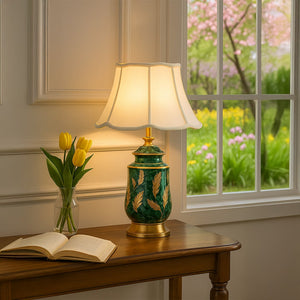
In contemporary décor, these handcrafted pieces are versatile. Brass lighting fixtures can enhance living rooms, while decorative trays and bowls serve both ceremonial and ornamental purposes.

A Cultural Symbol of Prosperity and Warmth
Across India's diverse cultural landscape, brass has remained a universal symbol of wealth, hospitality, and devotion. Its golden radiance mirrors the warmth of Indian celebrations — from the grand scale of weddings to the simplicity of daily prayers.
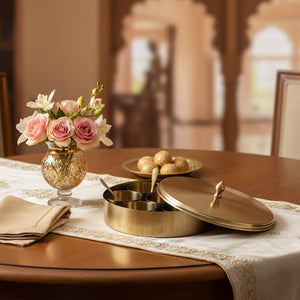
During Bhai Dooj, Karva Chauth, or Diwali feasts, Indian families adorn their dining tables with brass kitchenware and brass decorative trays — both as a mark of respect for tradition and as an aesthetic statement. These pieces, often inherited through generations, carry stories of family rituals, festive meals, and timeless bonds.
The Role of Brass in Indian Festivals
1. Diwali: The Festival of Lights
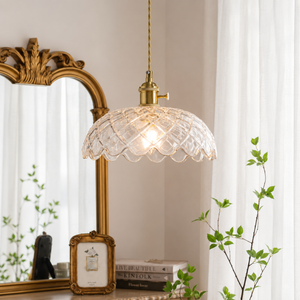
Diwali remains incomplete without the gleam of brass. From brass diyas illuminating doorsteps to brass bowls holding sacred offerings, this metal becomes a medium of devotion. According to ancient beliefs, lighting a brass lamp attracts positive energies and strengthens the aura of the home. Modern homeowners often pair brass lighting with soft, ambient interiors to recreate that festive glow all year round.

Pongal and Makar Sankranti: Celebrating Abundance
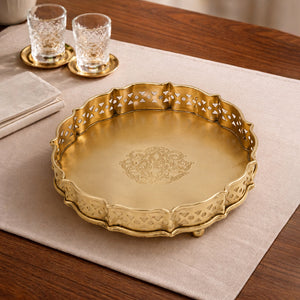
In South India, brass utensils and trays are central to Pongal celebrations, symbolizing prosperity and gratitude. The ritual of preparing sweet Pongal in brass pots honors the Sun God and reflects the community's agrarian roots. Similarly, in North India, brass decorative trays serve traditional sweets during Makar Sankranti, celebrating the harvest season with grace.

Navratri and Durga Puja: Worship Through Brass
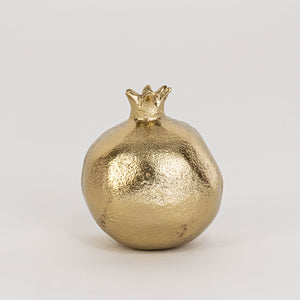
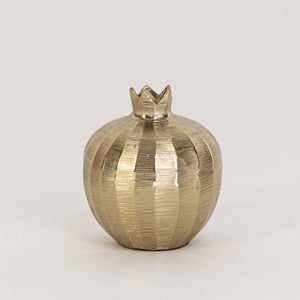
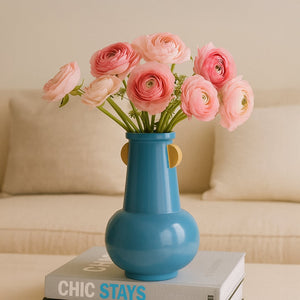
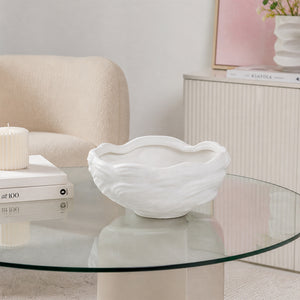
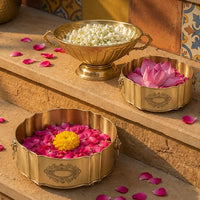
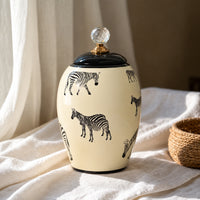
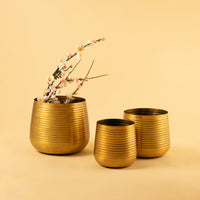
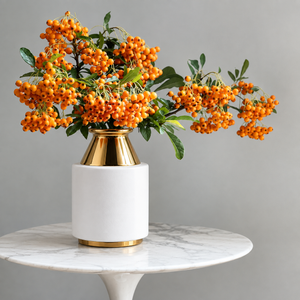
During these festivals, the goddess is invoked through rituals involving brass kalash (sacred vessel), brass bowls, and brass lamps. The shining surfaces reflect divinity, signifying purity and strength. Whispering Homes' Brass Vases and Decorative Bowls beautifully reinterpret these sacred elements for modern homes.
Wedding Festivities and Gifting Traditions
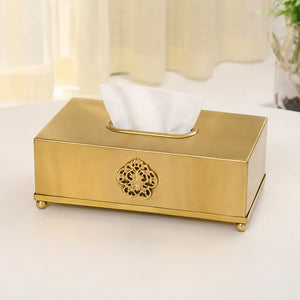
In Indian weddings, brass items are regarded as auspicious gifts — representing abundance, fertility, and goodwill. Be it a brass tissue holder for elegant dining or a brass tray used for rituals, these elements are treasured heirlooms.

Why Brass Endures: A Blend of Function and Art
Unlike materials that fade with time, brass matures — gaining a subtle patina that enhances its charm. This transformation mirrors India's own cultural journey, where modernity evolves without erasing tradition.
From a scientific perspective, brass also has antibacterial properties, making it ideal for kitchen décor and serving pieces. In temples, priests use brass utensils because of their purity and ability to retain sanctity even after repeated use.

Reviving Brass Décor for Modern Homes
The resurgence of brass décor is a celebration of India's return to authenticity. Homeowners now seek elements that tell a story, and brass, with its cultural depth, fits this desire perfectly. The warm golden tones complement every palette — from minimalist Scandinavian homes to opulent Indian settings.
Whispering Homes leads this revival by offering designs that respect tradition while appealing to modern sensibilities.

Care and Maintenance of Brass Items
To retain the lustrous charm of brass, proper maintenance is essential. Regular cleaning with mild soap and water, followed by polishing with a soft cloth, ensures longevity. For items used in rituals or serving food, thorough washing is recommended to prevent tarnishing.
Sustainability and the Brass Renaissance
In an age where sustainability is paramount, brass emerges as a conscious choice. Being 100% recyclable and long-lasting, it aligns perfectly with eco-friendly living. Whispering Homes champions this sustainable artistry through ethically sourced materials and artisan-led production.

Decorating with Brass: Tips for a Modern Festive Look
- Mix and Match Finishes: Combine matte and polished brass pieces to add texture and depth.
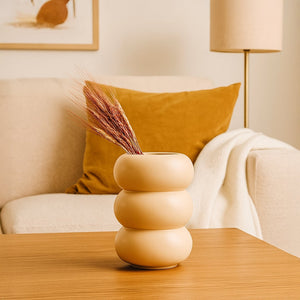
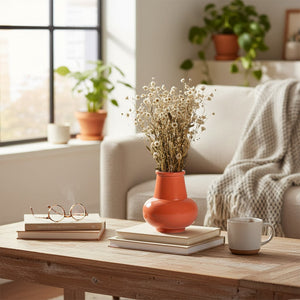
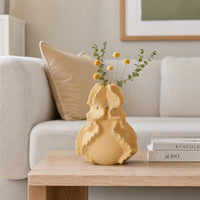
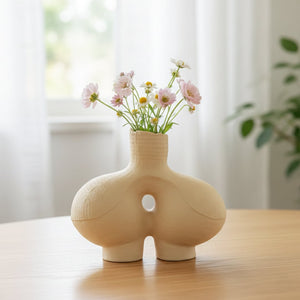
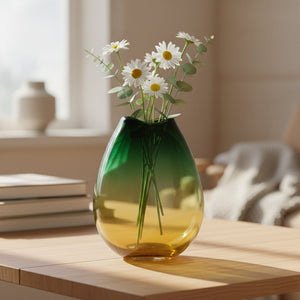
- Create a Focal Point: Use a brass vase filled with fresh marigolds or roses as your table centerpiece.
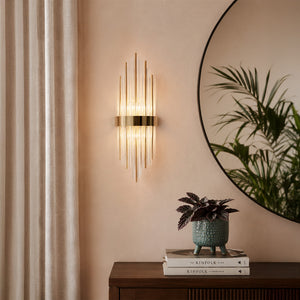
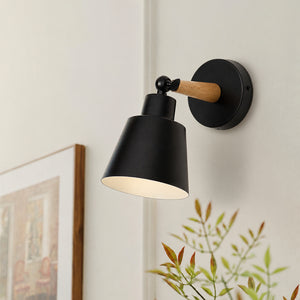
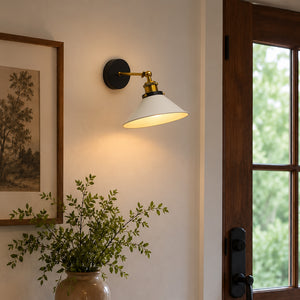
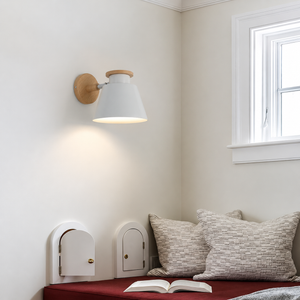
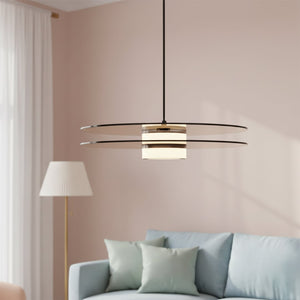
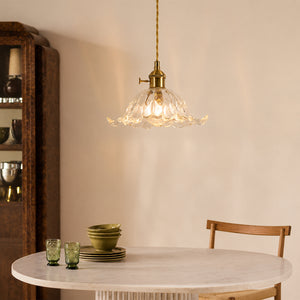
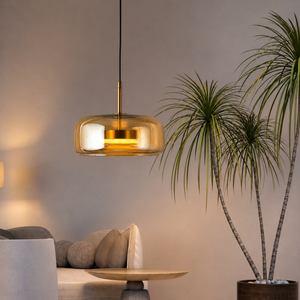
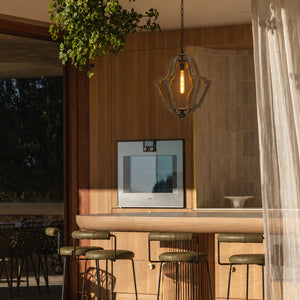
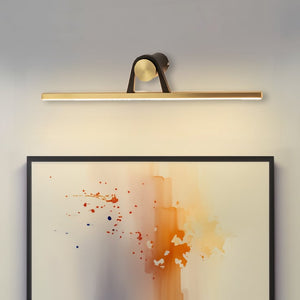
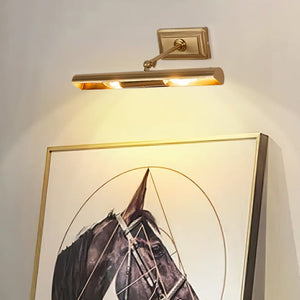
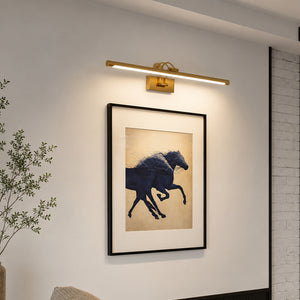
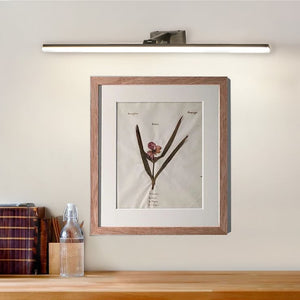
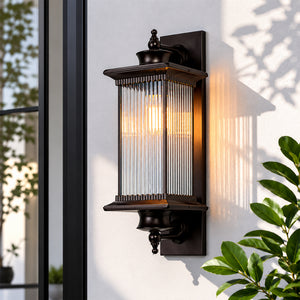
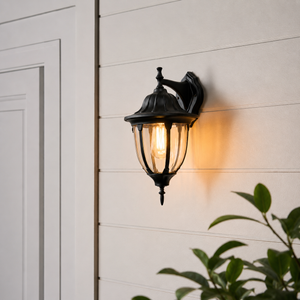
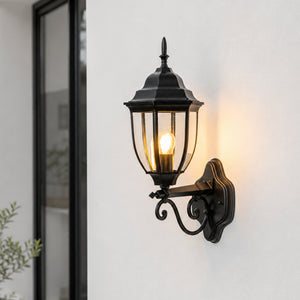
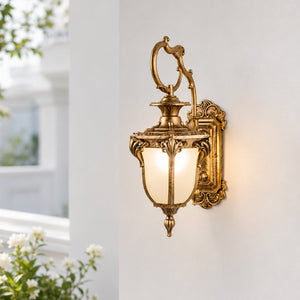
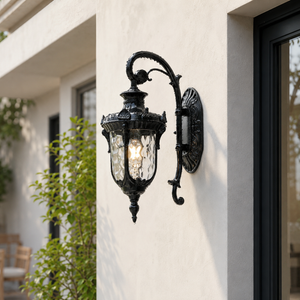
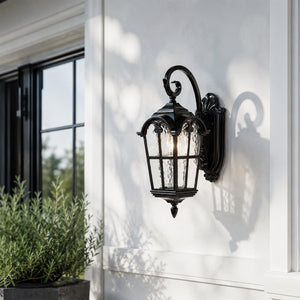
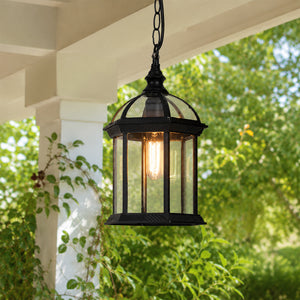
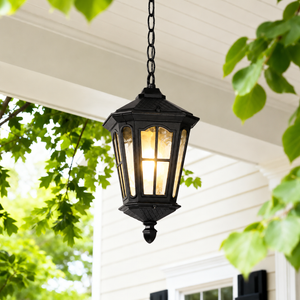
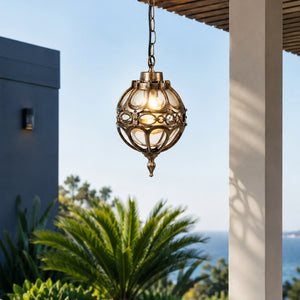
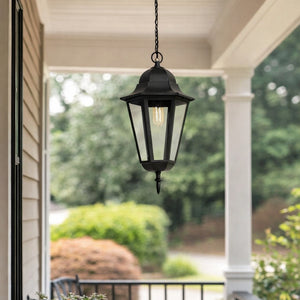
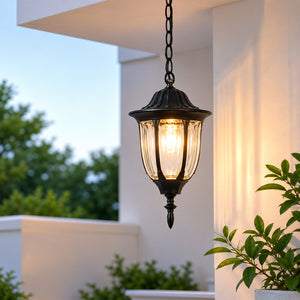
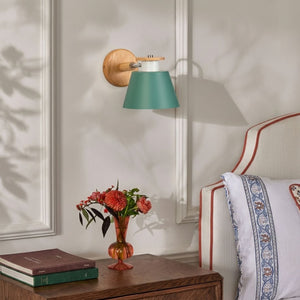
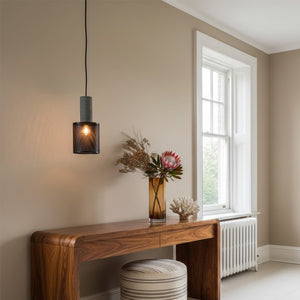
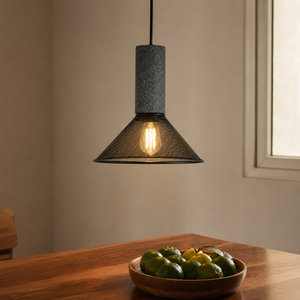
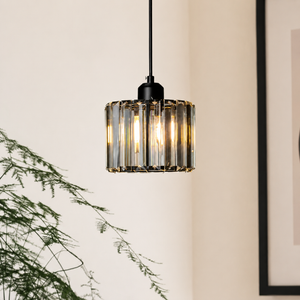
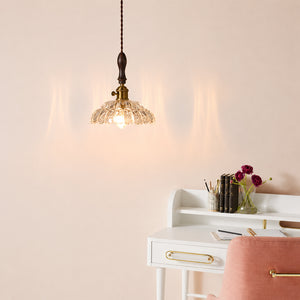
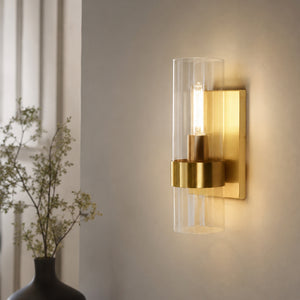
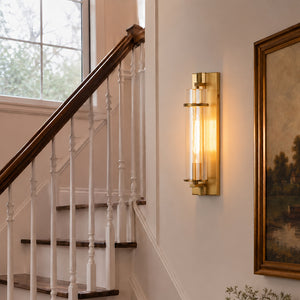
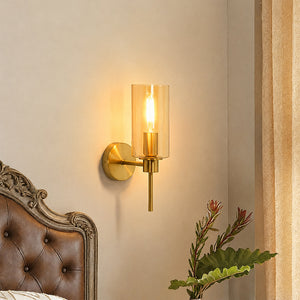
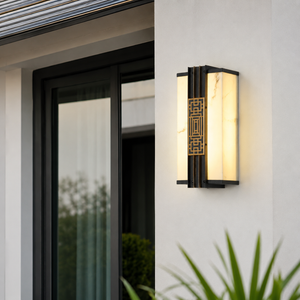
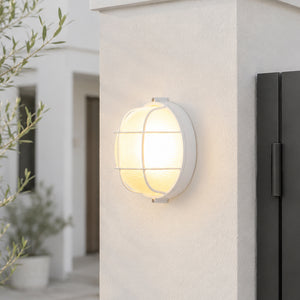
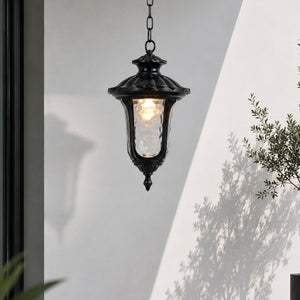
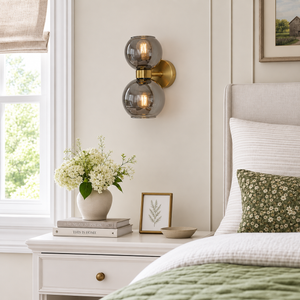
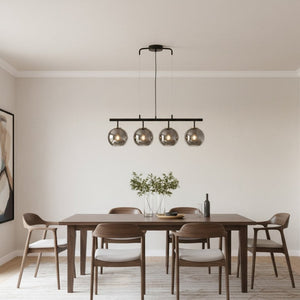
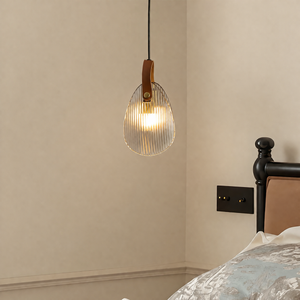
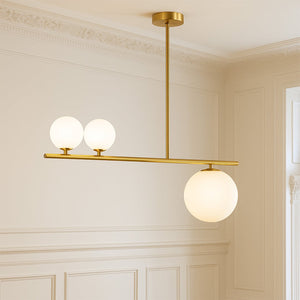
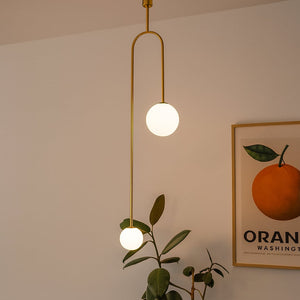
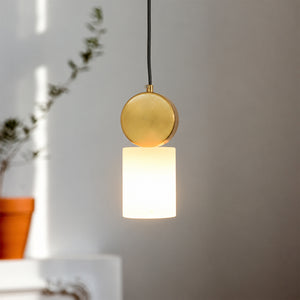
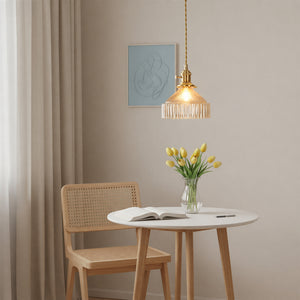
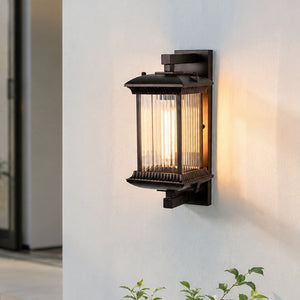
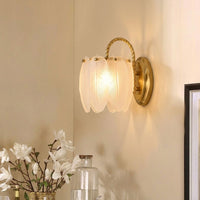
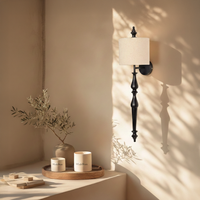
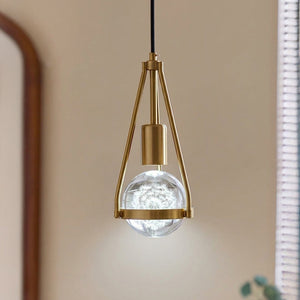
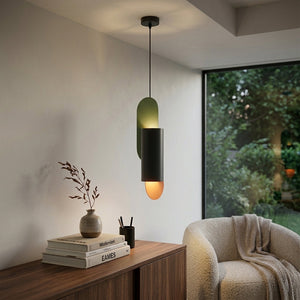
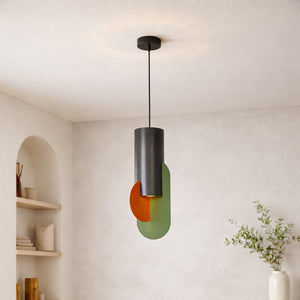
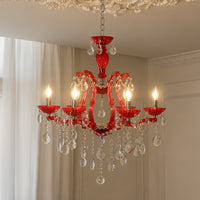
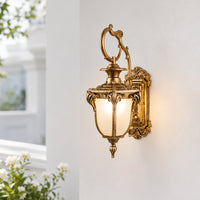
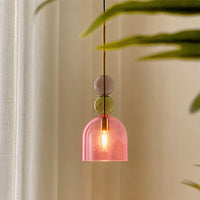
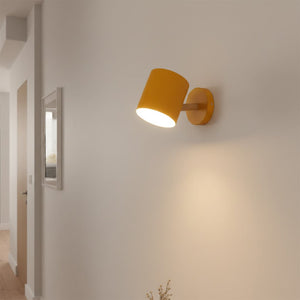
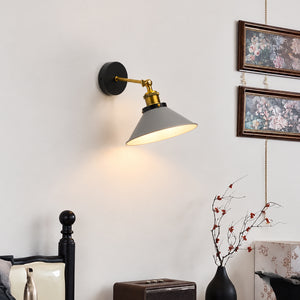
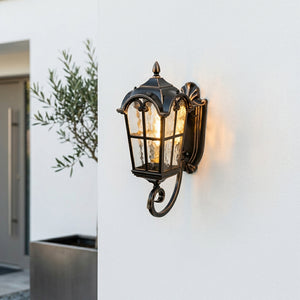
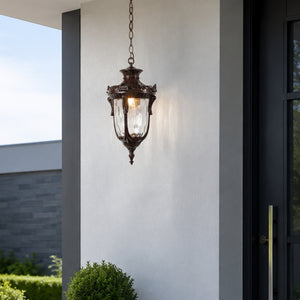
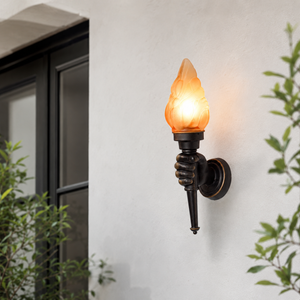
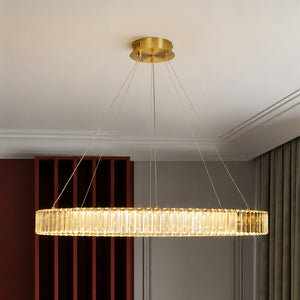
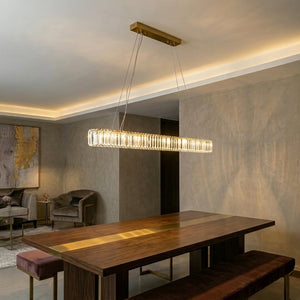
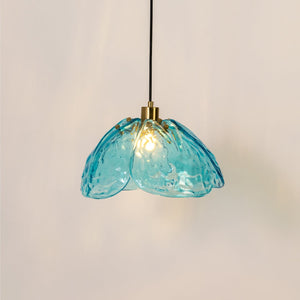
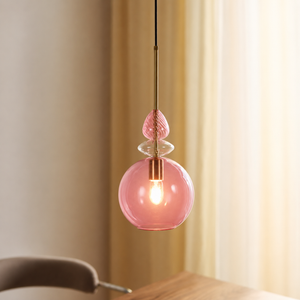
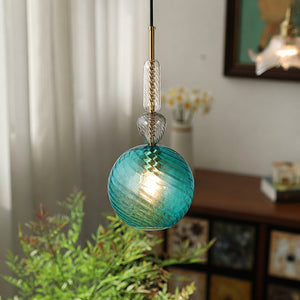
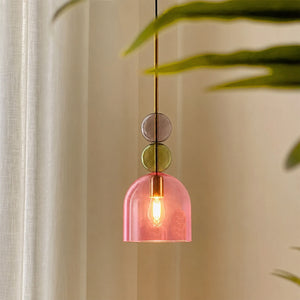
- Layer with Light: Incorporate brass lighting like wall sconces or pendant lamps.
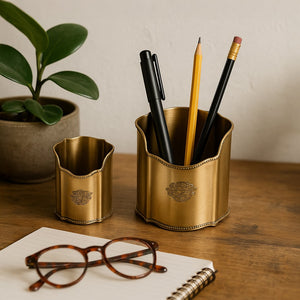
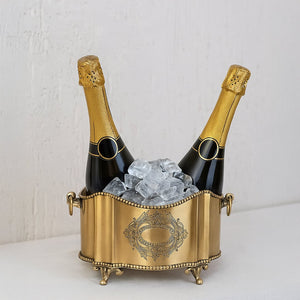
- Festive Dining Charm: Elevate your dining experience with decorative trays, tissue holders, and brass bowls.
- Balance Tradition with Minimalism: Pair brass décor with neutral tones or modern furniture for a stylish fusion look.

Personal Reflection: The Timeless Pull of Brass
Growing up, every festival in an Indian home carried a familiar rhythm — the faint chime of brass bells, the golden reflection of diyas, and the gentle clinking of brass utensils. These weren't just objects; they were companions of memory. Today, as I watch the same glow reflecting through modern brass lighting and décor, I realize how beautifully this metal bridges generations.
Whispering Homes captures this emotional continuity, allowing us to celebrate heritage not just through rituals, but through décor that holds meaning. Whether it's a brass bowl on a festive platter or a brass vase on the mantel, every piece feels like a warm conversation between the past and the present.
Brass at a Glance: Quick Facts & Festival Guide
A quick reference for the properties and festive uses covered in this guide.
Quick Facts About Brass
- Used in India since the Vedic era for icons, utensils, and ceremonial objects
- Naturally antimicrobial, making it safe for food serving and storage
- 100% recyclable, which makes it a genuinely sustainable material choice
- Develops a natural patina over time rather than fading or wearing out
- Major craft hubs include Moradabad and Durgapur
- Complements both traditional Indian interiors and minimalist, modern homes
| Festival | Typical Brass Pieces | Symbolic Meaning |
|---|---|---|
| Diwali | Diyas, offering bowls, puja trays | Light, prosperity, positive energy |
| Navratri / Durga Puja | Kalash, vases, lamps | Purity, strength, devotion |
| Pongal / Makar Sankranti | Cooking pots, decorative trays | Abundance, gratitude for harvest |
| Weddings | Tissue holders, gifting trays | Abundance, fertility, goodwill |
Shop the Brass Collection
Handcrafted brass pieces that blend tradition with contemporary design.


Frequently Asked Questions
Why is brass used in Indian festivals?
Brass is used in Indian festivals because its golden sheen symbolizes prosperity and divinity, and it is believed to purify surroundings and attract positive energy during rituals and celebrations.
What is the spiritual significance of brass in Hindu rituals?
In Hindu rituals, brass vessels like the kalash, lamps, and bowls are considered sacred because the metal is believed to retain purity and channel positive energy, which is why priests and households favor it for offerings and worship.
How do I clean and maintain brass decor?
Clean brass decor regularly with mild soap and water, then polish with a soft cloth to maintain its shine. Items used for food or rituals should be washed thoroughly after each use to prevent tarnishing.
Is brass decor sustainable and eco-friendly?
Yes, brass is 100% recyclable and extremely long-lasting, making it a conscious, eco-friendly choice compared to materials that need frequent replacement.
What are popular brass items for Diwali decoration?
Popular brass items for Diwali include brass diyas for doorsteps, brass bowls for offerings, and decorative trays for puja thalis, all of which add a warm, festive glow to the home.
Can brass decor suit modern, minimalist homes?
Yes, brass's warm golden tones complement minimalist and Scandinavian-style interiors just as well as traditional Indian settings, especially when paired with neutral tones and clean furniture lines.
Which Indian festivals feature brass most prominently?
Brass features prominently in Diwali, Navratri, Durga Puja, Pongal, Makar Sankranti, and Indian weddings, where it appears in lamps, kalash vessels, serving trays, and gifted heirloom pieces.
A Legacy That Shines Eternal
Brass is not merely a material; it's a symbol of India's enduring spirit. From temple rituals to contemporary interiors, it continues to embody warmth, spirituality, and grace.
Through thoughtful craftsmanship and elegant design, Whispering Homes rekindles this legacy, offering décor that transforms houses into sanctuaries of art and tradition.
"As festivals fill our homes with joy and light, let the glow of brass remind us of our roots — radiant, resilient, and ever-evolving."