













































Alabaster vs. Marble: How They Differ and What Makes Each Unique
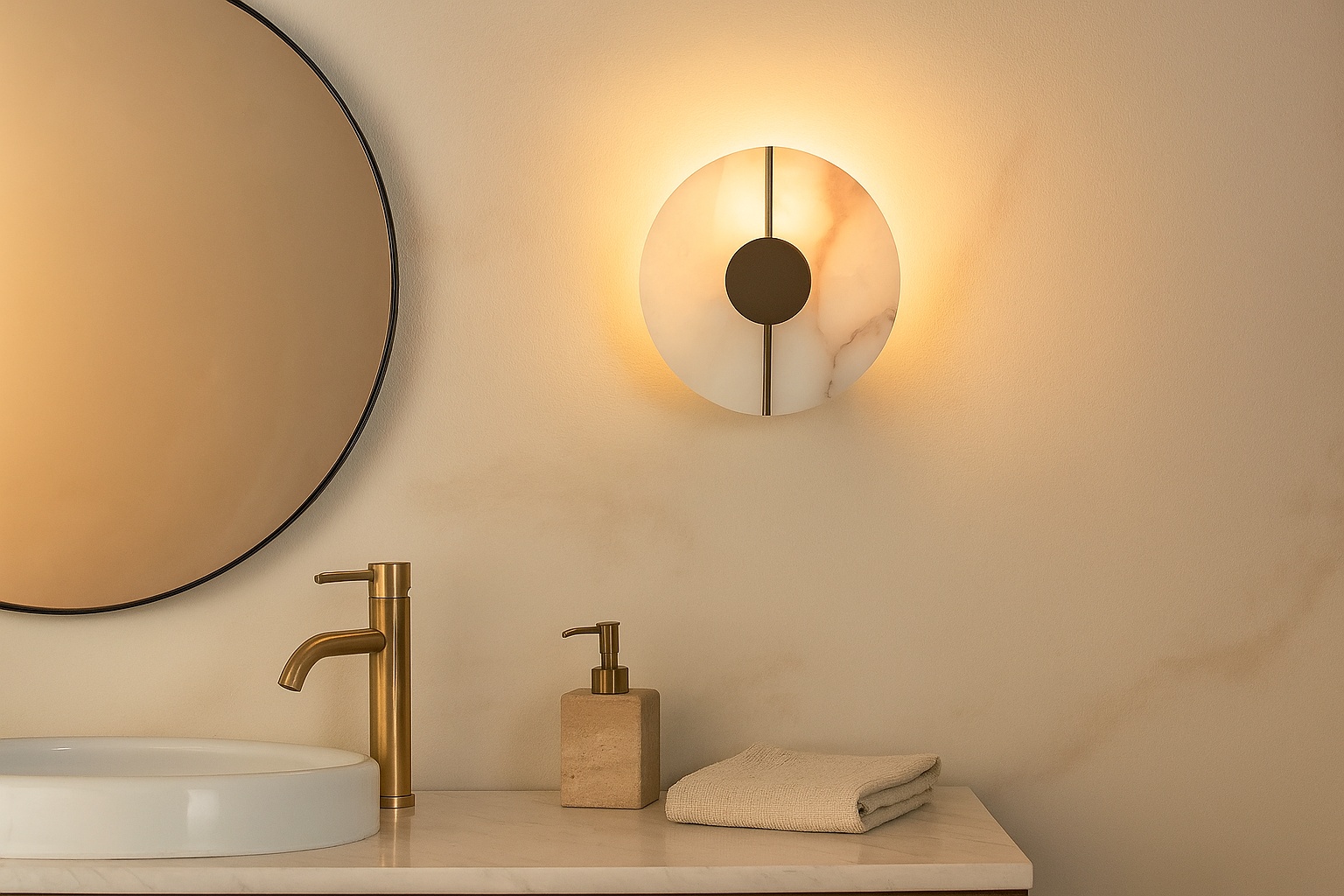
Alabaster vs Marble Lights
How they differ, how each one glows, and which suits your home
When you are choosing lighting for your home, the material matters as much as the shape. Among natural stones, alabaster lights and marble lights are two of the most loved for their elegance and timeless beauty. They are often mentioned together, sometimes even confused, yet they behave very differently once the bulb is switched on.
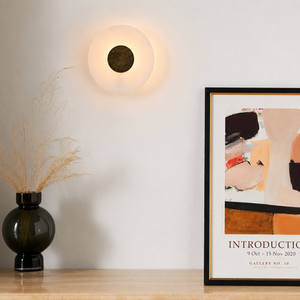
Alabaster lets light travel through it, turning the whole fixture into a soft lantern. Marble holds light back, so it works as a sculptural base, frame or accent around a glowing shade. Whether you are renovating a living room, styling a bedside table or looking for a statement piece for the dining area, knowing these differences helps you buy once and buy right.
This guide covers what each stone is, how it handles light, which rooms each suits, how to care for it, what to check before you buy, and how to pair both in one space.
Glow vs Frame
Alabaster glows from within. Marble shapes and reflects light around it.
Soft vs Strong
Alabaster is softer and scratches easily. Marble is harder and handles daily use.
Calm vs Bold
Alabaster creates calm, cosy rooms. Marble adds a polished, luxe statement.
Sconces vs Lamps
Alabaster suits sconces and pendants. Marble suits table lamps and bases.
What Is Alabaster?
Alabaster is a soft, fine-grained natural stone that has been carved into lamps, vessels and windows for centuries because light passes through it. The name covers two stones: gypsum alabaster, which is very soft, and calcite alabaster, which is a little harder. Both give the same signature effect — a warm, milky glow with visible natural clouds and veins.
- Translucence — light travels through the stone, so the fixture itself glows.
- Softness — about 2 to 3 on the Mohs scale, easy to carve into fine shapes.
- Colours — white, cream, honey, soft pink and light brown tones.
- Texture — smooth, waxy and refined, with a matte or soft-polish finish.
- Sensitivity — can scratch or mark, and does not like water or chemicals.
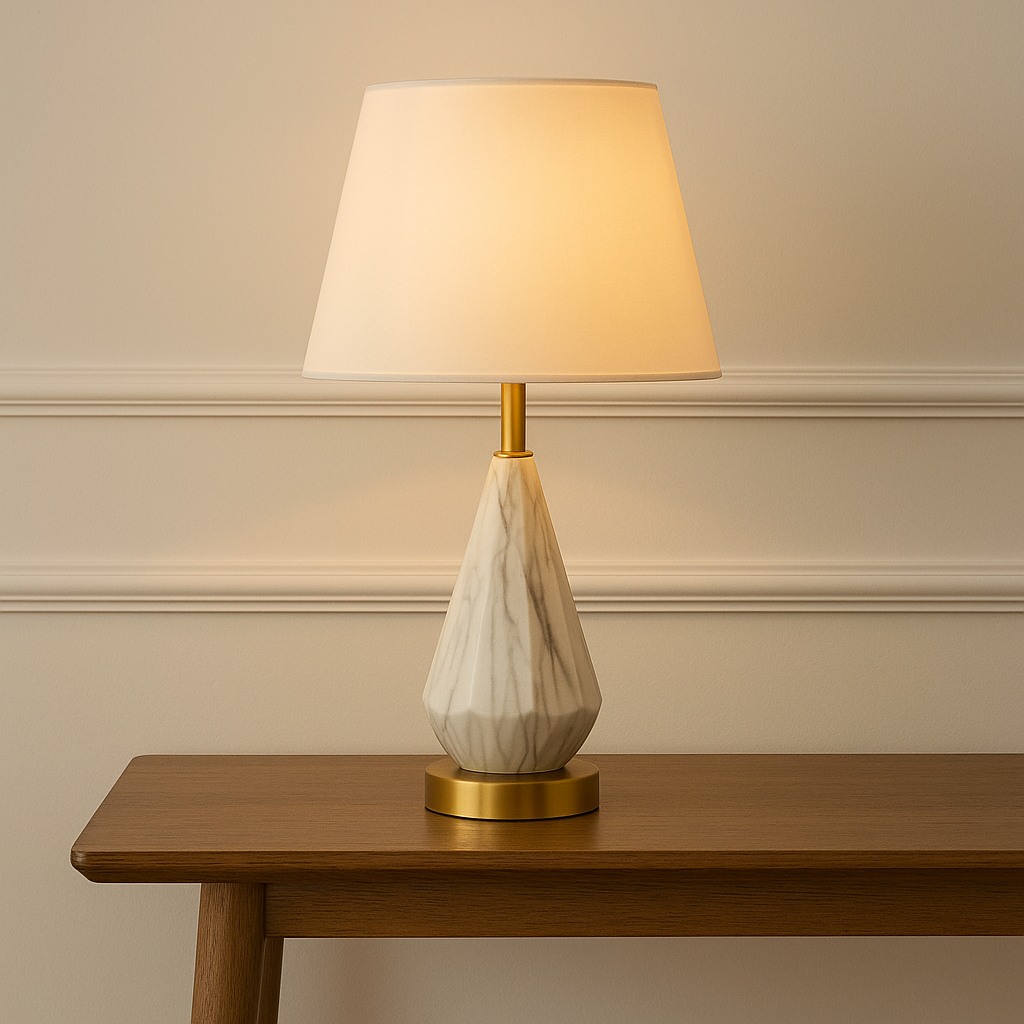
What Is Marble?
Marble is a metamorphic stone formed when limestone is transformed by heat and pressure deep in the earth. It is denser and heavier than alabaster, takes a high polish, and is known for its striking veins. In lighting, marble is mostly used for lamp bases, ceiling canopies, pendant bodies and decorative frames.
- Hardness — about 3 to 4 on the Mohs scale, more resistant to everyday wear.
- Veining — bold natural veins make every piece one of a kind.
- Colours — white, black, green, grey, pink and warm beige varieties.
- Polish — can be polished to a high gloss or honed to a soft matte.
- Weight — heavy and stable, so lamps do not tip over easily.
What Are the Key Differences Between Alabaster and Marble Lights?
Both stones look luxurious, but they solve different lighting needs. Use this comparison to match the material to your room and lifestyle.
| Feature | Alabaster Lights | Marble Lights |
|---|---|---|
| Light passing through | Translucent — glows softly from within | Mostly opaque — light comes from a shade or glass |
| Hardness | Soft (about 2–3 Mohs) | Harder (about 3–4 Mohs) |
| Light quality | Diffused, warm, glare-free ambient light | Directional light shaped by the shade |
| Look | Milky, cloudy, organic and calm | Bold veins, polished, luxe and graphic |
| Colour range | White, cream, honey, pink, light brown | White, black, green, grey, pink, beige |
| Durability | Delicate, prone to scratches and chips | Durable, handles daily use well |
| Weight | Lighter | Heavier and more stable |
| Moisture | Keep away from water and humidity | Tolerates humidity better when sealed |
| Typical fixtures | Wall sconces, pendants, flush mounts, chandeliers | Table lamps, floor lamp bases, pendants, canopies |
| Care | Dry dusting only, no cleaners | Damp wipe with pH-neutral cleaner |
How Does Light Look Through Alabaster and Marble?
The biggest difference you will notice at home is not on the spec sheet — it is how the room feels after sunset.
A Lantern Made of Stone
Light enters the stone, scatters through its fine grain and comes out as a soft, even haze. There is no hard glare, so the light is easy on the eyes even at eye level.
- Thinner areas glow brighter, thicker areas glow deeper.
- Natural veins appear as darker, painterly patterns when lit.
- The stone warms up the colour of light, giving a honeyed tone.
- Best as ambient or mood light rather than bright task light.
A Polished Frame for Light
Marble does not let much light through, so it shines by reflection. Light from a fabric shade or glass globe bounces off its polished surface and highlights the veining.
- Gives more directional light, useful for reading and tasks.
- Polished marble catches highlights and adds sparkle to a room.
- Dark marbles create contrast; white marbles feel fresh and bright.
- Works well with brass and gold accents for a luxe finish.
Design tip: If you want the room itself to glow, choose alabaster. If you want the light fixture to be the hero you look at, choose marble.
Which Is Better for Each Room: Alabaster or Marble?
The right stone depends on how a room is used, how much moisture it sees, and the mood you want. Here is how we recommend using each one around the home.
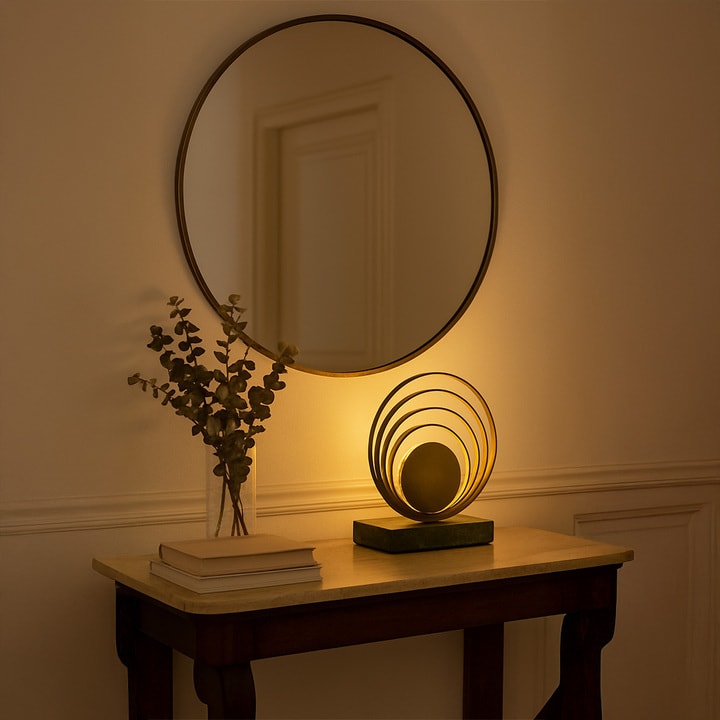
Layer Warm Glow with a Statement Base
Living rooms need soft background light for evenings and a few focused points for reading and conversation.
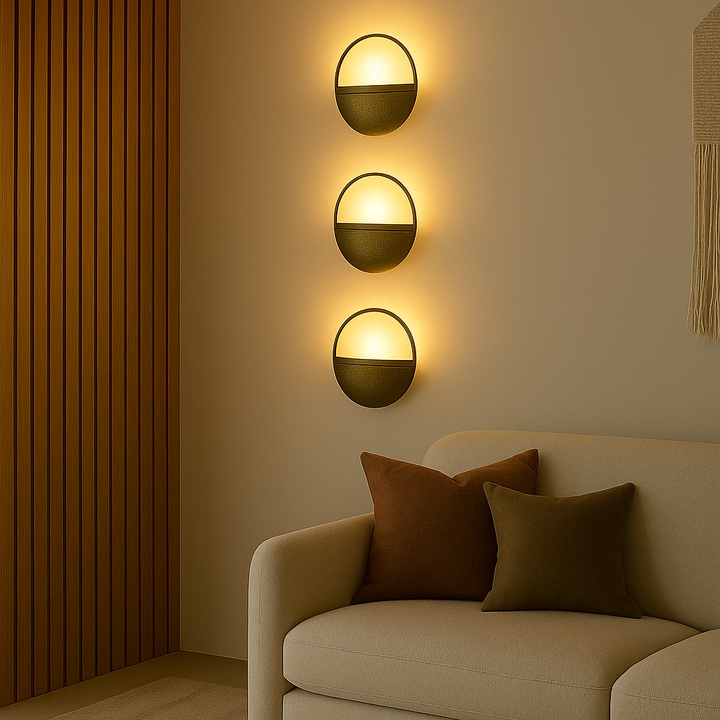
- Alabaster wall sconces — frame a sofa wall or TV unit with gentle, glare-free glow.
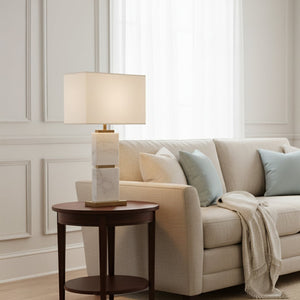
- Marble table lamp — anchors a console or side table with weight and polish.
- Alabaster pendant — softens a high ceiling without harsh downlight.
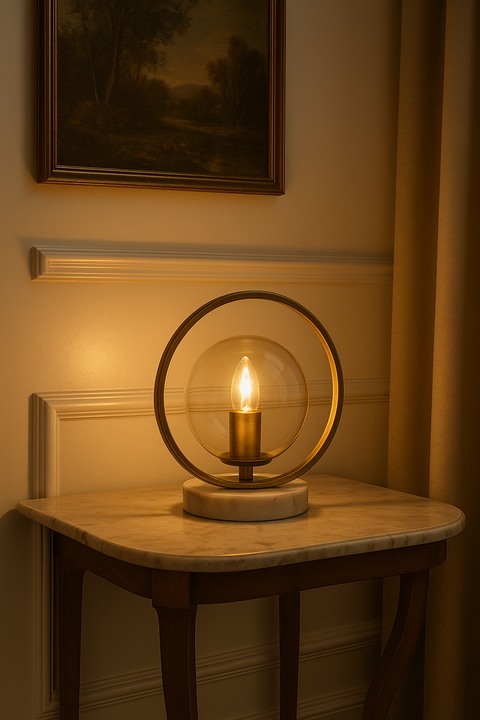
Choose Calm Light for Winding Down
Bedrooms benefit most from alabaster because its diffused light feels relaxing and never glares into tired eyes.
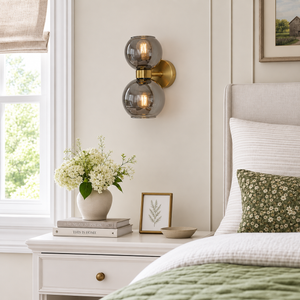
- Alabaster bedside sconces — free up the nightstand and give a hotel-like glow.
- Marble bedside lamp — a stable, elegant choice if you read in bed.
- Pair in twos — matching lights on both sides keep the room balanced.
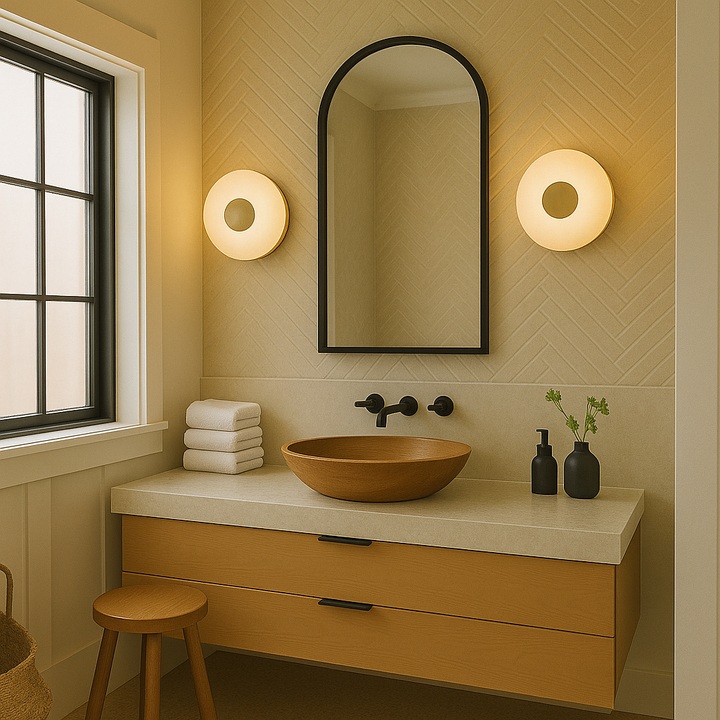
Mind the Moisture
Bathrooms are the one room where the choice really matters, because steam and splashes affect natural stone.
- Marble or sealed stone — the safer pick near the basin and mirror.
- Alabaster — only in large, well-ventilated bathrooms, away from splash zones.
- Mirror placement — lights on either side of the mirror give even, shadow-free light for grooming.
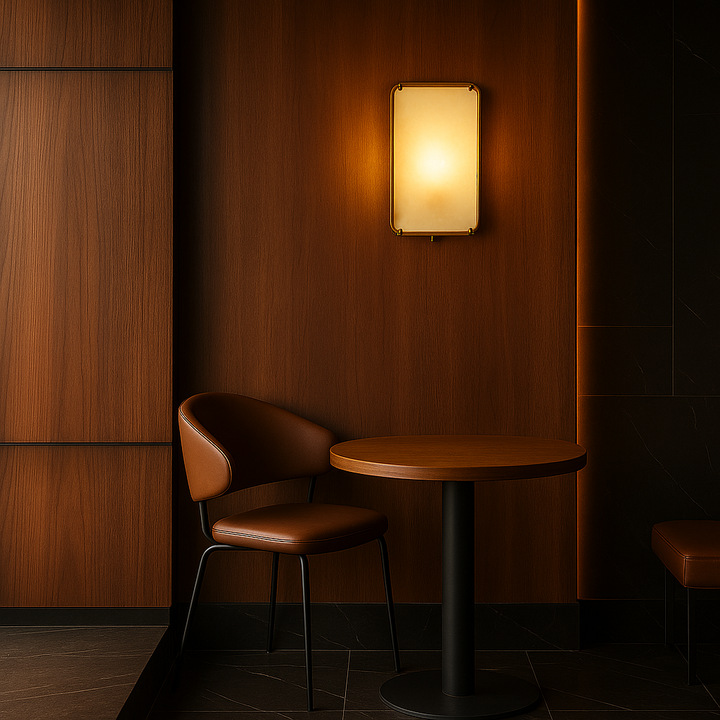
Set an Intimate Mood Around the Table
Dining spaces look best with low, warm light that flatters food and faces.
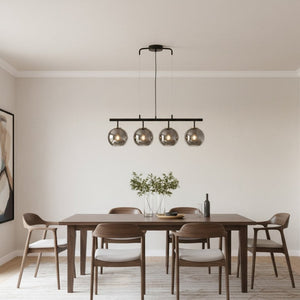
- Alabaster pendant over the table — creates a soft pool of light for long dinners.
- Marble pendants in a row — suit long tables and modern dining rooms.
- Wall sconces — add atmosphere at the edges of the room.
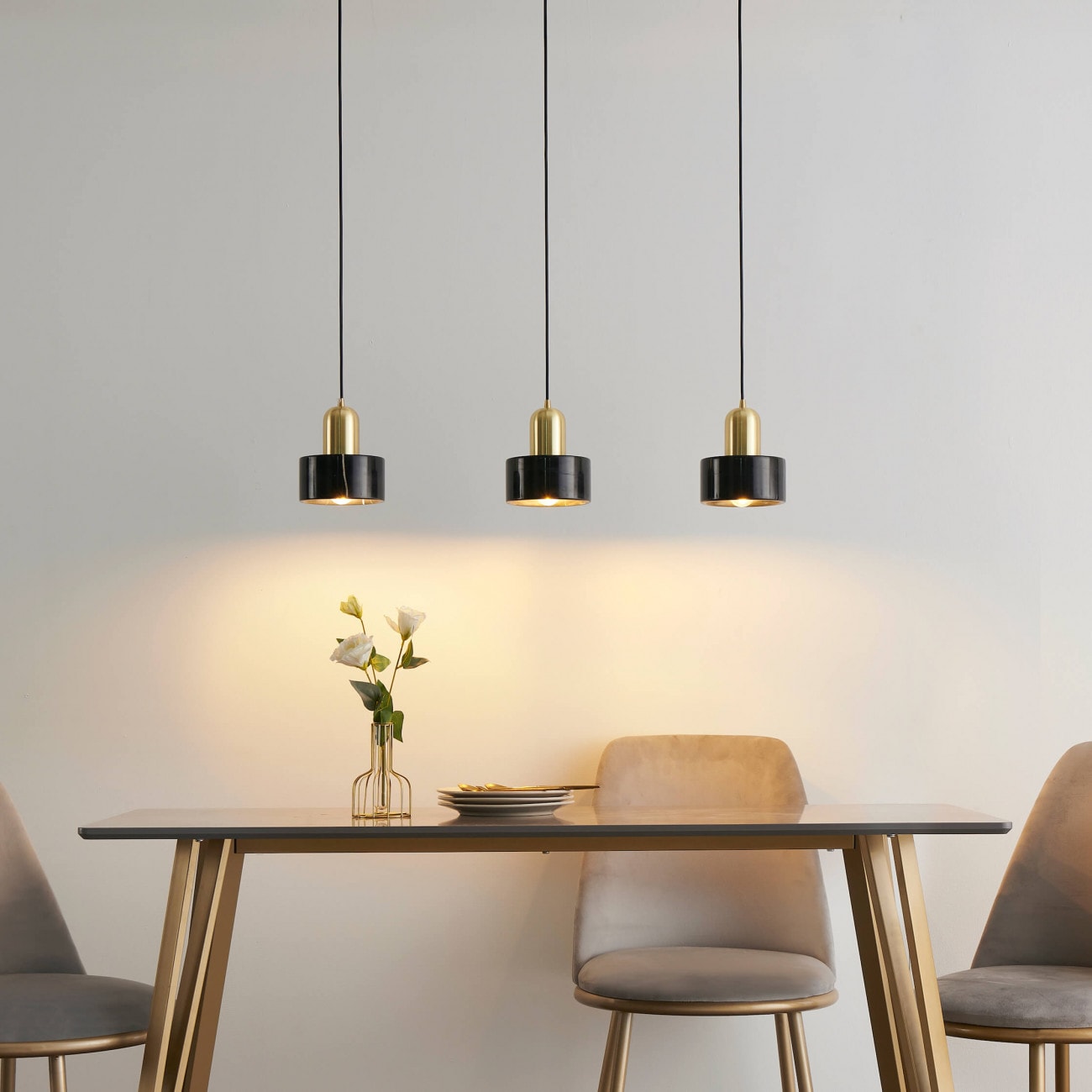
Balance Task Light with Comfort
Home offices, cafés and co-working corners need clear light for work while still feeling welcoming.
- Marble desk or table lamps — give directed light and stay steady on busy surfaces.
- Alabaster ceiling lights — fill the room with soft background light that reduces eye strain.
- High-traffic areas — choose marble where fixtures may be touched or bumped.
How Do You Choose Between Alabaster and Marble Lights?
Ask yourself these five questions before you buy — they will usually point you to the right stone.
What kind of light do you need?
For soft mood and ambient light, choose alabaster. For reading, working or focused light, choose a marble lamp with a shade.
How busy is the space?
In homes with children, pets or heavy foot traffic, marble handles knocks better. Keep delicate alabaster on walls and ceilings, out of reach.
Is there moisture or humidity?
Bathrooms, coastal homes and humid monsoon months are harder on alabaster. Marble, sealed properly, copes better in these conditions.
What style is your interior?
Alabaster suits Japandi, minimal, Mediterranean and warm-neutral homes. Marble suits art deco, modern luxe, classic and contemporary interiors.
How much care are you happy to give?
Alabaster needs gentle, dry dusting and careful handling. Marble is lower-effort day to day but should not meet acidic spills.
Alabaster makes a room glow; marble makes a room stand still and look. The best homes often have a little of both.
How Do You Clean and Care for Alabaster and Marble Lights?
Natural stone lasts for decades when it is cared for correctly. Always switch off the light and let it cool before cleaning.
Keep It Dry and Gentle
- Dust weekly with a dry microfibre cloth or soft brush.
- Never use water, sprays, glass cleaner or chemicals.
- Handle with clean, dry hands to avoid oil marks.
- Keep away from steam, splashes and damp walls.
- Use cool-running bulbs and avoid placing near heaters.
Wipe, Dry and Protect
- Wipe with a slightly damp cloth, then dry immediately.
- Use only a pH-neutral stone cleaner when needed.
- Avoid vinegar, lemon, bleach and acidic cleaners that etch.
- Use coasters under drinks placed beside marble lamps.
- Reseal the stone occasionally to keep it stain-resistant.
What Should You Check Before Buying a Stone Light?
Natural stone lighting is an investment. These checks help you avoid imitations and choose a fixture that fits your space.
Is It Real Stone?
- Real alabaster glows with irregular clouds and veins when lit.
- Natural stone feels cool and has noticeable weight.
- Resin copies look too uniform and may repeat patterns.
Will It Suit the Room?
- Check height and width against your wall or table.
- Sconces usually sit around 150–170 cm from the floor.
- Pendants over tables usually hang 75–90 cm above the top.
Is It Made to Last?
- Look for solid metal fittings and neat, secure wiring.
- Check the bulb type and holder before you order.
- Ask about packaging — stone needs protective shipping.
Good to know: Small colour shifts, veins and tiny natural marks are signs of genuine stone, not defects. No two alabaster or marble lights will ever look exactly alike.
Can You Mix Alabaster and Marble Lighting in One Room?
Yes — and it is one of the easiest ways to make a room feel layered and designer-finished. The key is to give each stone a different job.
Split the Roles
Use alabaster for ambient glow on walls or ceilings and marble for accent lamps at table height.
Match the Metal
Keep brass, gold or black fittings consistent so different stones still feel like one family.
Echo the Tones
Pick a marble with warm or cream veins that picks up the honey tones of alabaster.
Keep One Hero
Let one piece be the statement and keep the others quieter to avoid a busy look.
Natural Stone Lighting from Whispering Homes
Handpicked stone lights that bring soft glow and timeless polish to every room.
Wall Sconces & Accent Lights
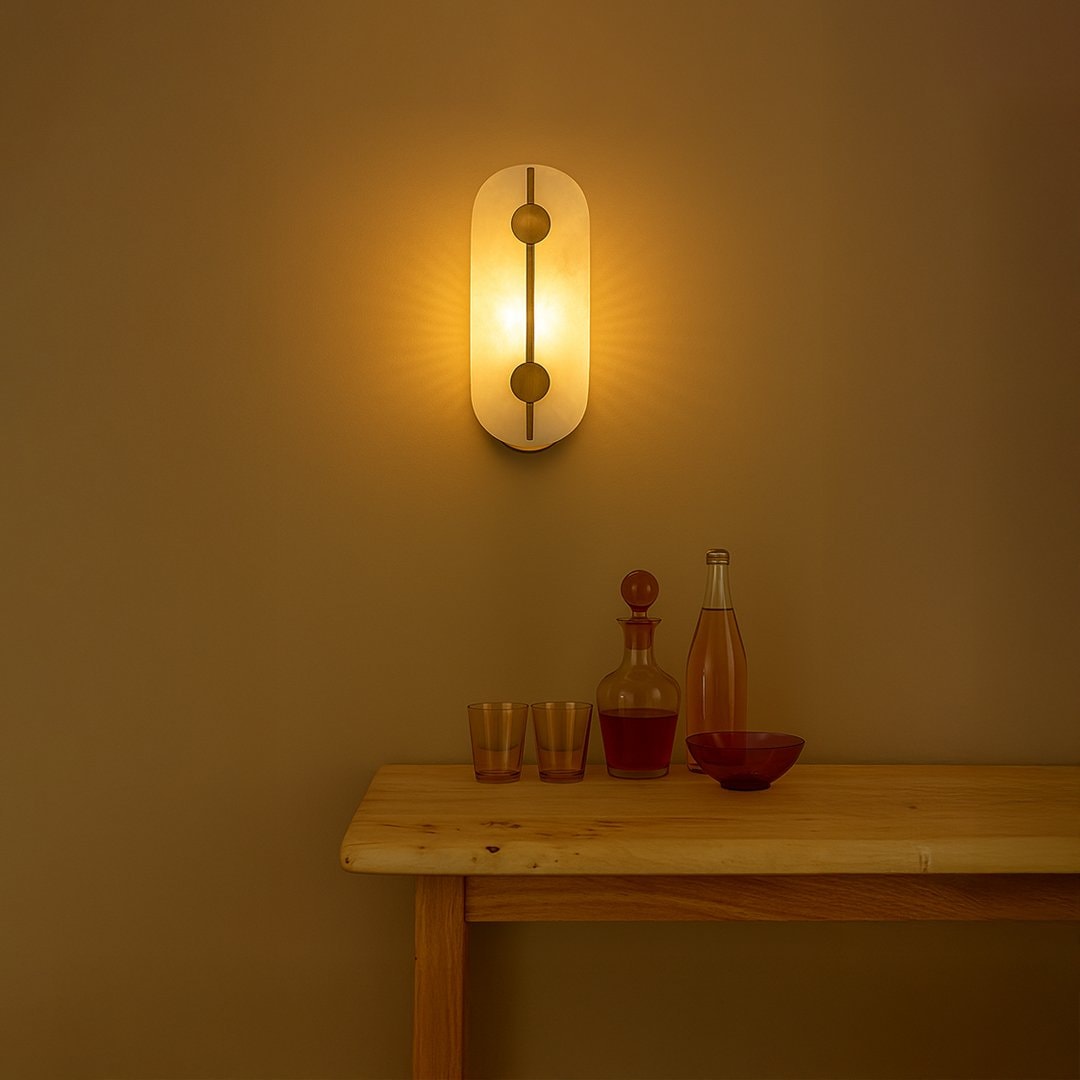
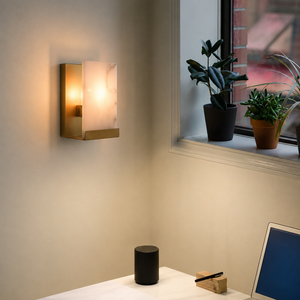
Lumina Marble Wall Sconce
A wall sconce with warm ambient glow for a sophisticated living or bedroom wall.
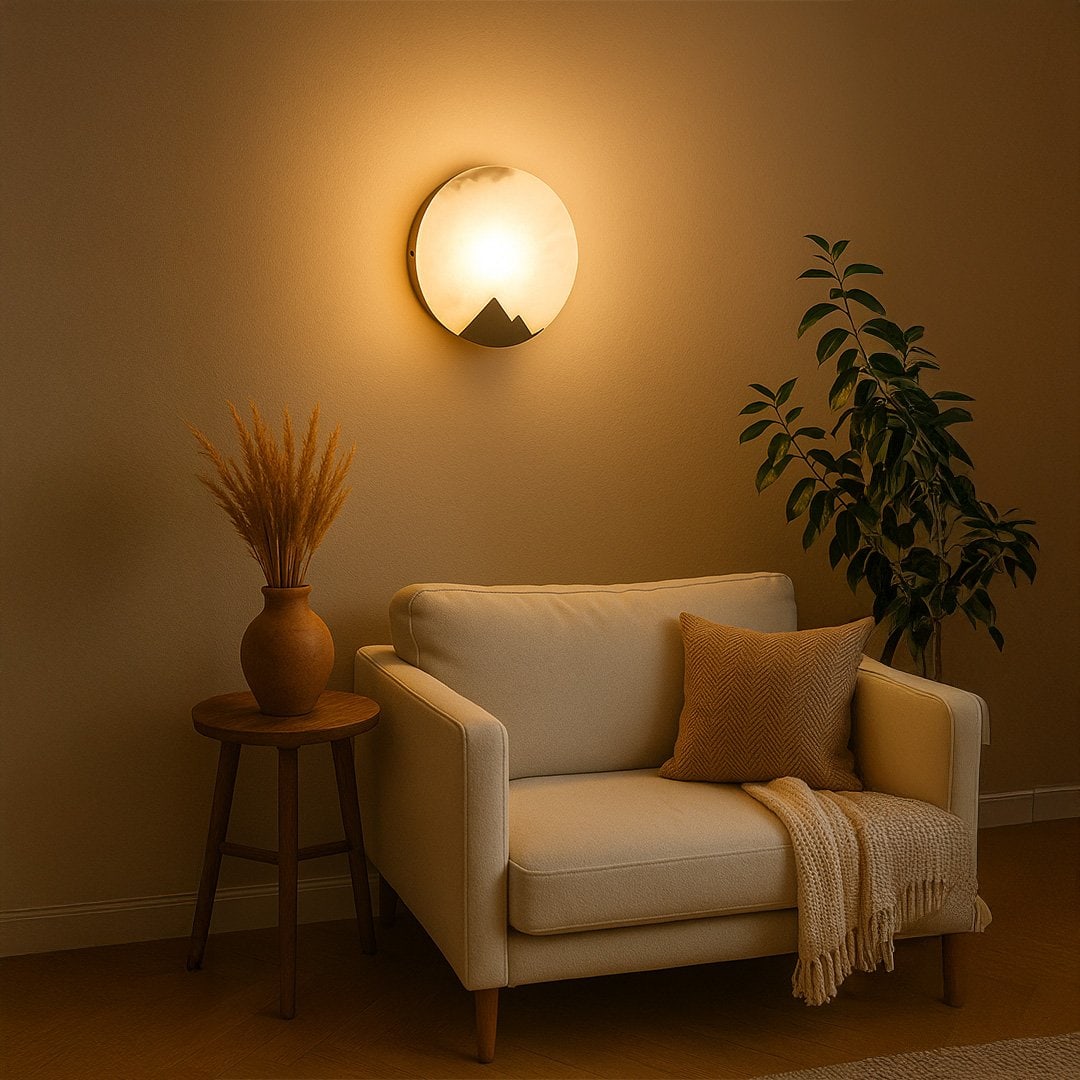
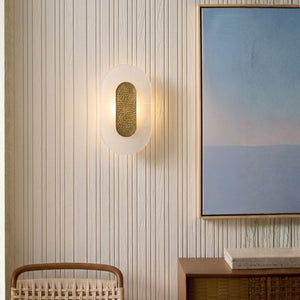
Luce Marble Wall Sconce
A modern circular design with natural stone texture, ideal for accent lighting.
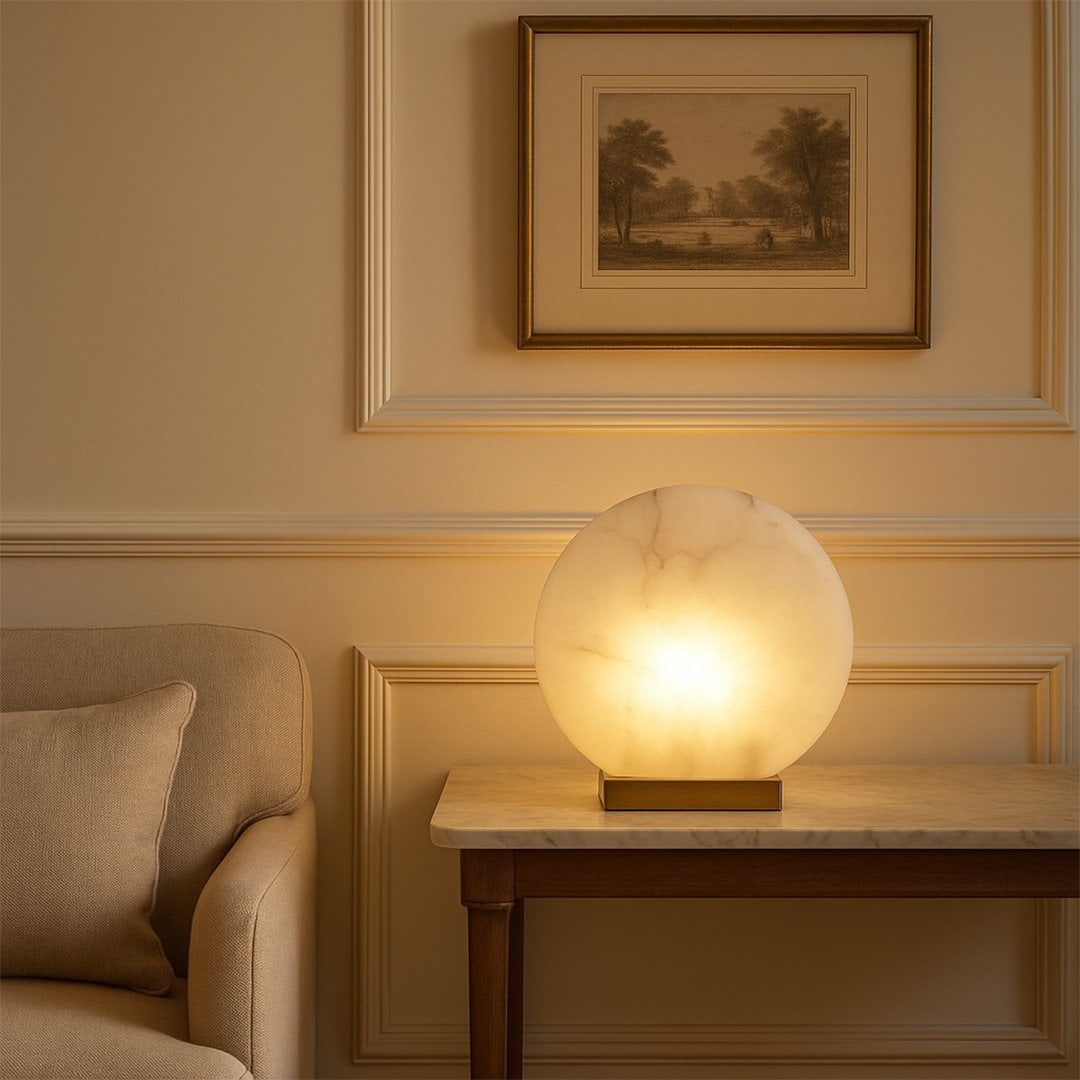
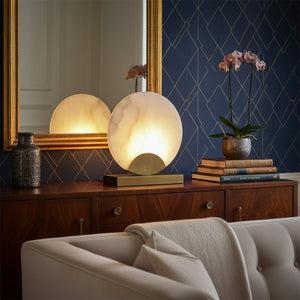
Axiom Marble Table Lamp
A spherical lamp on a stone base that gives soft, diffused bedside light.
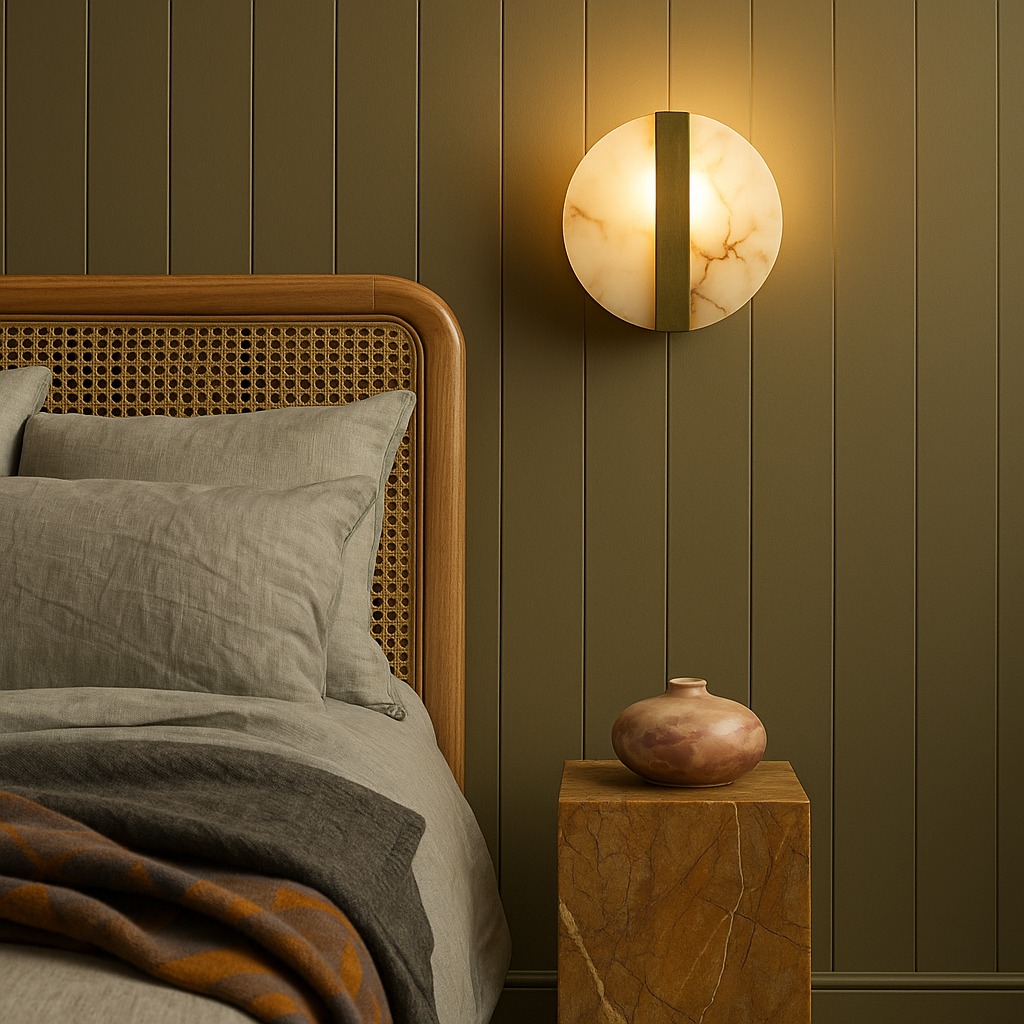
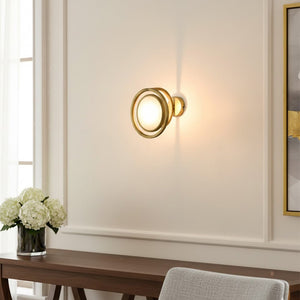
Helix Marble Wall Light
A circular wall light with a geometric profile for bedrooms and living areas.
Statement Lamps & Pendants
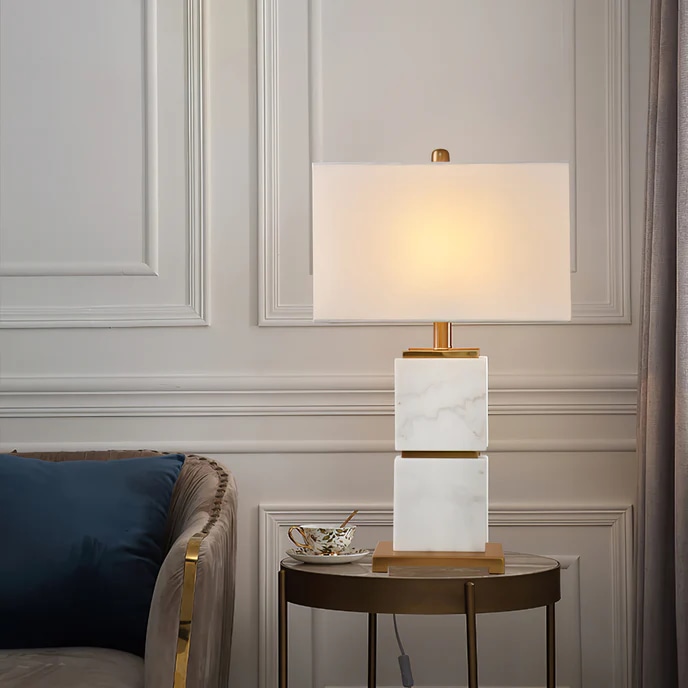
Colten Marble Lamp
A geometric marble table lamp with gold accents for refined living spaces.
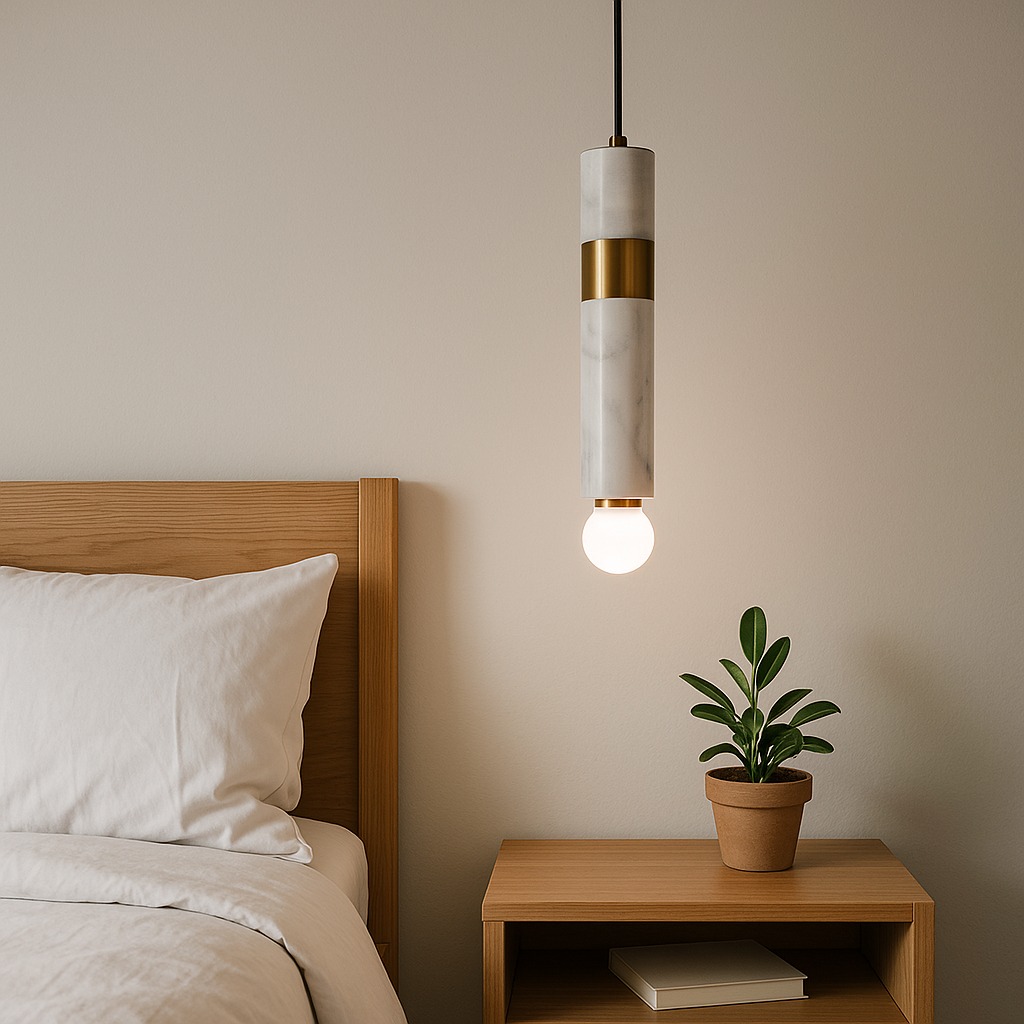
Trapezoid Marble Hanging Light
A sleek pendant in white marble and gold for bedsides and reading nooks.
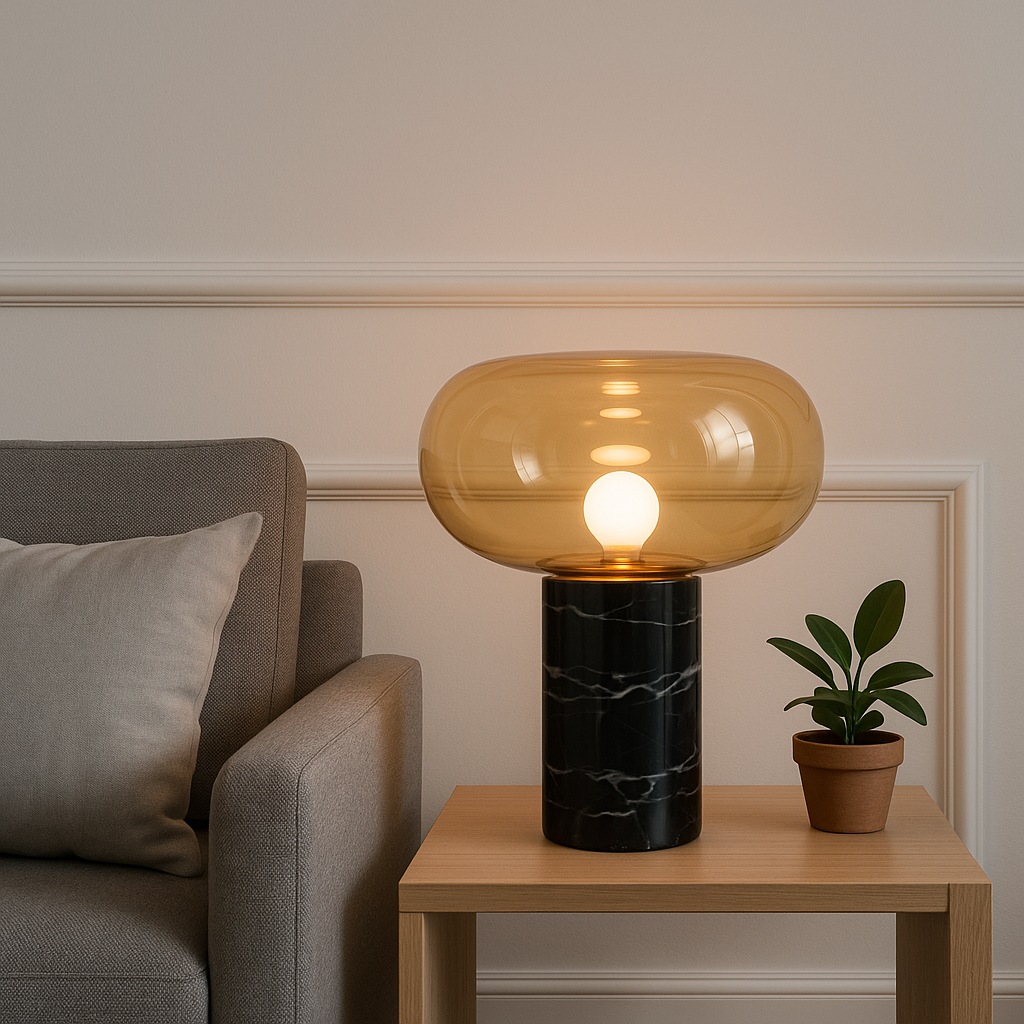
Nefol Golden Marble Table Lamp
A striking marble base with a warm glass globe for contemporary interiors.
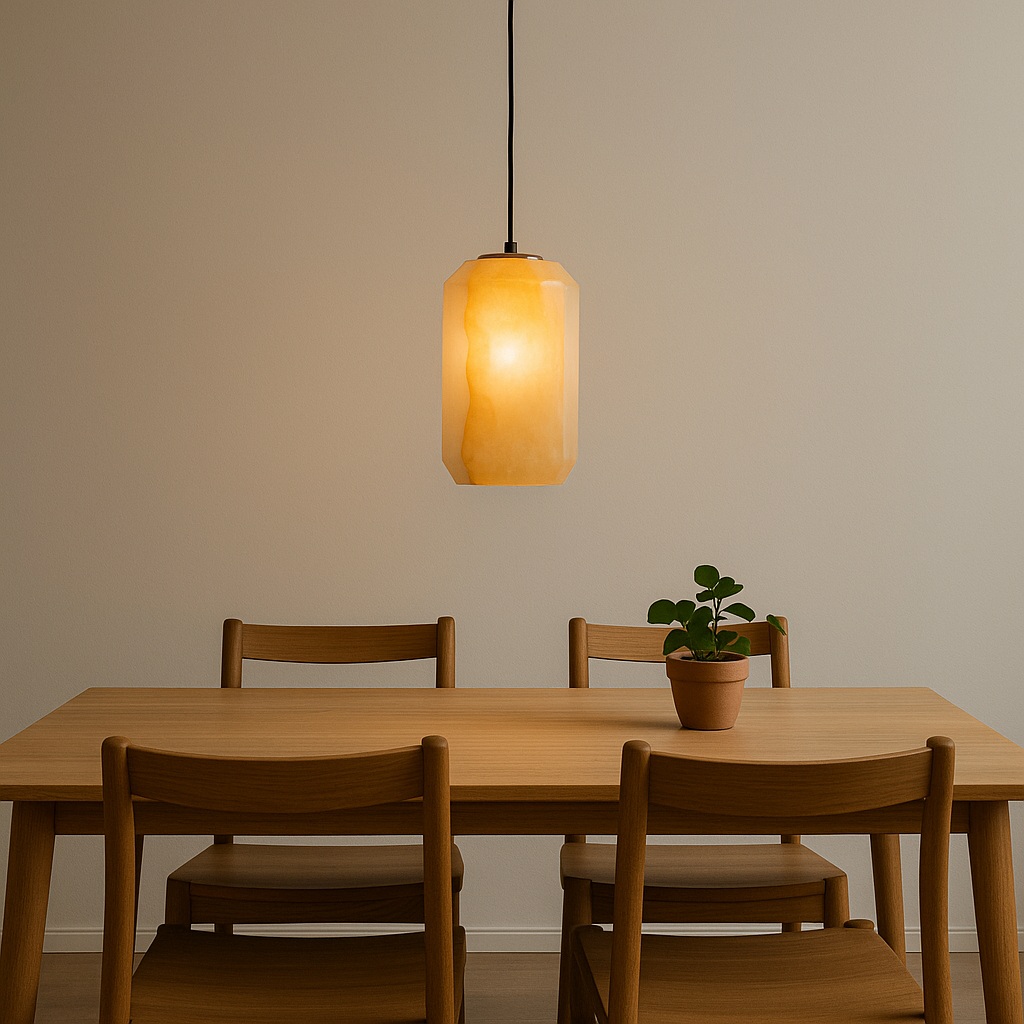
Marble Grain Glass Pendant Lamp
A marble-grain glass pendant with a warm glow for dining areas.
Frequently Asked Questions
What is the main difference between alabaster and marble lights?
Alabaster is a soft, translucent stone that lets light pass through it, so alabaster lights glow softly from within. Marble is harder, denser and mostly opaque, so marble lights usually use the stone as a sculptural base or frame while the light comes from a shade or glass element.
Is alabaster or marble better for a bedroom?
Alabaster is usually better for a bedroom because its diffused, warm glow is gentle on the eyes and ideal for winding down. Marble table lamps also work well on bedside tables when you want a heavier, stable base and a more polished, statement look.
Can alabaster lights be used in a bathroom?
Alabaster can be used in a bathroom only away from direct water splashes and in a well-ventilated space, because the stone is porous and sensitive to moisture. For vanity lighting close to the basin, marble or sealed stone fixtures with suitably rated fittings are the safer choice.
Which is more durable, alabaster or marble?
Marble is more durable than alabaster. Marble rates about 3 to 4 on the Mohs hardness scale and resists daily wear, while alabaster is softer and can scratch or chip more easily, so it is best placed where it will not be knocked or handled often.
How do you clean alabaster and marble lights?
Clean alabaster with a dry, soft microfibre cloth or a soft brush and never use water or chemical cleaners on it. Clean marble with a slightly damp cloth and a pH-neutral stone cleaner, then dry it, and avoid vinegar, lemon or other acidic products that can etch the surface.
Do alabaster lights glow evenly?
Alabaster lights glow with natural variation rather than perfectly evenly. Thinner areas let more light through and natural veins or clouds show up as darker patterns, which is part of the stone's character and means no two alabaster lights look exactly the same.
Why are alabaster and marble lights expensive?
Alabaster and marble lights cost more because they are made from natural stone that has to be quarried, cut, carved and polished largely by hand. Each piece is unique, the stone is heavy to ship safely, and a well-made stone light lasts for many years, which adds to its long-term value.
Can I mix alabaster and marble lighting in the same room?
Yes, alabaster and marble work well together in one room. A common approach is to use alabaster for soft ambient glow, such as wall sconces or a pendant, and marble for a grounded accent, such as a table lamp, while keeping metal finishes consistent so the room feels connected.
How can I tell if a lamp is real alabaster?
Real alabaster glows when light shines through it and shows irregular natural veining, clouds and colour shifts. It feels cool to the touch and has some weight, while resin or plastic imitations often look too uniform, feel warm and light, and may show repeated patterns.
Final Thoughts
Alabaster and marble are both beautiful, natural and long-lasting, but they bring very different light into a home. Alabaster turns the fixture itself into a soft, glowing lantern that calms a room, while marble offers polish, weight and durability that make it a confident statement piece.
Start with how you want the room to feel and how it is used every day. Choose alabaster where you want warmth and quiet, marble where you want strength and shine — and do not be afraid to bring both together for a layered, timeless home.
Recent Articles
More lighting ideas and expert tips to transform your space.
What Type of Lighting Is Best for Wall Moulding?
The right lighting to highlight wall moulding and add depth to your interiors.
Read Article → Table LampsTop 10 Table Lamps and Bedside Lamps in 2026
The best table and bedside lamp designs for modern homes this year.
Read Article → Pendant Lights5 Amazing Benefits of Pendant Lights for Small Houses
How pendant lights save space and add style to compact homes.
Read Article → Outdoor LightingTop Trends in Outdoor Lighting Design for 2026
The latest outdoor lighting trends to transform your exterior spaces.
Read Article →